Freya and I split the work load and we wanted to focus on creating separate outcomes for the work we have done.
Freya is displaying our project in the degree show – keep a look out!
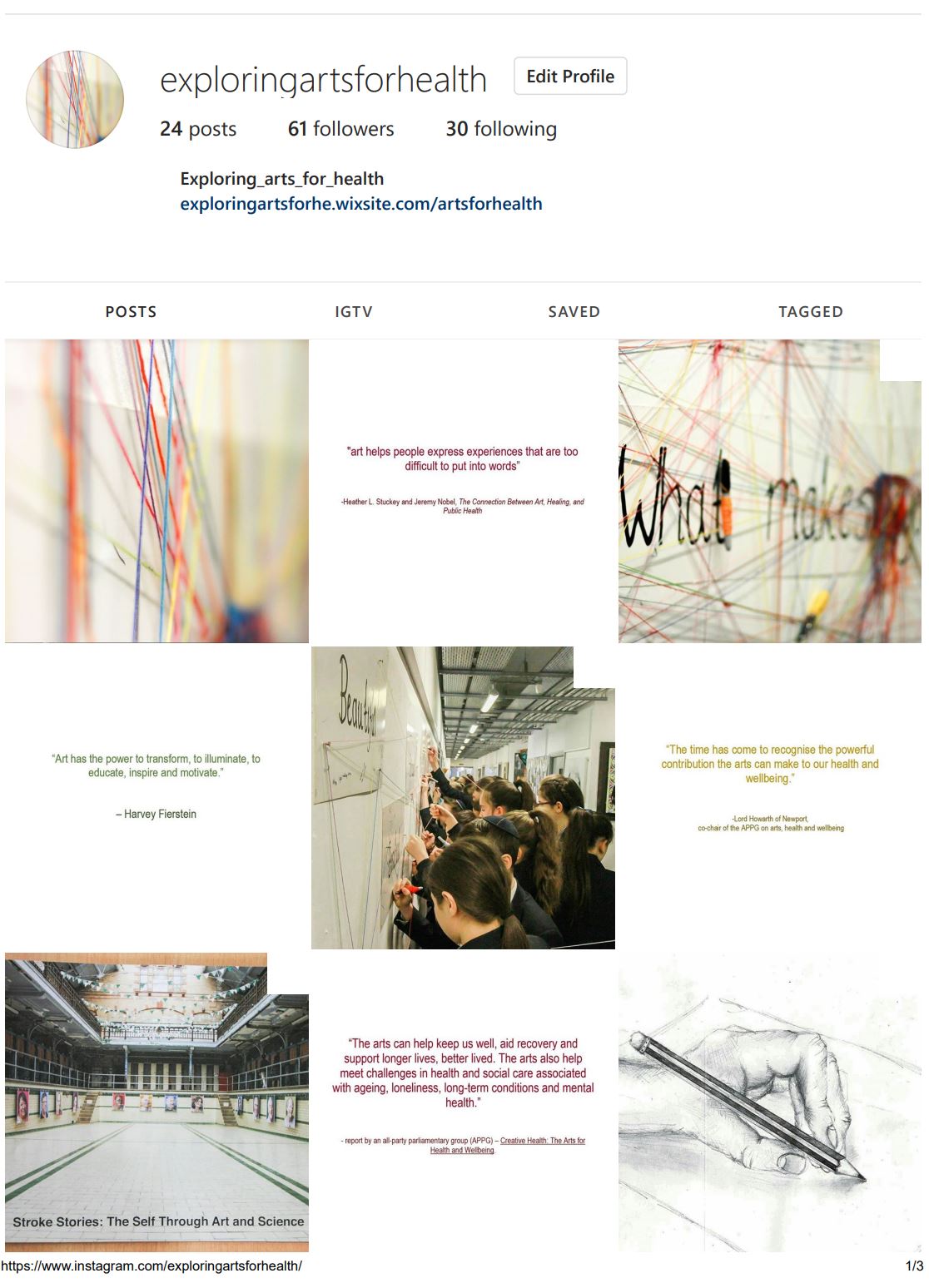
I found it was appropriate for me to create an online website and social media platforms : Instagram and Facebook. I would like to keep this project live, updated and running as I plan to continue this work, and keep getting involved with arts for health projects, and continue to plan and deliver workshops in different settings. An online outcome was the best way to connect with the public and other projects within the arts for health community. This is already taking lift off, and I am excited to see where it continues to grow.
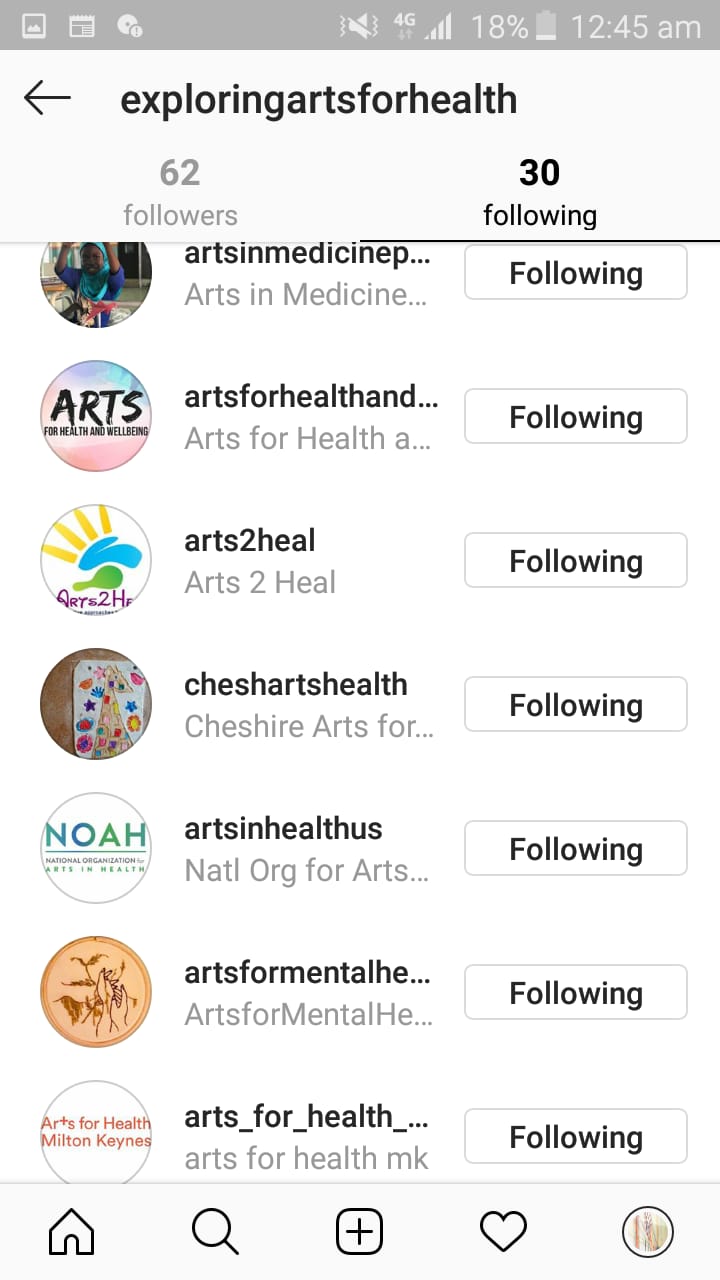
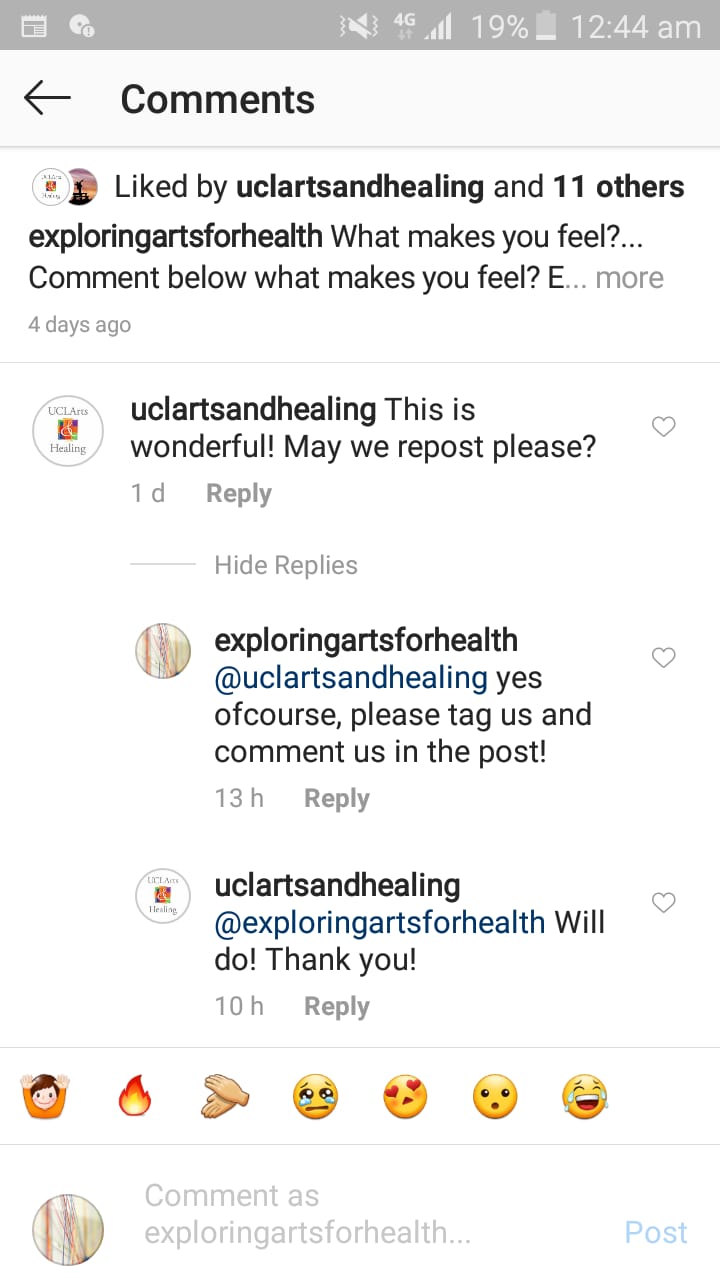
Here are some examples of other arts for health pages on social media wanting to share one of our posts – creating a network or engaging and updated projects.
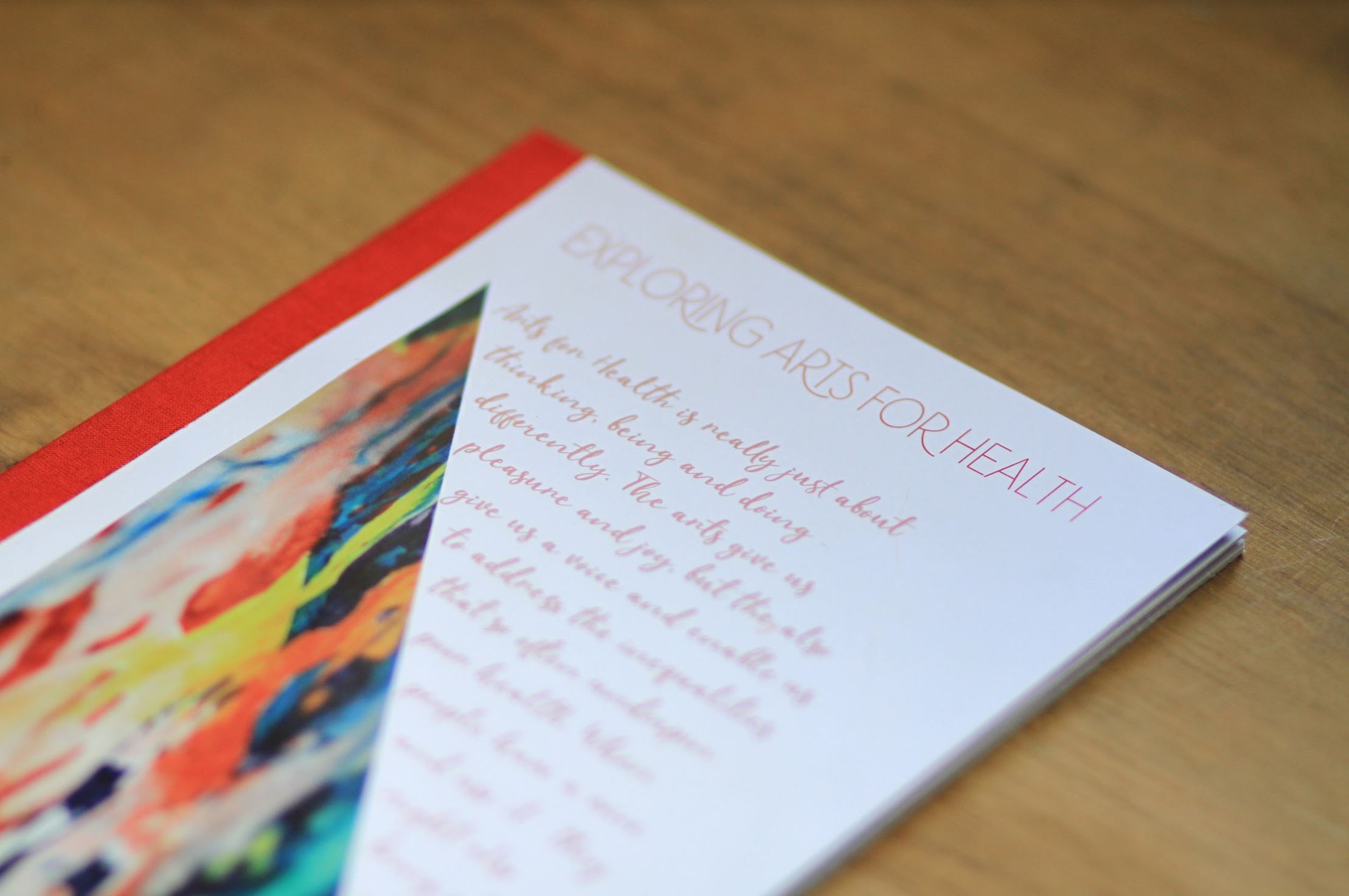
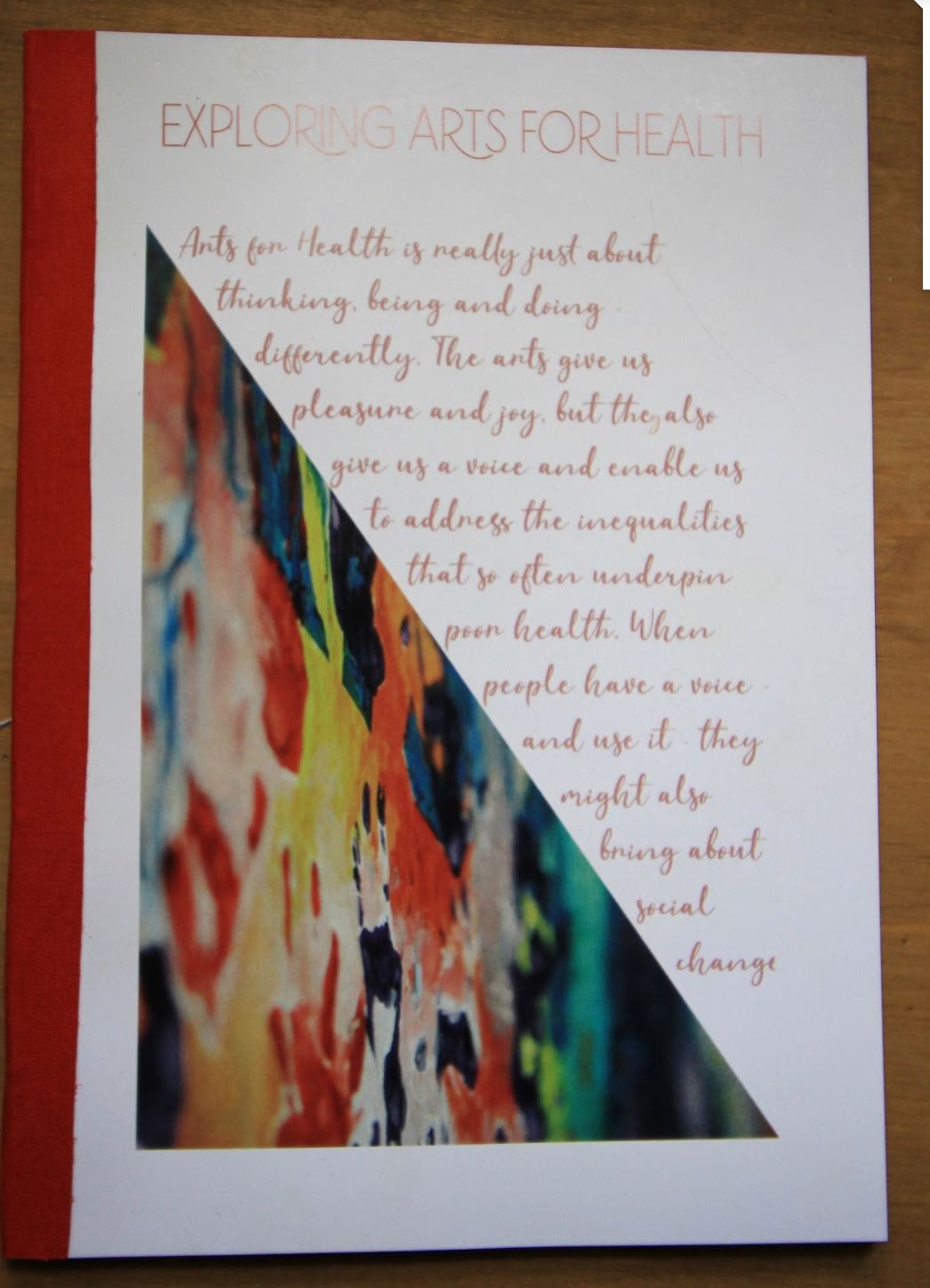
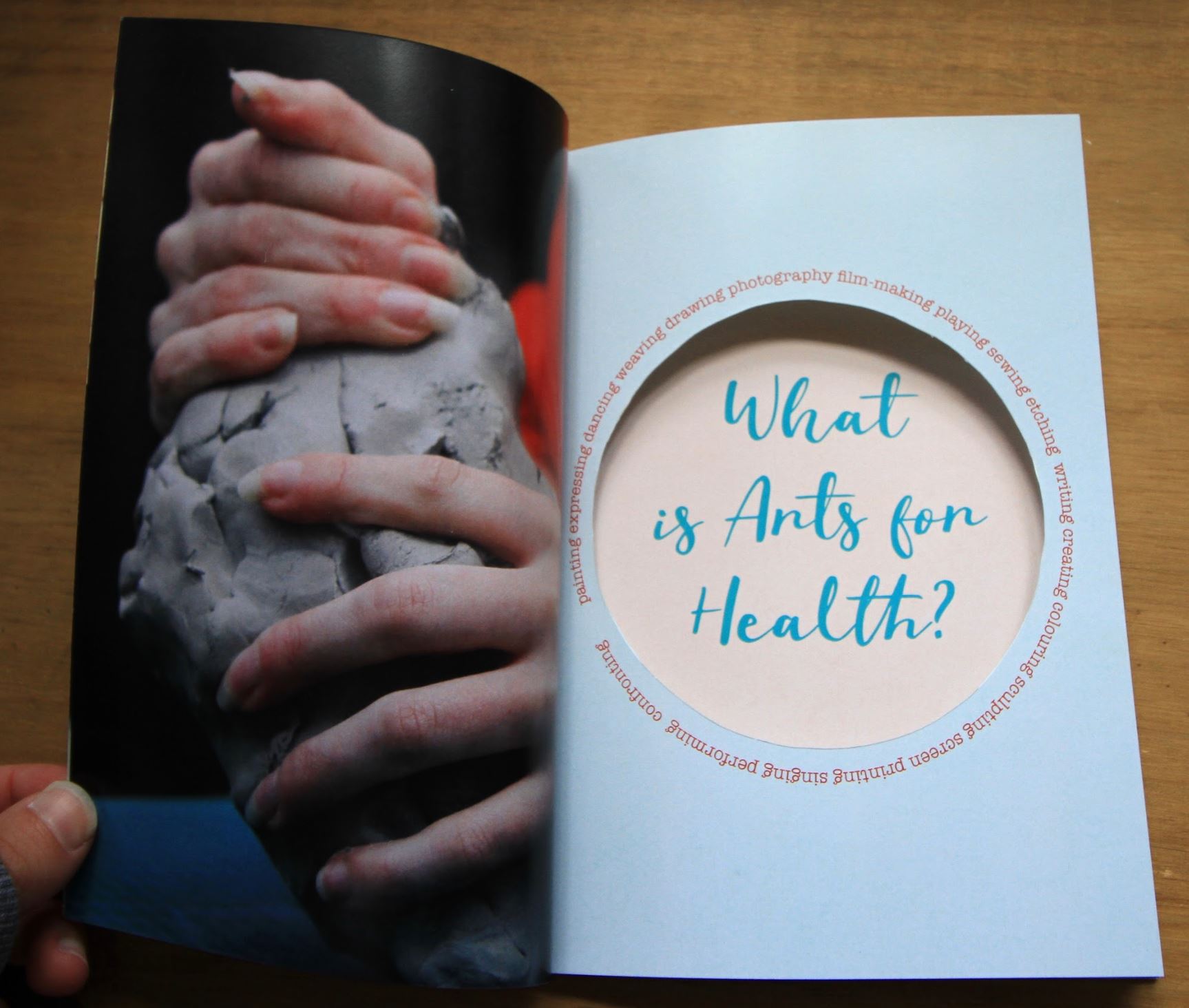
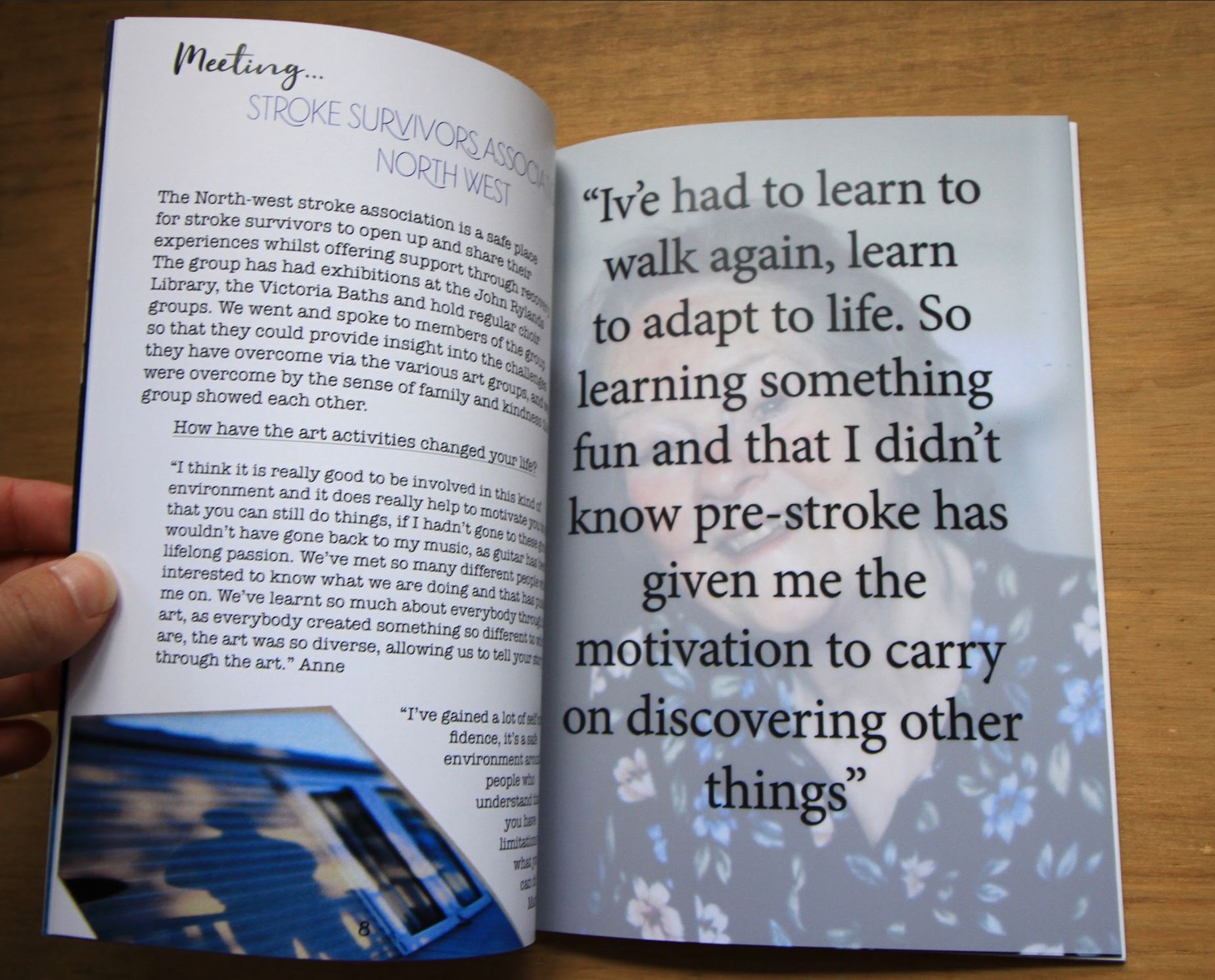
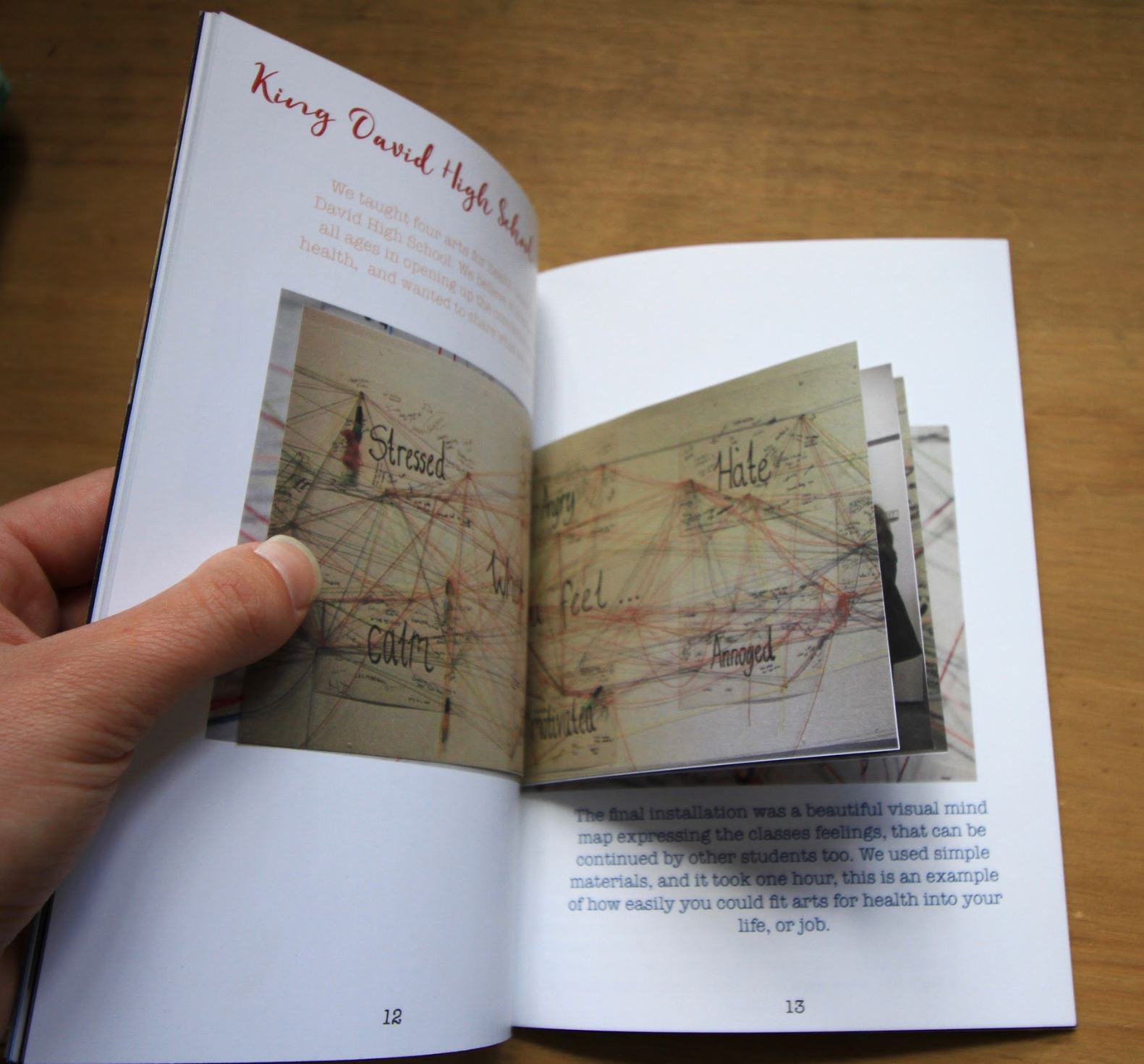
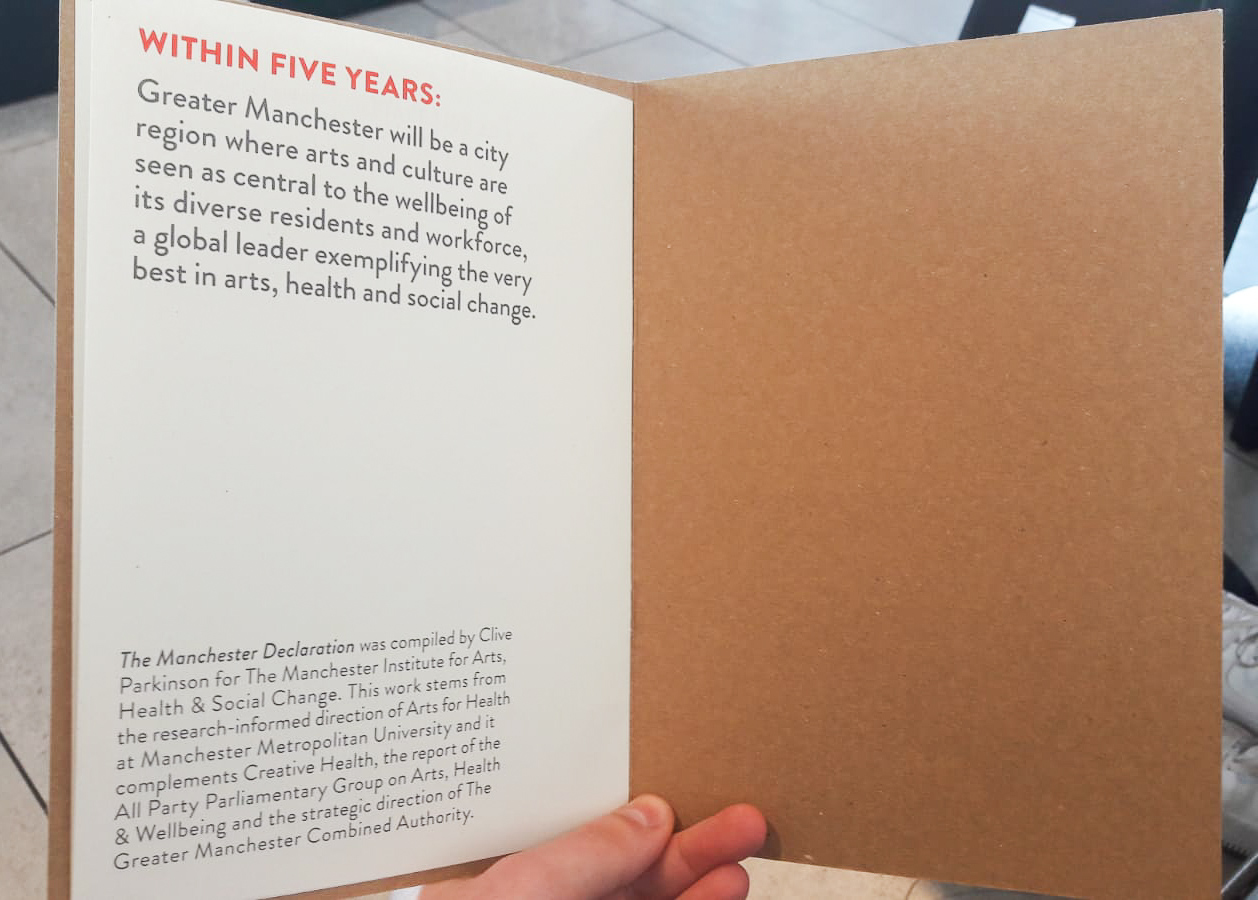
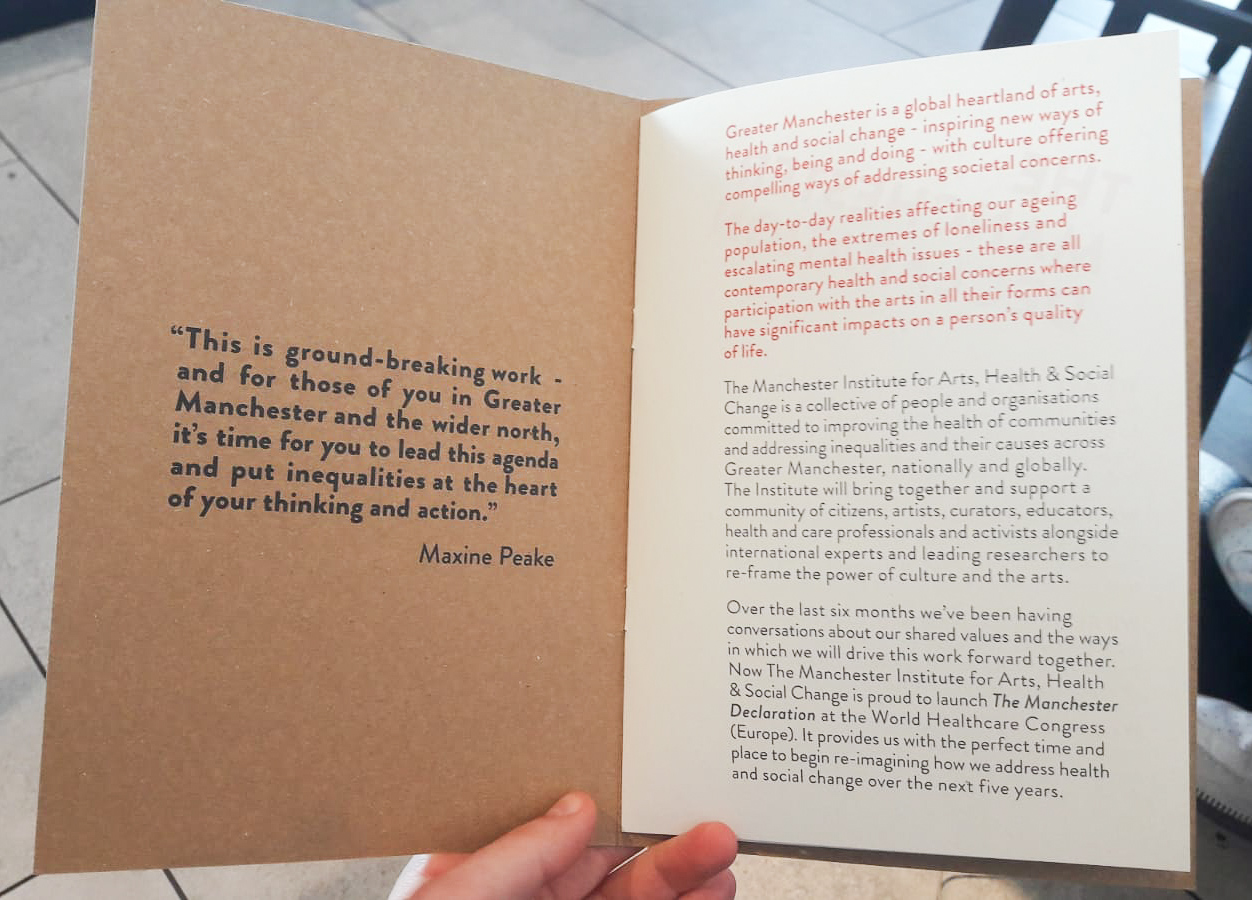
Here are some images of the book Freya has put together: The aim of this is for people to read about ‘exploring arts for health’ and if they are interested to find out more by visiting our website, Instagram and Facebook – the web address should be located at the end of the book ‘find out more… ‘
The purpose of this online platform – website is to connect people with our project ‘Exploring arts for health’
The website is to allow people to see our workshops that we have delivered and if they are interested to contact us and book in a session for us to facilitate and deliver a workshop on arts for health at their desired location.
I have designed the website on Wix, and made sure it is simple and easy to navigate, with links to our social media: Instagram and Facebook
I have made sure to keep the website simple and informative – to the point, and not overcrowded with information as this is not a research/resource website – but a website with our project and offering our service to deliver workshops.
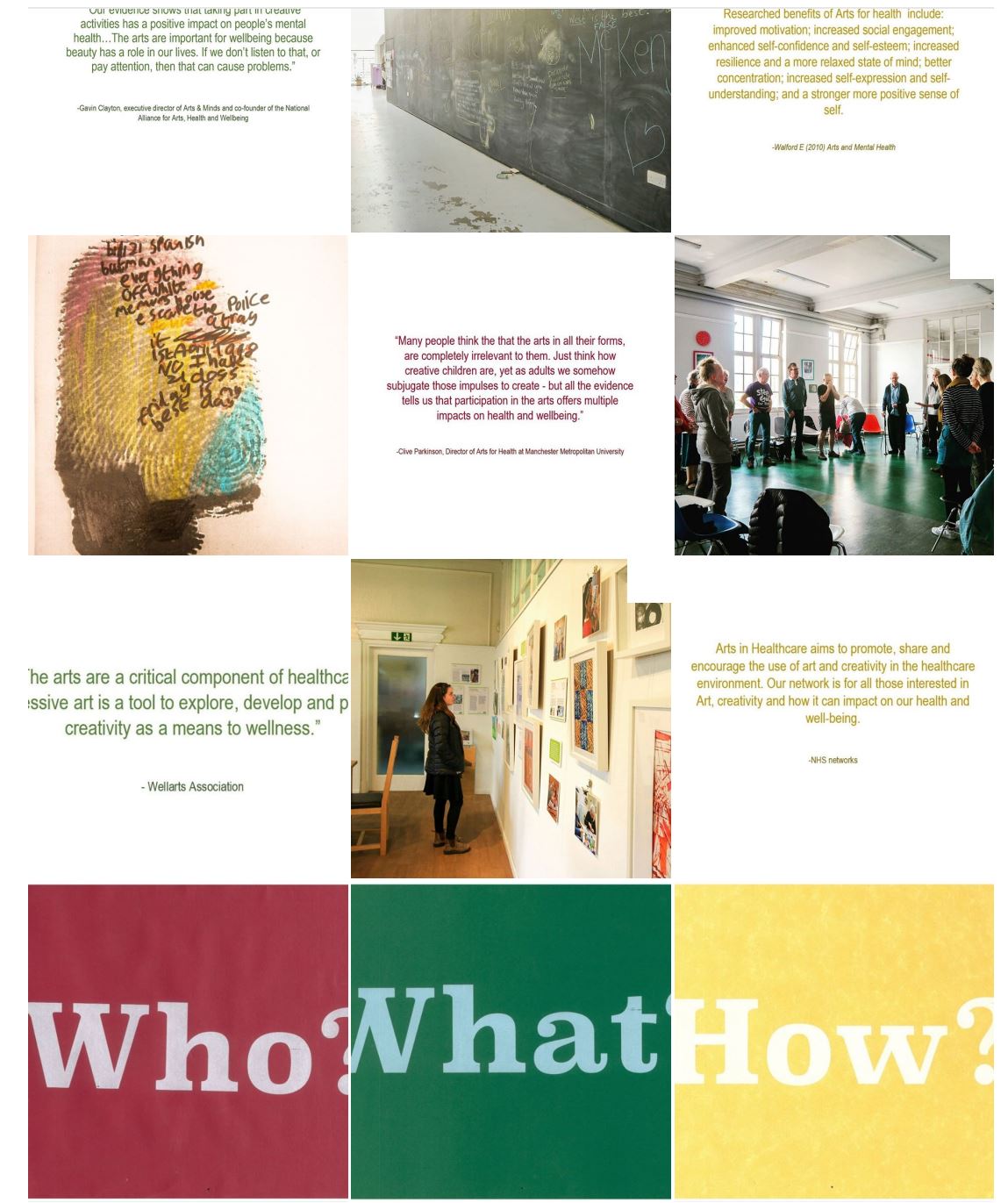
I wanted to create a informative social media platform for people to access digestible information on arts for health and projects that we are exploring. To create a visually pleasing and easy to follow page I have designed the layout in this order: project/organisation – fact – project/organisation – fact… etc…. this layout will help keep things easy to view and engage with – without being overwhelmed and bombarded with information!
I also like this design layout as it keeps me on my toes, and I need to keep on top of researching arts for health to keep the blog updated.
Reflecting on my progress during this project ‘exploring arts for health’,
I wasn’t sure what I was going to do for unit X, I had many different ideas at the start, jumping on any opportunity that came around. The project began as a collaborative partnership. I felt most comfortable working in a group as I know from past experiences how much I thrive working collaboratively with other people, bouncing ideas off others and bringing different skill sets and experiences to the project possibilities. I know that collaborative work suits me well, and I learn a lot about myself from these experiences. Working in a partnership gave me confidence at the beginning stages of applying and brainstorming about the project. However, as time went on, throughout the project I felt that I took on a role taking lead in the projects direction. A lot of the external experiences and opportunities that we had throughout the project, such as workshops with young people and visiting different organisations and professionals were my key drive and motivation that I initiated throughout the project. I feel that these experiences have really shaped the project, and created a firm foundation to continue with the work after university. At this stage of the project I feel I have grown in confidence and independence. I have come to appreciate my own capabilities and to give myself credit and not be afraid to approach different opportunities independently. There were a number of meetings, set ups and a workshop that I visited and delivered on my own as my partner could not attend. I have learnt a lot about myself through this experience, and It has really given me the confidence to want to continue this project after university independently- as my partner in this project is moving back home after graduation. There is possibility to continue the work together but we would have to figure out how that would work logistically, perhaps a south UK and North UK representatives? We shall see what comes next…
My values in team work are:
-Clear communication -To be Reliable and responsible -respectful and understanding -Honesty – positive and critical feedback
Working in a collaborative project has highlighted how important these values are to me, which I feel I have made sure to keep throughout UNIT X as this is intrinsic to who I am. I aim to take these values forward with me for collaborative projects in the future.
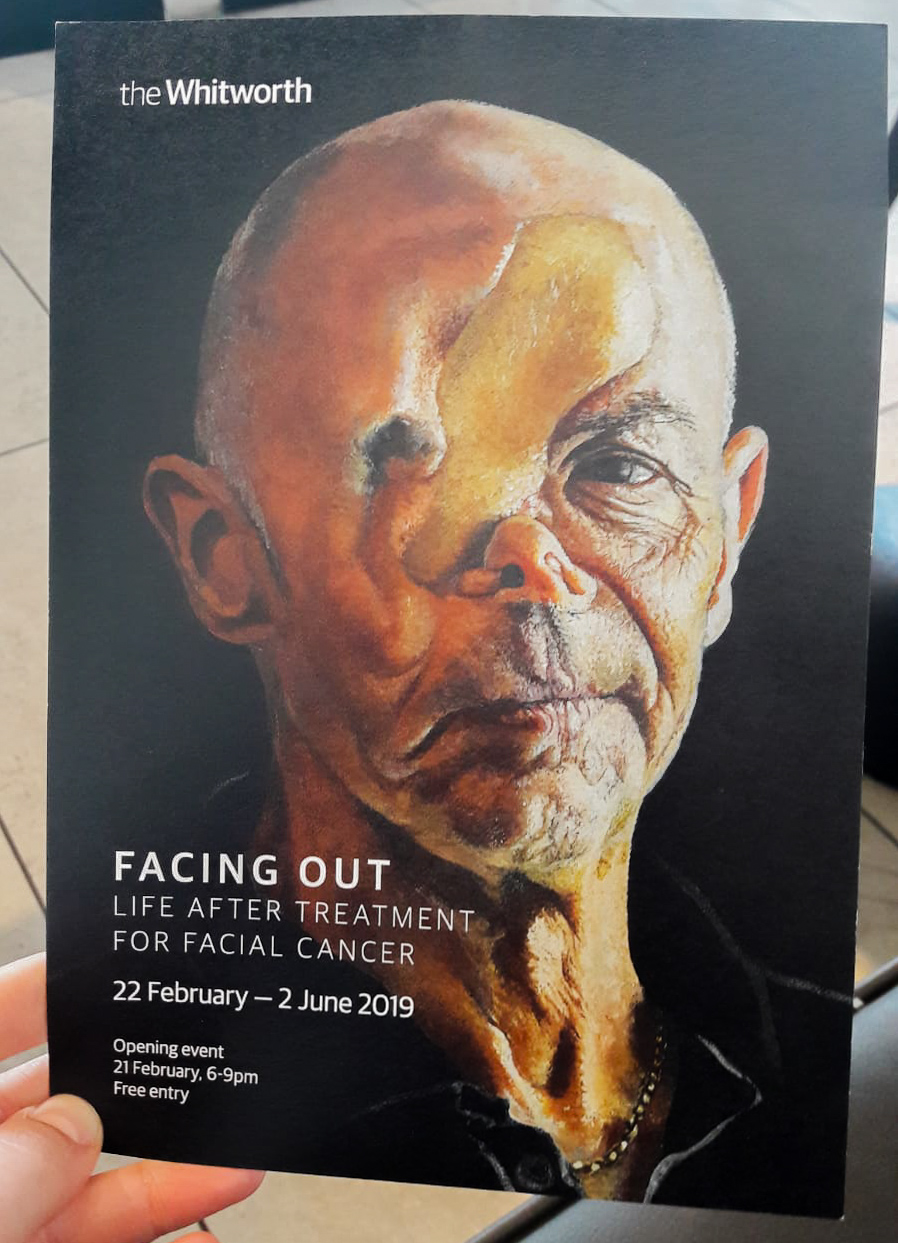
I took a visit to the Whitworth art gallery to meet with the Arts for health coordinator Daisy Strong. I wanted to find out in the meeting what arts for health projects the Whitworth are running for the public.
The arts for health department has been running for 12years at the gallery. Wendy Gahlager and Daisy Strong coordinate and oversee the arts for health projects that are running at the Whitworth and Manchester museum.
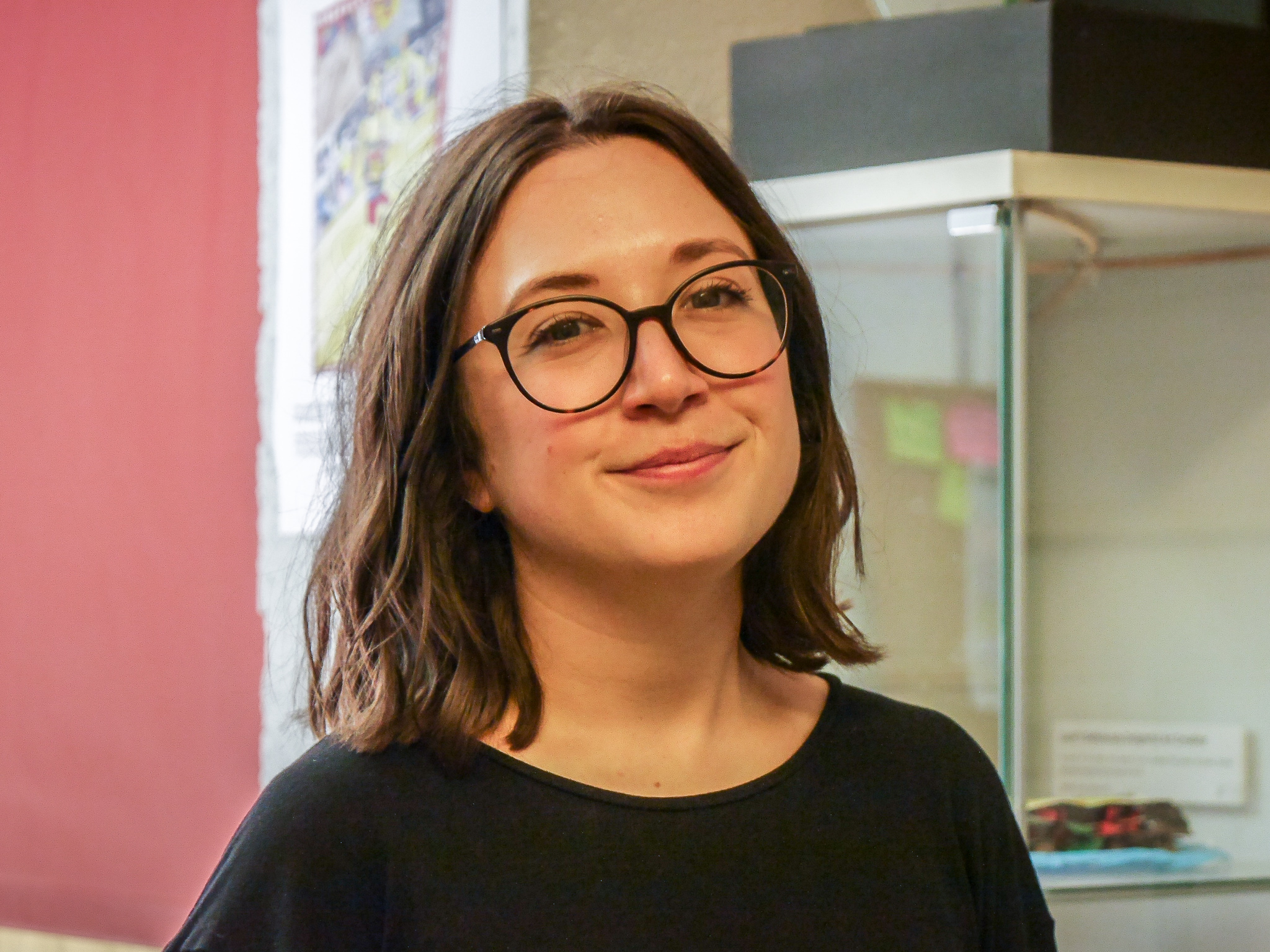
Daisy is a MMU Illustration graduate and we discussed life after graduation and how she got into working in arts for health. Her advice was to get involved and volunteer, and opportunities will arise from that. She volunteered in the local Manchester galleries, which eventually led her to becoming an artist, leading workshops for visitors. She then went on to further her studies with a postgraduate which opened more doors for her in the long run. We discussed the small network of arts for health – all the people who work within the field all know each other, and make sure to support and encourage each other, collaborating in projects and pushing to make things happen. When I graduate from university I would like to continue my exploration within arts for health, getting involved through volunteering and paid opportunities to continue my experience and understanding of the field of work.
Q- How do you see the future of arts for health? A- I would like to see more social prescribing/ arts on prescription available to more people. We have a lot of issues with travel, participants not being able to afford or access modes of transport, this would be idea to improve with the help of funding. It is important to increase the amount of research with arts for health to help make it clearer for other people not in the arts to appreciate it’s benefits and value. Culture Shots We do a lot of educational outreach with GP’s, working with them to help demonstrate the impacts and benefits of the arts from within a medical setting.
Most of the participants come to the Whitworth through referrals. They also are linked with charities that help refer people to projects going on.
The gallery has created a ‘cultural first aid kit’ to help encourage arts for health practice and make this accessible to the public – this is free online.
I aim to apply to start volunteering within the arts for health department at the Whitworth after I graduate.
Daisy mentioned a unique job role I could apply for : Therapeutic activity coordinator, This job role is to deliver arts based activities on hospital wards. Arts for health in hospitals, may aid in research and increase the health and well being of patients.
I went to visit venture arts where I volunteered for several months during second year. Venture arts is a contact that Clive Parkinson suggested, which was a great excuse to reconnect with the organisation and visit familiar friendly faces.
I met with volunteers coordinator Lydia Burke and Amber Okpa-Stother ex-participant and recently employed by the organisation.
Here are some of my notes from our Q&A:
Lydia Burke,
Q- What does arts for health mean to you? A- The Arts have many positive benefits. It’s about being involved as participants as well as practising artists. The arts has been proven to benefit your well being, reduce isolation, build self confidence and a way for people to express themselves. Arts for health is a much cheaper option rather then prescribing medication. There are also many positive benefits from being an audience member, allowing you to make connections through the work and relate it to your own life. It’s a way for us to relate to one another and realise our experiences are shared and normal.
Q- What is your role within arts for health? A- I am the project coordinator at Venture arts, I work on logistics/ timetables/ evaluations of projects/ Funding and budgets. I also organise and plan with the external partners and organisations. I am part of the steering group at venture arts- focusing on evaluating the organisation and helping steer our ideas and actions in a direction we want them to go.
Q-How do you imagine the future or arts for health? A- I would like to see an increase in social prescribing/ arts on prescription for people. I feel the school system undermines the arts so people don’t get to see and experience the benefits arts can bring to your life. Most people end up feeling that you should only be involved in art if you are good at it because you are put off from a young age due to the poor standard of arts education in schools. The arts need to start being valued and taken seriously so we can start seeing the benefits and impact without having to seek it out.
Amber Okpa-Stother,
Amber has been a part of venture arts for 10 years, and she has recently started working for the organisation from September 2018.
Q-What is your role within venture arts? A-I am a part of the steering group where we look at what is going on in the organisation, figure out how people can get involved and suggest projects. I look what I can get involved in. I recently helped write the welcome guide for venture arts. I am doing a 10k to help raise money to help fix the floor in the studio. I help on reception, meet new people and I help with admin and the volunteering. I help out with projects, and talk at conferences.
Q- How do you think venture arts helps people? A- The projects help to build your confidence, meeting new people. Venture arts offers great opportunities where you get to visit new places such as schools and galleries. You can get involved with many opportunities and develop new skills in art.
Q- What skills do you feel you developed at venture arts? A- I gained a lot of confidence doing lots of different types of projects. I enjoy meeting new people. I was introduced to ‘ can do ‘ http://www.disabilitycando.org.uk/ through venture arts and that has given me lots of new experiences that I have learnt from.
Amber has been involved in a schools project that venture arts organise. This is a 10 week project led by a tutor, with 2 artists who support learning, and a mentor. Amber helps to support the children in these groups.
Venture arts also facilitate a cultural enrichment programme for their participants. This is 16 weeks long where they work on placements at galleries or museums.
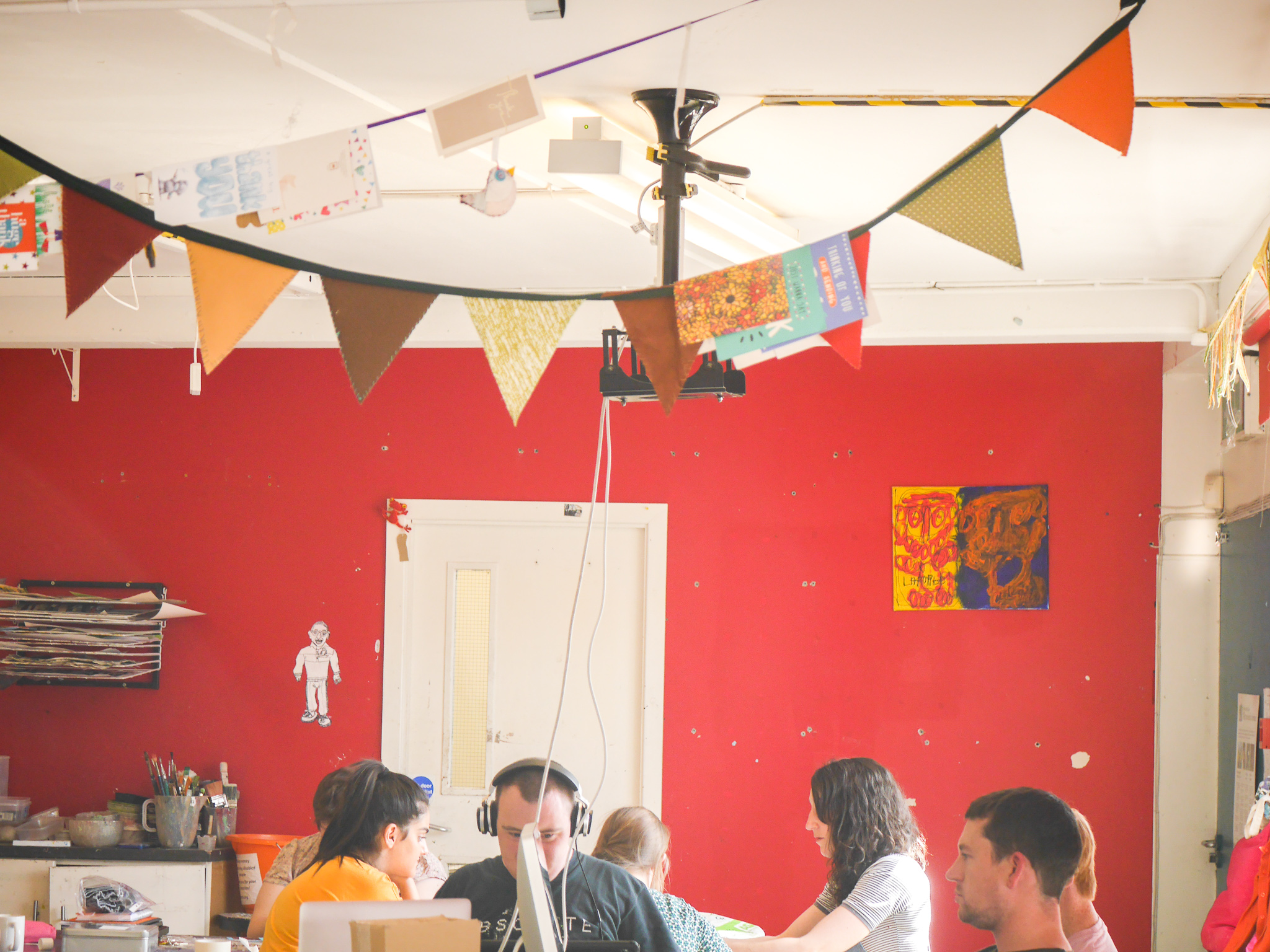
Venture arts studio
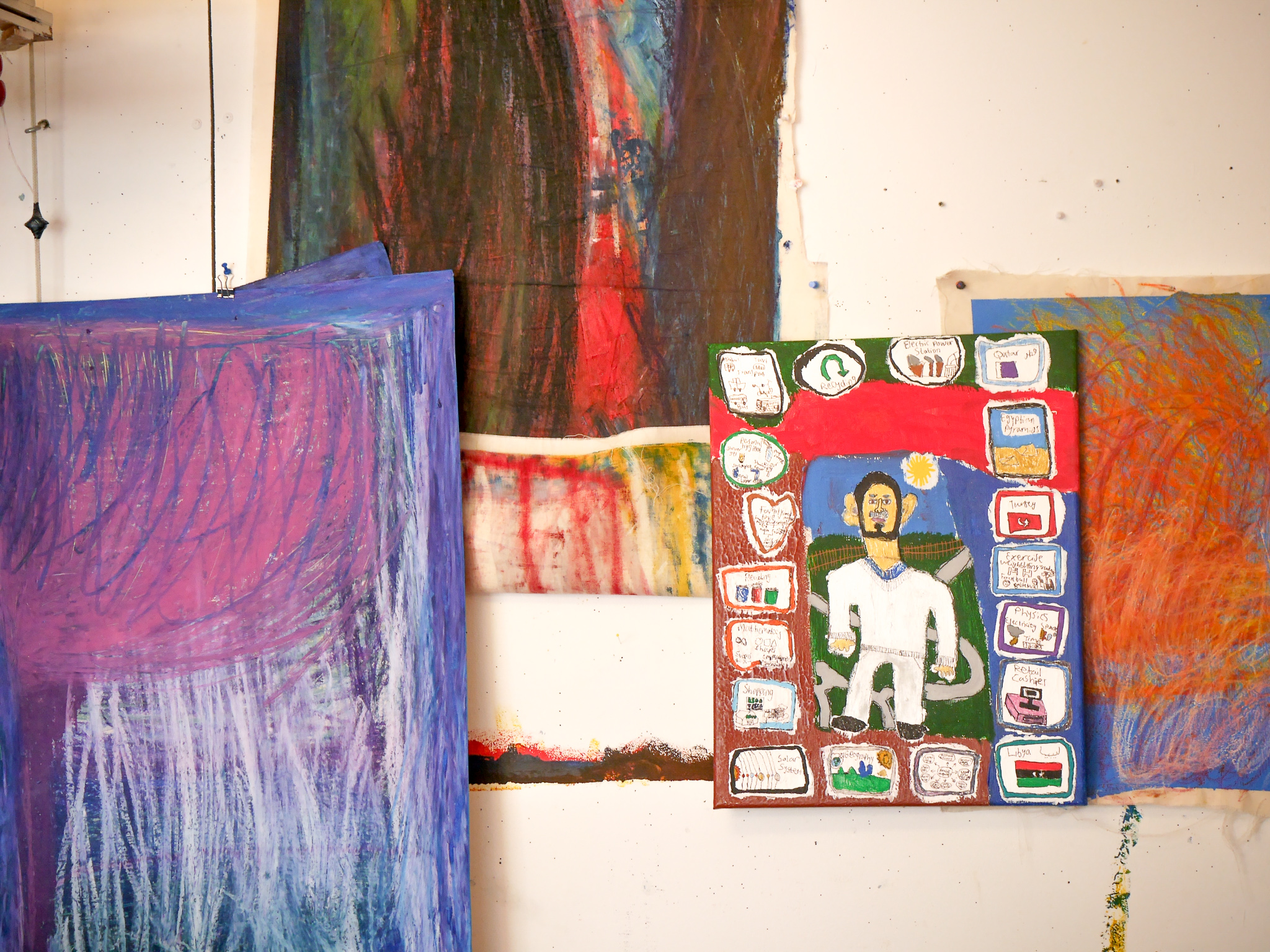
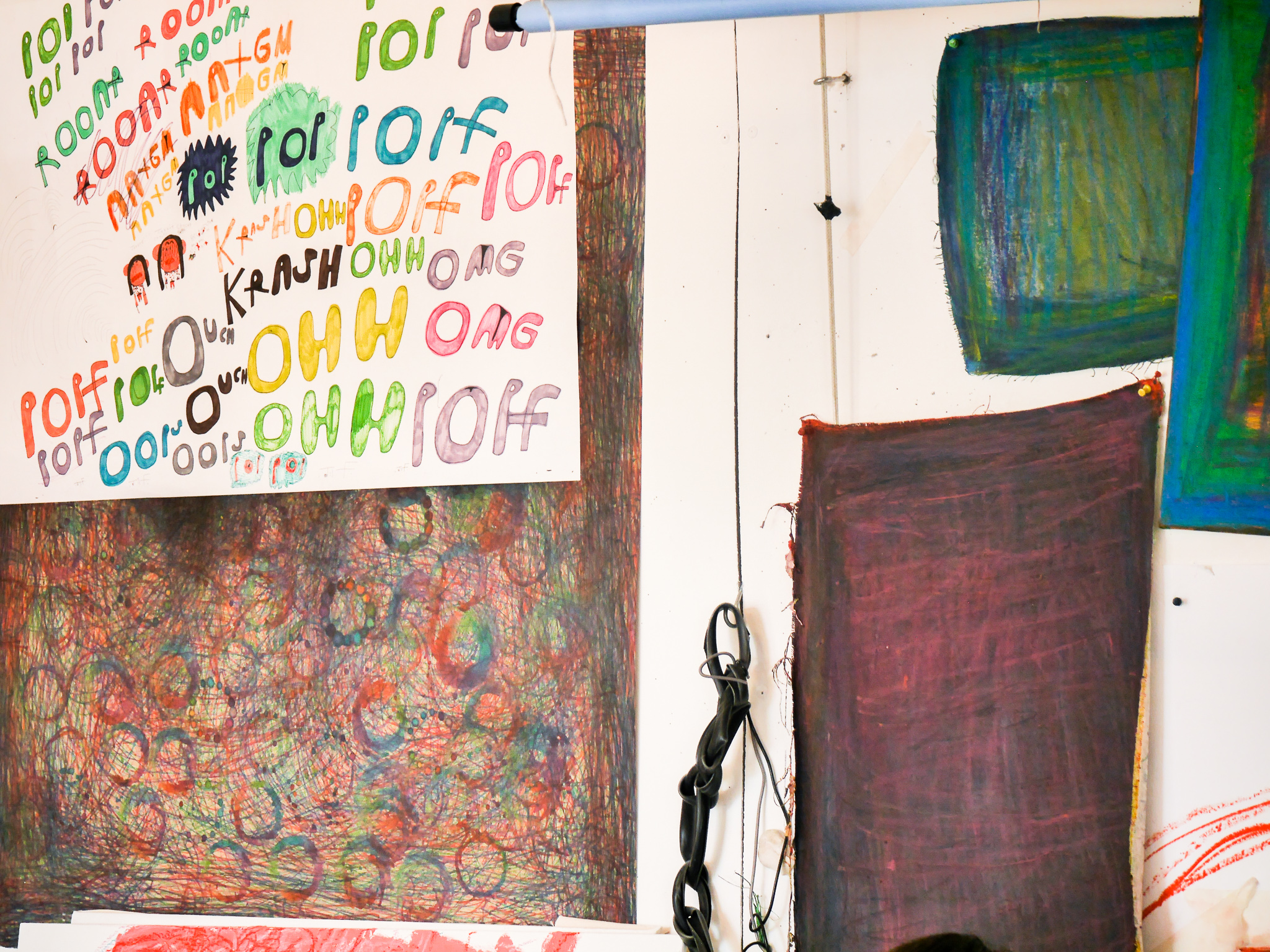
Artwork
Ahmed Mohammed and Anas Aldeeb
(left to right) Jennie Franklin (top left), Kathy Wilmot (bottom left), Ahmed Mohammed (right)
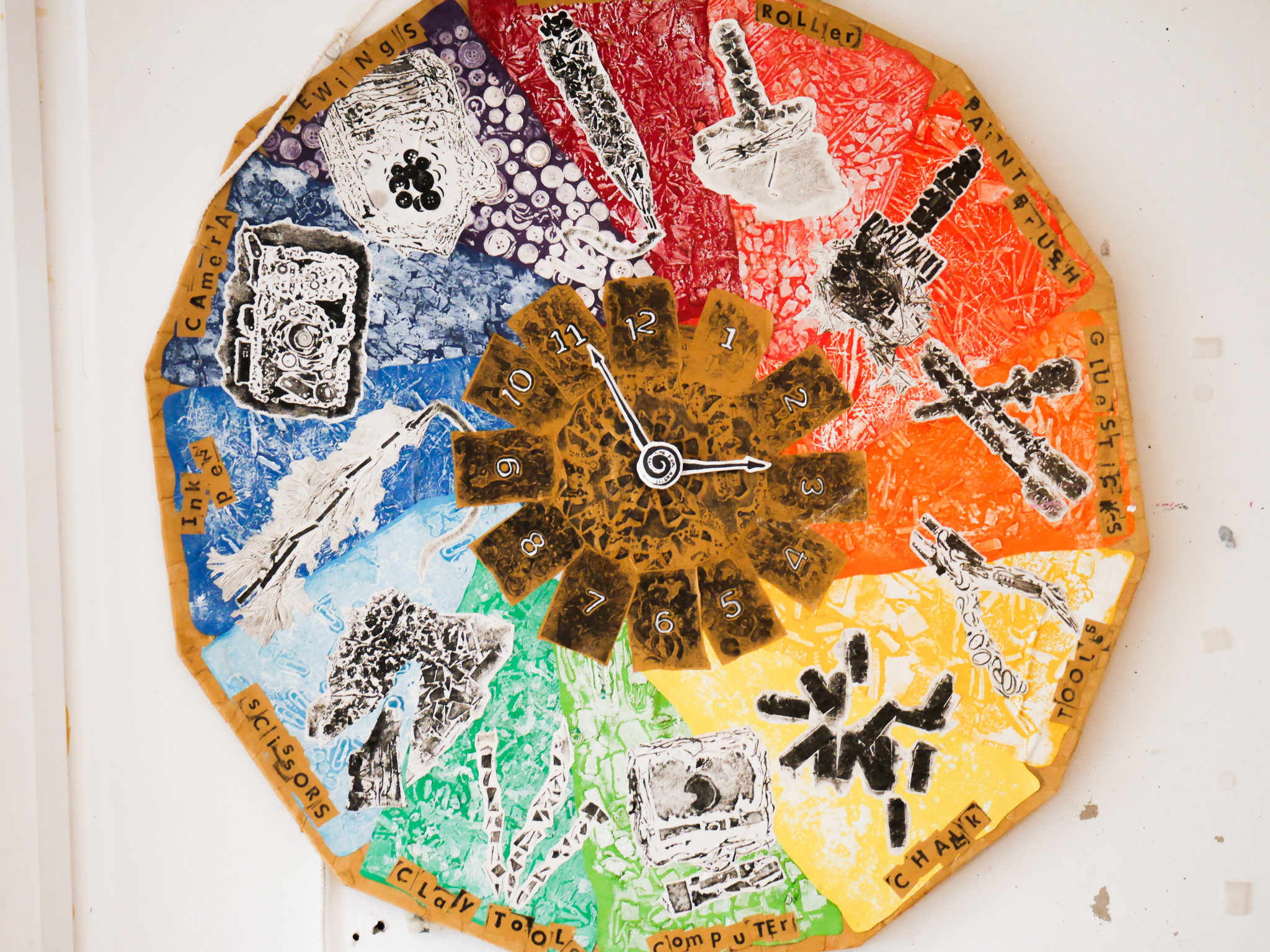
Clock – Collaborative group project
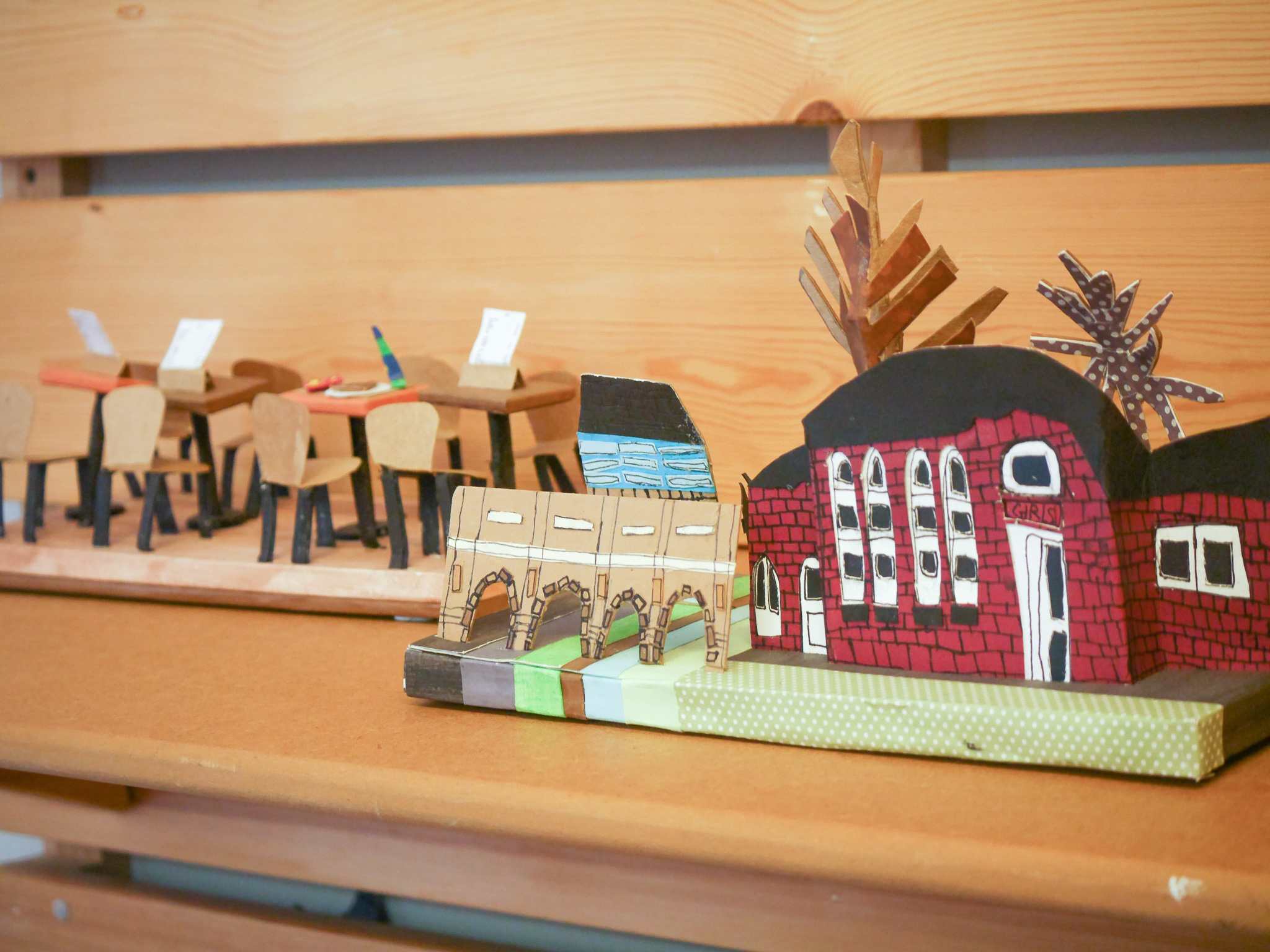
Table and chairs – Caryn Egerton, School – Horace Lindezey
How are you involved in the
arts for health community?
How do you see the future
of arts for health?
Hello,
We are putting together a final two publications for the current stage of the
project we have been working on ‘exploring arts for health’ and questioning
‘what is arts for health’ to help spread awareness and get people interested
and engaged.
We have really appreciated being in contact with you, and the time you have
given us towards this.
We would really love for you to include you in this publication.
The publication will be short and sweet based on the topics:
-What is arts for health
-What impacts and benefits arts for health has on
individuals and communities
-projects and organisations
-how you can get involved
To be involved we would love to get permission from you on
the attached consent form below.
The consent form will allow us to use an optional photograph of you in the
publication and on our website and social media (that is in development).
And this would be amazing if this could accompany some
quotes from you regarding the topics we are exploring.
If you have the time please could you answer these three
questions, as short or as long as you would like.
1.What does arts for health mean to you?
2.How are you involved in the arts for
health community?
3.How do you see the future of arts for
health?
We appreciate that you are extremely busy and we really
value the time that you can give towards this project. We are really looking
forward to seeing this all coming together and spreading awareness of the arts
for health projects that are going on within Manchester.
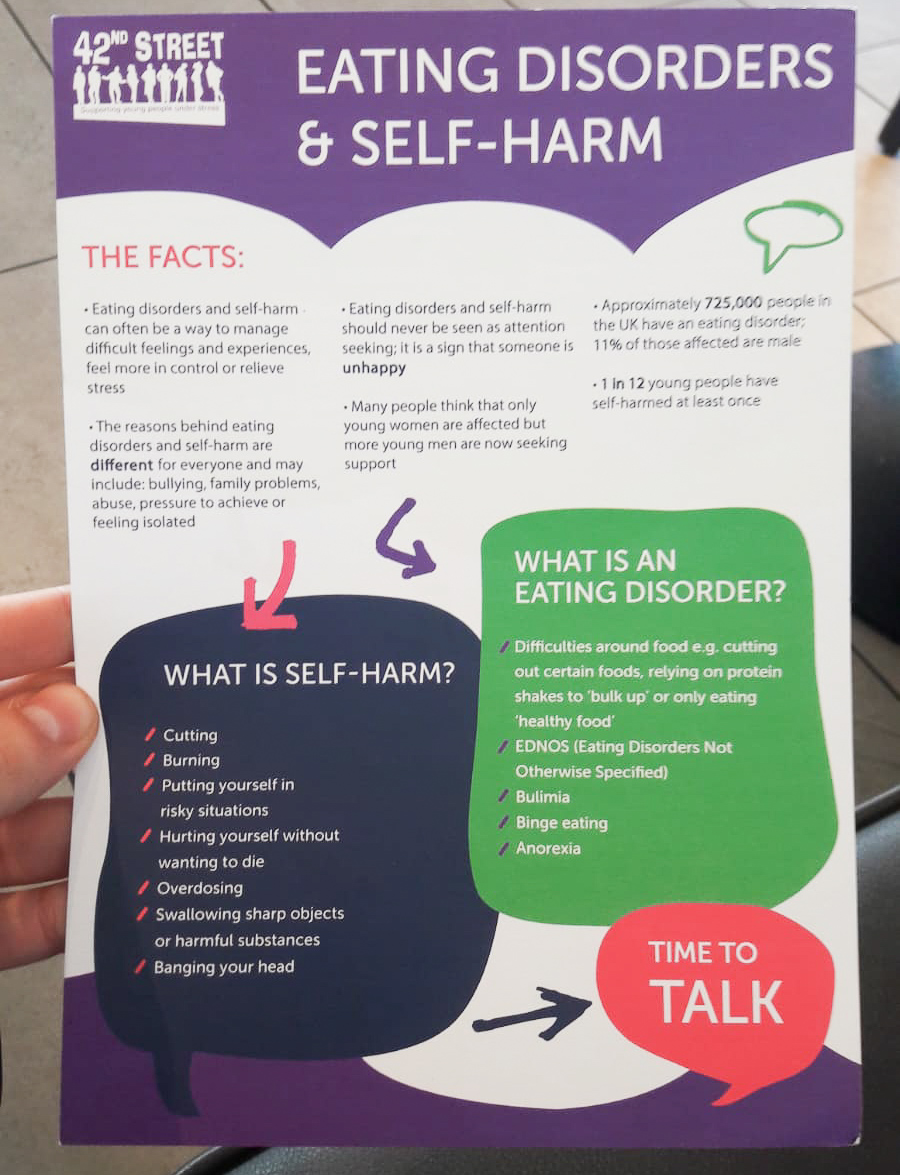
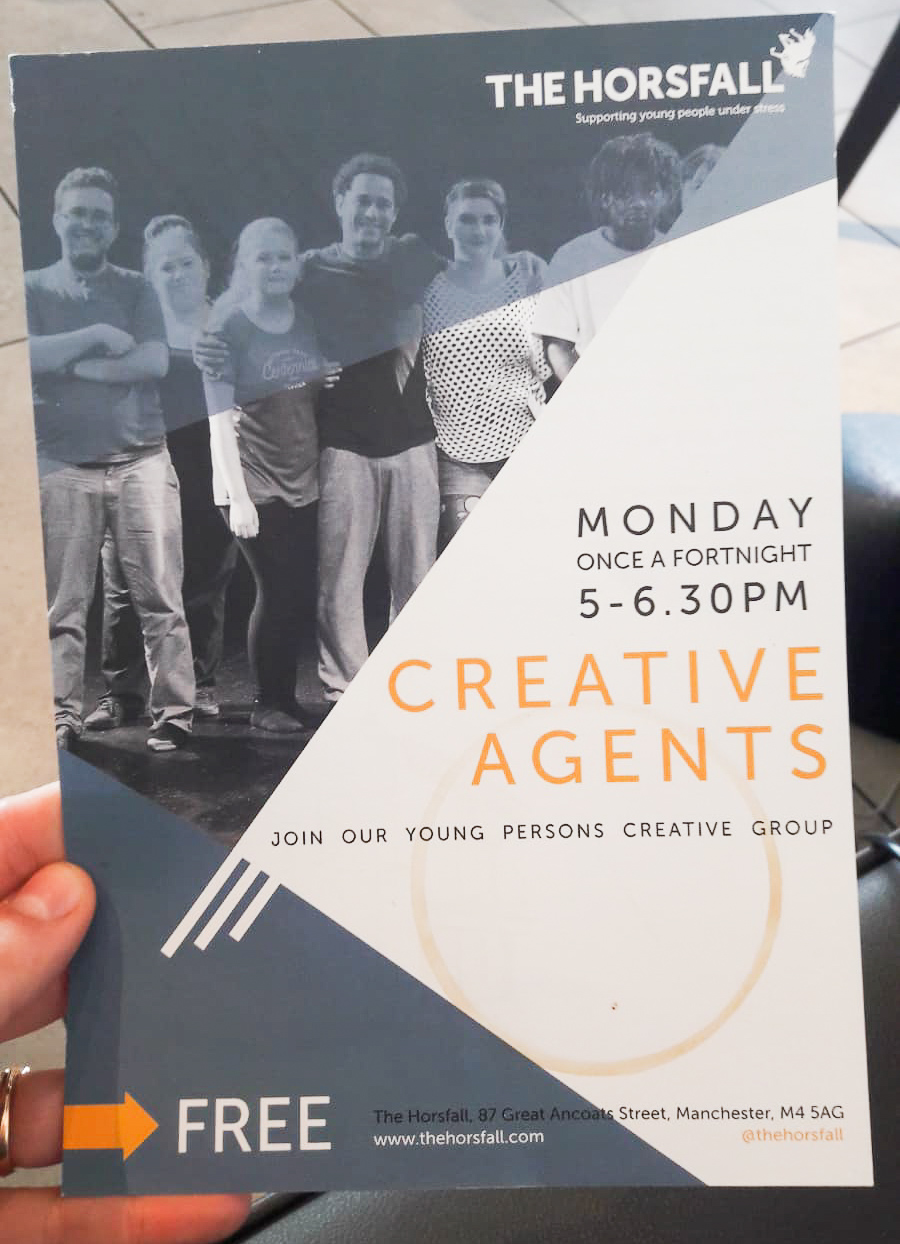
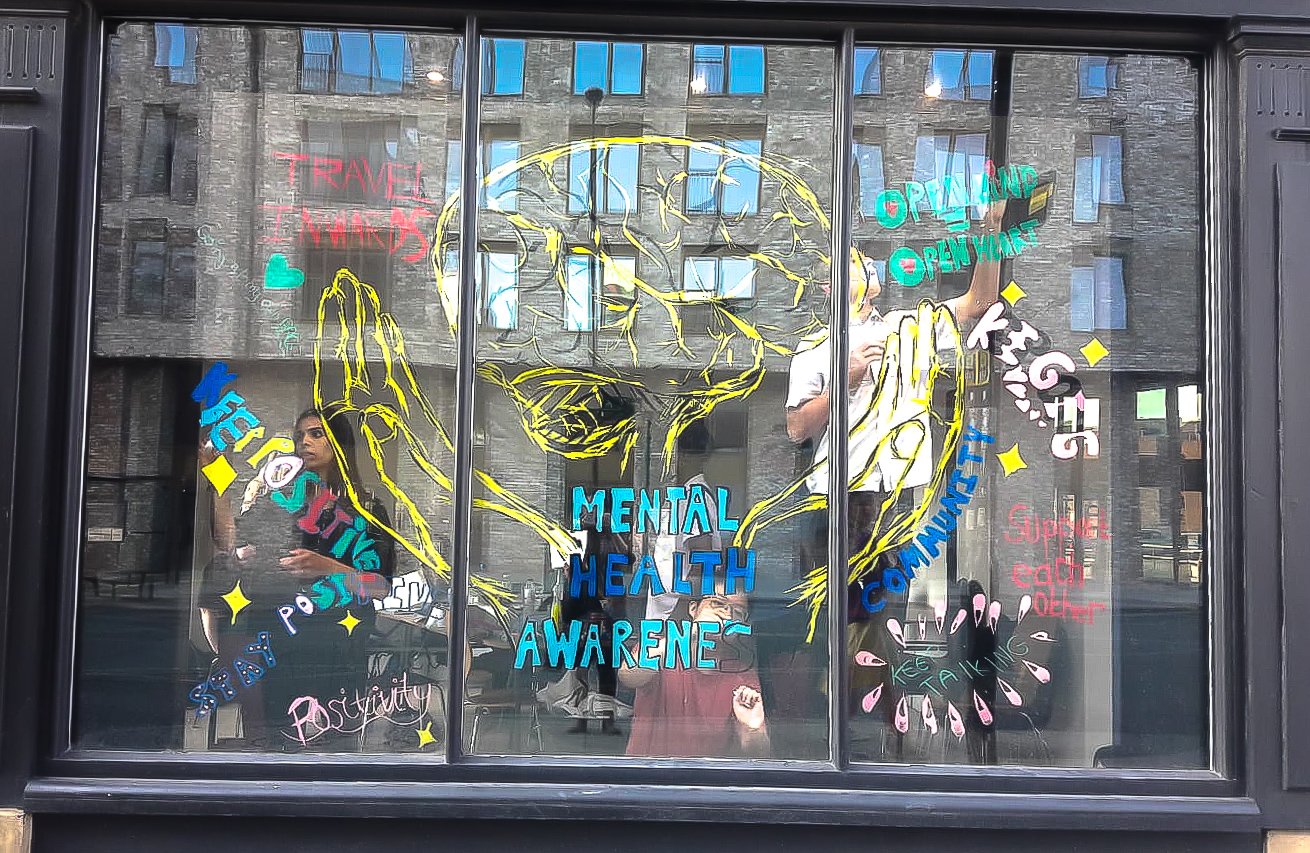
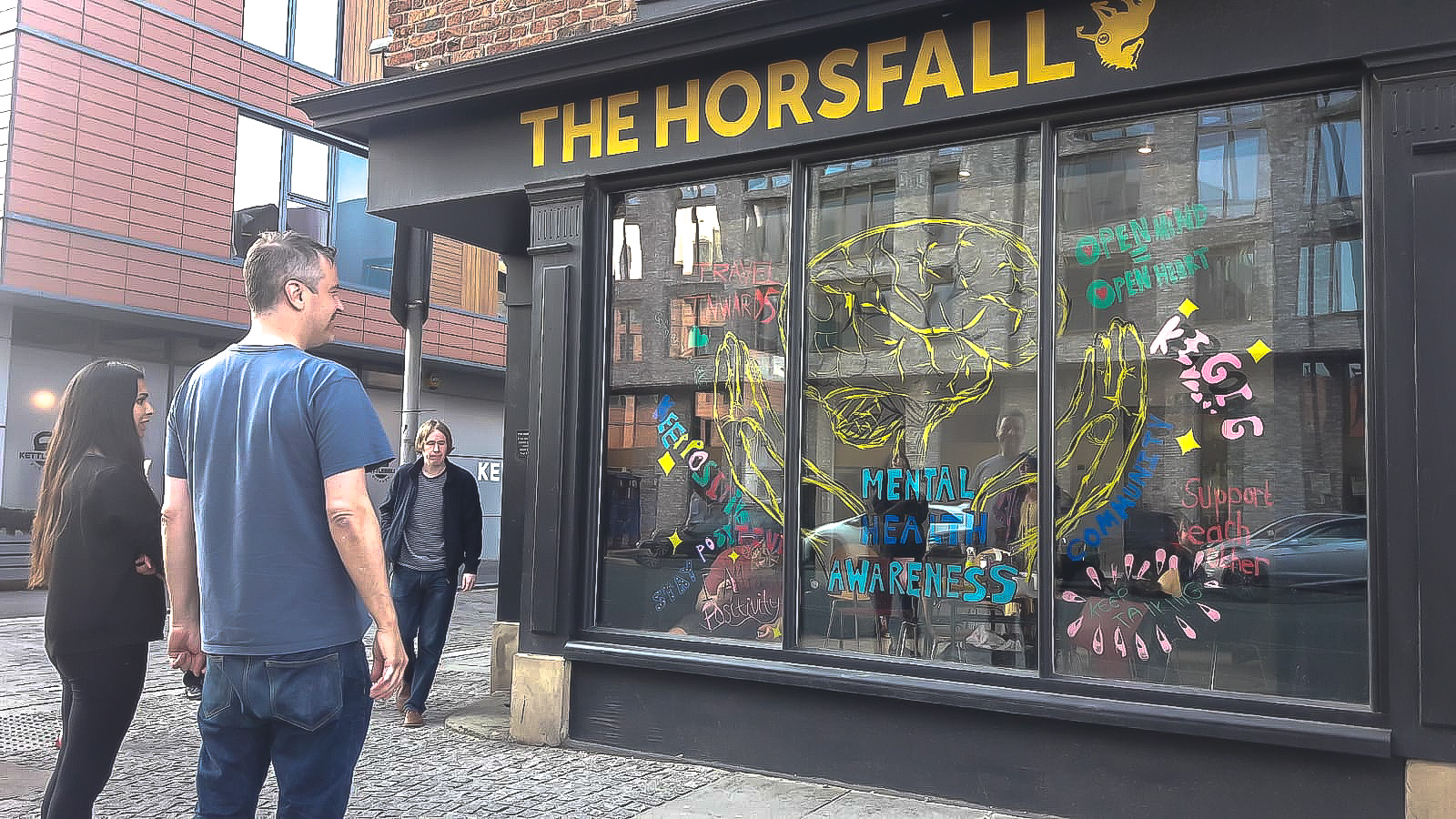
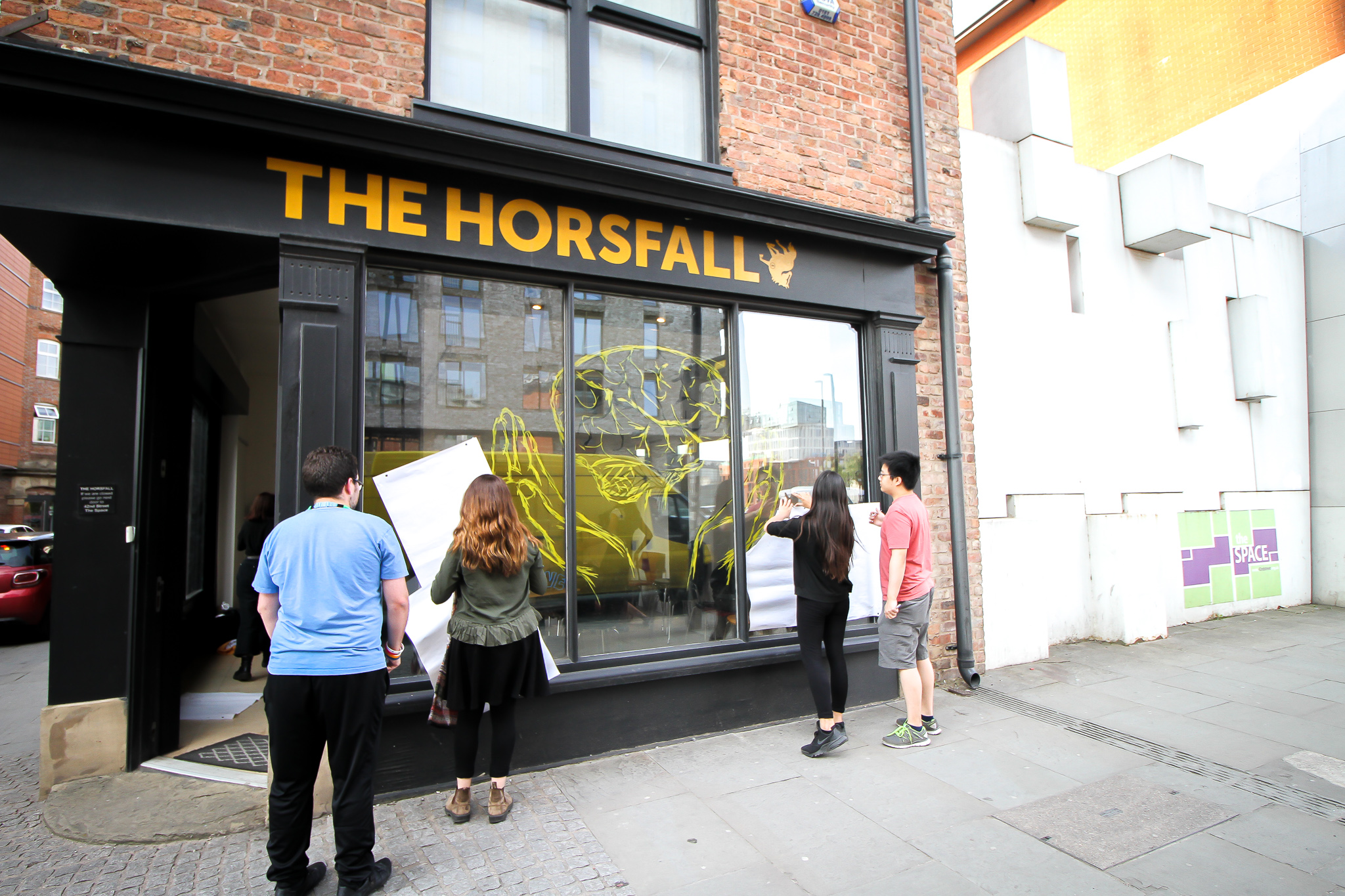
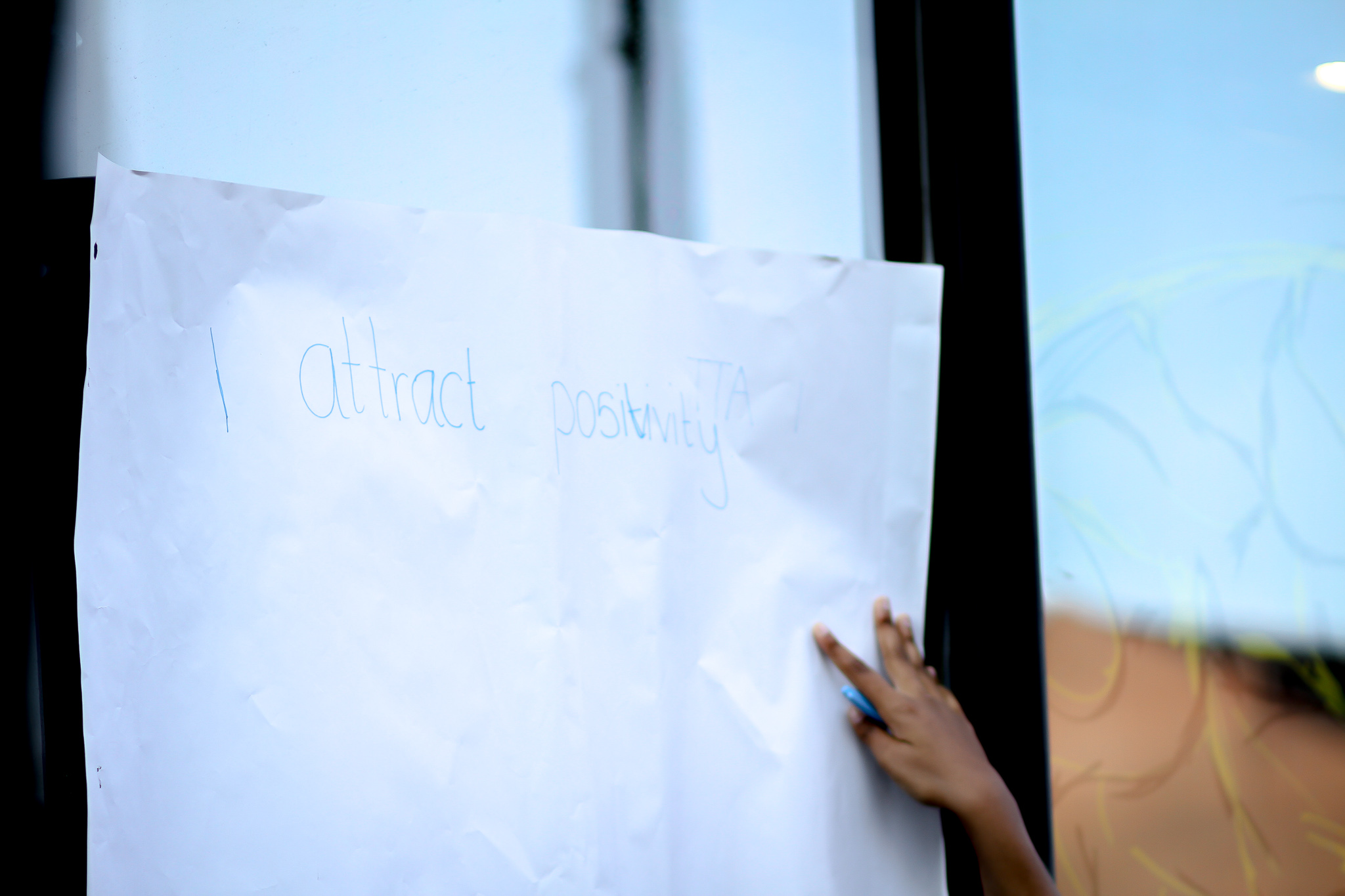
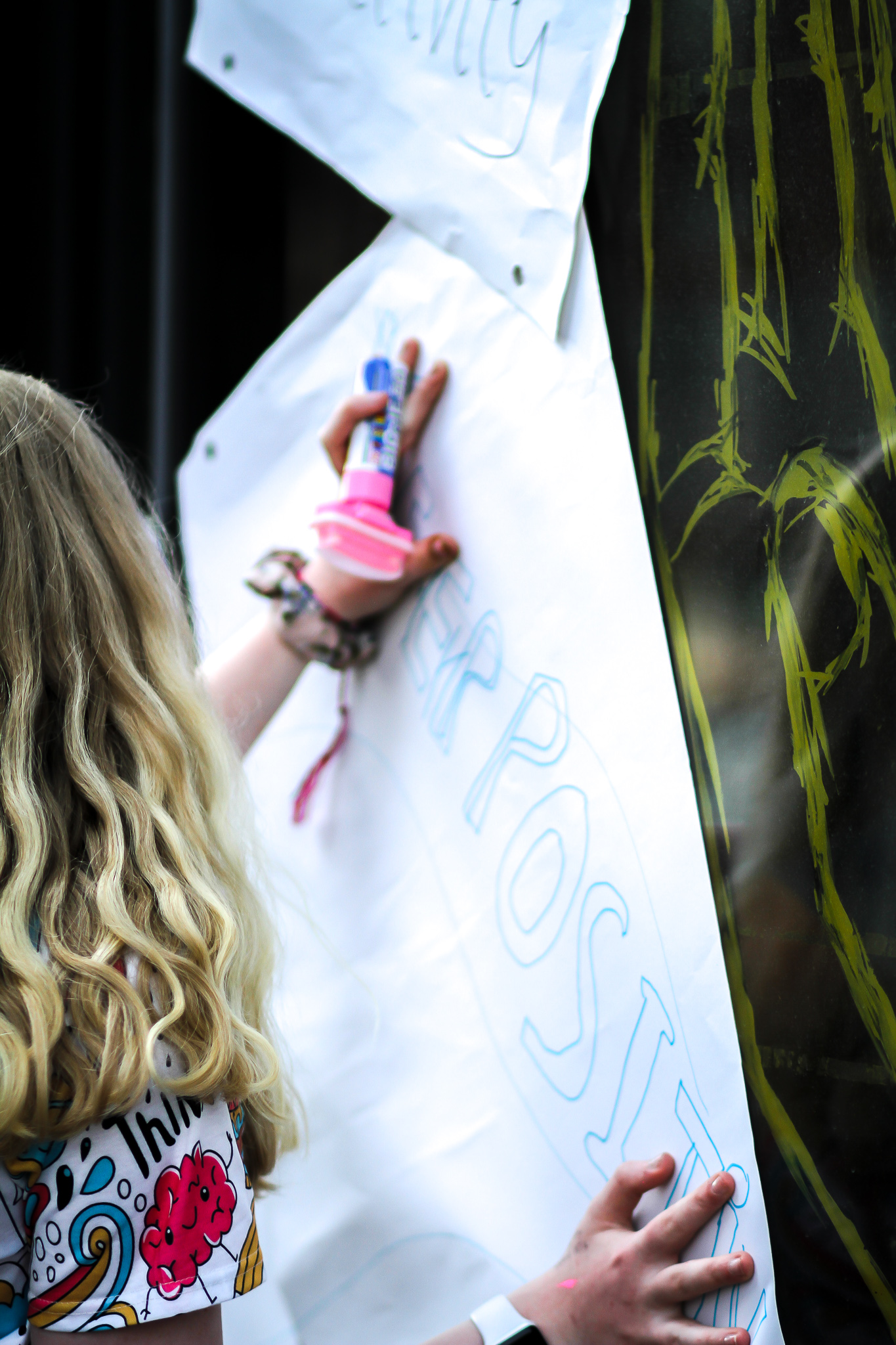
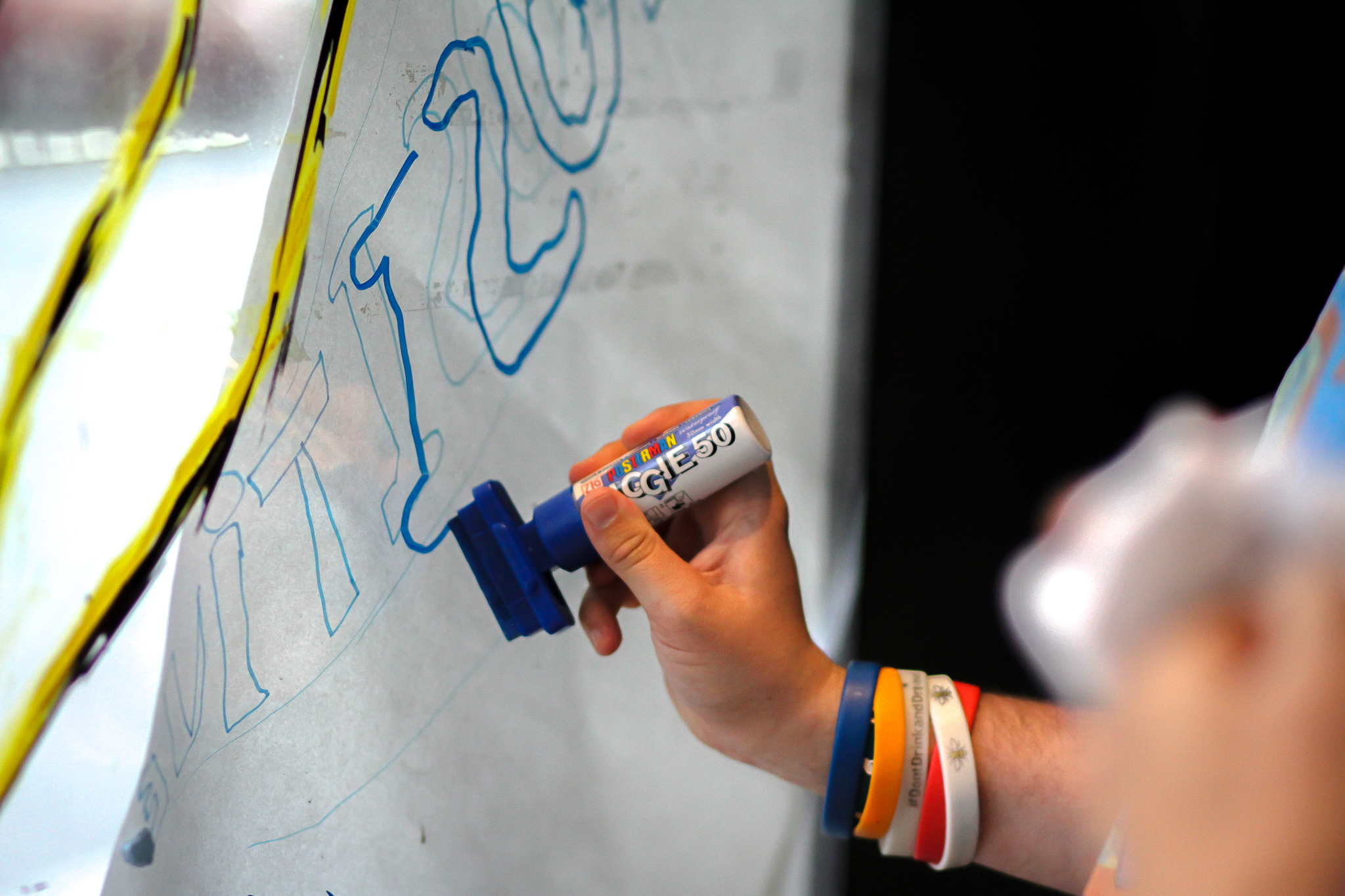
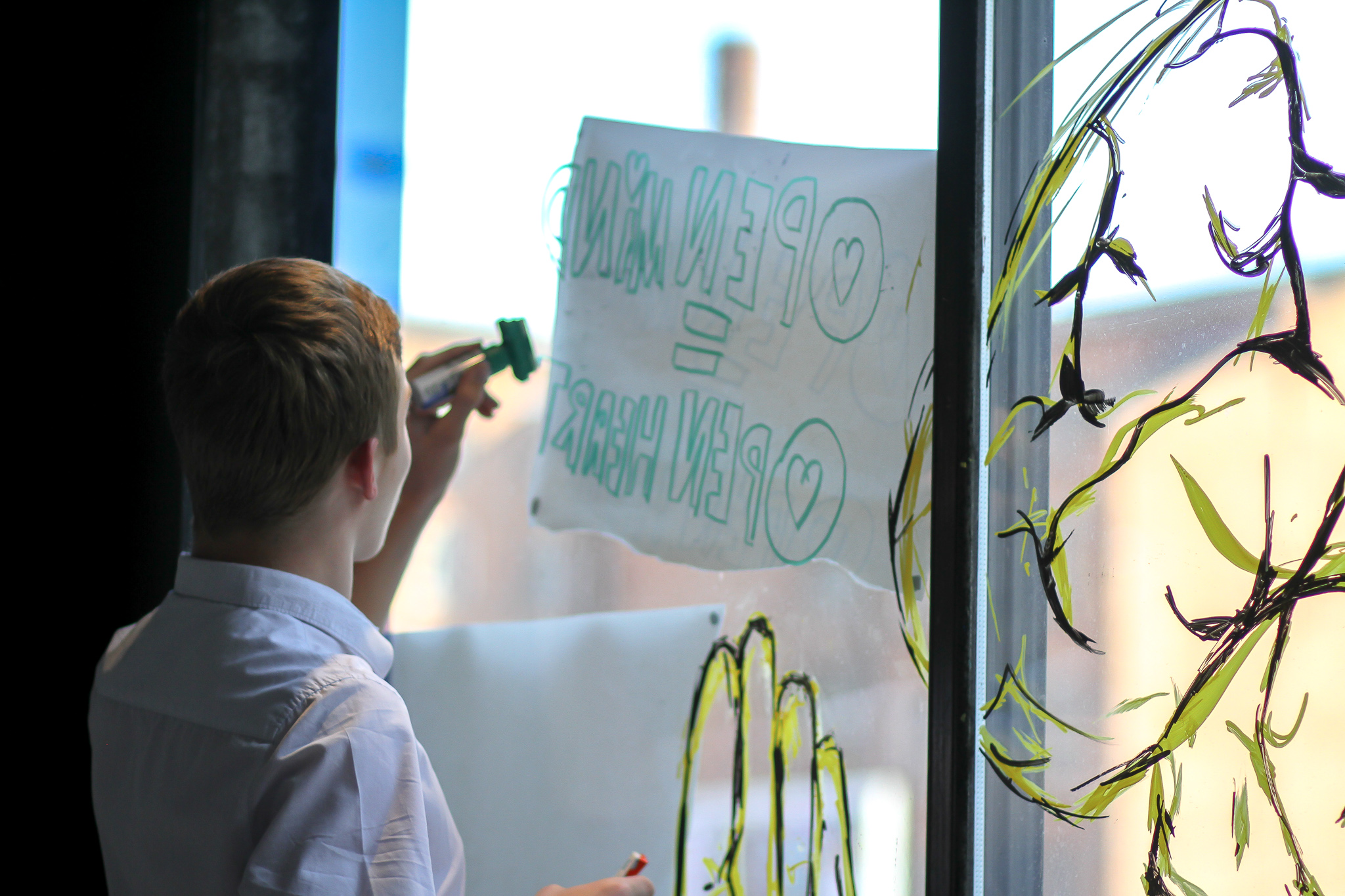
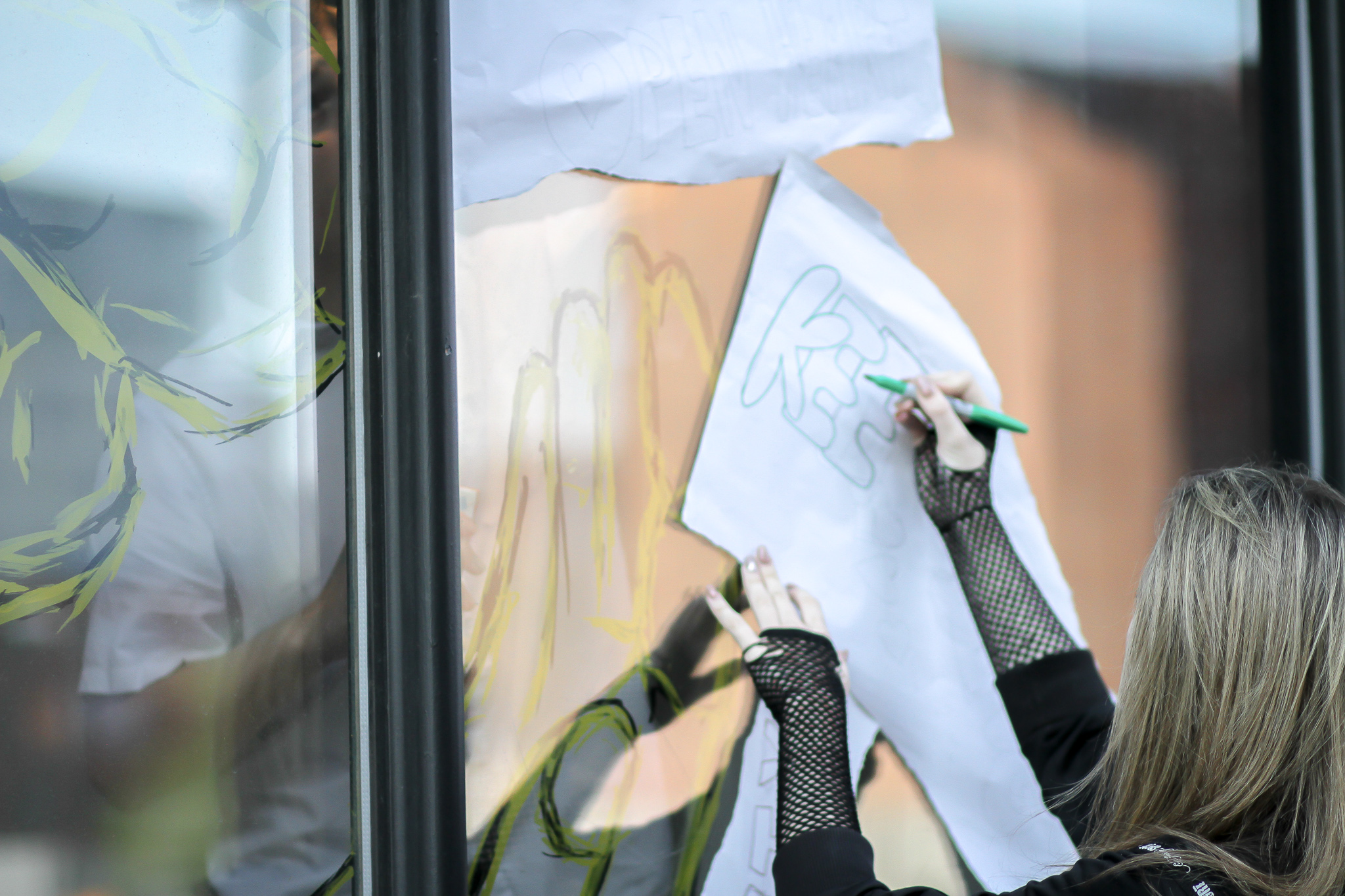
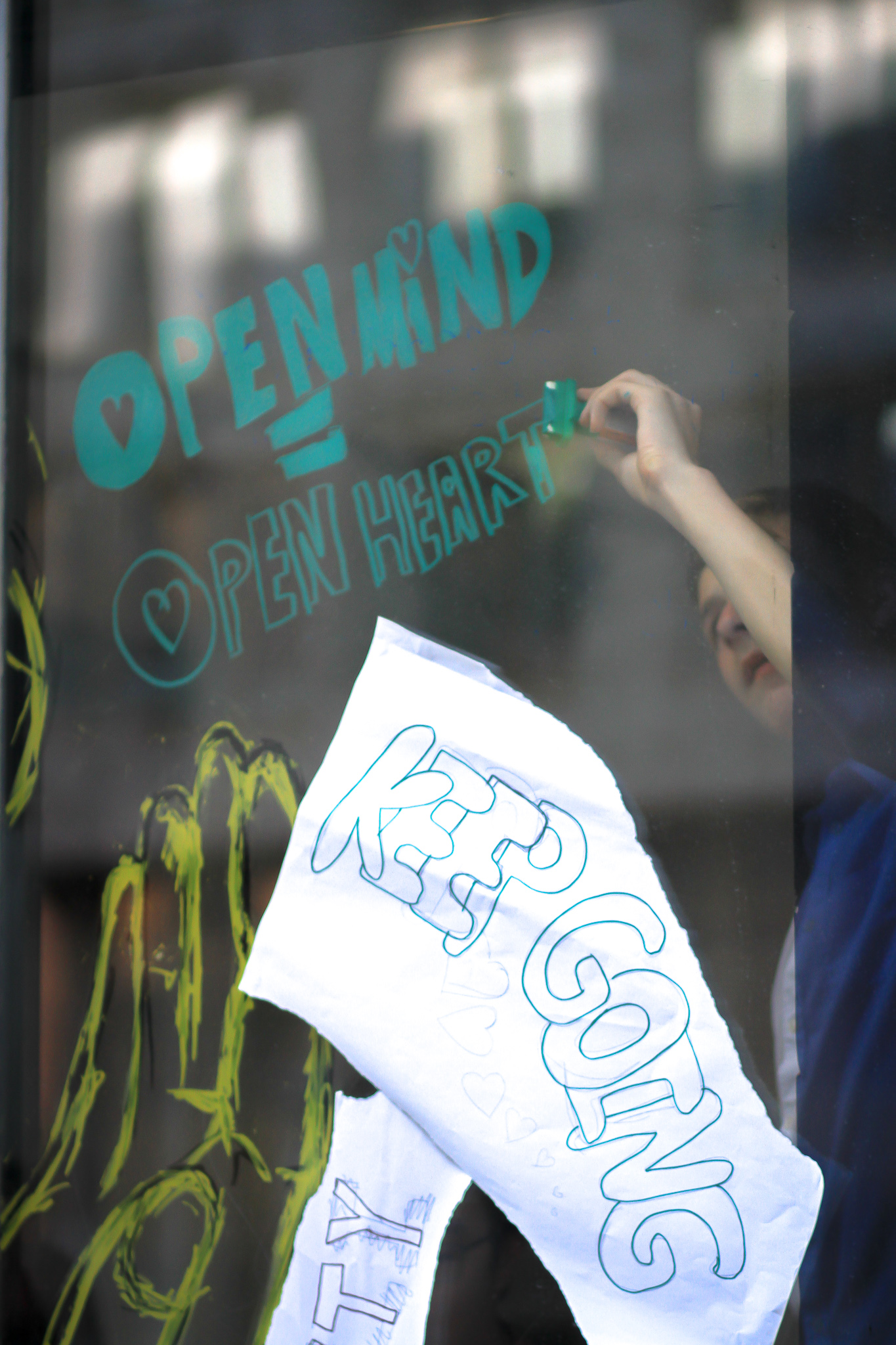
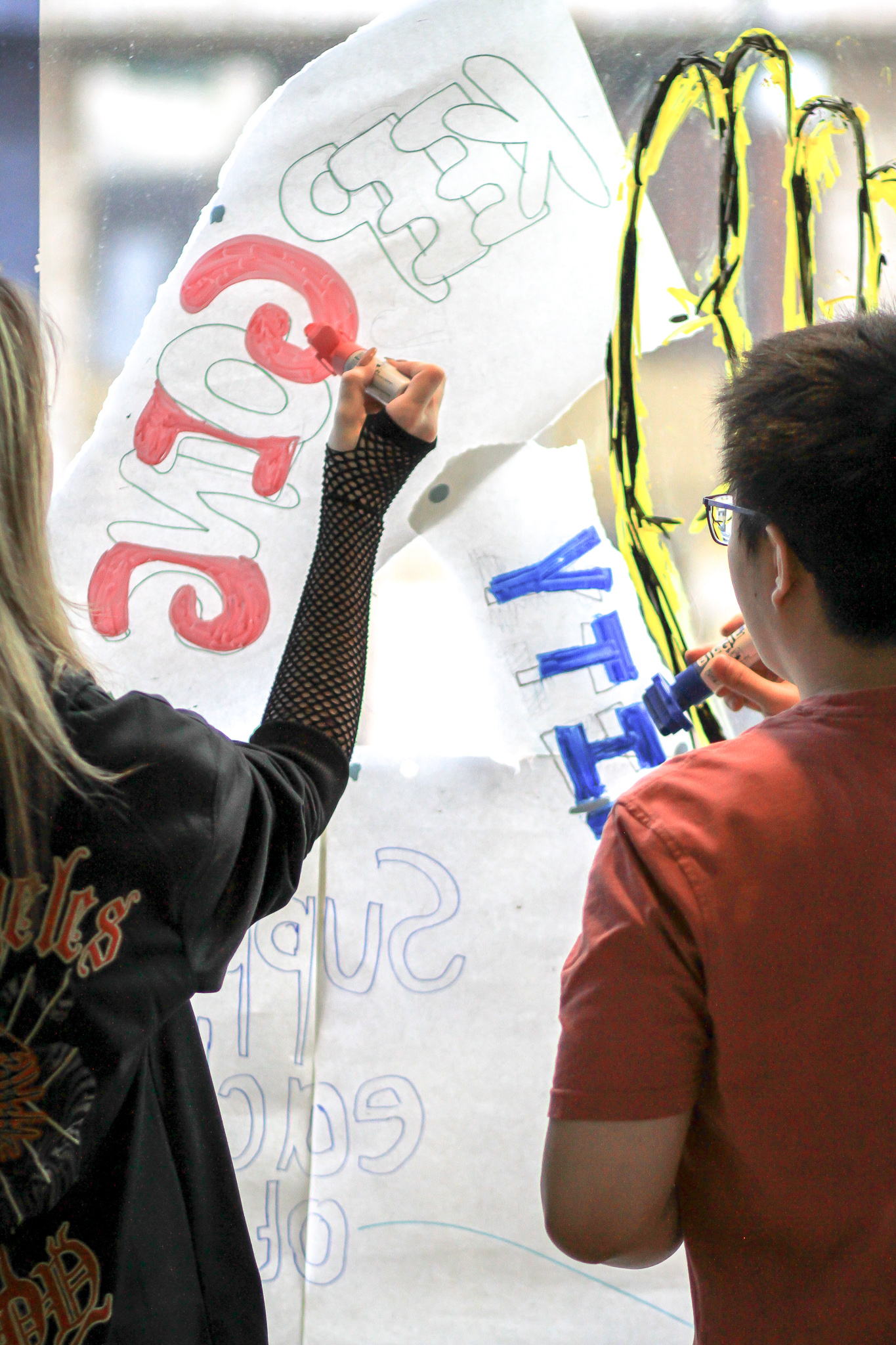
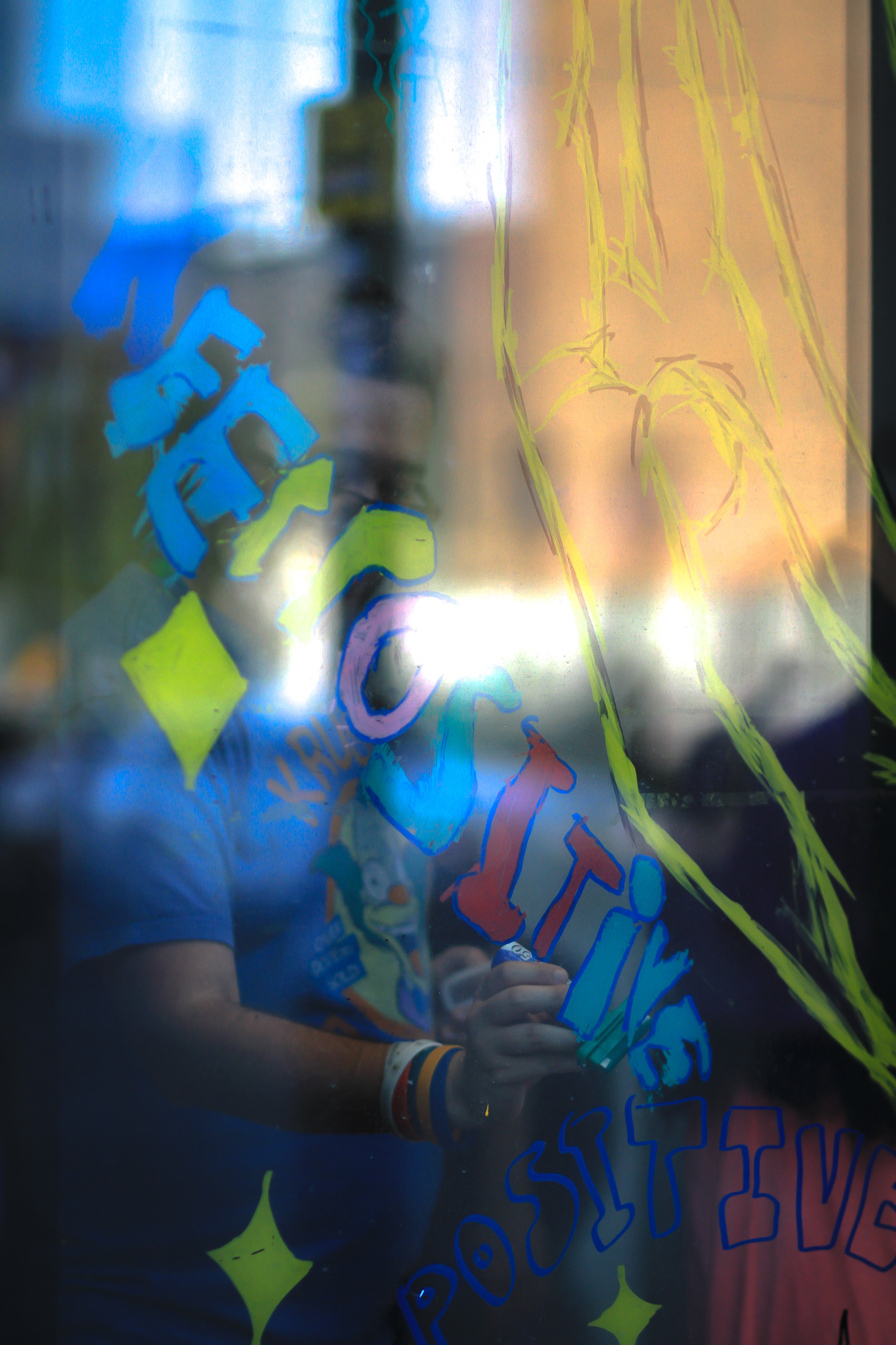
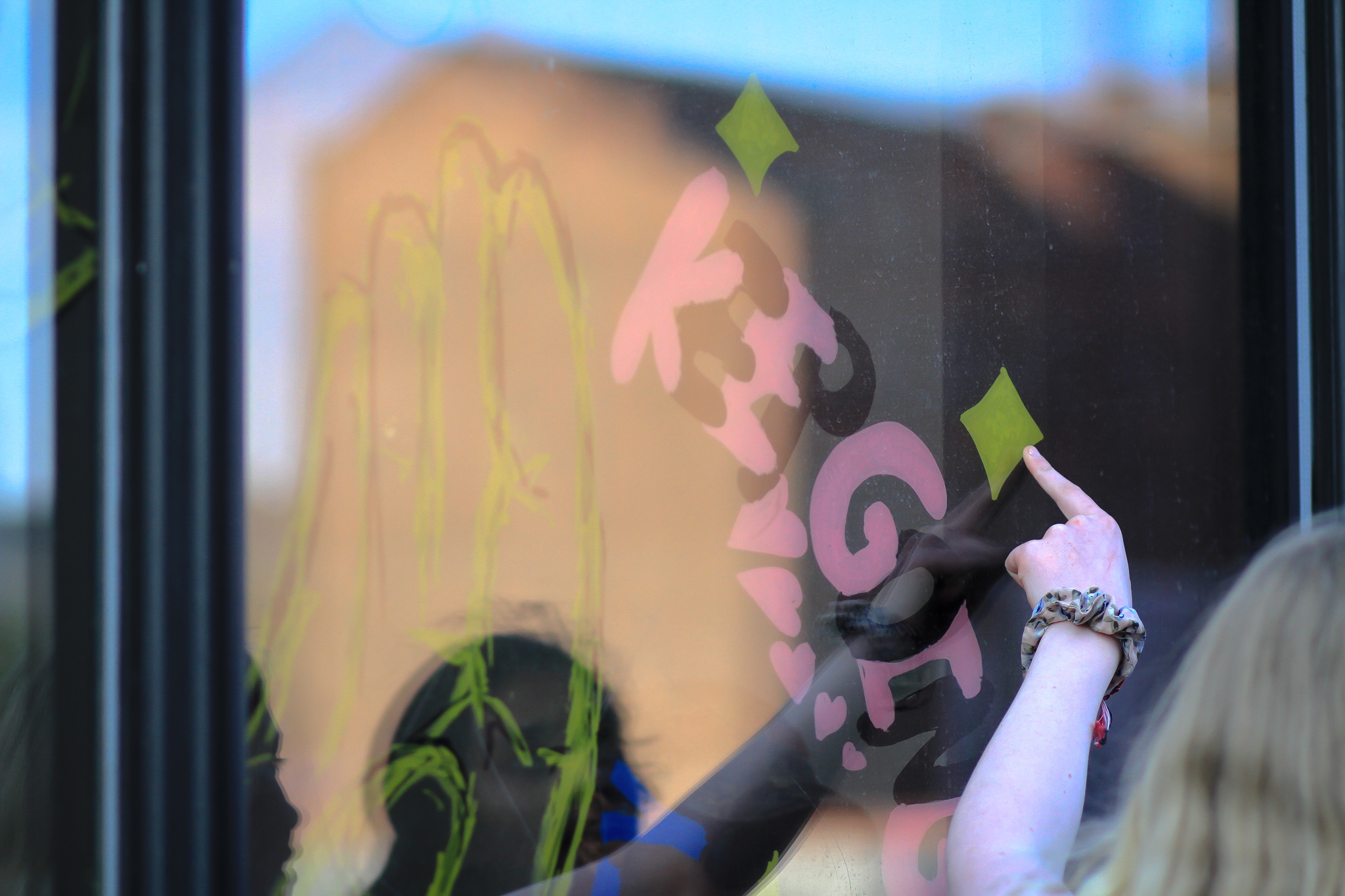
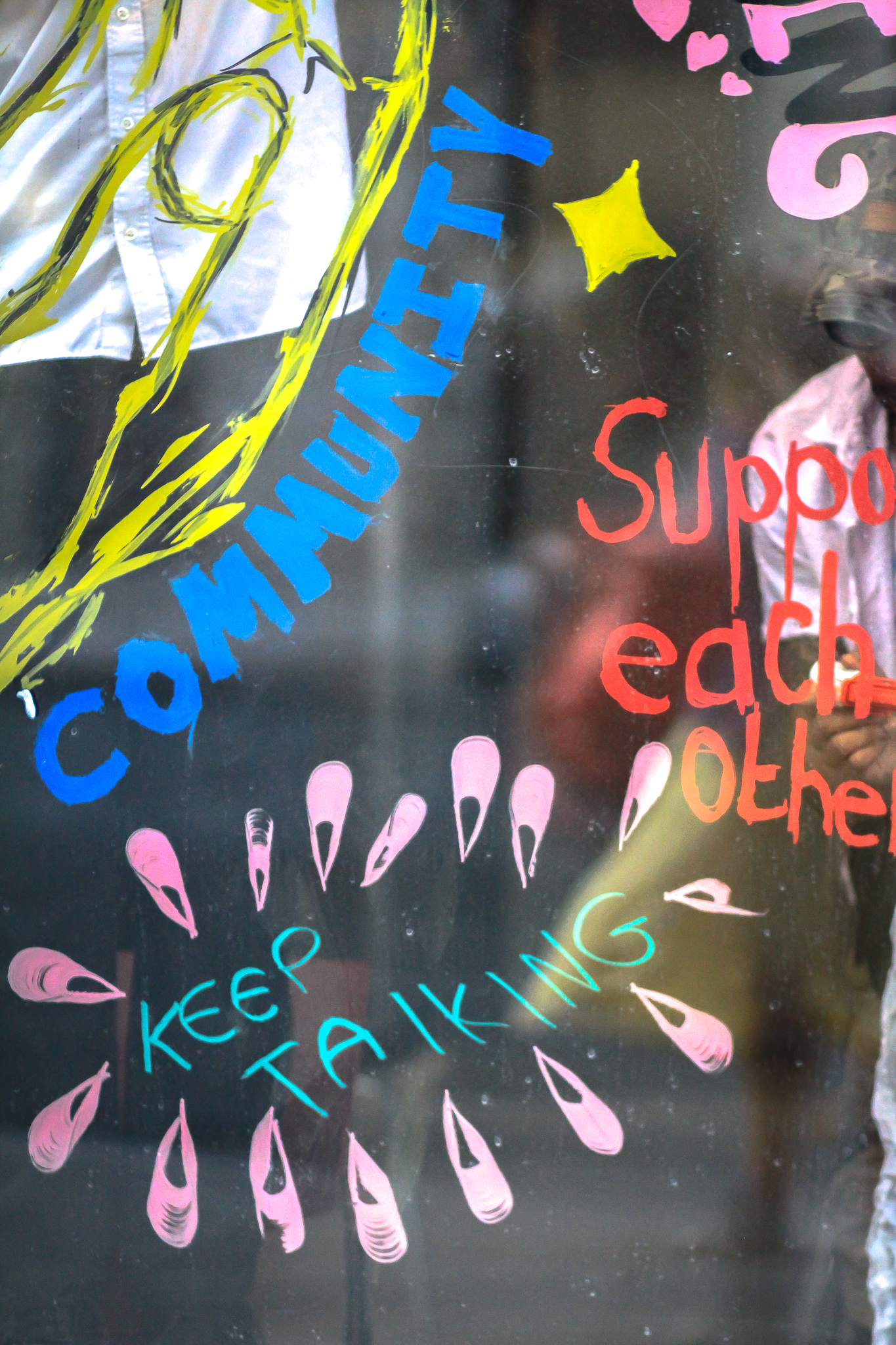
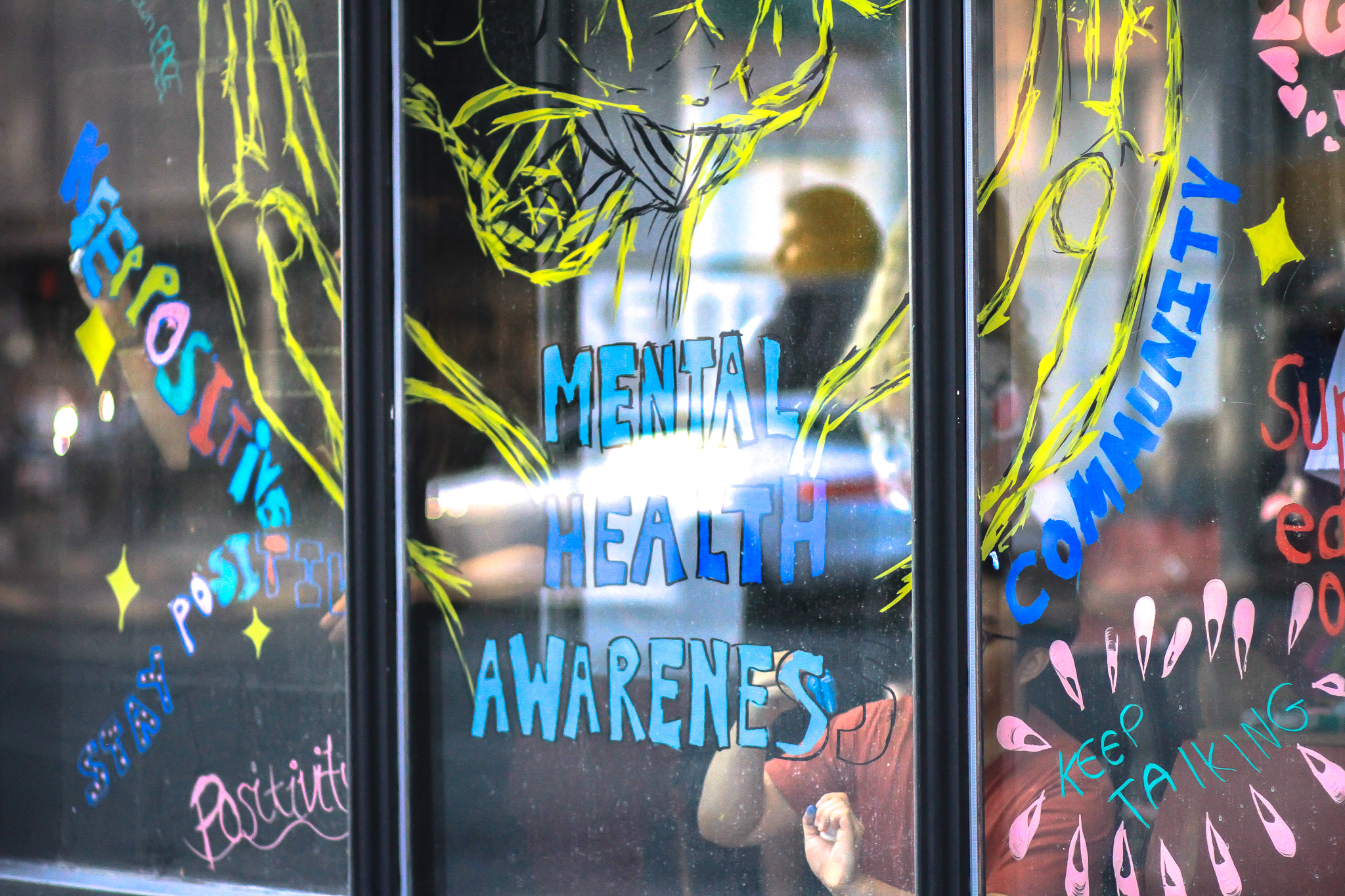
We were invited by Rod Kippen to join the creative agents on the 13th May, the first day of mental health awareness week. The had a workshop planned, run by MMU graduate Raviolirai, to create a window display for the public to see based on mental health.
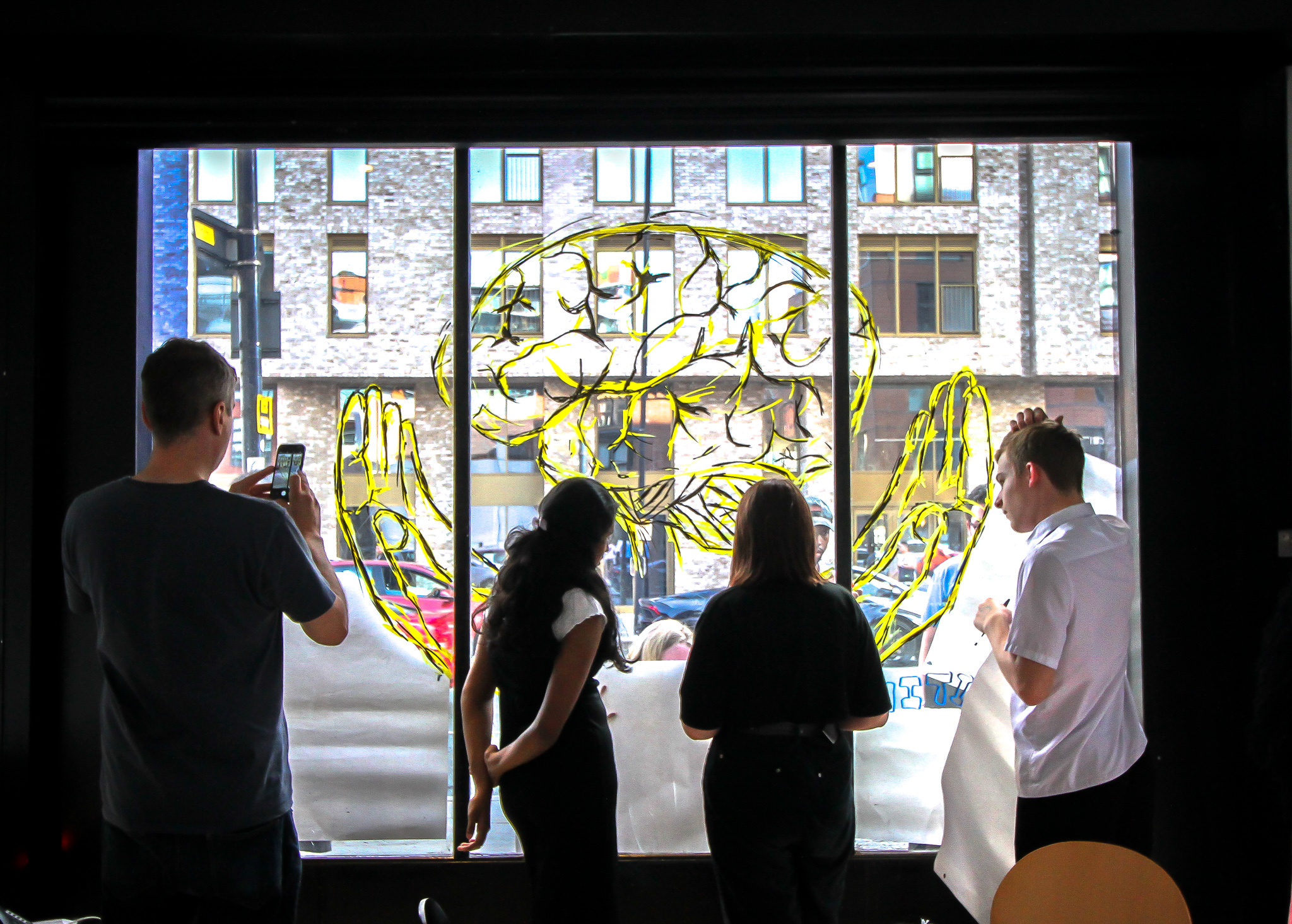
This was a great opportunity to watch and participate in a workshop based on arts for health with young people. Freya and I have delivered workshops in school and youth group facilities, and the best way to learn and improve is to attend other workshops and learn off other artists a professionals. It was great to see the way the session was run- allowing the creative agents to steer the session in the way that they envisioned. The artist drew a template of hands and a brain, to ‘frame’ the sessions topic. This was a clever way to avoid the creative agents being intimidated by a blank canvas which can be overwhelming and hard to start.
The artist demonstrated the activity and then passed the materials onto the creative agents to take charge of the outcome.
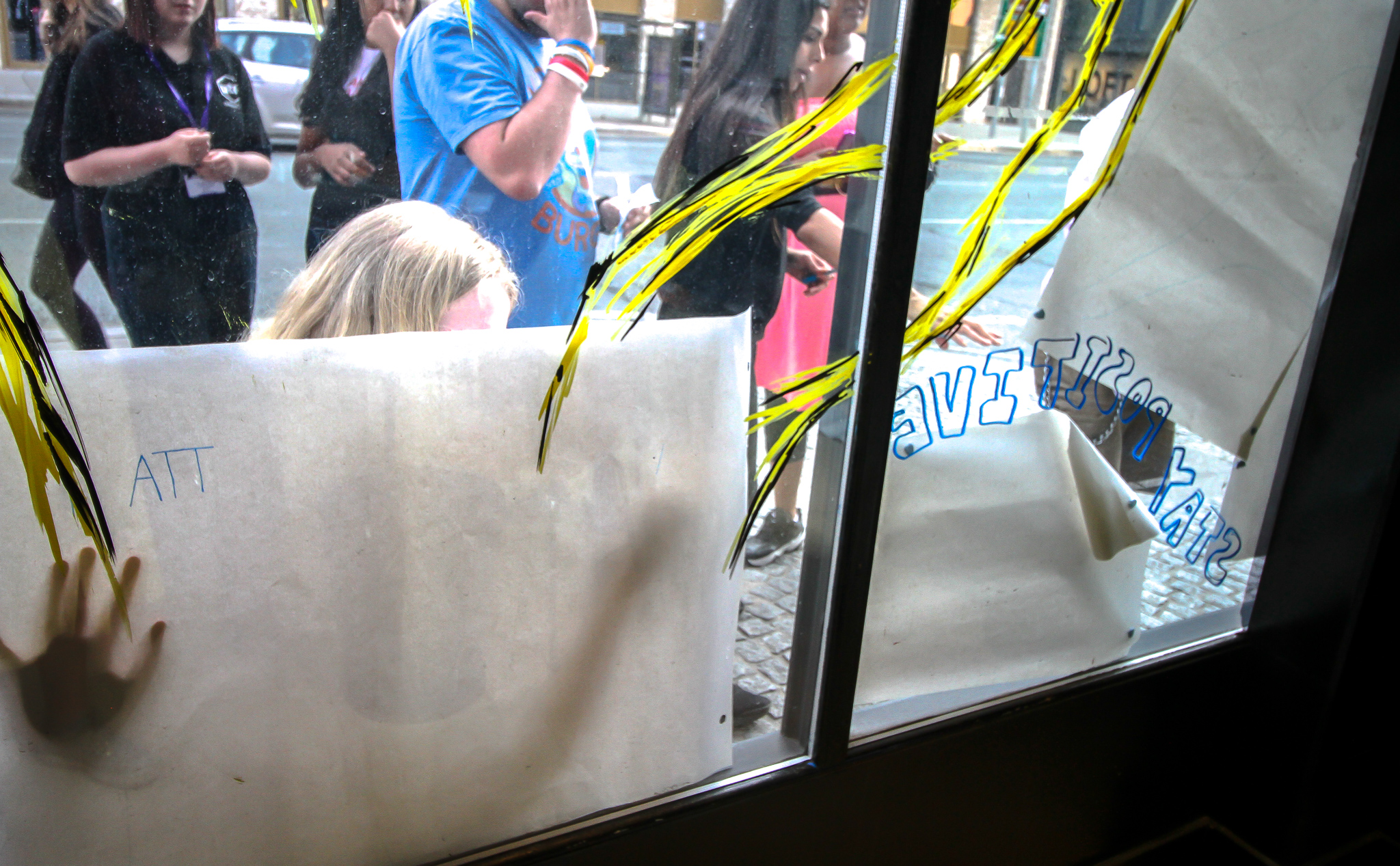
To ensure the words didn’t come out backwards, the agents stuck paper outside on the window and wrote down a mental health slogan that they wanted to communicate to the public. Then once the message was stuck inside, the agents used window pens to trace the words on the inside of the window (which were backwards). This was a quick method to fill up the window in the one session.
I have always found it challenging to engage young people in projects- and watching the project at 42nd street I learnt to be more relaxed about the work produced. The young people involved use the space for a social, so the art is sometimes seen as secondary (this was certainly the case from my experience at Mahdlo youth zone). The workshop at 42nd street showed me that it’s okay if the young people take creative lead and to take a back seat, not to put pressure on them to complete what I envision – but to allow them to create what they want to – a creative outlet. It is also just as important for us as facilitators to get involved with the activity, and not to just sit and watch. It then forms a safe space of mutually shared experience where discussions can take place and an open environment to help support the young people who may be faced with different mental health challenges.
It would be valuable experience to find training and further workshop experiences to increase my experience and learn more about running workshops on mental health using the arts.
 Exploring Arts For Health