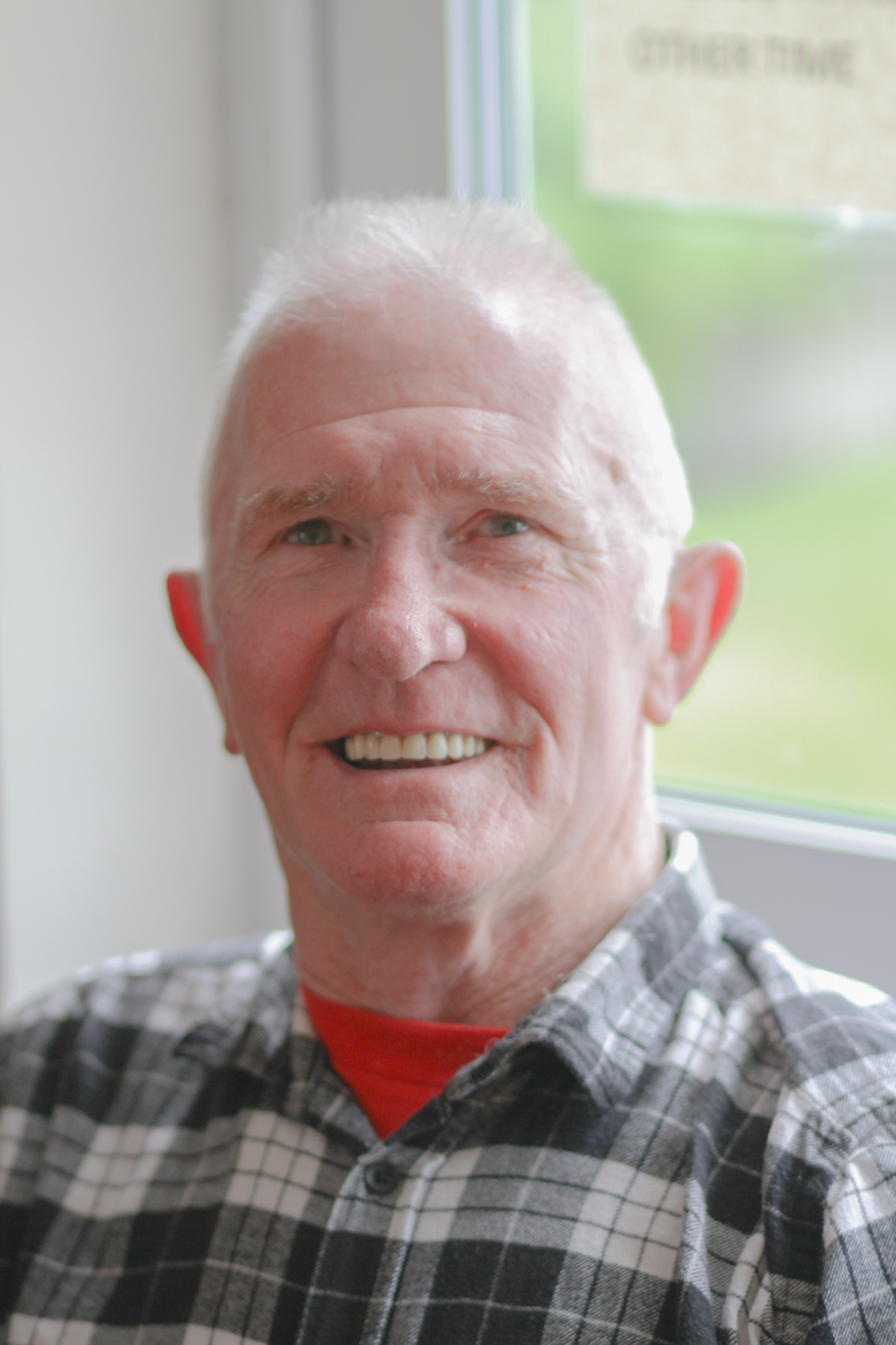
Sarah Greaves

My notes on our meeting:

We met up in eighth day cafe with artist and art psychotherapist Sarah Greaves. Sarah is the leading artist in the running project ‘The other in mother’ which focuses on maternal transitioning, what it’s like to be a mother.
This transition of becoming a mother can be challenging for many women. some of the challenged they face can be: mourning the loss of the life they had before, Strained relationship with their partner, lack of sleep etc.
Sarah described that when a woman gets pregnant they ‘become a vessel’, and this can be psychologically difficult.

Postnatal depression.

The project was created to build a narrative around motherhood, and encourage conversations and discussions on the highs and lows – the real experience.

“It’s not failing. It’s a process. It’s hard”

“you are allowed to feel sad, you have lost parts of yourself”

http://www.theotherinmother.co.uk/

The project involved lots of research with counsellors, psychologists, researchers and academics, finding out the science and psychology on what happens during this psychological transition.

http://arc-centre.org/tag/the-other-in-mother/

The project took place for 6 weeks in Arc.

Sarah took on the role as the artist (not an art therapist)

As part of Sarah’s research, she put out on social media a campaign asking women to think about an object that represented their maternal transition & why.
Using some guidelines on how to take the photograph, accompanied by a description of why that object has been chosen.
Each object that was posted told a story, you can see this work here:

https://www.instagram.com/theotherinmother/?hl=en

The project created a network of mothers who could give each other peer support and reflect their experiences with each other, creating a safe space to share stories.

Shocking fact: Suicide is the leading cause for maternal deaths.
https://www.cambridge.org/core/journals/the-british-journal-of-psychiatry/article/suicide-the-leading-cause-of-maternal-death/7D7D78E8E7F515E2749C21366BF00C71

It is important to look after and the well being of the mother and baby during this time.
Being a mother can be isolating and can have negative impacts on the mothers mental health, so projects and groups like these help bring the women together and mutually support each other and work together on something they can all relate to.

Sarah also runs art groups for adults in a mental health hospital. She facilitates art studio sessions for the patients, allowing the participants to explore materials and different artists, which helps to develop their artistic vocabulary which helps within art therapy sessions. – This technique is brilliant and also helps to engage the individuals in art which is not for therapy, but for themselves.

We discussed during the meeting how there are many adults who haven’t ‘done art’ since their childhood as the education system provides a poor experience of art. This can result in some people finding art intimidating and ‘not for them’. Artists like Sarah aims to open up the arts and create an inviting environment, encouraging everyone to have a go and take part.

Give people boundaries and perimeters – helps participants to feel safe and free to engage.

This is something that I hope to do as well within my career as an artist!
During the meeting we discussed the differences and connections between art therapy and arts for health.

What we discussed:

Arts for health tends to be in a more social environment, whereas art therapy is generally quiet and focused.
With Arts for health, it’s about creating and making, where as art therapy involves a therapeutic change, and a lot of questions. How the past effected your current situation.
There are many grey areas, but over all arts for health focuses on working with people to support their overall well being, whereas art therapy works with people and sees them for their diagnostic.

I am hoping to further my studies one day with a postgraduate in Art therapy, so speaking to Sarah and building a connection has been so valuable as she has experience to help guide and advise me. Sarah advised I book on to an Art therapy foundation course, one of which she runs at the Lowry. This will help me to get an experience of what Art therapy is like. This is something for me to consider later on:
https://www.baat.org/Courses-Conferences/Introduction-and-Foundation-Courses

Sarah has worked with:
young people & young people with disabilities.
Young carers
young mothers
Alternate creative education for children struggling in the traditional school system.

Using art as another means of expression, for others to see, acknowledge, and understand. A type of visual communication.

Questions I asked Sarah,

1. What does Arts for health mean to you?

Being creative is fundamental to being human, it’s about self expression, a perspective of self and the world around you. The Arts are an important for tool for social change. The arts also help people to deal with all the changes in the world, build confidence and connections with others.

2. How do you see the future of arts for health?

There is an increasing amount of funding which is important to be able to pay for artists. I’d like to see more work with people in hospitals, making art accessible. I’d like to see a lot more projects and an increase of social prescribing – arts on prescription. It is vital we move away from medicating people and leaving them feeling isolated and alone.
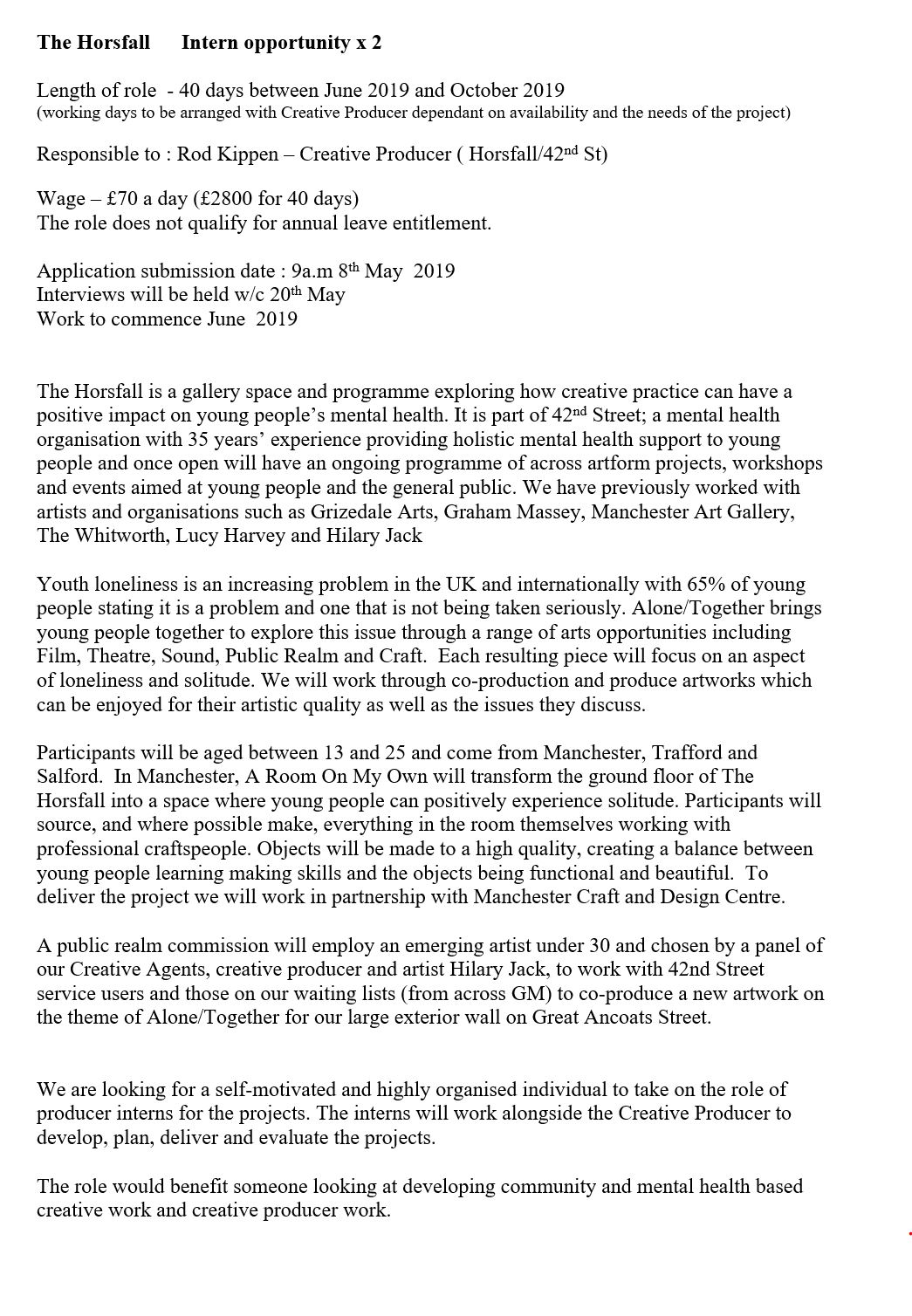
The Horsfall gallery Intern proposal

After meeting with Rod Kippen from 42nd street, I was interested to know what opportunities they had available for me to get involved with. I have experience working with young people so I felt it would be a good match.
Rod sent me an Intern opportunity which I have applied for and I have an interview on Thursday 23rd, so wish me luck!

I am open and seeking opportunities to work or volunteer in arts for health. This is one application of many after I graduate.
It was short notice to apply, but I wanted to try! So we will see what comes next…

Stroke Association

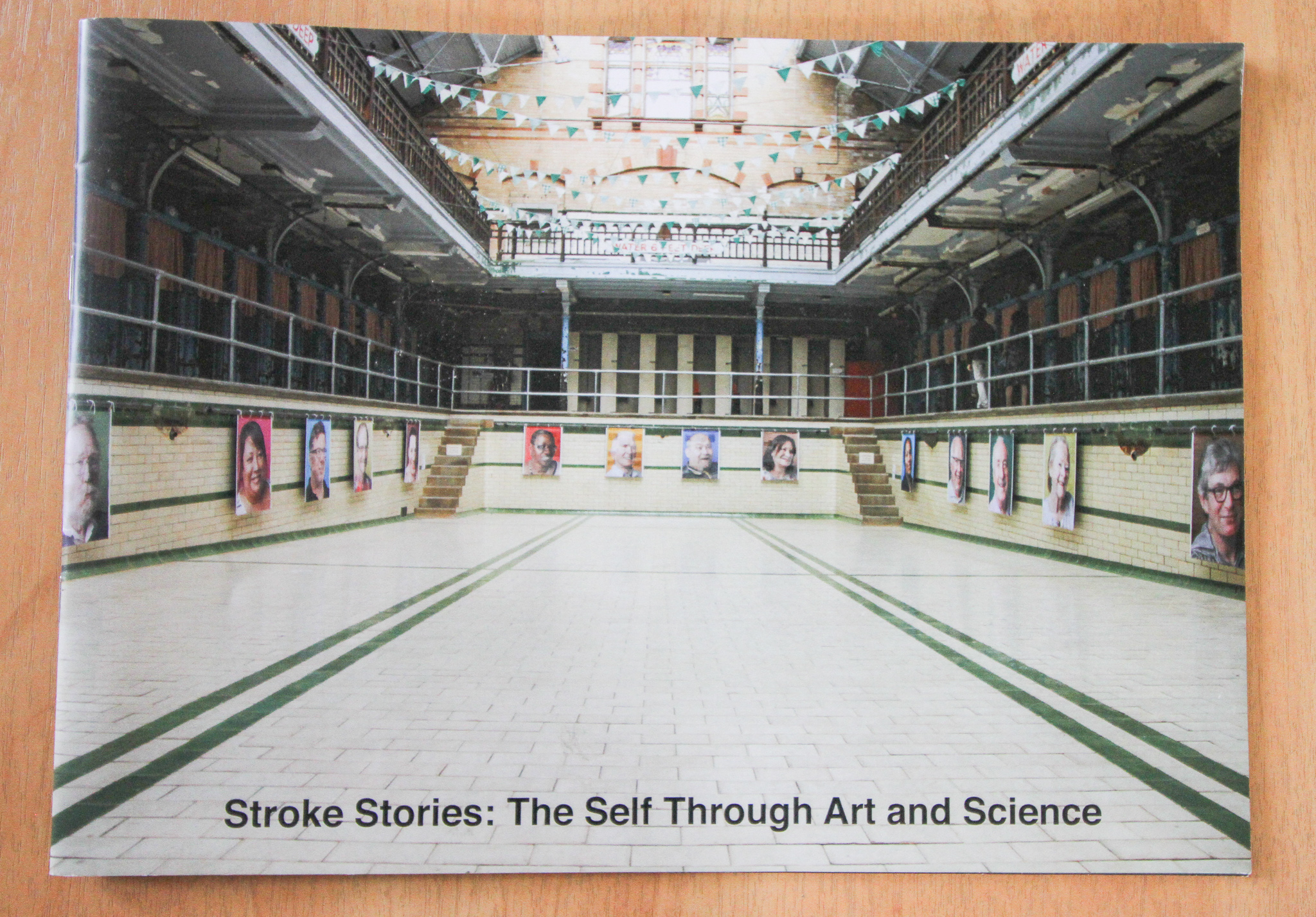
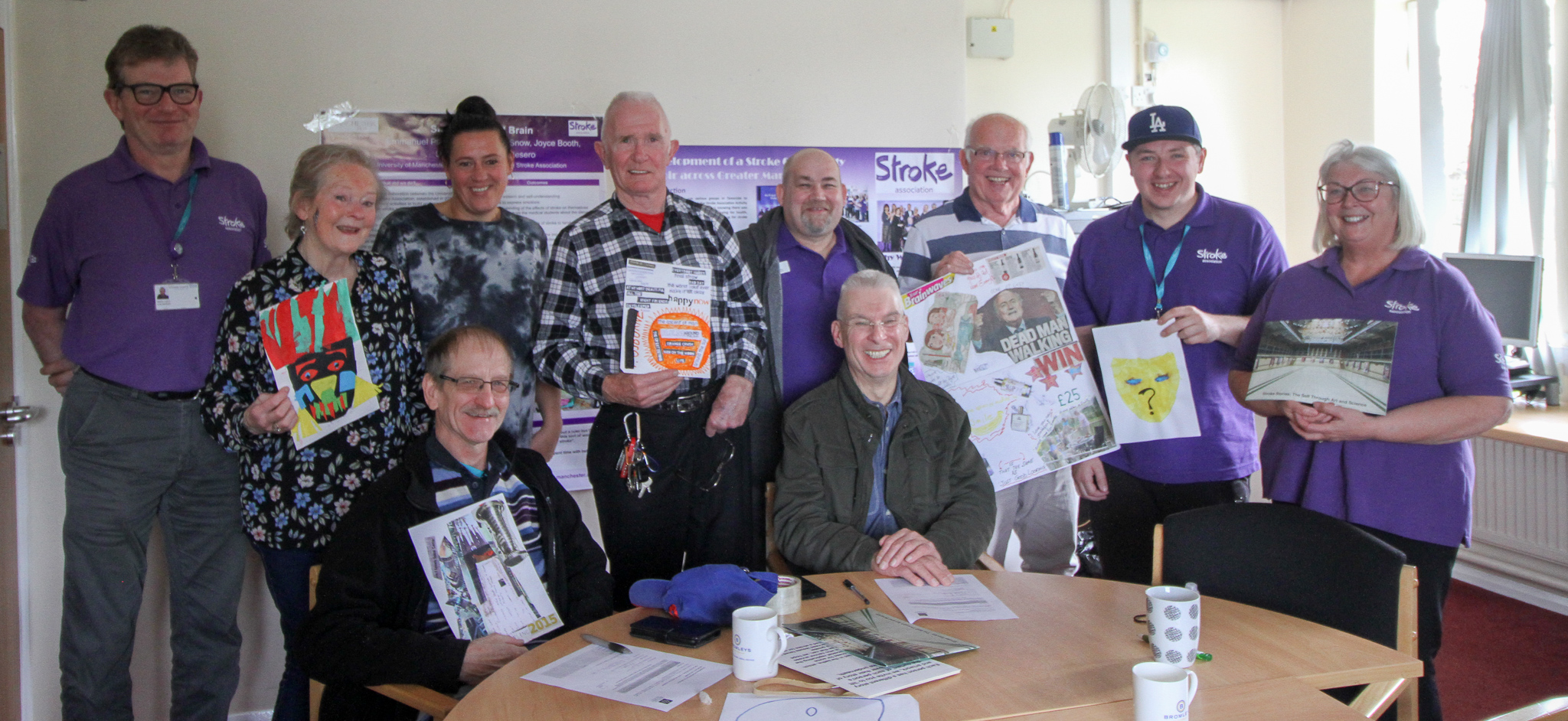
I arranged to meet up with the north west stroke association again to speak to the participants about the project that they were a part of run by Manchester university – Stroke stories: The self through art and science.
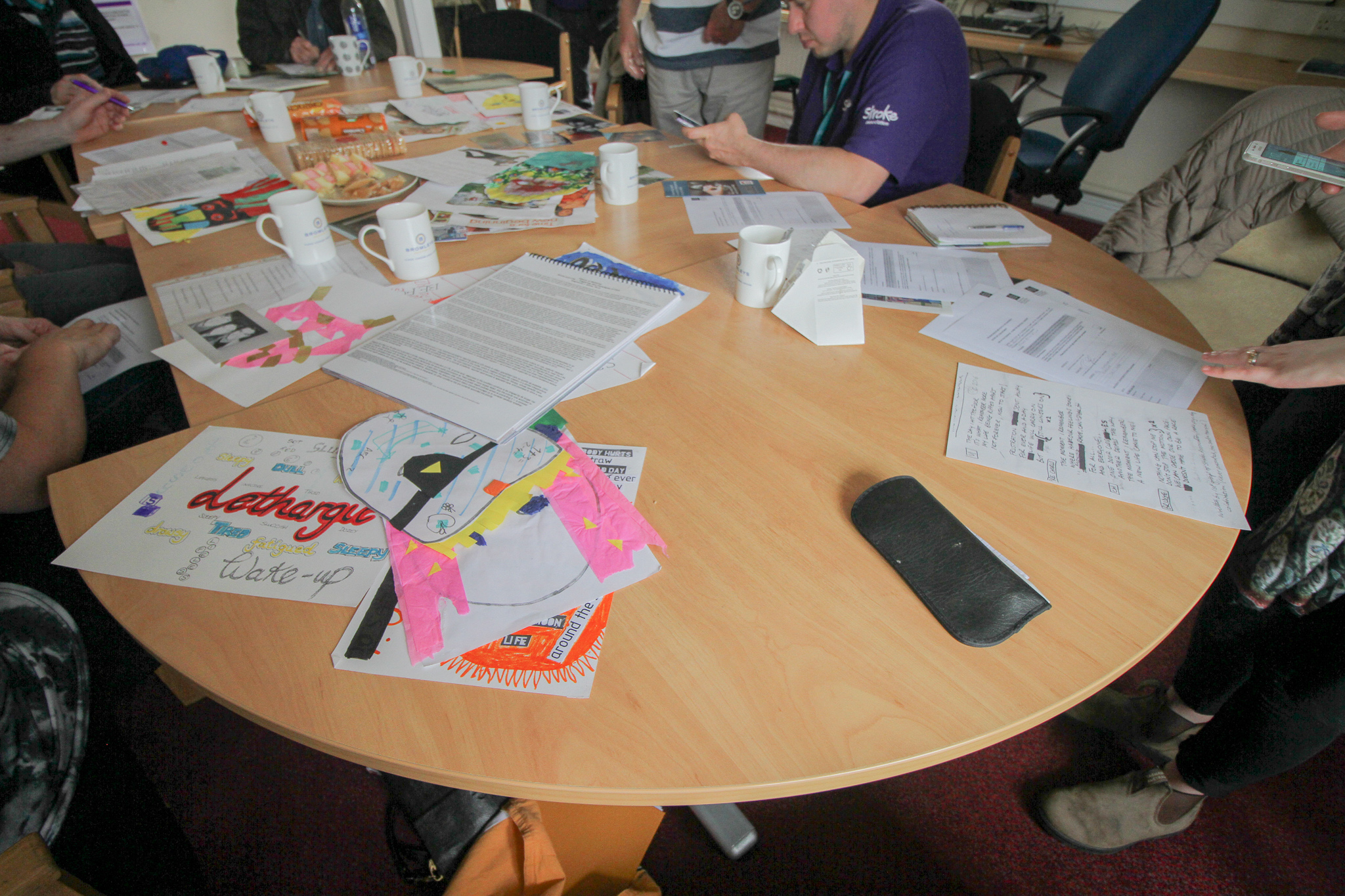
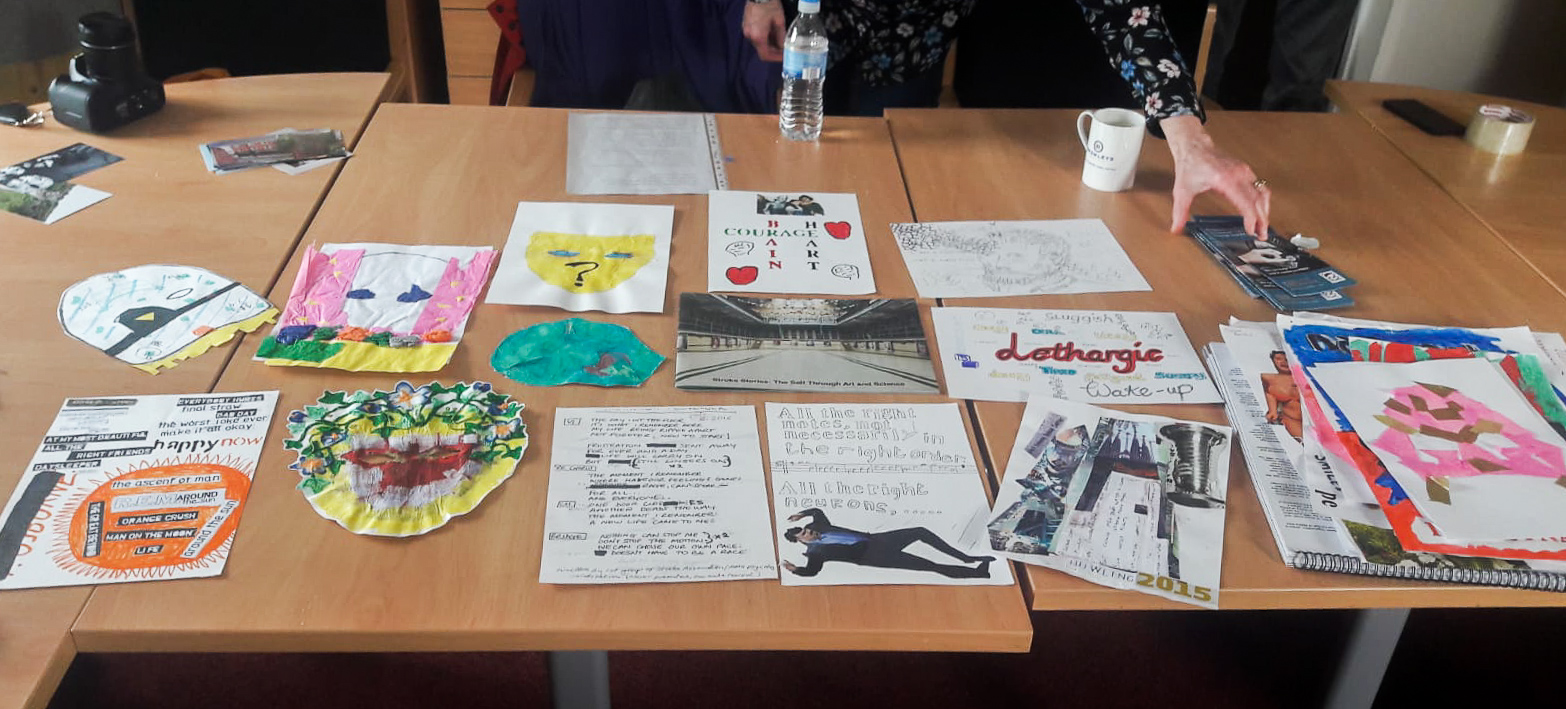
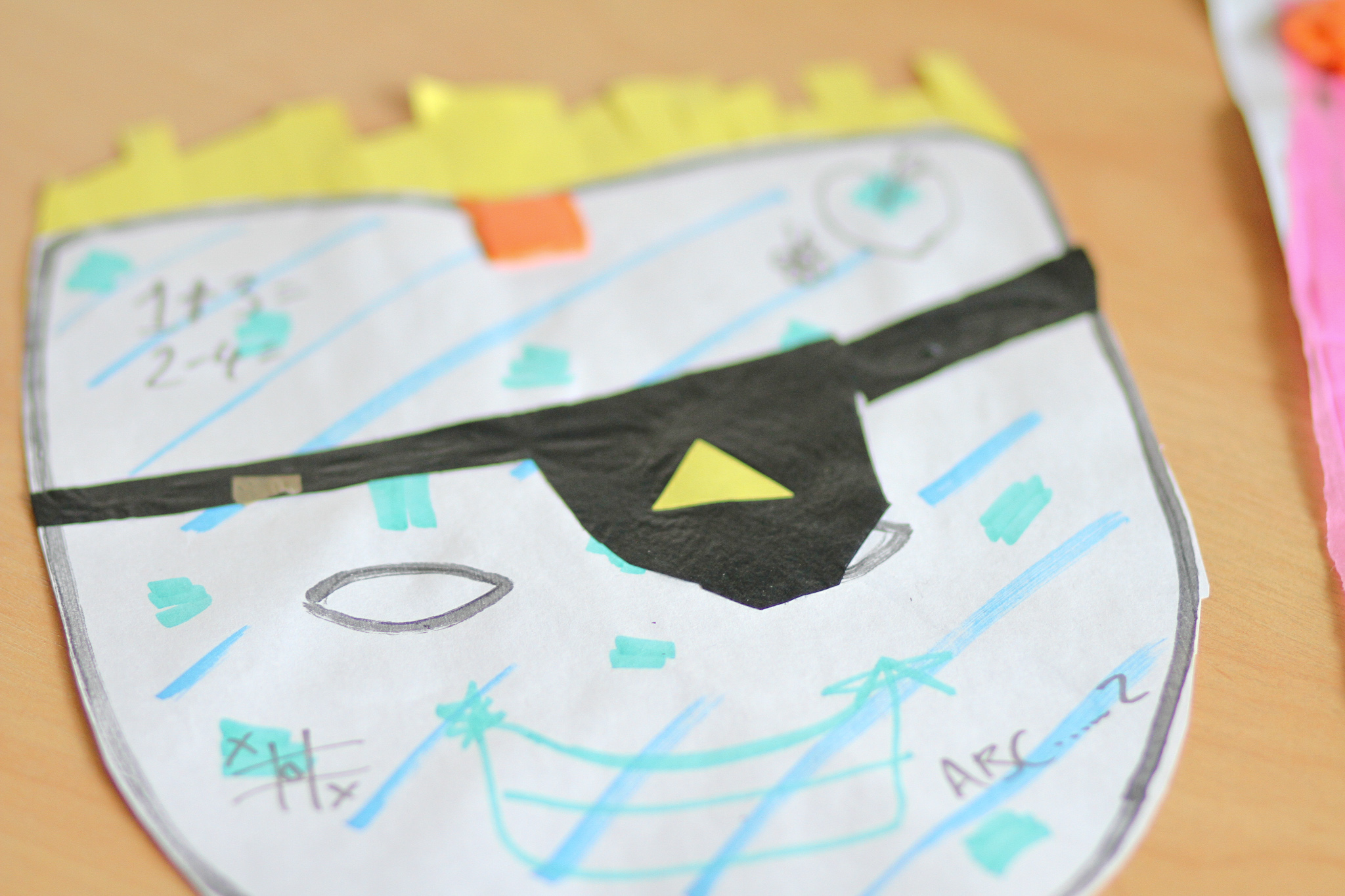
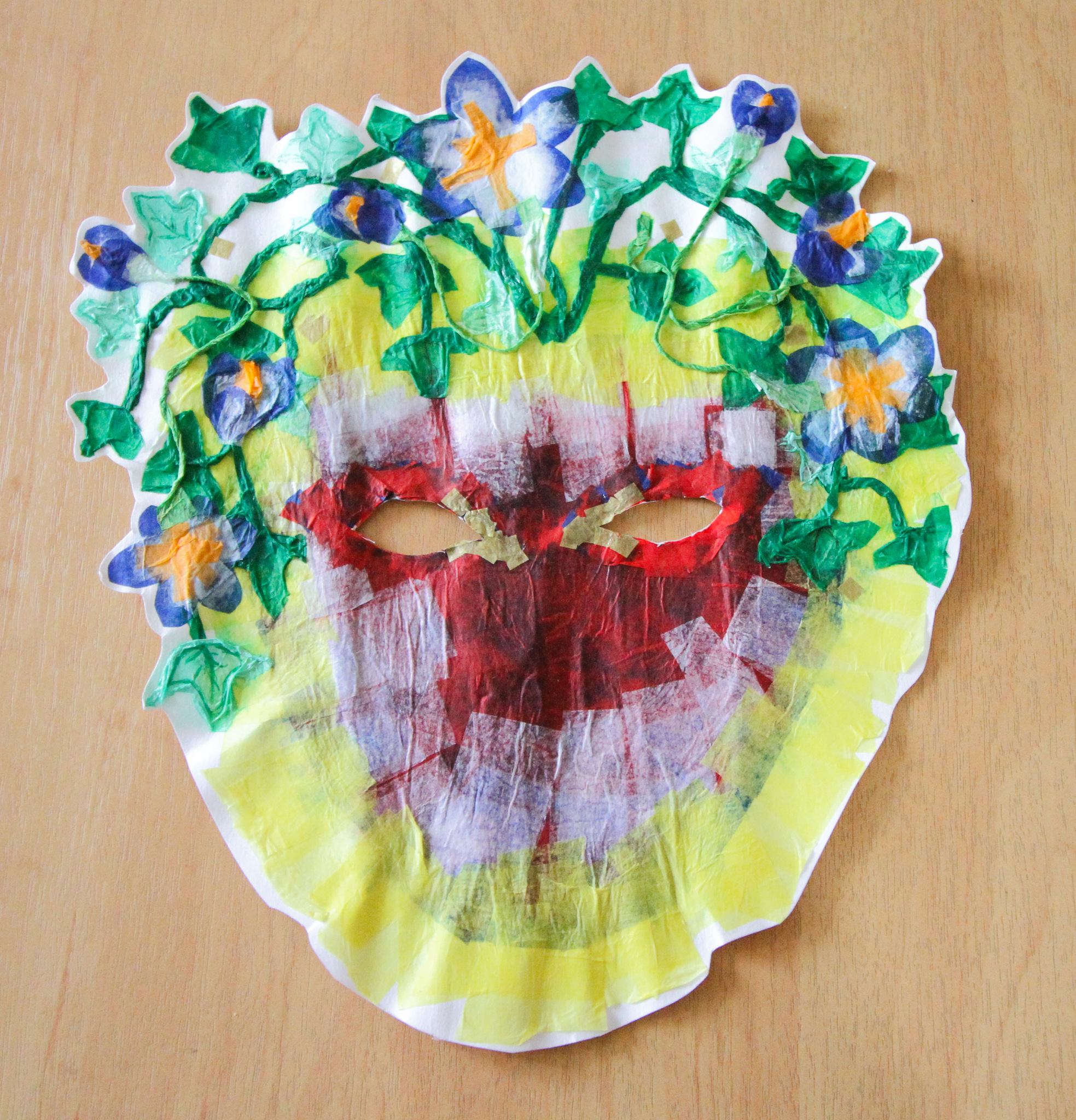
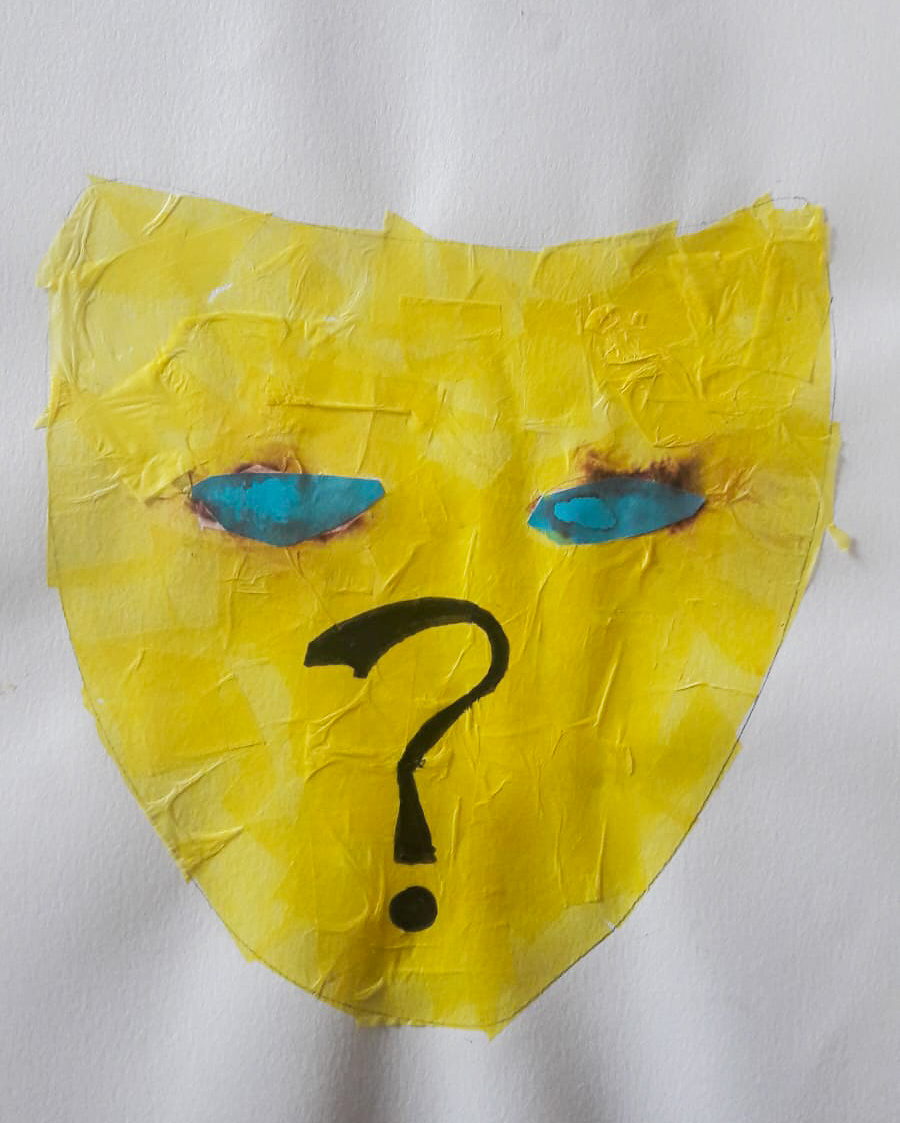
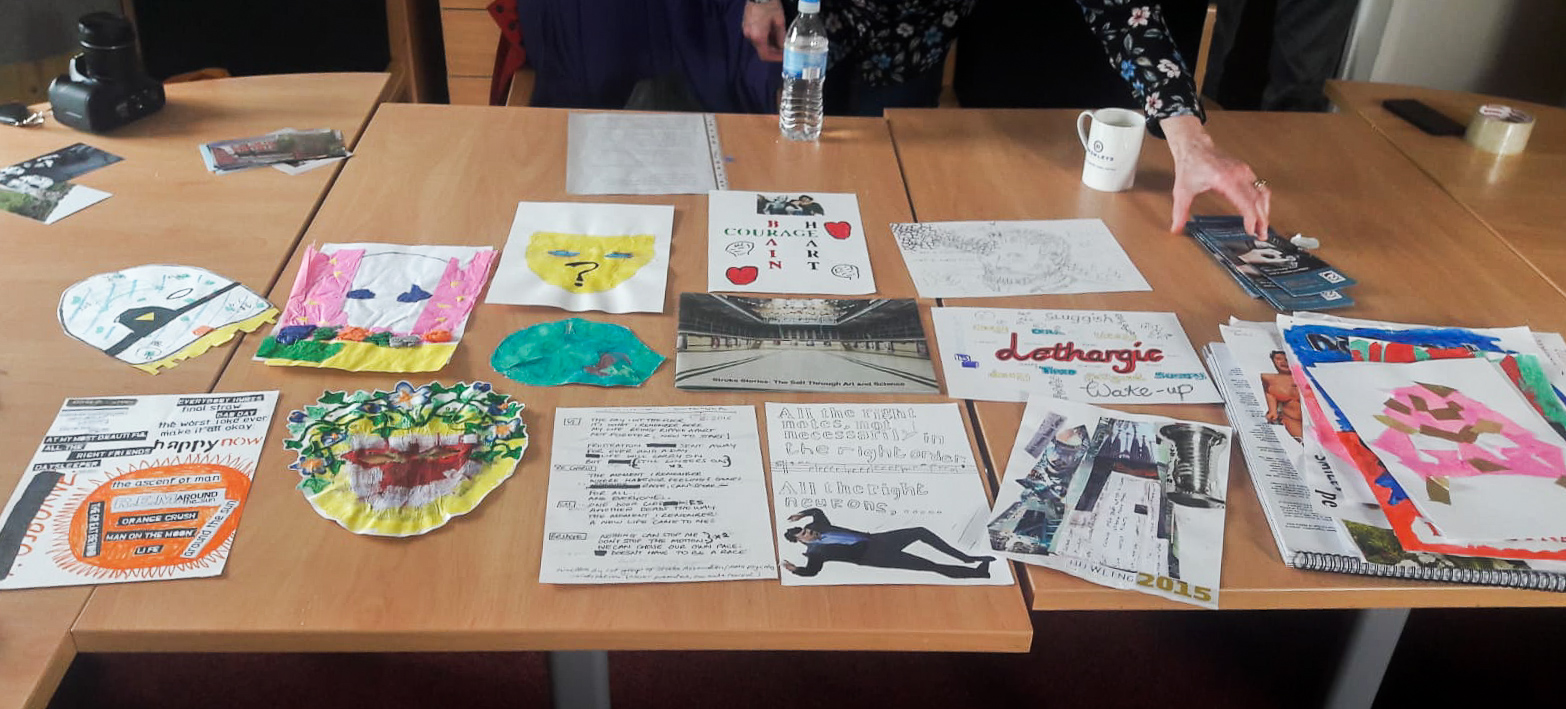
The project involved using collage and basic art materials to create images that visually express how the participants felt within themselves, and adapting to a new life after having survived a stroke.

The university arranged a human library for people to come and meet the stroke survivors to hear their ‘stroke stories’. I am so inspired by this idea of using a human library, hearing face to face about an individuals story and the highs and lows of their journey. Medical research tends to separate the person from the factual medical results, distancing you from the human experience and the psychological effects that their medical condition (such as a stroke) has had on the individual. Creating a human library helps to bring the person and the facts together, allowing people to learn a whole approach, putting the individual first in their experience.

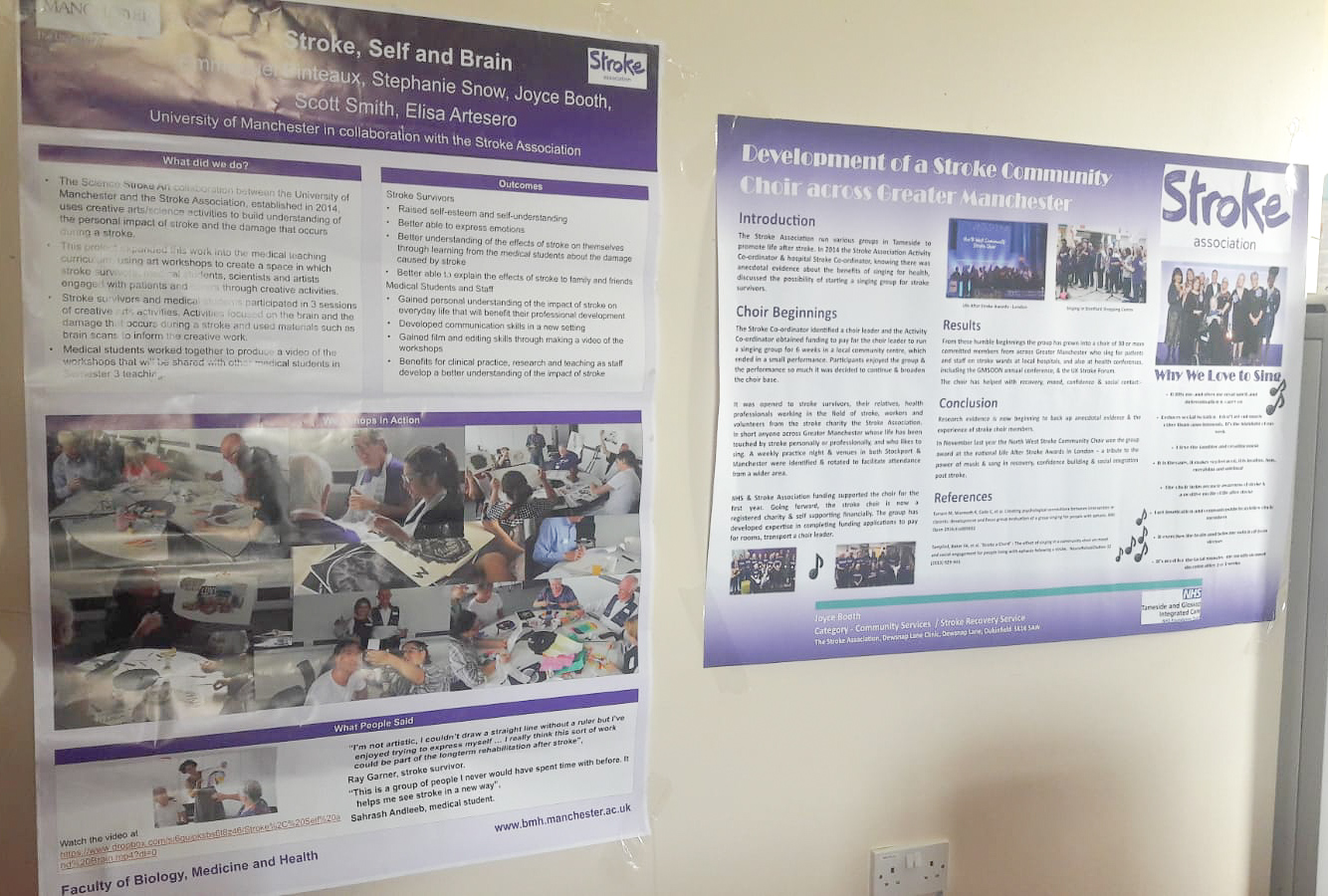
The project was on for 18 months with medical students at Manchester university. They also had a project with speech therapy Students for 3 weeks.
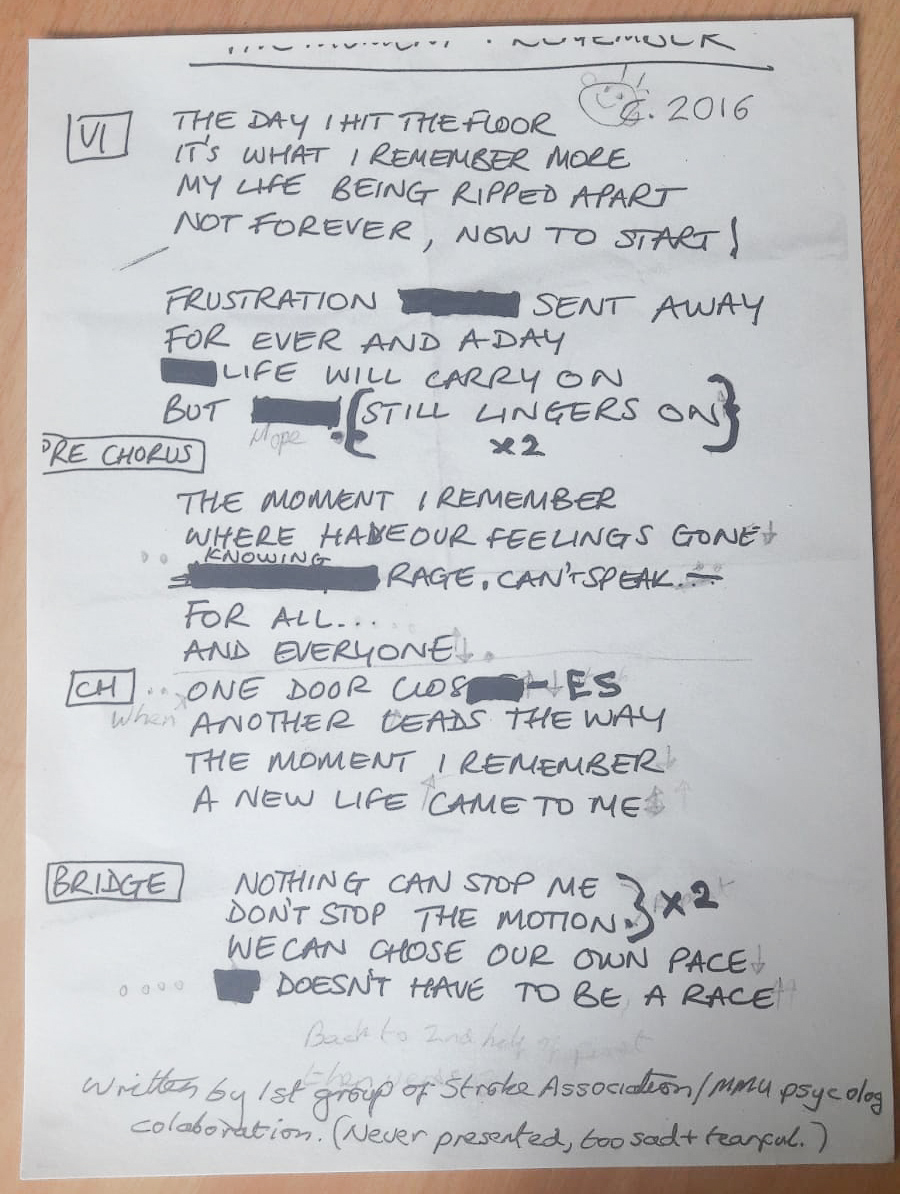
The group worked with brighter sounds, and together wrote a song with an underlying message about how they felt as a stroke survivor which they preformed in Manchester.

After someone survives a stroke they can feel isolated as well as a loss mental and physical abilities. This results in a huge loss of confidence, and having to mourn the loss of the life and person you were before, and to build yourself up again and live a new and different life. The participants expressed, and their appreciation to groups like stroke association as together they can support each other and motivate one another to continue making progress in recover. The group provides them with a safe environment, which they described as a family – helping each other with no judgement. The projects helps them feel less isolated as its a social atmosphere and very welcoming. They explained how doing art projects and singing in the choir helps them grow together, celebrating each others achievements.

The projects encourage the participants to simply “get out of bed” and attend the sessions, which was a huge challenge at the beginning of their recovery. The conversations and interactions helps them to develop and rebuild skills. The social environment and the projects help to build communication, from ways to express how you feel within, and also re-gaining speech. When some of the participants joined the group they had limited speech, but overtime they regain these skills we take for granted, which helps them to build a new found appreciation for the simple things in life.

The participants expressed how encouraging it is for them when they see their friends in the group making improvements, motivating them to carry on being positive and move forward.

A supportive group where everyone is viewed equally and cared for by one another.

The project Stroke stories: The self through art and science was displayed in Victoria baths. Around the exhibition there was photographed portraits of each participant who took part in the project. The photographs were interactively displayed so the audience could look behind the images to see the artwork created by each individual.

As seen above, the artwork was created using basic art equipment and collage. This was to ensure that the work was easily approachable and inviting for every one involved- using complicated techniques would put people off who consider them selves ‘not creative’ as they may have not been involved in the arts perhaps since their primary education- this is the case for many people. Using a simple approach to convey and express a message is simple and effective, and worked well with the participants involved.

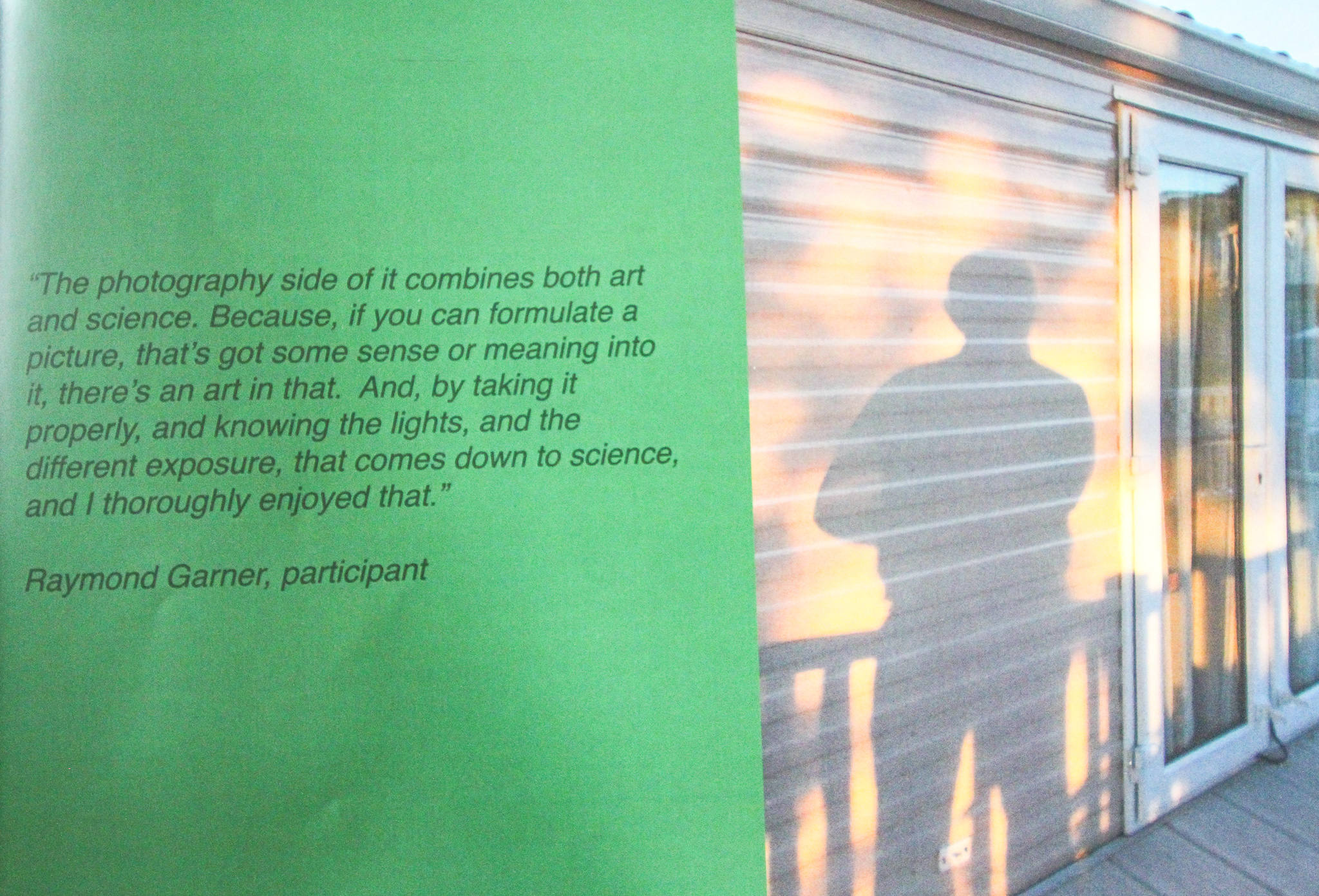
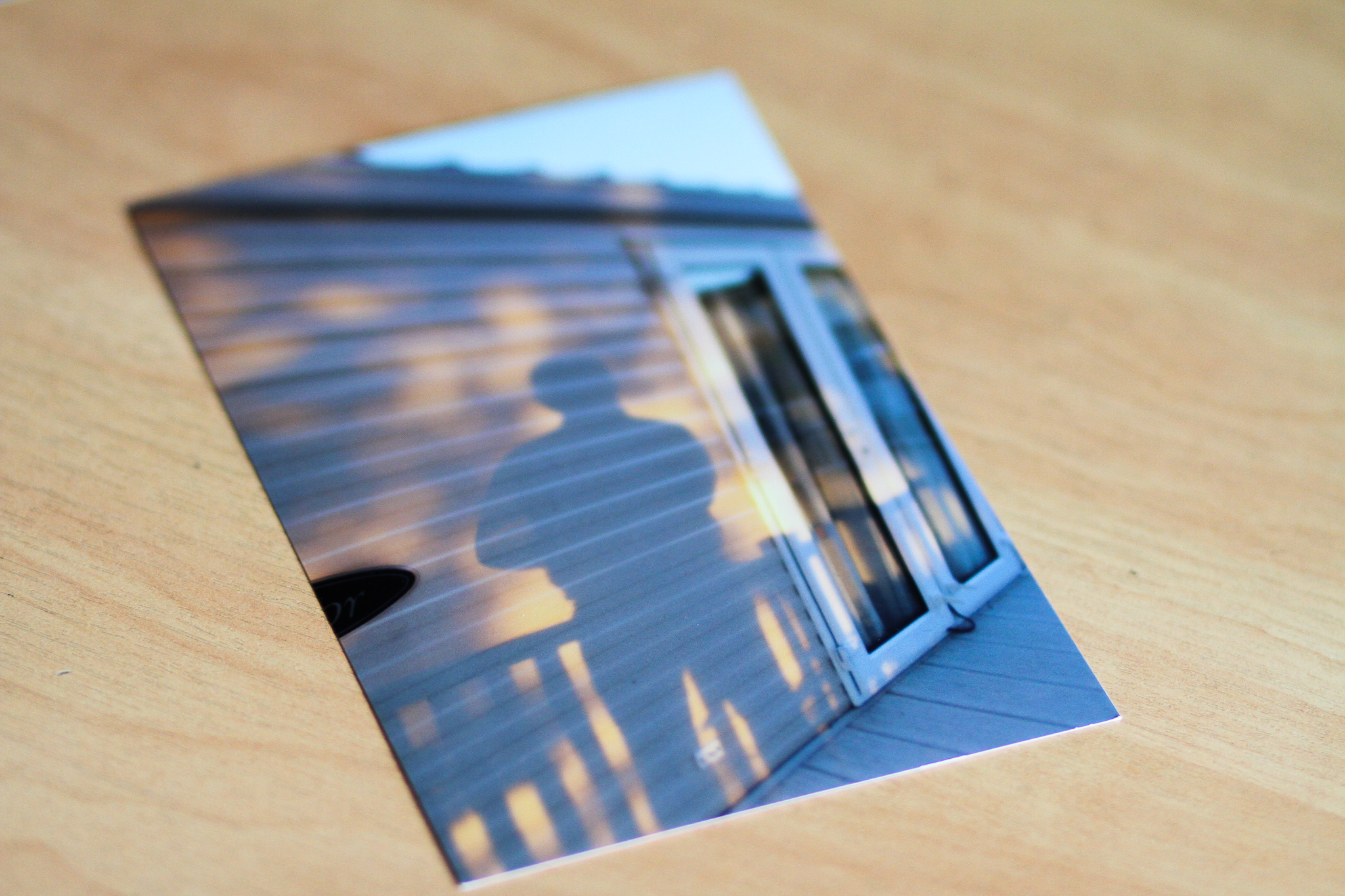
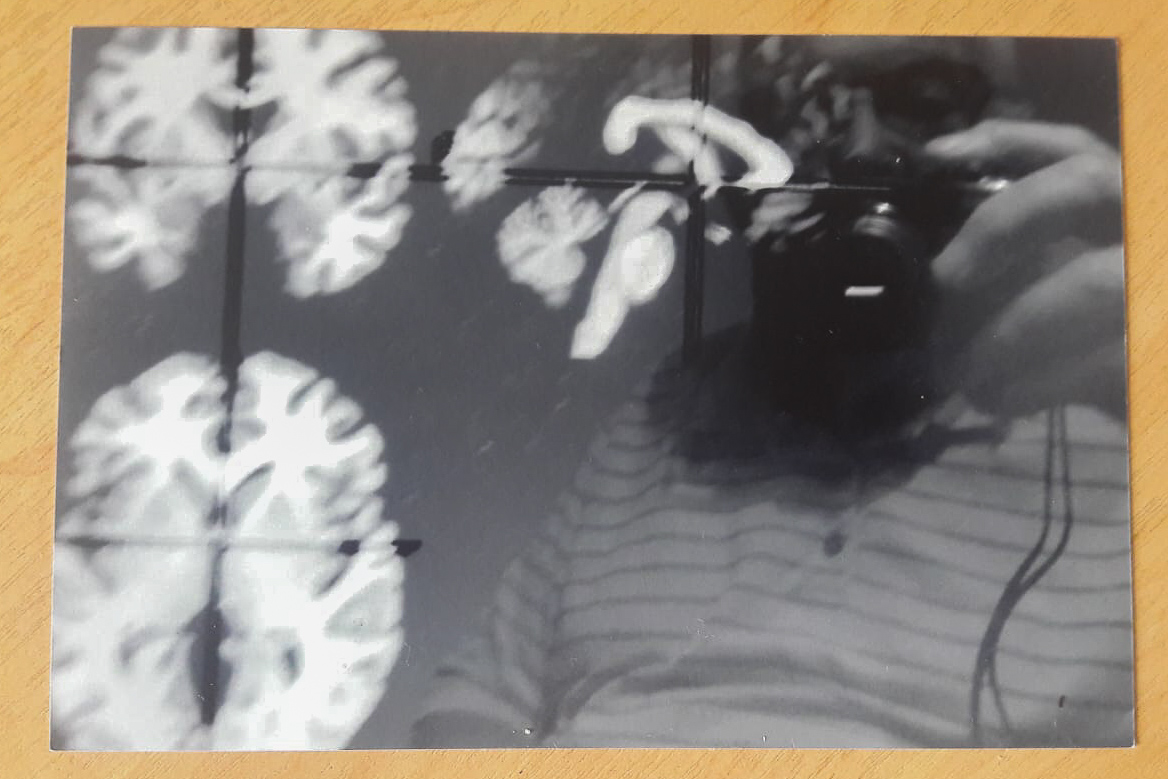
The group also had a photography workshop with one of the artists. As seen below, one of the photographs taken by Raymond Garner, one of the participants who wanted to capture his shadow as a way to tell his stroke story through science and art. Using photography as a technique of communicating, and expressing a story spoke a lot to some of the participants that I met as it brought them a certain ‘realness’ of their own lives, capturing their everyday moments.

The photograph is titled:

‘Shadow of my former self’

https://www.bmh.manchester.ac.uk/connect/social-responsibility/public-patients/stroke-self-brain/

We met together and discussed the projects, shared stories and they presented the artwork that they had made during the projects with the university.

The stroke association decided that they wanted to work with artists, photographers and musicians, not with therapists.
The difference between art therapists and arts for health is something that keeps coming up. Art therapists work with someone based on their diagnosis, where as arts for health projects work with artists, regardless of the participants medical condition. There is a lot of cross over and grey areas between the two. In this project with the stroke survivors the association wanted to work specifically with artists to make sure the sessions were based on general creativity and supporting the participants well being, and not a therapy session.

The sessions included:
Writing – poems and songs
Painting
Ceramics
Singing

All the projects were designed facilitating a creative space for the participants to channel their emotions and to visually or audibly display their work, challenging the audience and generating different perspectives and understandings from each person viewing the work.

The participants explained to me what it is like to recover from a stroke.

“My mind wants to say one thing, but my mouth doesn’t”

It was clear to see and hear that the artwork allowed them to express what they felt within, and allowed them to say what they couldn’t express.

The participants were highly motivated and passionate about the projects, they expressed to me about how much they ‘looked forward’ to them.

The projects gave them a platform to express their emotions, channel their frustrations and articulate what they struggled to say. It gave them motivation to keep moving forward and not to give up hope in their recovery.

The participants described how their stroke changed their lives in a second, and this had a tremendous impact on their own life, but also on their friends and family.

Recovery involves “re inventing yourself”

The stroke association group has helped them in that process, providing them with support and engaging projects that help aid well being, as well as something different to work towards. Art can be intimidating to a lot of people, and projects like these open up the arts, and help to re discover a new purpose of creating art as a means of something to say.

The warm and friendly welcome from the group was so inspiring and I am glad to have met them. They expressed to me that their lives after a stroke has taught them to live their life now and fulfil every moment, and to embrace every opportunity.

Some of the participants involved: Peter Osborne, Daniel Makin, Mike Trowski, Peter Wright, Mark Prizey, Ann Williams.

Mahdlo Youth Zone

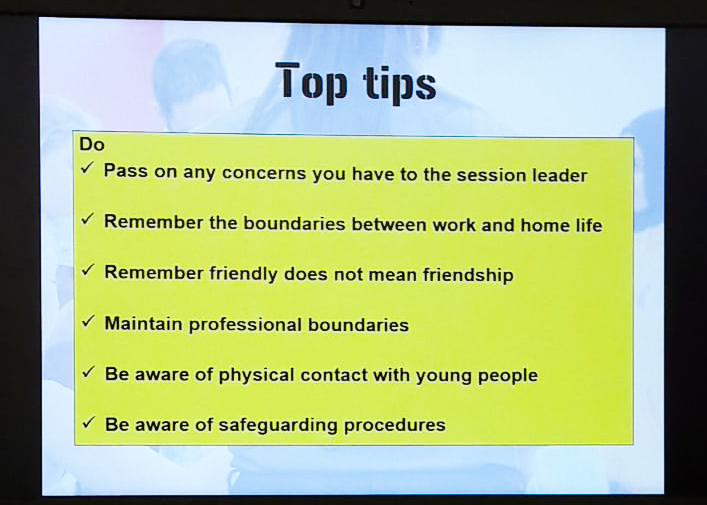
I contacted Mahdlo youth zone in Oldham where we did a small placement with during UNIT X educator last year. They were delighted to hear back from us – and it was really quick to organise running a workshop with the young people there as we had already been through the training requirements and we would only need a short safeguarding top up.

https://www.mahdloyz.org/

We planned a workshop for seniors

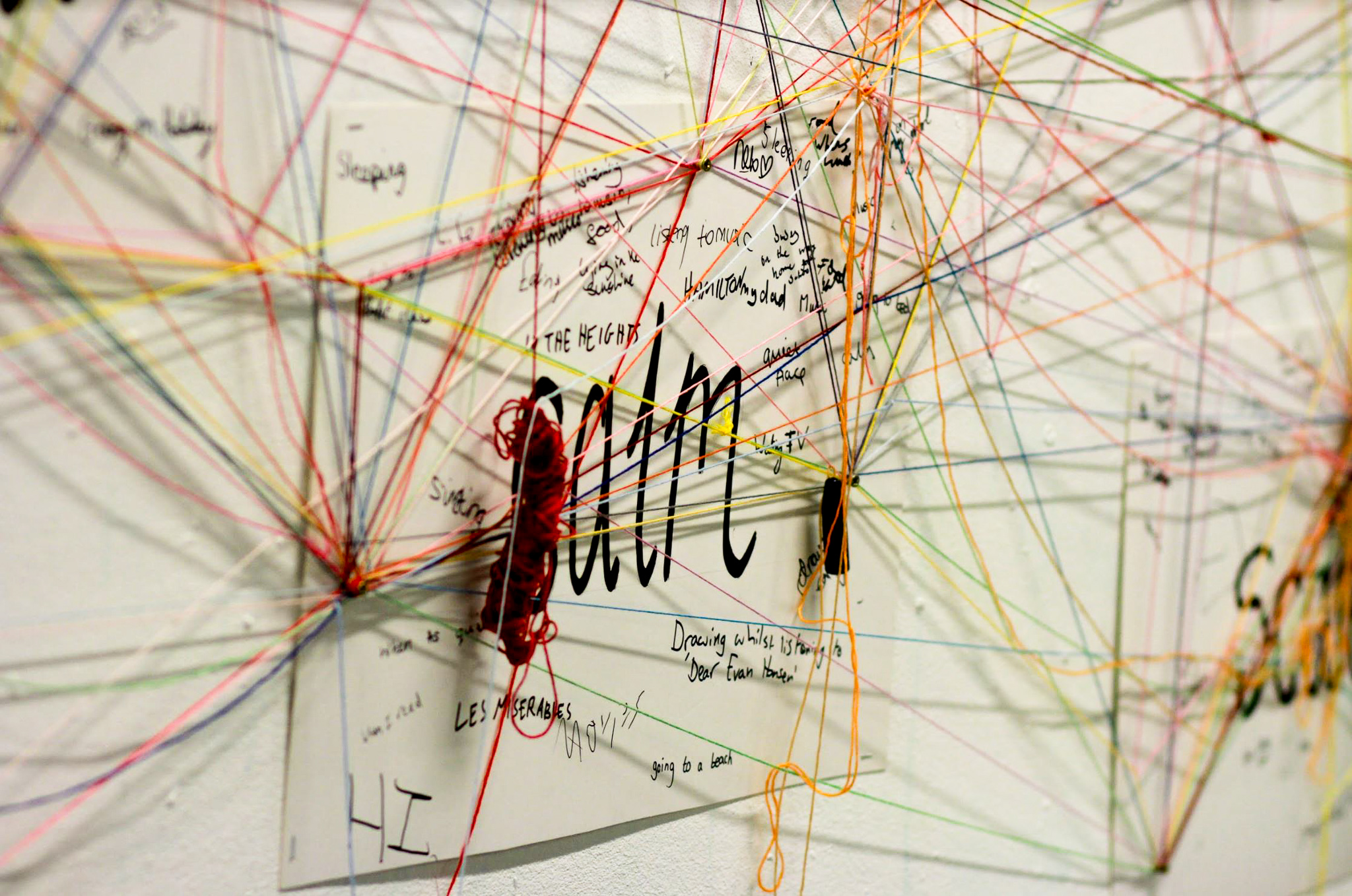
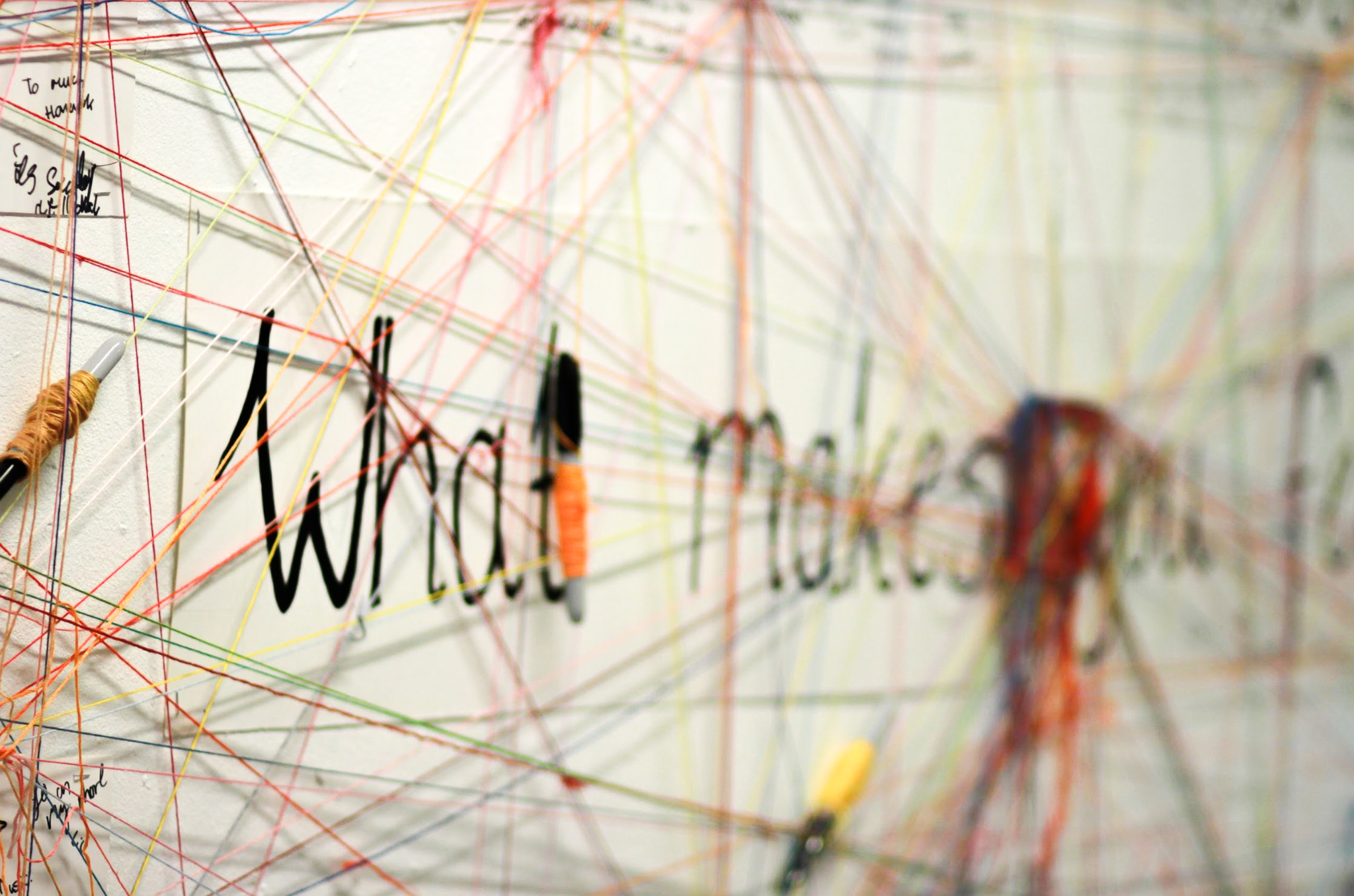
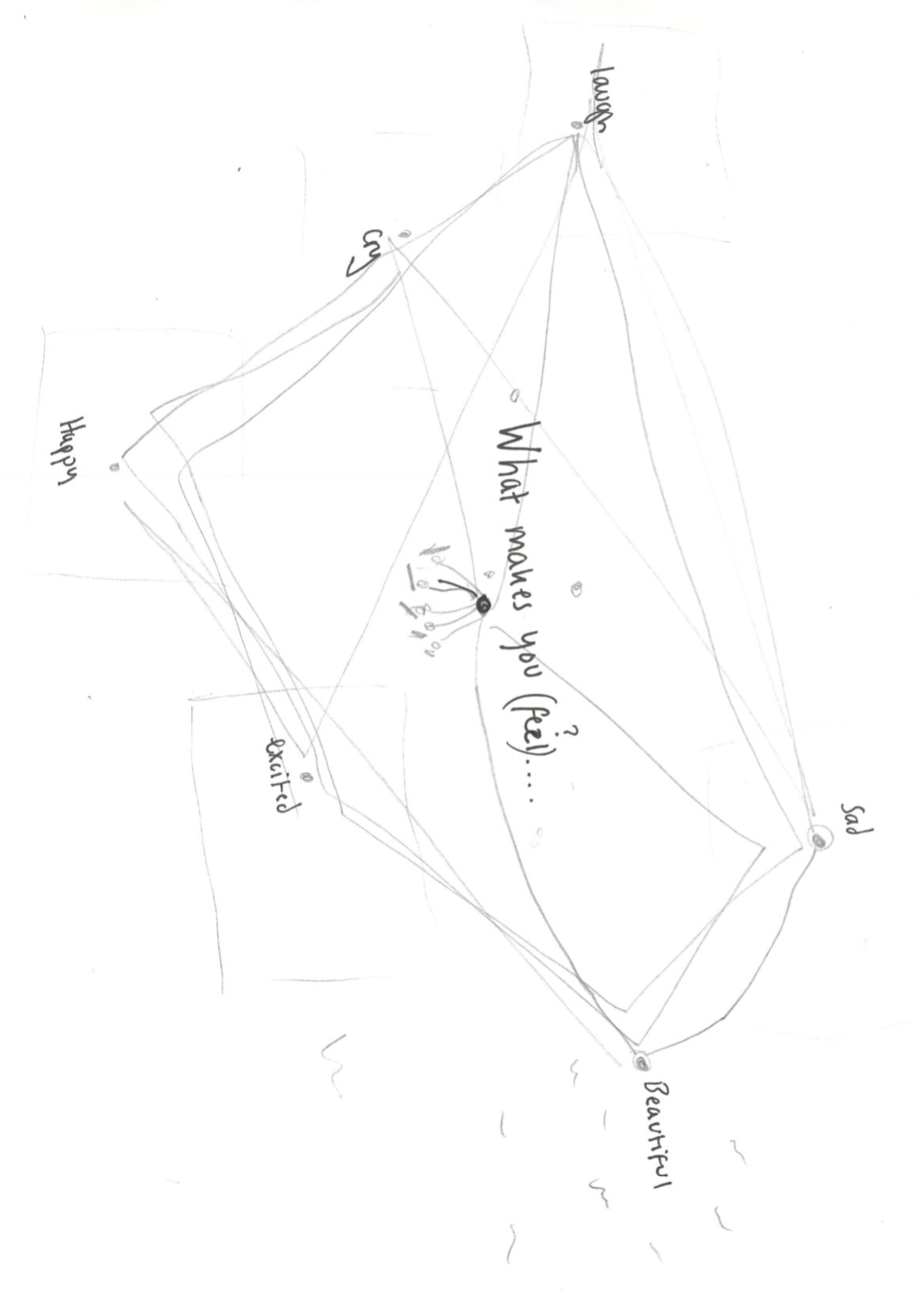
We wanted to develop the ‘what makes you feel’ workshop that we did at King David High school.
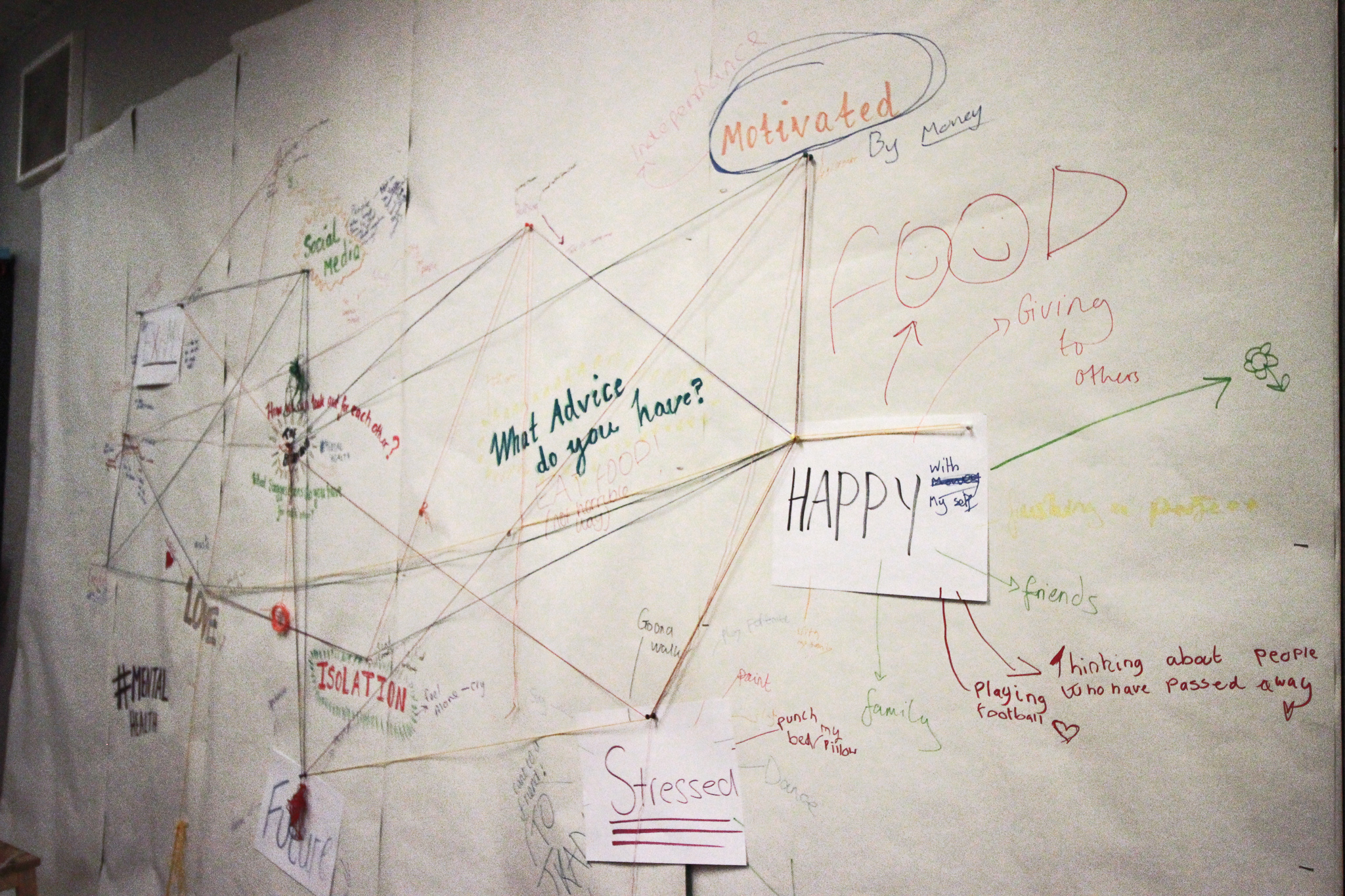
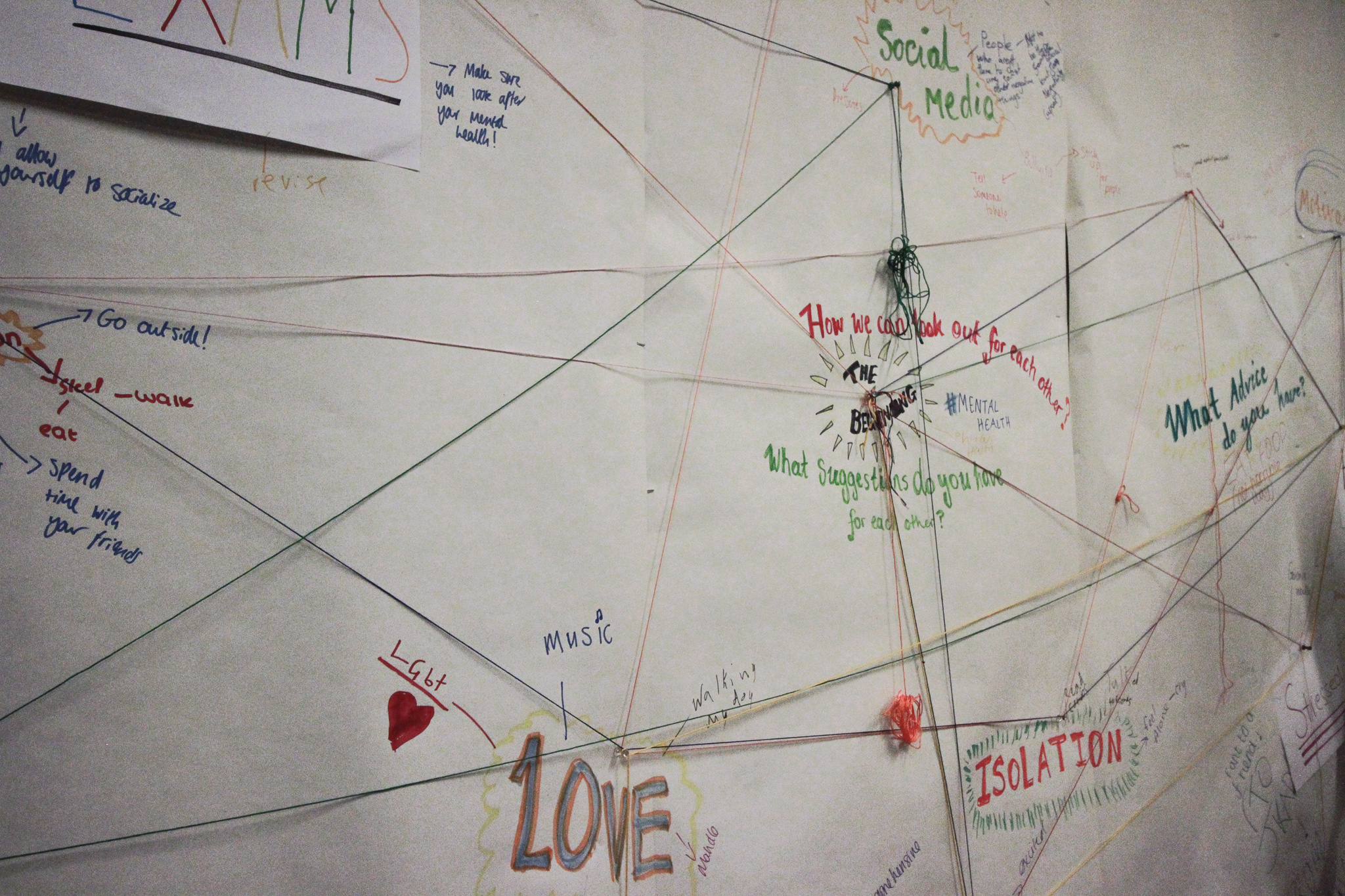
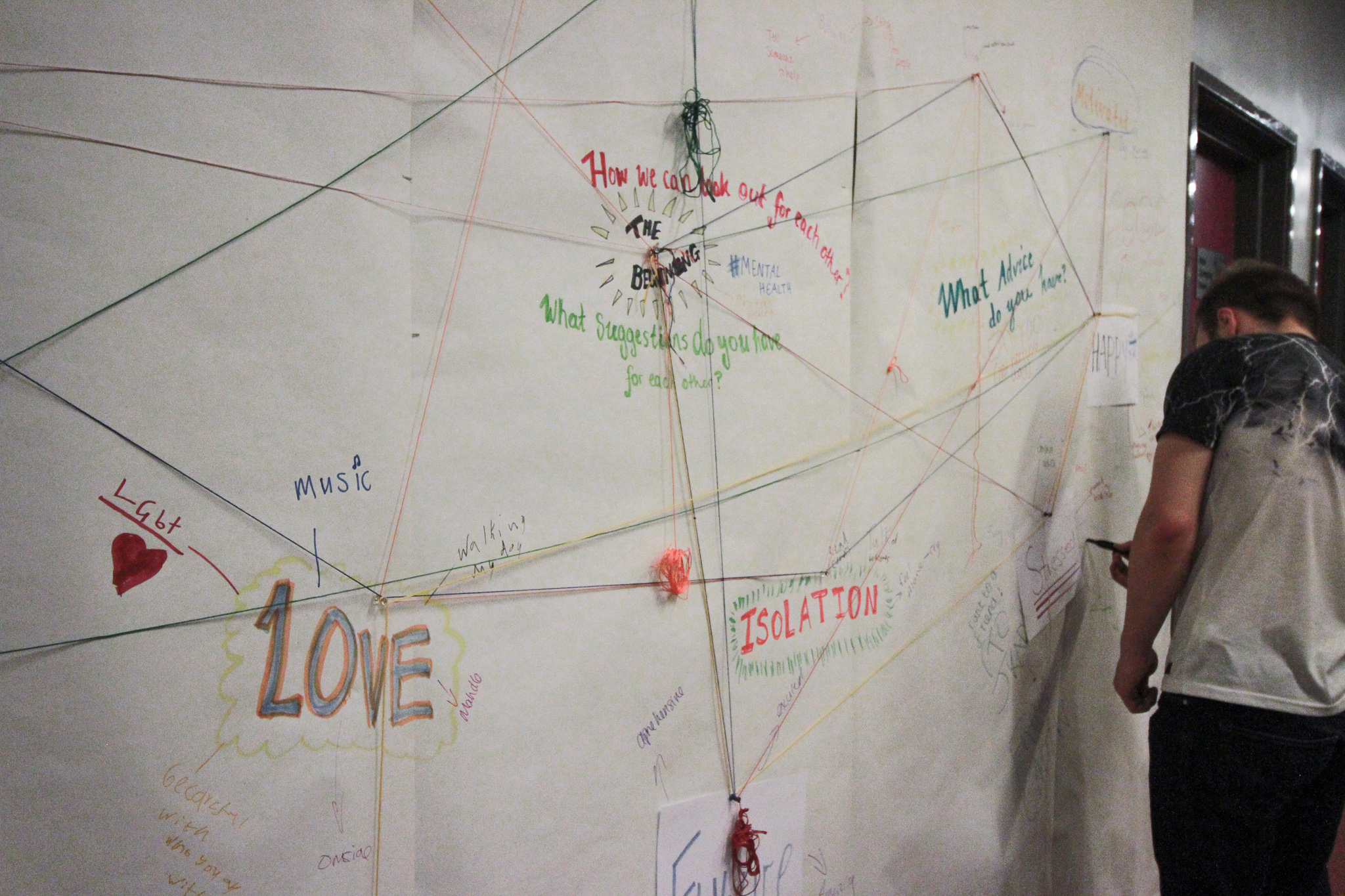
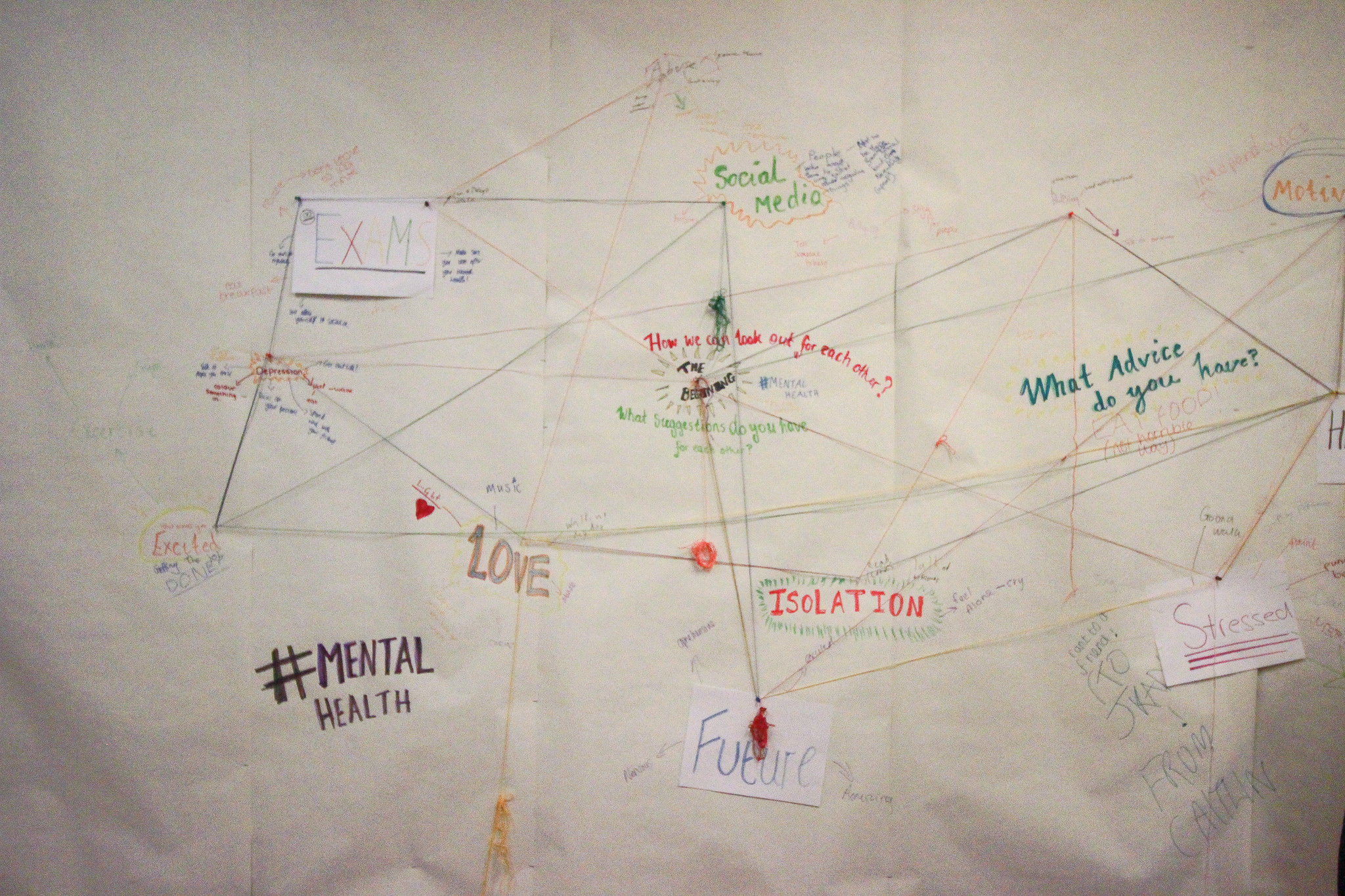
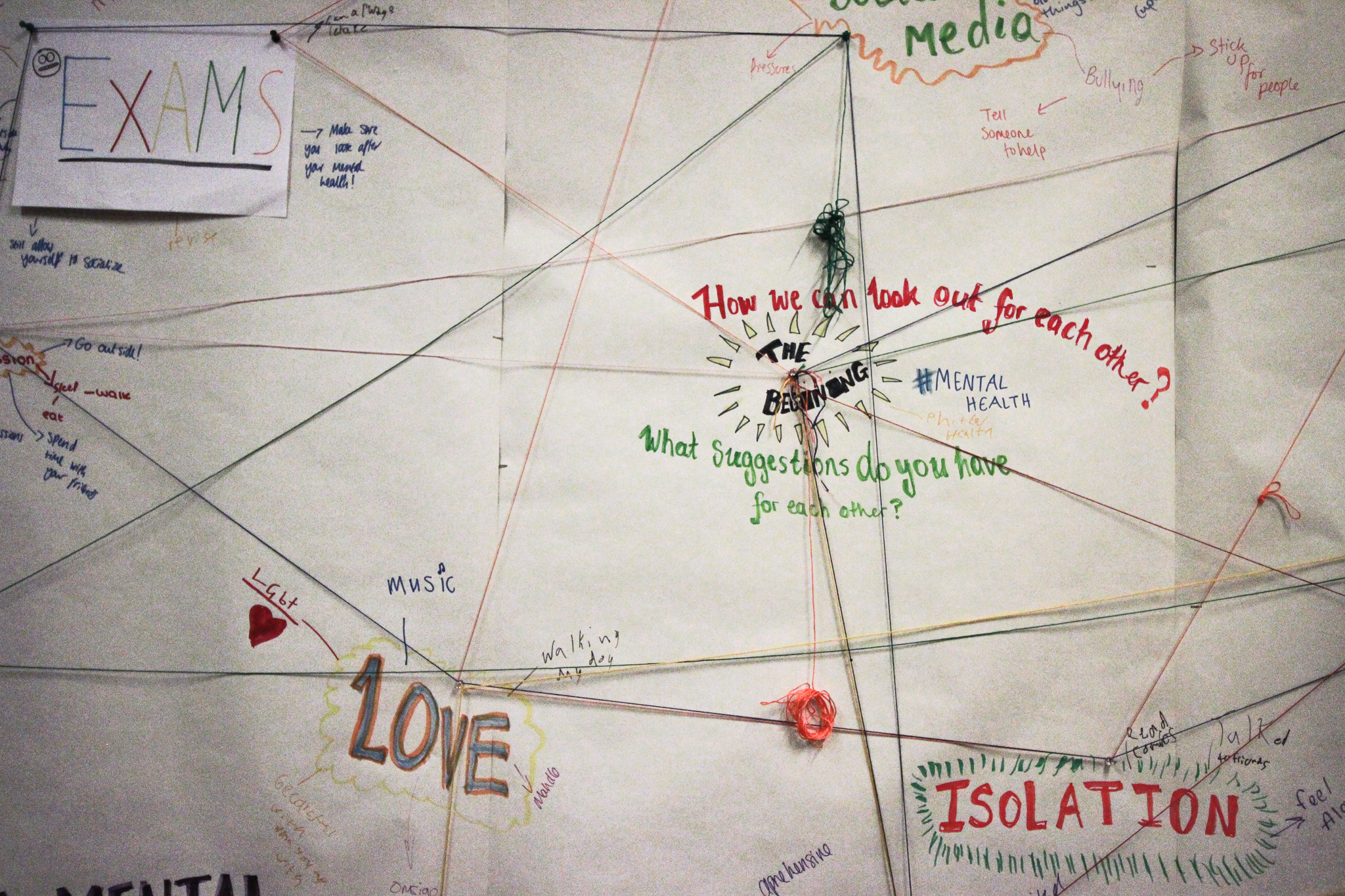
We decided as Mental health awareness week was approach, to run the session based on discussions on arts for health, and creating a visual representation of our discussions on mental health and challenges that young people are faced with in today’s world.

This workshop was in a youth zone so it’s designed as more of a pop in for young people to engage with for as long as they desire. This was a little tricky, and I prefer delivering a workshop in a whole session, especially when focusing on subjects such as arts for health and mental health. A full session allows you to build a safe space with the participants involved, and work together through conversation, to develop and build up an outcome together. This pop in styled activity works, however it doesn’t allow you to go in depth on the topics, which can miss the purpose of the activity.

AIMS AND OBJECTIVES:

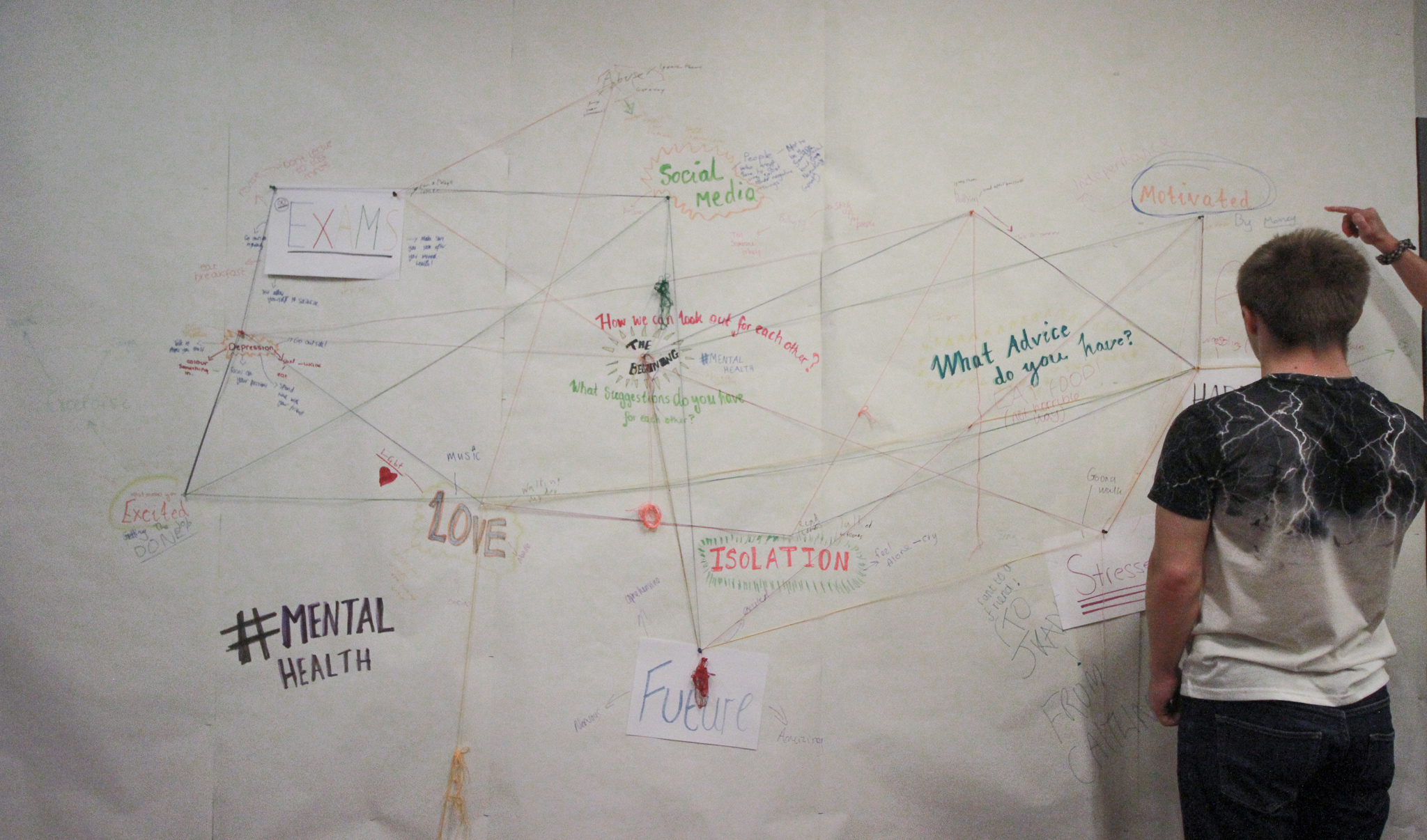
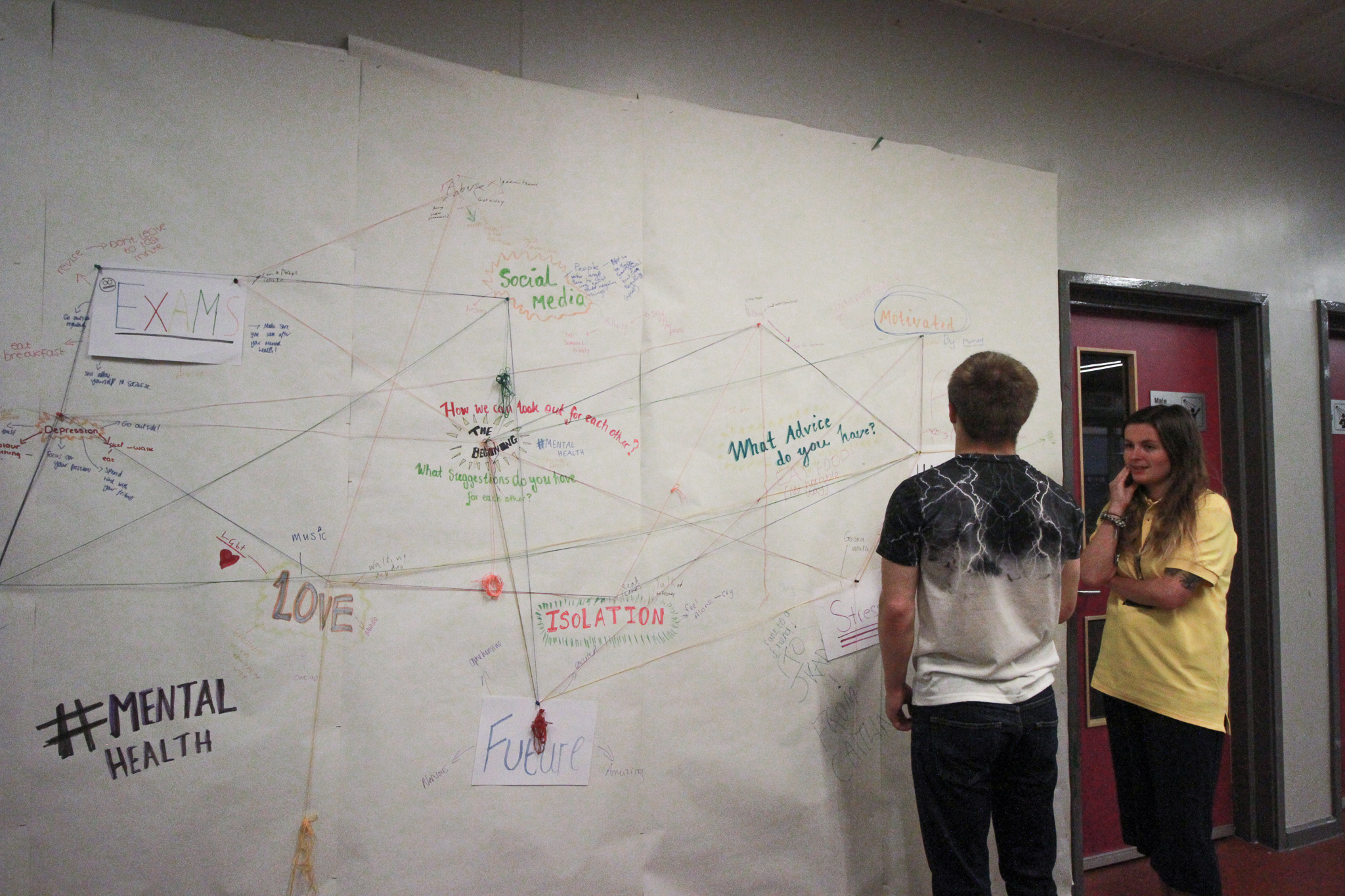
Aims: To imitate an open, young person led conversation on mental health and challenges that young people face. Introduce arts for health, and how we can exchange advice, ideas and support with each other during these challenges and emotions. Create a visual representation of these conversations.

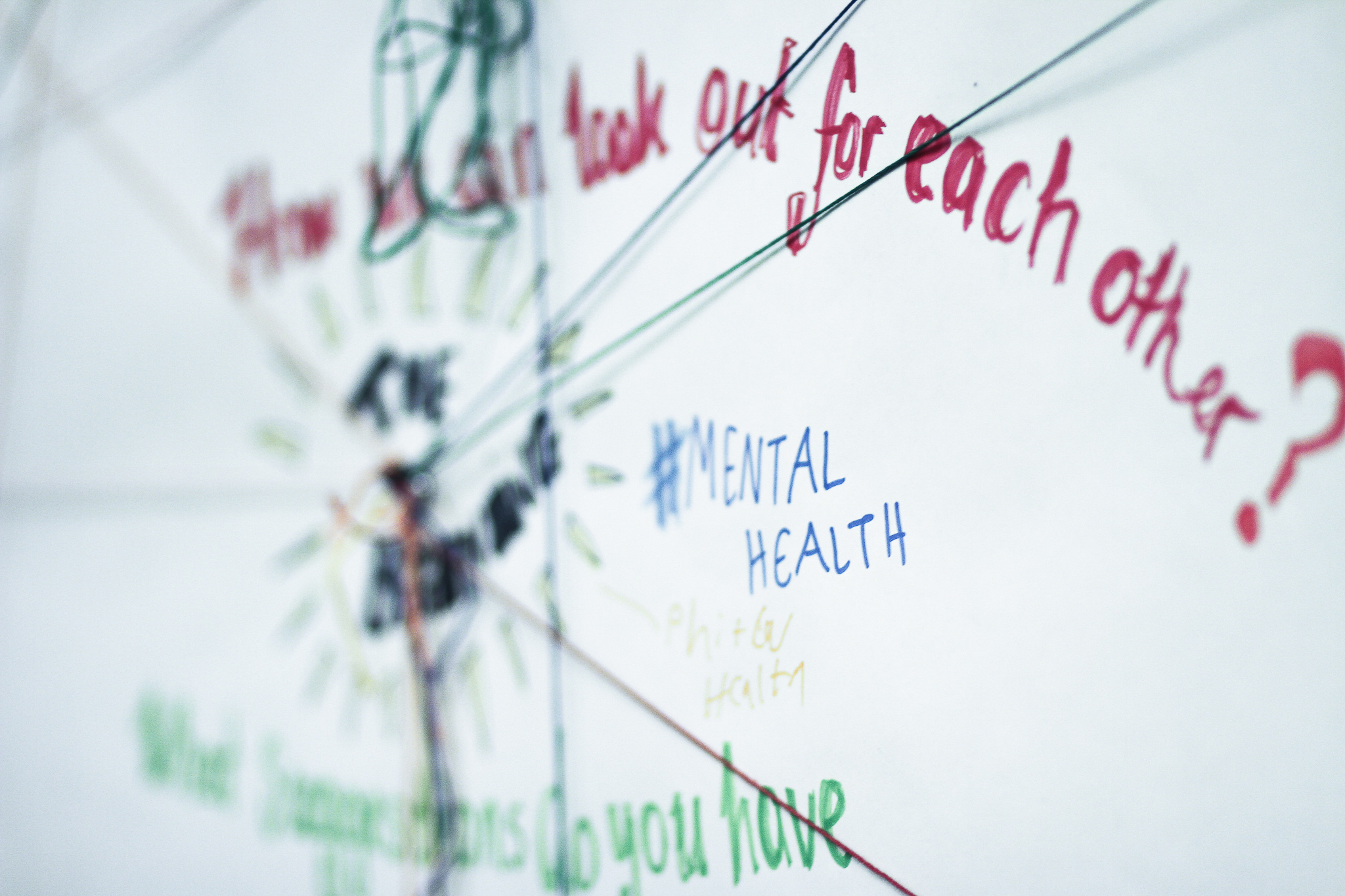
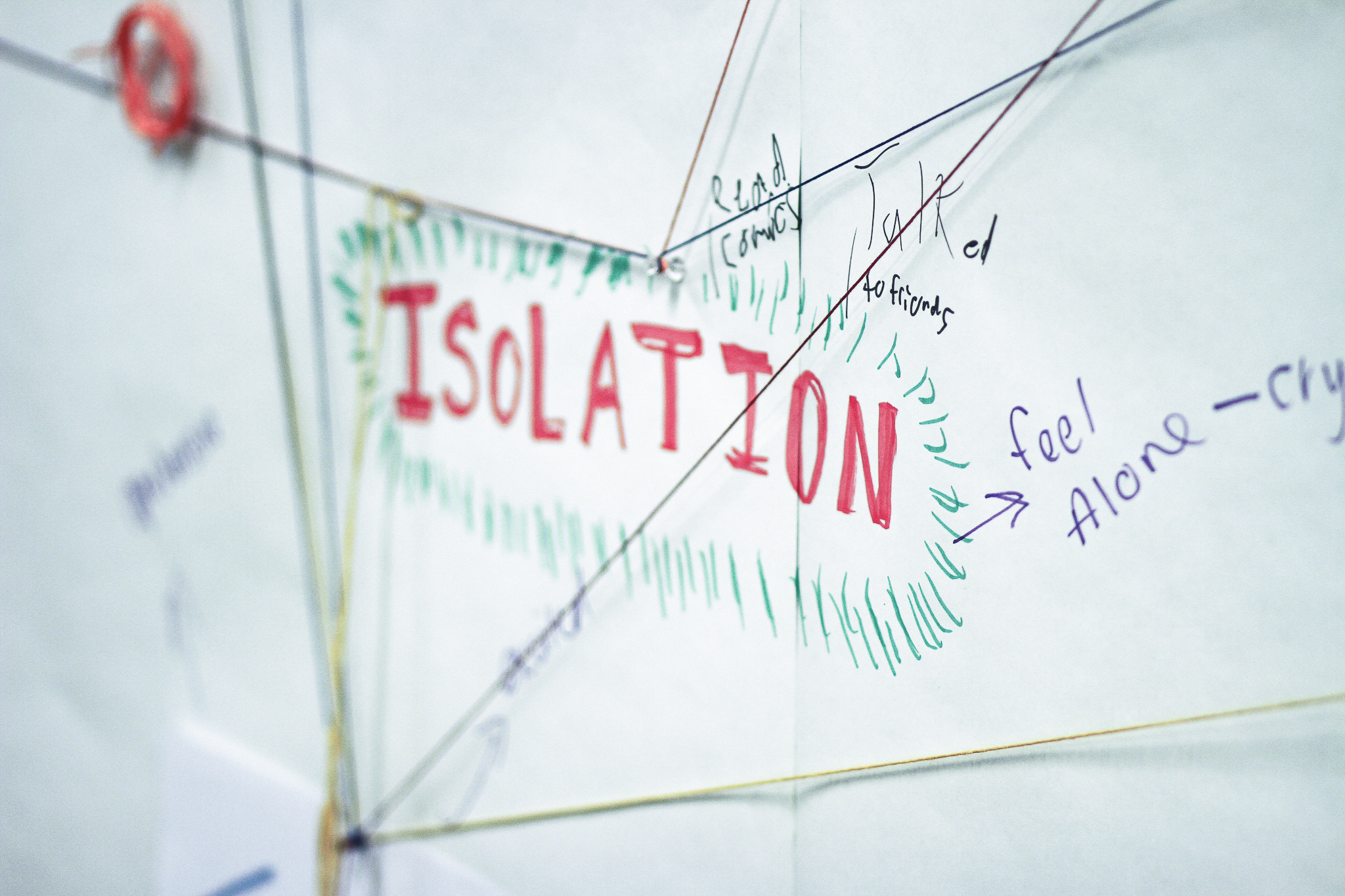
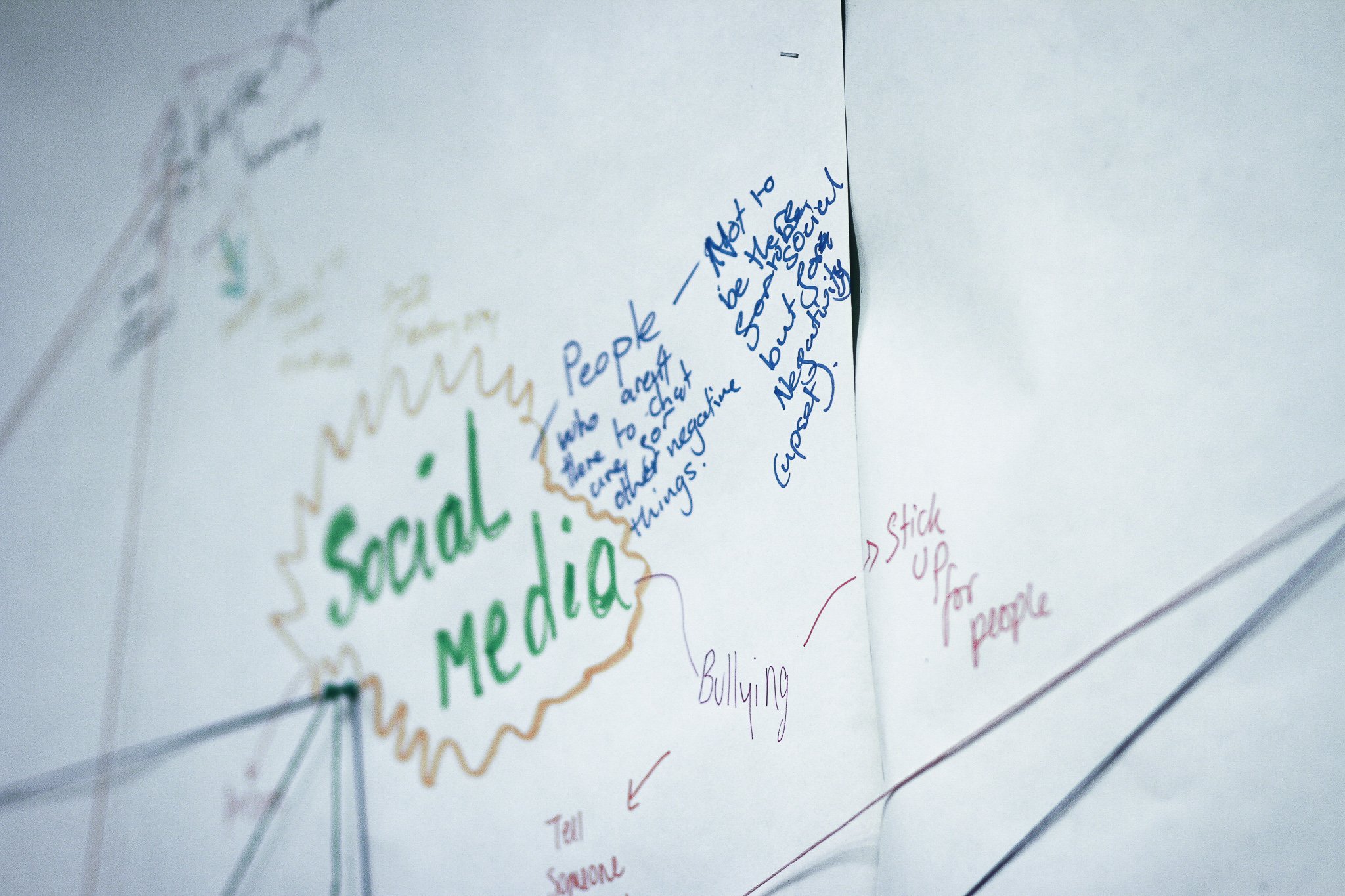
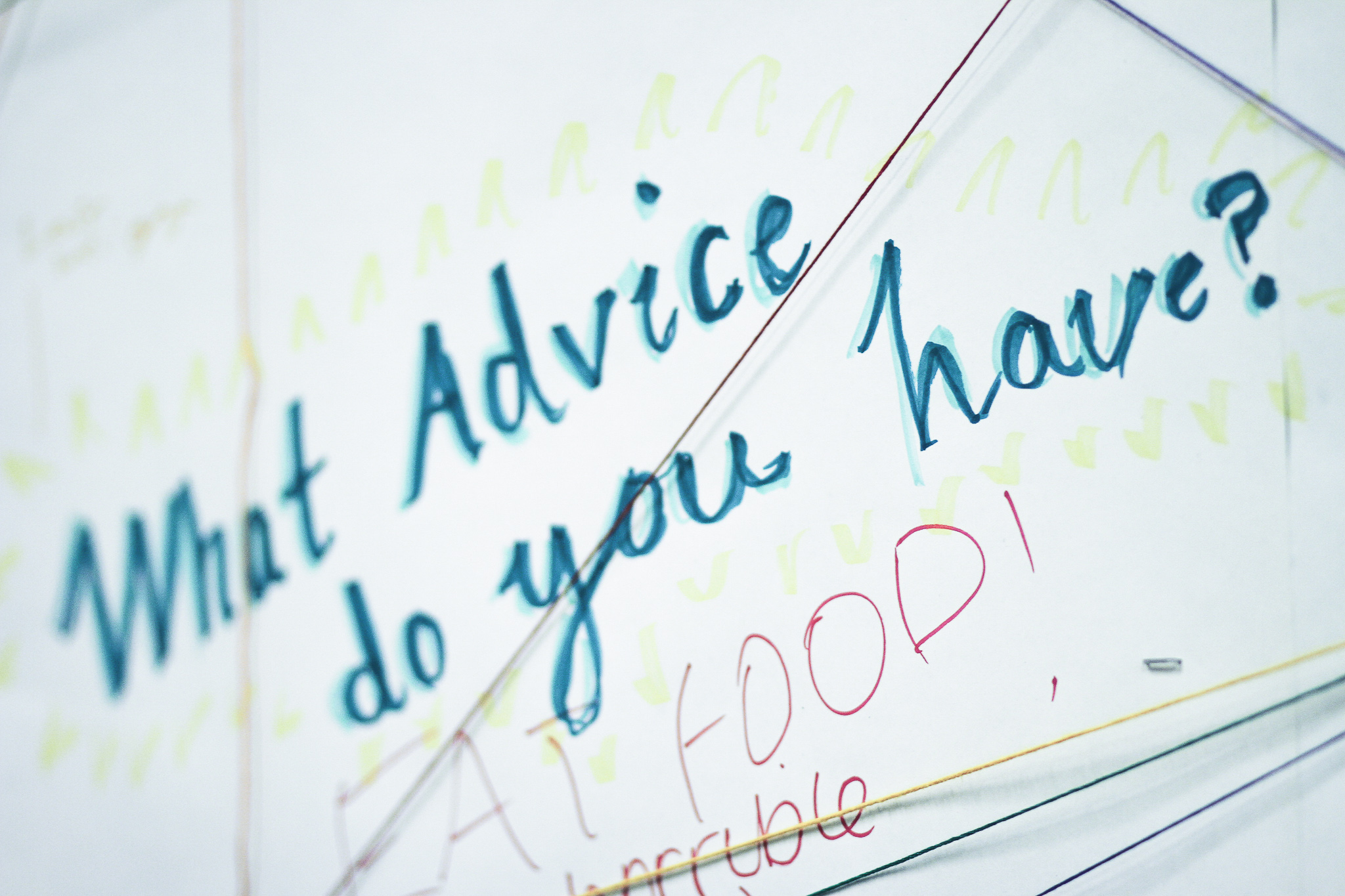
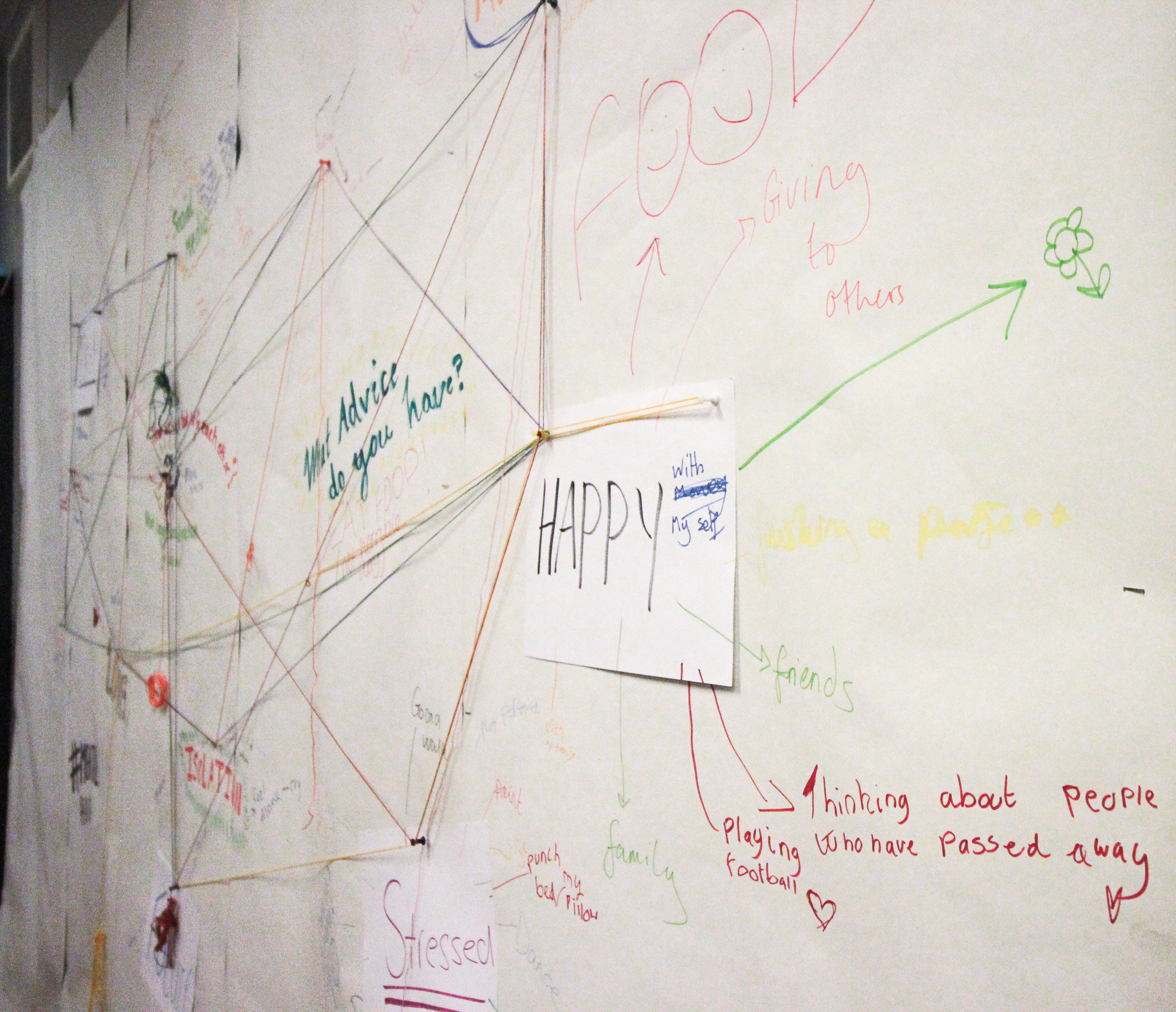
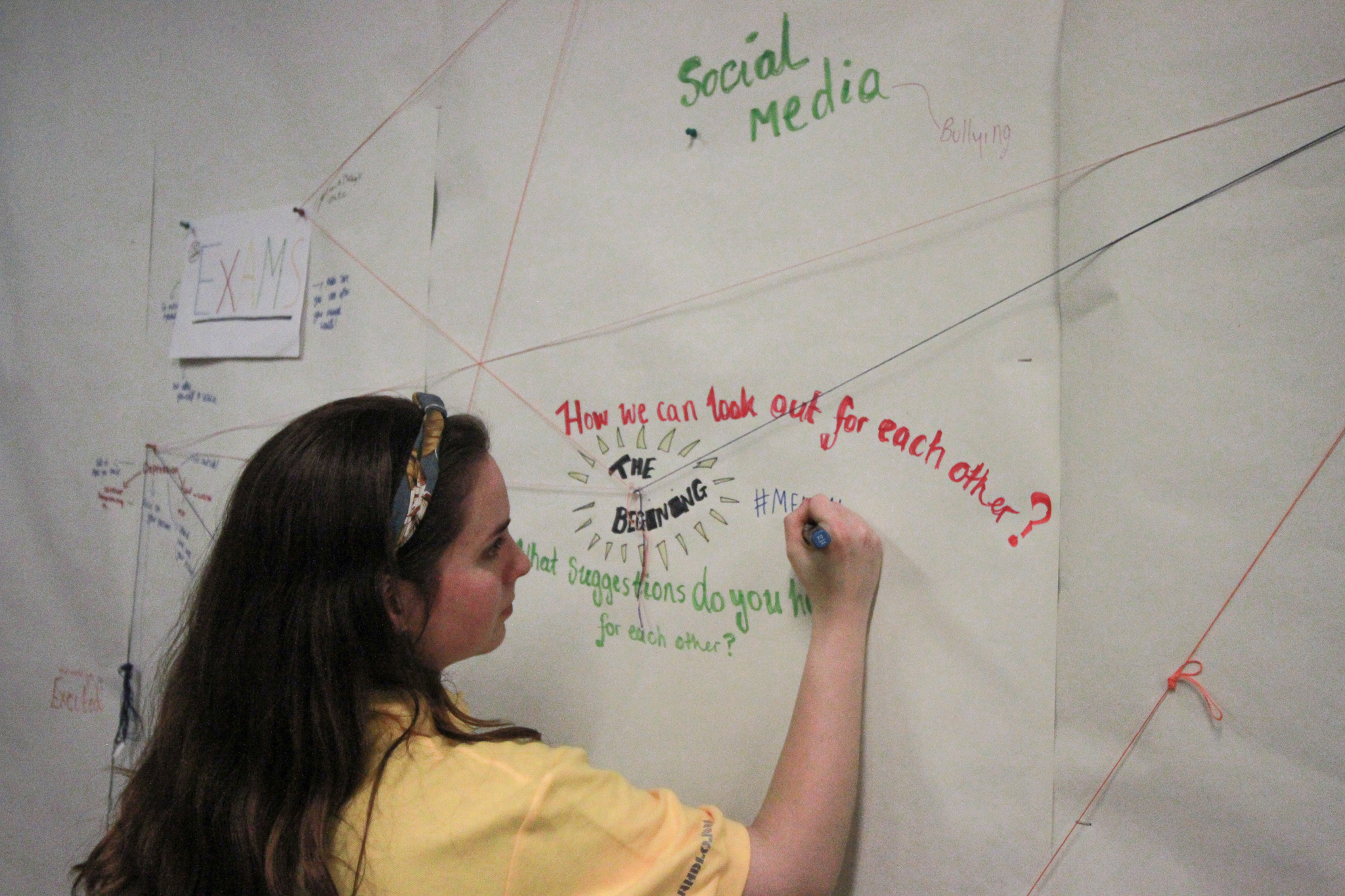
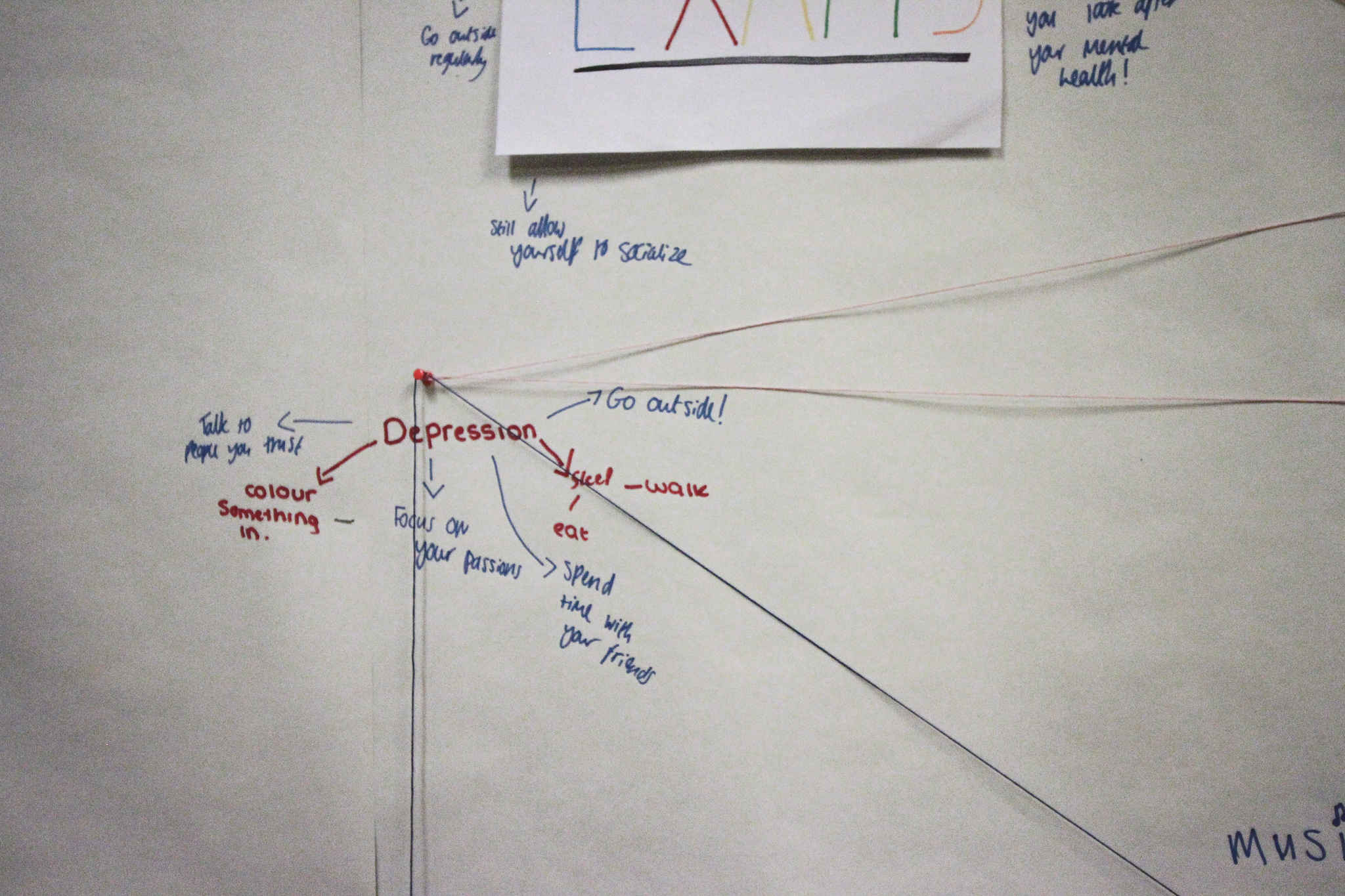
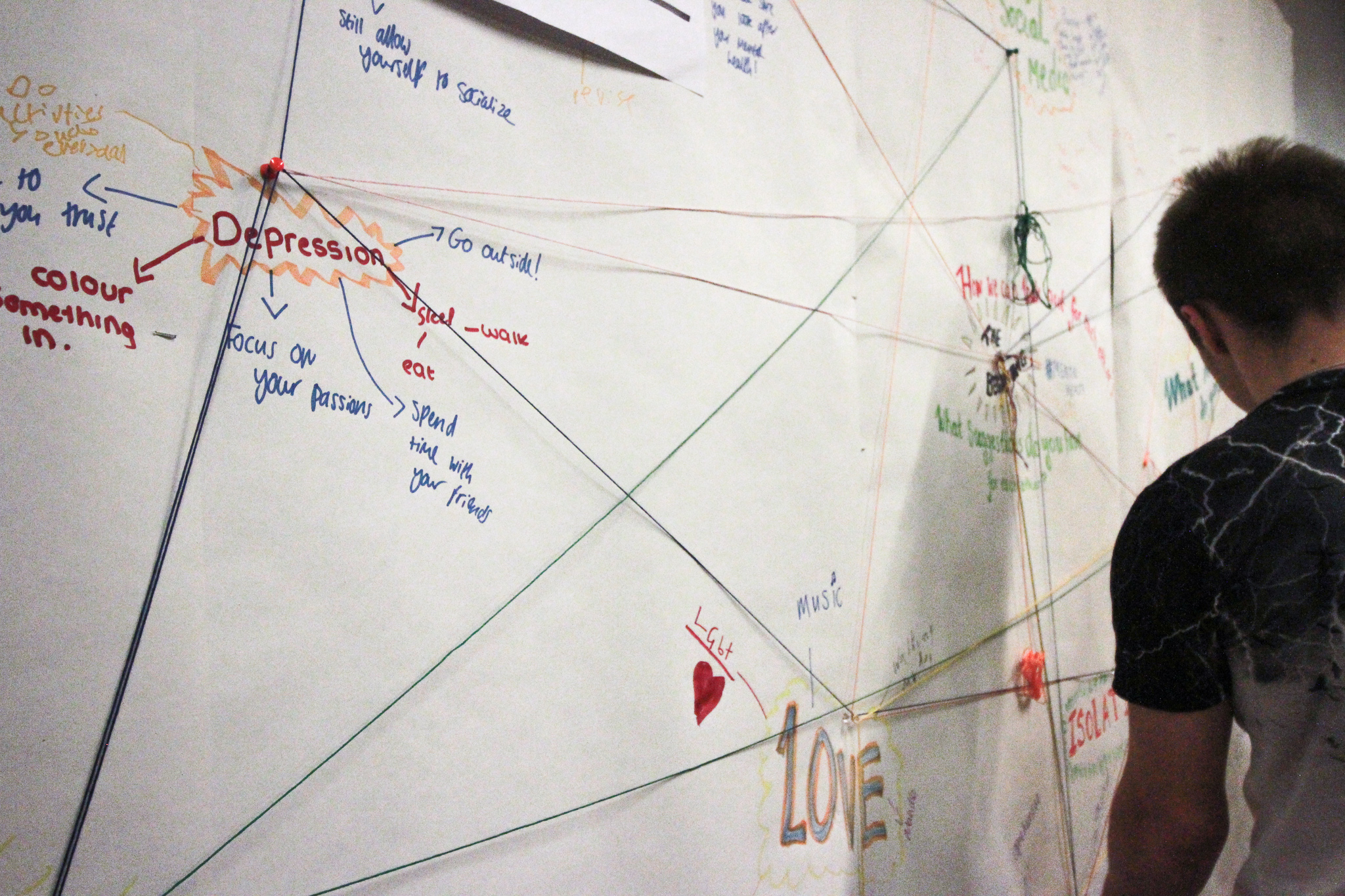
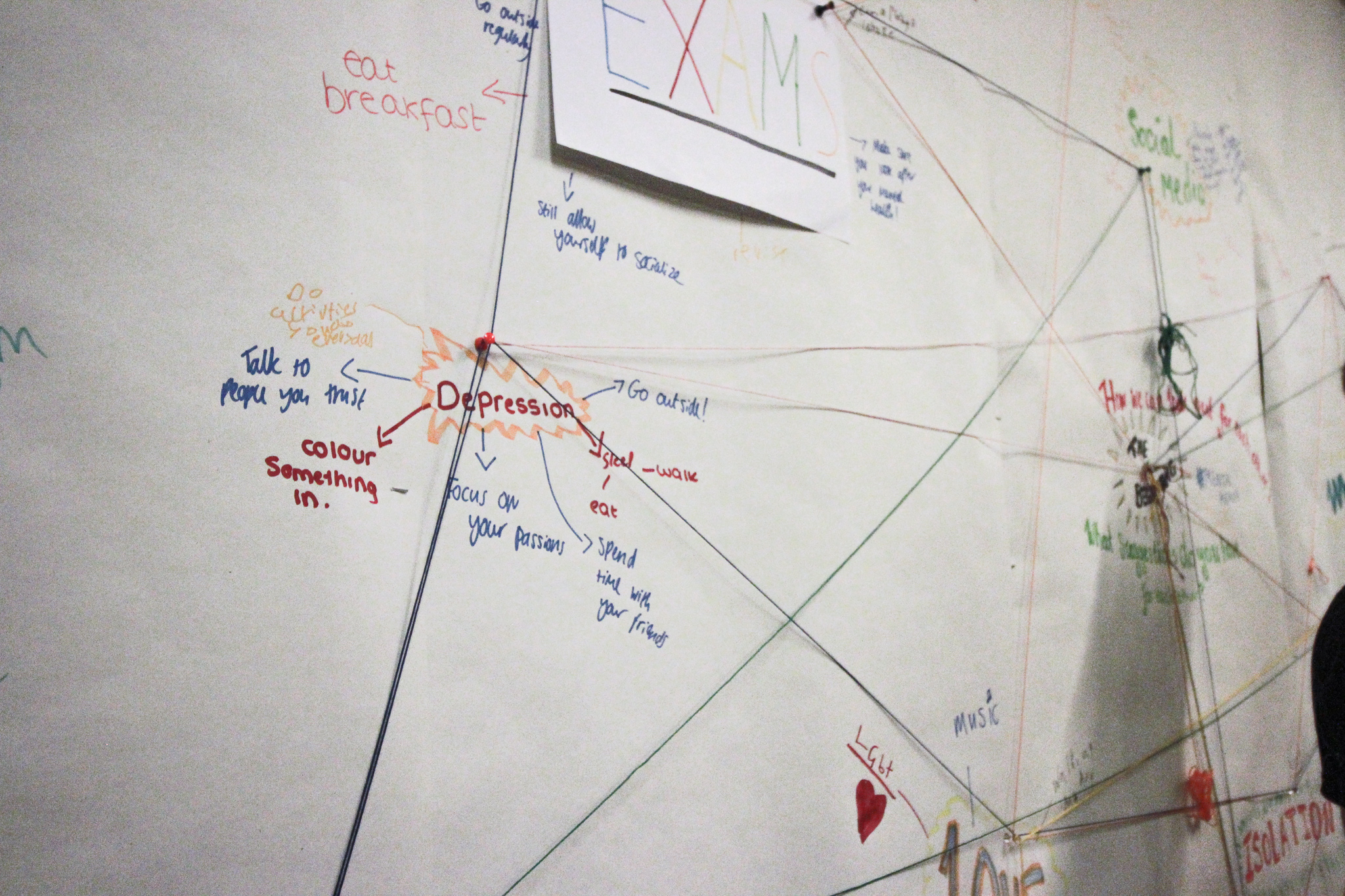
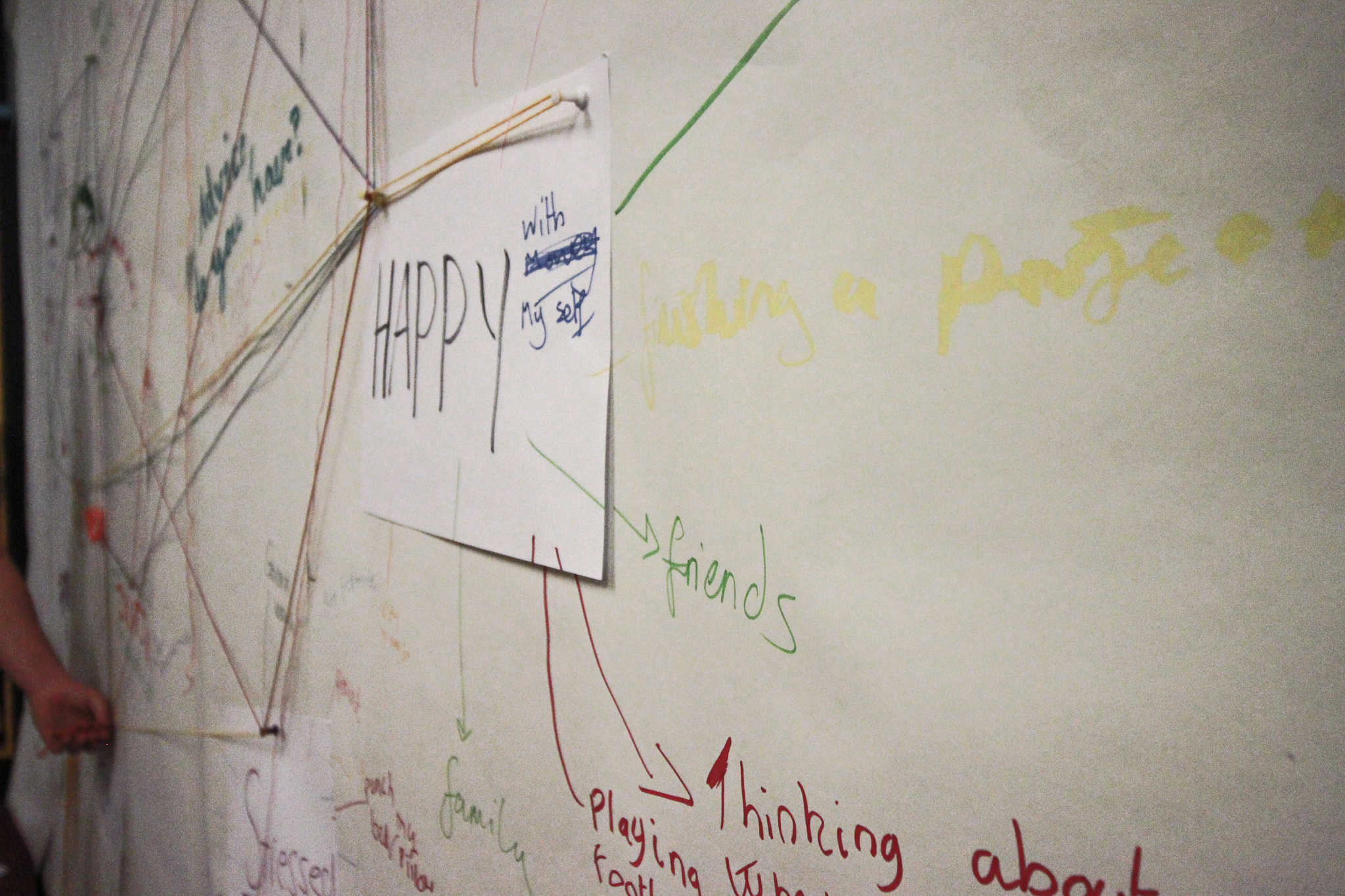
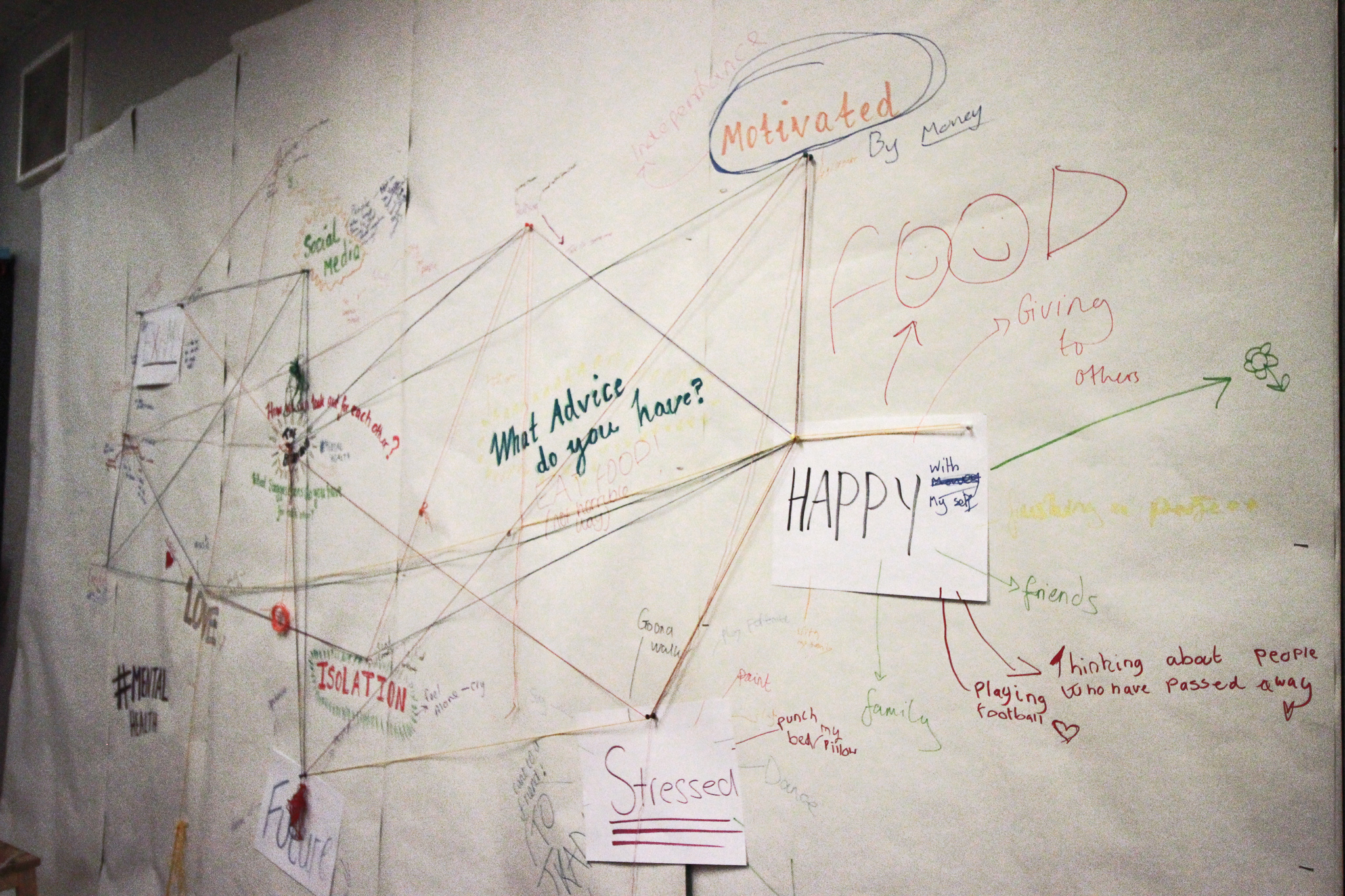
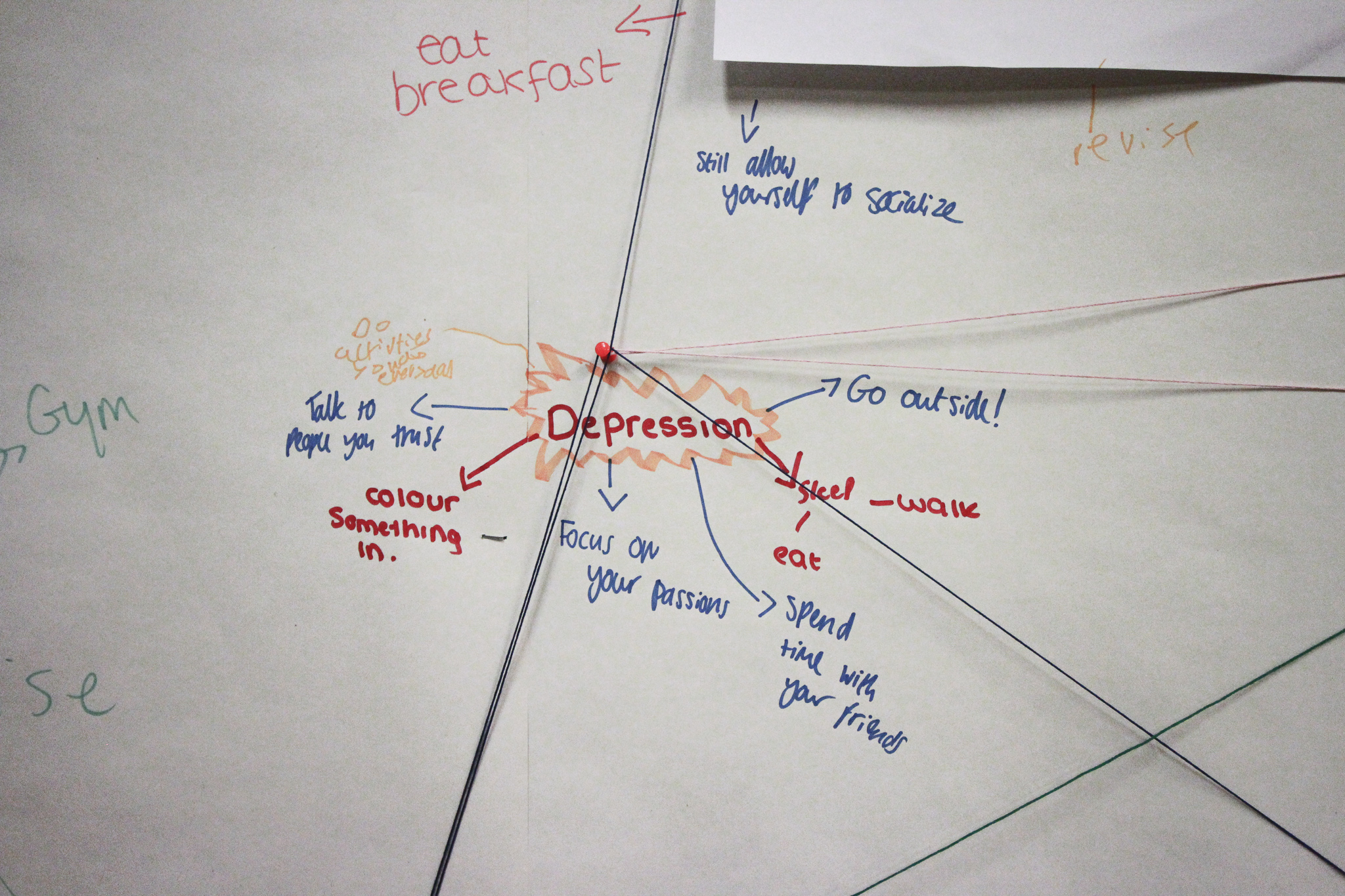
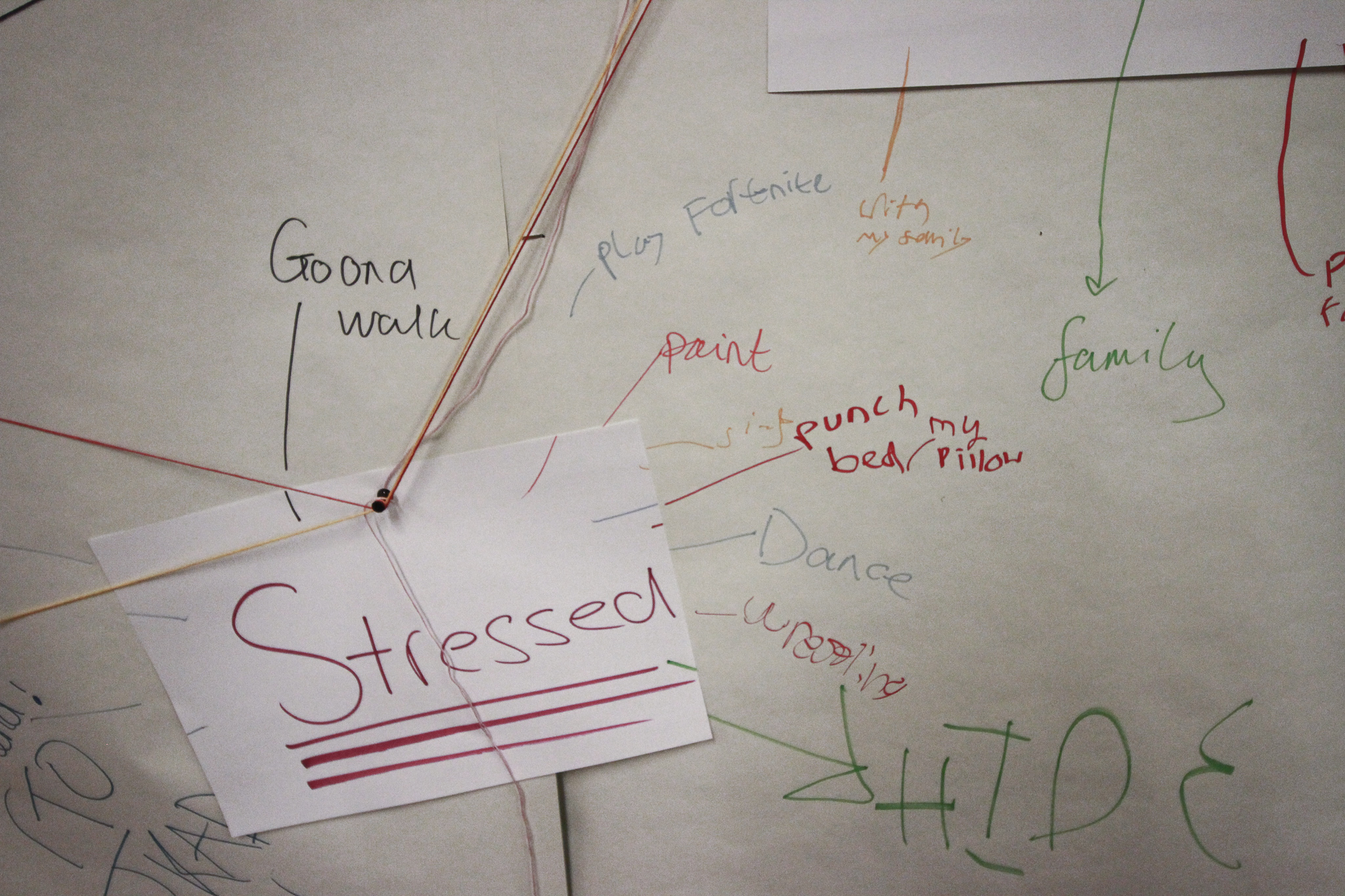
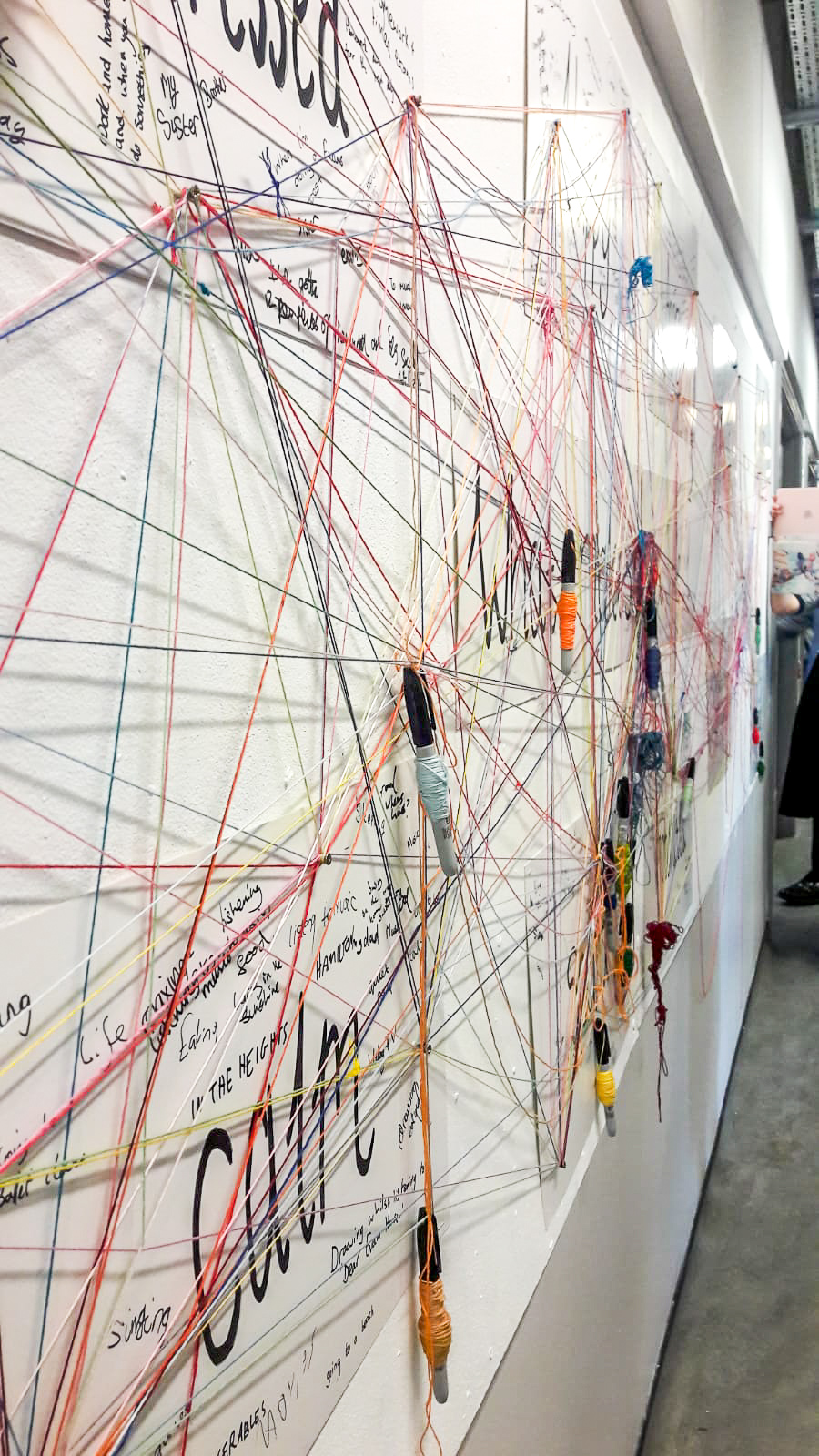
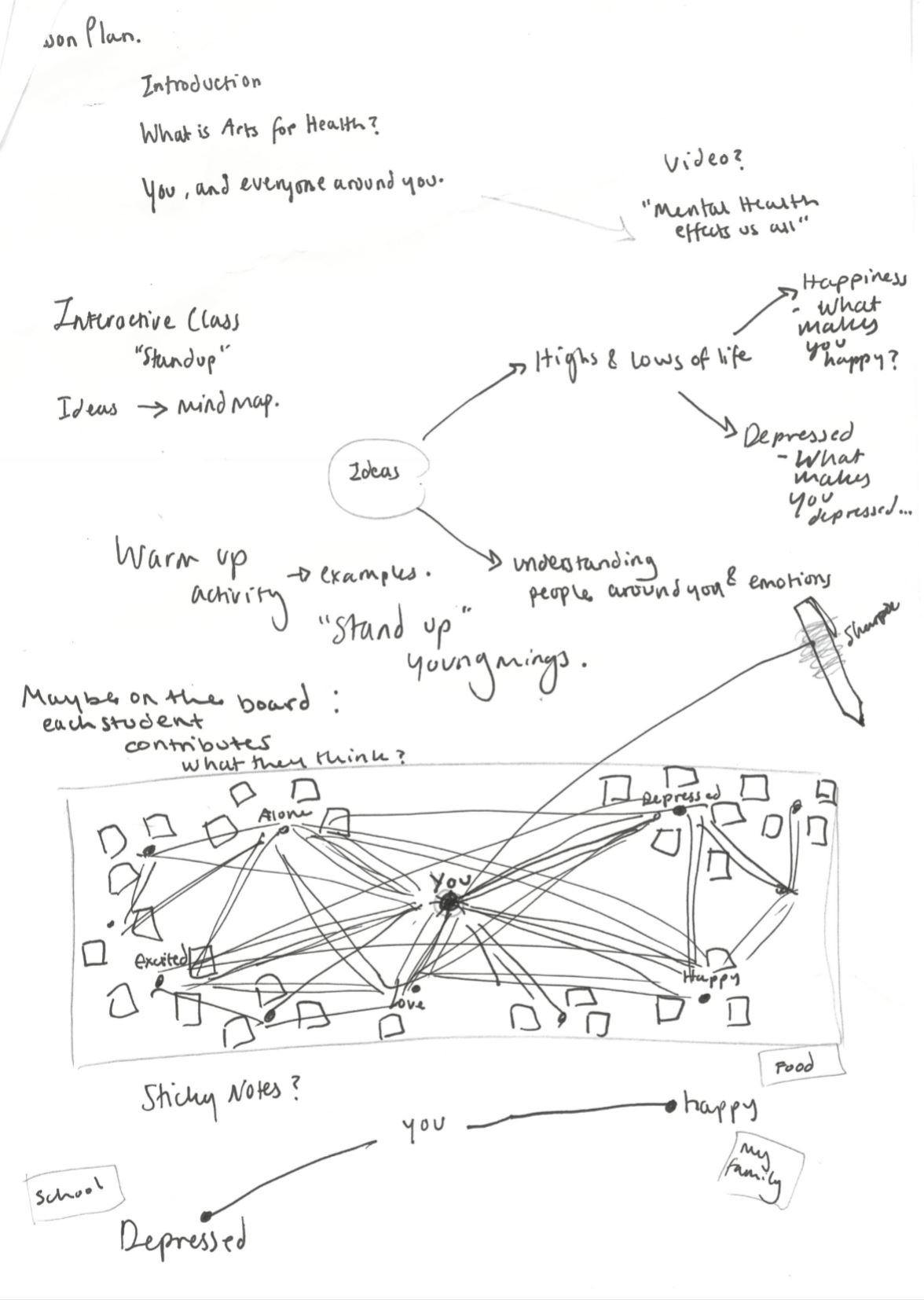
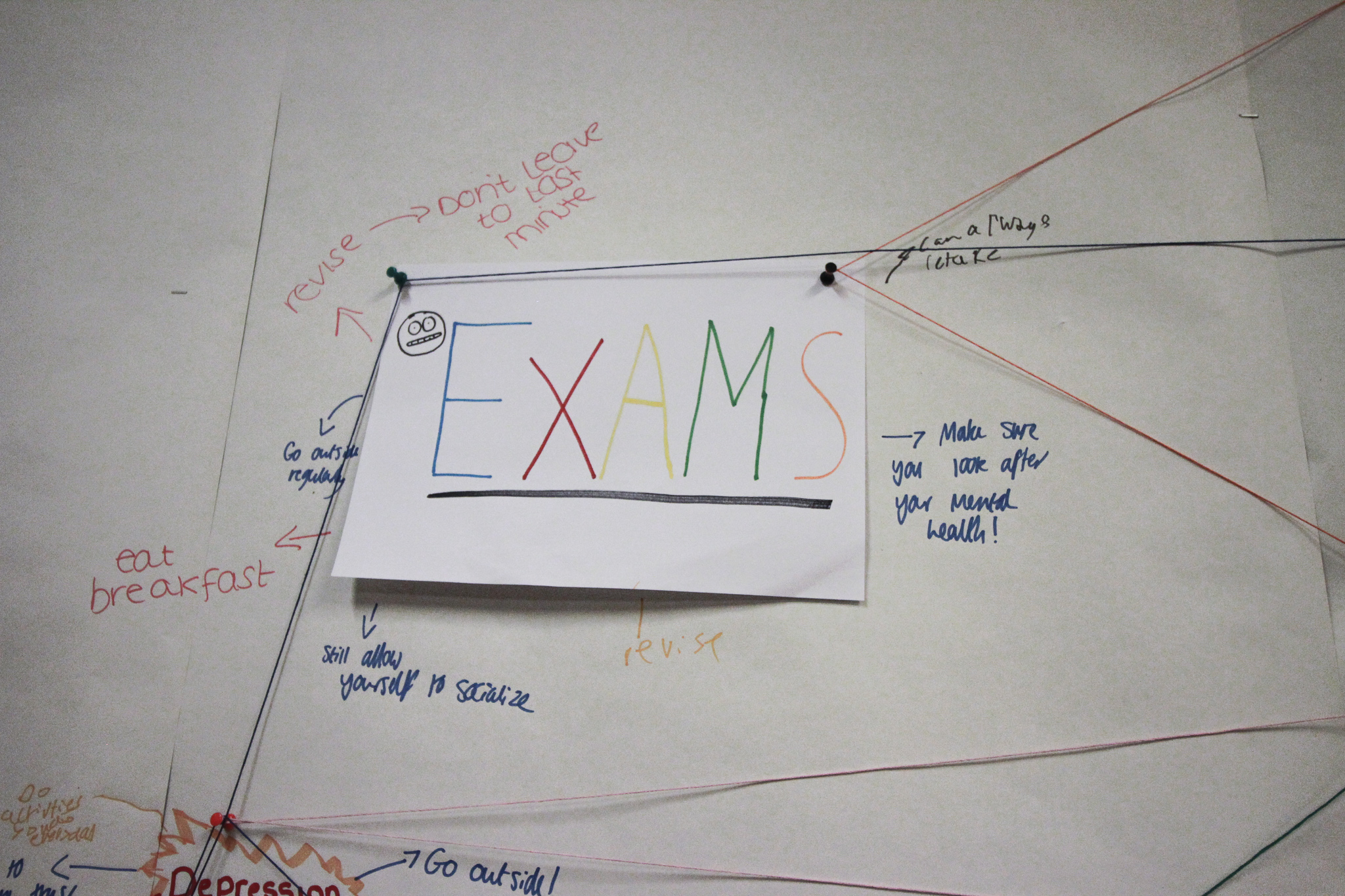
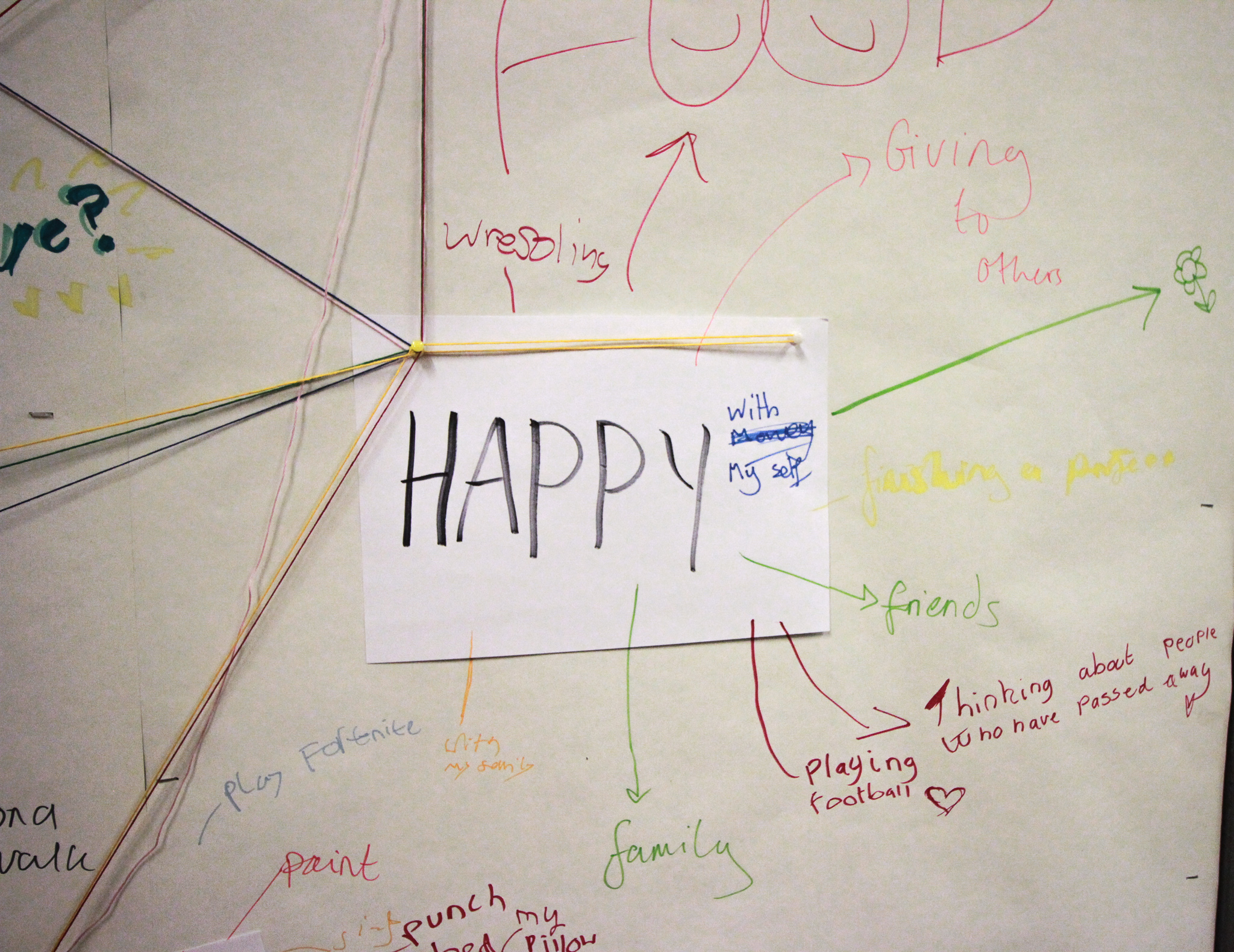
Objectives: To create a visual representation of these conversations – allow the young people to freely use a blank display board and mind map their thoughts and ideas, making connections using threads and pins, leaving comments and advice for other people to read.

This activity resulted in a visual representation of the conversations that took place over the course of the evening.

What did I learn? How can this be developed?
I think it would be a valuable source to add some kind of flash cards into this activity, so the young person picks up a card and that is their focus of discussion, until they pick up the next card.
E.g. Drugs, peer pressure, exams, family …

This may encourage more people to engage with the activity as they don’t have to think on the spot about something to talk about…

During the workshop one of the participants wrote ‘abuse’. We were told in advance that situations may come up that involve difficult situations- which is why having a safeguarding top up training is so important.
The young person then opened up to me and mentioned a very serious situation that they were in regarding knife crime, and I made sure to follow the safeguarding procedure and report this to the head of the department.
This brought up a whole safeguarding procedure which took place:
– I was taken to a room where I had to describe exactly what happened and what I had heard.
-The staff member then reported this to the safeguarding officer.
– They then spoke to the young person about what happened.
-The staff then took me aside to update me on the situation, which is being dealt with correctly.

The staff thanked me, and said “your workshop worked”.
I wasn’t quite sure what they meant by that… They explained to me that because the workshop was discussing mental health and different situations and challenges a young person may deal with, it brought up issues within this young person which they wanted to discuss. This young person is now going to get the support they require, all thanks to the safe space that he felt he could open up in.

This situation has never happened to me before, and it was a real learning experience which I have learnt from, and I hope to be better prepared for if this happens again.
Going back to the safeguarding training – it’s important to tell young people that if they open up about something that can be of a concern, I will have to pass the information on to another member of staff. In this situation I froze, and I didn’t manage to tell the young person this as he had left soon after opening up. The safeguarding officer reassured me that it was fine, and it doesn’t always work out in the most ideal way. However, in future I realise it is appropriate to mention at the beginning of a workshop that ‘any information that you share that is concerning, I will have to pass it on…’ just so everyone is clear with communication from the start.

I am so grateful for the top up safeguarding training, otherwise I feel this situation would have caught me off guard.

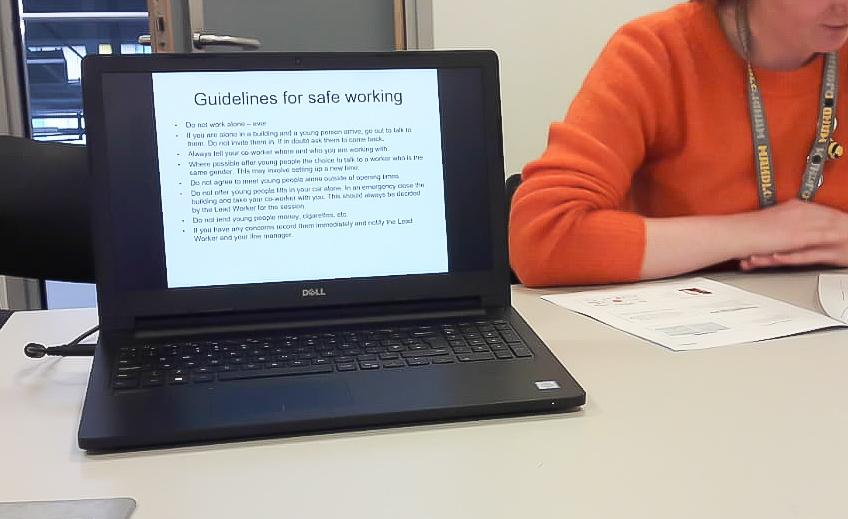
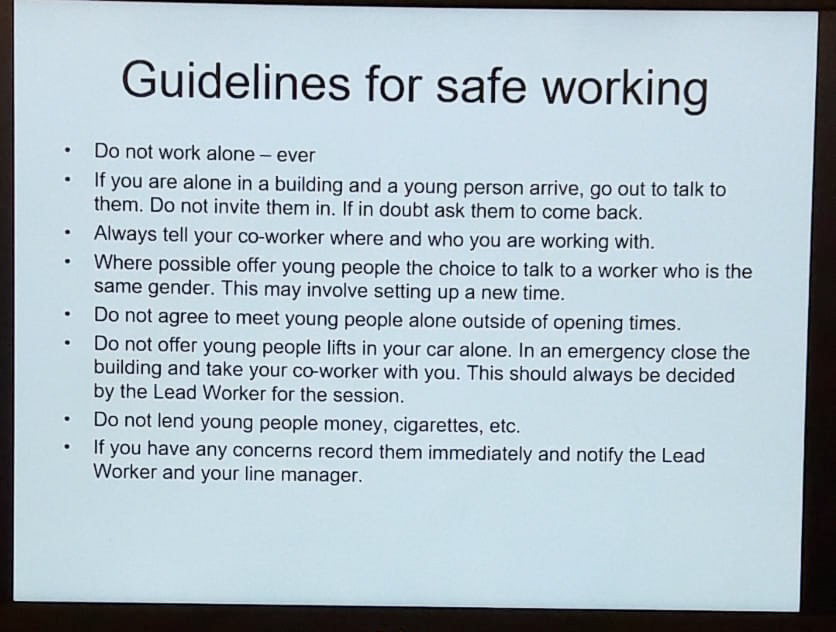
Images from the safeguarding top up:

Cinematic photography

This workshop was planned and delivered by Freya inspired by cinematic photography, which is linked to her practice.
I assisted the workshop alongside Freya.

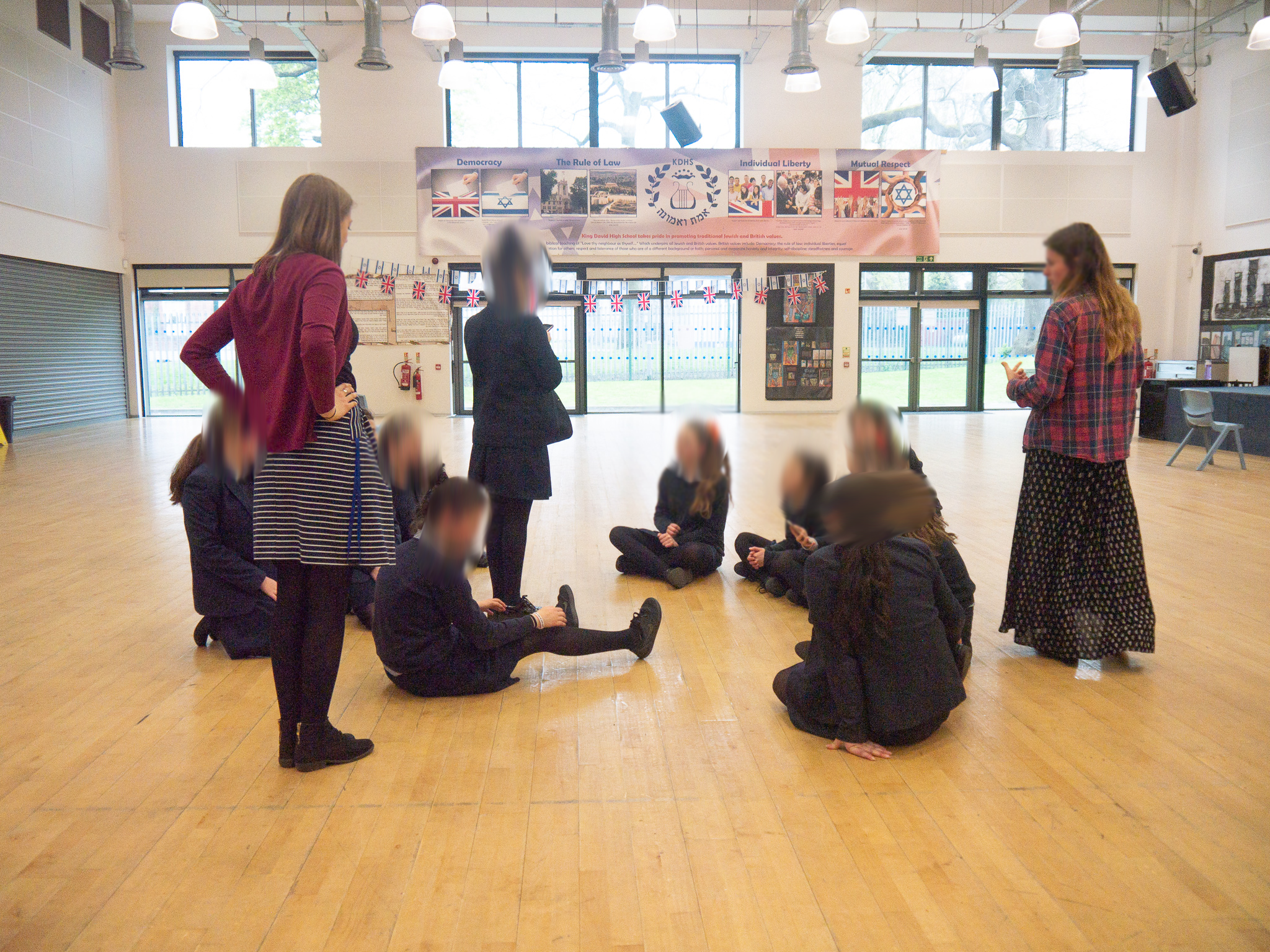
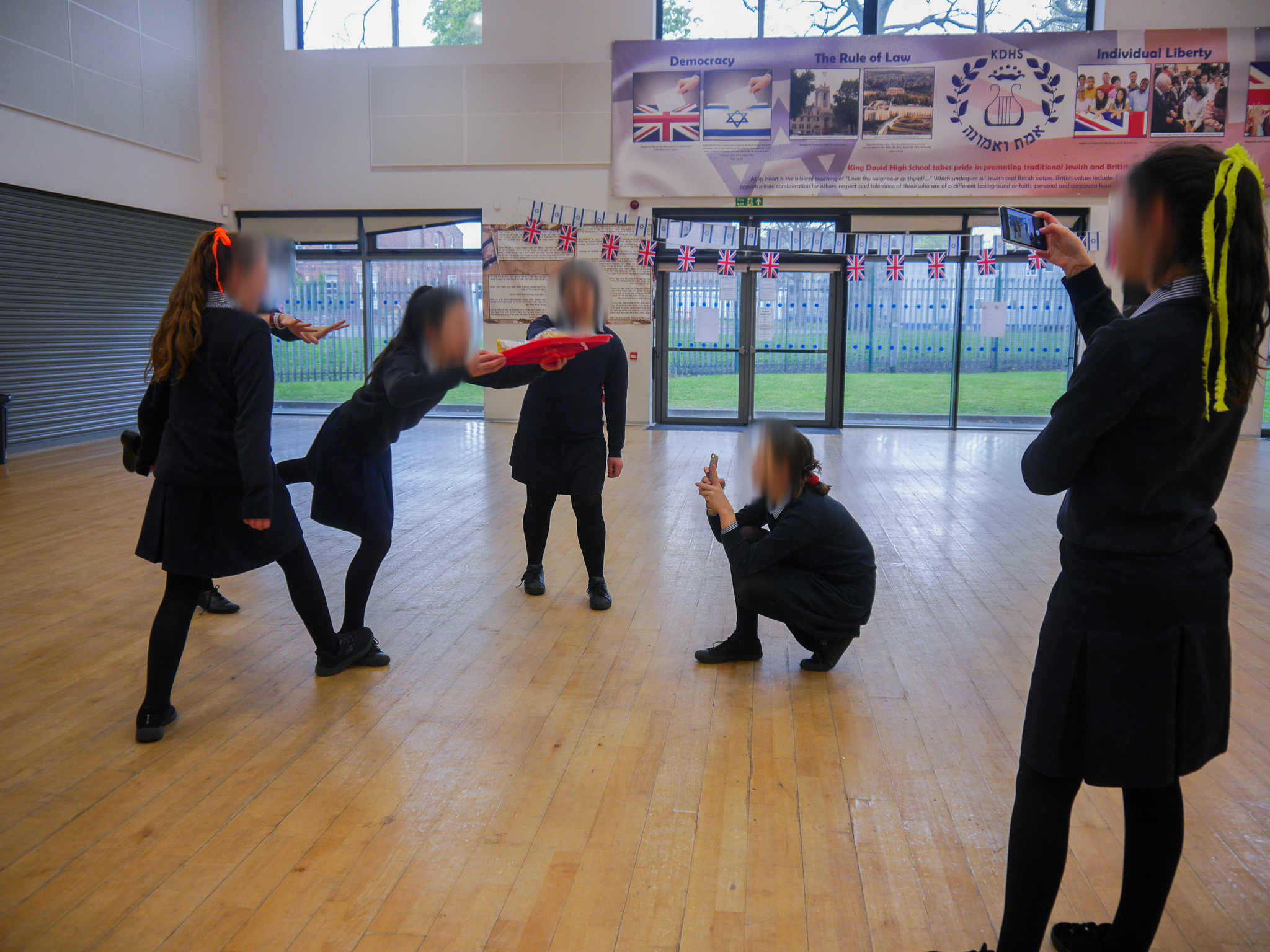
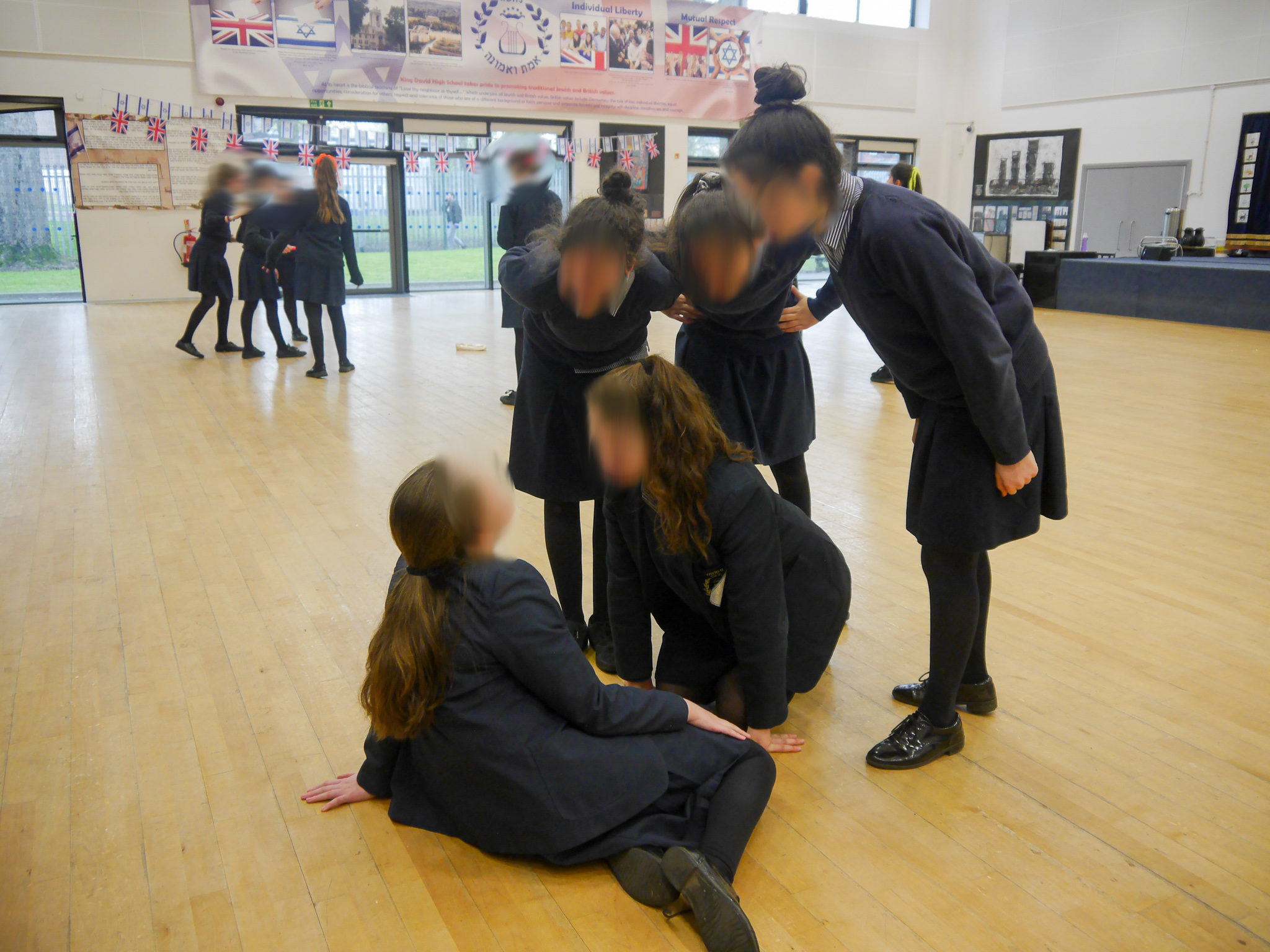
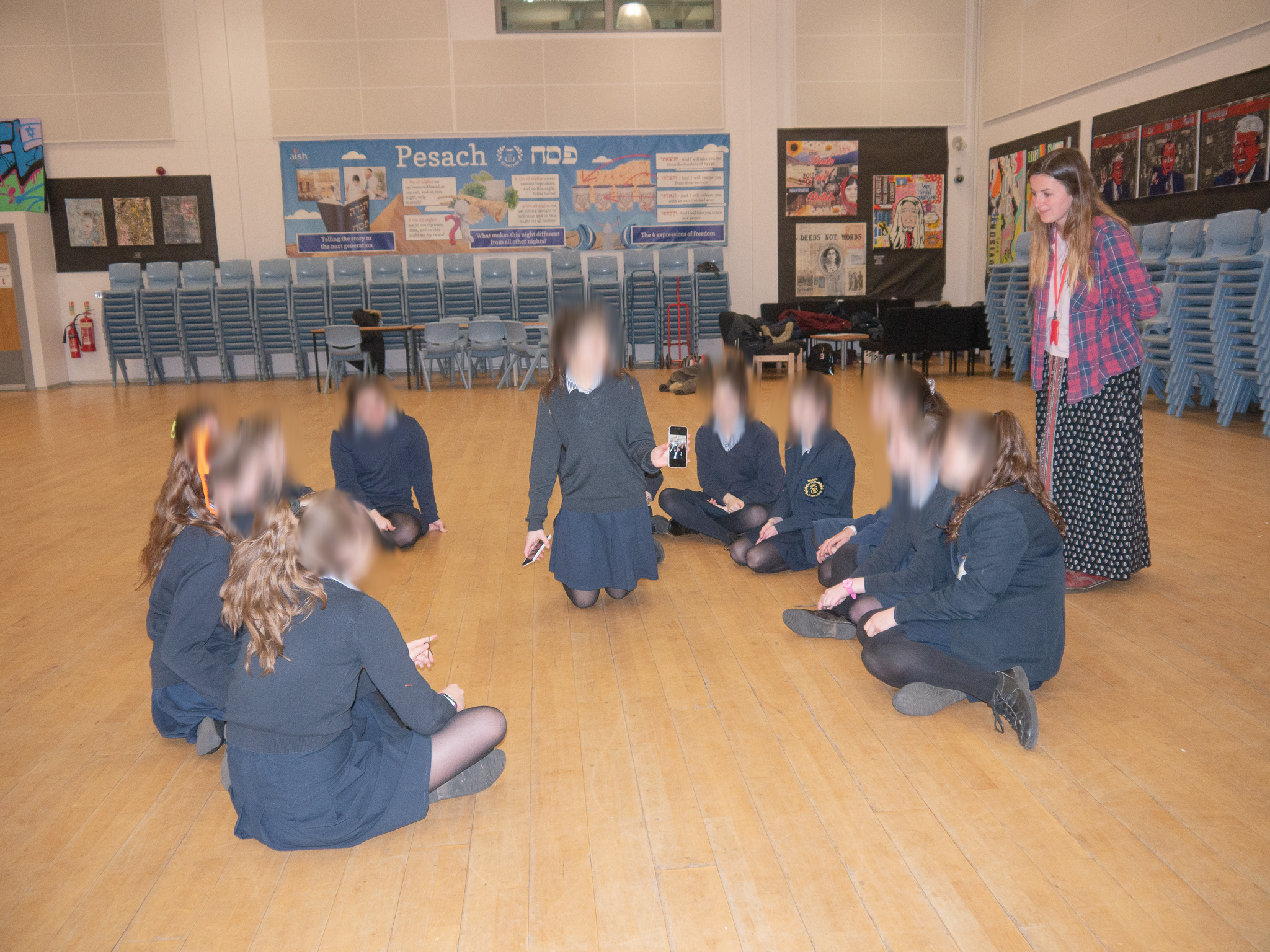
The workshop is designed to discuss how photography can be used in an arts for health context where the students can re create dramatic scenes related to mental health and challenges young people face e.g. pressures of social media, bullying etc. and capturing these moments which we can then use to have a conversation and discuss ways we can re create those moments to prevent or help these situations.

Aims & objectives:

Aims: To explore different mental health challenges that young people face and re-create a scene to demonstrate these possible real life scenarios – discussing ways we can prevent these scenarios from happening and ways arts for health can apply to help tackle these issues.

Objectives: The students are given a scenario to re-create e.g. bullying, when they hear the word FREEZE, the group have to freeze in the scenario as they are and the photograph is taken.

This was a year 8 class of 20 students.

The students were split into two groups, and they were given permission by their teacher to capture the photographs on their phones.

Warm up exercise:
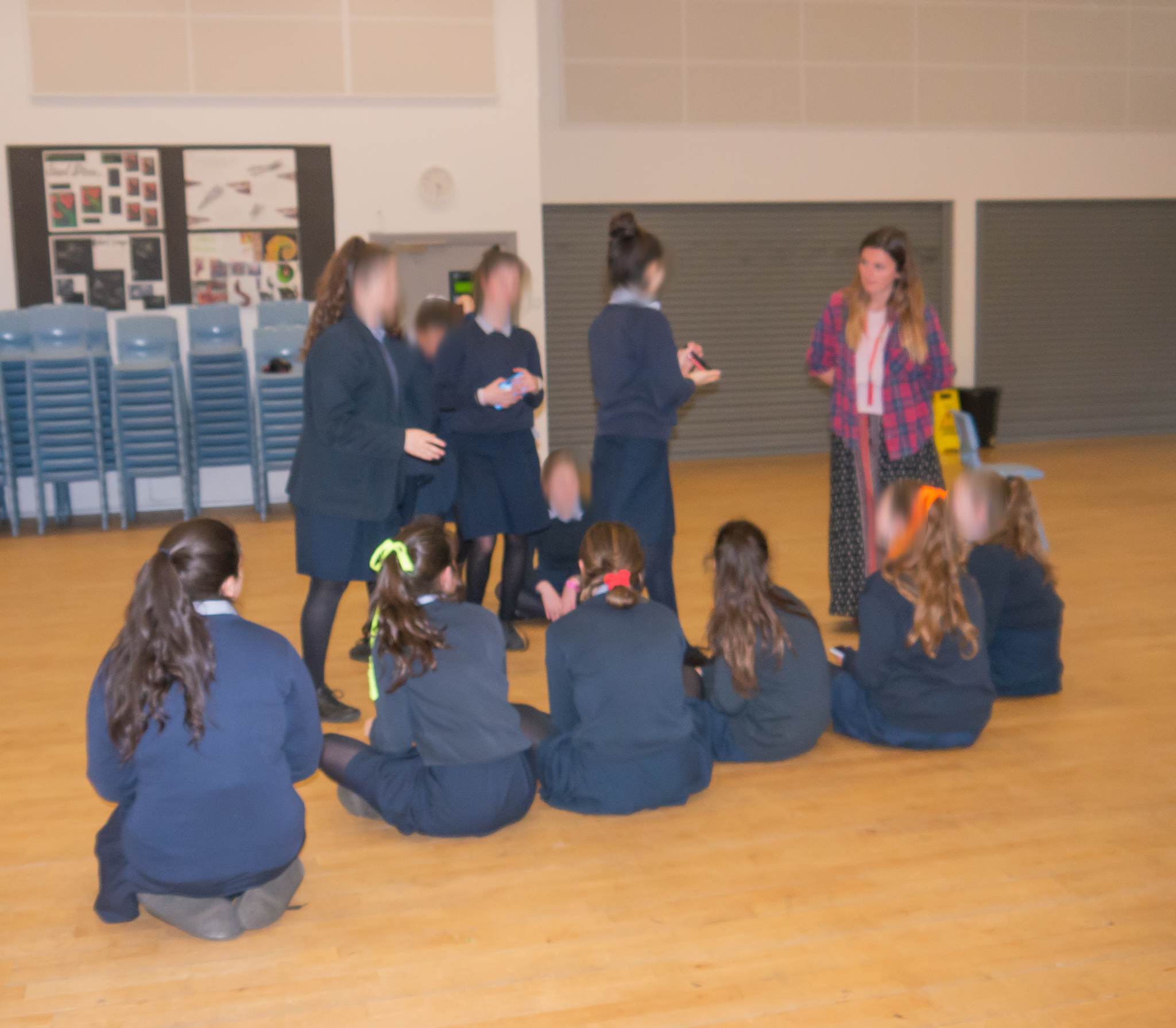
To get the students warmed up and in the head space, we did a quick warm up activity with the whole group where we shouted out a scenario e.g. the beach/the gym/ rain forest, and the girls had to create the scene.

We then had a open discussion about mental health and challenges young people face. The scenarios were led by the students, and they were given a platform to direct the project so they would get the most from the session.

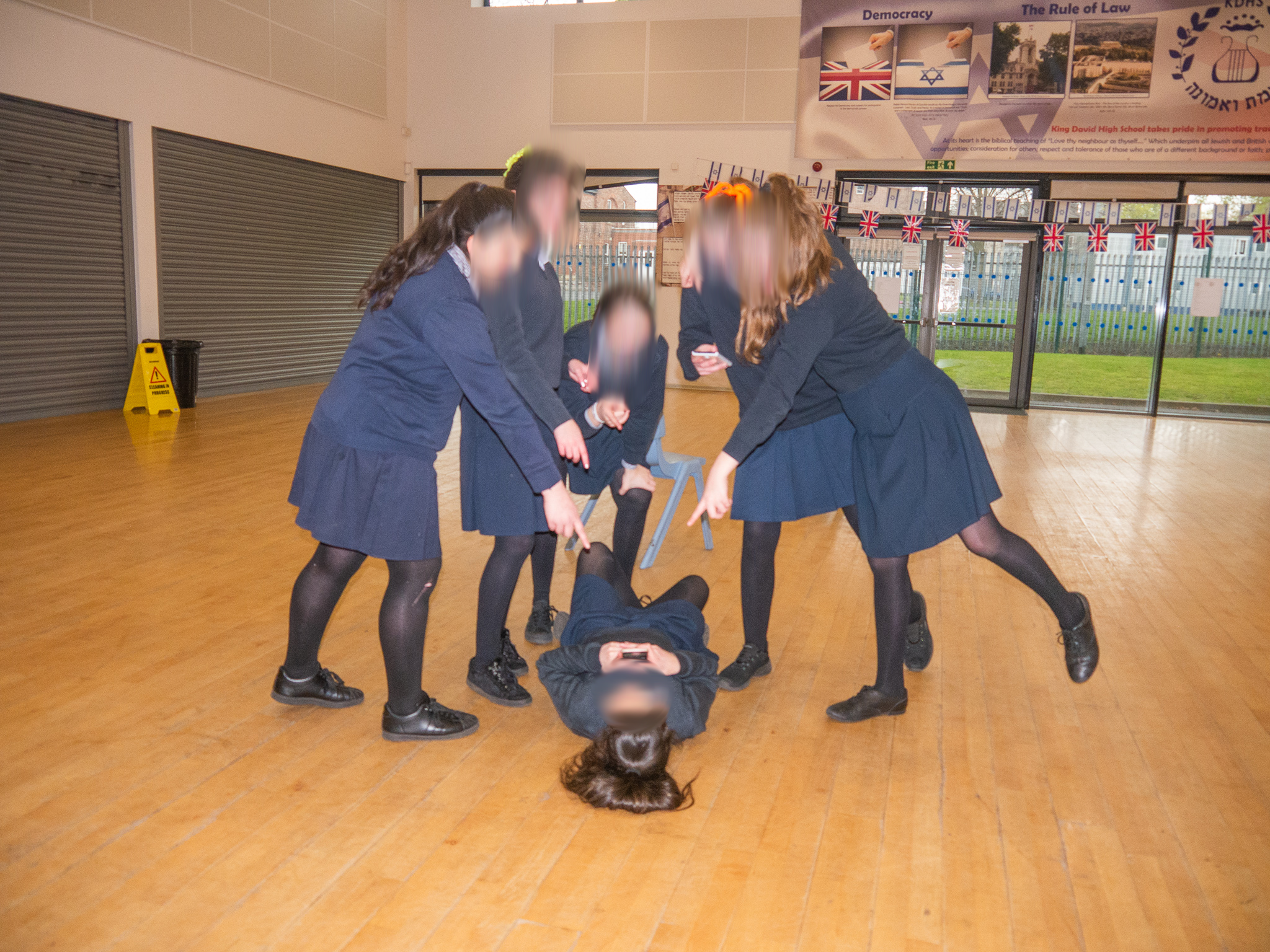
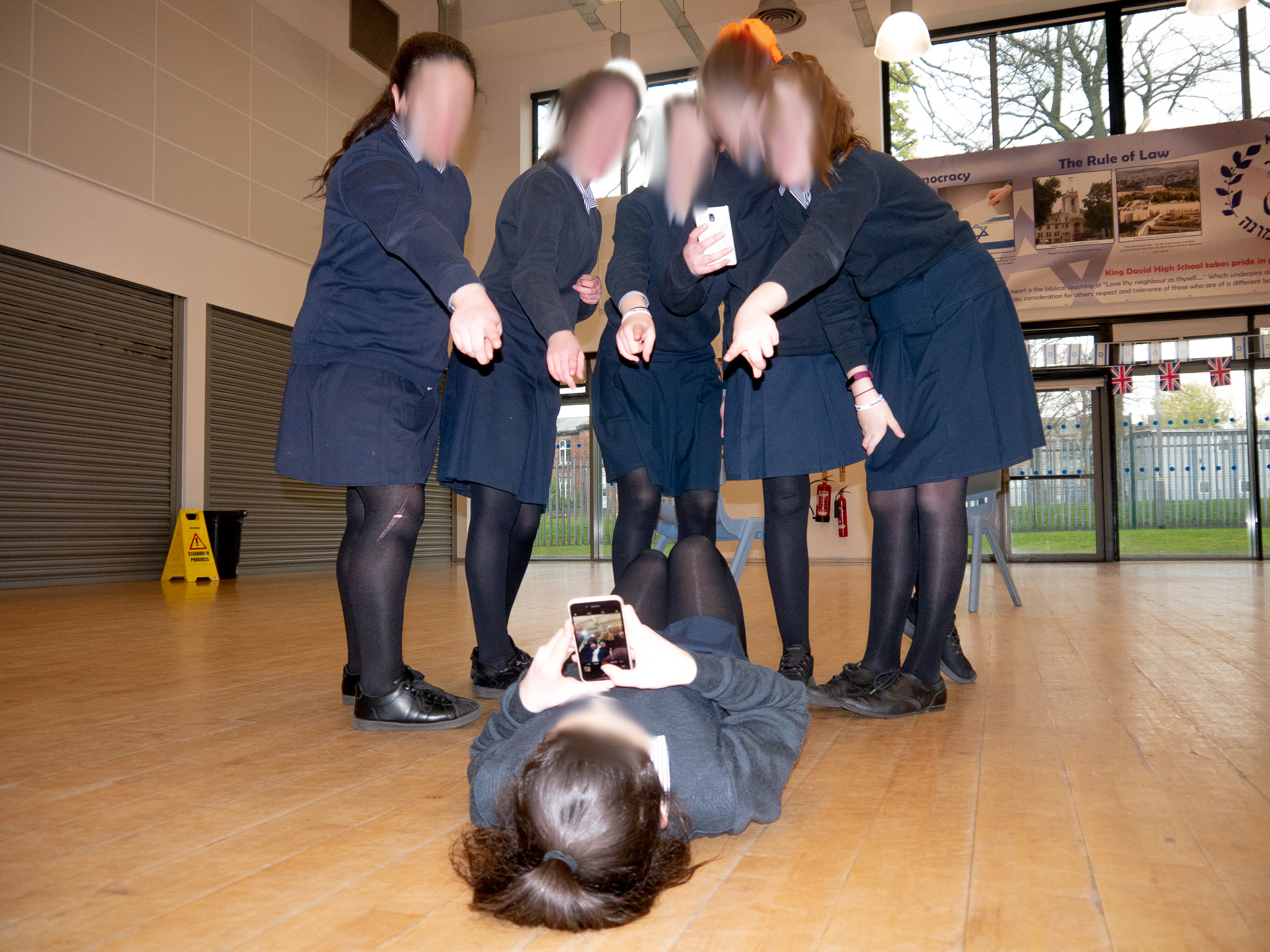
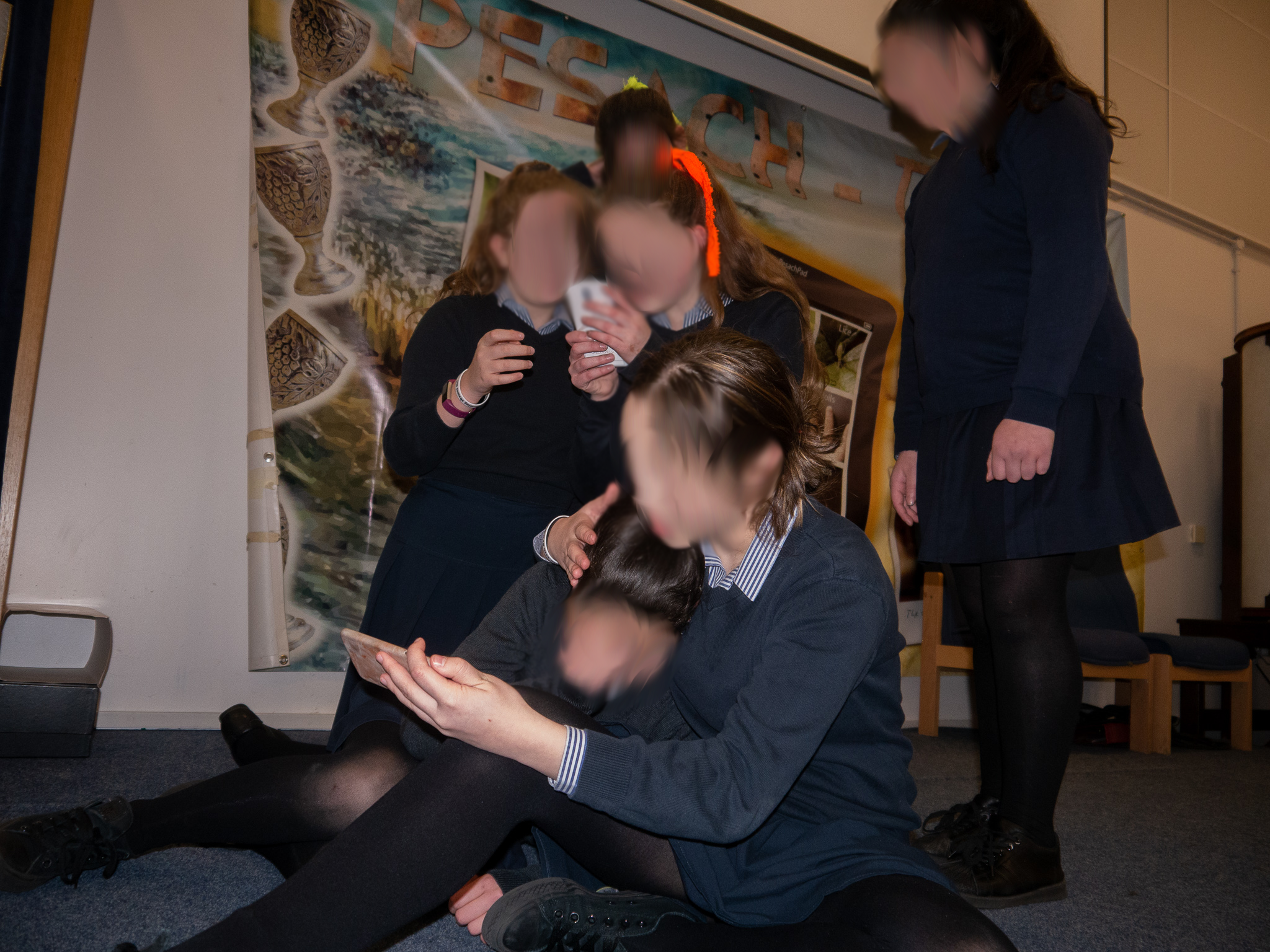
Here are some images that I captured of the students creating different scenarios based around bullying, social media pressures etc.

We then got the students together to preform the scenes to each other and have an open discussion and Q&A of each others still scenes that then created.

We then got the students to show each other the cinematic photography that each group had captured on their phones.

We gave all the students photography consent forms but unfortunately none of them brought them back as there was a half term holiday gap in between. I tried to organised with the teachers for the students to send the photographs they took on their phones to the teachers, which they would forward to us. The photographs they took were really well captured, as we encouraged them to think about angles and perspective. Unfortunately due to the holiday break these pictures never came through. I could not give out my email as this would be a safeguarding issue, so we have had to make do with what I captured during the session.

What did I learn? What could be developed?
This was a really fantastic session that the students thoroughly enjoyed – The group was well behaved and a good match for this workshop.
I definitely think that the workshop could have a lot more structure to it to give the students some boxes to tick, or perhaps work with them to create their own structure which they could follow. We were lucky with the group that we got to do this workshop with, but I think providing more of a structure would help a group that find it harder to work together more of a focus and something to accomplish – instead of it being completely self led, which works in a group that know each other well, but not all groups are like this one.
To create a supportive structure I would start the workshop off with a focused discussion and get the groups to think of scenarios and to write them down and start planning them together – then after give them the floor to practice these scenarios and then show the other group. This may be a better arrangement so the group get to know each other more and what they are comfortable with etc. As well as setting out a plan to act out, rather then trying to figure it out around the room which can get a little chaotic.

This workshop worked really well for this group, and it was important to see how arts for health can be accessed in different forms of the arts. Arts for health involves craft, dance, music, theatre, painting, drawing, making etc. It was a great experience co-leading a workshop that involved movement and photography, a nice contrast to the other workshops that involved making or drawing.

Self portrait

Self portrait

Freya planned and lead this class

The previous two classes are lessons that I had planned and delivered with Freya’s assistance. The next two, ‘self-portrait’ and ‘cinematic photography’ are workshops that Freya planned and delivered, whilst I assisted and there to support and engage with the students as they worked.
This was for a year 9 group

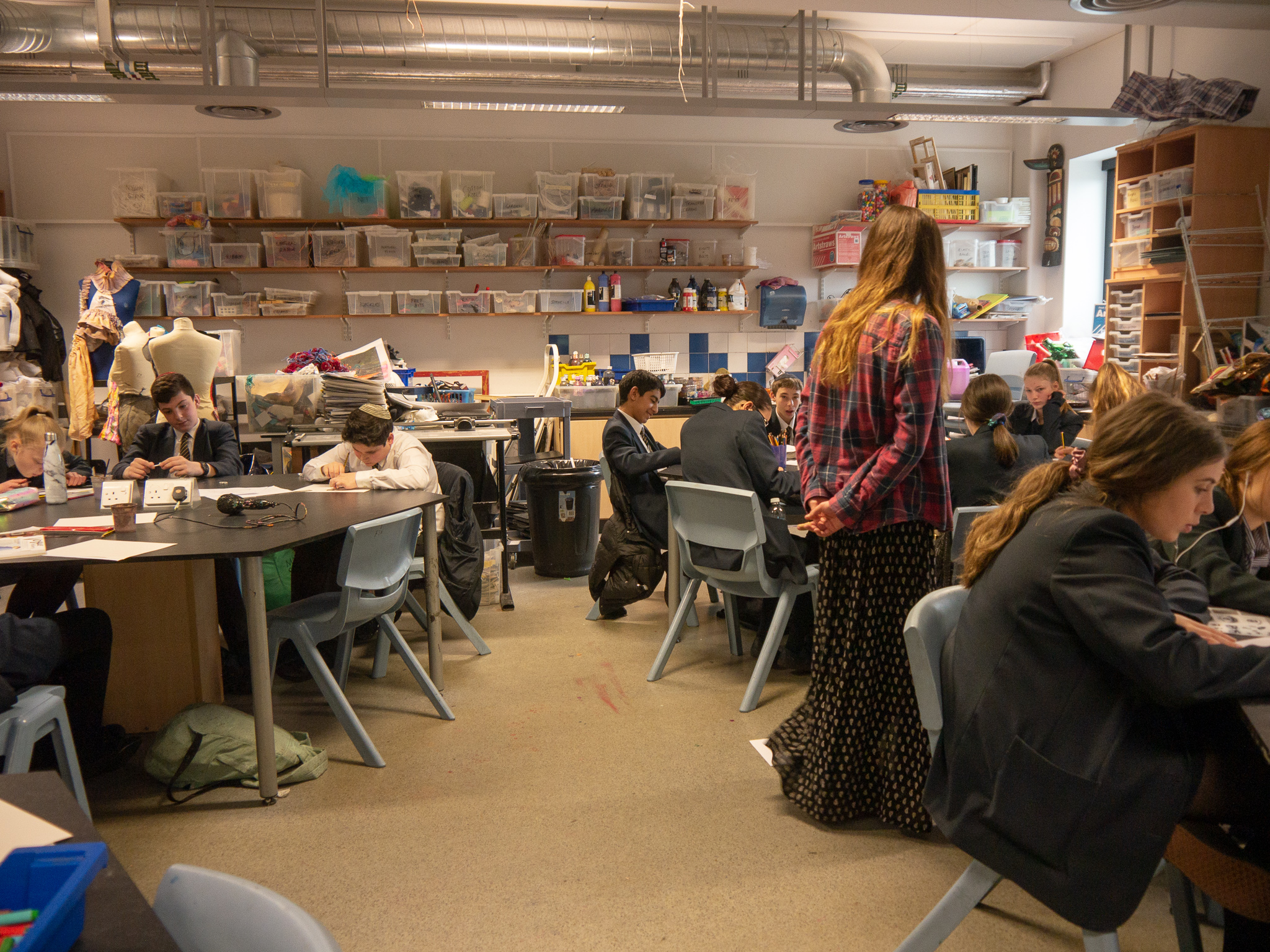
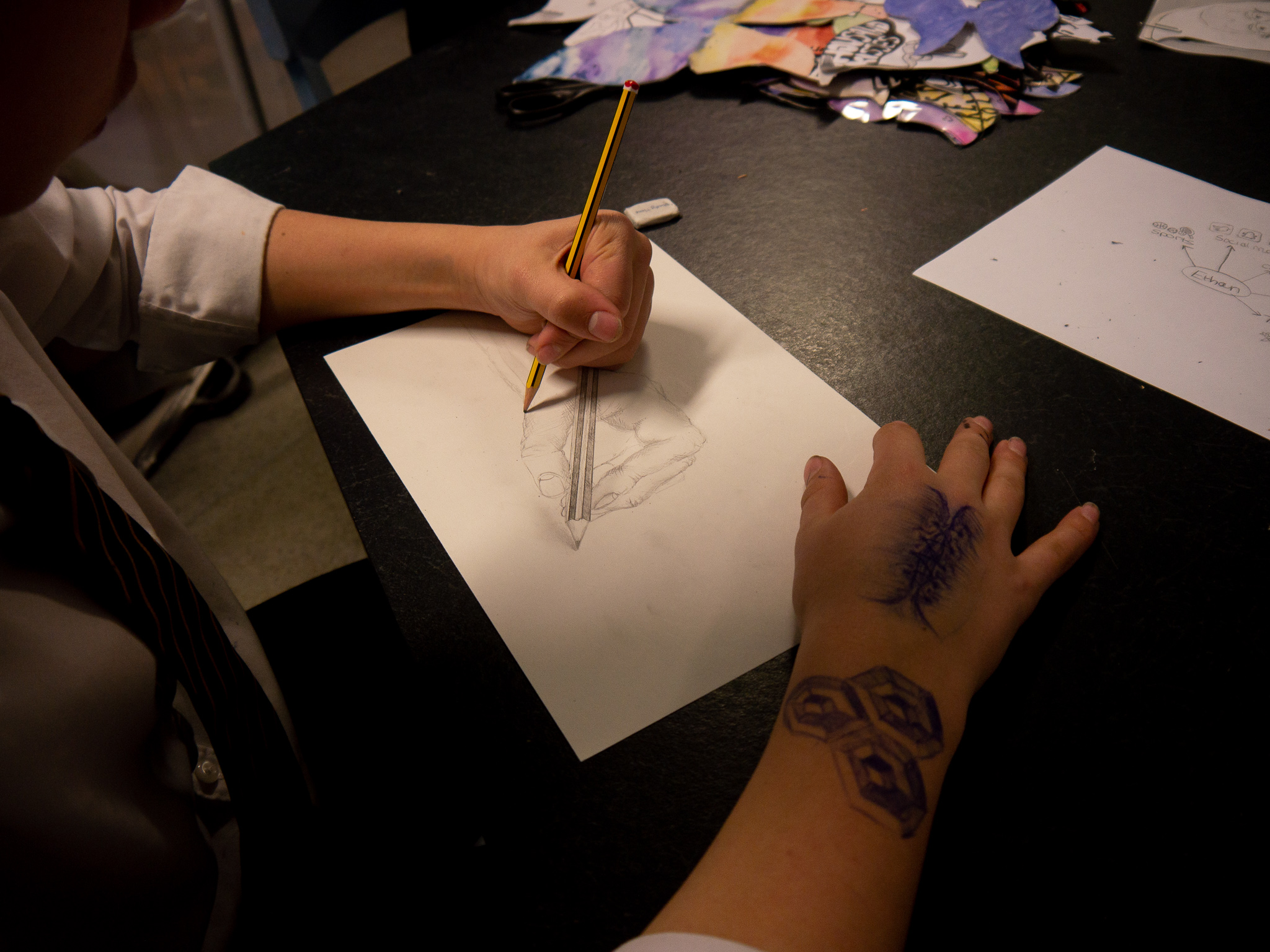
This class was based on self portraitist and aspects of a persons personality. The activity was for the students to think about different ways they can capture their self portrait which may not be a typical portrait image that you would expect – such as a face. The students had to think about different aspects of themselves, and think of another way they can visually create what their portrait is?
Aims: For the students to think about different parts of their personality, and a visual representation of a part of their character.
Objectives: To draw/paint a self portrait of yourself that reflects an aspect of who you are, but not a traditional ‘face’ portrait.

Introduction to the class: Who we are, what is arts for health? How can we use arts for health in our lives?

Young people today are faced with a lot of pressures, especially on social media, to look a certain way -this workshop highlights that we are more then just our ‘profile picture’. What other images can demonstrate our profile picture?

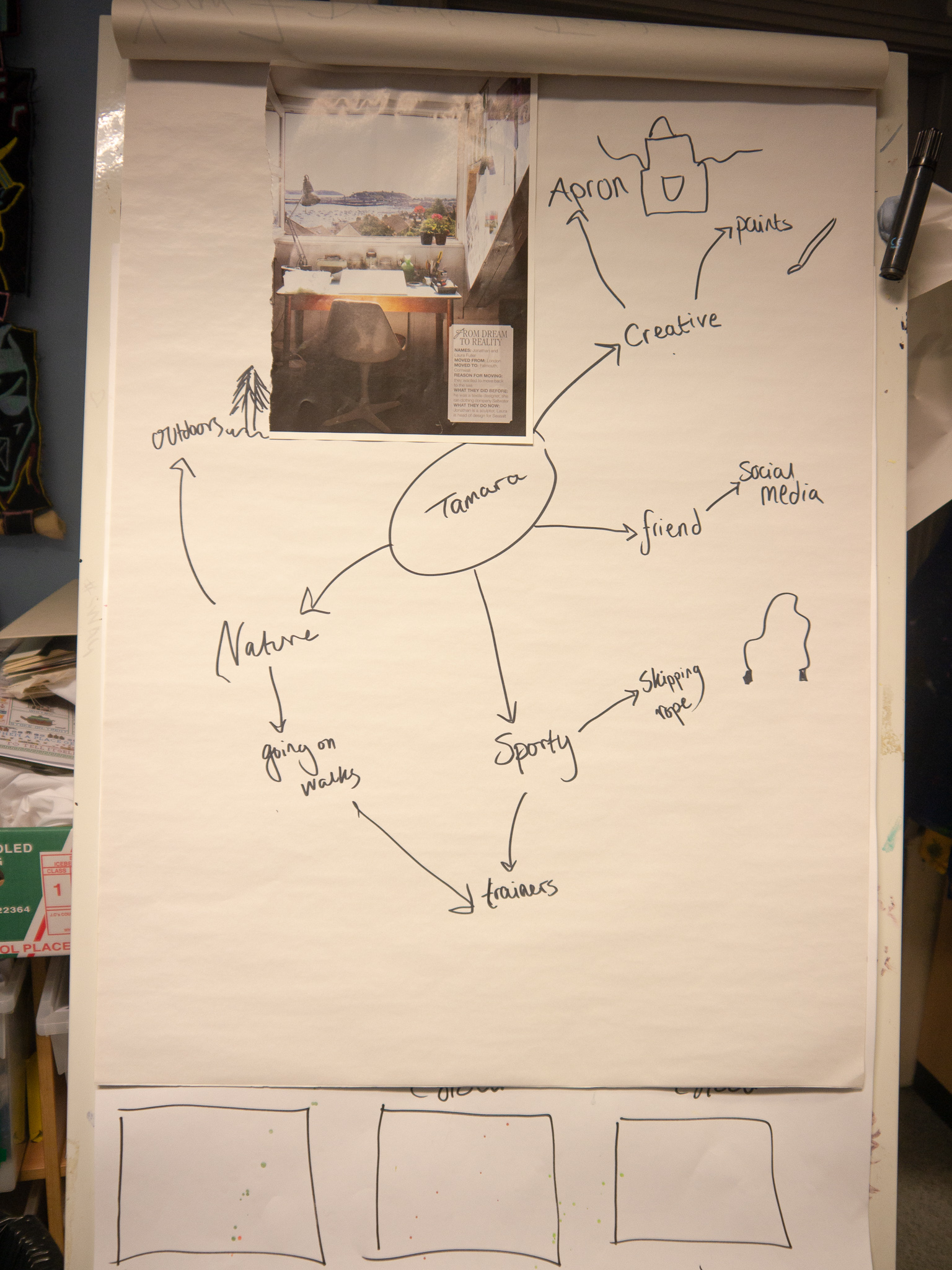
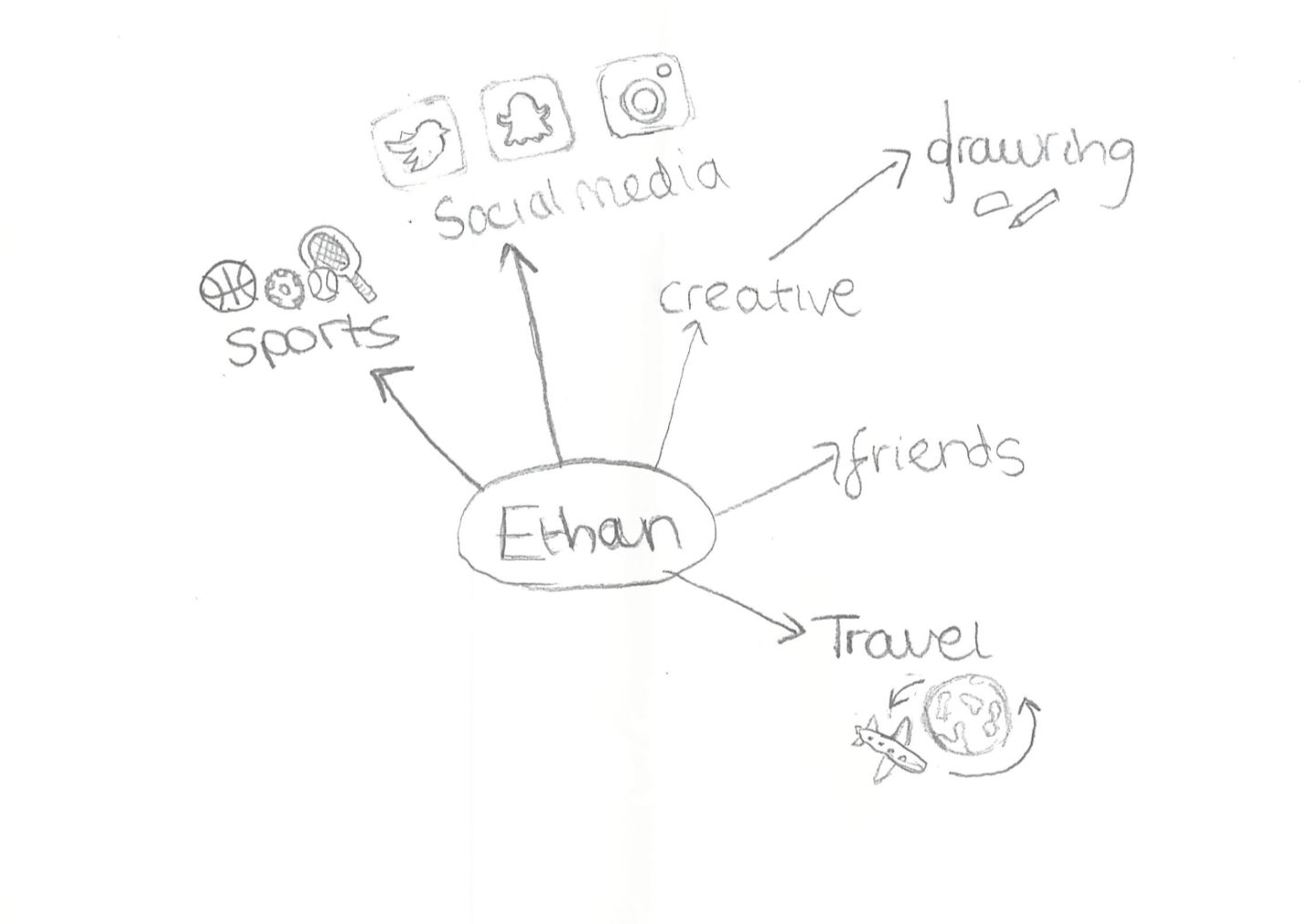
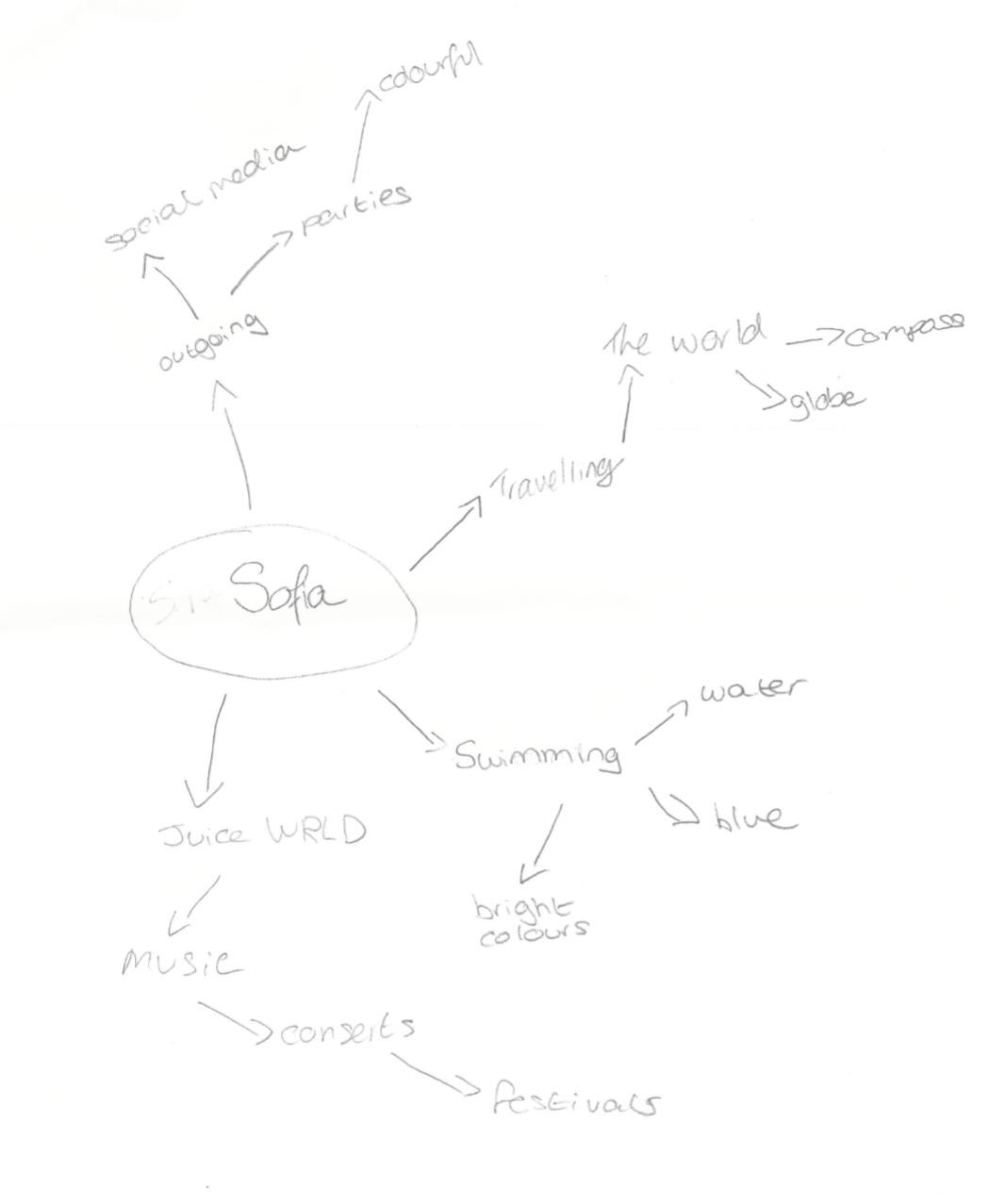
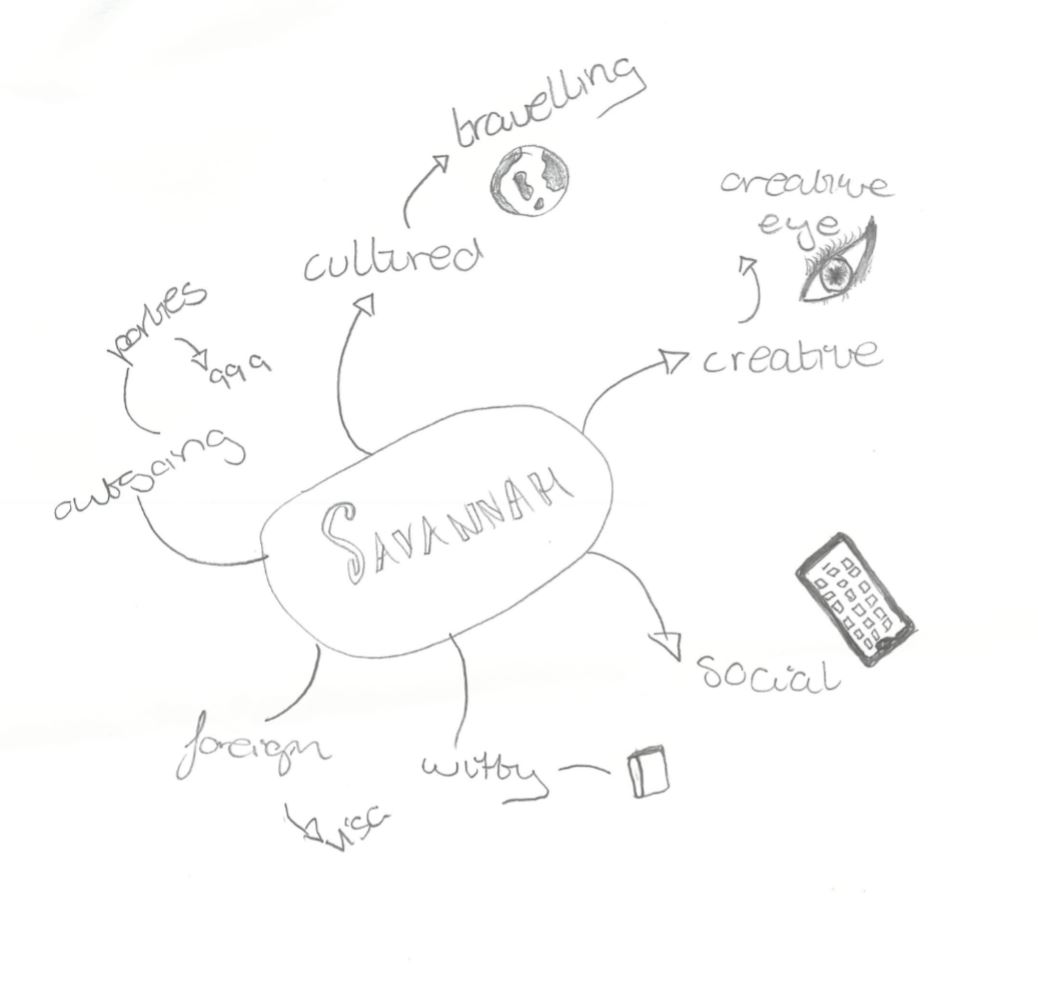
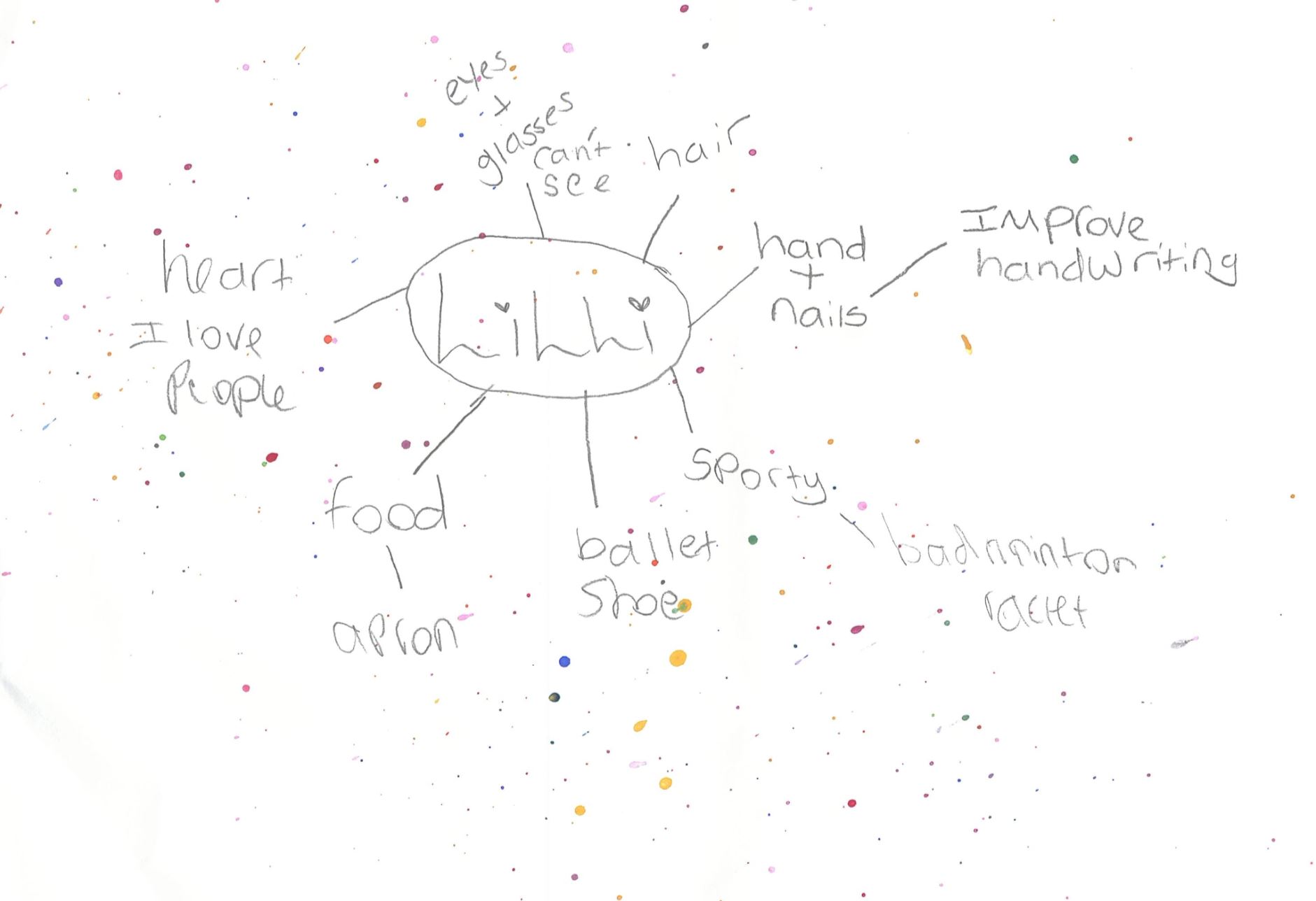
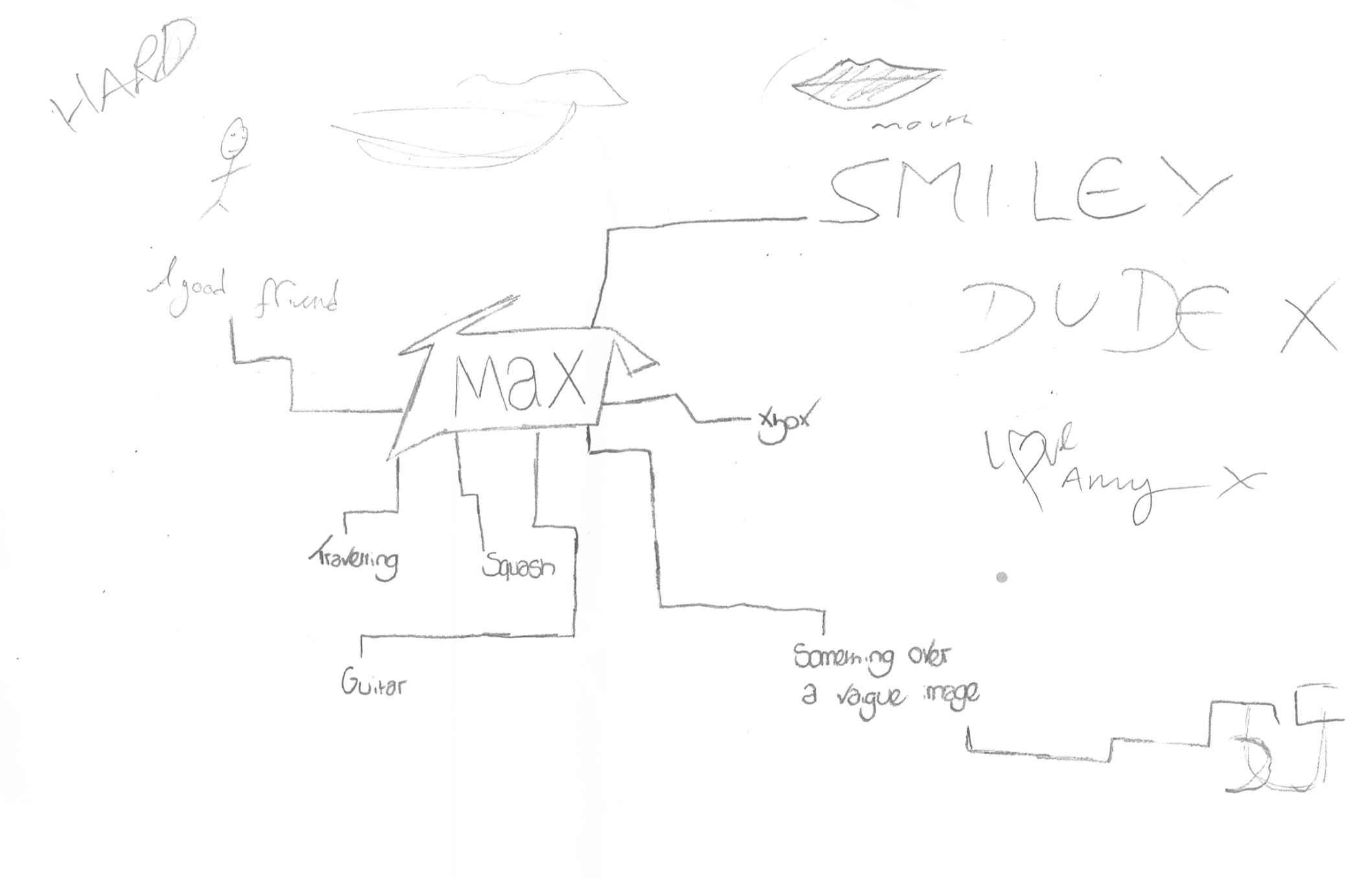
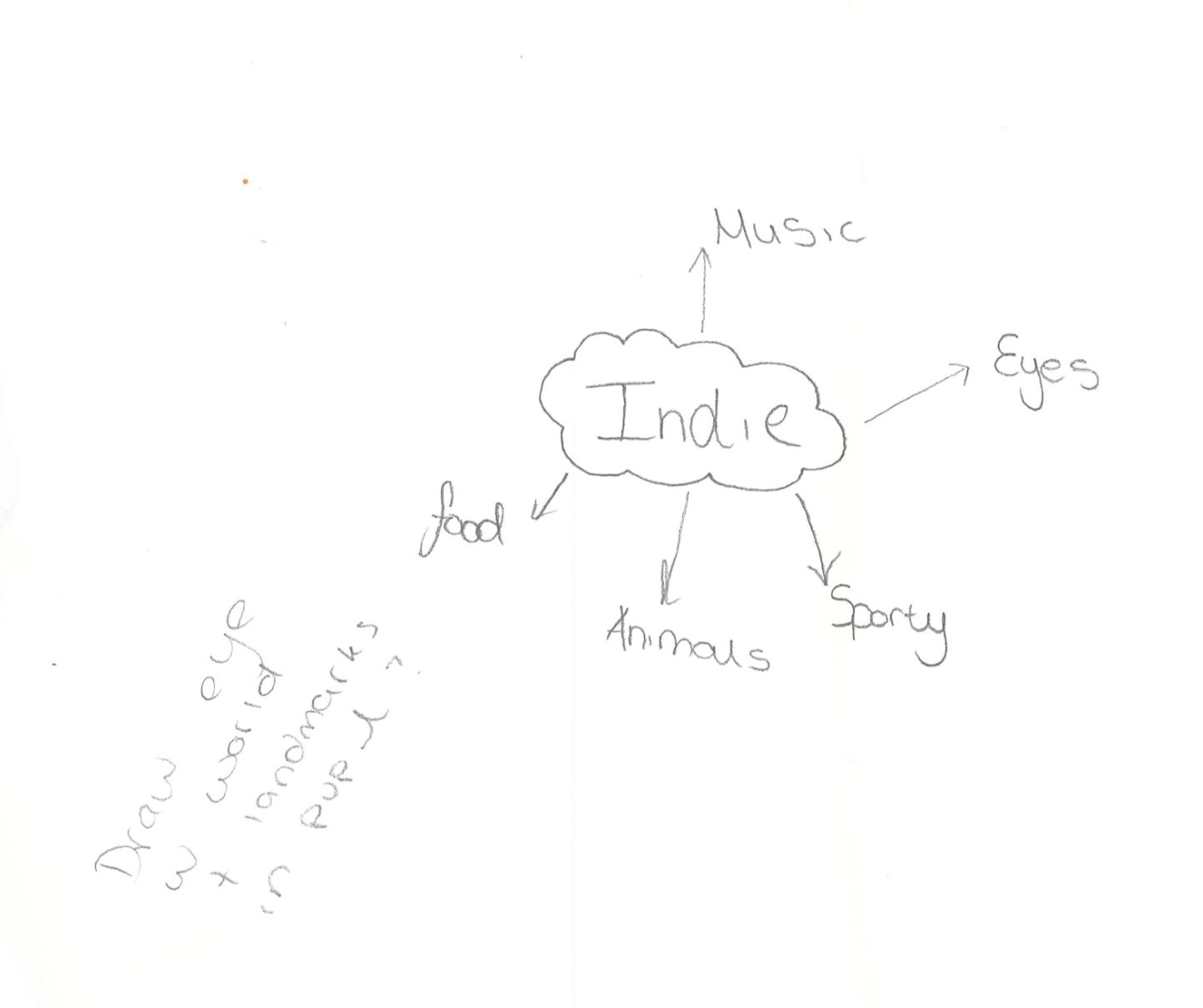
The group began creating a contextual mind map of who they are, what elements in their lives build up an image of ‘who they are’.

The students were a little confused so I decided to do a small contextual map of myself and my interests on the flip board so everyone could see. This helped them to visually understand what the aims and objectives were for the lesson.

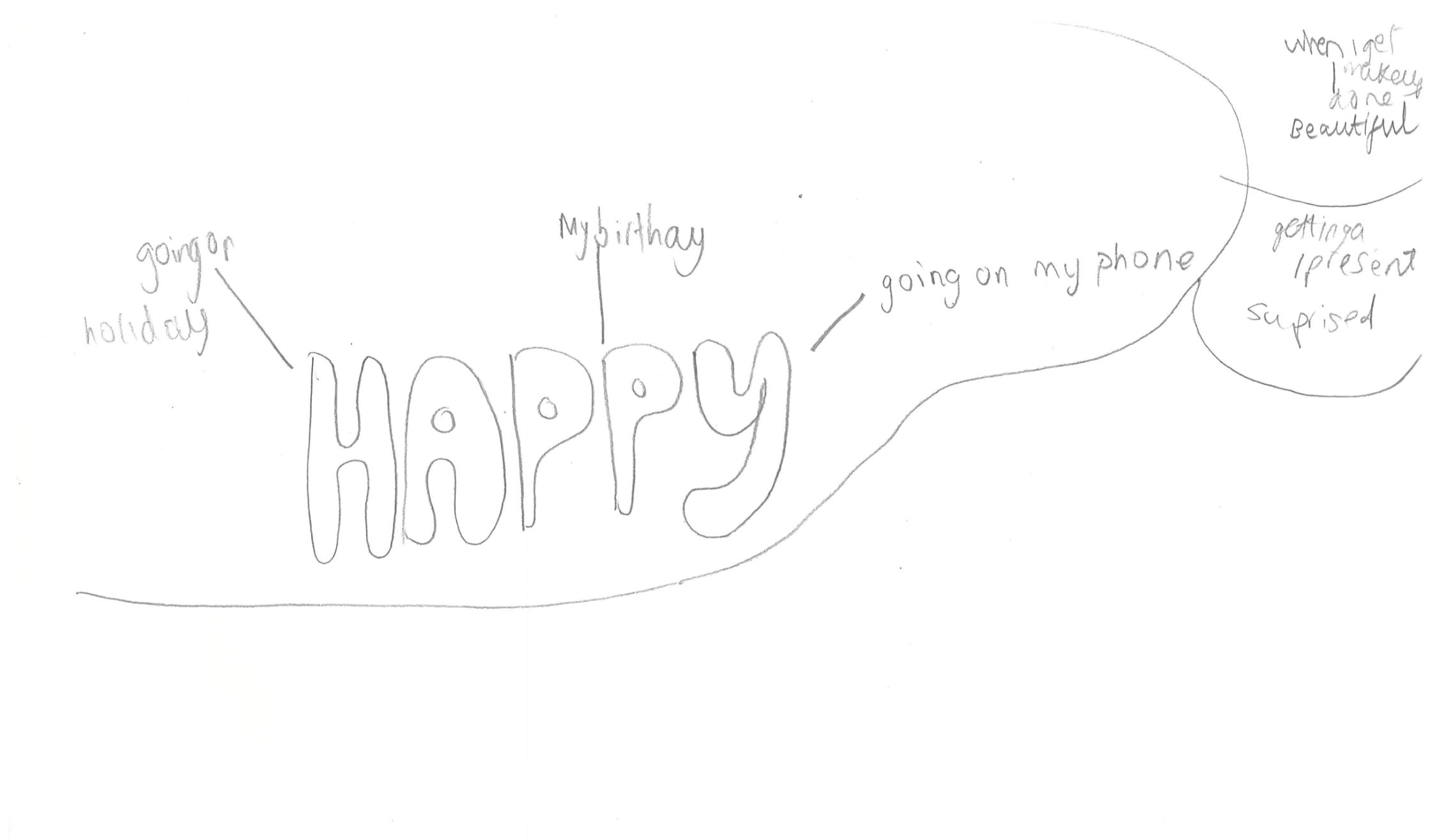
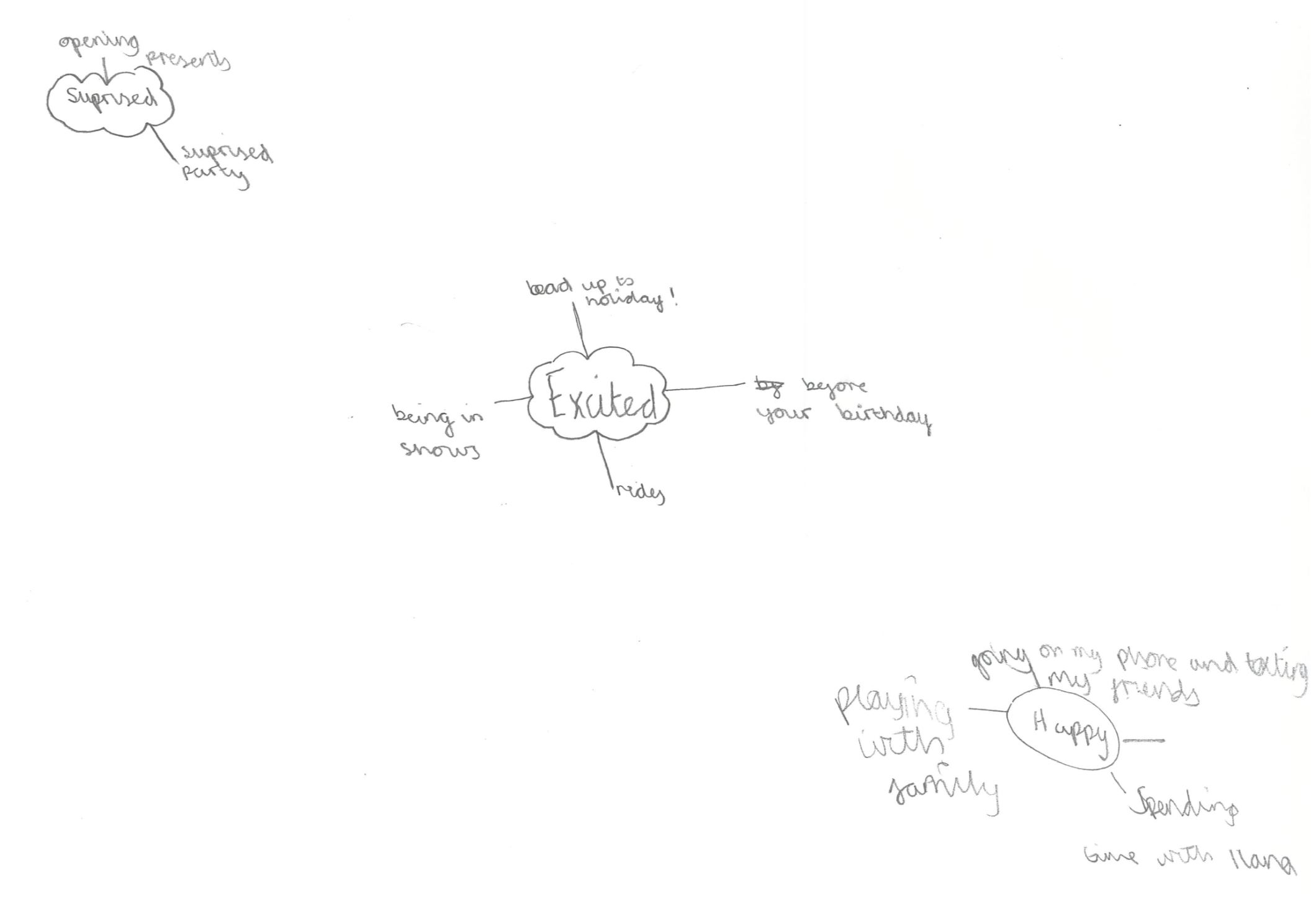
Here are some of the students mind maps:

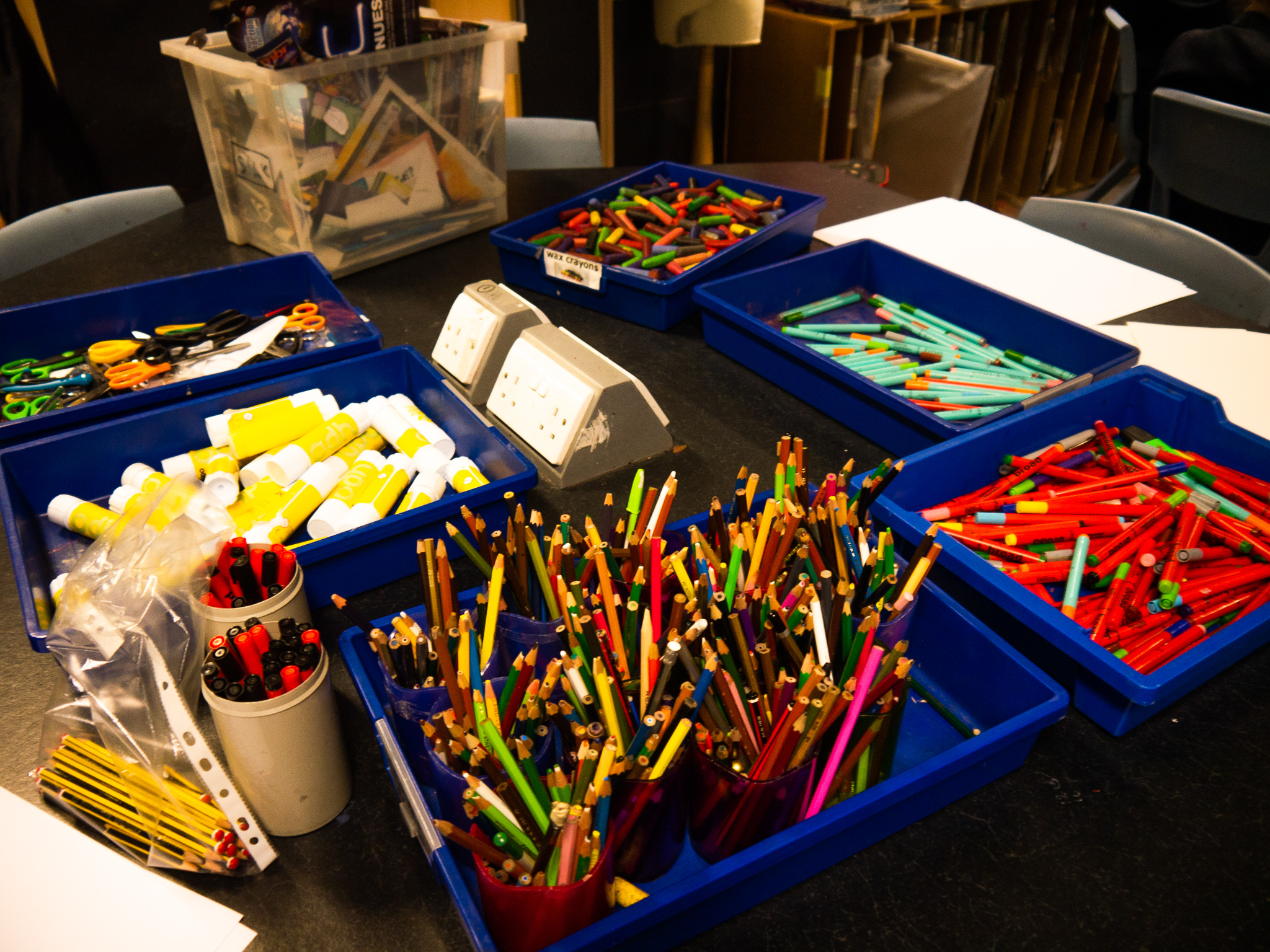
Using the available materials :

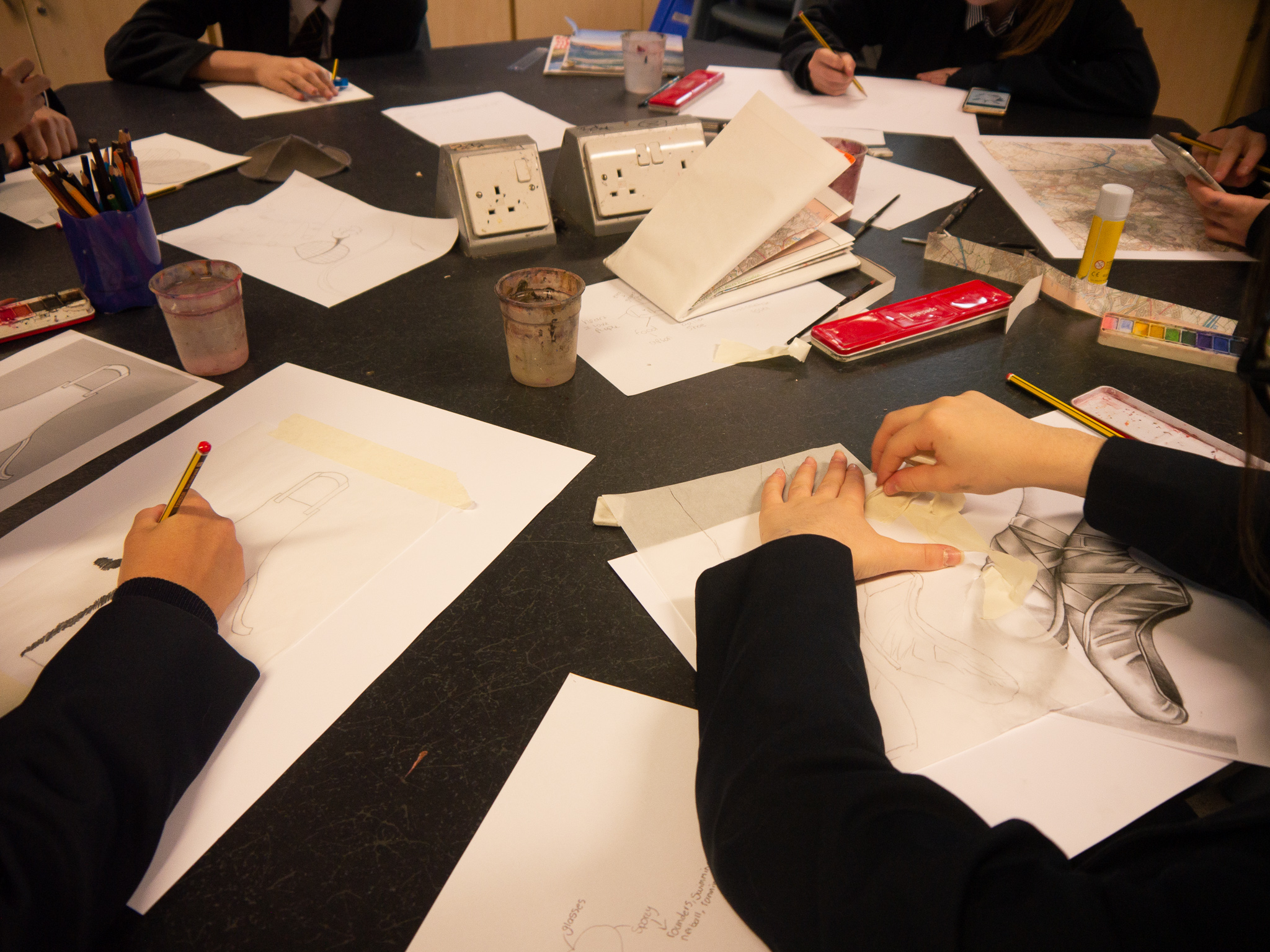
We went around the class engaging with each student – helping them to think of ideas of what they could create to visually represent an aspect of themselves. It was really helpful for us and the students to confirm with them what they wanted to go with and create. This helped give them validation that they were thinking along the right lines, and helped us to connect, interact and create conversations about the workshop and the point of the activity.

At the end of the session we viewed all the work and had a group crit.
It was great to see everyone’s individual personalities, and different ways we can consider out ‘self portrait’

The images drawn are visual representations of the students personality, interests, dreams, aspirations.

What I learnt? What could be developed?

I was there to assist the workshops and engage with the students to help guide them if they needed extra support.

I do feel that this workshop needed a little more direction, and visual aids. A blank canvas can be quite intimidating to fill, and the students were quite confused at first with what the aims and objectives were.

The lesson has great potential, I just think it needs more guidelines to help the students get a more focused idea on their alternative view of their self portrait.

Identity

This workshop was delivered to a year 8 group of 13 pupils.
I was informed that this group has low level of ability and are challenging with their behaviour.

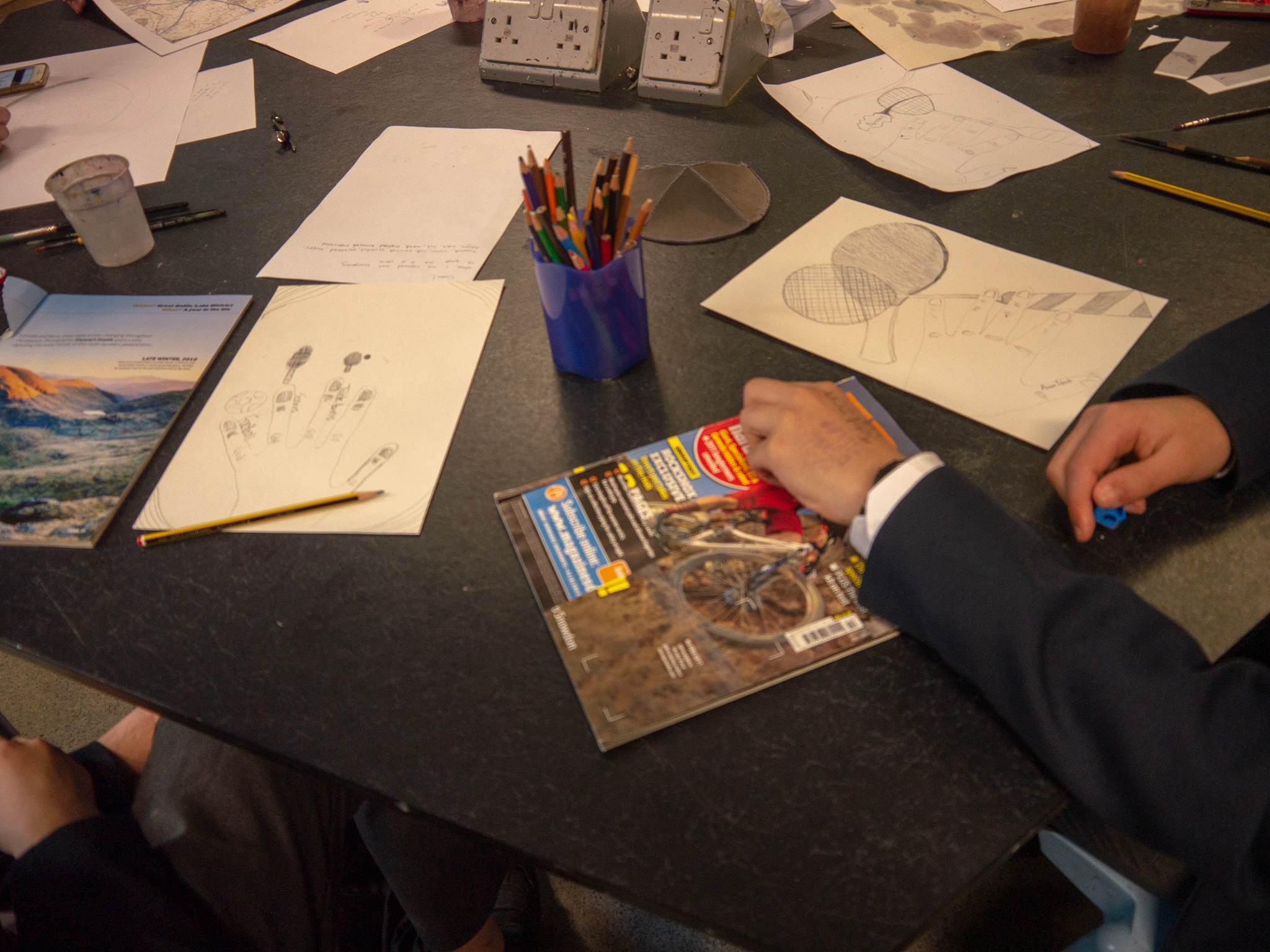
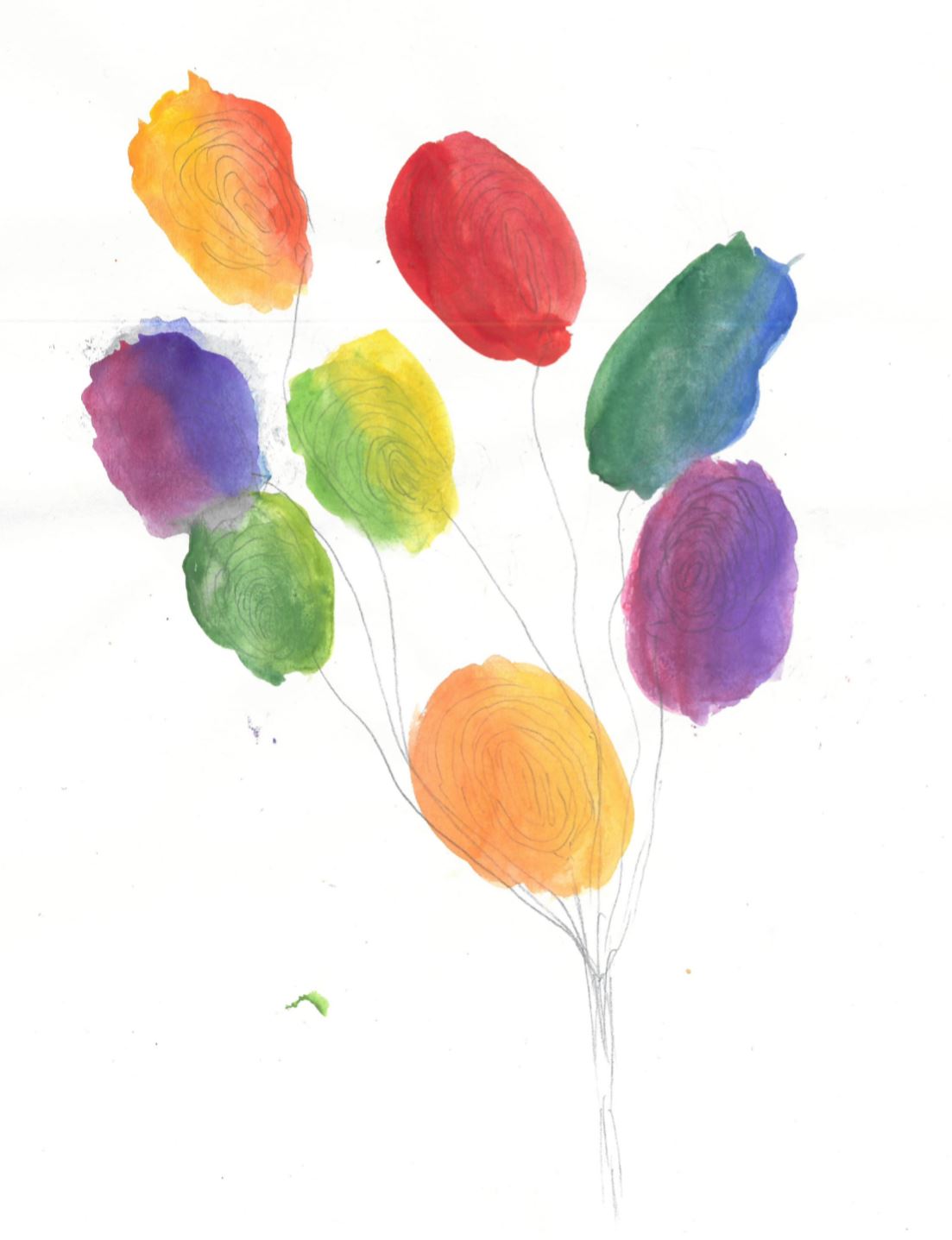
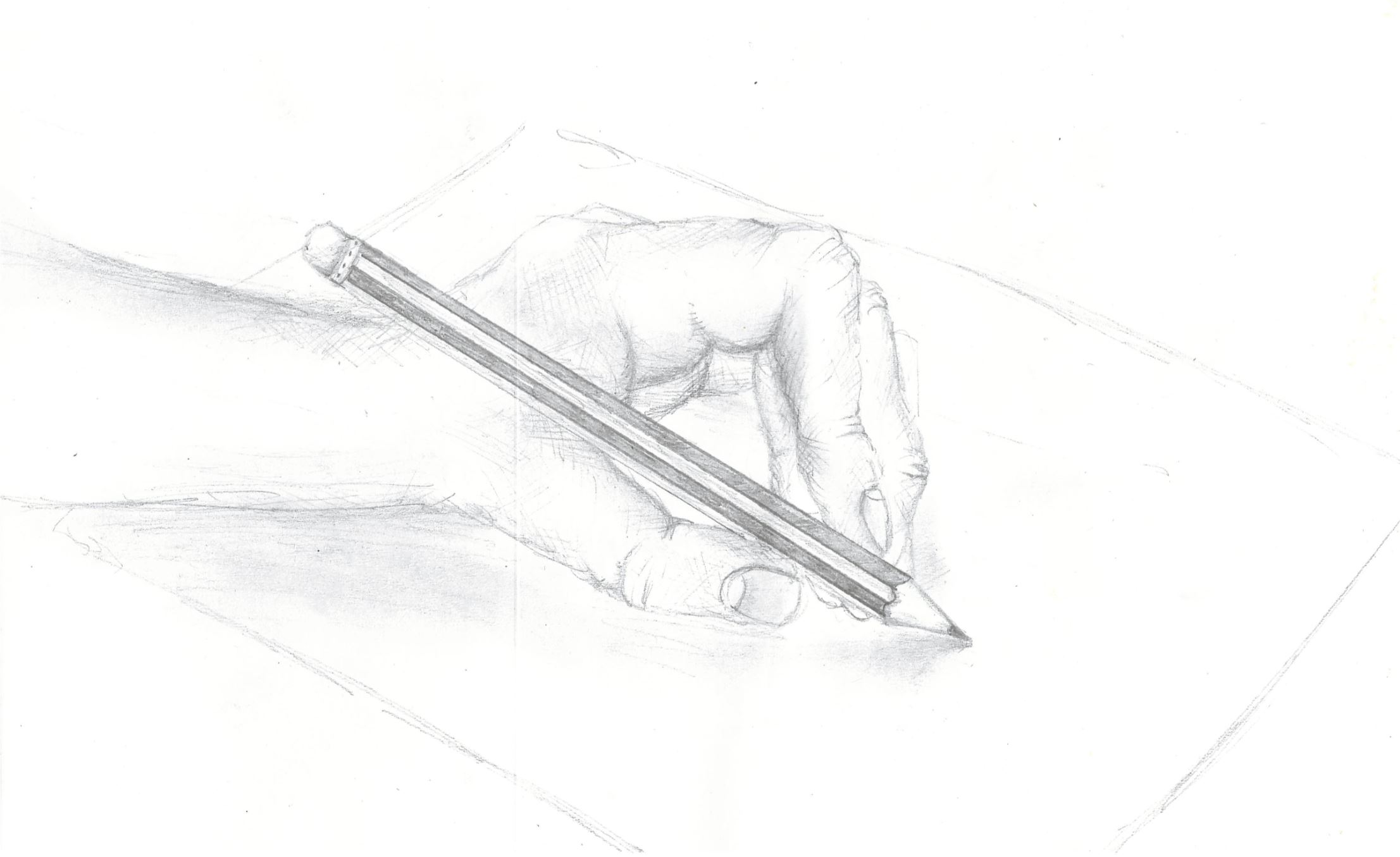
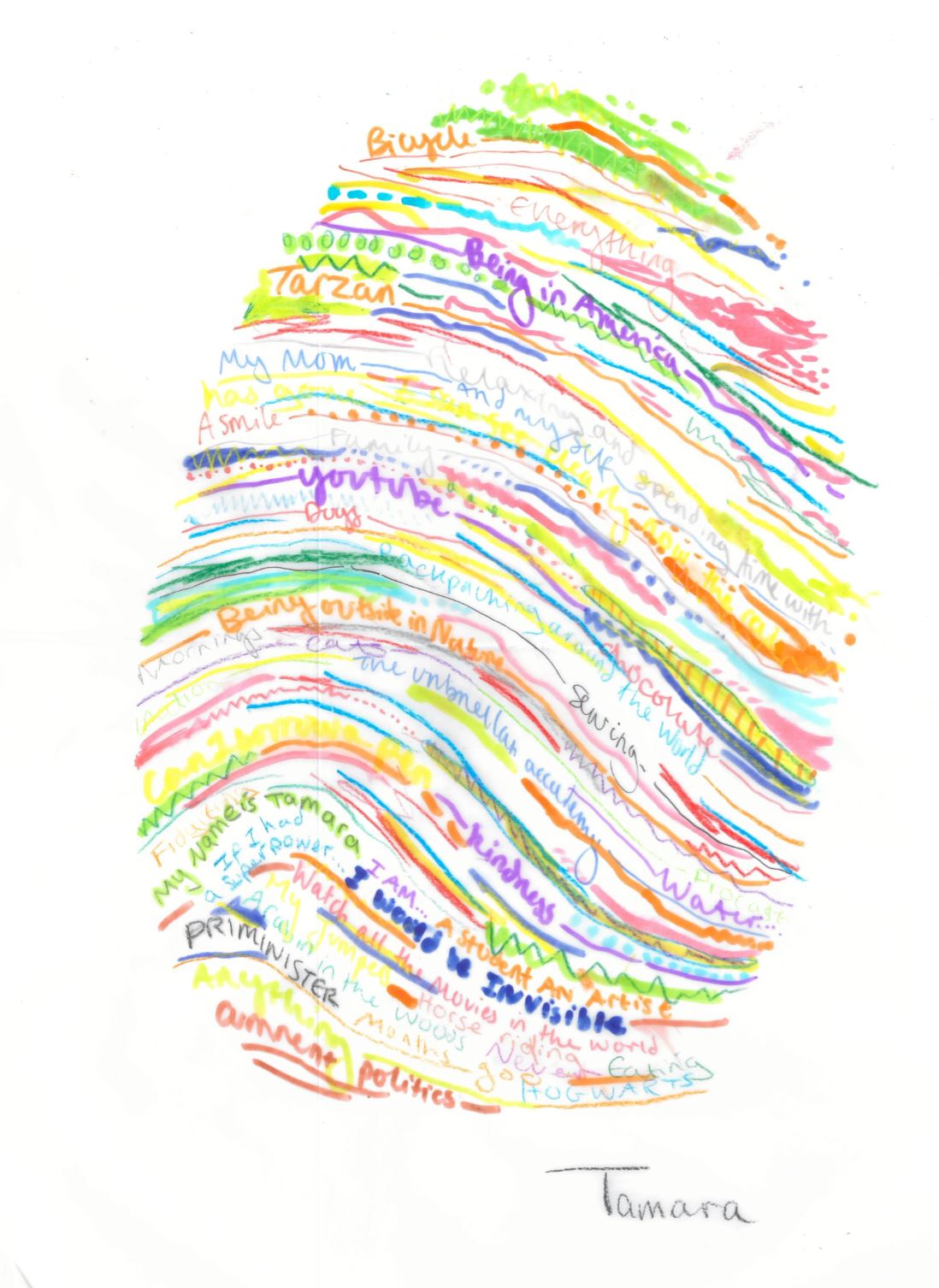
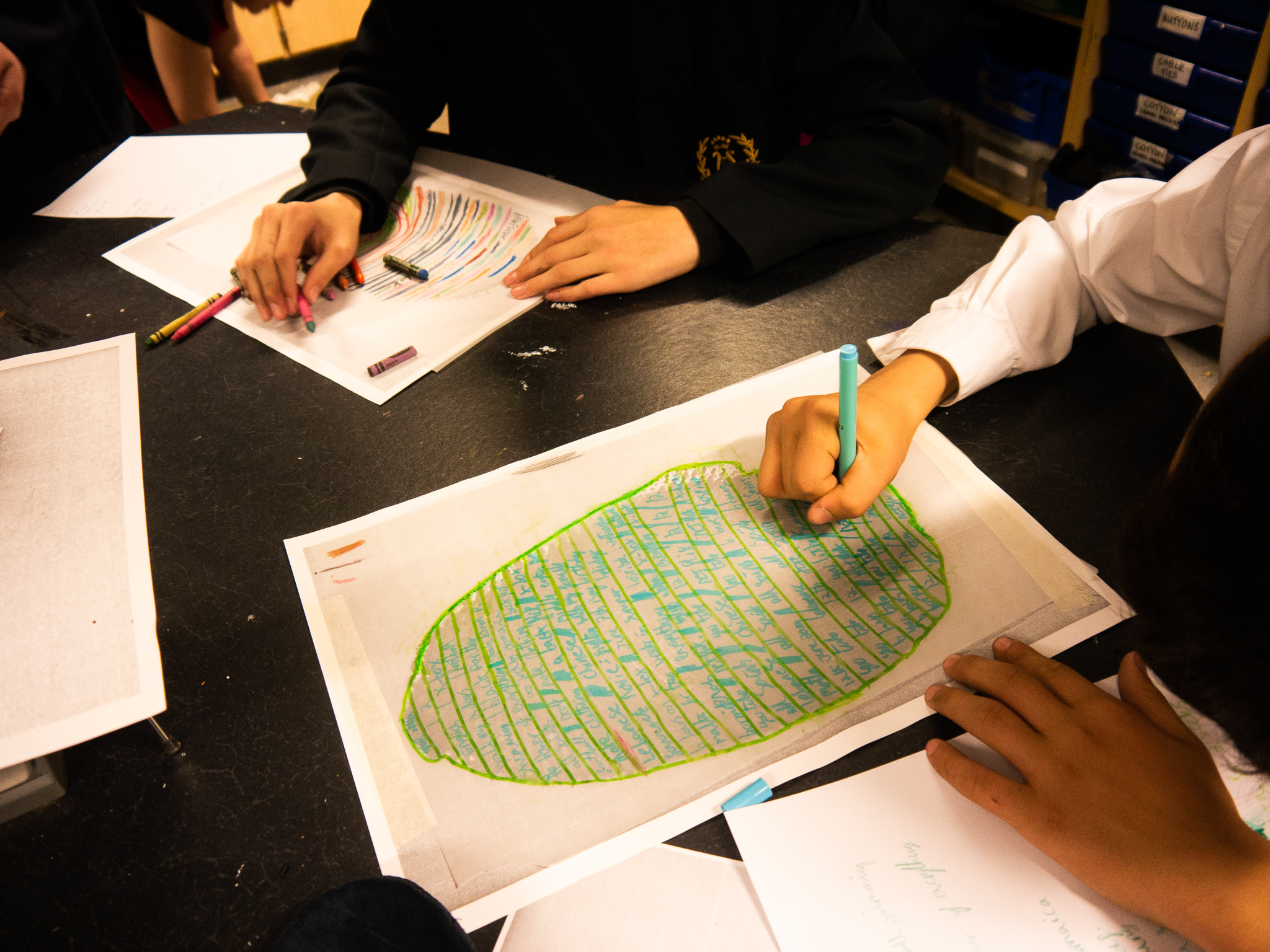
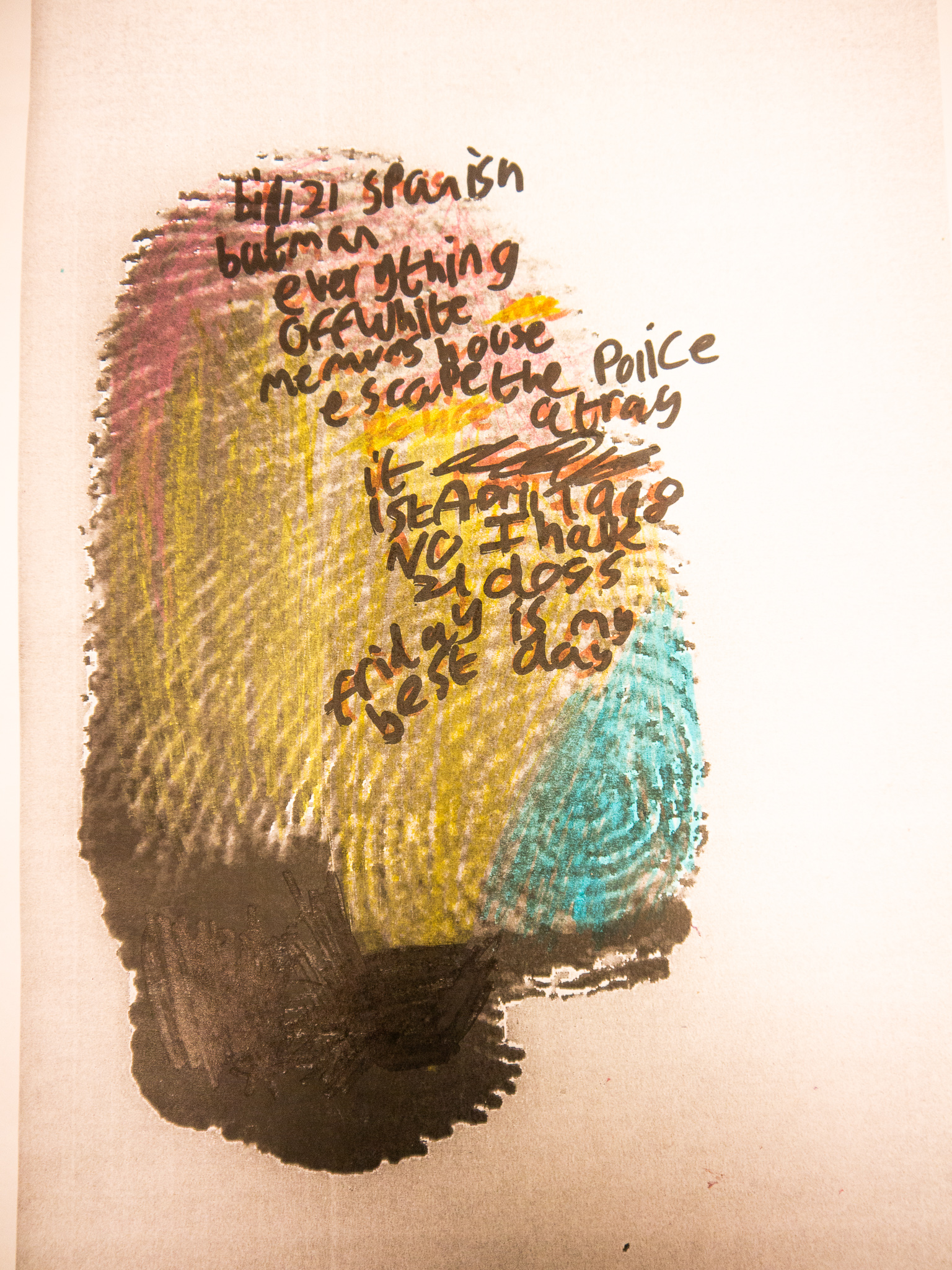
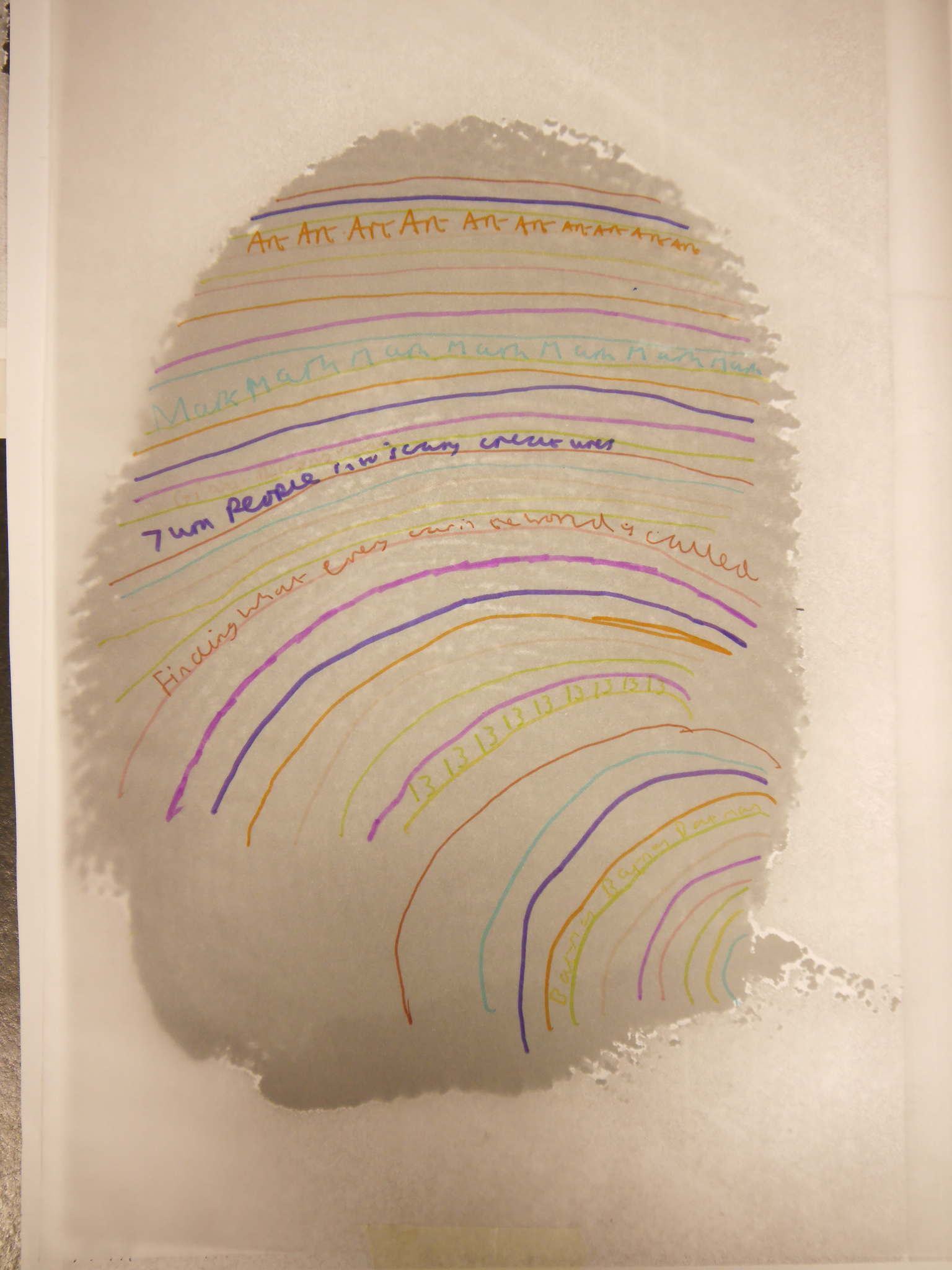
I designed this workshop as I was exploring family and identity in my personal practice, working with fingerprints.

Each finger print is unique to each individual, and says a lot about who they are.

This workshop is based on identity and self confidence. Who are you?
Celebrating your uniqueness. This is an important arts for health workshop as young people are faced with a lot of pressures, especially on social media, to fit in. I designed this workshop to explore with the students what makes them unique and different – which is something to be proud of.

The teacher mentioned to me that during the term they had been doing a project themed on superheros. I introduced the class to try and tie their superhero theme with the workshop.
Each superhero has their own unique identity and makeup building who they are as an individual. In this lesson we are going to explore what makes you! what is your make up? your unique individuality?

AIMS & OBJECTIVES

Aims: To explore what makes you unique and individual and “what makes you you?”
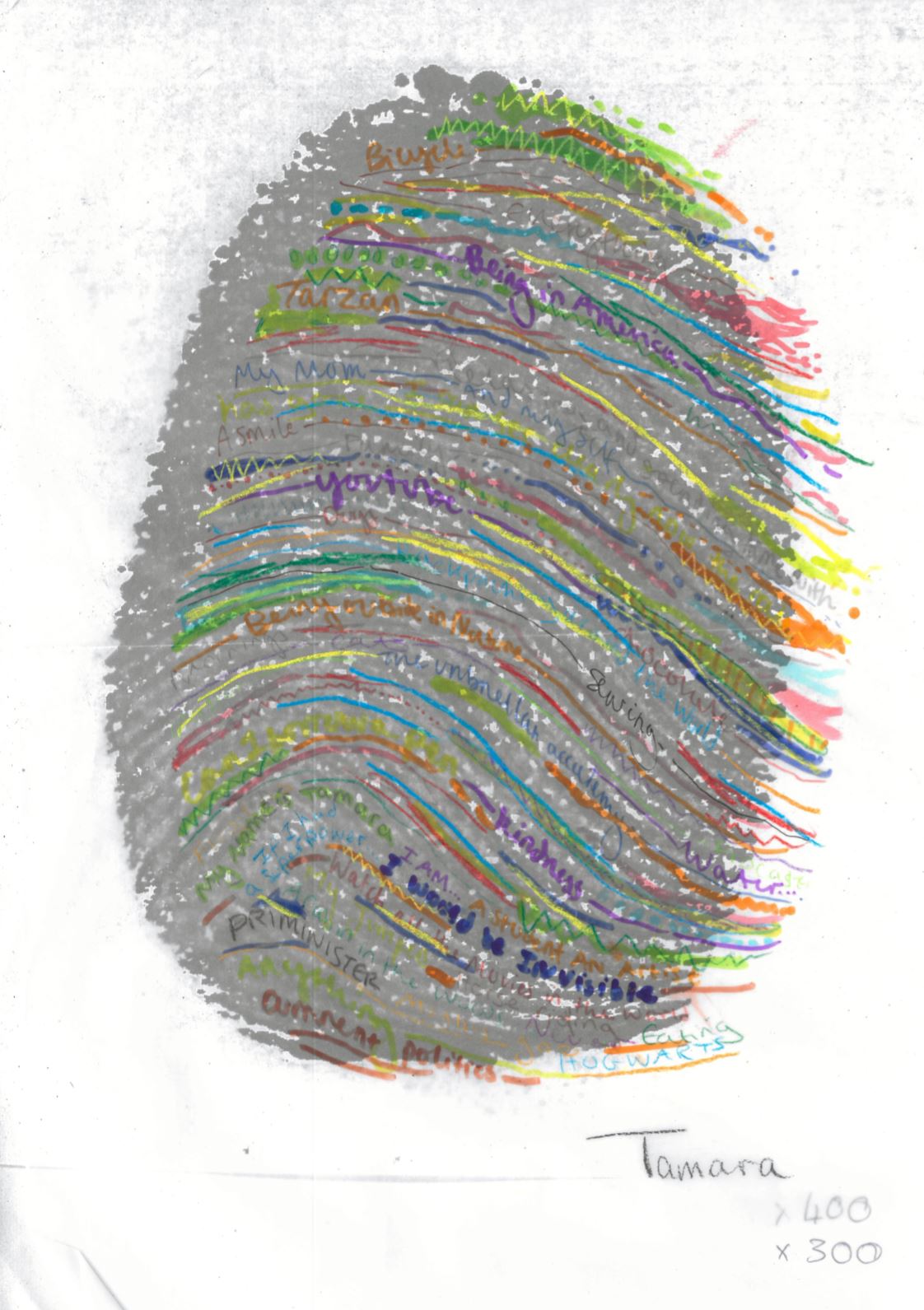
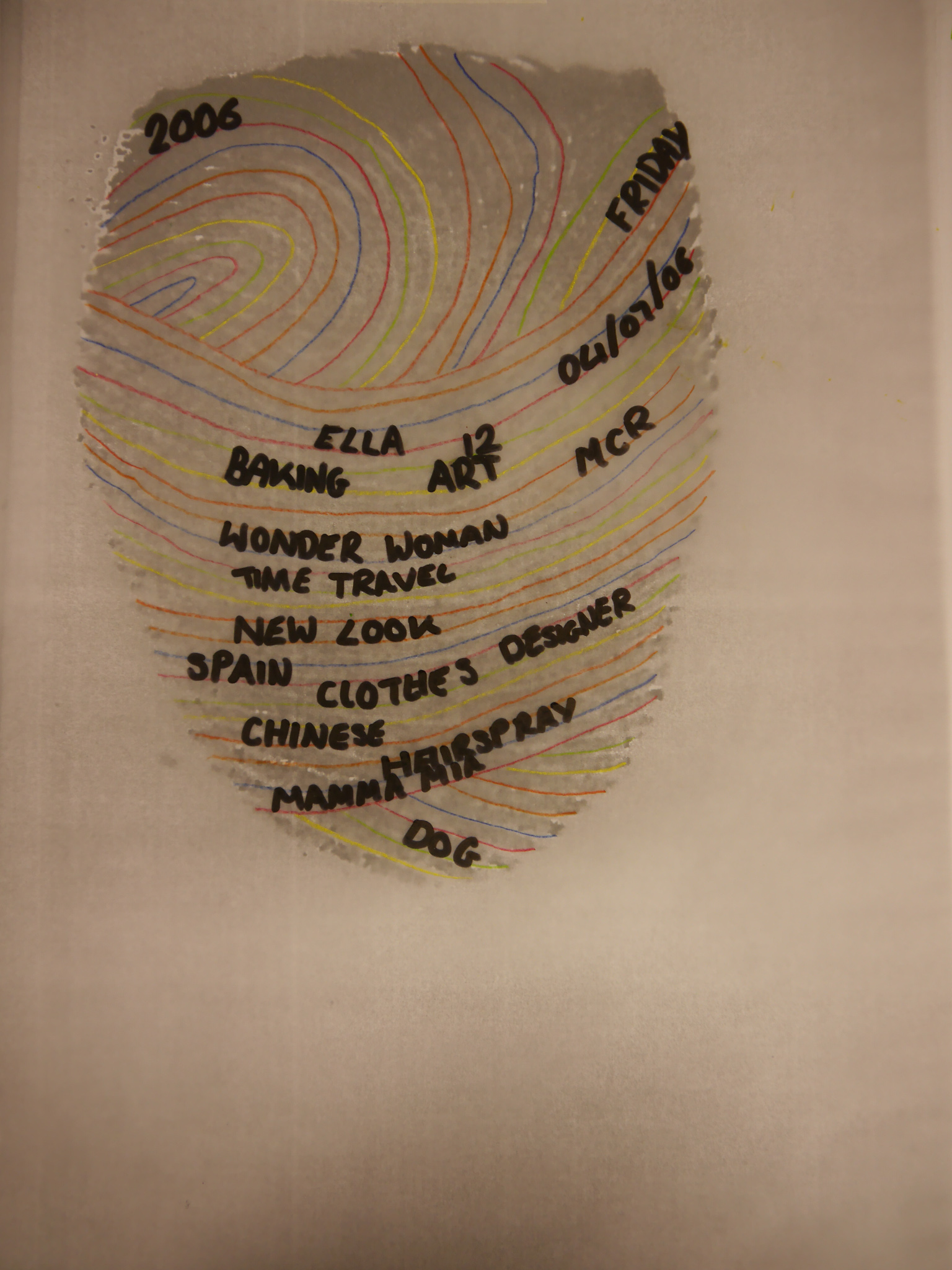
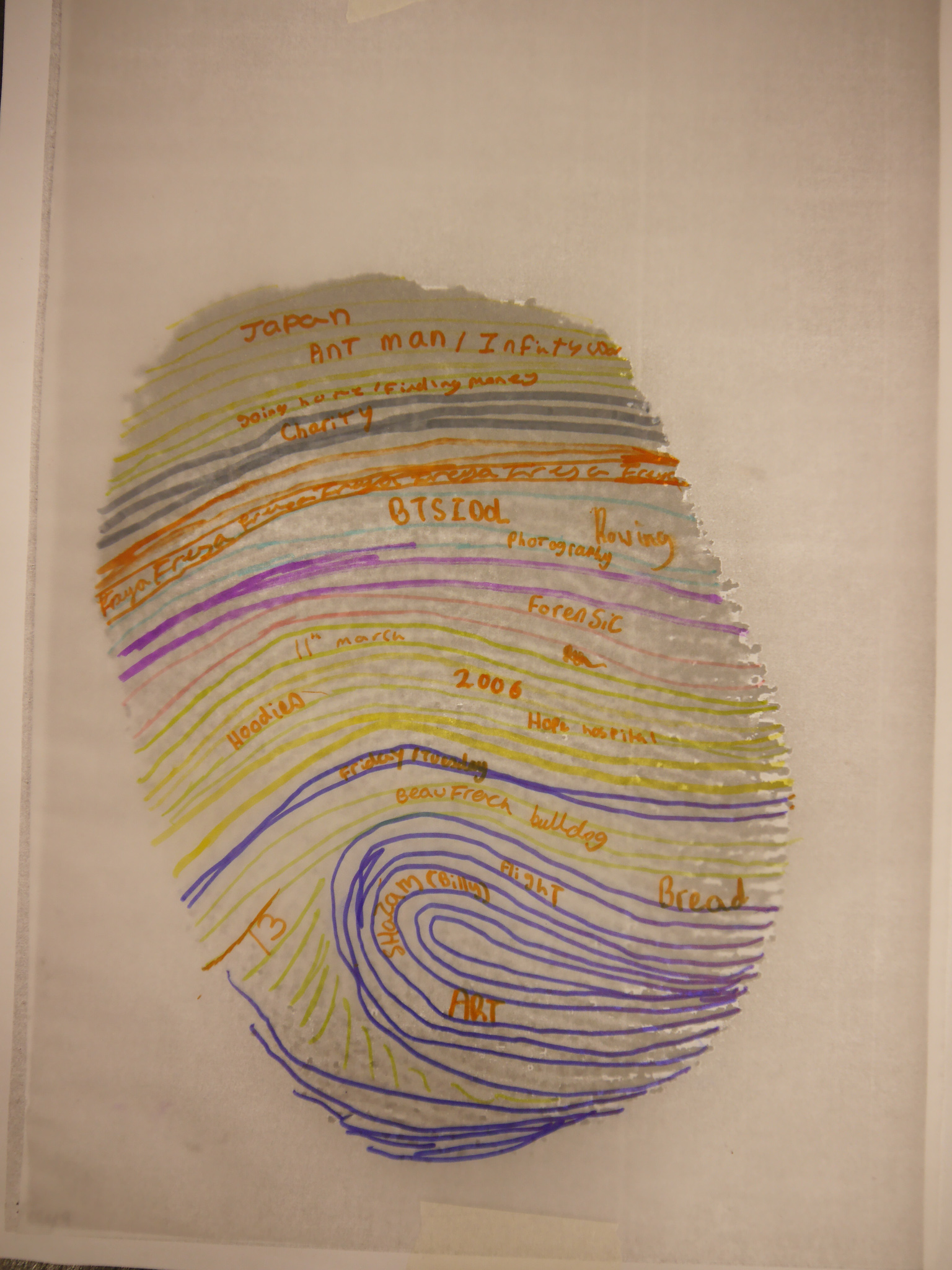
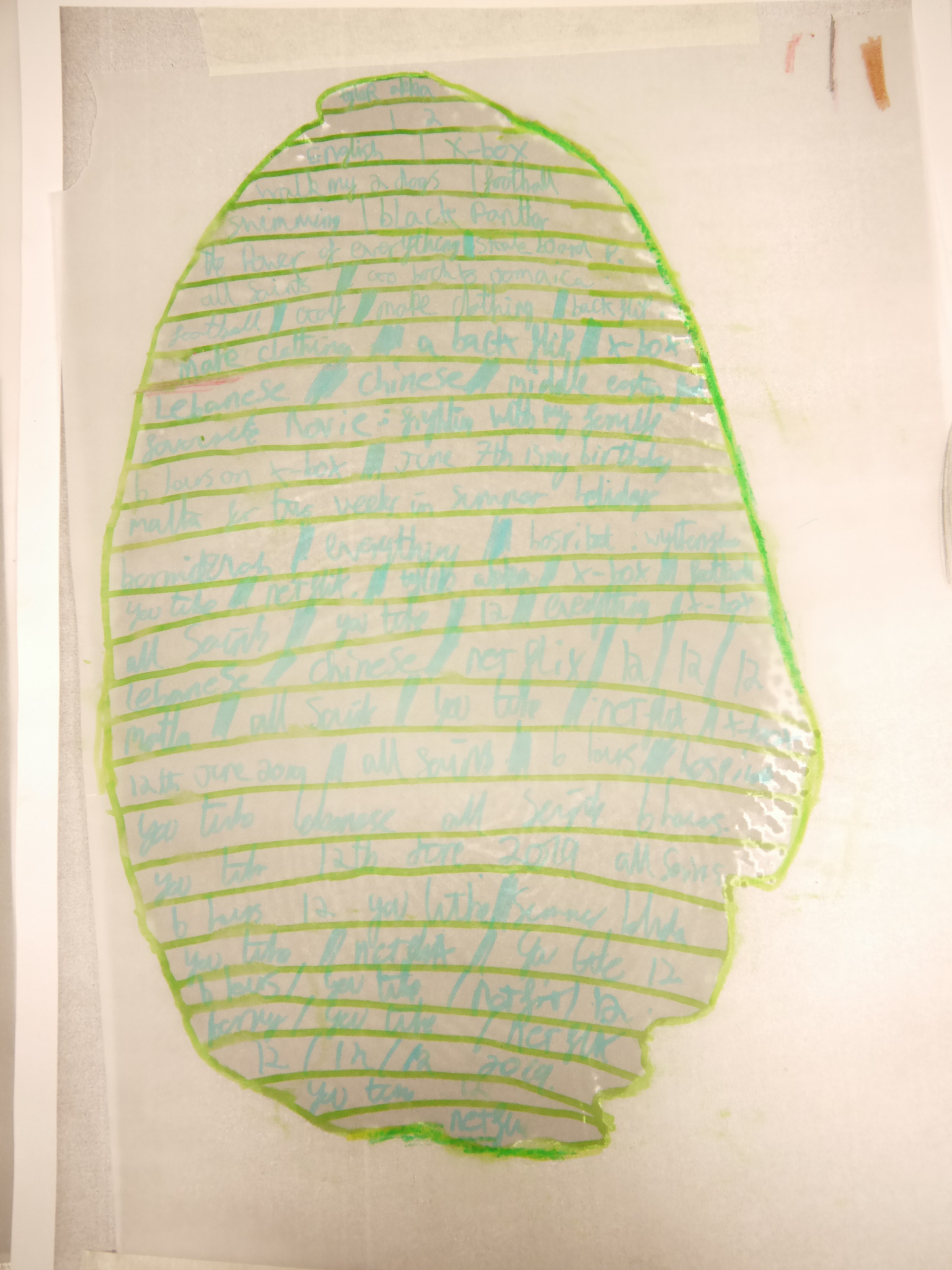
Objectives: Thinking of different questions and answers and creating your own fingerprint made up of all the answers and design that makes a visual representation of you and your identity through your fingerprint.

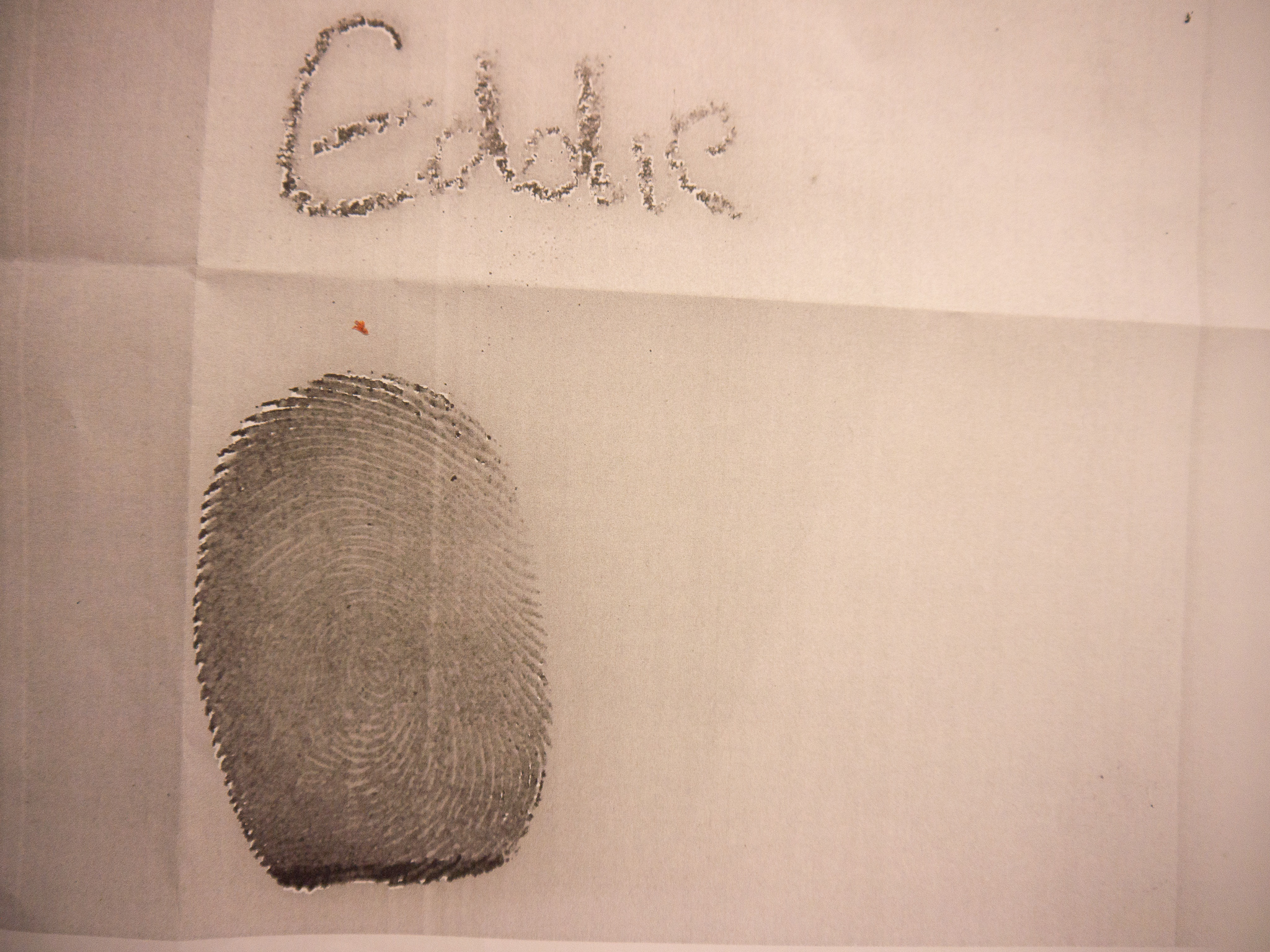
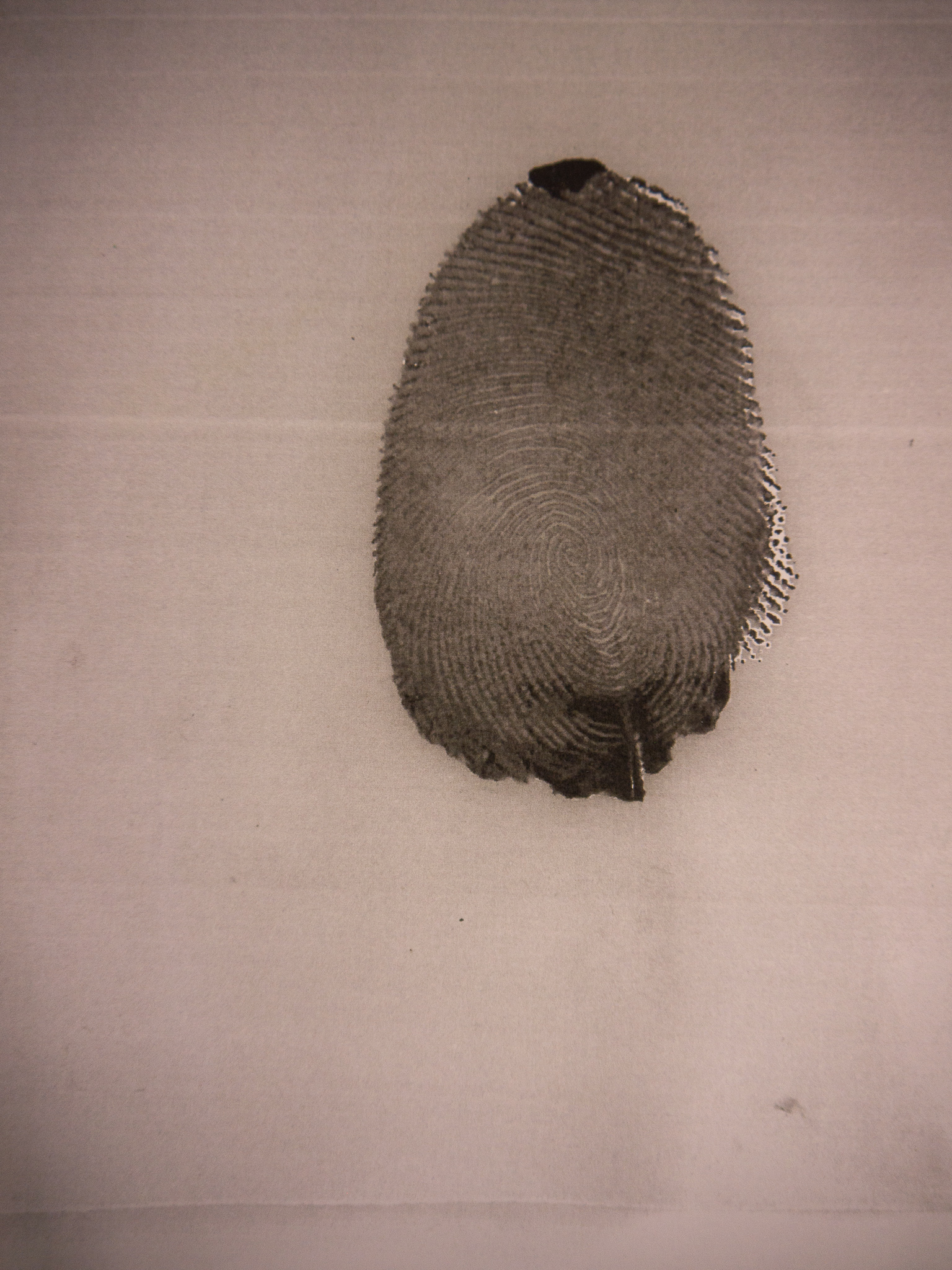
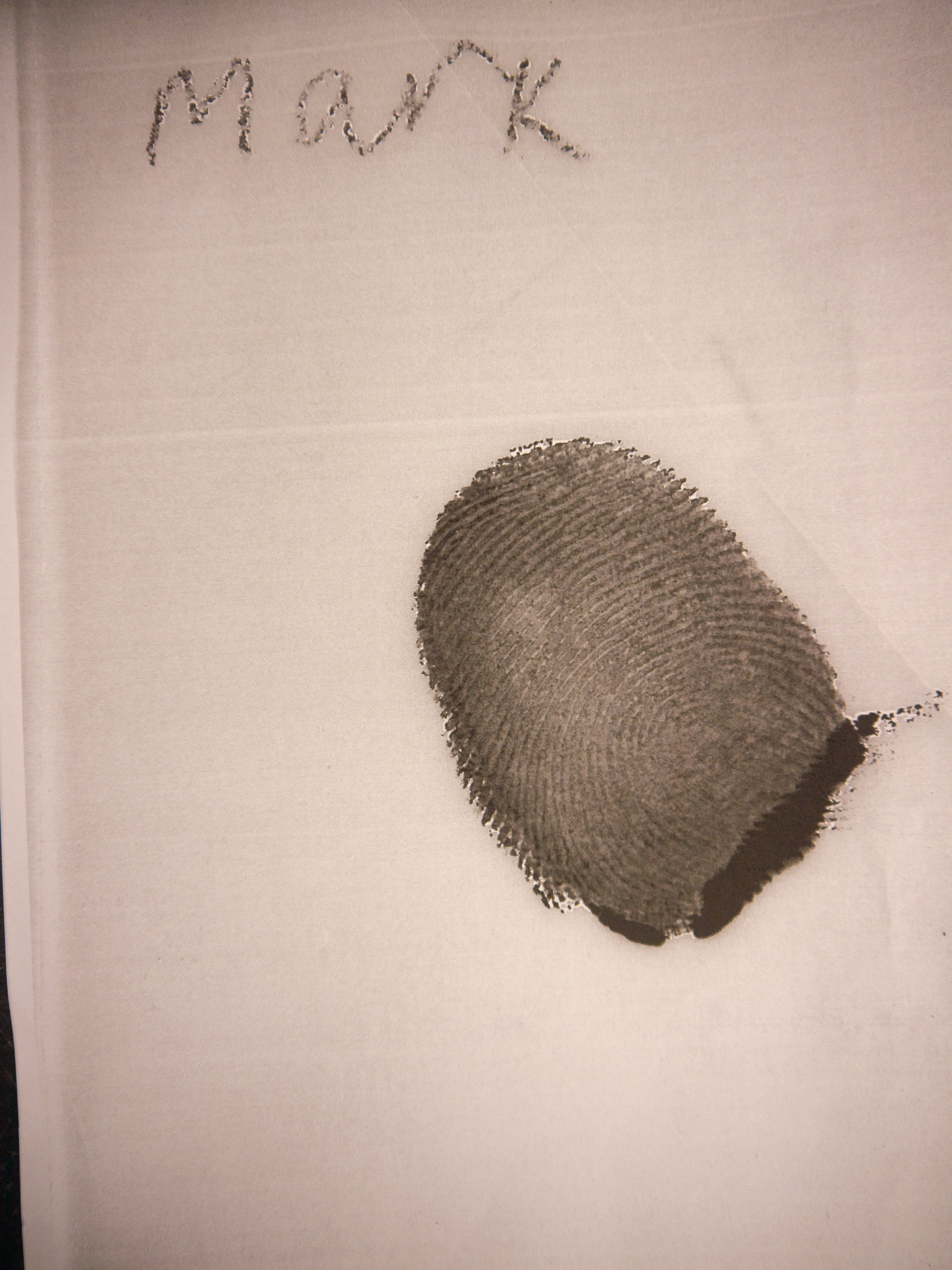
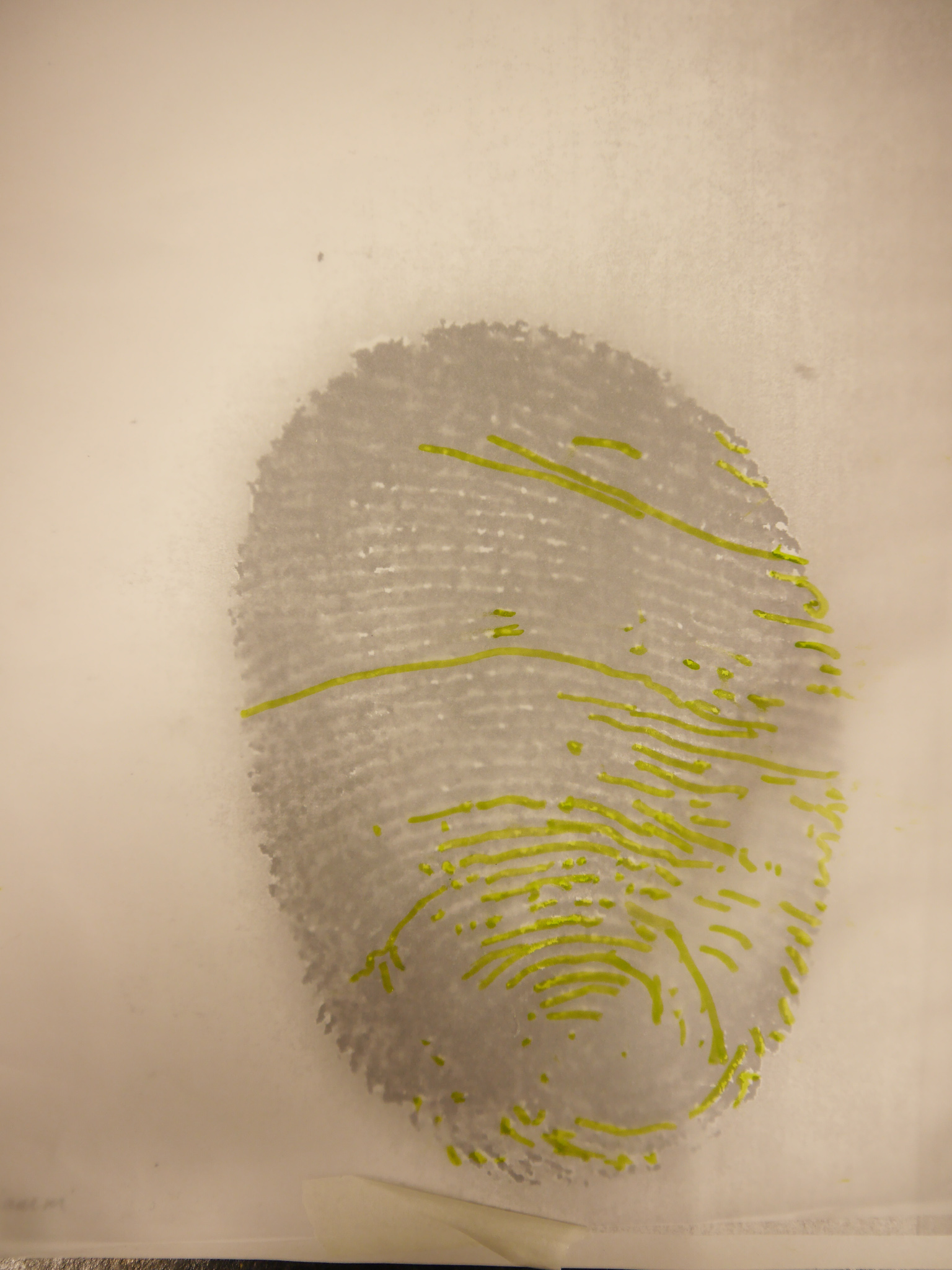
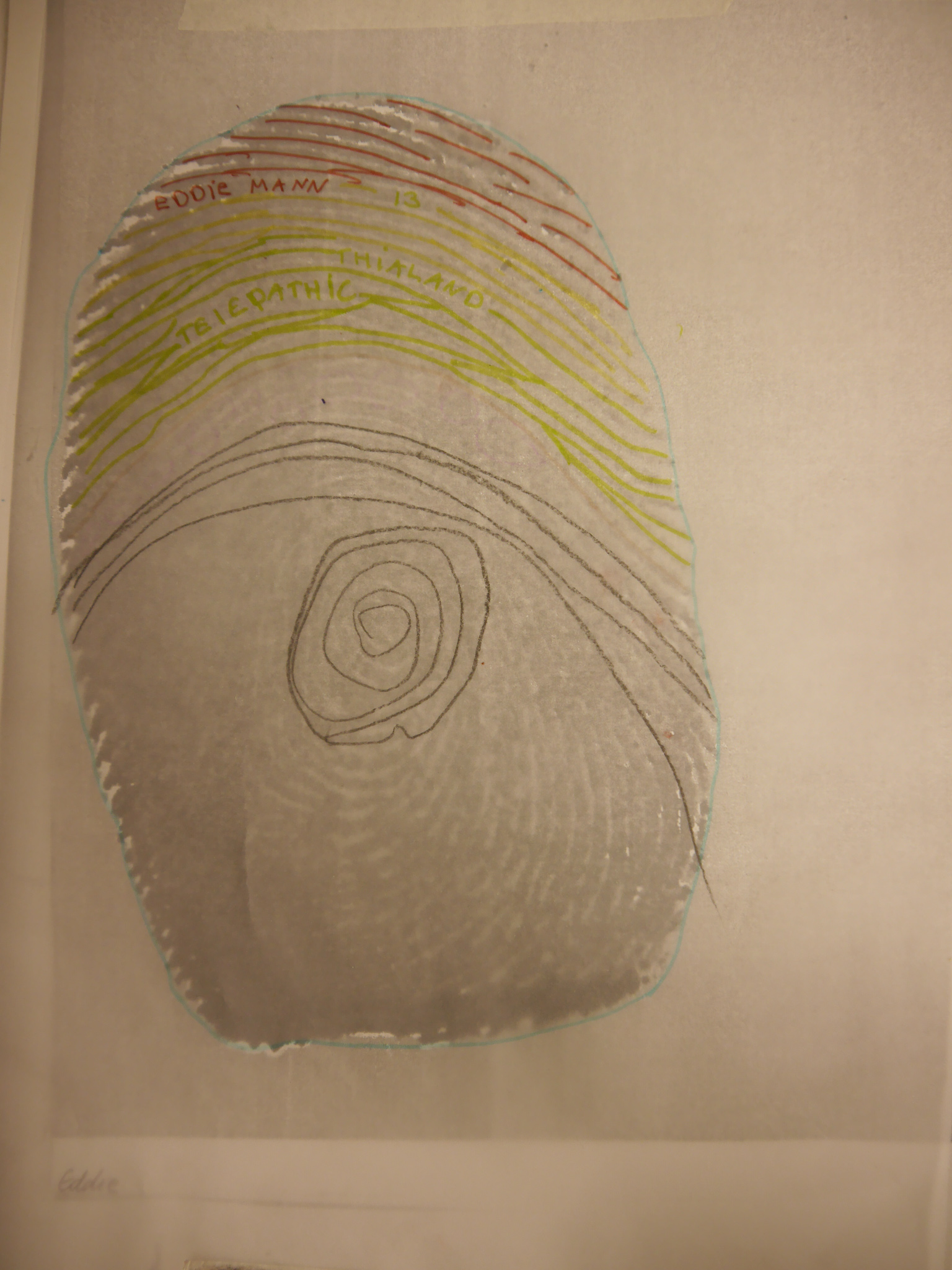
This is my tests to see how the activity will work?

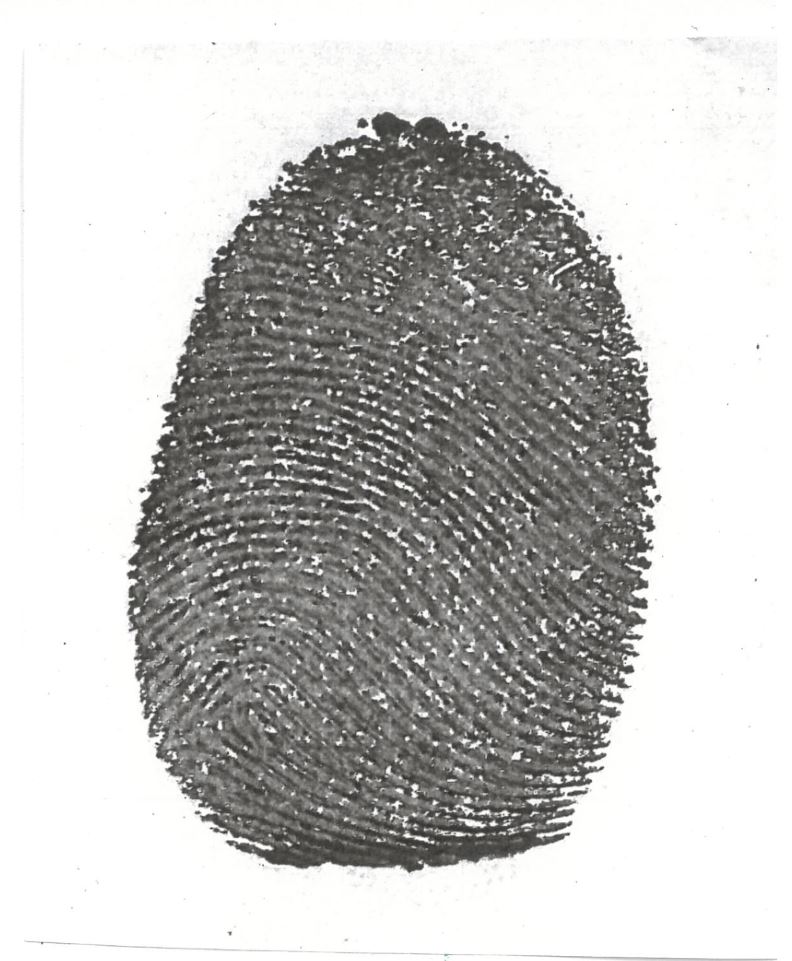
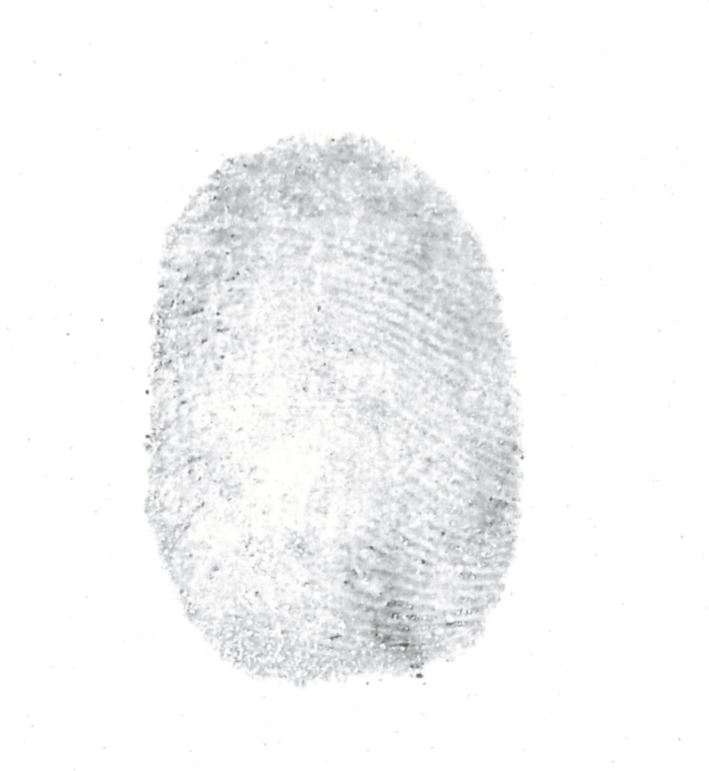
My scanned fingerprint

Testing out different coloured inks to see which photocopies the best

Then using tracing paper to write over the lines and answering different questions about myself.

Whilst lesson planning, the head of art department advised me that with this specific group- it is important to make the activity into game, to help keep them engaged and interested, which will help to manage their behaviour.

Plan:

1.Students enter the class and before they sit down – take a print of their fingerprint to photocopy and enlarge on the scanner.

2.Whilst the prints are being enlarged and printed for the workshop, Introduce who we are, and what is arts for health.
Young people can struggle with who they are and their identity, growing up and figuring out who they are. This workshop is to explore this and creatively design a finger print of who you are.

3. Ask the pupils to answer all the questions on a separate piece of paper so they have all their answers ready for when their fingerprint is printed out.

Fingerprints

Questions:
-what is your name?
-How old are you?
-What is your favourite subject?
-What are your hobbies?
-If you were a superhero who would you be?
-What would your super power be?
-What is your favourite song?
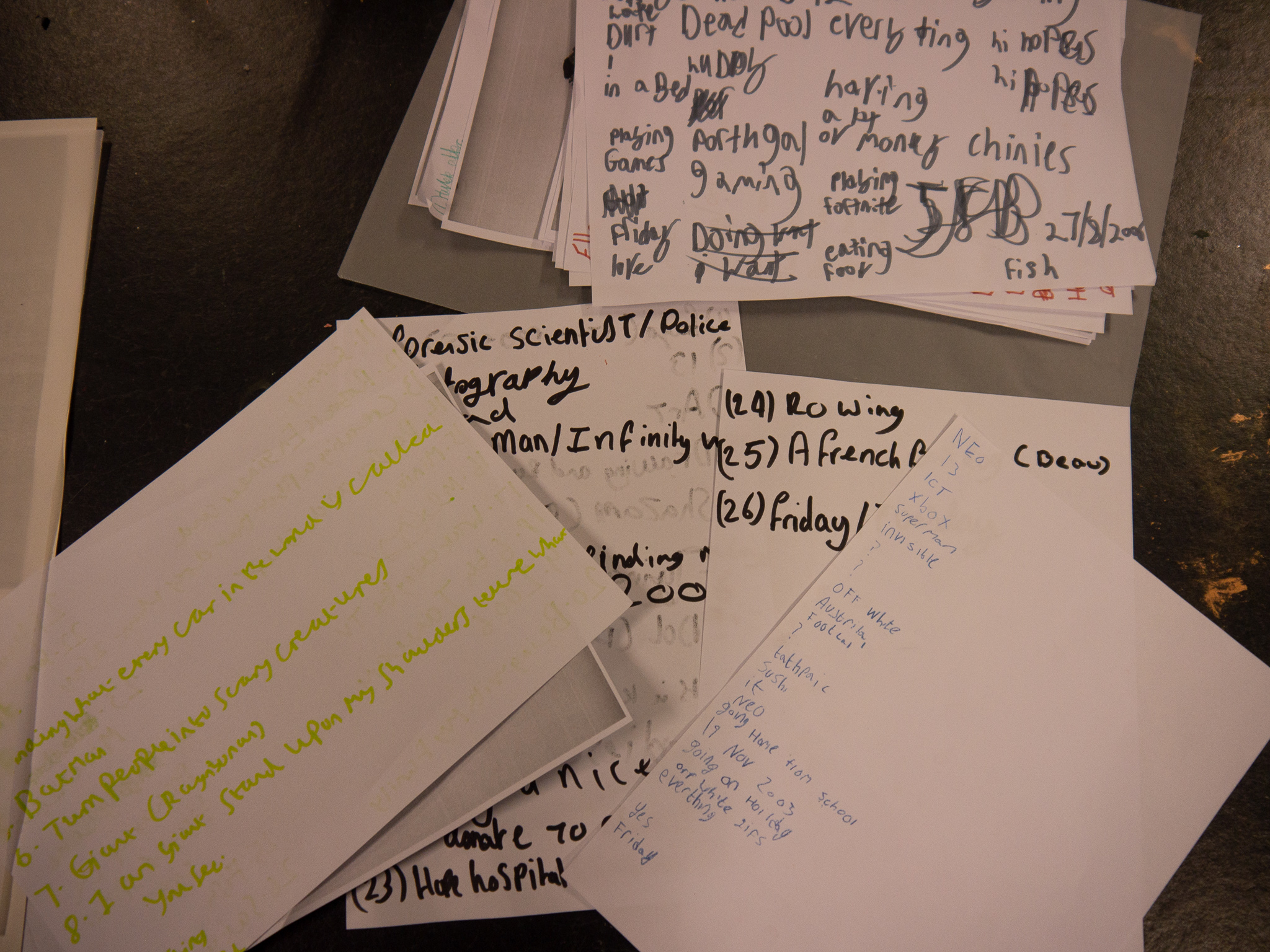
-Write some of the lyrics
-What is your favourite piece of clothing?
-If you could go on holiday, where would you go?
-What is your favourite sport?
-What is your dream job?
-What skill would you like to master?
-What’s your favourite food?
-What’s your favourite movie?
-What is your signature?
-What small things make your day better?
-When is your birthday?
-What are you most looking forward to during the holiday?
-Whats the best thing that has happened to you this year?
-If you won the lottery, what would you buy?
-Where were you born?
-What are your talents?
-Do you have any pets?

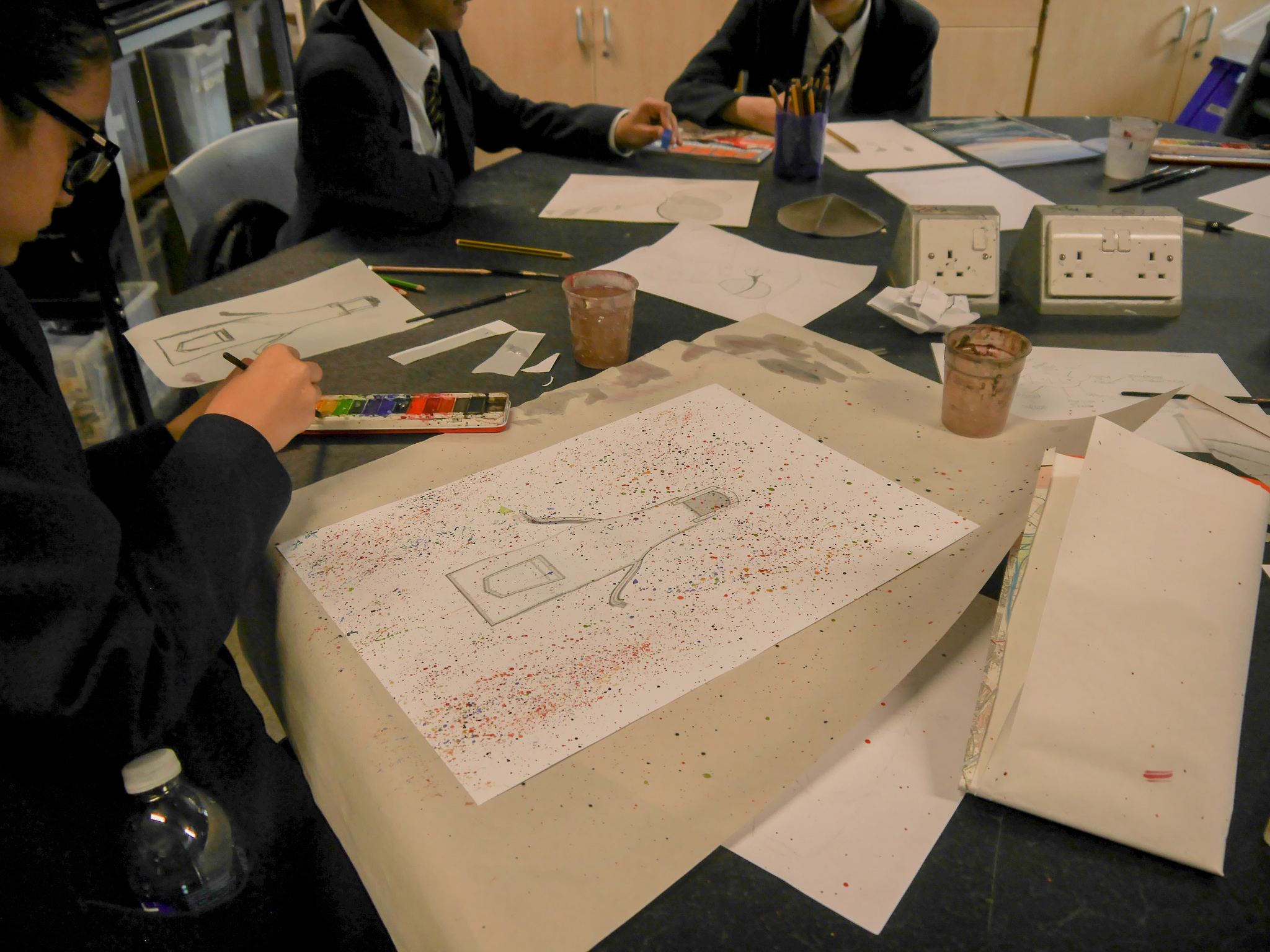
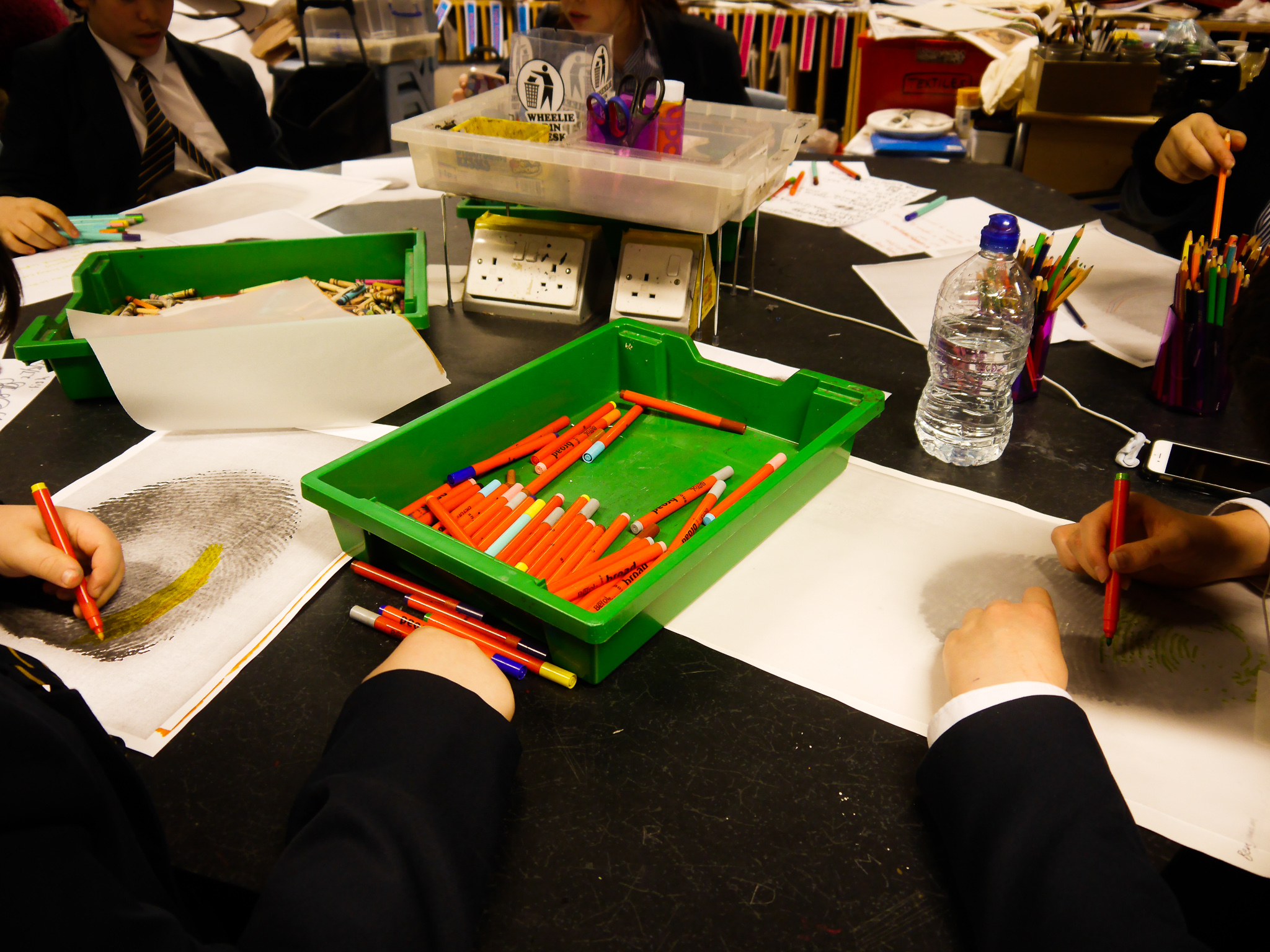
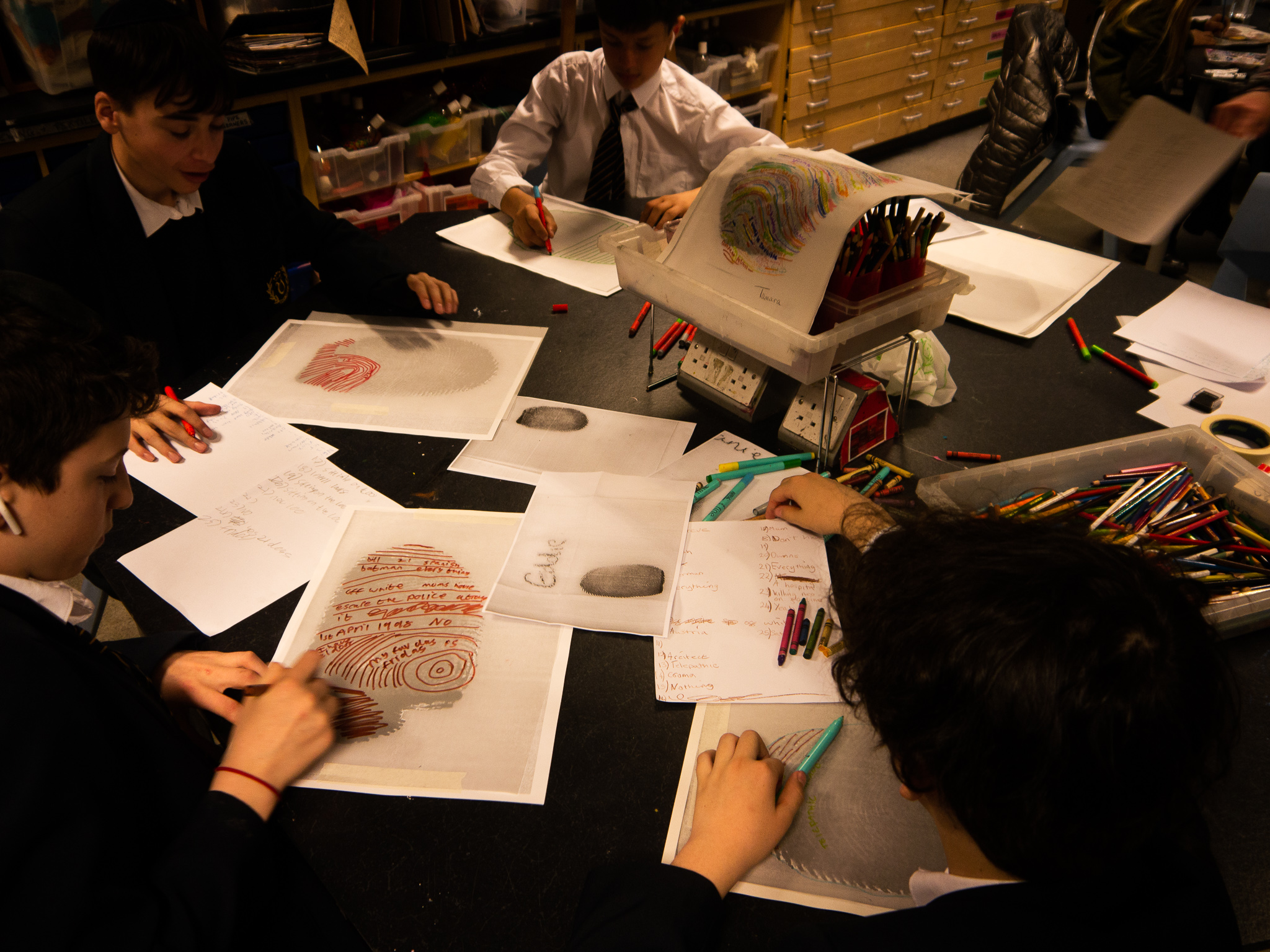
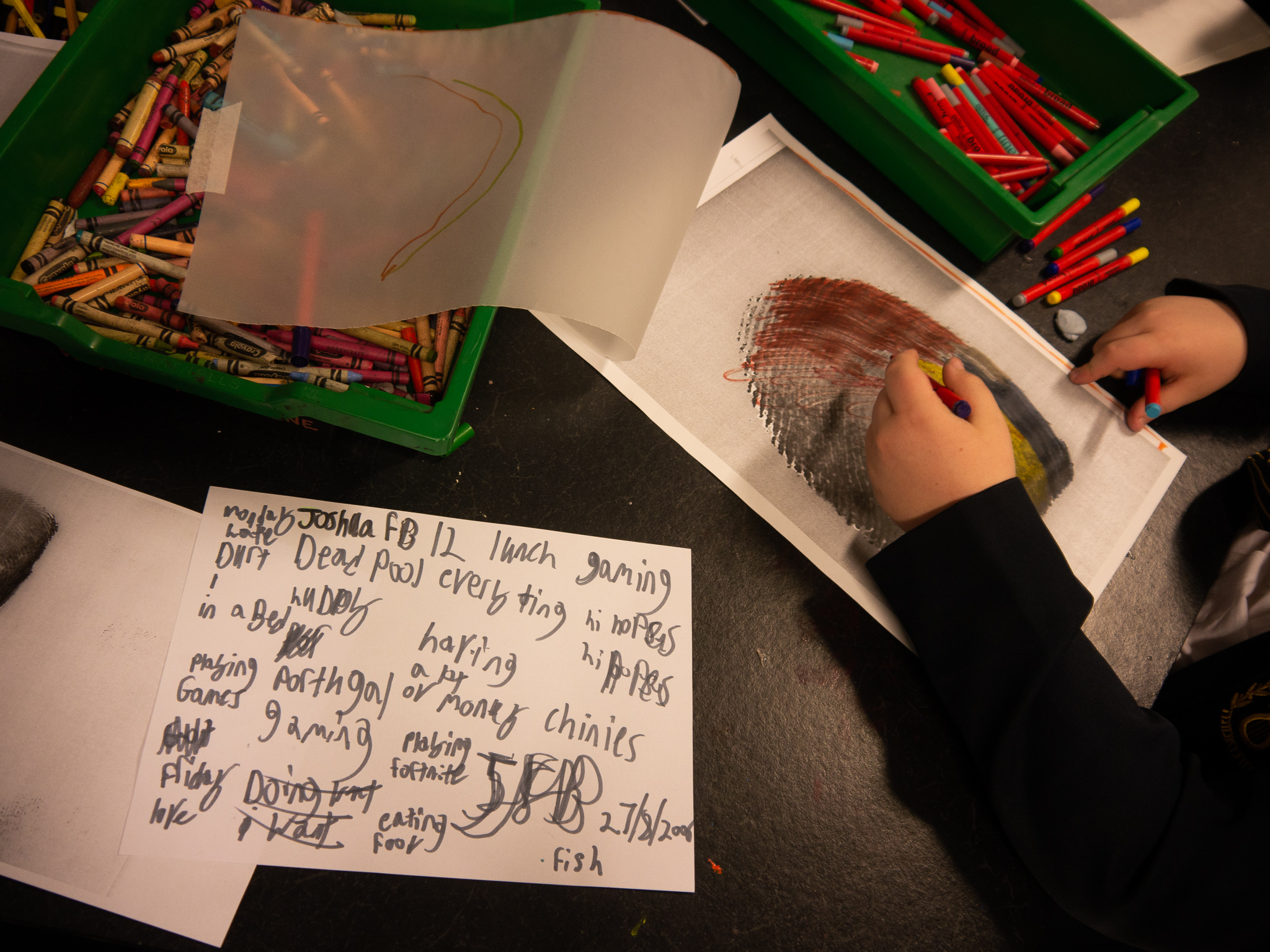
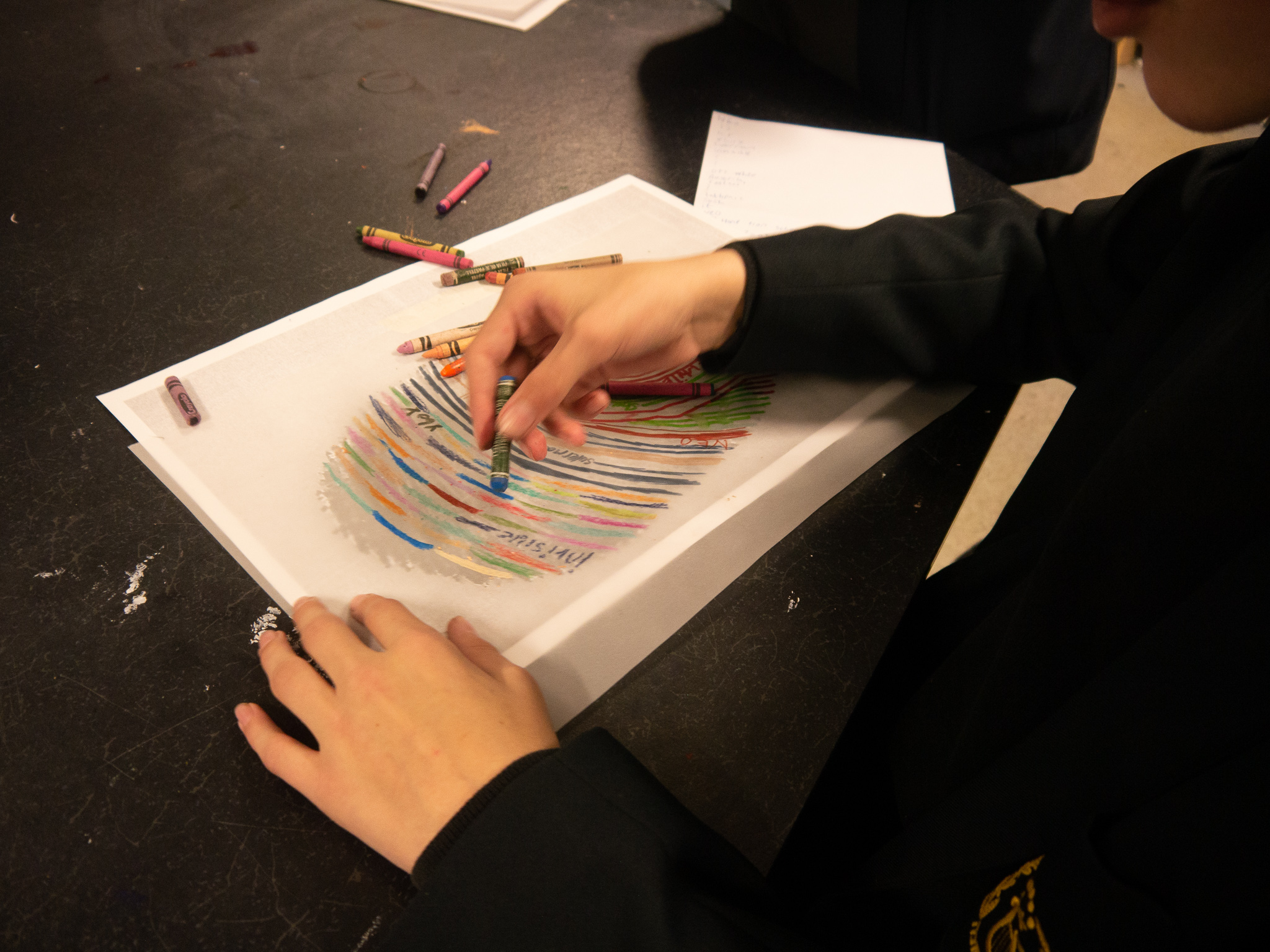
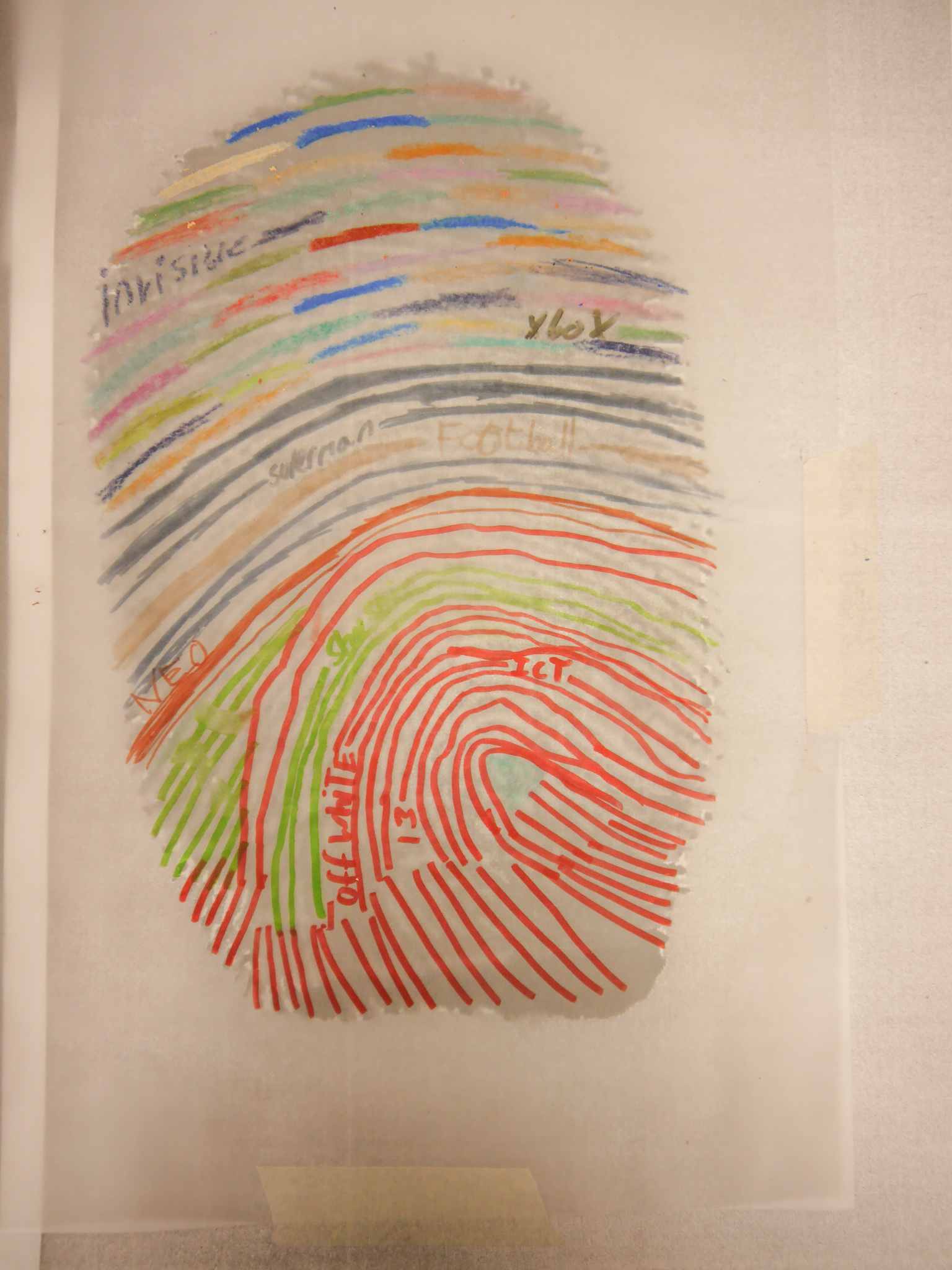
Once all the fingerprints had been copied and enlarged, the students placed tracing paper over the top and started to decorate their fingerprints using their chosen colours and writing their answers along the lines of the fingerprints.

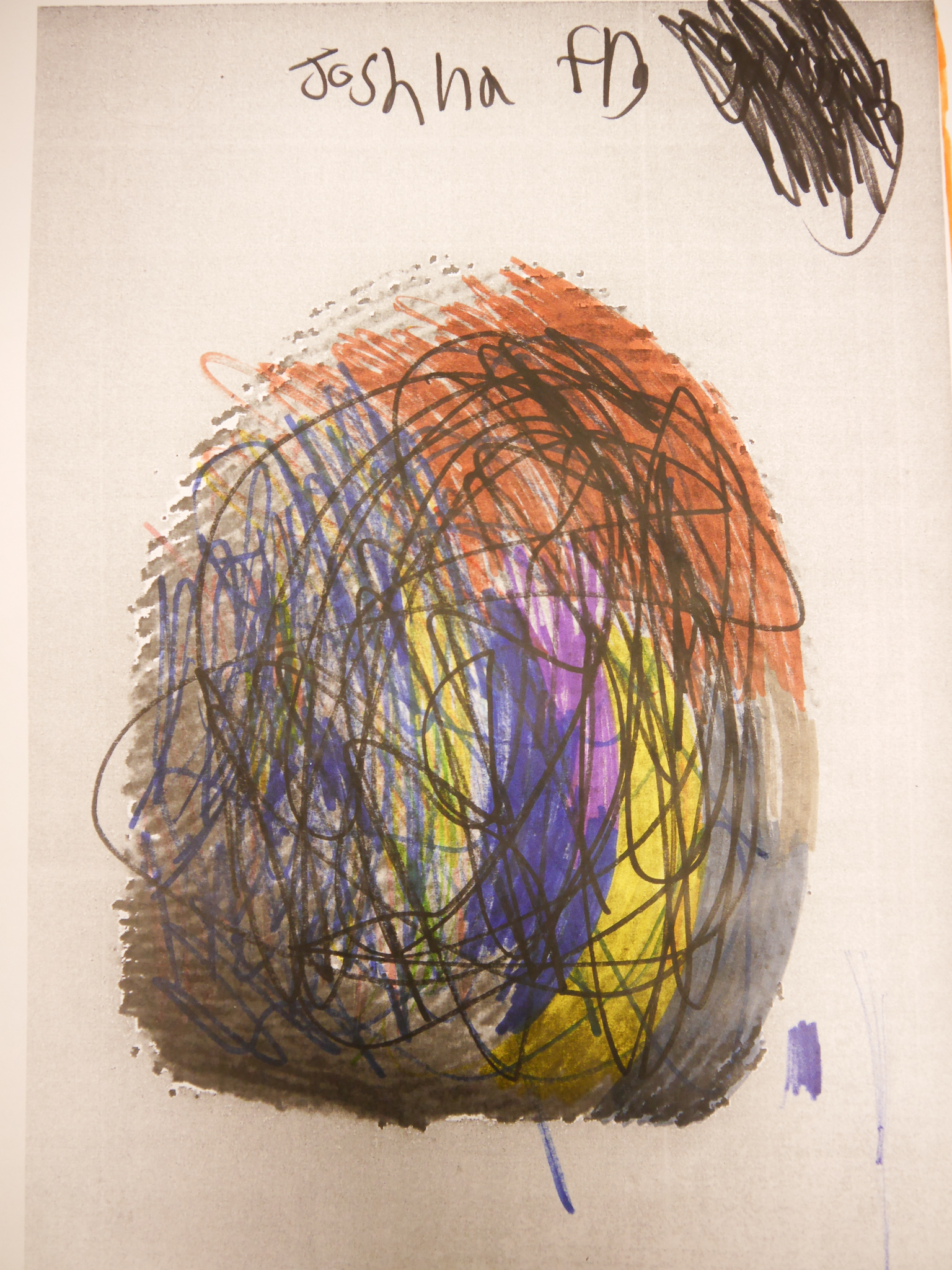
Some of the pupils found it challenging so these students worked directly onto their fingerprint – without the tracing paper.

Feedback session

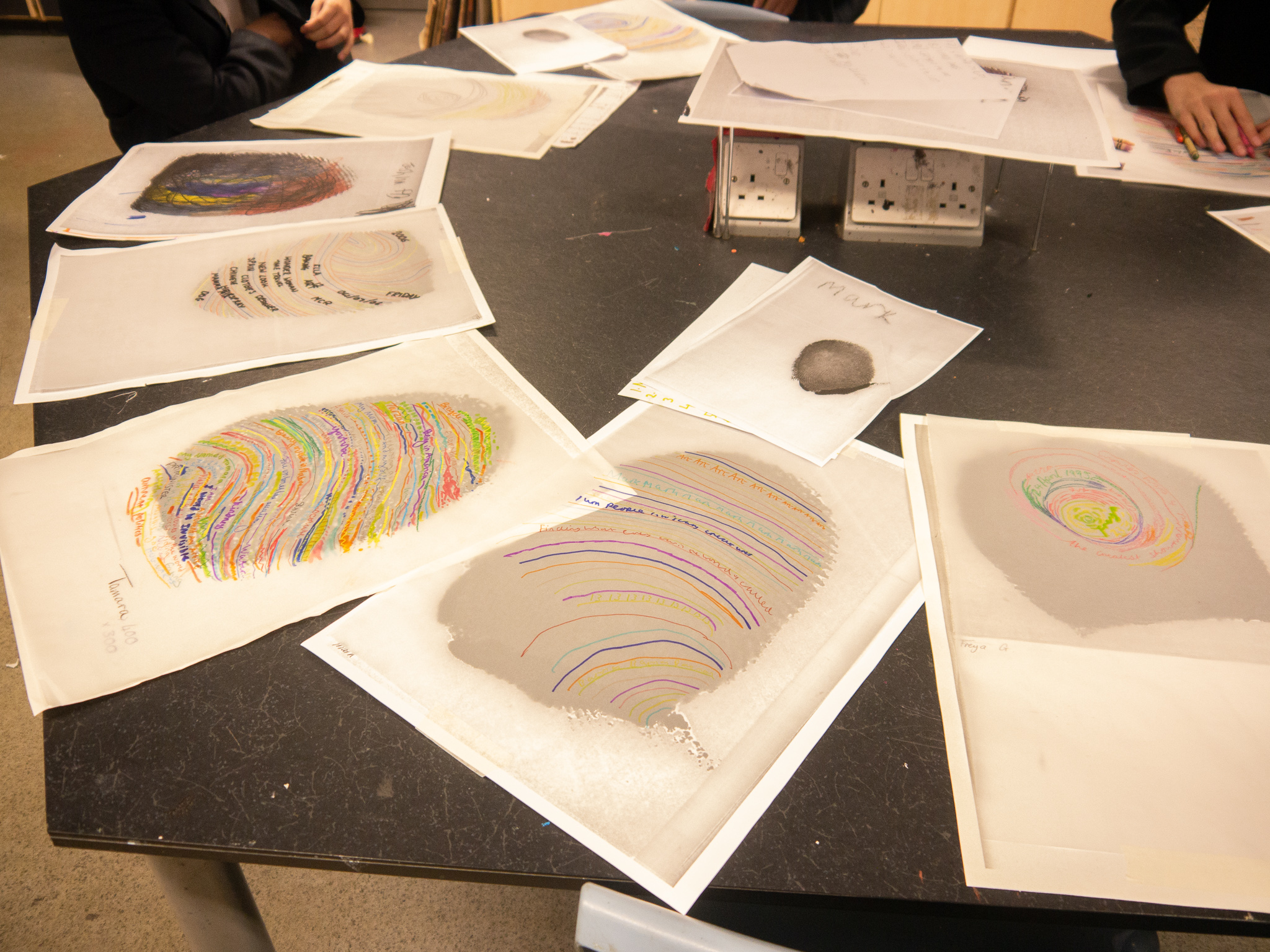
At the end of the lesson each student placed their work on one table so everyone could view each others work. We then had a group crit. and discussed the different work.

I highlighted how each finger print is unique, each other come is different and unique – just like each individual.

Outcomes

Overall, this was a really nice activity well suited for this specific group of young people. The lesson had to be engaging and simple, and the students enjoyed working on their own individual fingerprints which is something that is quite exciting and personal.

What did I learn? How can this be developed?

This lesson was challenging as some of the pupils were a little silly with their answers. I think it would be a good workshop to develop over a couple of weeks and possibly go into more depth on writing about yourself.
I also think that the students who worked directly on top of their fingerprint had a better and interesting outcome – so it would be important to work out fingerprints and scanning them so they don’t come out too dark. – with more time this could be edited and printed out ready, instead of just enlarging them on the photocopy.


What makes you feel…

I designed this workshop as in the practice I was looking at slow stitch, and making connections through thread.
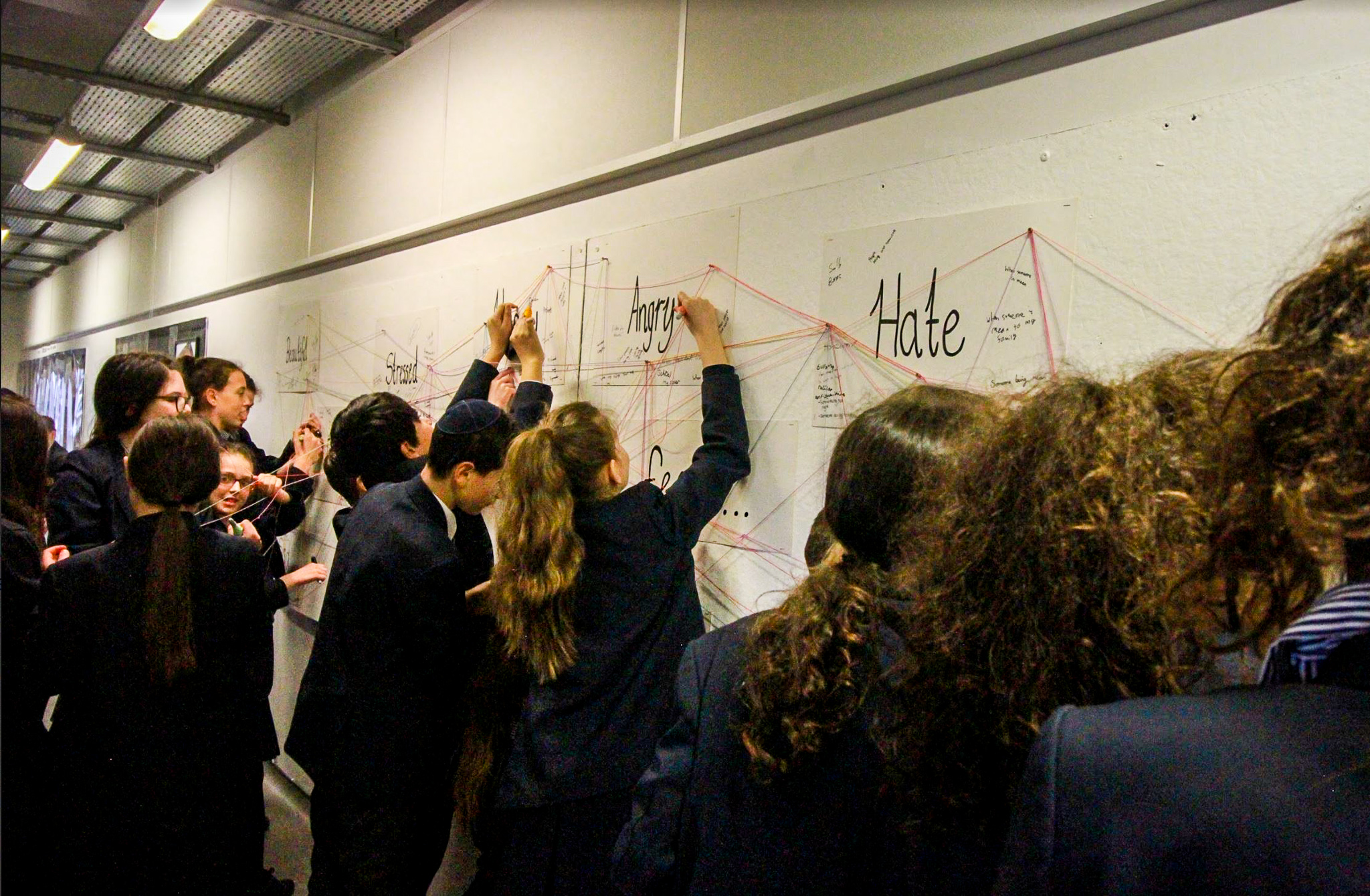
I wanted to make a interactive and engaging workshops that would have a group final outcome that could be visually displayed within the school for the students to enjoy.

AIMS & OBJECTIVES

Aims: To deliver a interactive and engaging activity based on young peoples mental health. The activity should initiate conversations on arts for health, and create a striking final outcome to display afterwards in the school. The overall aim is for the students to become familiar with the term ‘arts for health’ and the way that this could apply to them- e.g.with creative activities based on mental health.
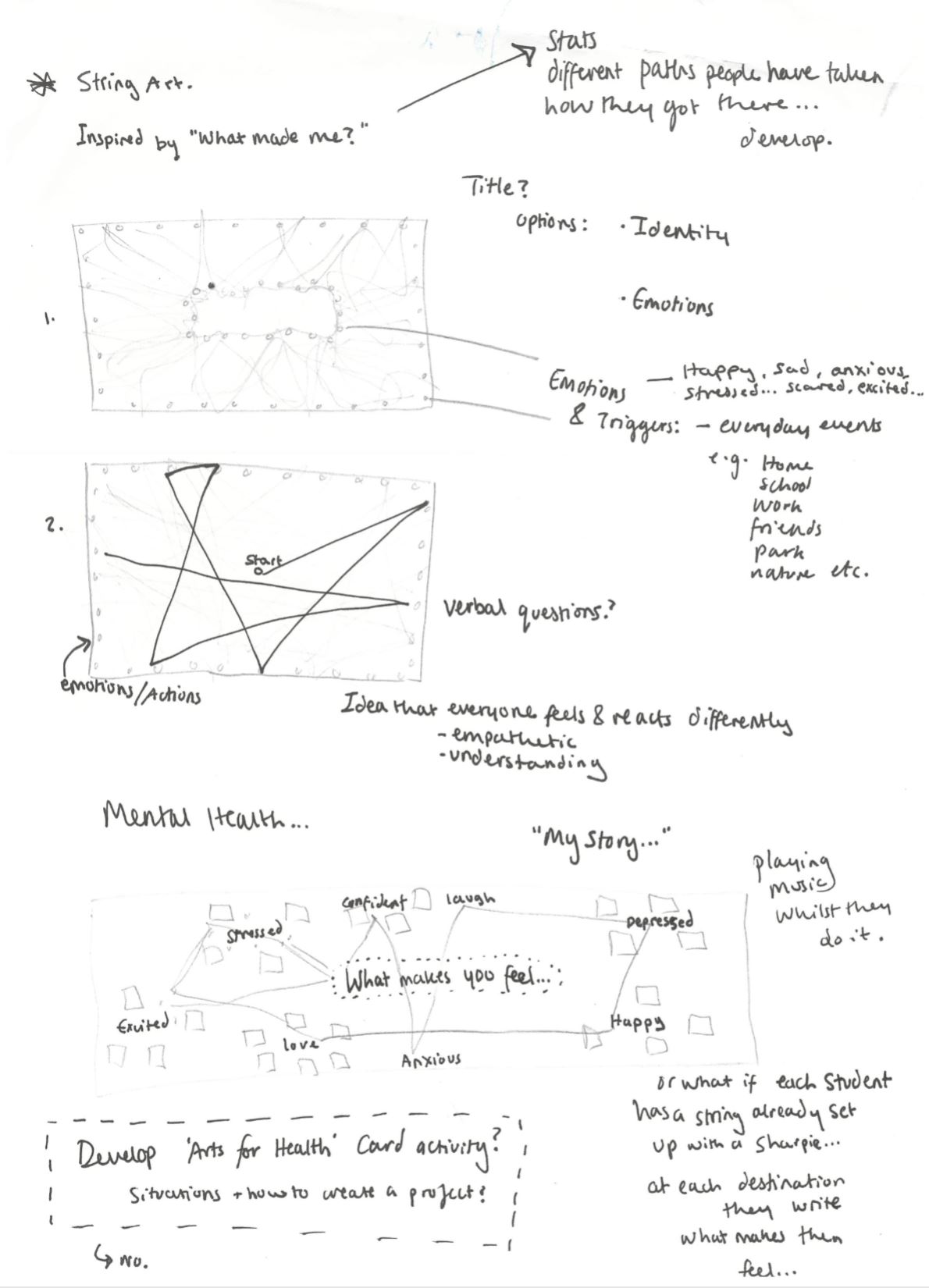
Delivering an Interactive and creative way for the students to answer questions about their emotions, building a complex web, visually making connections between themselves, scenarios and other peoples answers. This can create an exchange of answers and allow peers to give each other advice and support based on different emotions. Building a bridge of commonalities and helping peers to relate to one another.

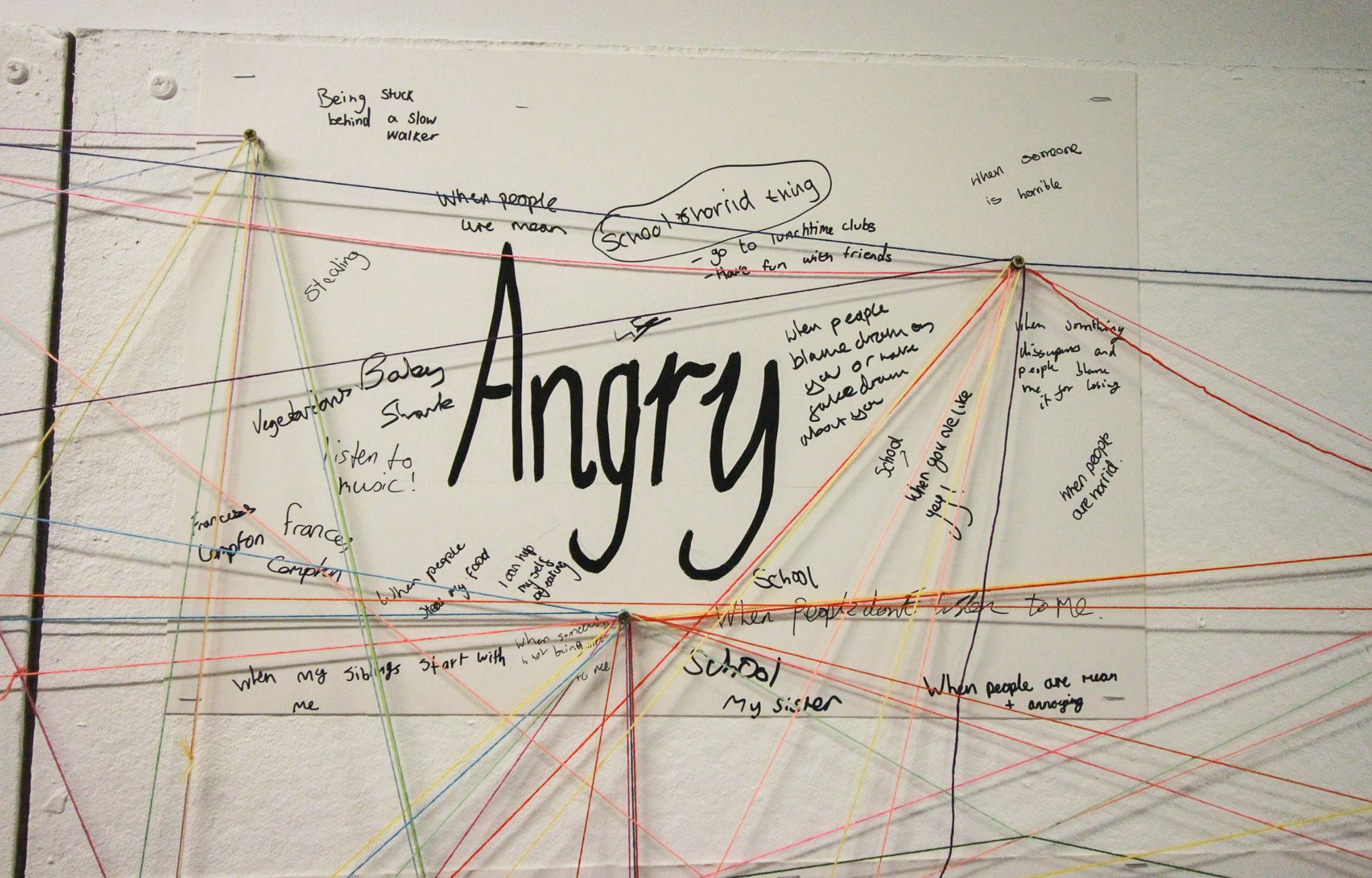
Objectives: A central focused question ‘what makes you feel?’. Connecting the thread to each emotion and writing beside each one an answer or advice for someone else based on the emotion e.g. What makes them sad? This will visually build a web of thread/ web of emotions.

I went in the day before on Sunday 14th, to paint the display boards white within the hall way that the head of art department at King David High school assigned for the display. I made sure I had adaptable lesson plans as each outcome would depend on: what space was assigned, what materials were available, the age group and number or participants taking part.
The school changed the schedule a few times, e.g. which year group was for which workshop and how that worked with the schedule- It was important to keep the plans flexible and adaptable to accommodate these changes.


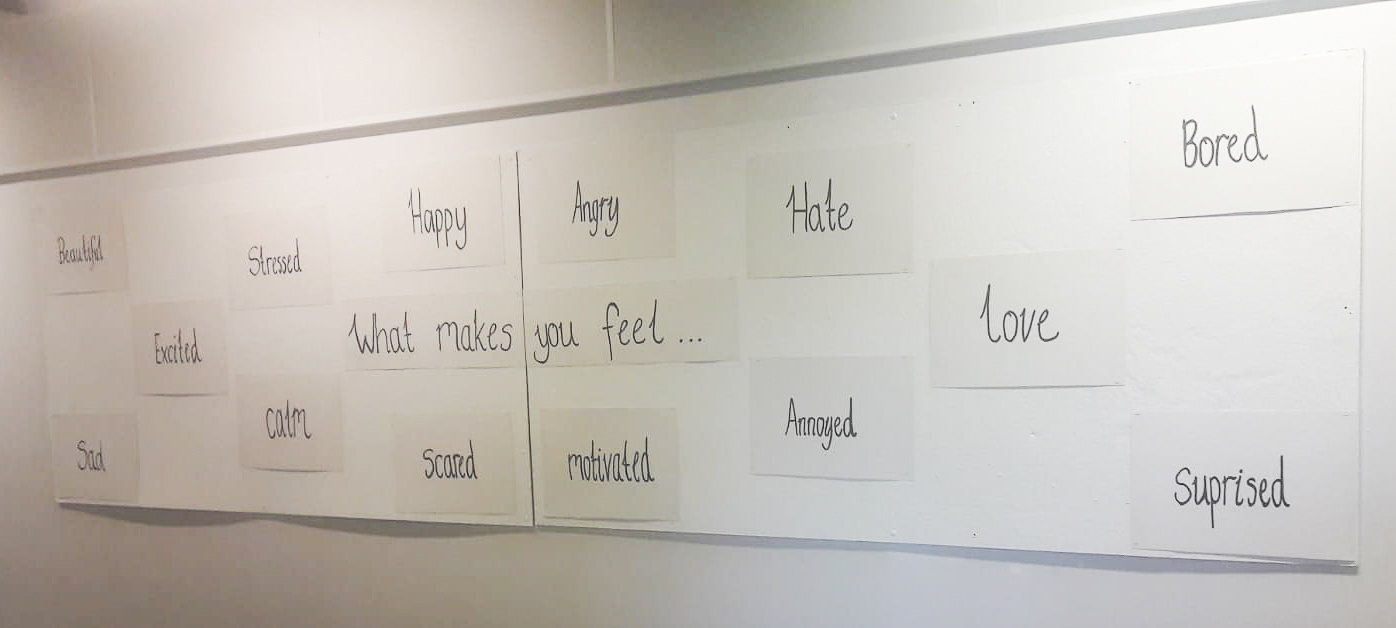
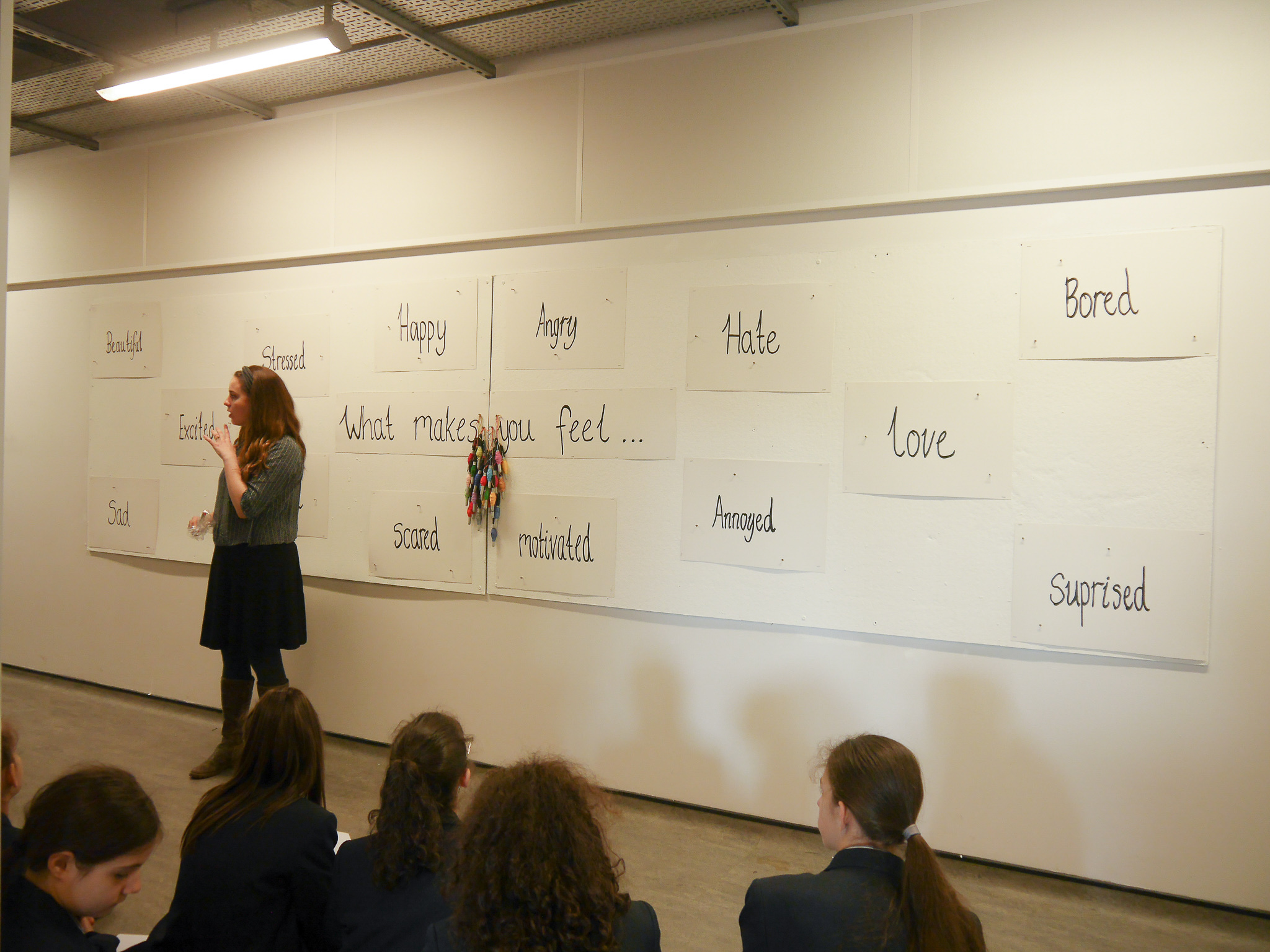
I wrote in the middle of the board:

What makes you feel…

This was to create a central focus for the students to begin the activity, as well as a question to answer, and for other people who view the display to follow what the display is based around.

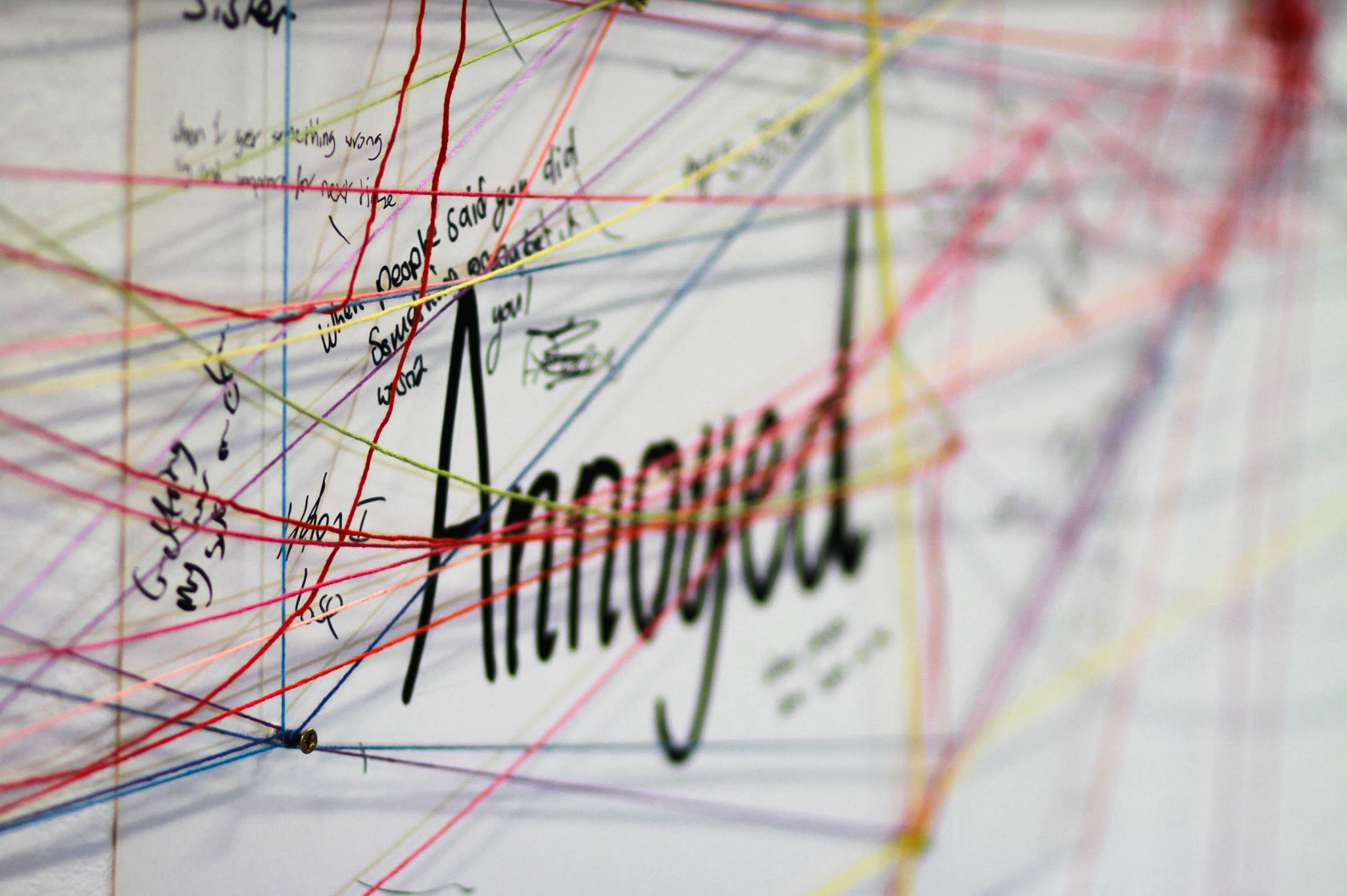
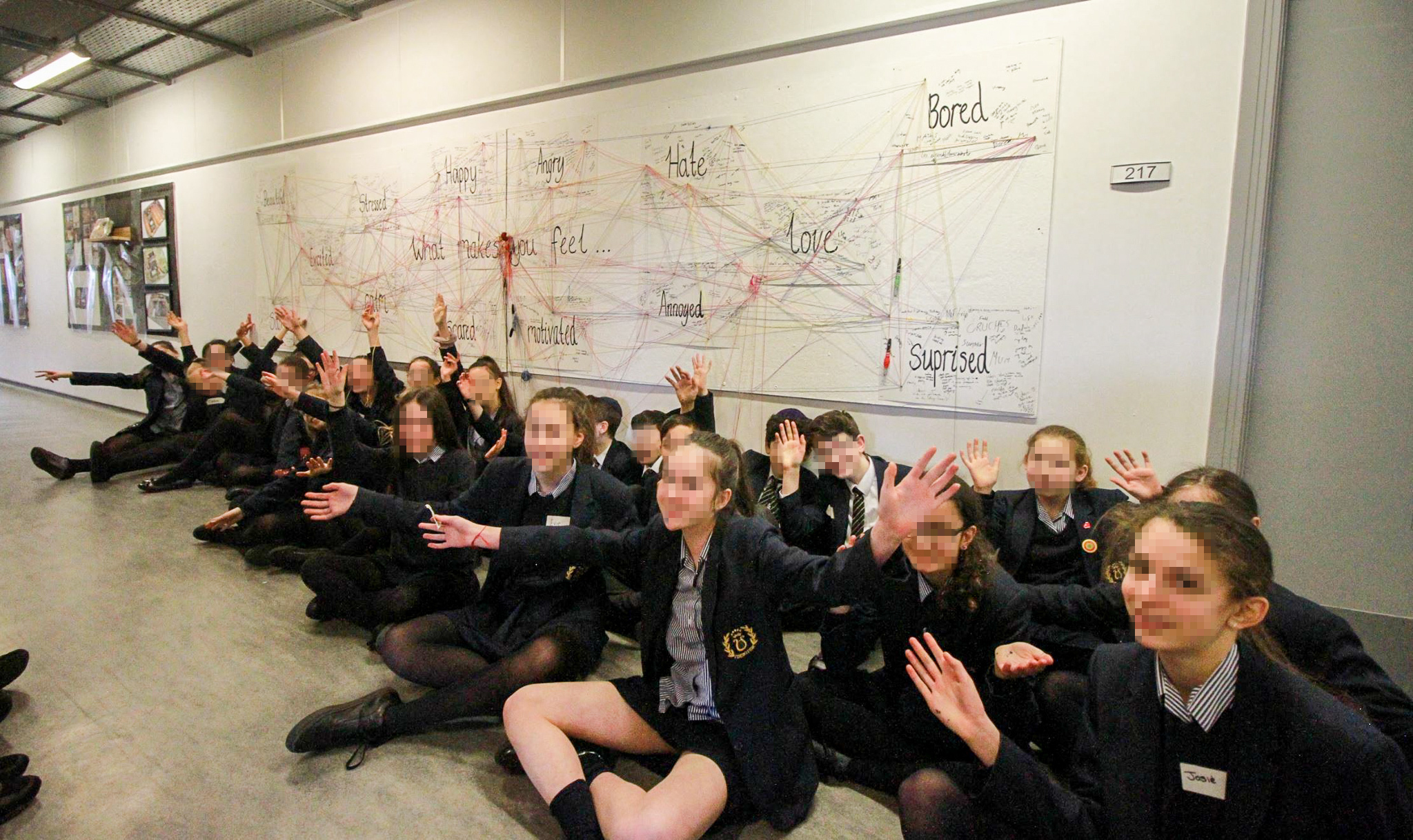
I wrote different emotions down on large pieces of card to spread out around the display.

beautiful
sad
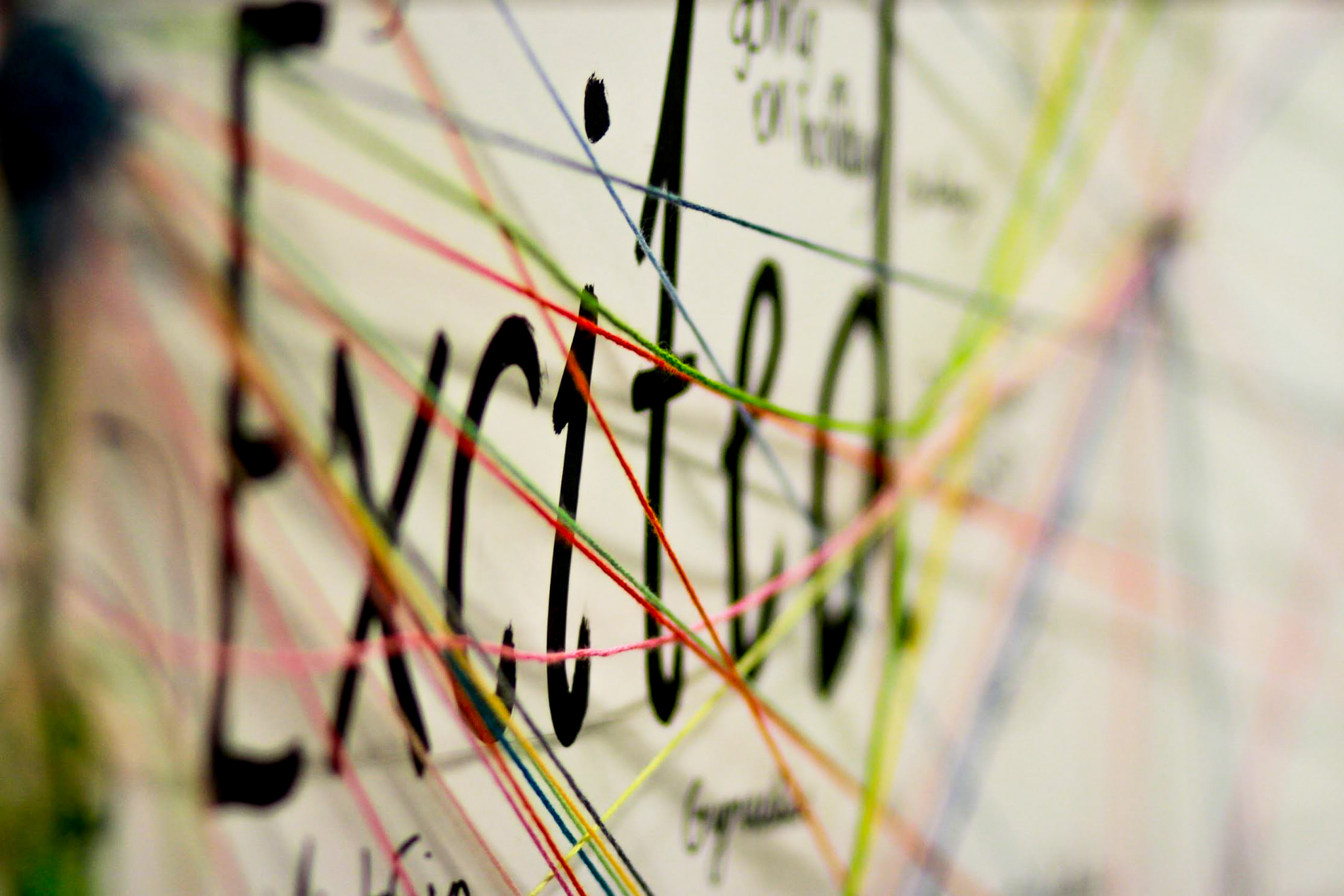
excited
Stressed
Calm
happy
scared
angry
motivated
hate
annoyed
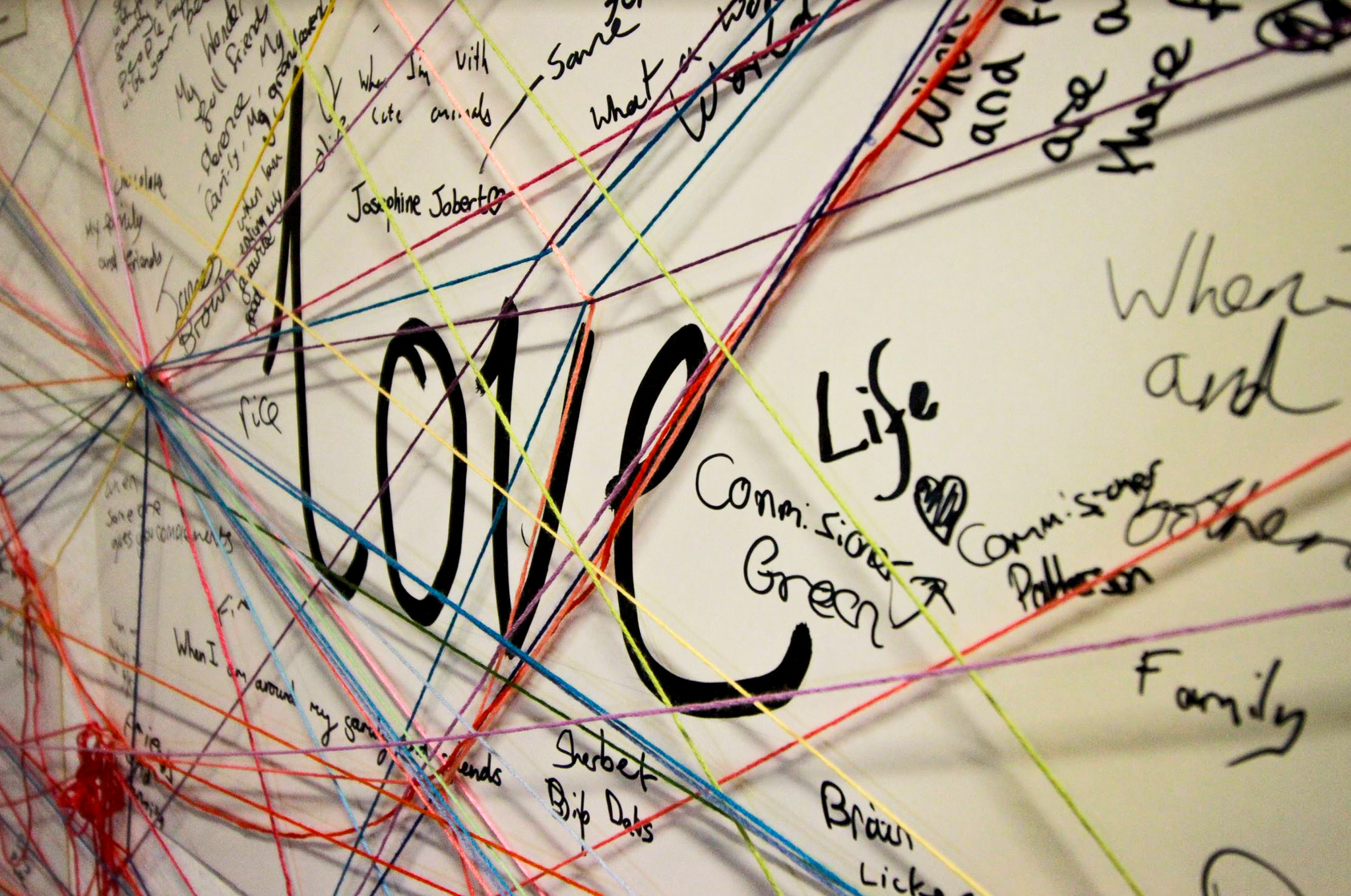
love
bored
surprised

I made sure to have a balance of negative and positive emotions for the young people to work with.

Mental health involves all aspects of life, highs and lows, and I wan’t to make sure this workshop came across with a balance.

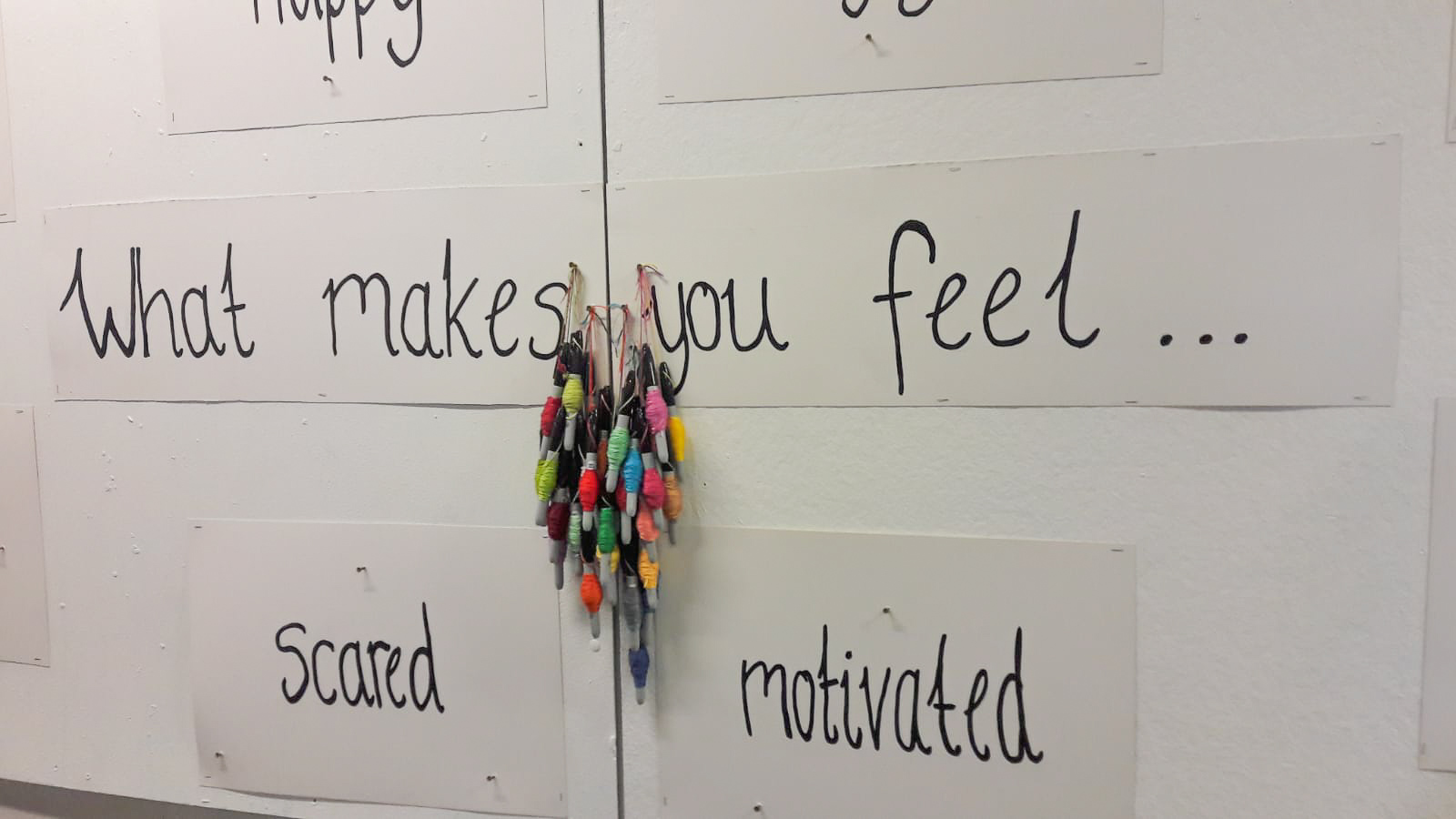
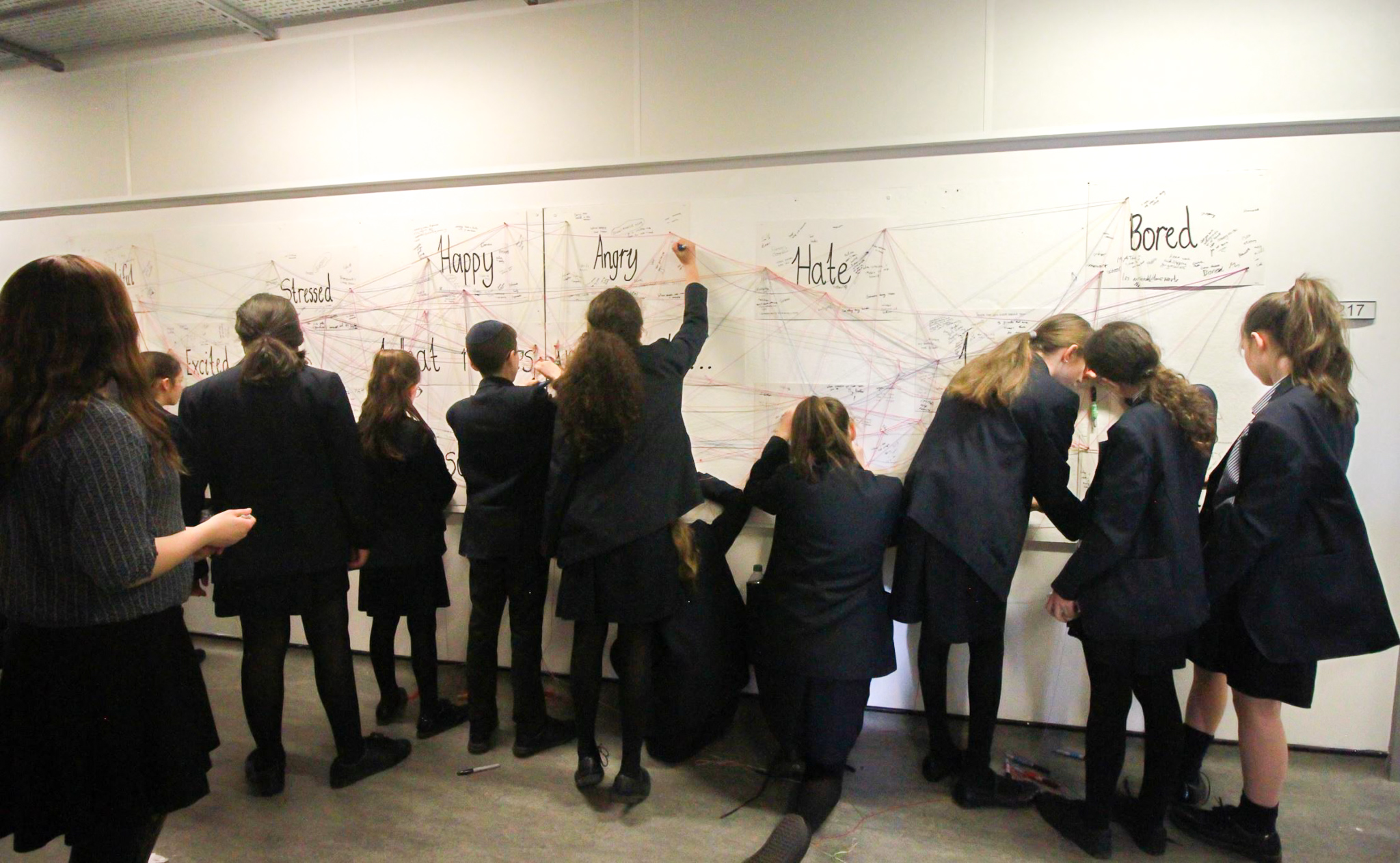
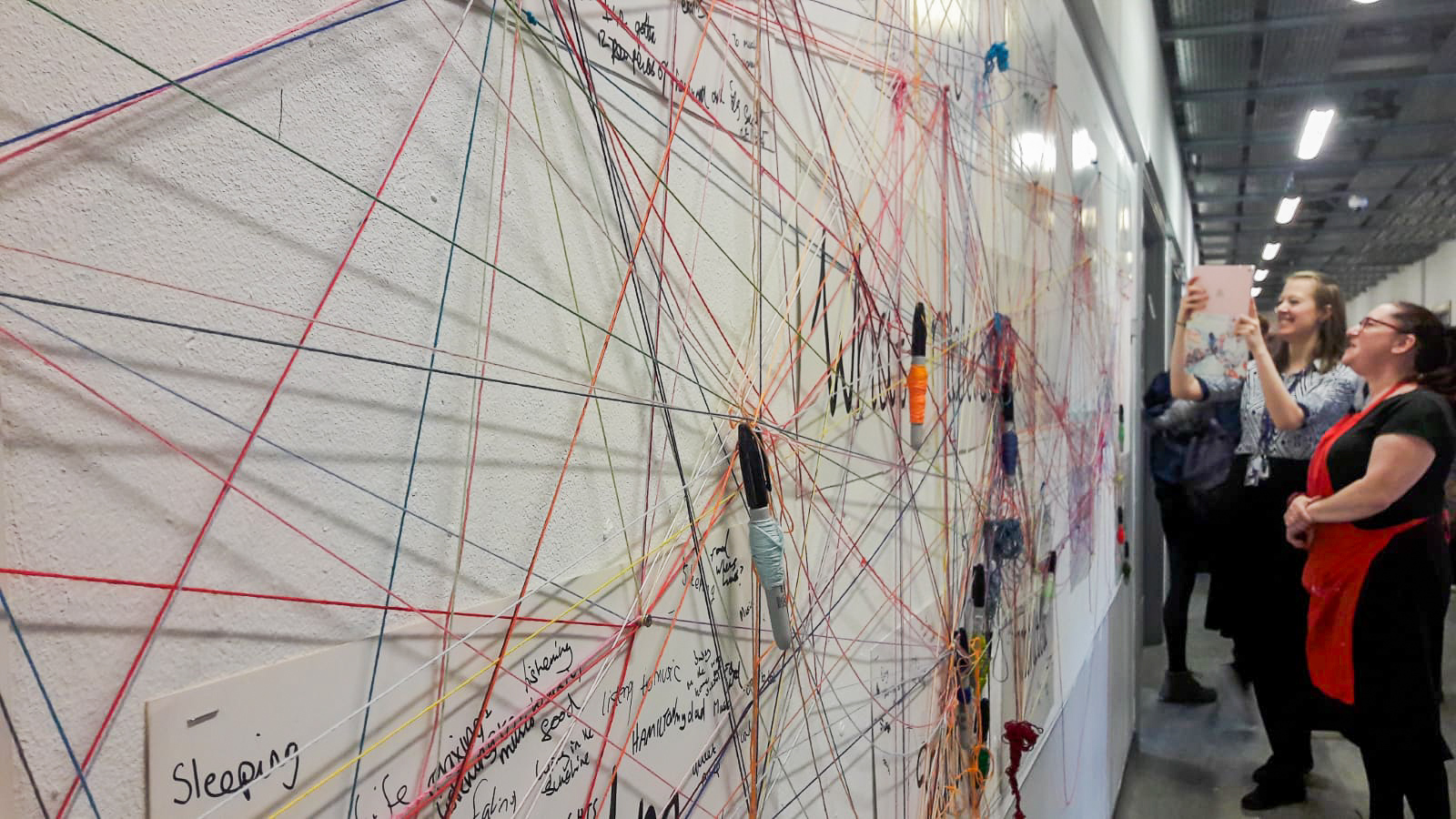
I drilled screws into different areas across the display board so the student would wrap the threads around each point, making connections and their own path, mapping out their journey through the activity.

I wrapped sharpies with different coloured threads, and attacked them all hanging from a the centre of the display boards. These were attached at the question ‘What makes you feel…’ to help the workshop flow. The question is ‘what makes you feel…’ and when you get to each emotion on the board you answer the question by writing it down.

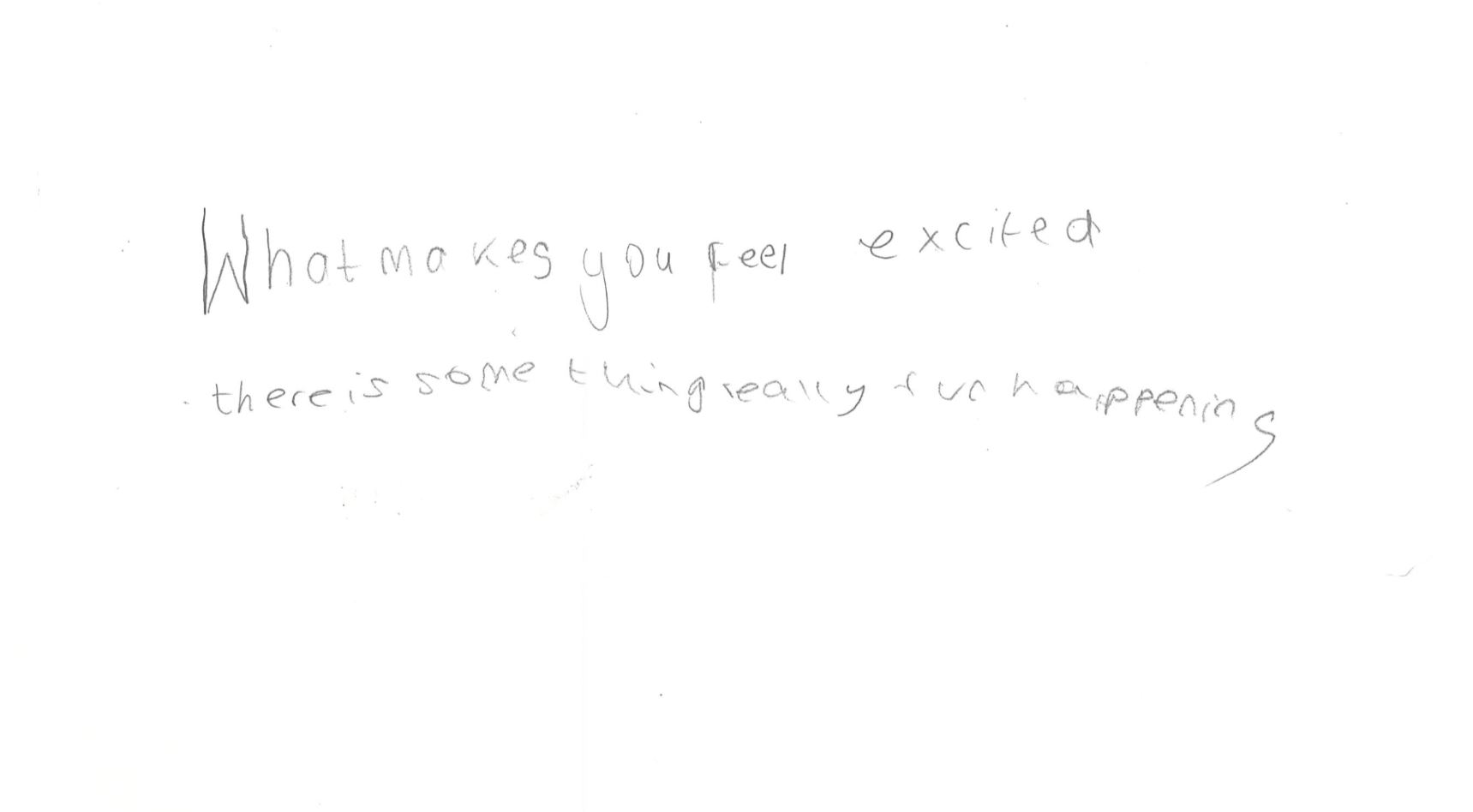
What makes you feel excited?
What makes you feel love?
What makes you feel calm?
What makes you feel stressed?
What makes you feel sad?

etc.

The class was a group of 35 year 7’s.

Workshop

Introduction

What is arts for health? has anyone heard of arts for health? any ideas of what it is?
Thinking of different challenges young people face regarding their mental health. e.g. bullying, social media, body image etc.

I then brought everyone out into the hall way to sit on the floor in front of the workshop activity – this would help them understand and visualise the activity as I demonstrated what to do.

Warm up

Each student started off with a piece of paper where I got them to map out a plan for their path across the different emotions. This was a great thinking exercise to help everyone warm up for the interactive activity.

There was maybe just less then 25 students as it was the last week before the school broke up for half term – so some students were absent.
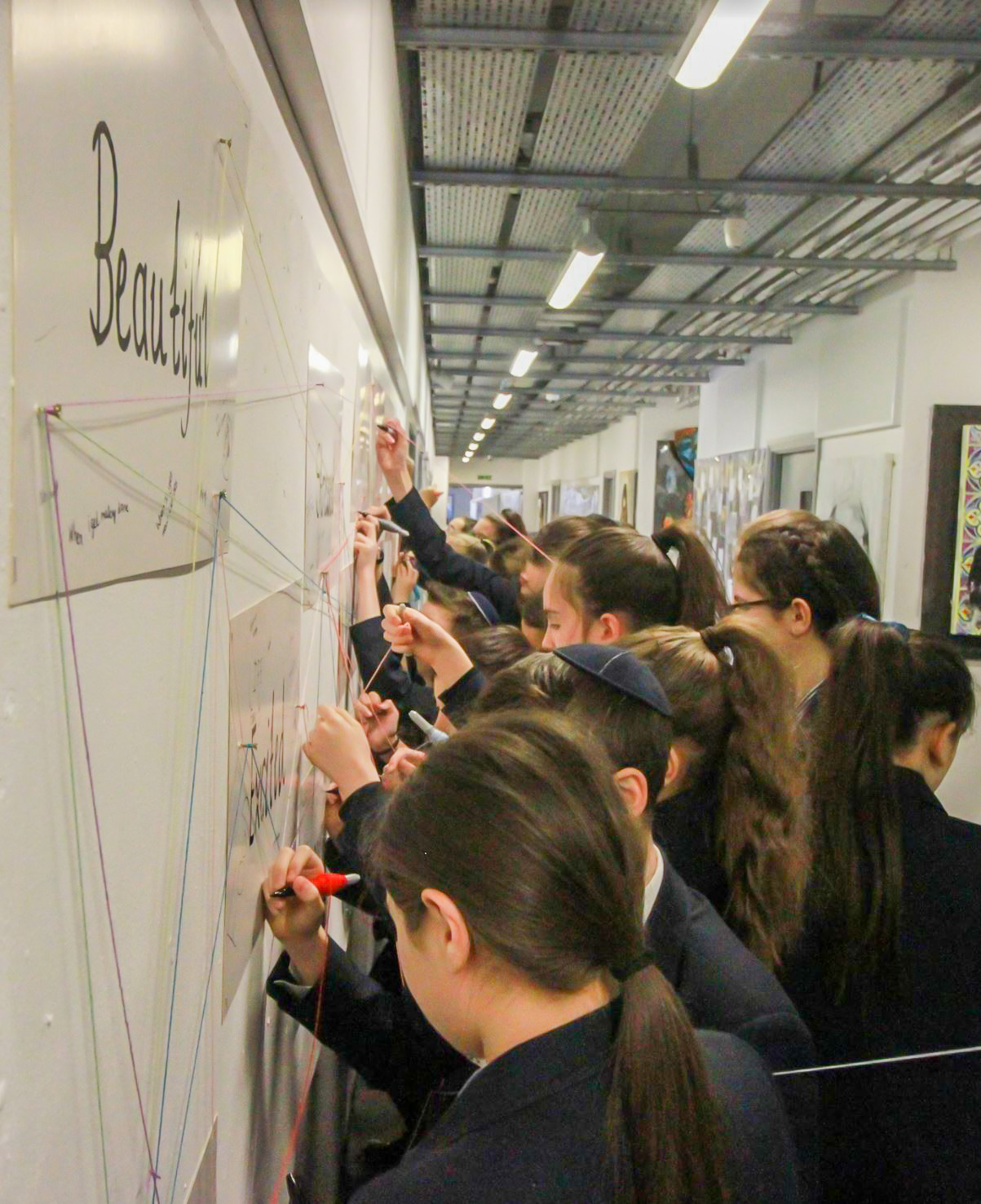
This was still a lot of students for the space that we had available, so this exercise helped me to encourage the students to map out a plan as they would have to navigate around the boards whilst working around their peers doing the same thing – so different routes are important to avoid traffic build up!

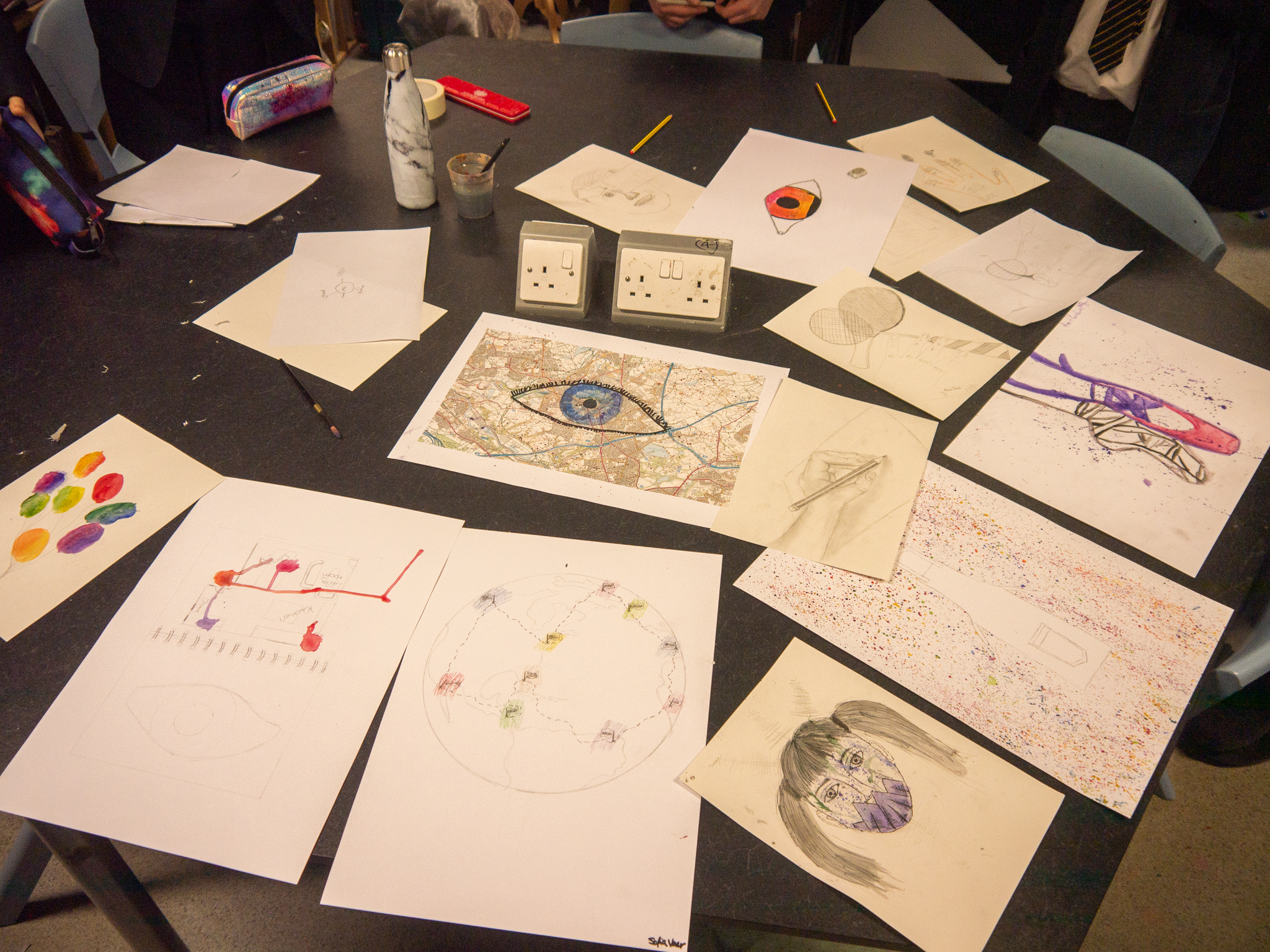
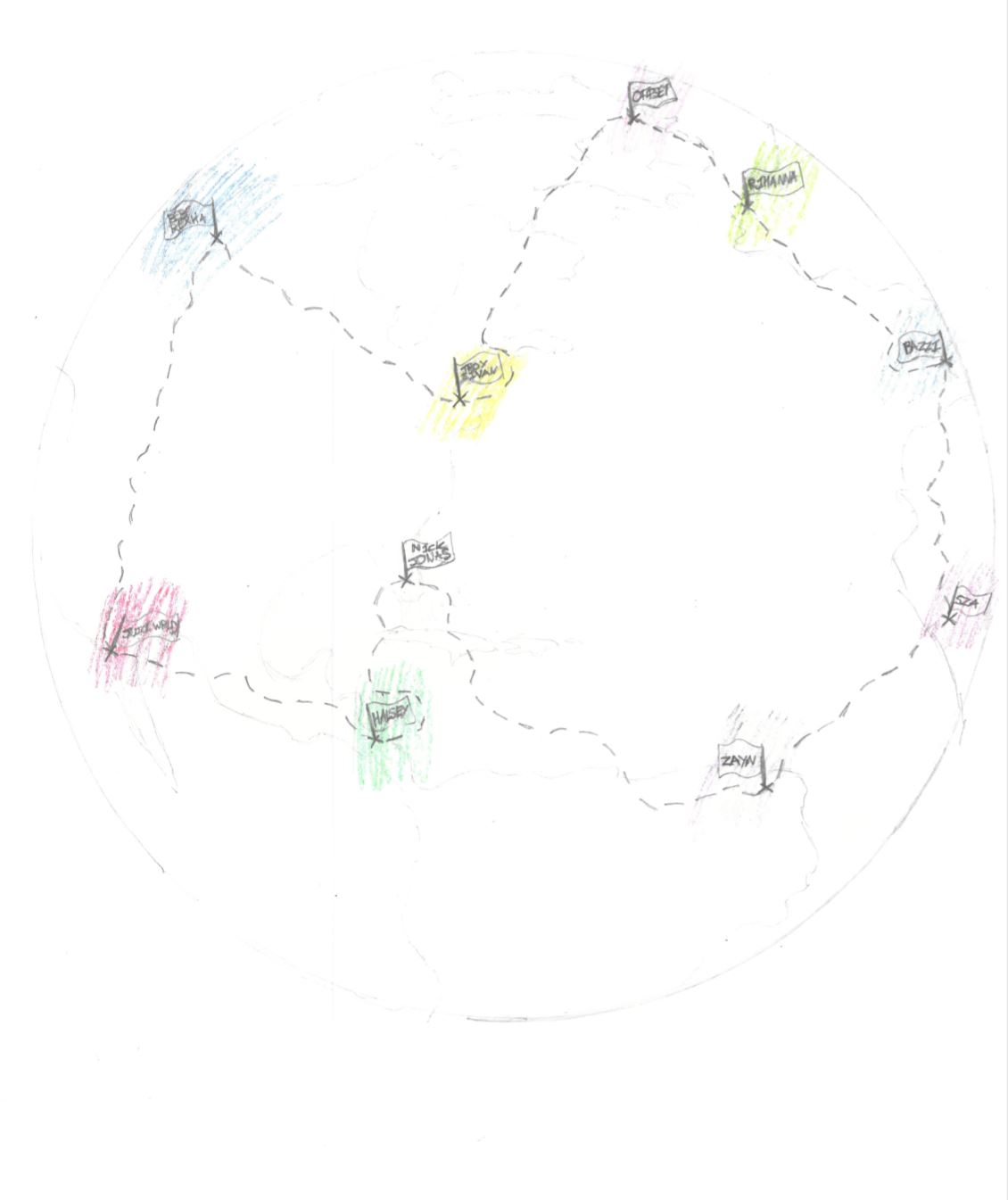
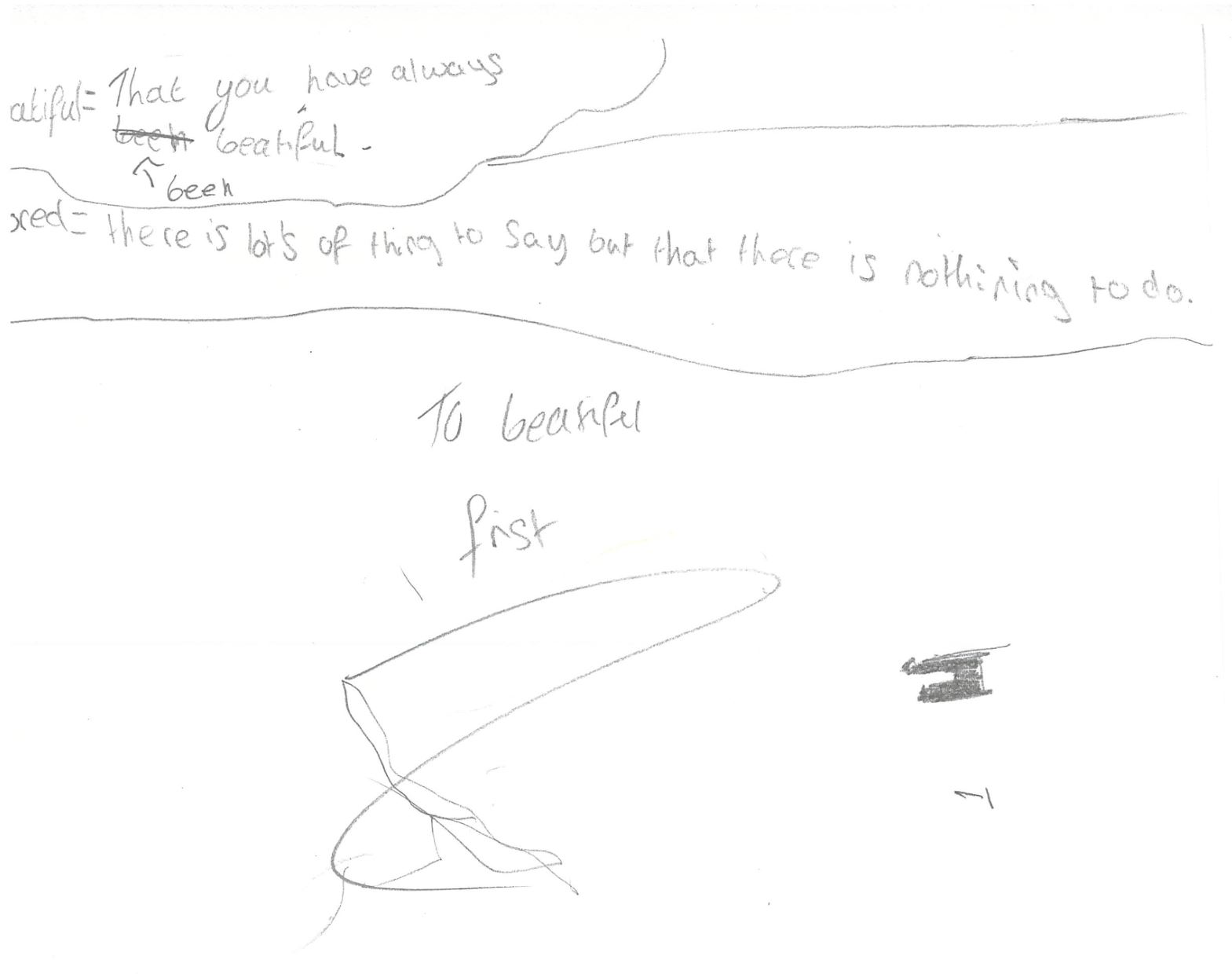
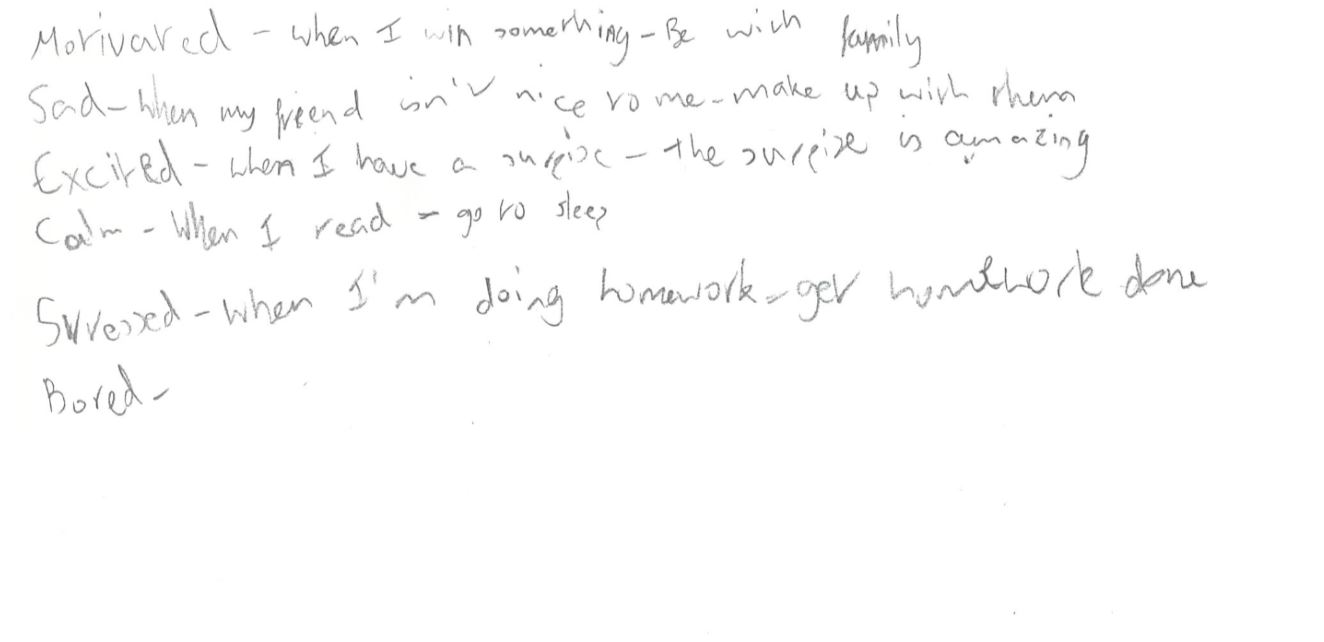
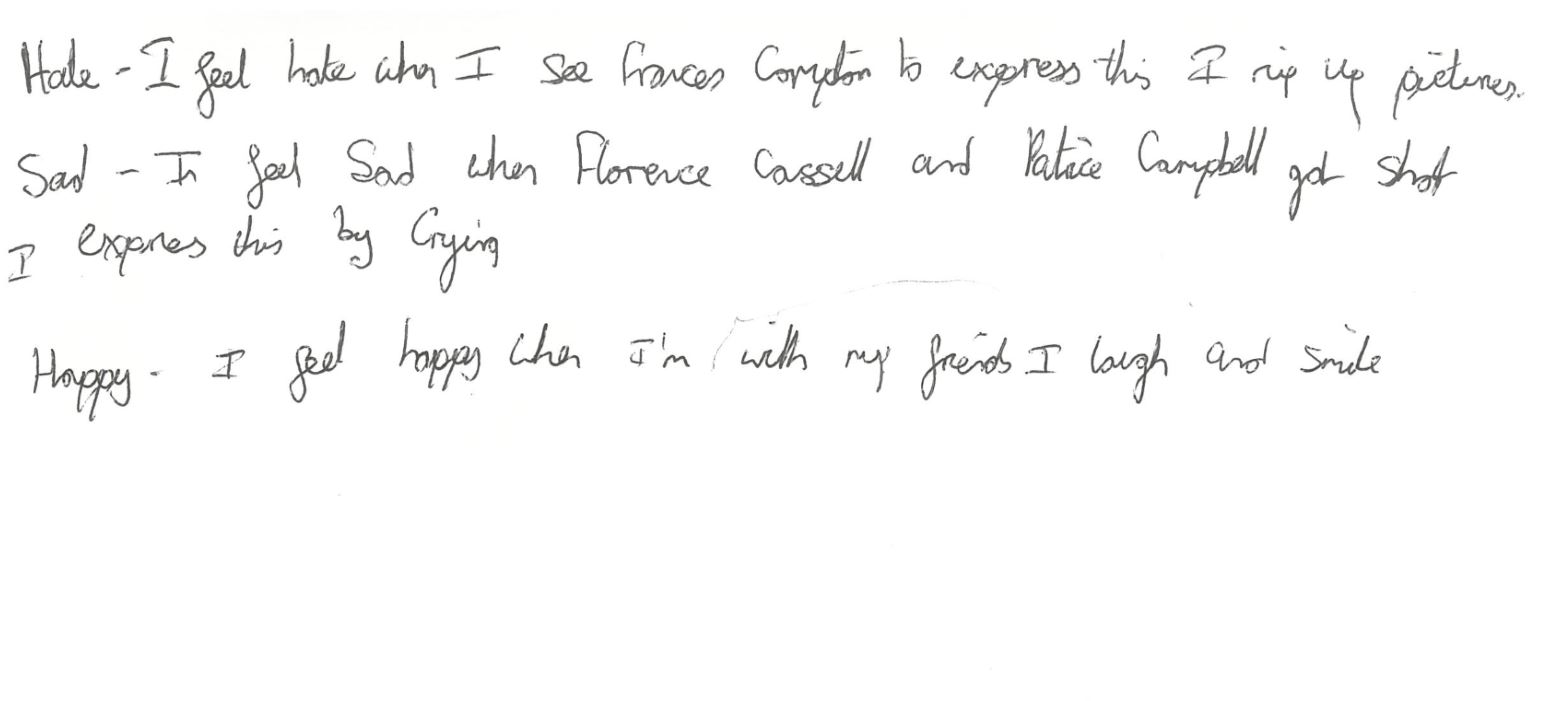
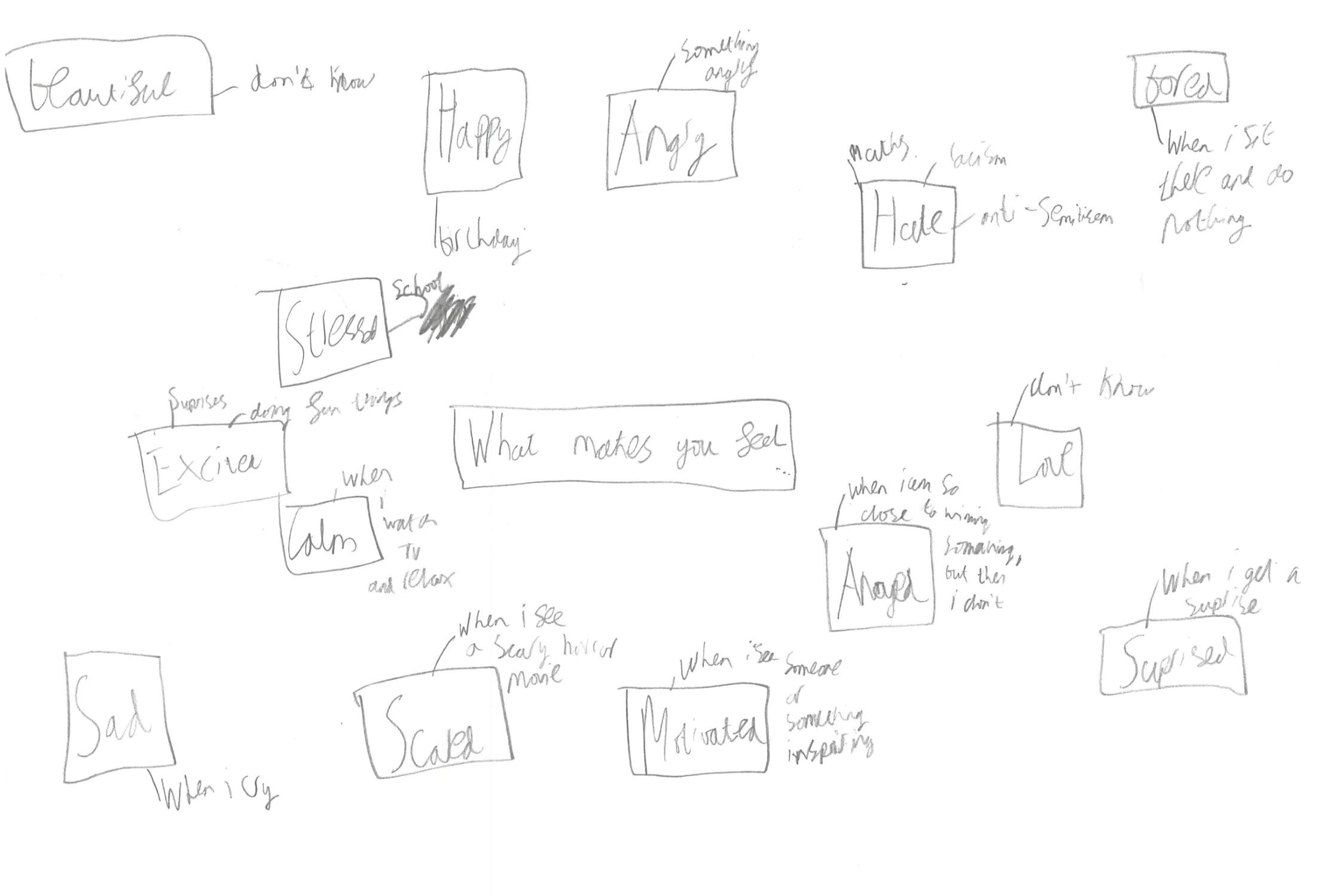
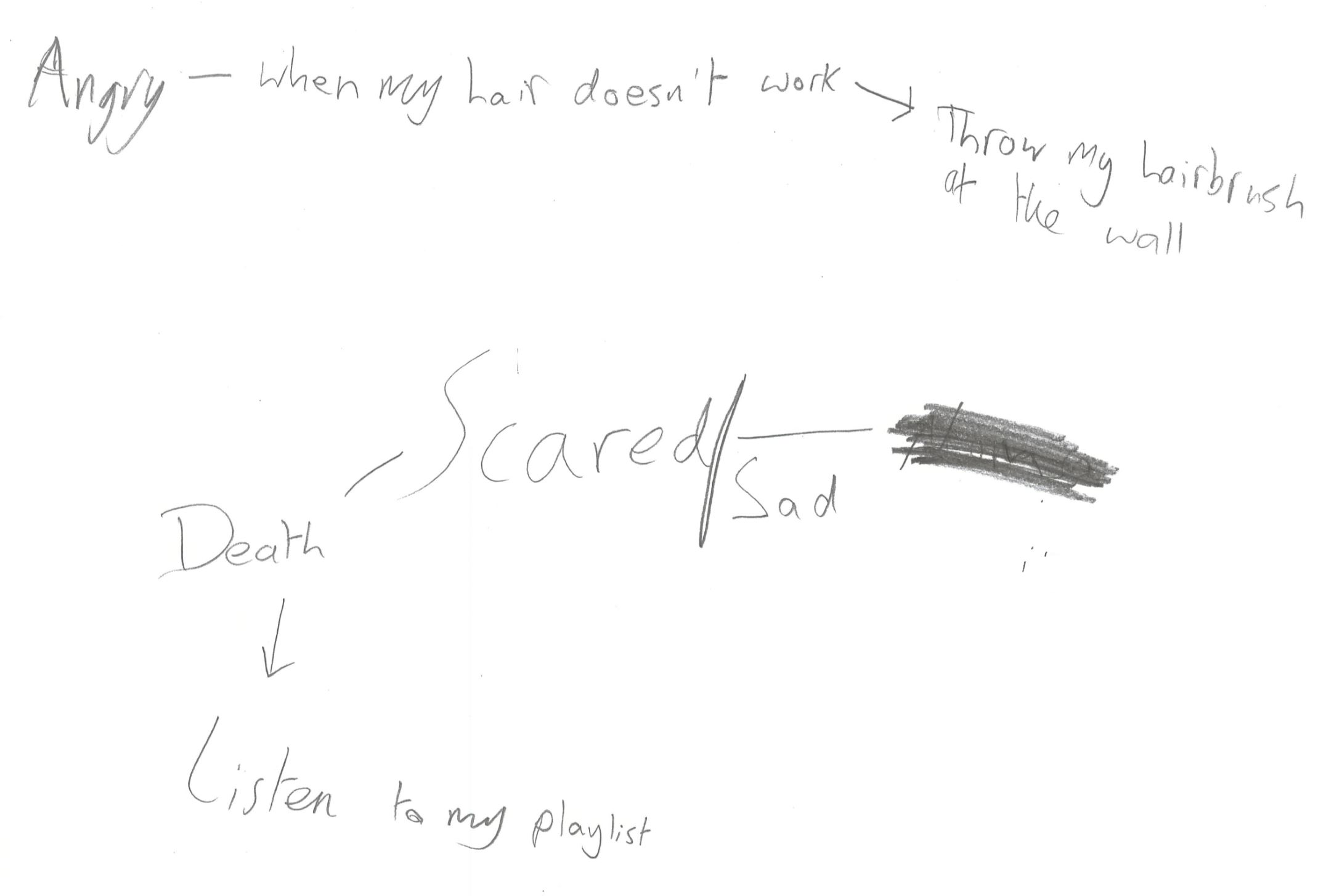
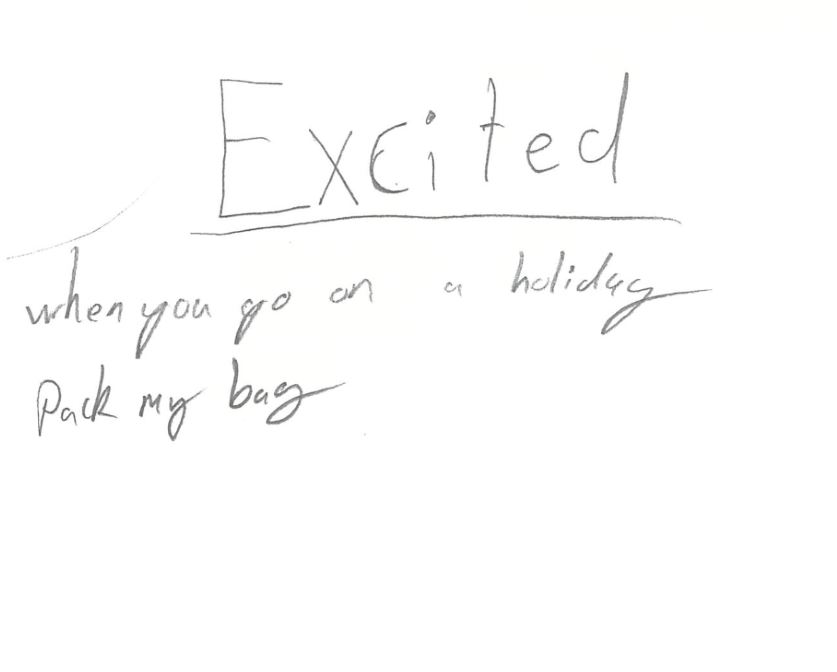
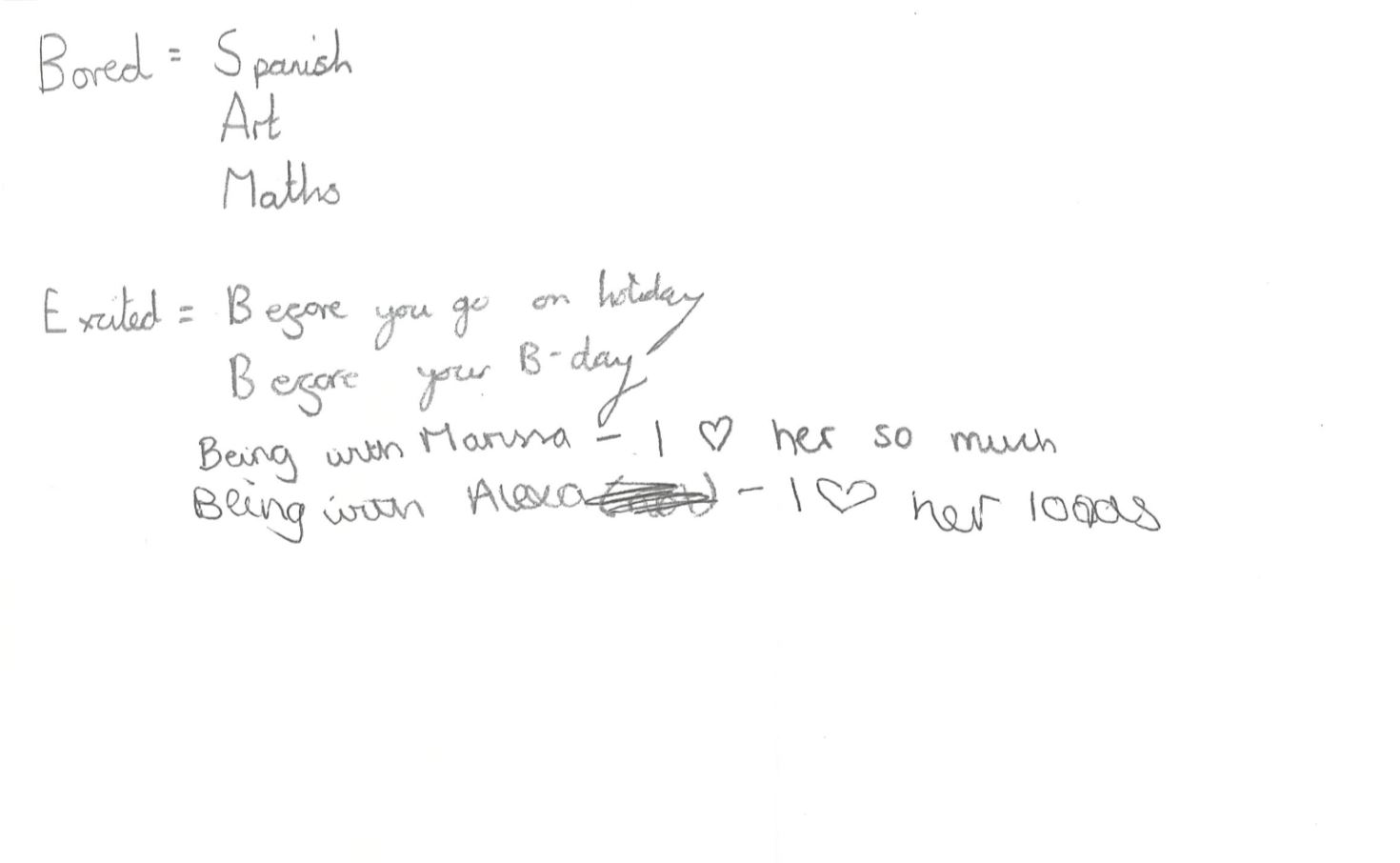
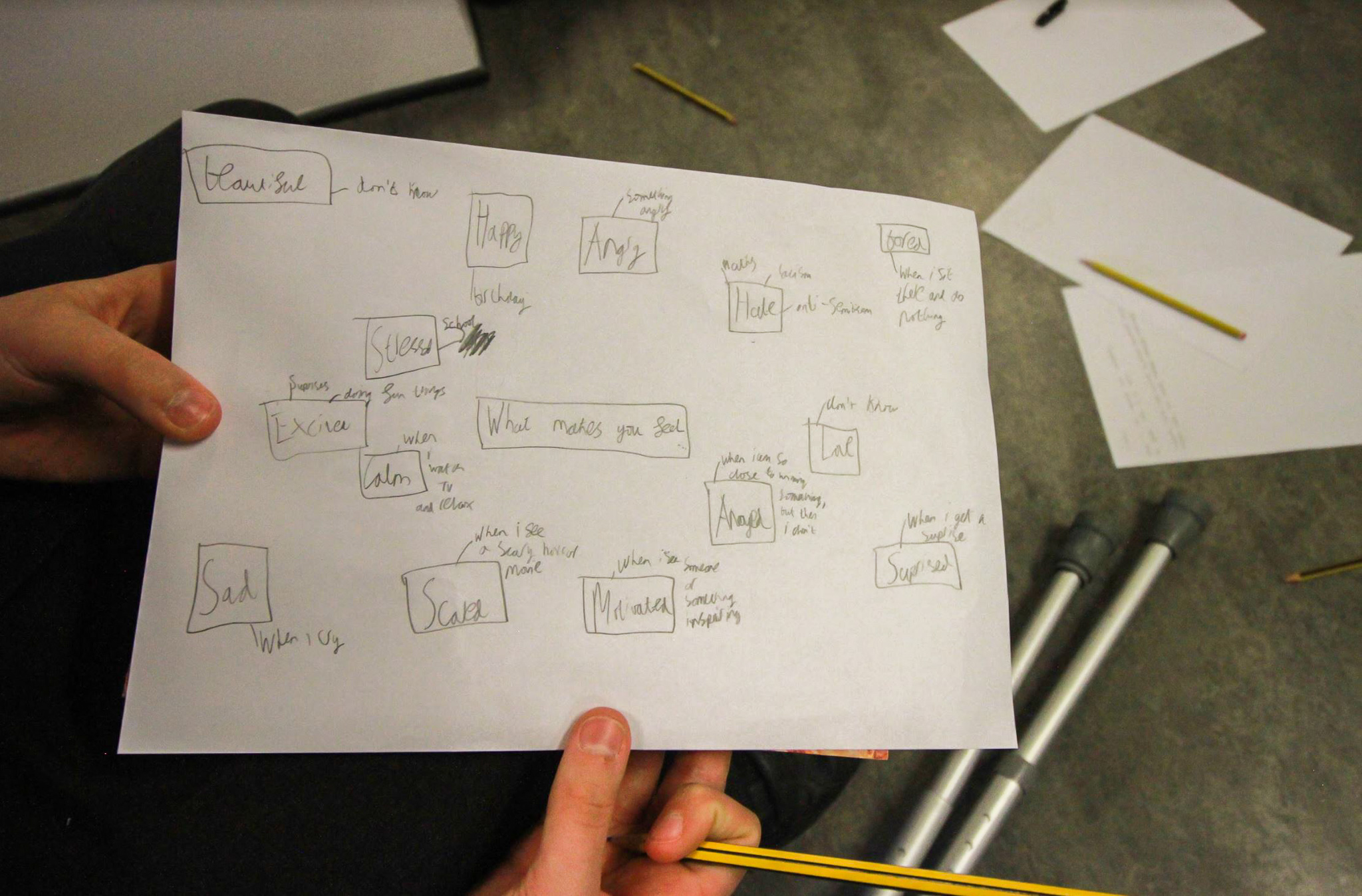
Here are some of the notes that the students wrote down in this warm up exercise thinking about the activity and the route they are going to take:

There was a student who was on crutches so he unfortunately could not take part in the activity as every was taking up the space.

This is something that I never considered, and I have learnt from this to make sure I plan alternate ideas, and accommodate for disabilities in future workshops.
So instead, he sat on a chair and watched the activity, whilst drawing his own version on his piece of paper. This allowed him to still engage with the activity and follow along but in a different way.

Here I am explaining the workshop activity to the students, and demonstrating an example for them to get started.

I called up students one at a time to come start the activity – not all at once as this would have caused a chaotic traffic jam!

There were some chaotic moments during the activity where the students got a little carried away and got tangled (or purposefully tangled themselves) up in the web of threads. This was behaviour that I had to manage – for safety reasons, but overall it was nice to see that they were enjoying the activity and really thinking about their answers.

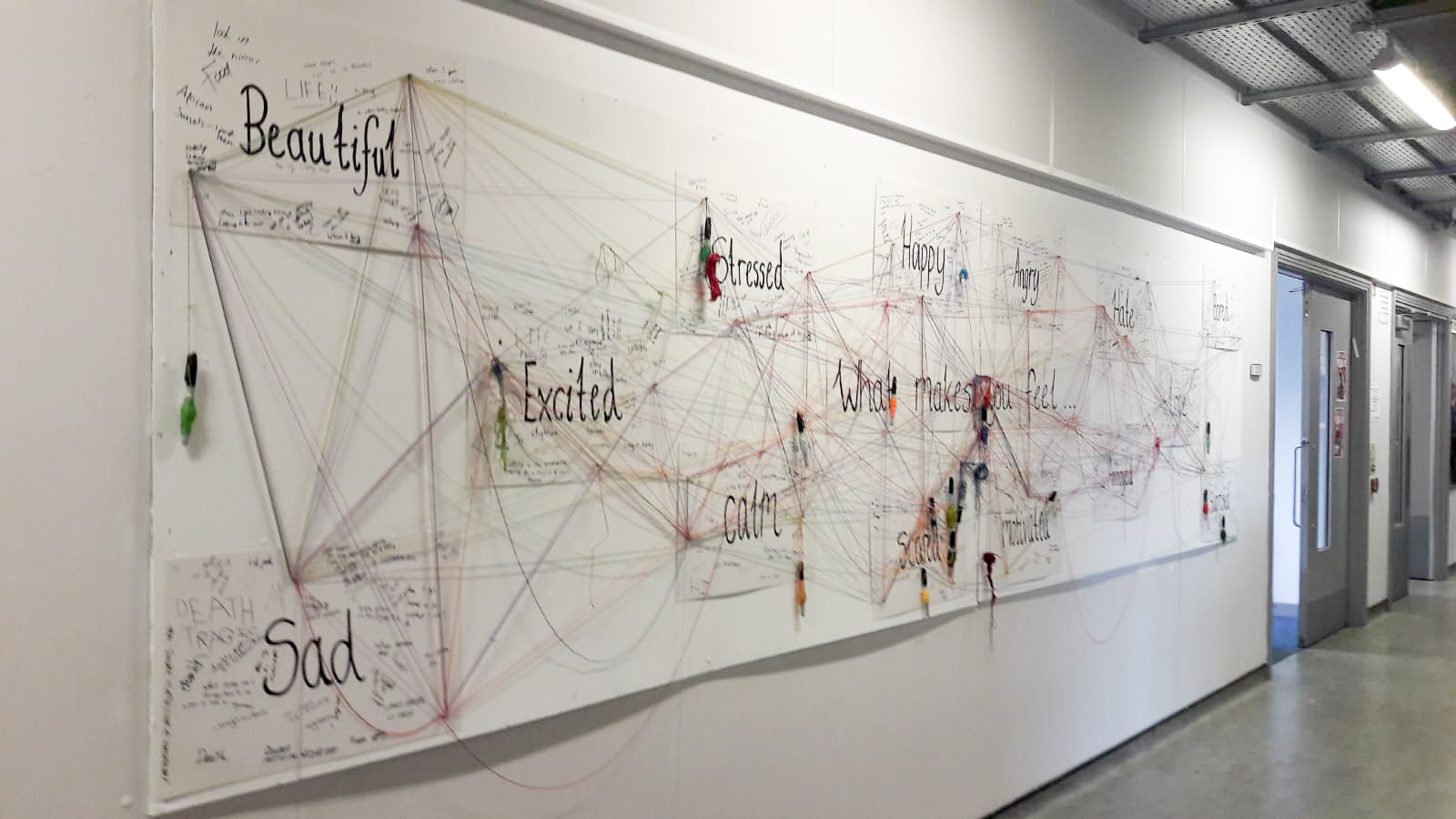
The final display!

The art teachers were delighted with the outcome which they now have displayed in their school corridor outside the art department.

Feedback?

Ways this workshop can be developed and improved? What did I learn?

This workshop was delivered with a large group of year 7’s.
It was a successful outcome – however I feel that this would be a better option for a smaller group of an older age. Why?
Because a smaller group would allow a less chaotic jumbled session, and allow more space to physically do the activity, as well as mental space to think more in depth about the activity. An older age group would be more aware of themselves and their emotions – so this would help having more in depth conversations with the students about what the activity is about- making connections with your mental health and your emotions, what scenarios or events make you feel…. ?

I think this activity would benefit from developing it into a way to exchange advice and ideas for certain scenarios or emotions?
This idea I developed from the Who? What? How? workshop. The point was to think about:
who is involved? – young people.
What? makes them feel….. or what the situation is that makes them feel….? How? the how is what I would like to develop and work on. I wanted to try make a clear exchange of advice and suggestions that young people could give to each other based on their mental health that involve emotions and scenarios. This wasn’t so clear to the year 7 group, and they focused on answering the base questions: What makes them feel (insert emotion) ?
A way I could develop this is:
-Use different coloured pens? people could go to each answer written down and reply in a different colour suggestions that they have?
-In a smaller group with an older age maybe this could be made into a self led discussion based workshop where they create the mind map themselves based on what they want to talk about regarding mental health.
These are all things to think about to help develop this workshop. It definitely was successful for the year 7 group but it has a lot more potential to be pushed further.

42nd street

I took a visit to 42nd street, an organisation working with teenagers to support their mental health.


I met with Rod Kippen who is the the creative producer at 42nd street. Rod briefed me on the projects 42nd street have to offer for young people.


Some questions I asked Rod to answer:

1.       What do arts for health mean to you?

Through running arts for health session that art has many ways in which it can benefit those who take part in it

–          From being a positive space to be with others,  take time out of routine to explore and experiment with arts materials.

–          A place where you can explore/ strengthen/ challenge your inner world and make physical your thoughts, feeling and views and form new relationships with these previously internal dialogues.

–          A place to convey your experiences, give voice for the  benefit of others or to challenge the status quo in order to create  more positive response to your experience.

All these aspects are beneficial to our sense of self and purpose and therefor support our health and wellbeing

2.       How are you involved in the arts for health community?

I have been a freelance arts/ creative session facilitator for the past 6 years, working with various community groups (many having faced some form of trauma previous to our being involved) to explore art, creativity and expression. I have recently moved into the role of creative producer at The Horsfall Gallery. The gallery is part of the 42nd street mental health charity for young people 13-25 and offers various creative sessions and projects young people can get involved in. We offer various opportunities to young people and undertake these in various ways, from one to one arts sessions, drop in creative space,  to group projects often working with professional artists on joint projects.

3.       How do you see the future of arts for health?

I look forward to a recognition on the value of artistic involvement for all people, Including the way that it can benefit health. I think this will support a greater democratisation of the arts,  away from the elite gatekeepers of the commercial art world to a society where more people are able to express themselves in various ways and impact society through their expression. 

My notes about 42nd street:

The service is free,

Young people can self refer, ages 13-25. all referrals have a waiting list.
There is a phone assessment for group work. safeguarding regulations, to ensure the safety for for others in the group, and making sure to secure a good group dynamic.
Some young people in the group may struggle with issues such as anxiety so it is important to be sensitive to this when putting groups together.

Social prescribing

The organisation runs:

-Drop in Thursdays,
creative space for young people to access
-Creative agents group
Mondays 5-6.30
In the gallery space/ creating work , led by an artist.
-Brighter sound 13-18
What is like to be a teenager/ theatre/ youth/ loneliness
working with Manchester craft centre.

13th May
Mental health awareness week is coming up in May, project for creative agents to write on the windows about mental health for the public to view from the street.

The Horsfall gallery, part of 42nd street, is a place for the young people as well as local artists to exhibit their work.

42ndstreet.org.uk

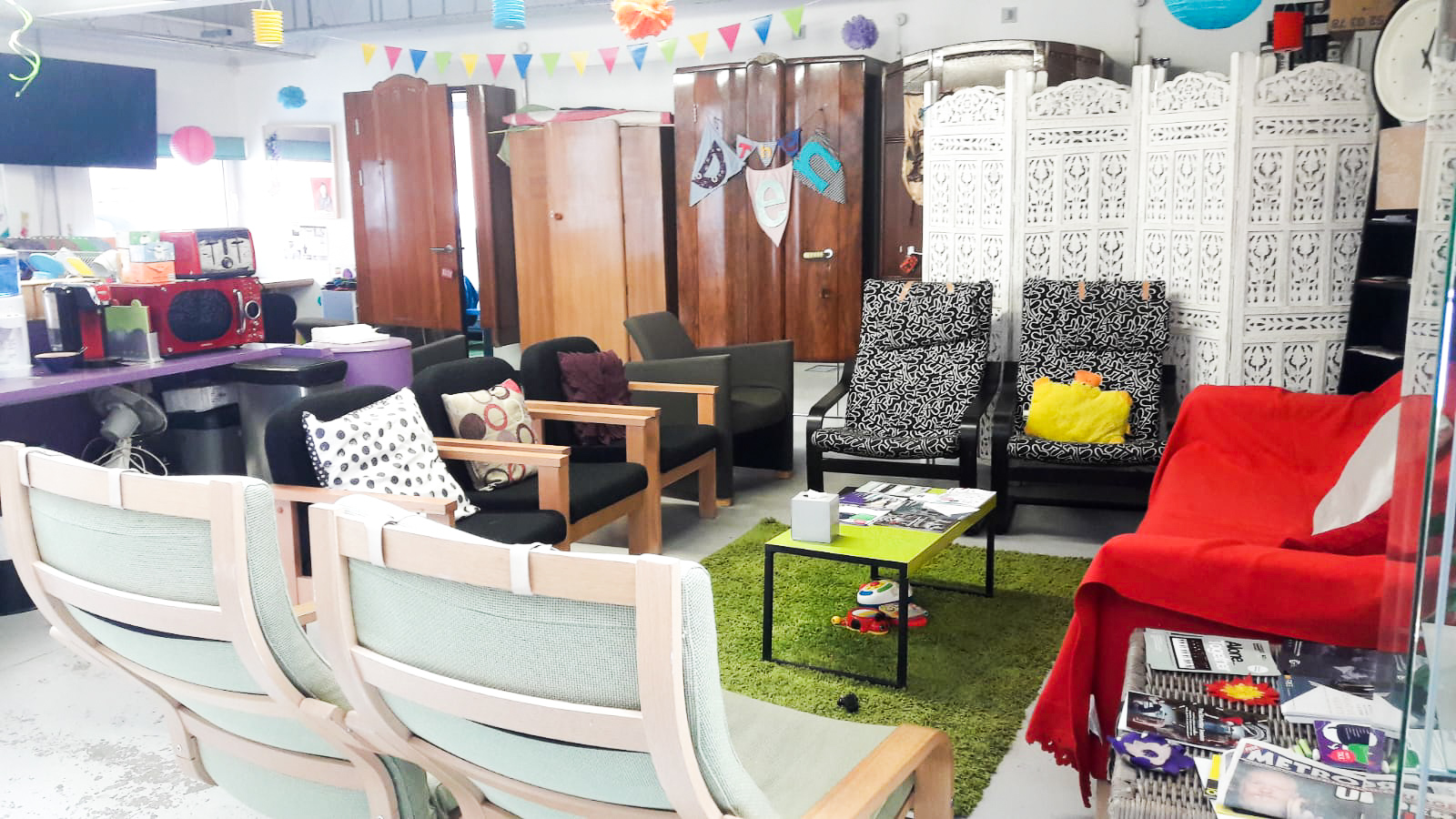
As you can see, 42nd street have created an appropriately inviting safe space for young people to be creative, socialise and relax.

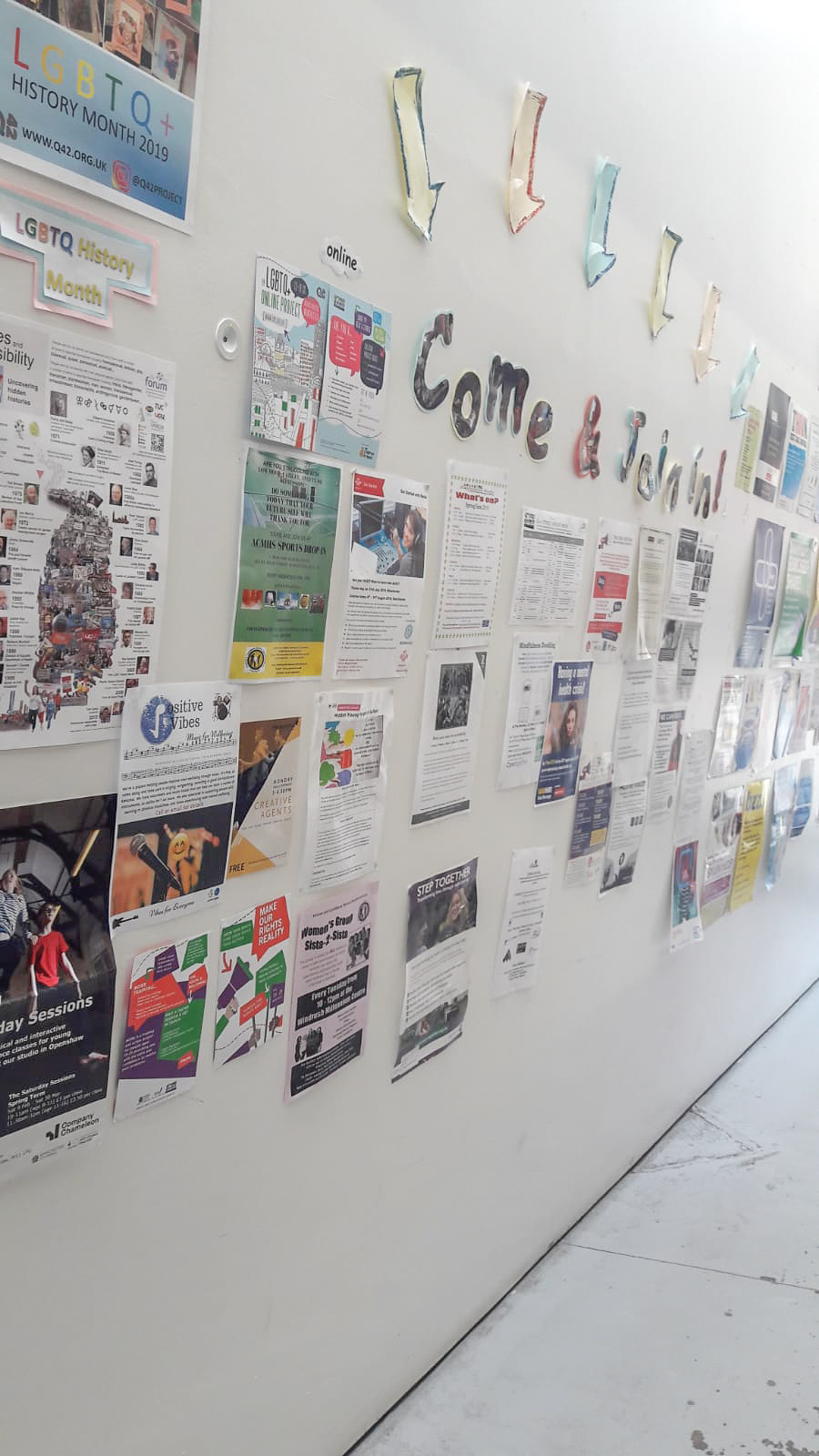
They have leaflets and wall displays all around for projects that young people can get involved with, or any mental health services they could contact for additional support.

The centre is still establishing itself and there is so much potential that is going to grow over the next few years- watch this space.
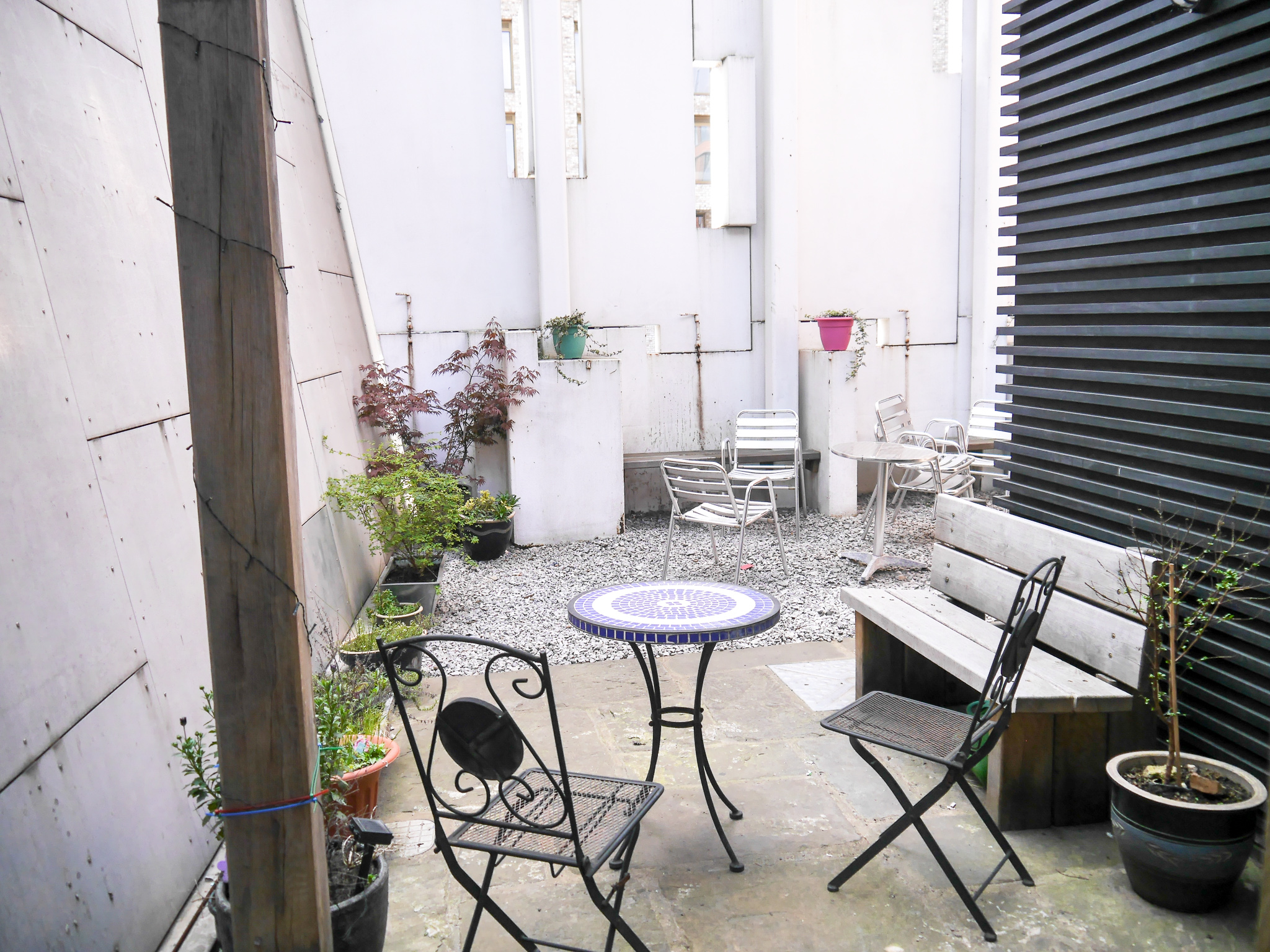
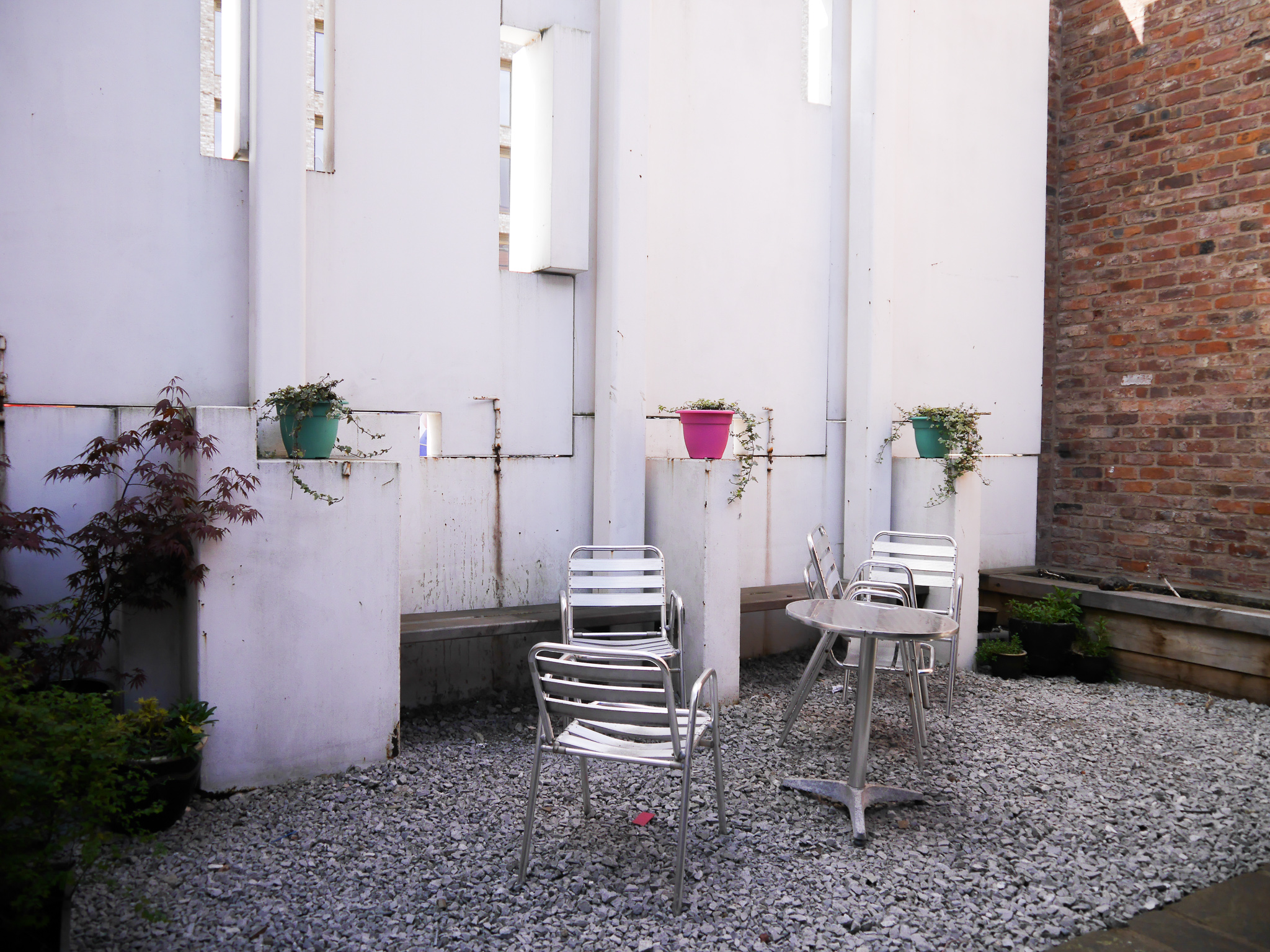
The centre is warm and welcoming, with an indoor and outdoor space,
there is the Horsfall gallery, and also quieter rooms for any counselling one to one sessions to take place in.

School workshops

After we had planned our lessons we had to present them to the head of art at King David High school.

Mrs Waxman would then let us know which workshops she feels are appropriate for the classes we can work with- and if we need to adapt anything to accommodate for the kids in the class, the varying ages and abilities.

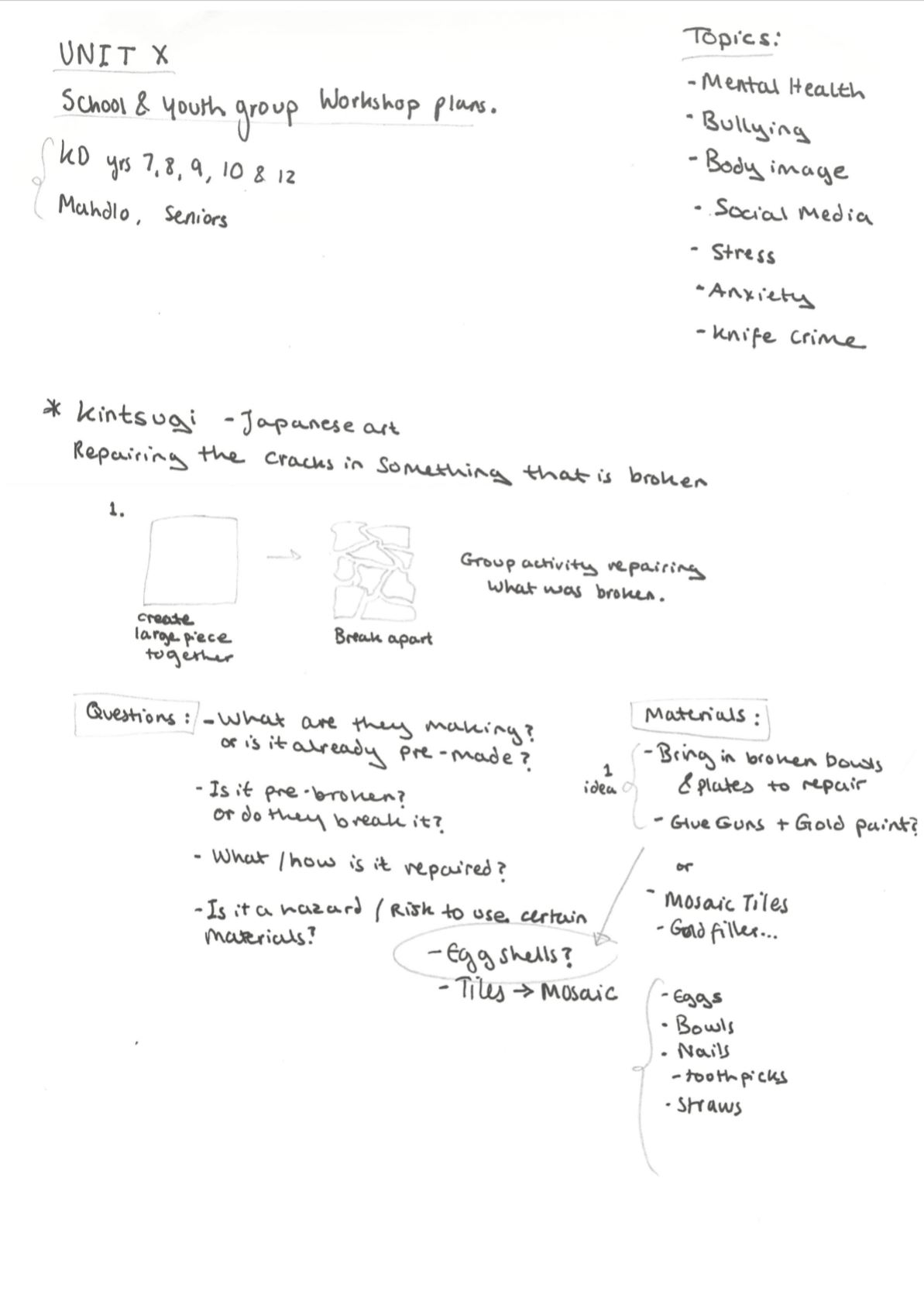
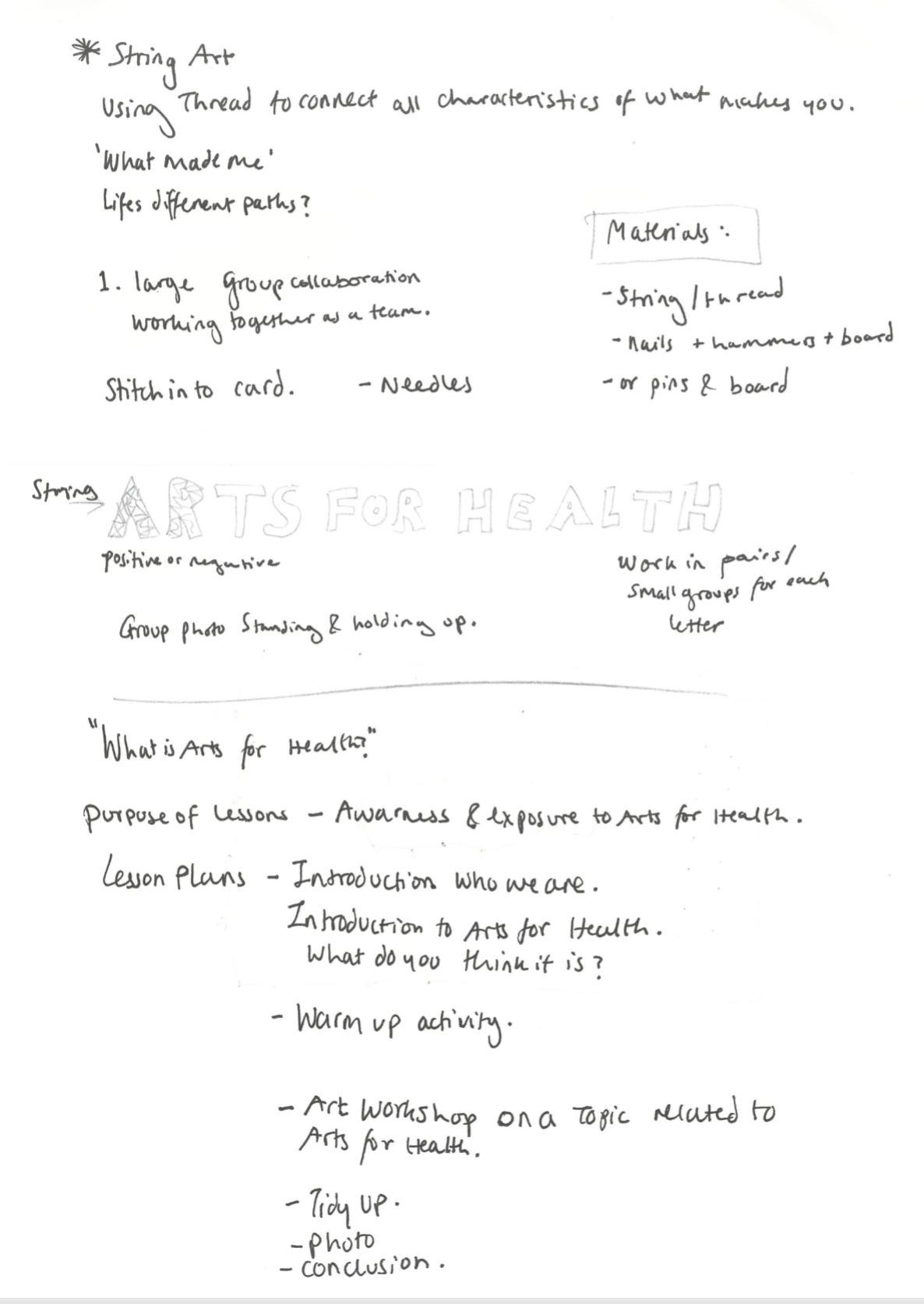
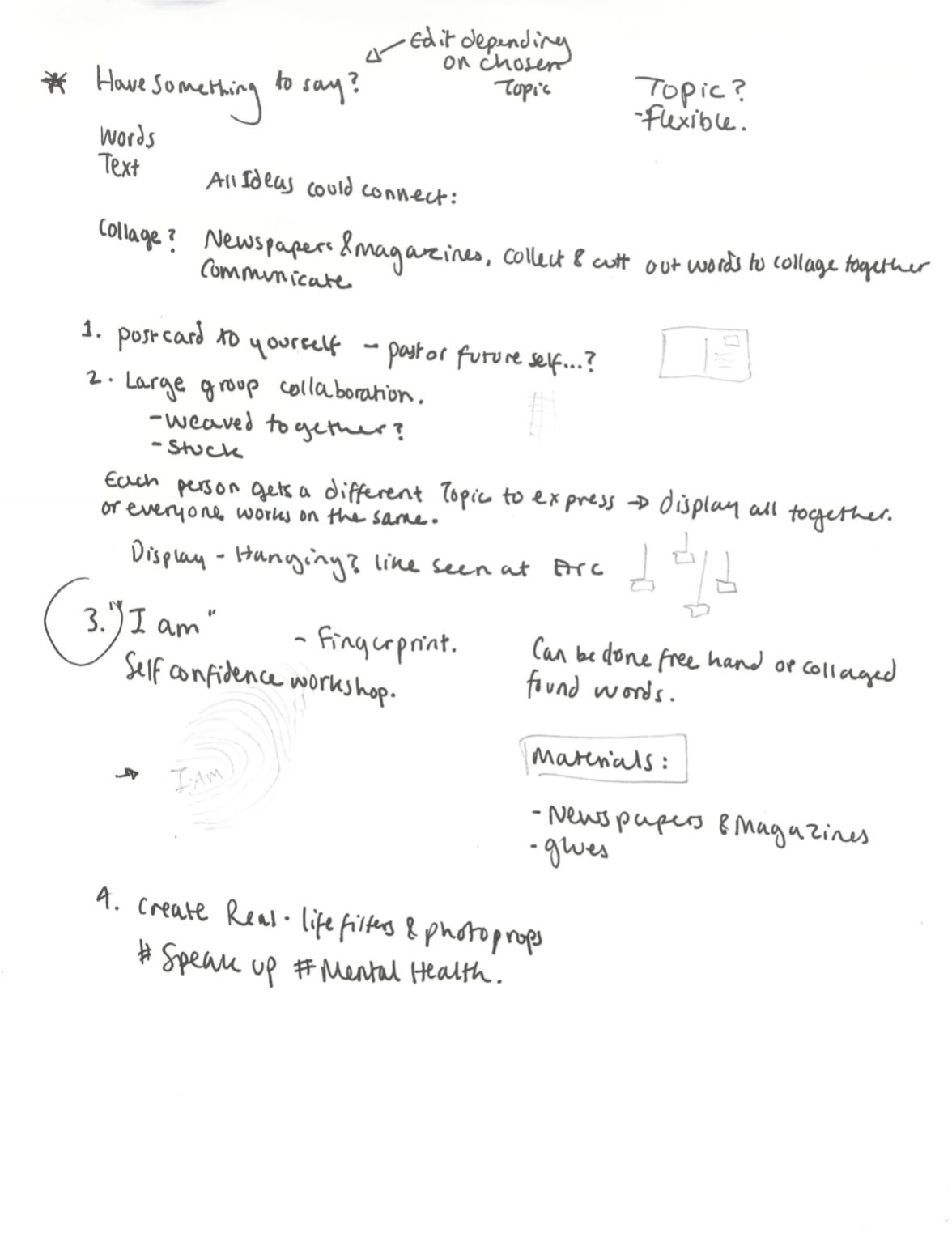
Here are some of my notes that I used to demonstrate the workshops to her.

Throughout the process of organising to run workshops, the lessons needed to be swapped around and adjusted. This even occurred on the days of the lessons- We had to be adaptable and work with what was available, which I was more then happy to do so as the school was giving us this opportunity.

Mrs Waxman really liked my lesson plan using the display boards and string : What makes you feel. She also really liked the lesson plan using the pupils fingerprints and focusing on identity. Unfortunately my Kintsugi lesson plan using egg shells was not short listed – but I would like to archive this idea to use it in the future as I feel it holds a valuable lesson for life.

To run the lessons we needed to make sure we were both DBS checked, and thank fully we both have enhanced certificates which allows us to work with vulnerable people such as children and young people.


Blog at WordPress.com.

Up ↑