Arts for health workshops

I wanted to take this project outside the university, and see what workshops we could plan and deliver on arts for health.

I emailed a school that I had contact with to see if there was any opportunity for Freya and I to come in and run some workshops in some art lessons.

After a a couple of meetings discussing our project, the head of the art department Carrie Waxman was keen for us to deliver workshops on arts for health that the young people can relate to – such as mental health issues/ body image/ bullying etc.

This was a more focused arts for health project, as it was designed for a younger audience to engage with. Taking the card activity ‘Who? What? How?’ would not have been appropriate for the young people as there were situations that they may not be familiar with, or may be a sensitive topic to bring up- which we are not trained and qualified for.

It’s important for us to acknowledge our role as workshop facilitators of a creative project on the topic of arts for health – we are not art therapists and we are not putting on an arts for health project – this will hopefully come later on with experience after graduation, but for now this workshop is for informal education on arts for health awareness, and open discussions on the topic.

Planning

We decided to split the workshop lessons in half, that way we could both plan workshops independently, and we could experience leading a workshop and supporting a workshop.

My lesson plans:

-What makes you feel

-Identity

-Kintsugi

Freyas lesson plans:

-Self potrait

-Cinematic photography

Planning notes:

Arts for Health workshop

Going into a high school and a Youth group to spread awareness of what Arts for Health is, and engage the teenagers in workshops that touch on different arts for health practices.

King David High school and sixth form, years 7, 8, 9, 10 and 12

Mahdlo Youth Zone, pop in the workshop for teenagers of all ages

Arts for Health for teenagers:

  • Mental health
  • Bullying
  • Body image
  • Social media
  • Stress
  • Anxiety
  • knife crime

Think and research ideas of other projects done to help with these issues.

Ideas to help engage teens:

  • Selfies
  • Social media
  • Music
  • #hashtags
  • Movement

5 Immersive workshop ideas:

We wanted to plan our lessons that relates to our personal practice.
Freyas practice involves photography and portraiture. Whereas my practice involved stitch/ threads, making, family, identity, fingerprints etc. fixing broken objects – Japanese art of Kintsugi.

1-Self-portrait (Freya)  body image
2-Cinematic freeze photography (Freya)  Bullying

3-  Slow down/ flow state/ creating to music OR repairing the cracks (which relate to Tamaras project)

4- Something to say, using words, write a postcard to yourself? Social media #hashtags

5-String art (Tamara to develop in practice project as it related) mental health and support, someone to talk to

(Separated into Tamara and Freyas notes to avoid confusion! )

Tamara’s idea notes:

Come up with big ideas for immersive and engaging workshops to help think about how Arts can be used for Health.

Idea for mahdlo

Ideas for 2-3 workshops

3- Kintsugi

Repairing the cracks in something that is broken – Mental health

Japanese art of kintsugi
Repairs broken objects with Gold


How can I make this into an engaging workshop?

1.Everyone creates something large
Then they all tear it apart
Then they have to work together to repair it?

What? Materials?
How?

2.Bring in broken objects e.g. bowls and as groups they have to put the pieces together
-Hot glue gun
-Gold paint

What about Mosaic?

Egg shells

Affordable and effective

Display of everyone’s egg shells, framed? Like the artist Elisa sheehan


*develop this idea – could be a powerful message if done properly

4- Have something to say?

Above: Postcards to yourself (past of present)

Send a letter to yourself in a year? Maybe we can post it to them?
Write a letter to yourself a year ago

Collaged messages

*Maybe to develop this idea or using words to express yourself

-Newspapers
Cut out words and letters to collage what you have to say (about the topic e.g. knife crime, bullying…)

Weaving together created words and sentences
From the newspapers collected together to communicate? Or made.

This could be one large piece made by the whole group to display.

Collage together in a small book? Or on a page?
Everyone gets a different theme to write their message about, put all of them together at the end to communicate overall feelings towards these issues.

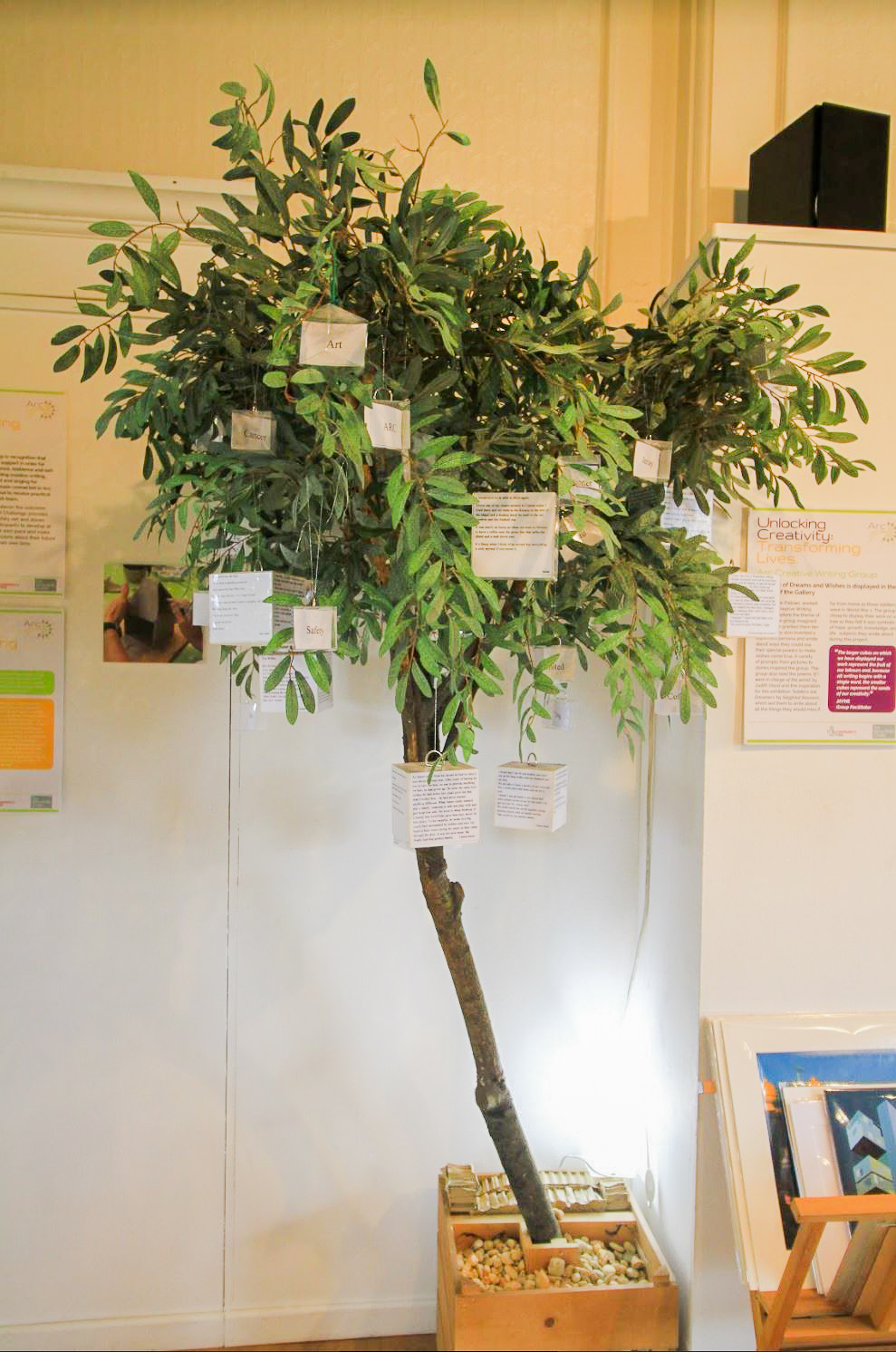
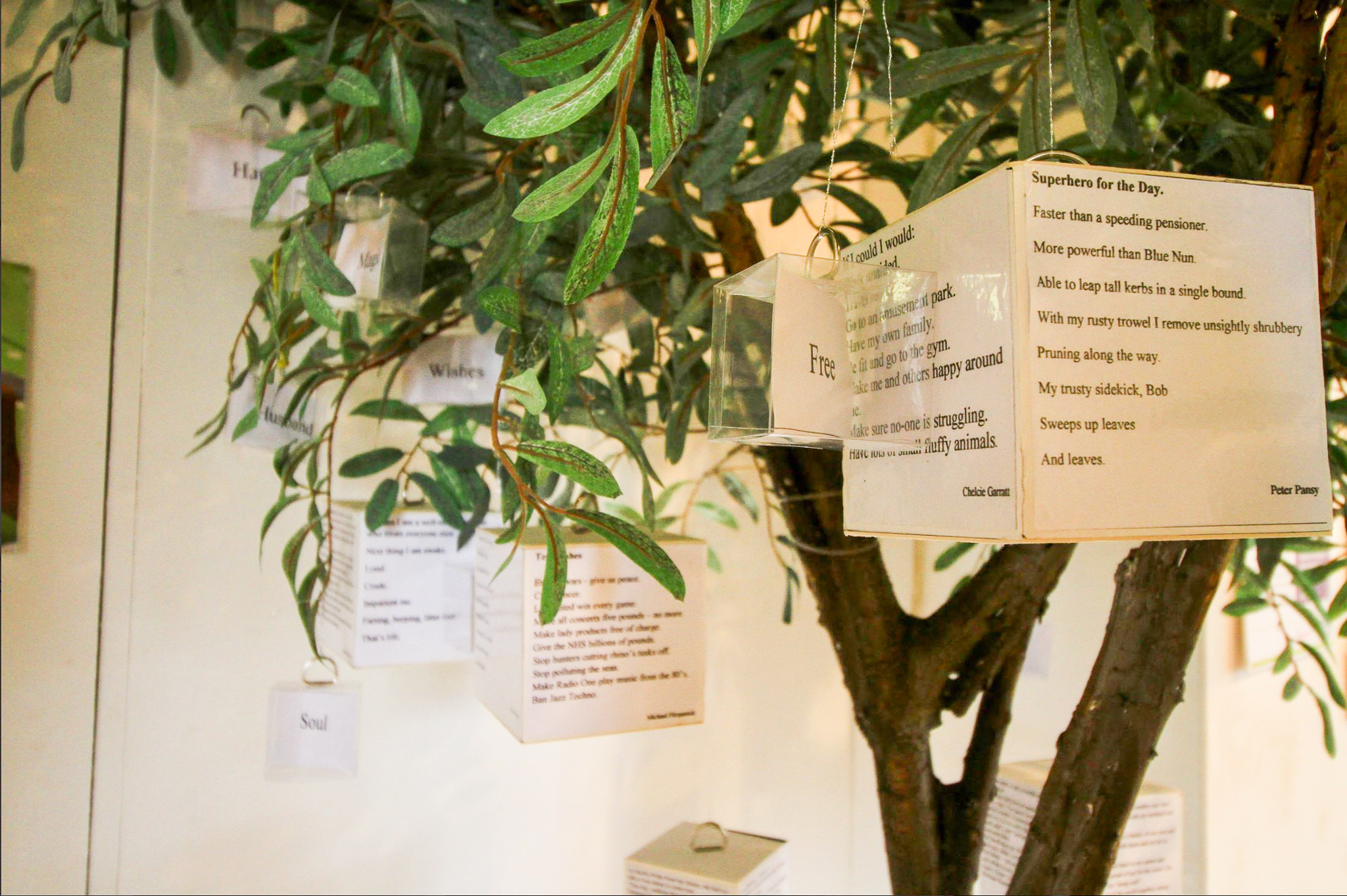
Like seen in ARC – the tree with words hanging (boxes of words)

And ideas as seen before – words made of collected from newspapers/ magazines about certain thoughts/ feelings/ issues on a topic.
Bringing everyone’s feelings together and hanging them as a display in some way.


Or even hanging/ displaying a image/ poem from each individual, or each group.

Below example of ‘Identity’
Providing a stencil – or step by step how to draw your own.
Fingerprints
Writing “I AM….”
Self esteem/ confidence workshop


Stitch a message – possibility if there is an interest in this as it’s a slow process.


Try creating a workshop that involves #hashtags and filters? Using words to caption
What you really think? How you really feel? What do you need to say?

Maybe creating real-life filters and hashtags to be photo props (like on the healthy knees but related to mental health, speak up etc.)

5- String art

What made me

https://www.behance.net/gallery/4419469/WHAT-MADE-ME-Interactive-Public-Installation

A workshop to tackle the ideas of this ‘perfect’ image social media creates for each person. Giving off the ‘perfect’ pictures and image that each person wants to project.
But this is NOT the whole picture. You are so much more than what your social media can capture.
Who are you? What are you made up of?

I like the idea of using Thread to connect all the aspects of what makes you.
What are you?  student, child,  young person, son/daughter, brother/sister, friend, a writer, artist, good, thoughtful, caring, creative, ambitious etc.

Maybe each person can have their own board to create their own ‘string art’ with this idea?


*idea to develop and expand

This would need: string/nails/hammers/wood (which would be good for a whole group activity for older year group who are sensible)

Ways to make it less of a hazard – embroidery with the same idea, or stitching string into the canvas

Think of ways string/thread can be used to connect things together. Maybe we can do a group activity involving movement and each person has a thread and everyone has to connect to each other holding onto each person thread. Then after they have to make a bracelet using a piece of everyone’s thread which they can keep with them – symbolising that everyone is there for you if you need someone.
Or maybe each person personalised their piece and then they share between, to create a weaved or connected piece.

*I might try this in my art classes and see how it works


Is there a way to make this into a group project?  
Perhaps the class can make one LARGE image together, or separate pieces that connect together.
Maybe each name in the class can connect, how we are all connected and all there to support each other. ‘Always know you are not alone and have someone to speak to and connect with’.

Key Arts for this could focus on Bullying, Mental health, social media (real-life connections, not all the friends on Facebook that aren’t really friends? )

WHAT MAKES YOU FEEL …

LESSON PLAN

Ending : https://www.youtube.com/watch?v=V9a69_ILdEM

Secondary school (14-18) –

Can make more informative, structured time over three weeks so can develop a process and ideas. Could do a different activity each week or stick to one and develop it? Develop sewing/photography- could have a group each?

Secondary school (12-14) –

Basic introduction into arts for health, giving more of a general idea/ planting the seeds and just making them aware of arts for health.

Mahdlo (14-16?) –

Youth Group, therefore fun and in free time, an activity they can come and go from, more drop in. I think Mahdlo should be more based on slowing down- teenage life is hectic, so if they stop by for 5 mins/ one hour etc research some slow workshop ideas, perhaps try and encourage a conversation about the benefits of slowing down, how and when they could do this in their lives, and why this is important.

Freyas workshops:

Photography/ my practice workshop ideas-

Make a pinhole camera – disrupt the film – think about ways of displaying/cutting up final images. (problems with this- using pen knives, quite fiddly, a lot of films needed, I may have to pay to develop all film…could be 50 to 100 pounds?!)

Creating a scene, that has a narrative that they will ‘freeze’ and take the photograph. Film style images, perhaps reflecting MH troubles they know of. Introducing cinematic photography can relate to films they may have watched, start to explain how photography can be used to express feelings and relay messages to others.

Self-portraits? A selfie a popular thing with young people, to teach how to compose a self-portrait properly, perhaps learn about the origin of portraiture. Can touch on the MH side of portraits, not everybody likes the way they look, so could develop what a self-portrait can also be, an image of their feet and favourite shoes, hands, a favourite possession? Explain why they have picked this to represent themselves? E.g an image of their hands, because allow me to cook, and I want to be a chef when I’m older. (relate to humans of New York photographer) Depending on schools facilities, could then go onto editing, and perhaps display around the classroom, and have some people explain why they have chosen what they did. Hopefully, this could be confidence boosting and making people aware of other students hidden talents.

  • Drawing around each other

Origami? Simpler to do, slowing down, perhaps more suitable for Mahdlo, or younger children, as more about the process rather than the end product. Make origami info, personal reminder creations. Like you unfold the part that says ‘anxiety’ and underneath it has some tips for you to read. A small useful token to have or to give to somebody to help you in a time of need. More calming/writing workshop. Great idea for mahdlo

Synesthesia idea- so people with synesthesia brain pathways get mixed up, so for example when they hear sound, the see shapes and colours ( some really cool artists do their artwork based on this) So could do a relaxing drawing/painting to what you hear, more about slowing down, mindfulness, flow state etc. Perhaps do with a smaller and older group/ or could work with younger years 9s too?. Themes about how we all interpret information differently, we all understand things differently and create differently – (relates to being inclusive and understanding???)

An emotional response to the subject/something physical-  words that pop into my mind= letting go, realising, breaking, throwing, putting together, taking apart, making something for it to change, passing something around, and changing it to your own response.

FINAL DISPLAY- maybe in a circle shape to emphasise the importance of supporting each other. Bringing all the works together in a college/something hanging/ stuck to the floor.

Make a large tapestry/patchwork/college, perhaps on a long piece of fabric or paper, made up of lots of smaller creations from the individuals in the class.
North West stroke association – choir

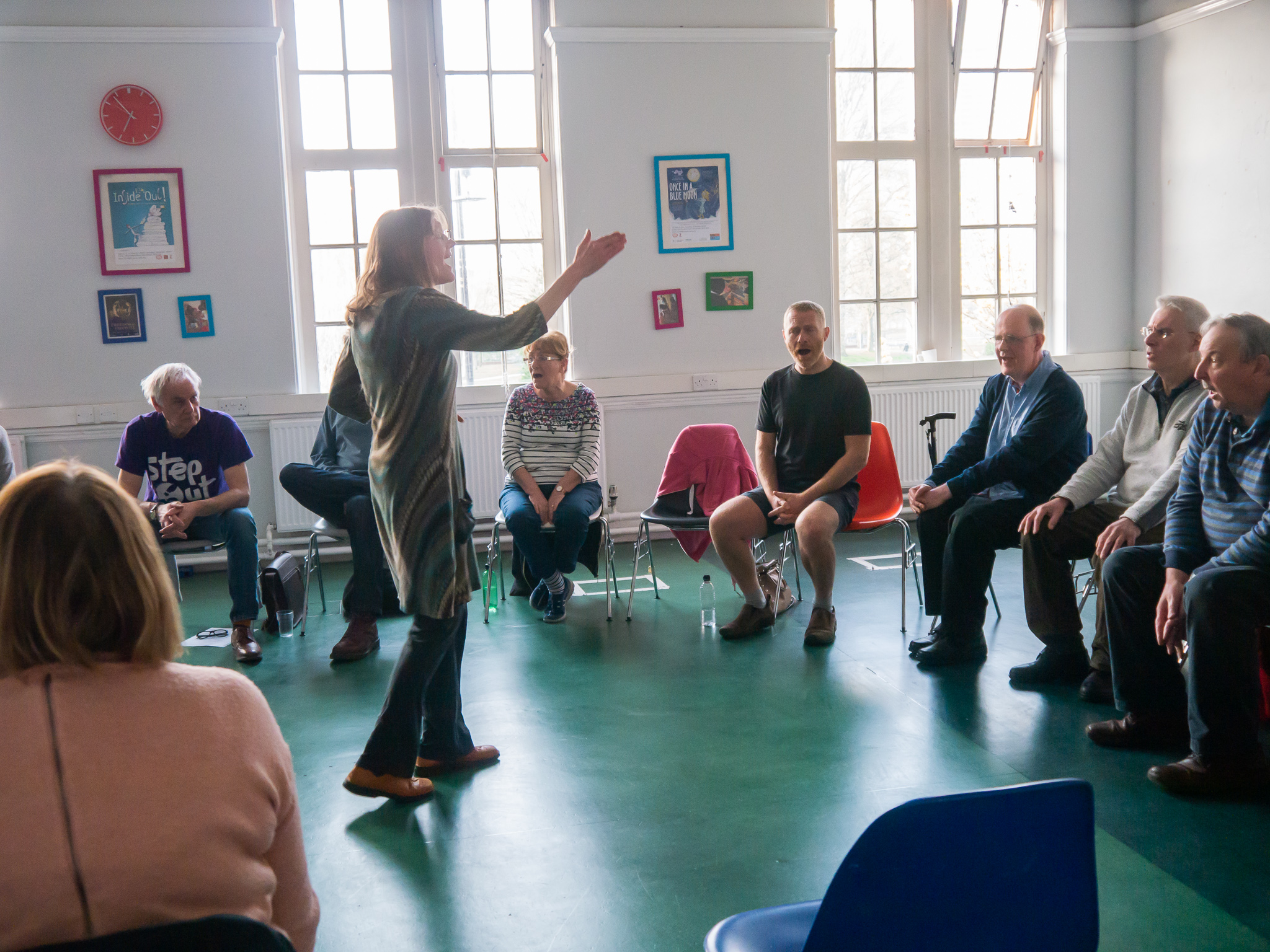
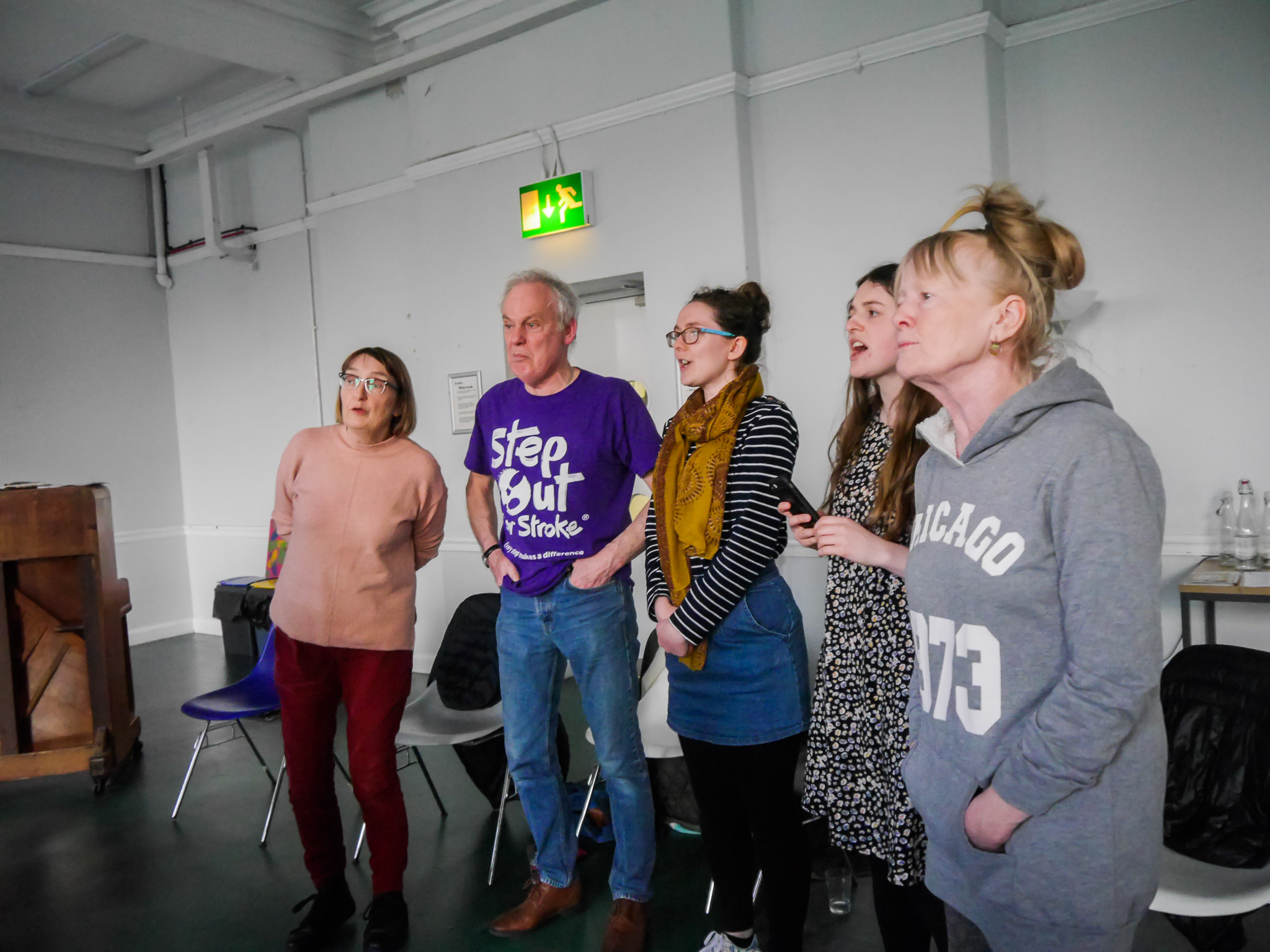
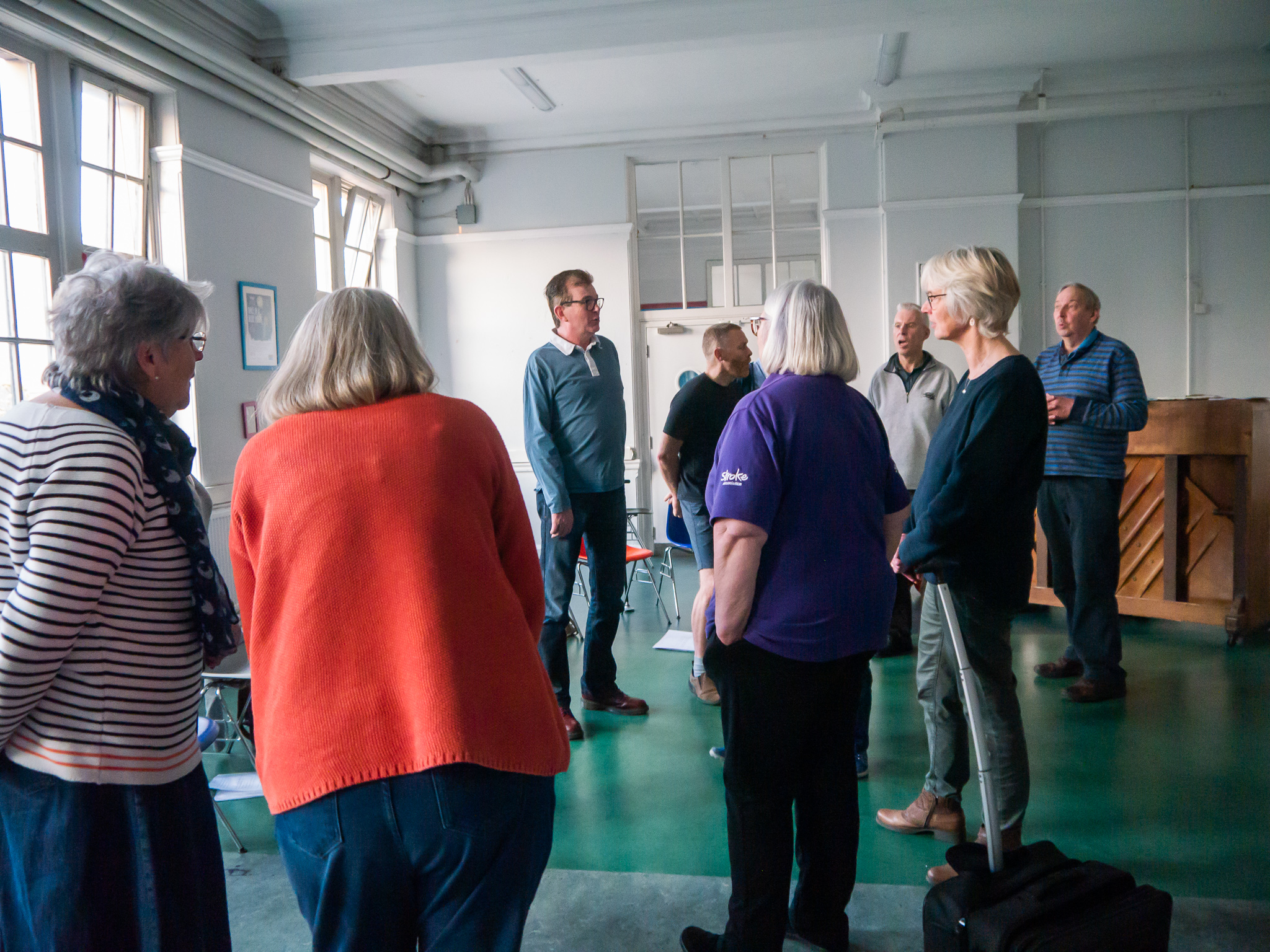
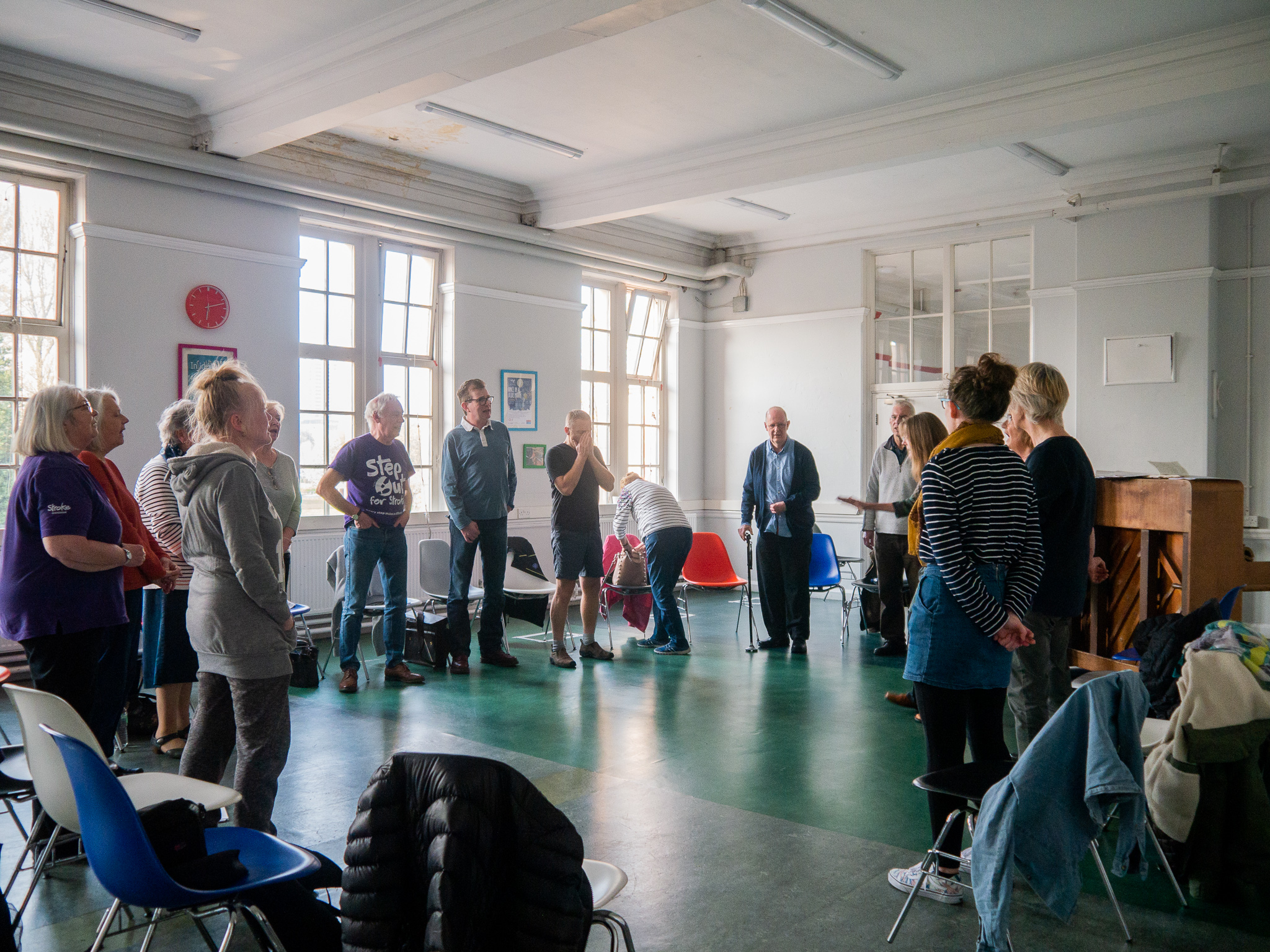
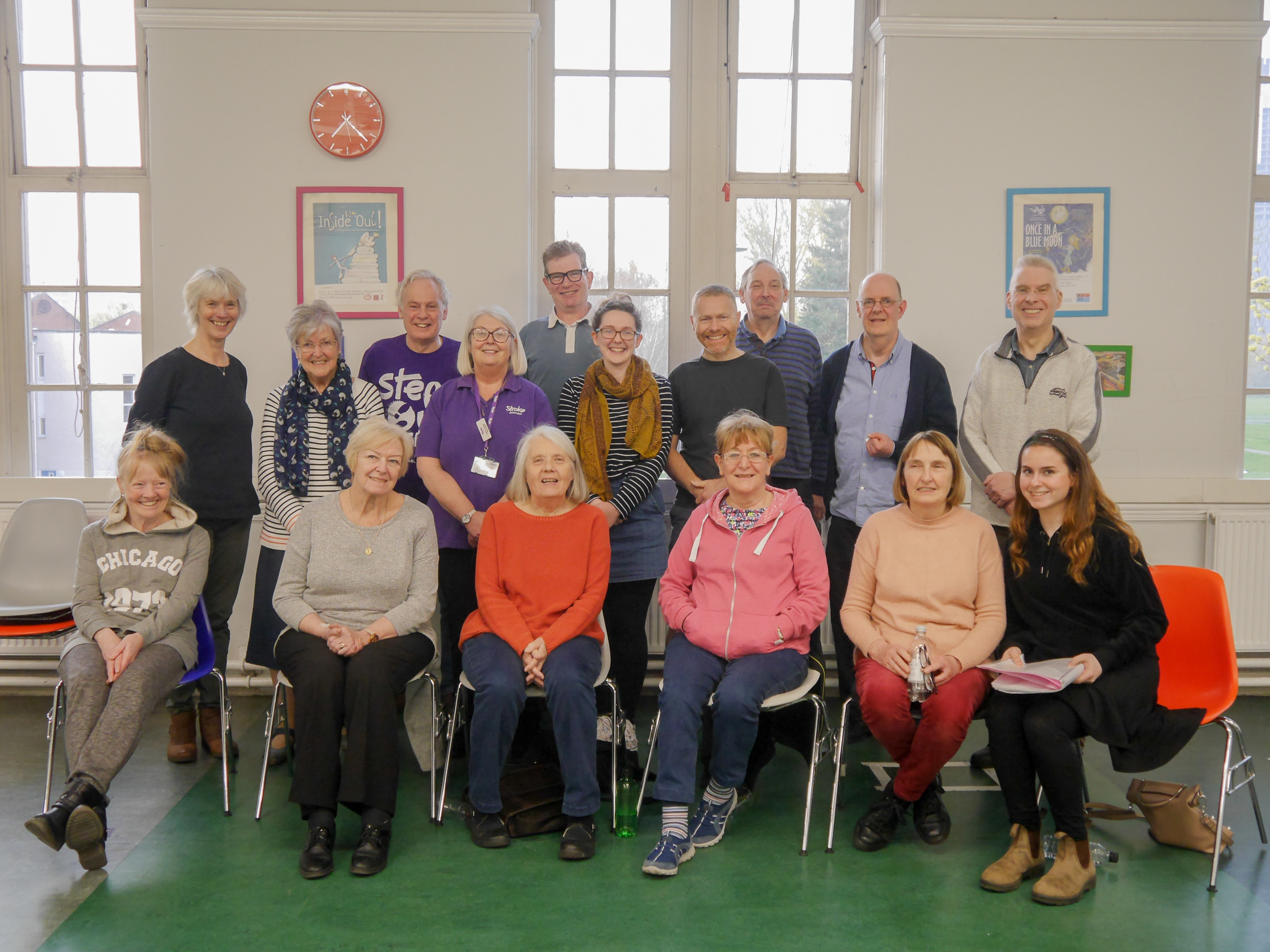
I was invited by Joyce Booth to join one of the north west stroke association choir sessions.

I went with a friend who is part of a local choir where she lives. This visit was more then inspiring- being in a choir and hearing everyone harmonising together gives me goosebumps. Each person there, volunteers and stroke survivors were incredibly warm, friendly and welcoming.

Singing in the choir has been a huge part to recovering from a stroke.
Many stroke survivors feel isolated and frustrated from a lack of understanding from family and friends. Some survivors are left without speech, and it can take a very long time to rehabilitate and adapt to a new life. Joining the choir celebrates music as an art, bringing people together and working on creating beautiful sounds to experience and preform has a tremendous healing for those taking part as well as to those listening.

The choir preforms at concerts as well as in hospitals to other stroke survivors to help support them and demonstrate that there is hope in recovery and there is a new life to work towards.

Many of the participants expressed that after their stroke they lost their speech, and coming to the choir was difficult at first. Singing helps to exercise a different part of their brain and therefore through singing it helped them to eventually recover and rehabilitate their speech- which is a huge and inspiring achievement.

Another huge aspect of the choir that participants expressed to me was the social support. Each person in the choir has their stroke in common, which aids a supportive and safe environment where they are surrounded by people who understand and help to motivate each others recovery.

My friend who I took with for the rehearsal was so inspired by the visit, this was her feedback shared on her Instagram:

hephziday

Stroke Rehabilitation Choir 💗🙏🏼 .
.
A few weeks ago @exploringartsforhealth and I had the pleasure of joining a choir rehearsal by #strokeassociationnw .
.
For many stroke survivors, the recovery is a long and scary process. Due to brain injury, many may have lost the ability to walk, talk and perform basic daily activities that we take for granted. Going out in public can be a hugely embarrassing and daunting task.
.
@strokeassocnw have created a weekly choir, whose members are stroke survivors, carers, healthcare professionals and volunteers as part of a rehabilitation service for stroke victims.
.
This choir brings survivors together, not only as a rehabilitation service but as a fun, friendly support group! 
Singing has been shown to help mute patients regain their speech and improve cognitive function, as well as having many other health benefits.
.
They also visit stroke wards in hospitals to perform, and give some hope and encouragement to stroke survivors, letting them know that there is life after stroke and recovery is possible.
.
If you’re interested in finding out more about arts for health, follow @exploringartsforhealth and watch this video on YouTube to find out more about the North West Stroke Association:
https://youtu.be/o0XazYNsPZM
.
It was an absolute honour meeting these people! Everyone was so friendly, and very keen to tell us just how much this choir had helped in their recovery! Hope to join them again one day for another sing song 💗
.

Arc

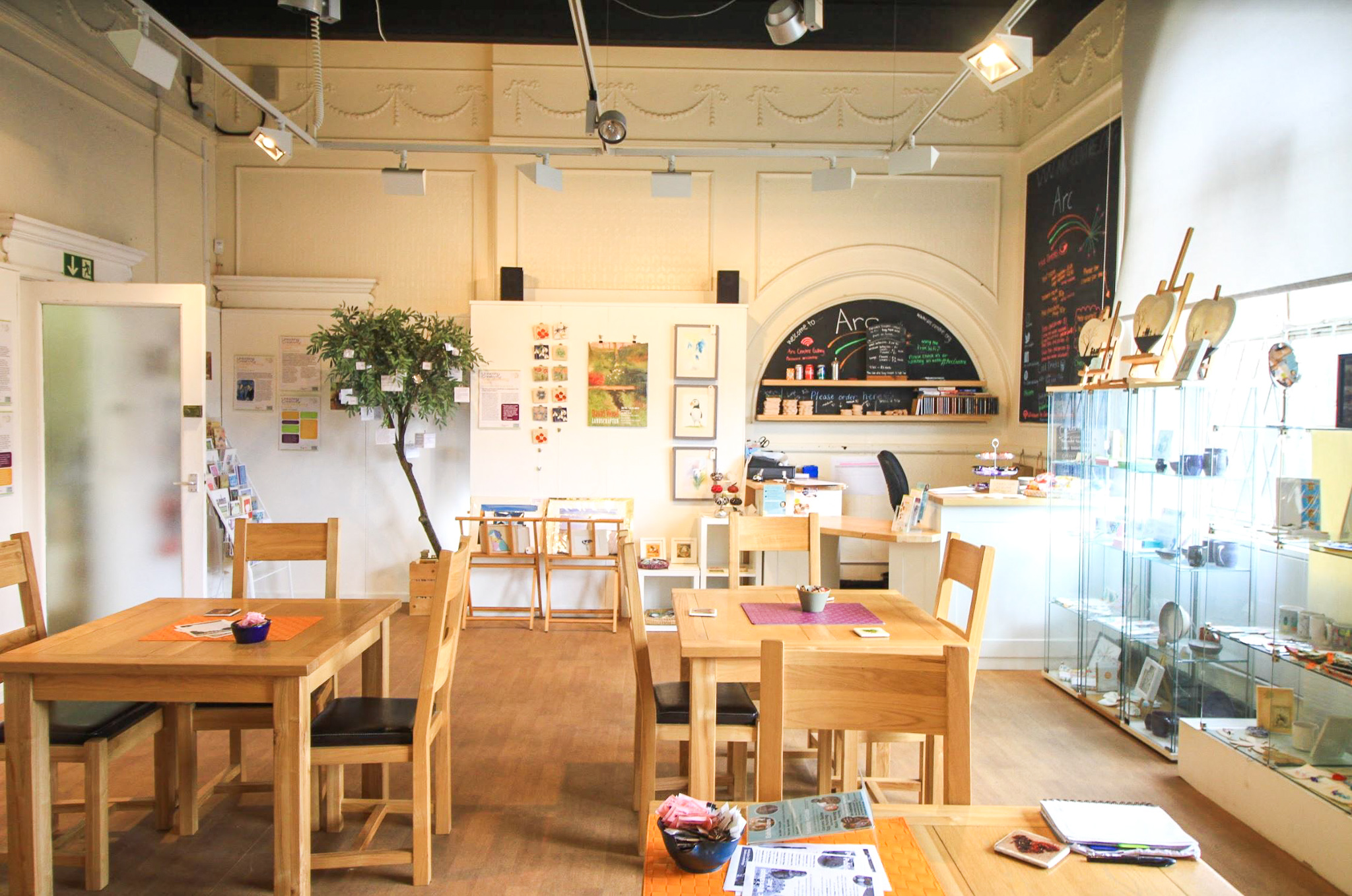
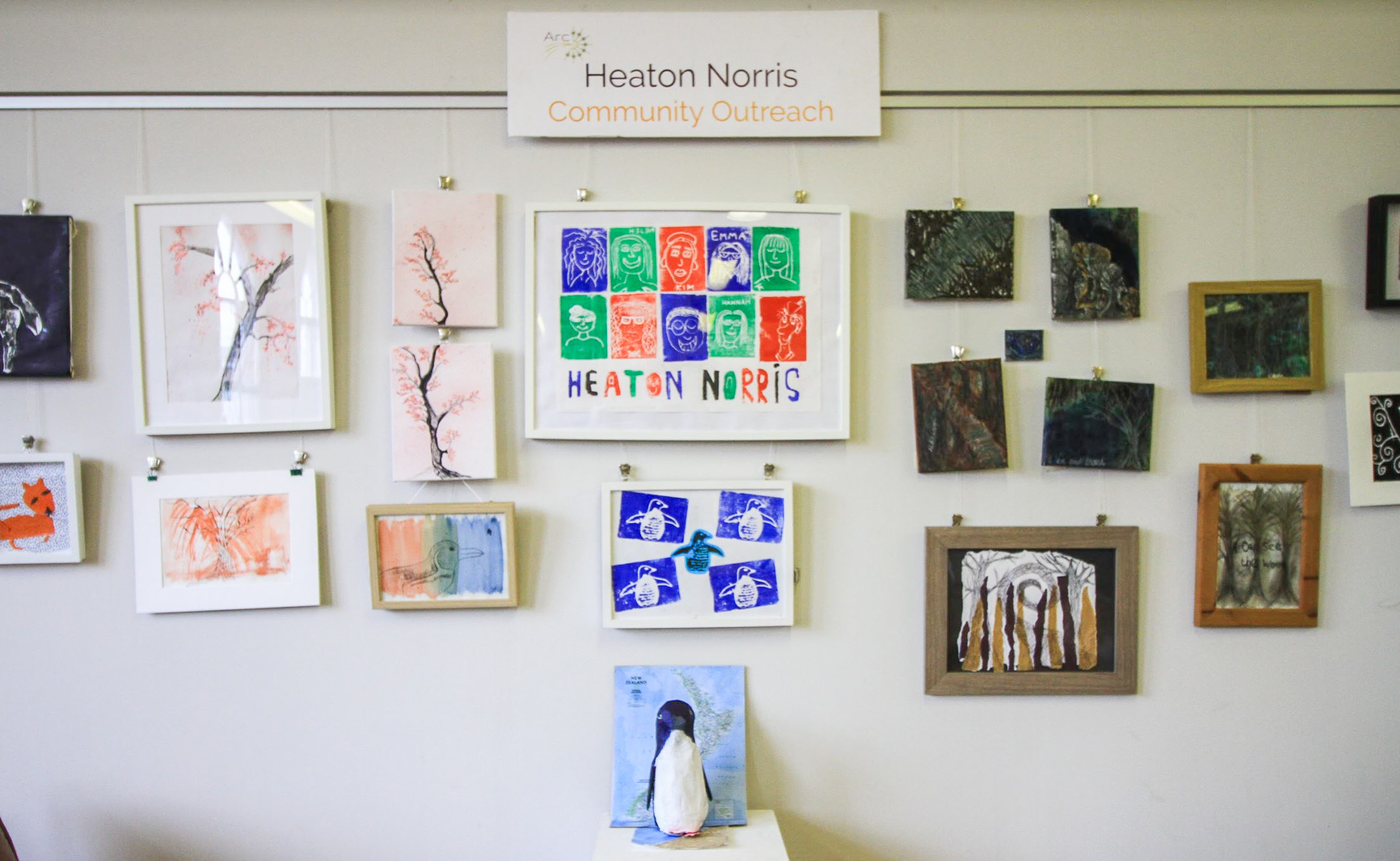
We took a visit to Arc-centre in Stockport where they focus on arts for recovery with Stockports community.

http://arc-centre.org/

We met with Leona Armstrong who gave us a tour around the centre and filled us in on the projects Arc offers. I contacted Arc as I had previously visited the centre last year during unit X. I felt that re-igniting a connection with the organisation would be a strength as they were familiar with us from the previous year. Contacting organisations and individuals with an already established project in action gave me a strong purpose and drive, filling me with confidence in my role and what I am out to achieve. I feel this confidence has aided me in starting to build a strong foundation of new relationships, networks and connections which I hope to take forward with me into the future, working in the field of arts for health.

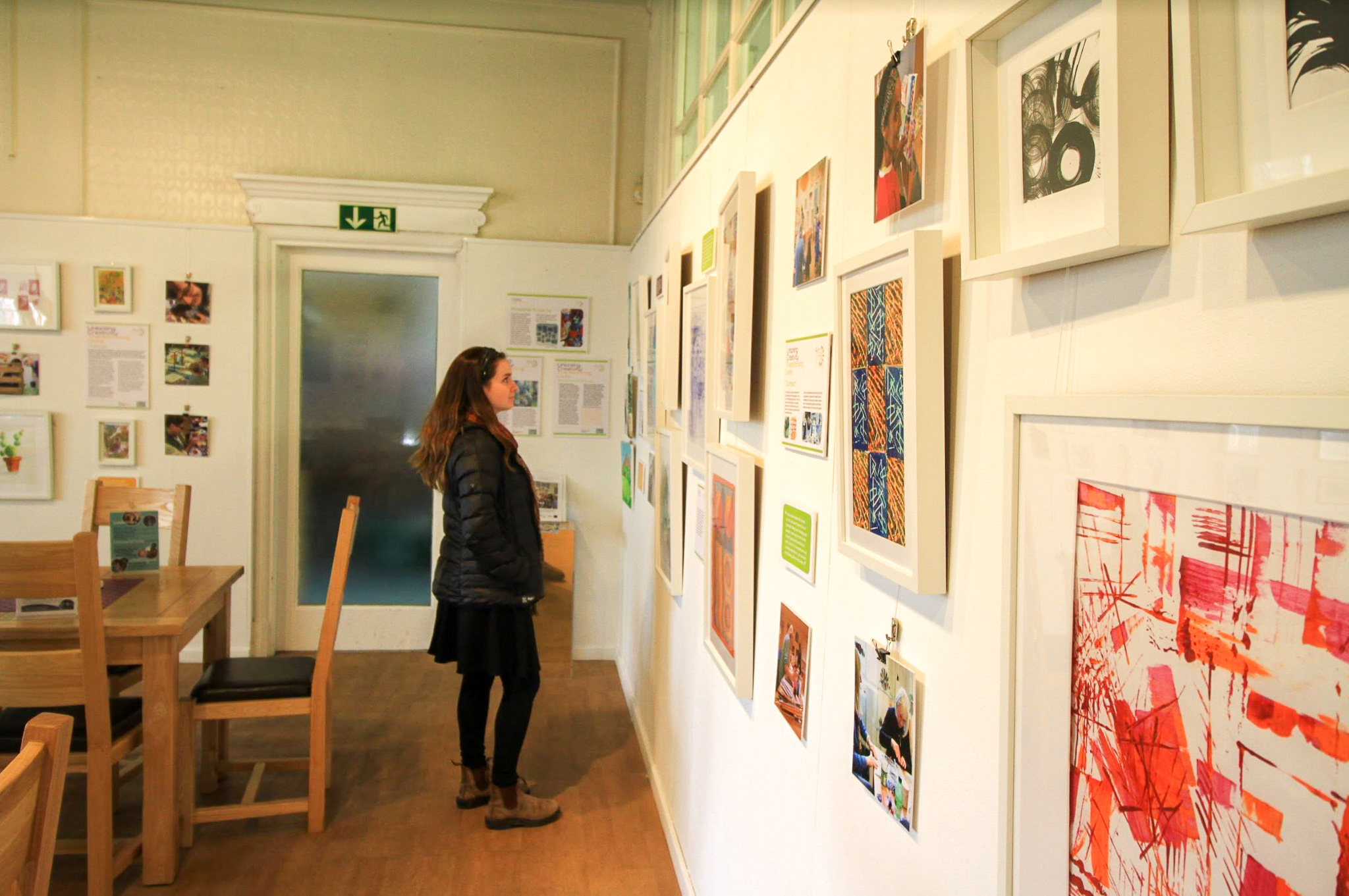
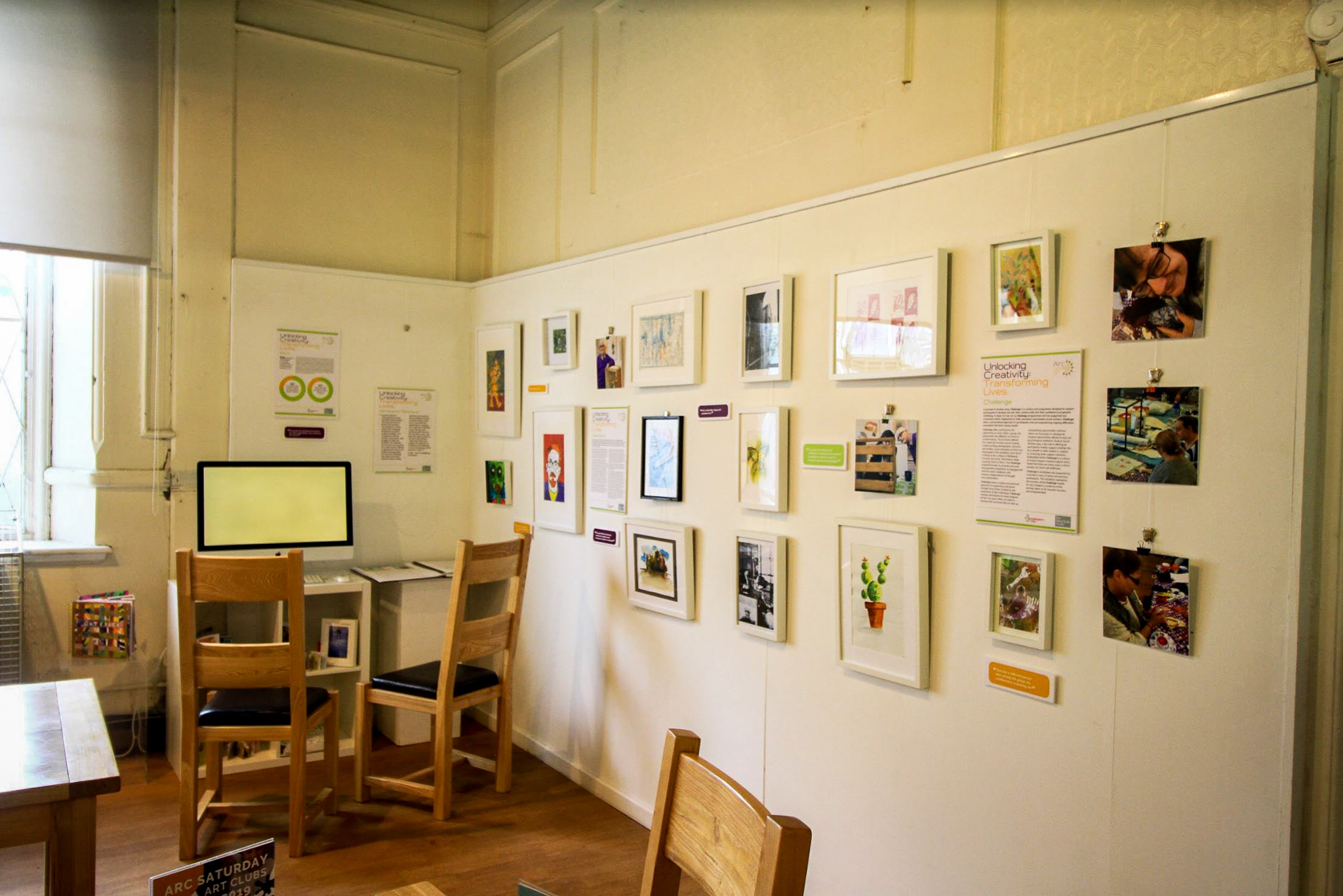
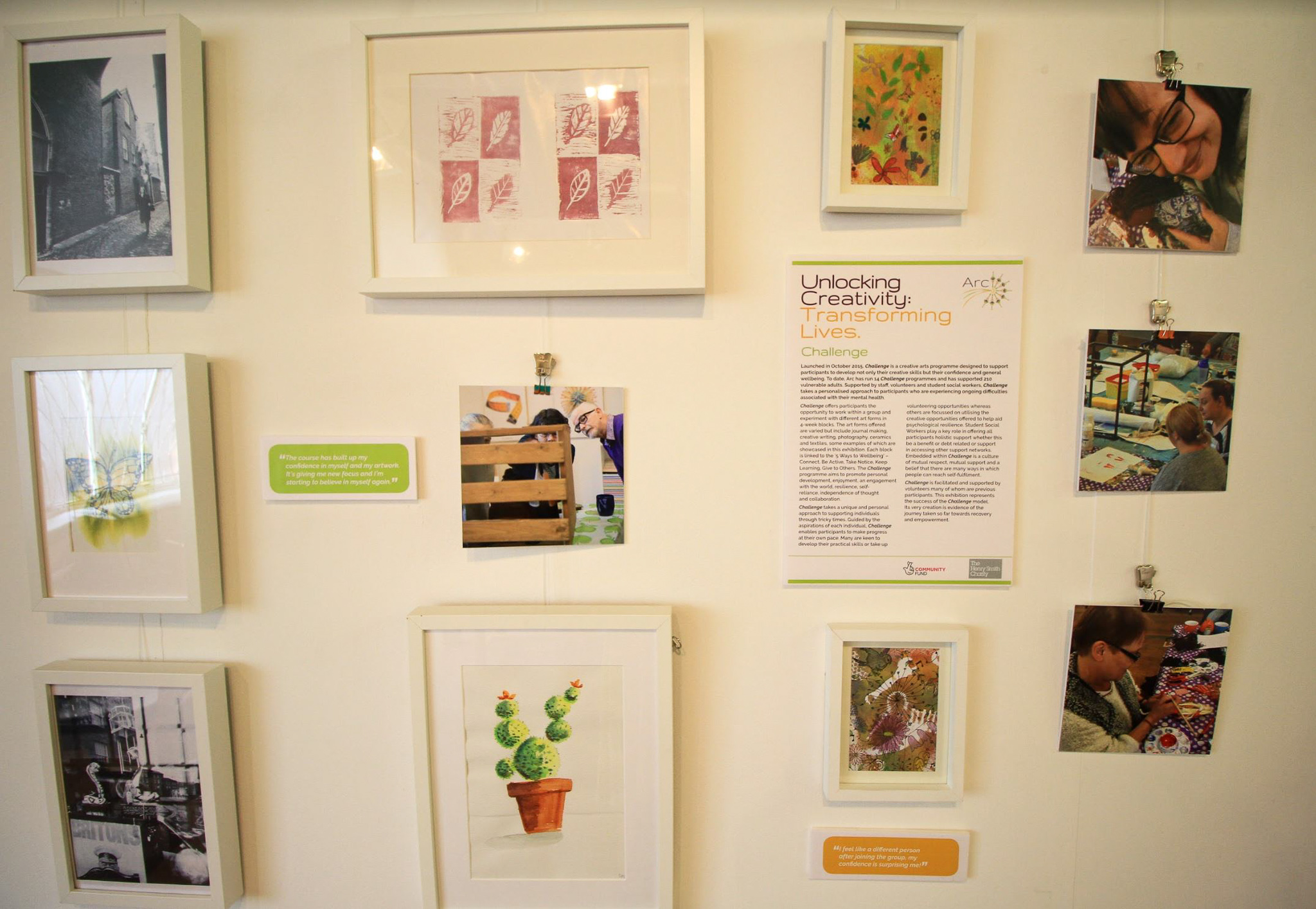
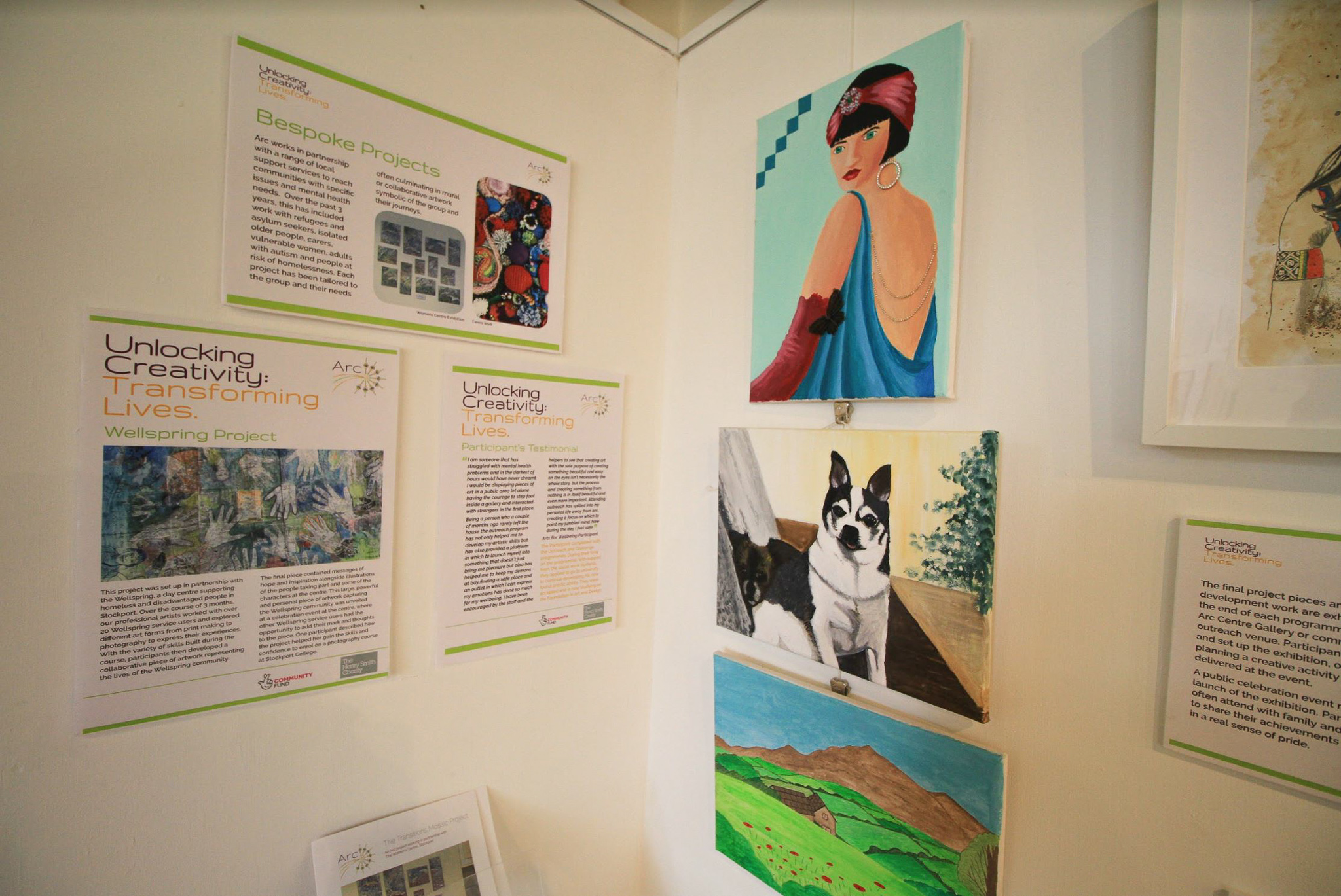
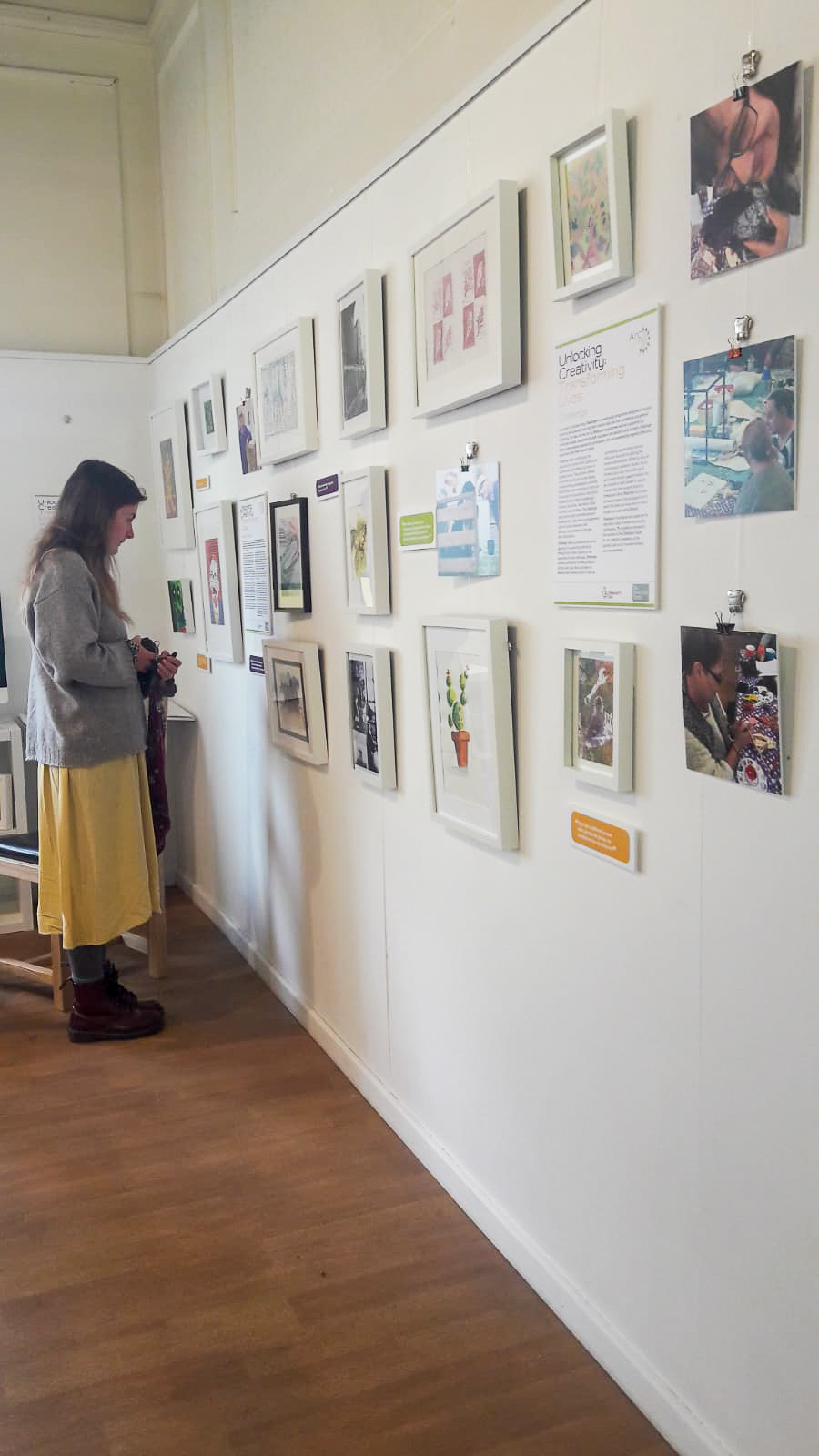
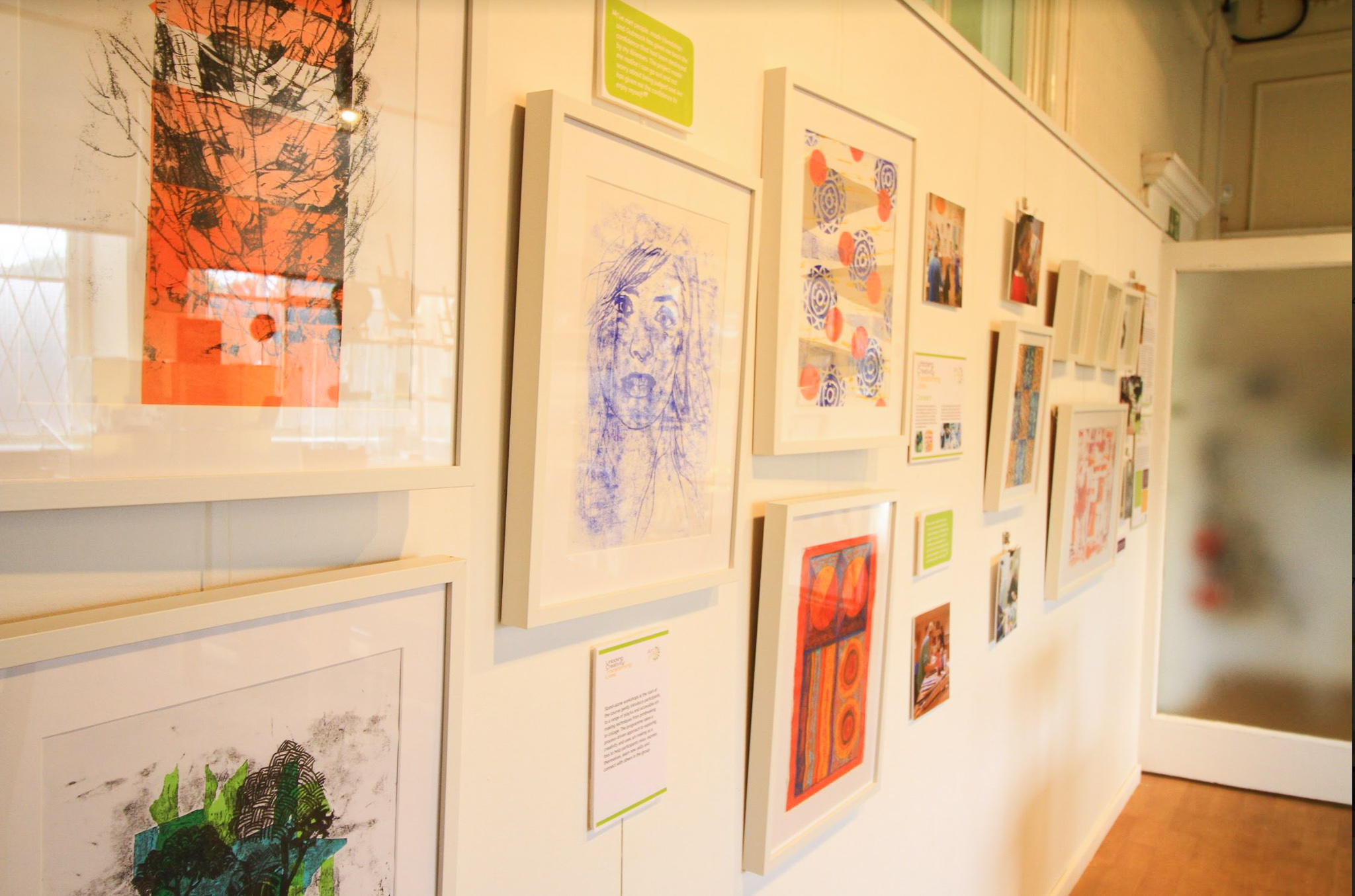
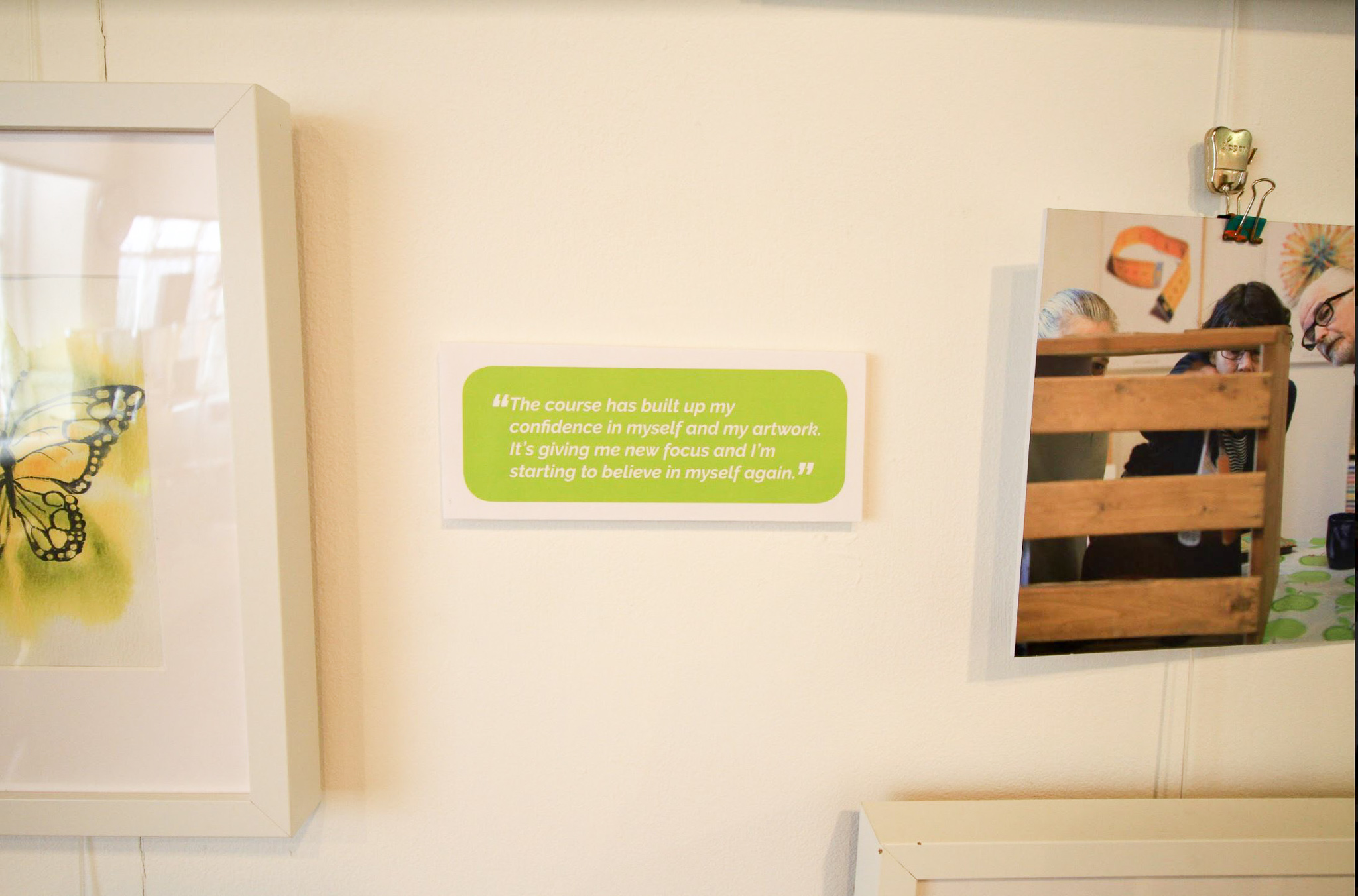
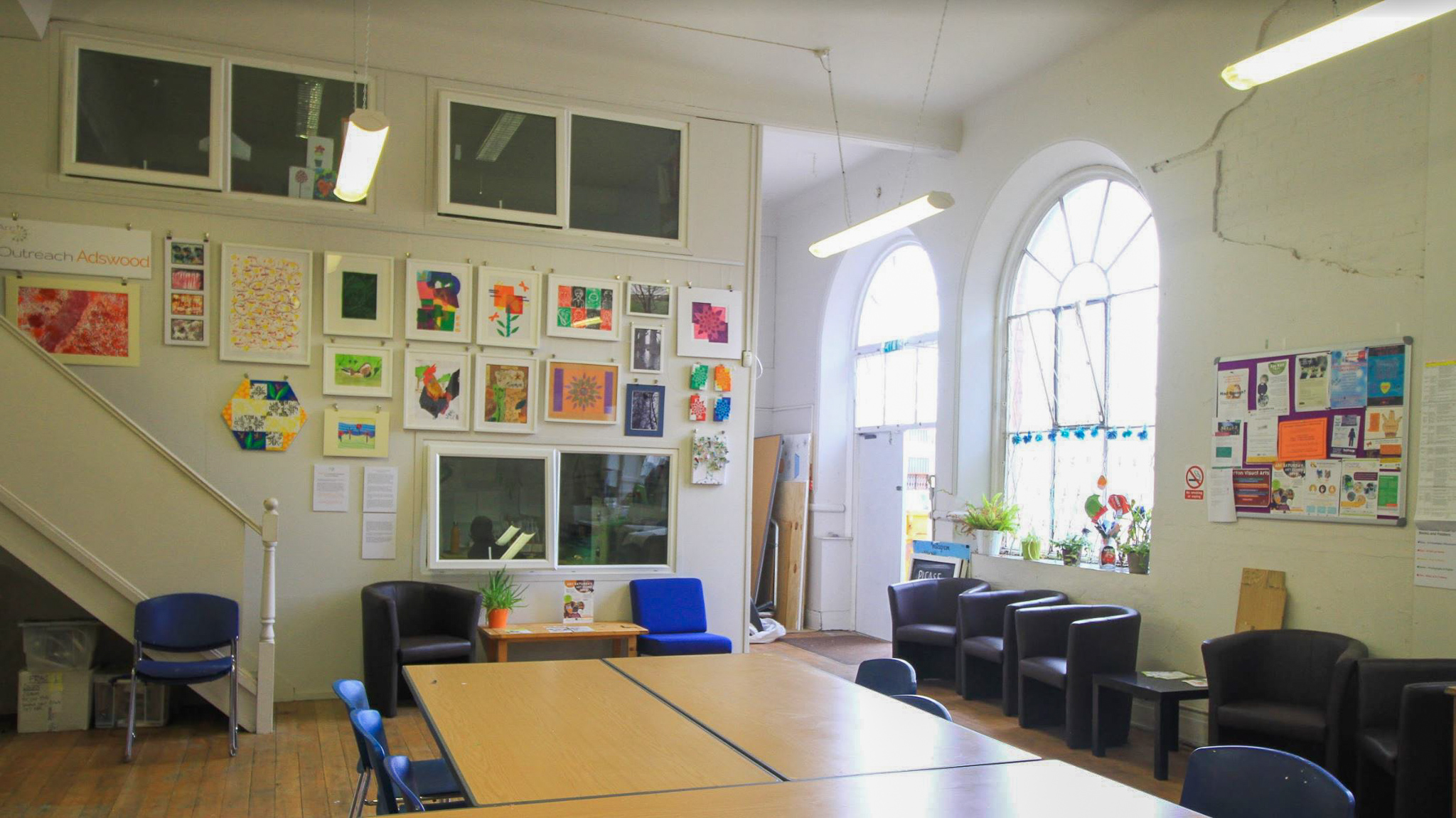
The centre had an exhibition being displayed in their visiting gallery space, which showed all the work, projects and feedback from participants over the last few years. This was excellent timing that we caught the show and we were able to get a glimpse into the amazing work that Arc has delivered, and the effects that has had on the participants who were involved.

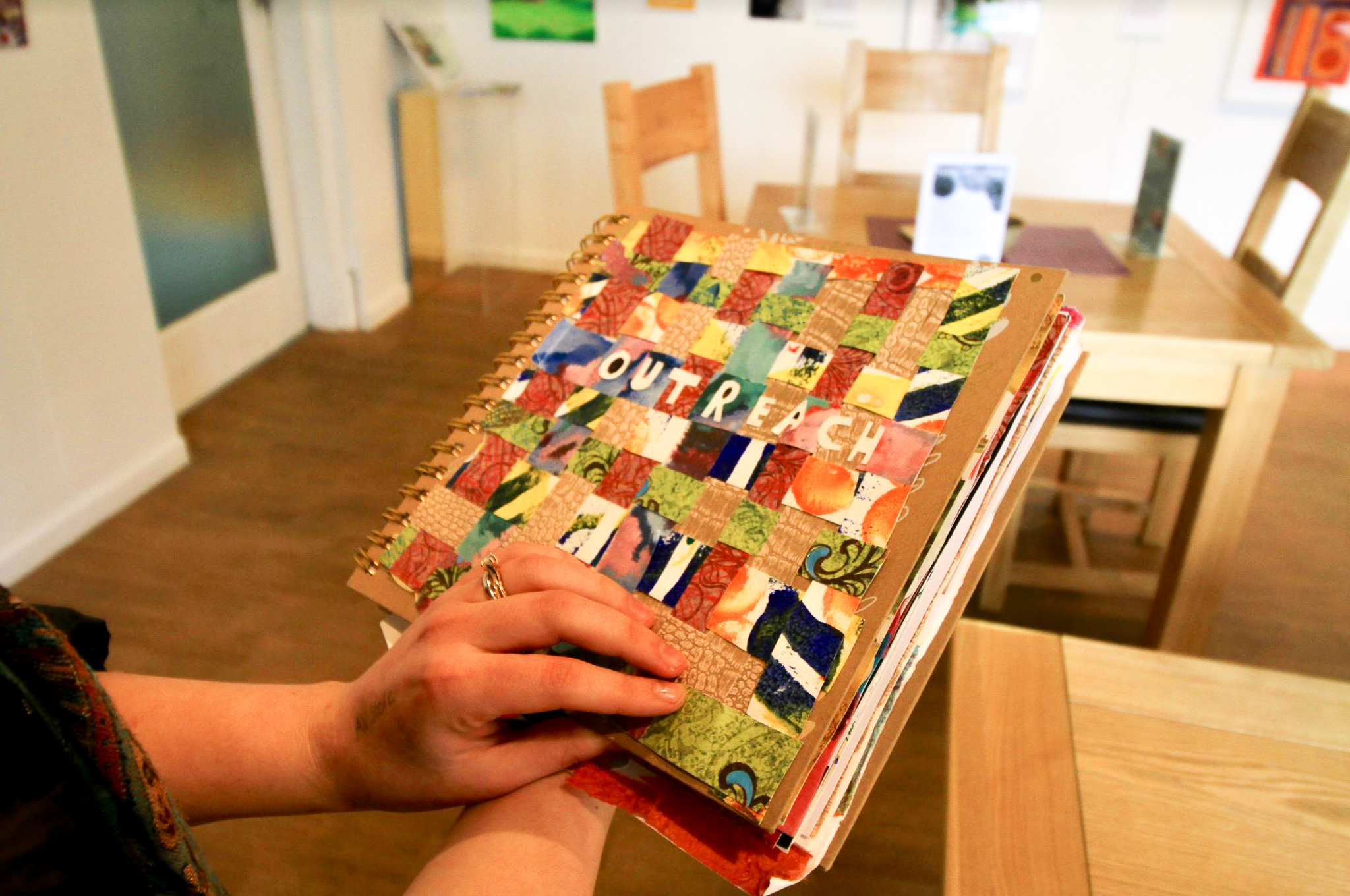
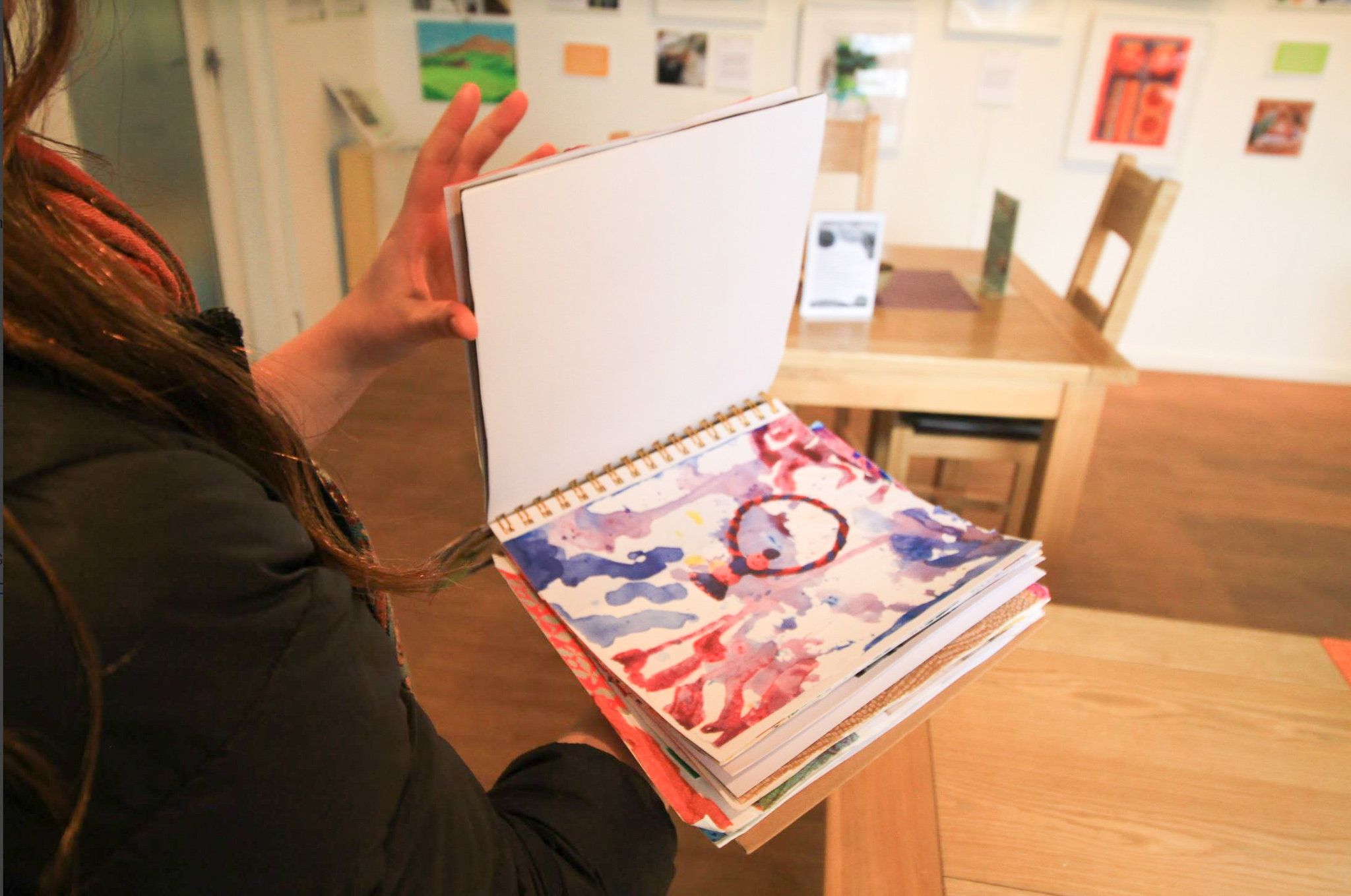
Below are images of Arcs work space:

Leona gave us an overview of the projects Arc offers.
Hearing different models and structures of how arts for health organisations run gives me a good insight and ideas that I can use for future projects.

some of my notes:

Focus is adult well being,

Participants are either self referred or are refereed by someone they know.
The programmes they offer are free and Arc raise money with public programmes/ in their gift shop/ events/ fundraising/ finding donations and funds.

Public programme- learn a new skill
charged
a way for the organisation to raise money

All of Arc’s projects are dependent on available partners, funding and volunteers.

Social prescription
Referral process

Many of the participants are referred by family members or specialists, some are self referrals. Arc makes sure to support the participants in and out of Arc, making sure to signpost issues to other organisations and specialists if necessary to help the individuals outside of Arcs support.

The programmes Arc provides are created to help individuals with:
-A staple week routine
-Build social skills
-A network of support around them

Making sure that the sessions are accessible, fun and relaxing.
Art can be intimidating as there are many people who feel they can’t ‘do’ art. Sessions are planned to make sure that the creative work is inviting and not overly complex.

Outreach programme

Entry to Arc
Beginners/ participants who are referred and new to Arc have the option to test the waters and try out a testing programme to see if it is something they enjoy.

Each Community Outreach session lasts for 2 hours, every week for 10 weeks. The creative courses are led by experienced community artists and are designed to help participants build in confidence, relax, increase their well being and feel more a part of their local community. All abilities are welcome.

The outreach programme is set at many different locations local to the participants.
6-8 people, 1 artist

This programme is to help tackle loneliness and Isolation, to get people together as an all inclusive programme,
Dementia friendly
Volunteer led

Some of the volunteers at Arc are ex-participants who completed all their programmes, going full circle, and giving back to the organisation by volunteering.

Projects involve support workers, making sure that the participants are supported with any mental health related issues. Projects designed for the course, run by a community artist.
Projects include art such as: mark making/ re introducing what art is/ how to be creative.

The participants are involved in the curating process as well as making the artwork- to aid in building new skills and confidence.

Building their self esteem and confidence.

Well being programme

-mothers group
focused on life as a mother, dealing with issues such as post natal depression.
‘me time’, the children are looked after in a local creche.
Volunteer led

Challenge

This programme requires the participants to travel to Arc, which is different from the outreach programme which was located locally to the participants involved.
The groups are on a bigger scale 14-16 people.
The projects are 2 hours a week for 6 months, so a bigger commitment.
The project is working with a number of artists and volunteers.

This change and contrast to the outreach programme is why the programme is called challenge.
-The participants are challenged to travel to the location, which can be a difficult hurdle to overcome. Helping to build independence and give the participants a feeling of purpose and achievement.
-The groups are larger and there are multiple artists and volunteers, this can be a challenging socially for someone to endure and overcome. Helping to build adaptability and social skills.
-The project is a longer 6 month commitment, this can be difficult for some people to stick to, but this will be a huge achievement for some people as it builds commitment, reliability and independence.

Post challenge

Arc offers workshops for participants who complete the challenge programme.
These include:
-Choir
-Mindful movement
-creative writing

These workshops are less often, running every 2 weeks with breaks. This is to avoid any risk of participants becoming dependant on Arcs support and helps to maintain the participants independence whilst keeping relationship with workshops every few weeks.
Participants are always welcomed to any of these mini projects after completion of the challenge programme.

Arc makes sure to check in with participants to make sure they are ready to end the programme.

The volunteers tend to gain self confidence and self esteem, and through experience at Arc they progress on to becoming volunteers themselves.

Arc make sure to designate the same volunteers in the same sessions to keep a routine and familiar faces. This ensures the sessions are warm and friendly and not overwhelming having to meet new people every week.

Arc also run specific groups such as:

-With schools/individuals with dementia/young moms/young adults and teens
-Arts base – young adults and teens in vulnerable positions.
oldest age- 25yrs.
This is led by a volunteer/ ex-teacher/ social worker.

Arcs partnerships and funding are run though providers such as:

-Children in need
-Nhs
-Council
-Lottery fund

And they fund raise for projects throughout the year.


Aims and Objectives

Thinking about the aims and objectives of this project.

Aims:
-To explore and learn more about arts for health projects and organisations.
-To spread awareness and understanding of what arts for health is and how you can get involved.
-Bringing arts for health into an accessible platform for the public to access
-create discussions on arts for health

Objectives:
-By visiting different organisations and meeting different artists and professionals, to find out about projects, how projects run, and different insights into the world of arts for health
-researching arts for health and learning more about the field
-Creating a platform for the public to access the information such as a website or a blog
-Creative workshops to informally educate people on arts for health projects
-create workshops built around creative outlets and discussions on arts for health and how the participants can relate to it, with topics such as mental health.

Organisations

Other organisations I emailed to try get involved with:

-Start, Salford
https://www.startinspiringminds.org.uk/

-Cartwheel arts
http://www.cartwheelarts.org.uk/

-Setting up an art residency at Heathlands care home
https://www.carehome.co.uk/carehome.cfm/searchazref/20003502HEAA

I emailed as many places as I could find to make sure we could get an enriched experience of the arts for health community.
As expected, not everyone replied, and not everyone could spare the time as they are busy working in the projects they are involved with.

I feel this project has opened so many doors into the future opportunities and possibilities I can get involved with in the future, whether as a volunteer, to work or collaborate. I am networking and building relationships within the arts for health community where I hope to be situated in as my experience grows.

Meeting different organisations and individuals, I am developing my communication and confidence to relay over my aims and objectives of the project ‘exploring arts for health’.

When I met Rod from 42nd street and explained the project, he was keen to help me reach out to contacts he knew. One of these contacts is someone who had emailed me back sadly declining the offer due to other commitments. Rod introduced us on a joint email and after the introduction that contact was able to set up a meeting with us- success! This helped me gain a deeper understanding and appreciation to networks and connections within the field of work. I hope to build up my knowledge and experience to be involved in this network in the future!

Clive Parkinson

Clive Parkinson, Director of Arts for health at MMU has been a fantastic contact and guidance for our project exploring arts for health. During unit X we had several meetings discussing our project and different aspects of arts for health, making sure our project is ethical and respectful to the people we will engage with. For example: I originally discussed with Clive the potential opportunity to run an art project at a children’s hospice. Through thought and discussion I realised the ethical complications of this, as it wasn’t going to be a long term placement and it would be unethical to build relationships with the individuals at the hospice and then to leave once the project was completed. As I build up my knowledge and understanding of arts for health I hope to stay working within the field and build up my experience to hopefully get involved with projects like these. I feel that this project is the beginning stages of what I hope to build into a career. All the people I am networking and connecting with such as Clive are hugely inspirational and motivational to get their guidance and experienced knowledge.

Clive supported and guided us at the start of our unit X. He gave me a list of contacts to email of individuals and organisations working within arts for health.

To include in the email:
“Clive Parkinson has recommended that we contact you as someone who has a very passionate, informed and rich observations on the developing arts and health agenda.”

Dr Katherine Taylor

-Dementia imagination
-children’s psychologist
-mental health
-artthouwell
https://artthouwell.com/
-Ithrive
http://www.implementingthrive.org/

Simone Spray & Rod Kippen

-42nd street, young people and their mental health

http://42ndstreet.org.uk/

Tracie Daly

-heart in your home
https://www.artsprofessional.co.uk/node/209342

Chris larkin & Joyce Booth

-British stroke association

https://www.stroke.org.uk/nw-community-stroke-choir

https://www.linkedin.com/in/chris-larkin-545a2638/

Sarah corbett

-Craftivist collective
https://craftivist-collective.com/

Amanda Sutton & Lydia Burke

-Venture arts
www.venturearts.org/our-work/about-us/team/

Mark Prest

-Portraits of recovery
-alcohol recovery
https://www.portraitsofrecovery.org.uk/about/

-Sarah Harrison Greaves

-Post natal depression
-The other in mother

Email:

Dear …..

I hope this email finds you well. We are Tamara and Freya, third year Arts students at Manchester Metropolitan University. Our final third year project is focusing on Arts for health, we are doing workshops in a school, a youth group and at University as well as expanding our own knowledge on the matter too.

We have been speaking to Clive Parkinson for advice along the way, and he has recommended that we contact you as someone who has a very passionate, informed and rich observations on the developing arts and health agenda.

As part of our final piece we would like to make a documentary style film, to be shown during our degree show, with the aim to further spread awareness on Arts for health.

We would really appreciate the opportunity to come and have a conversation with you and ask some questions and use footage from this in our film. If the filming is not possible this would still be a great opportunity for both of us to gain more knowledge in a field we would both like to continue working on in the future.

We hope to hear from you,

Best Wishes,

Tamara and Freya

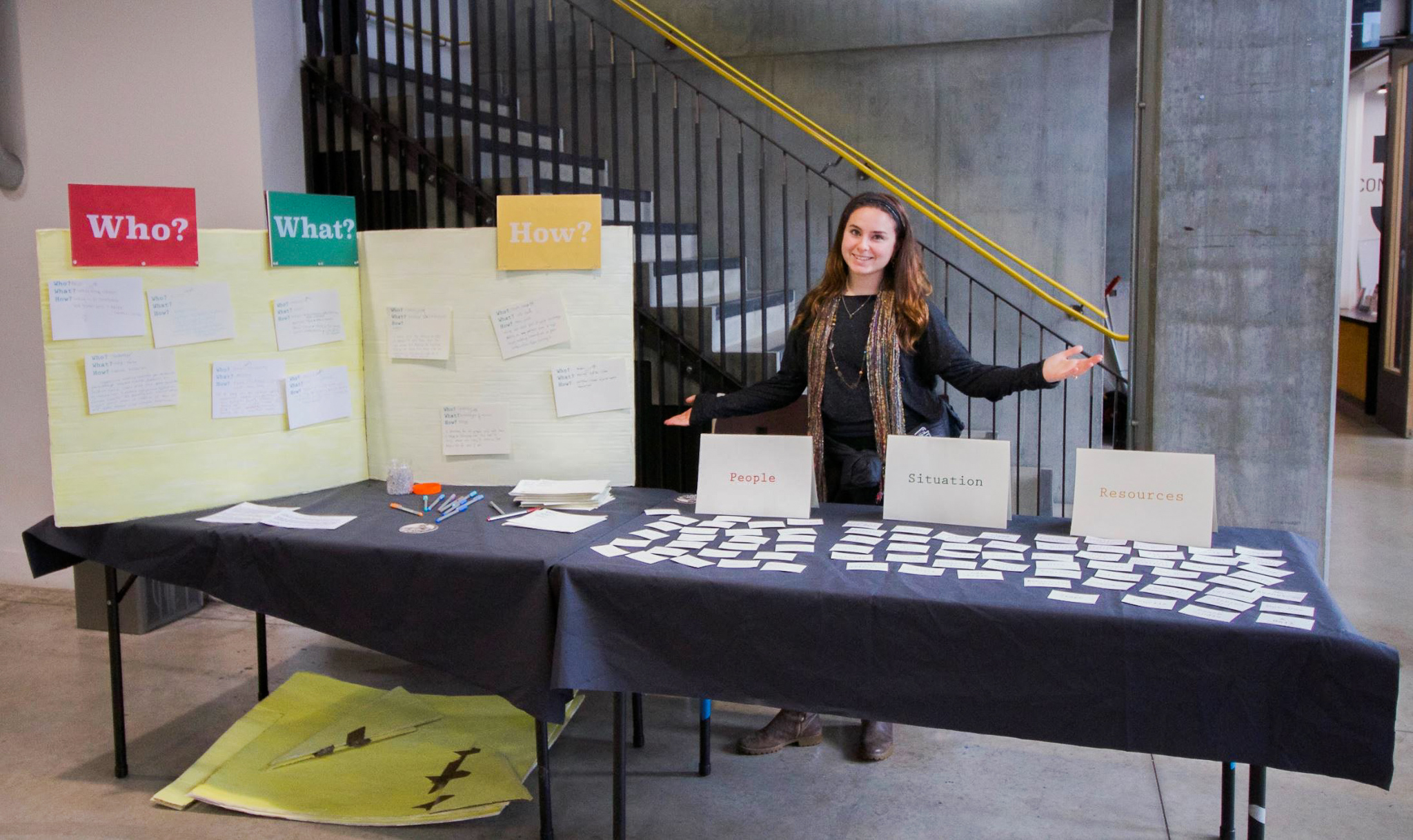
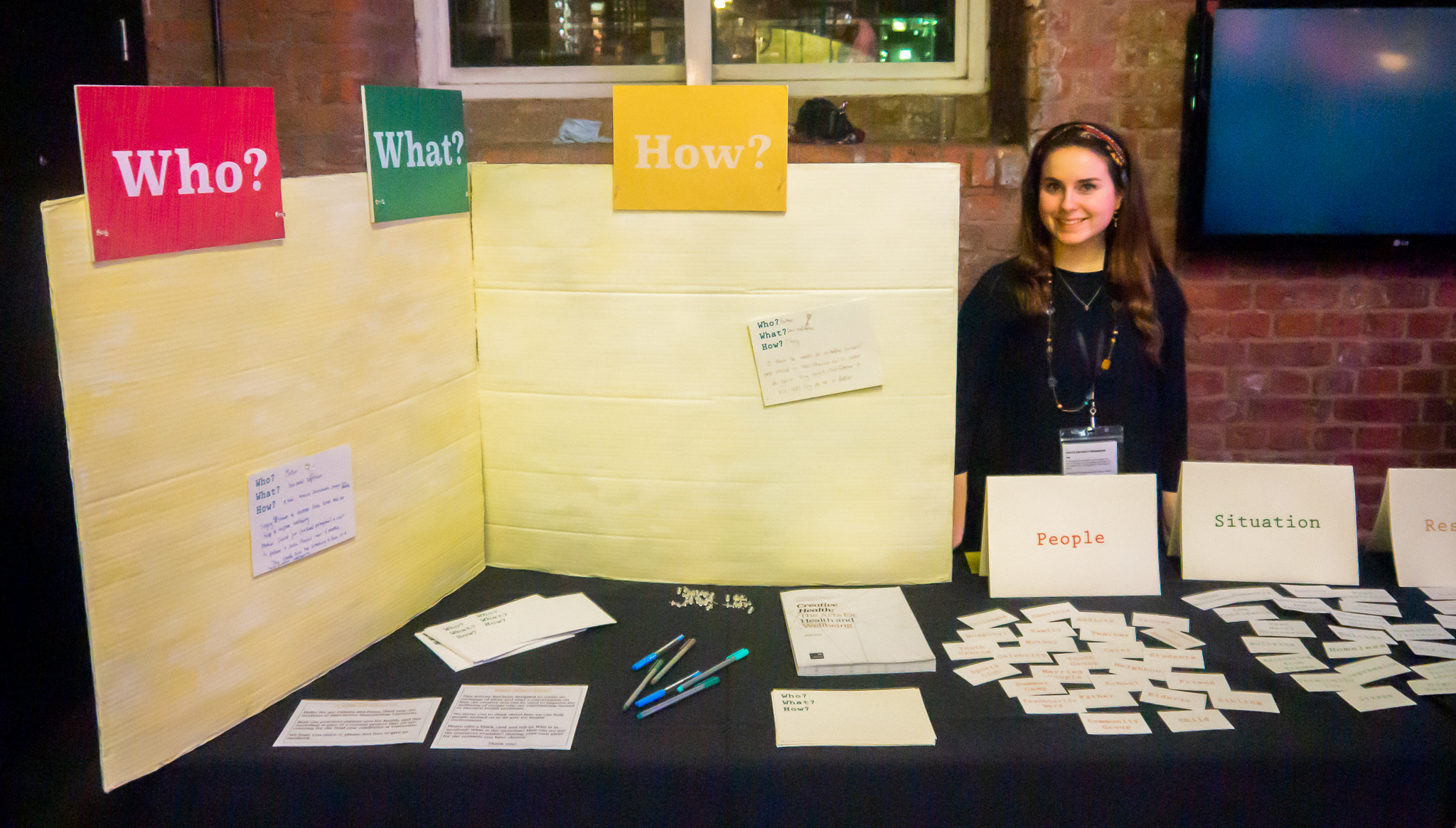
Who What How?

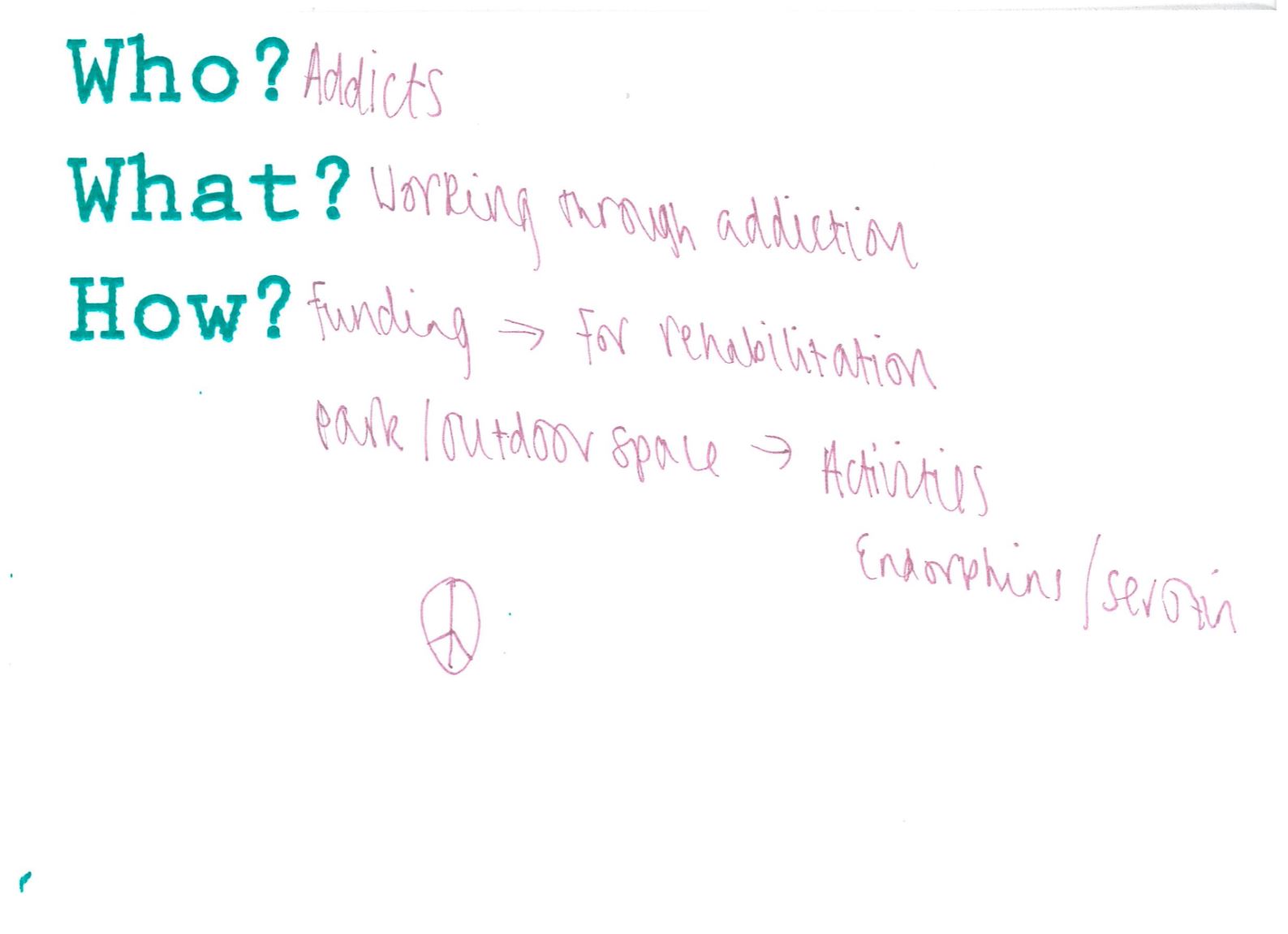
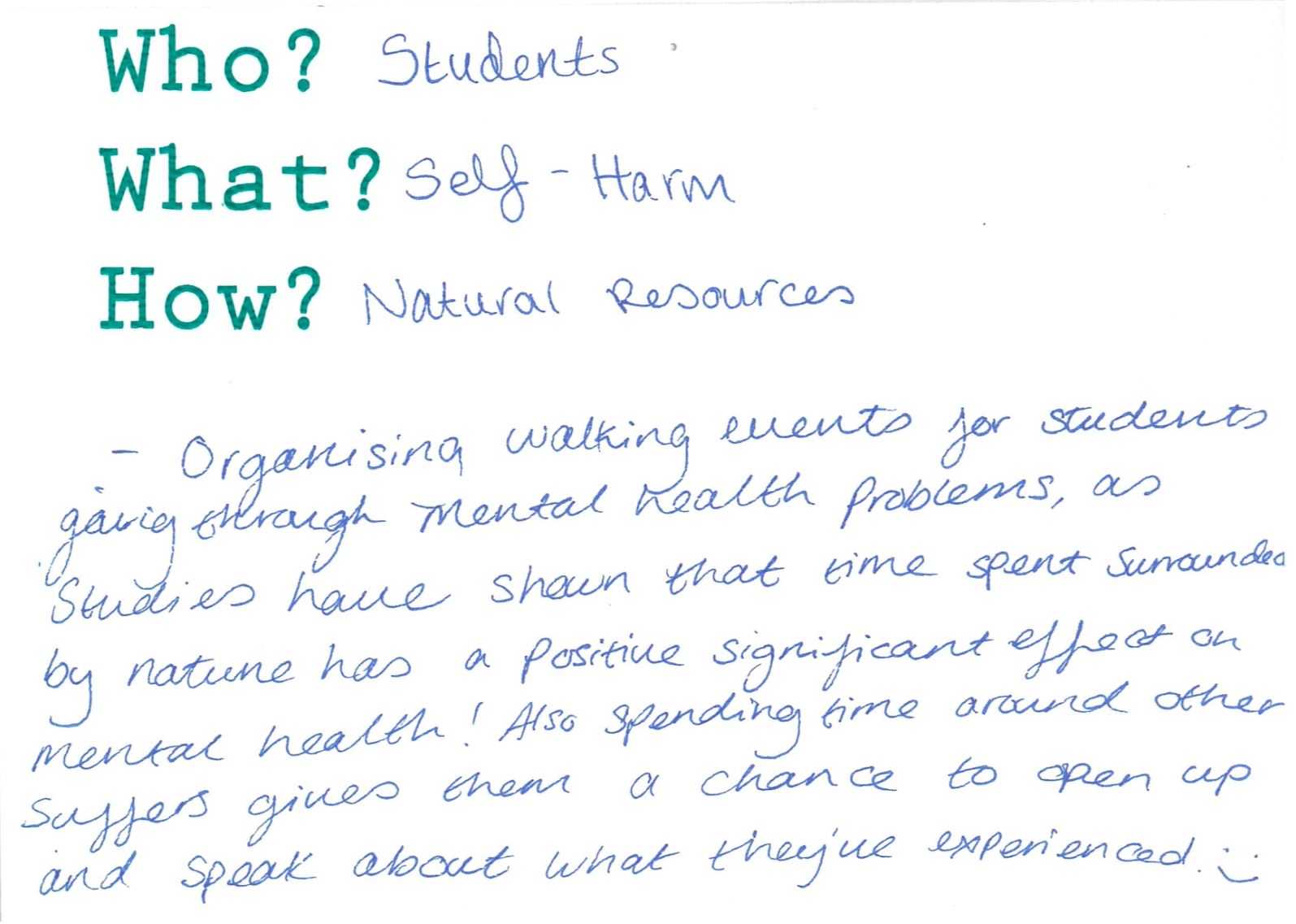
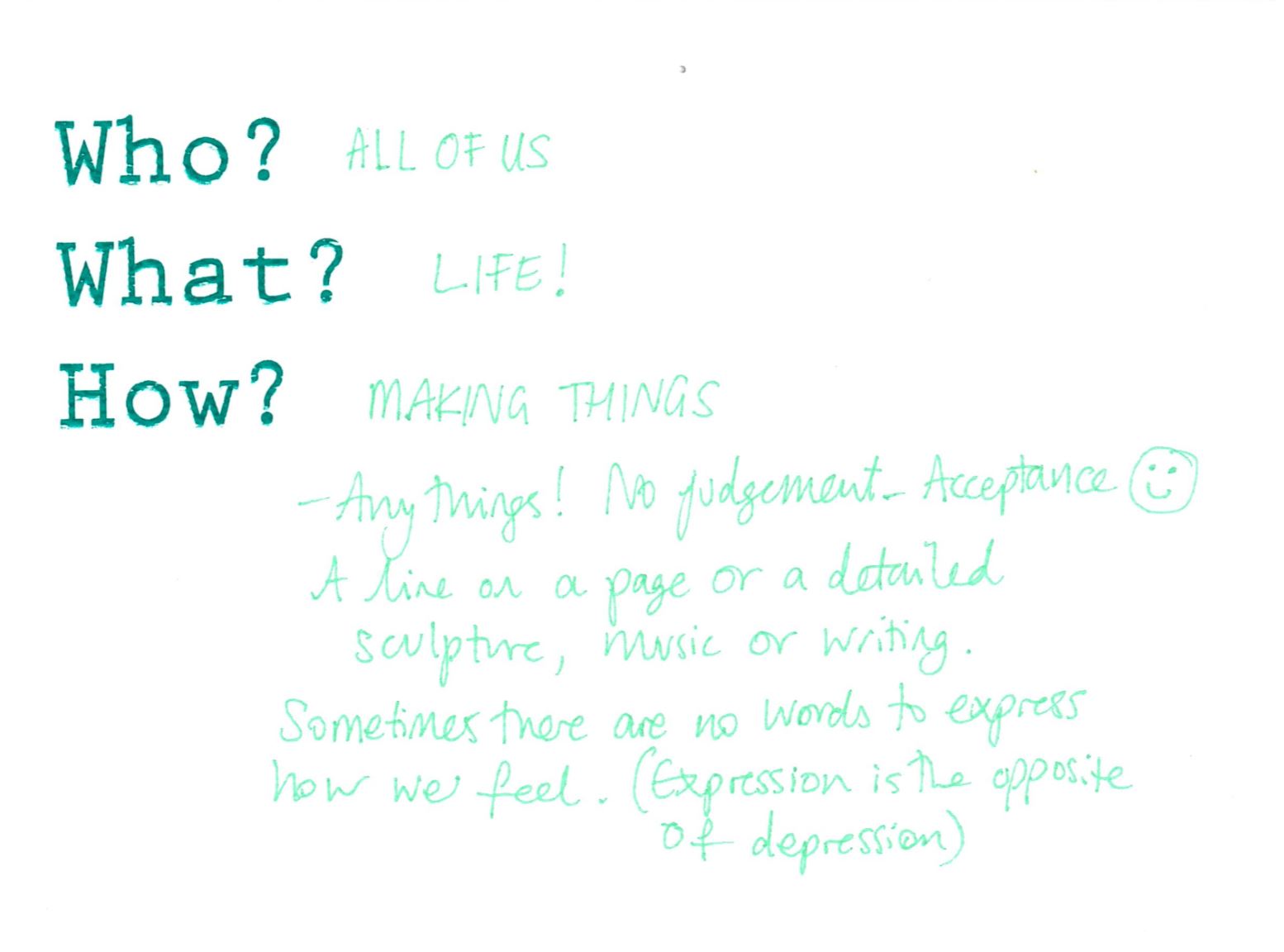
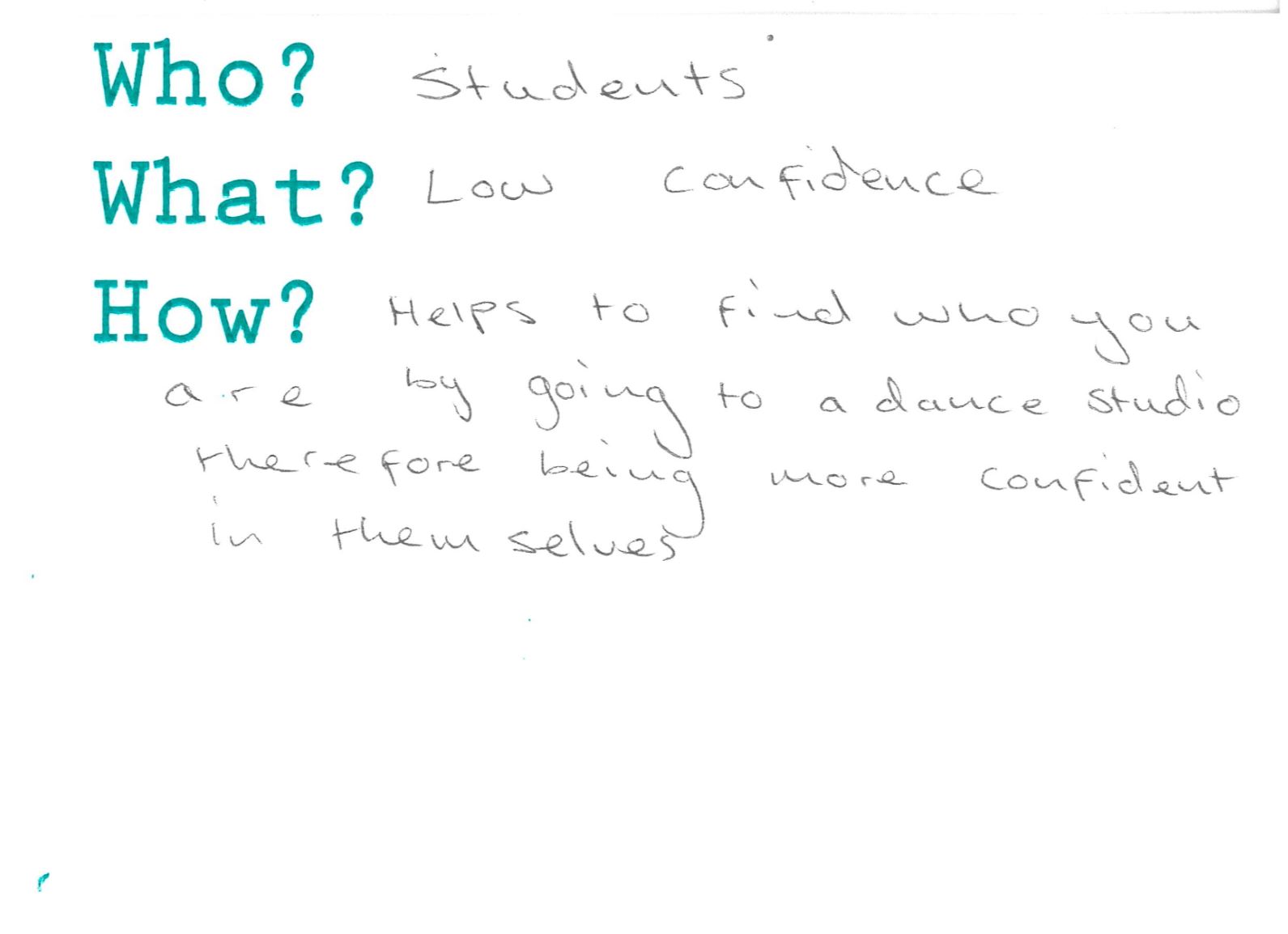
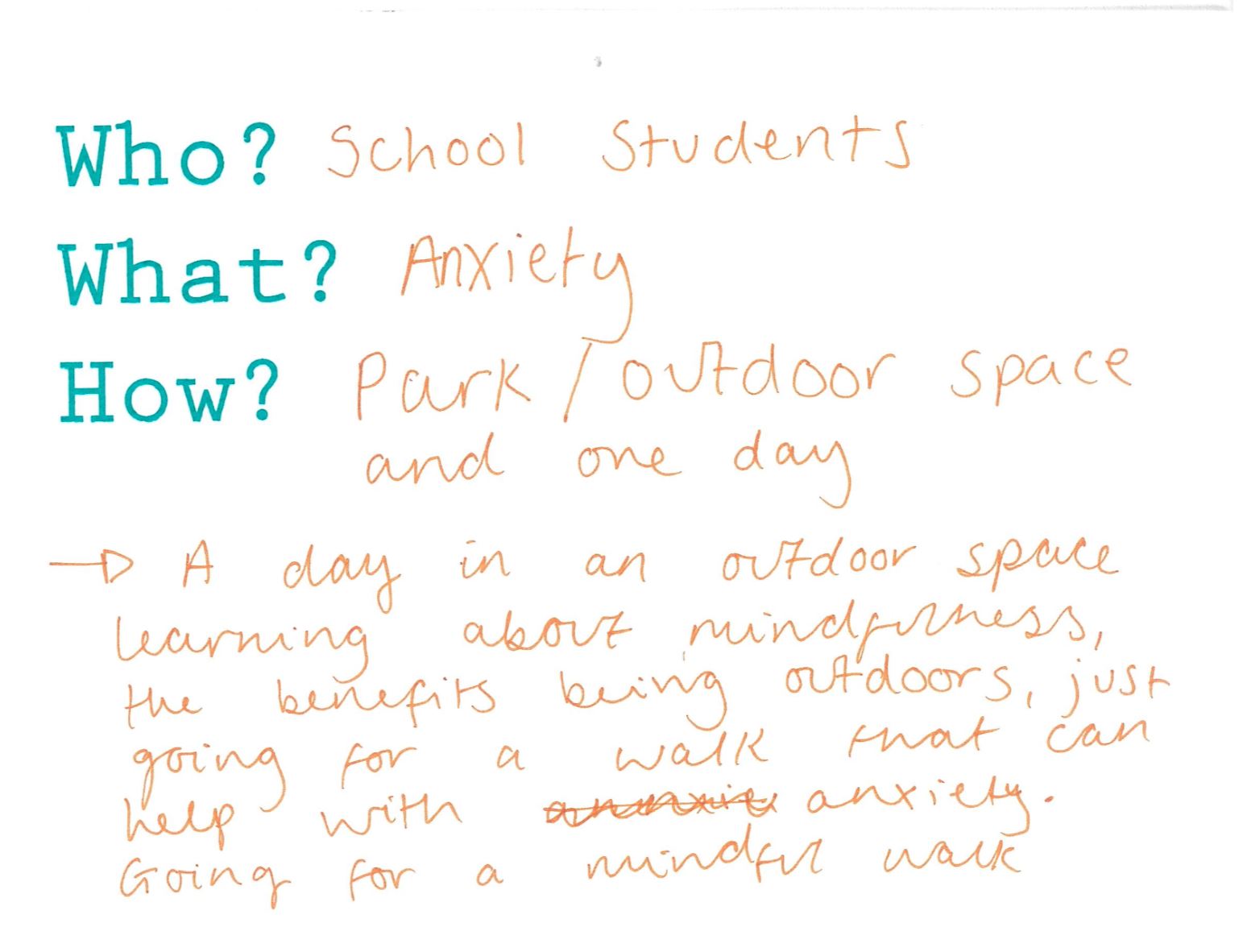
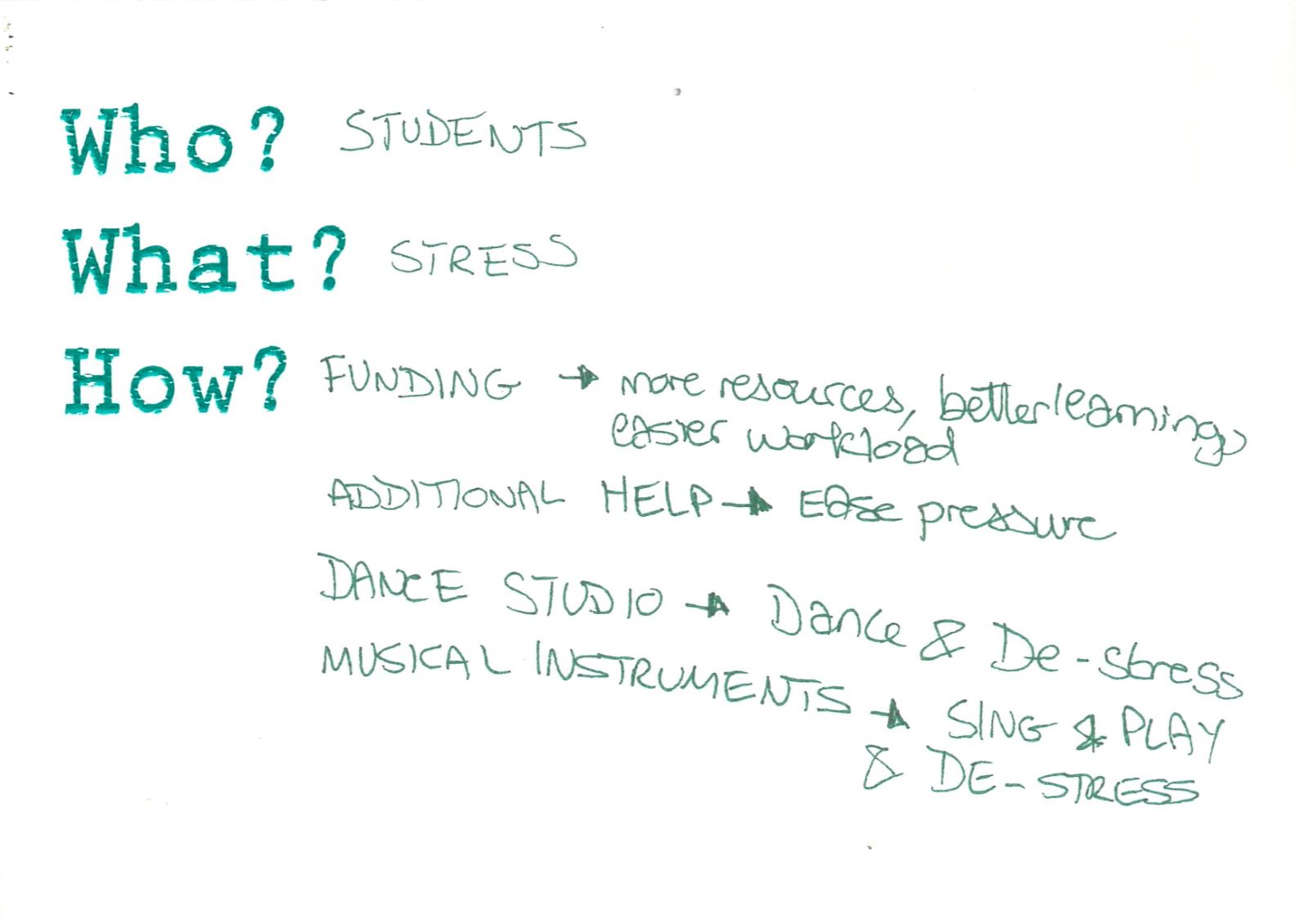
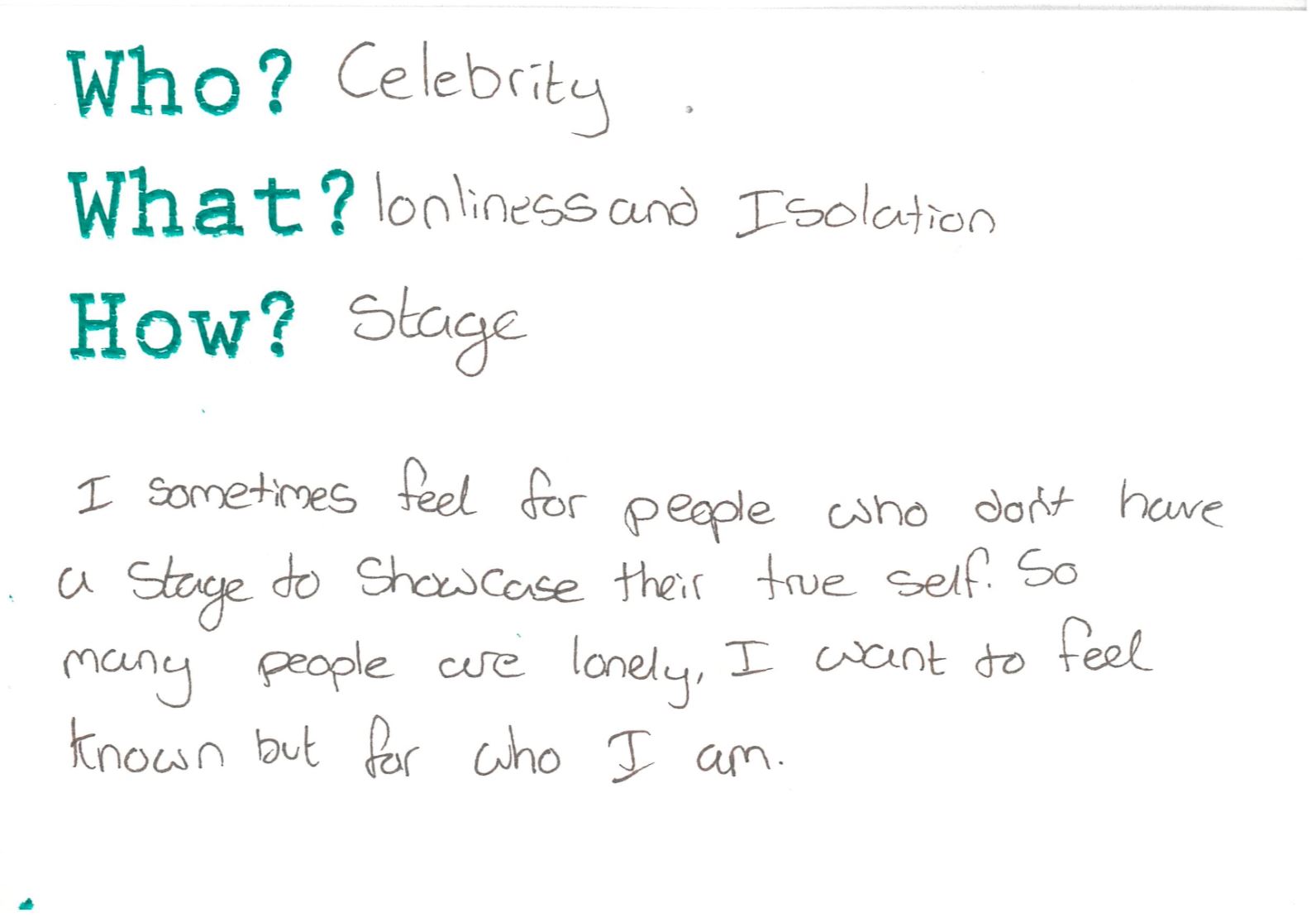
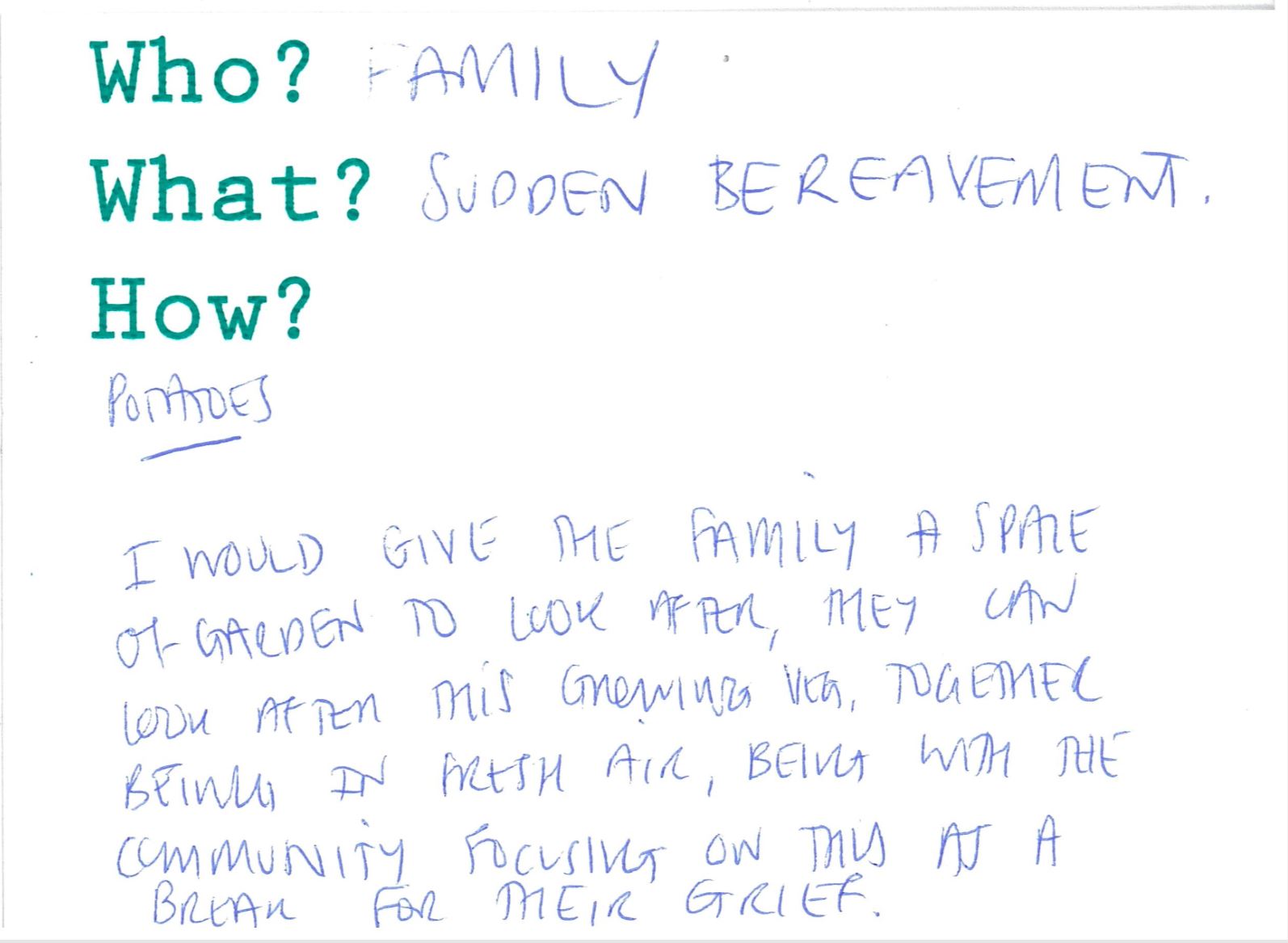
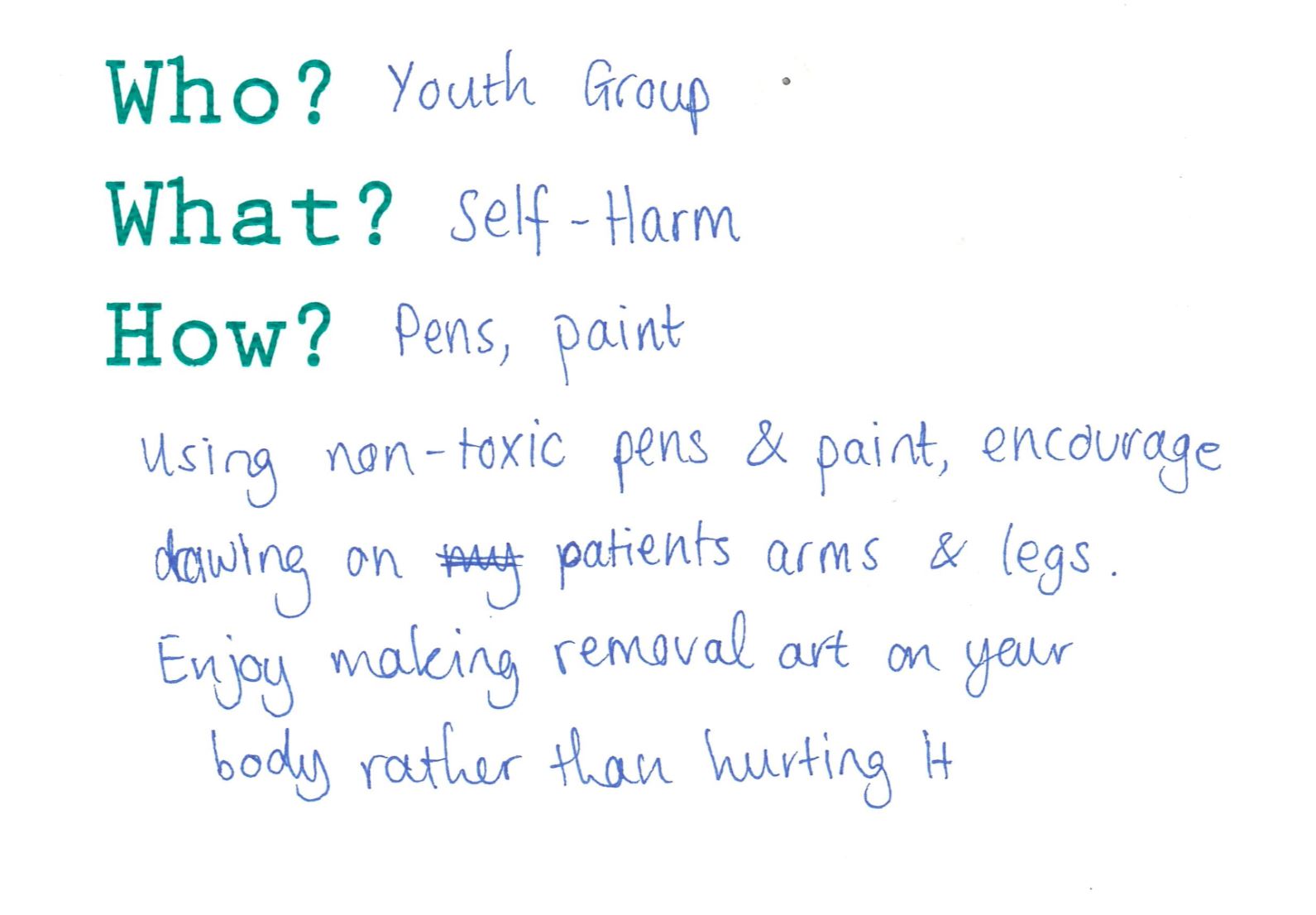
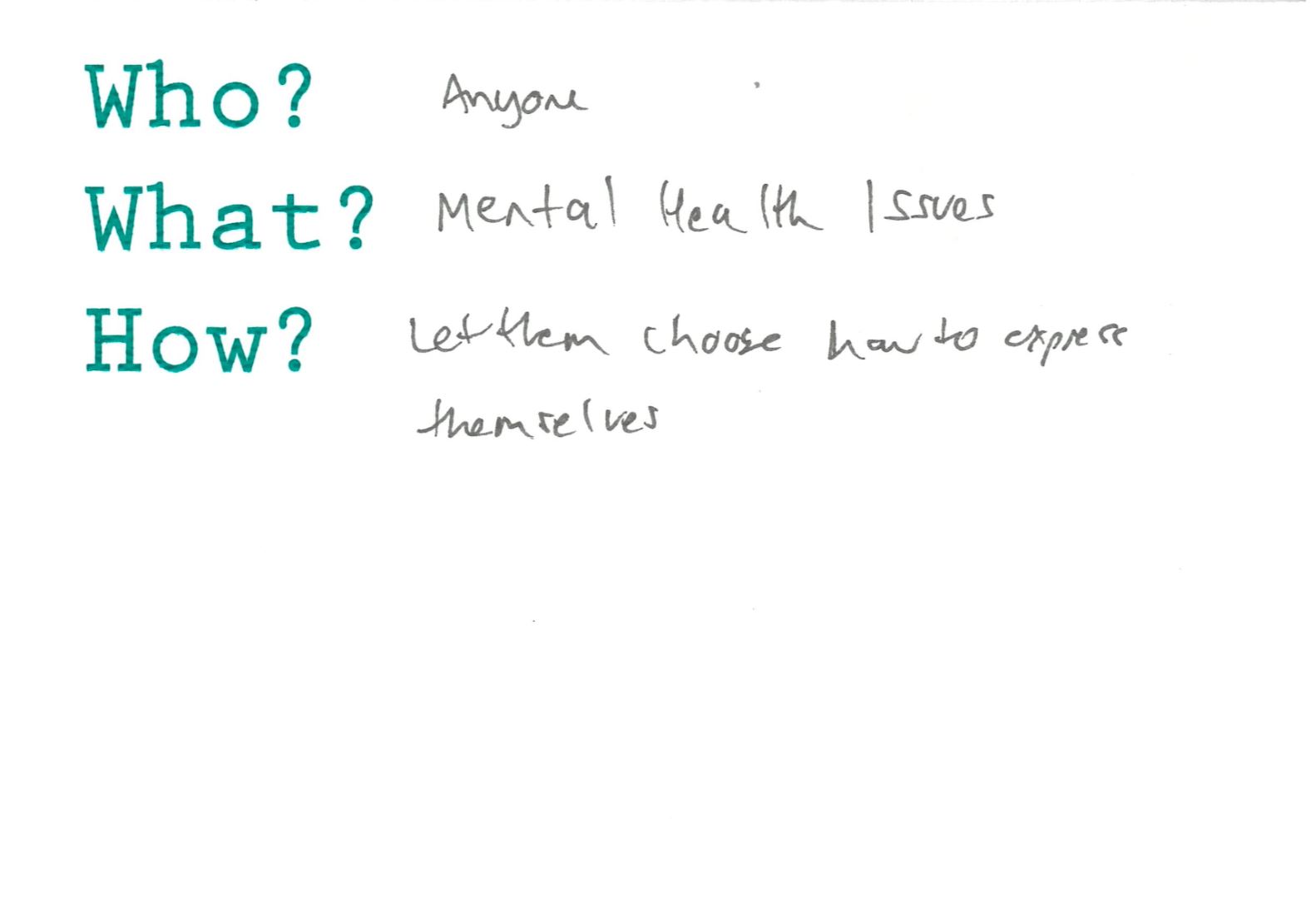
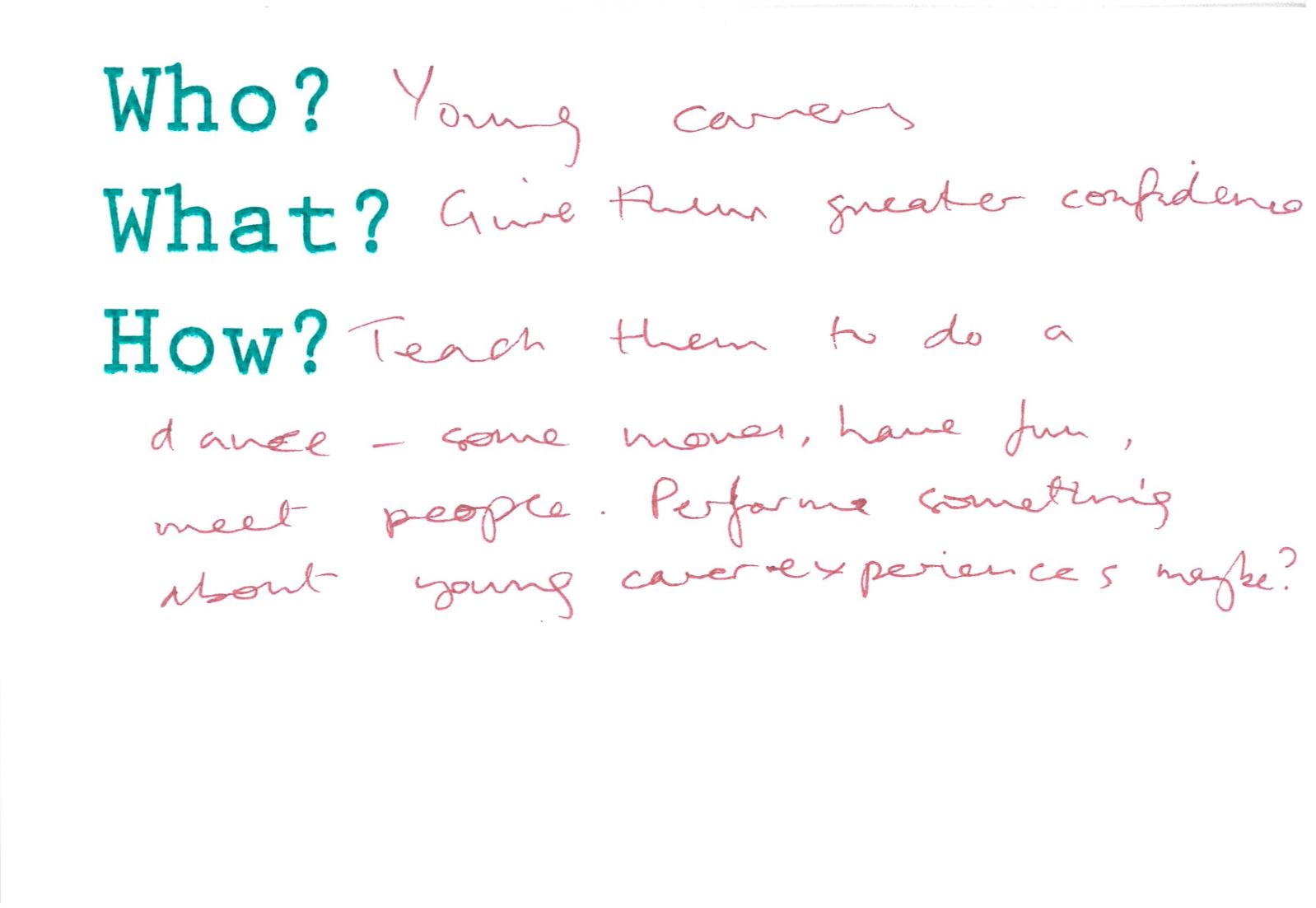
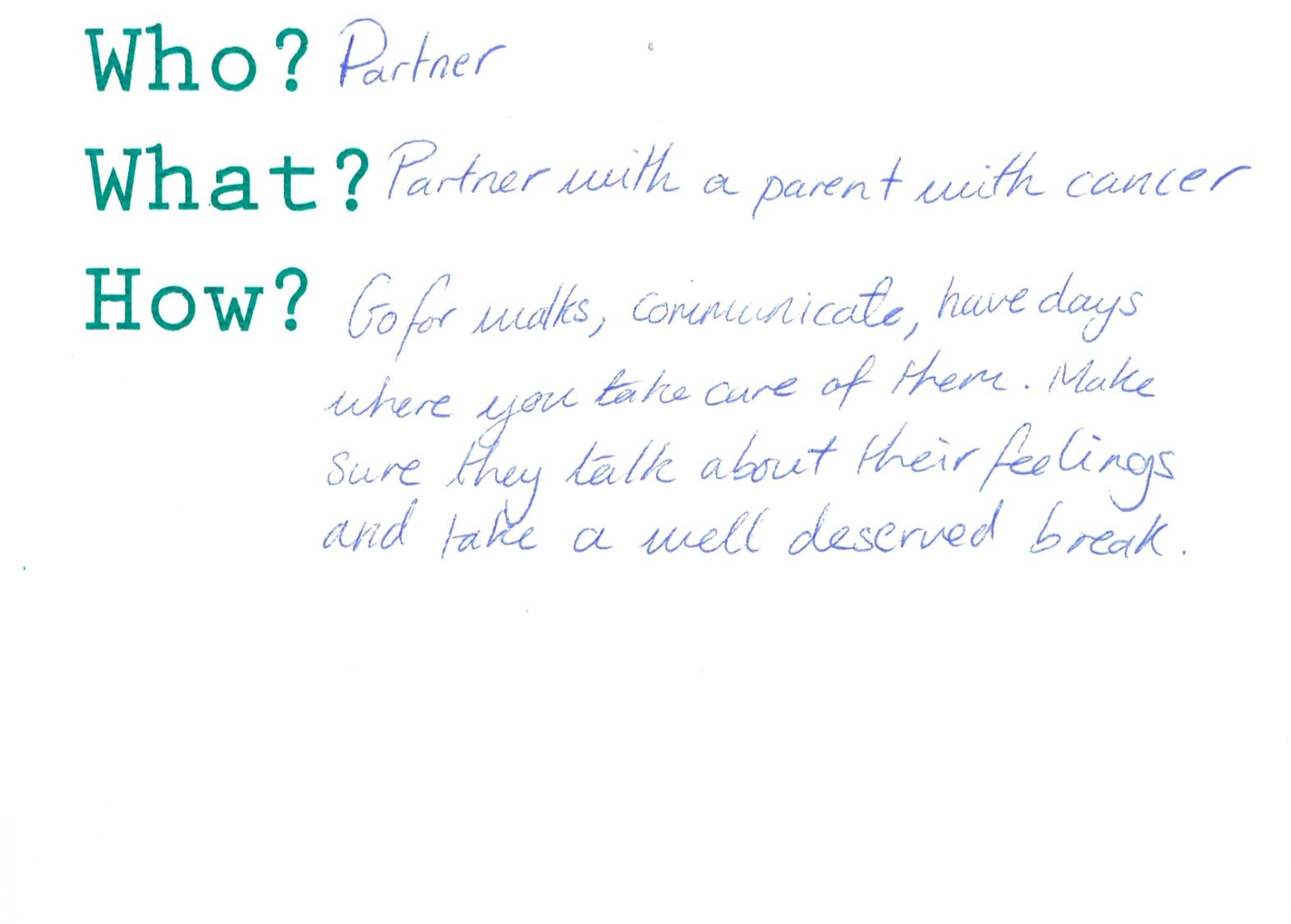
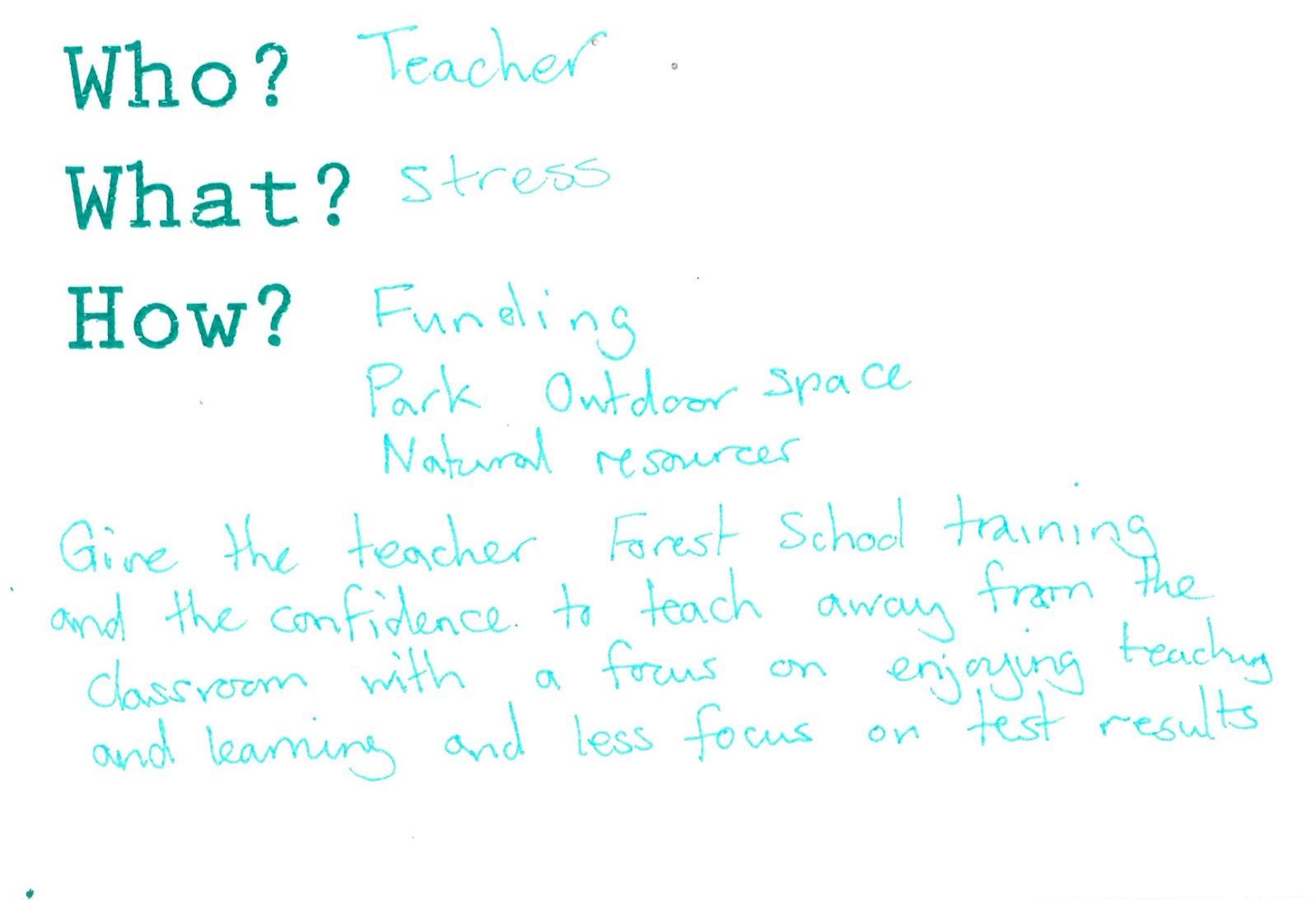
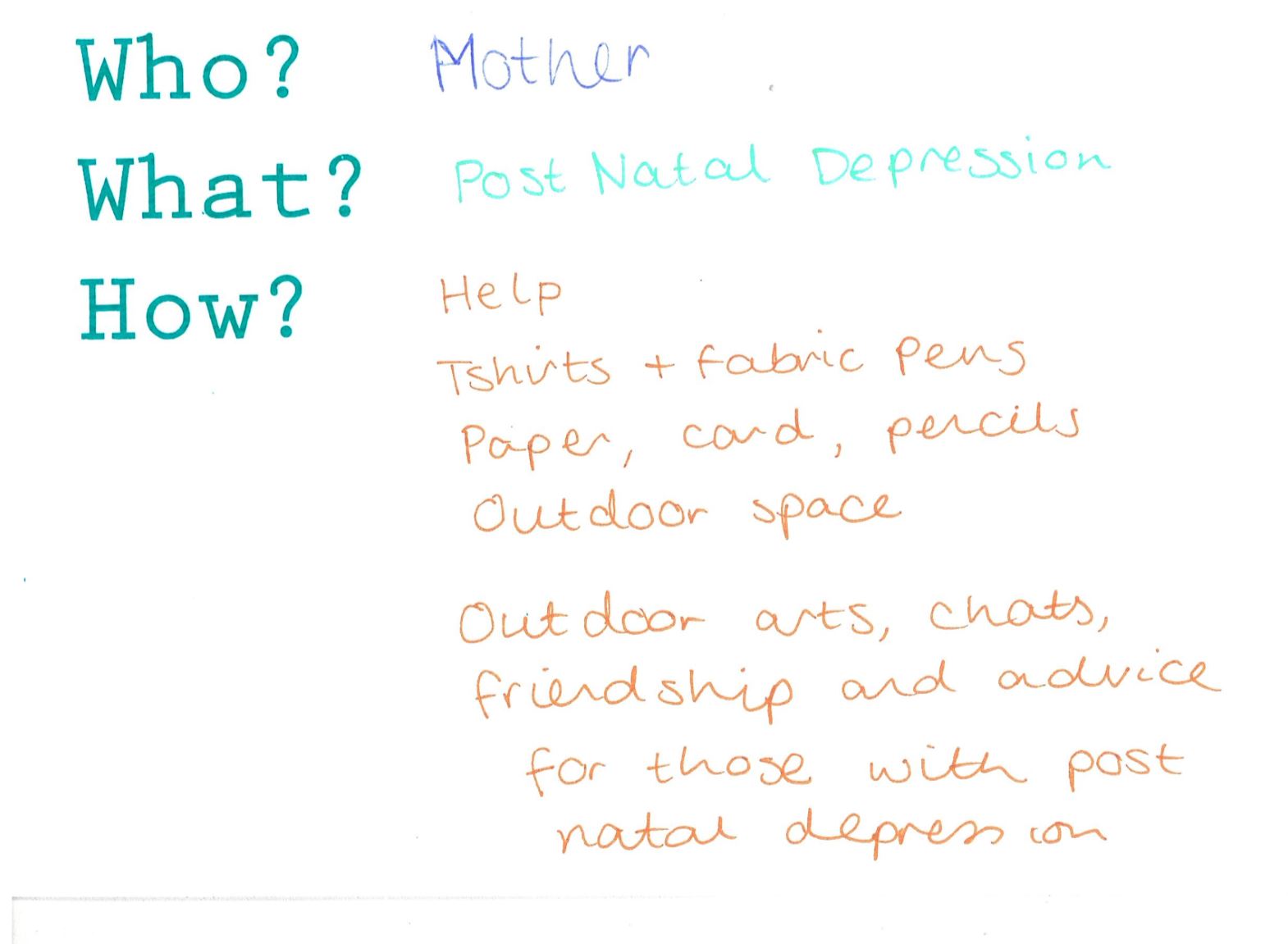
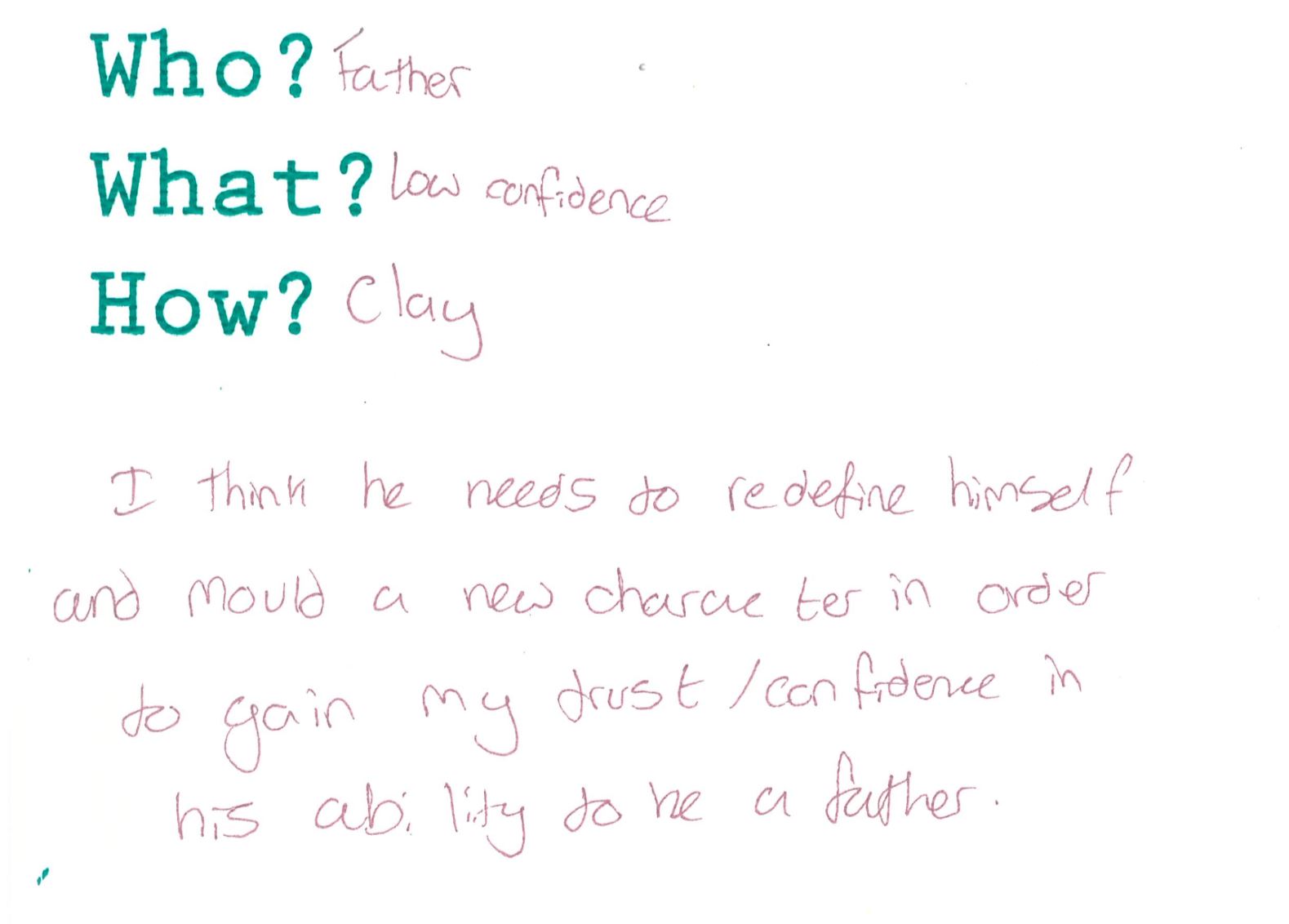
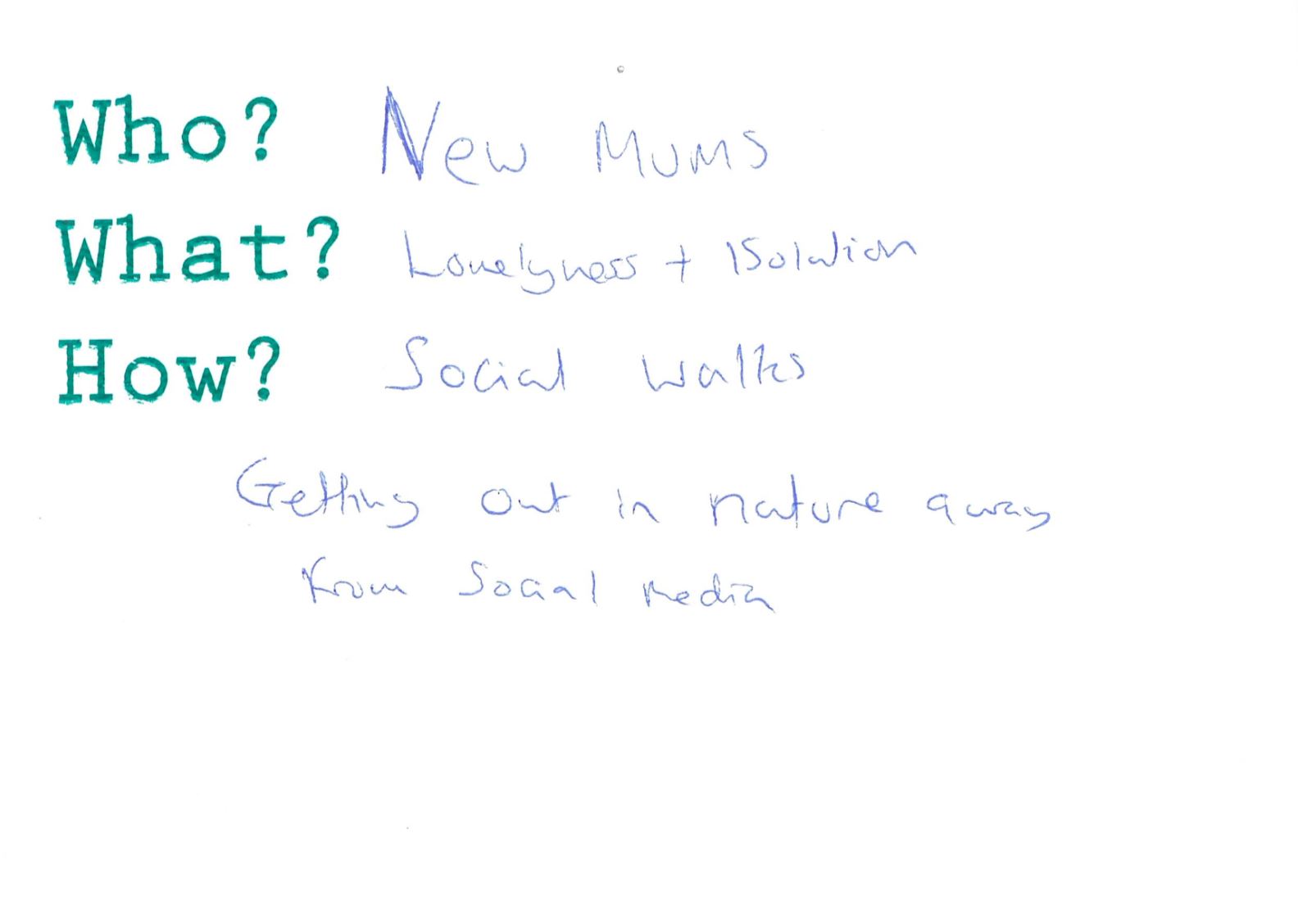
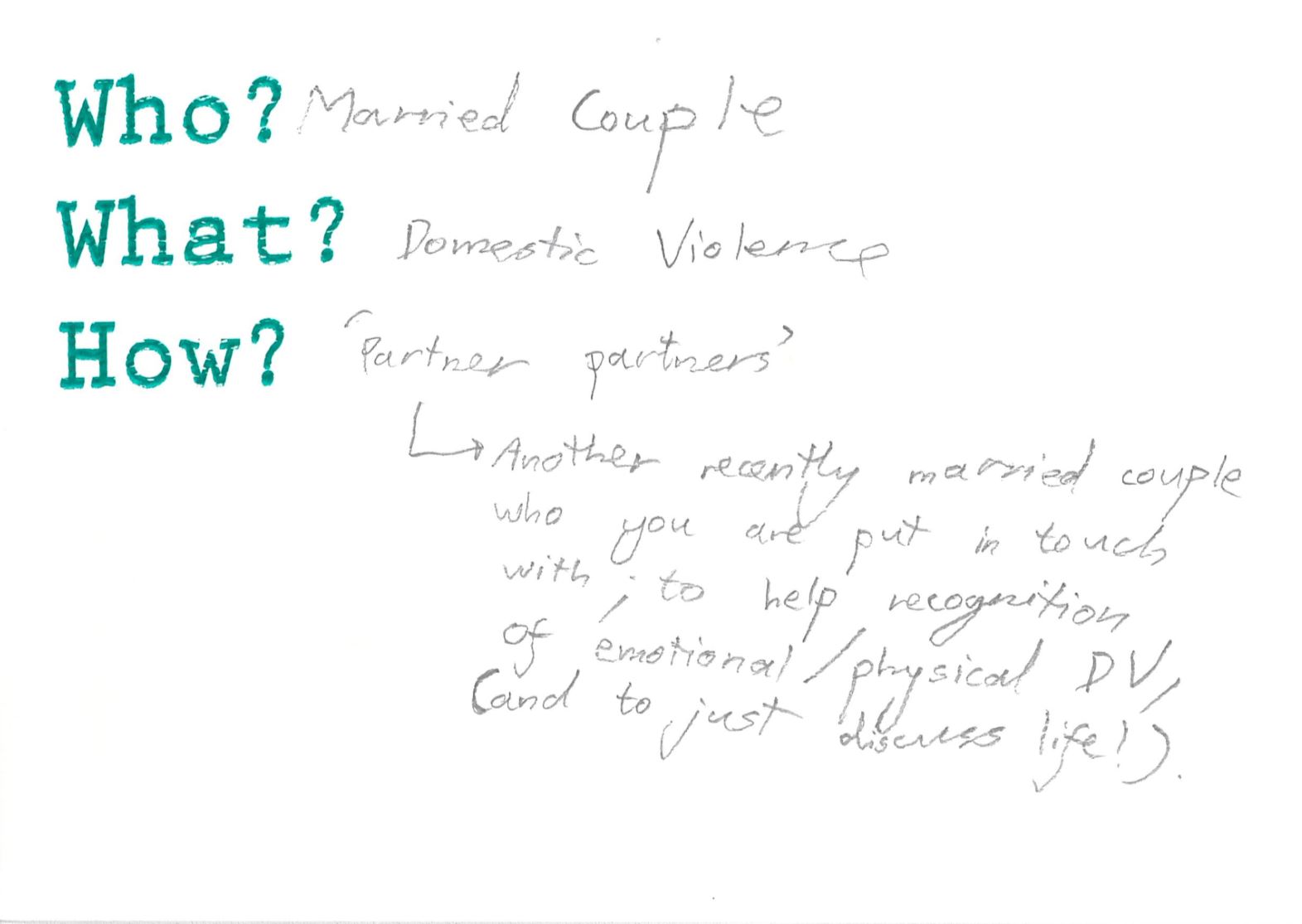
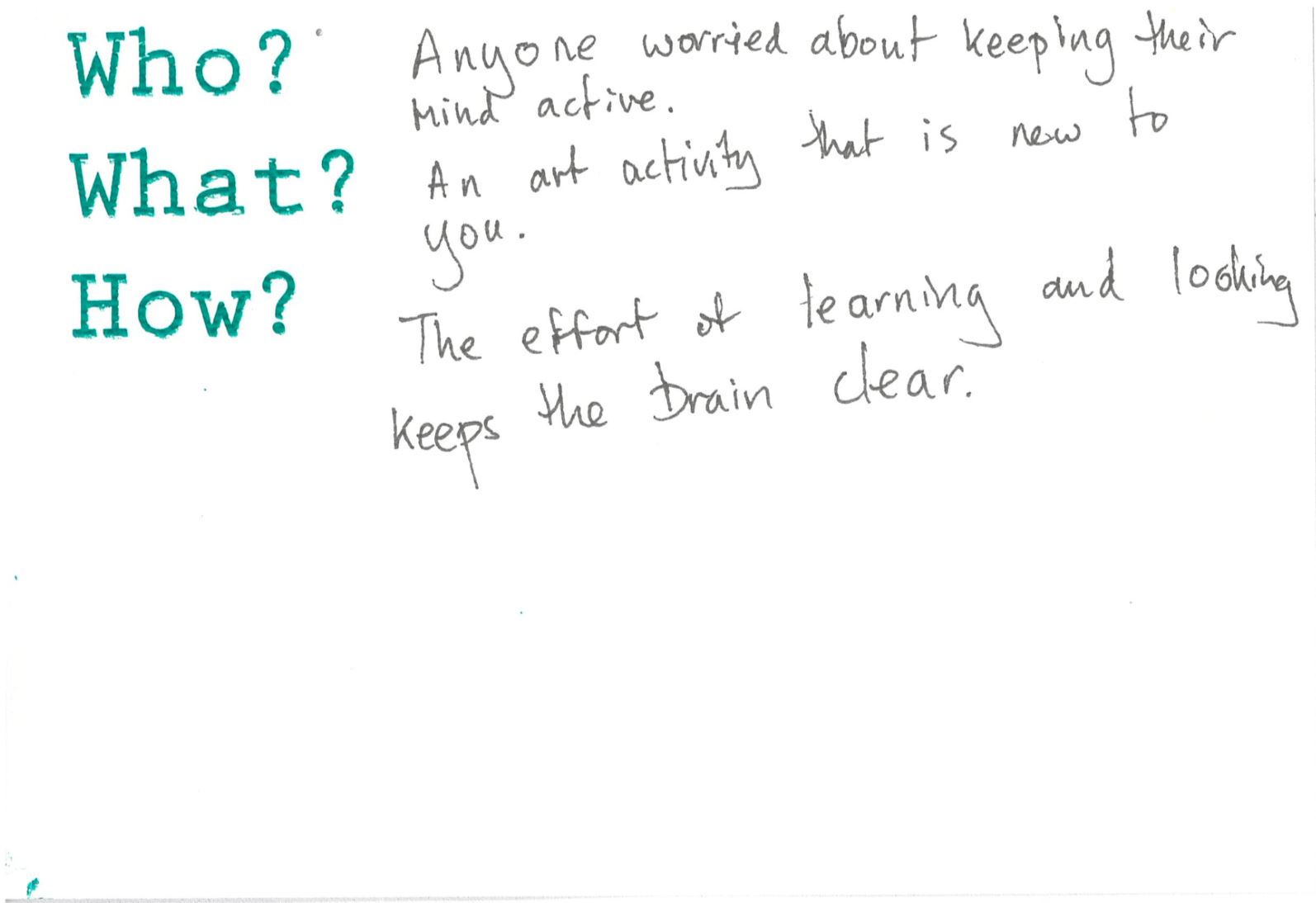
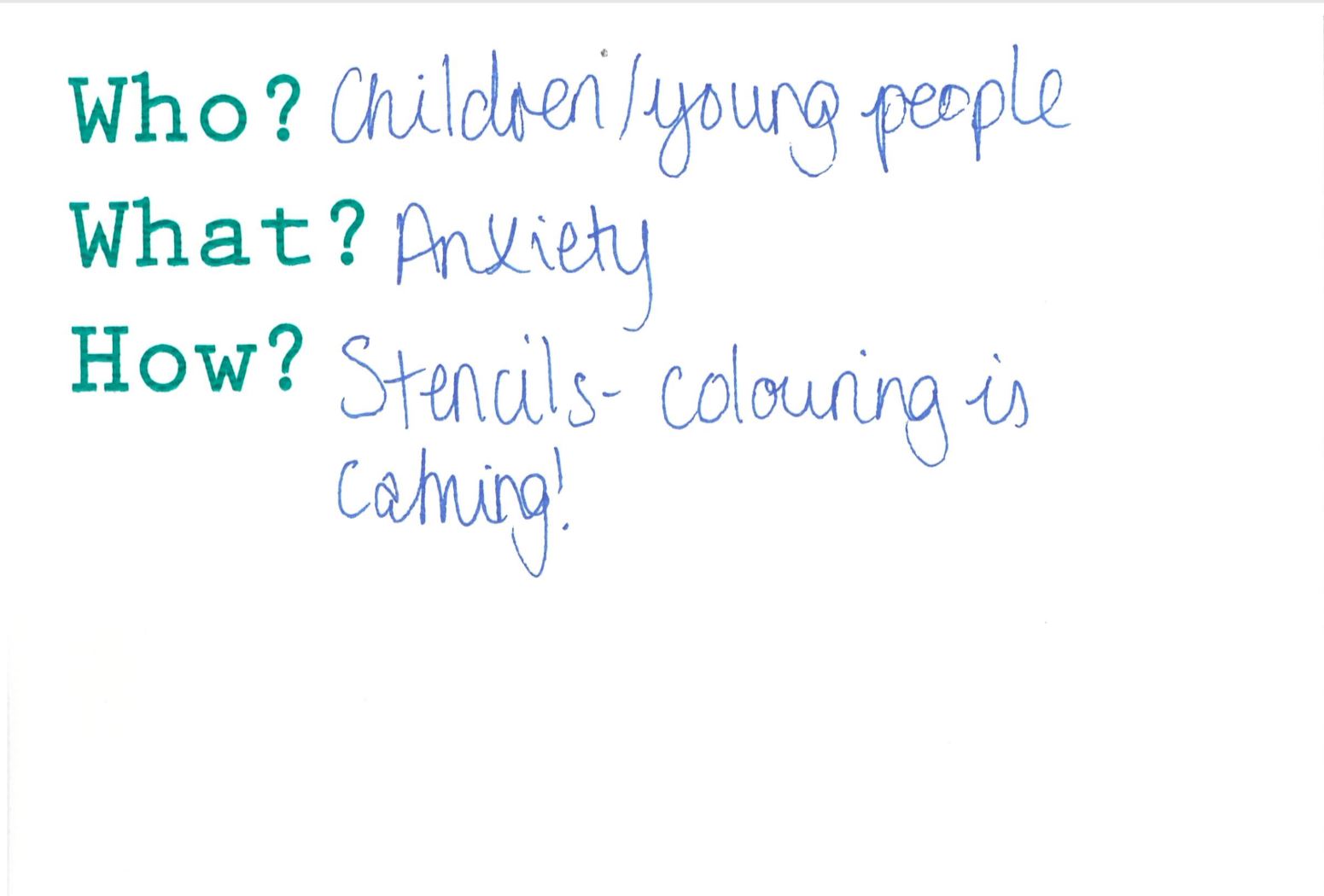
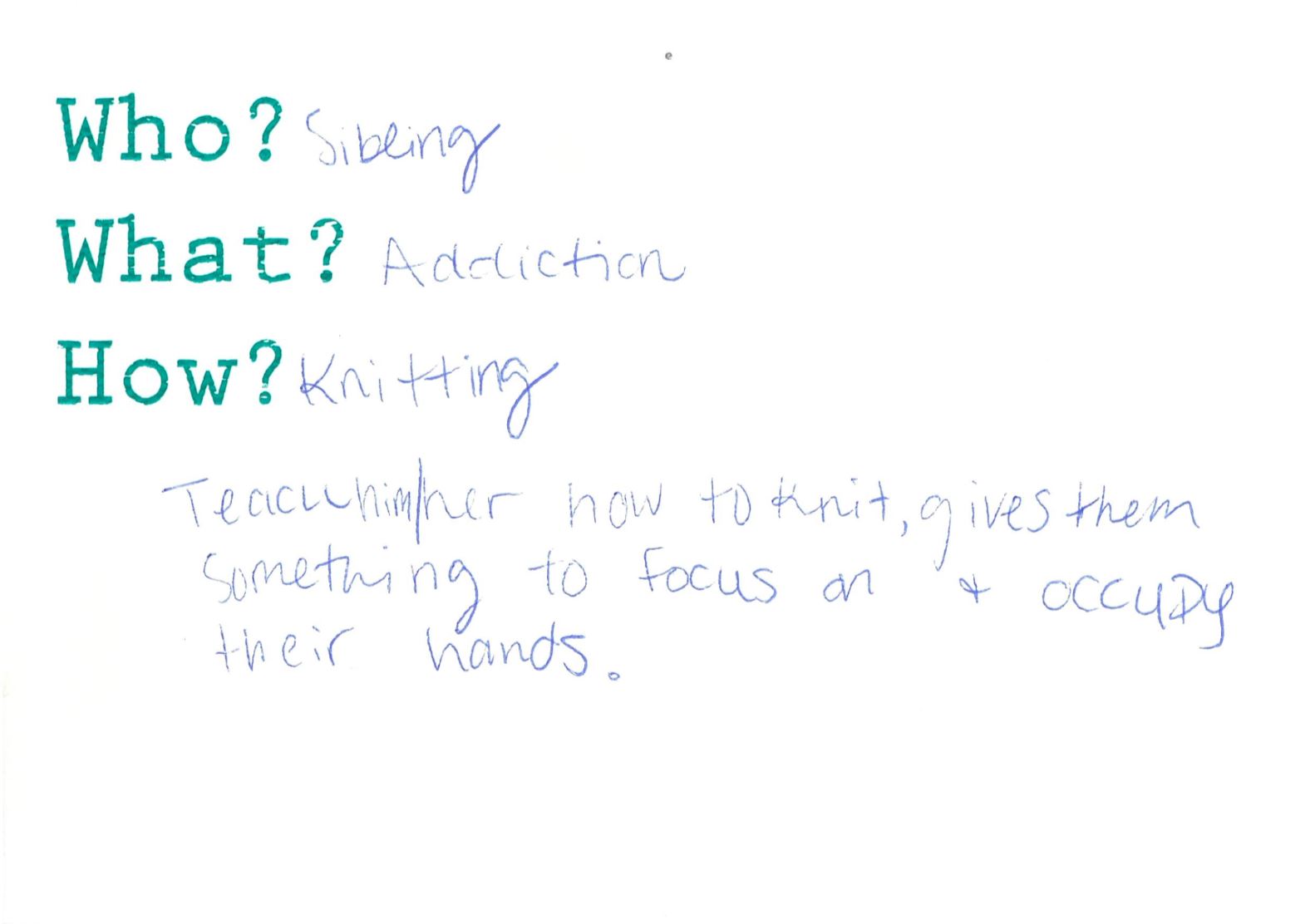
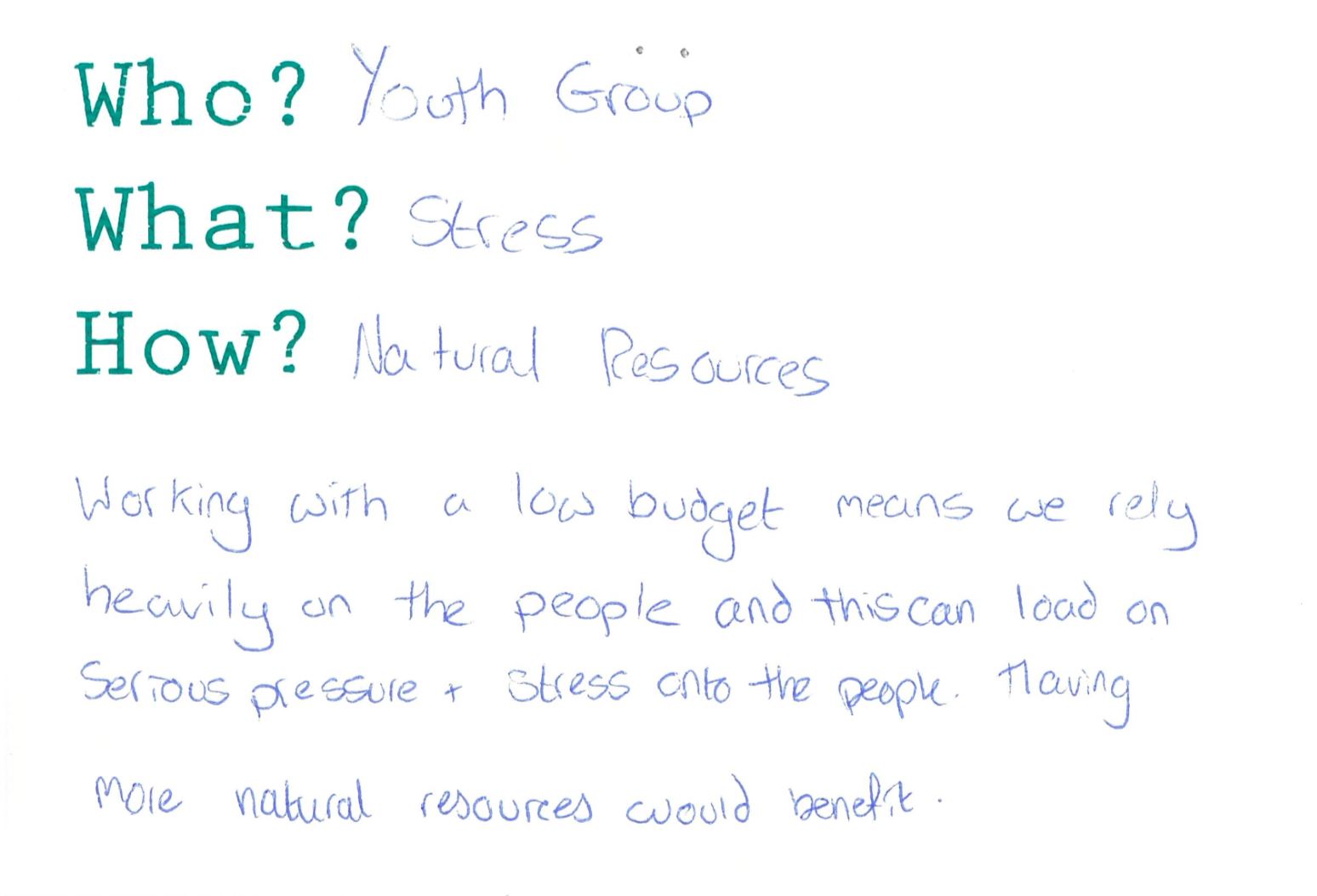
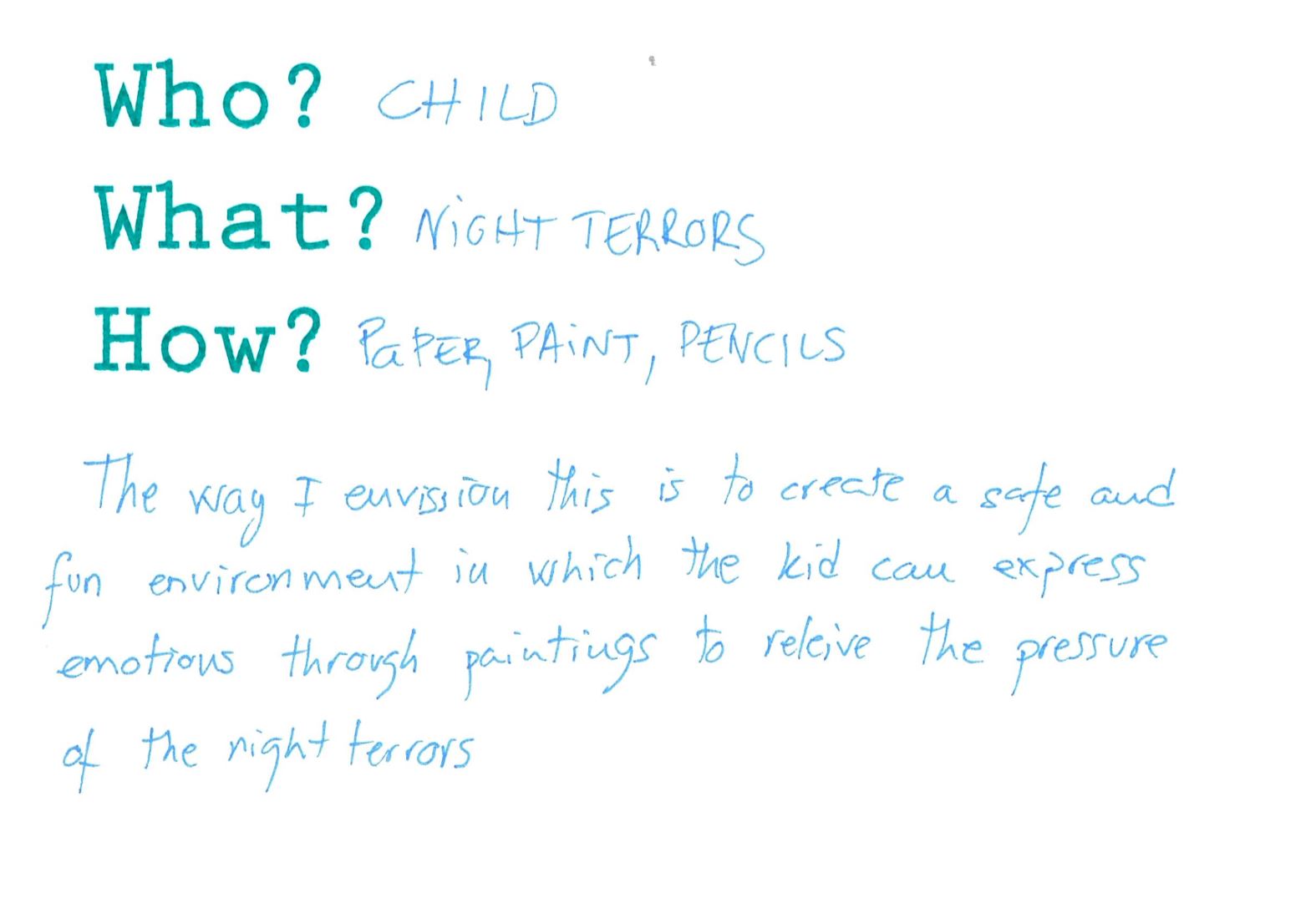
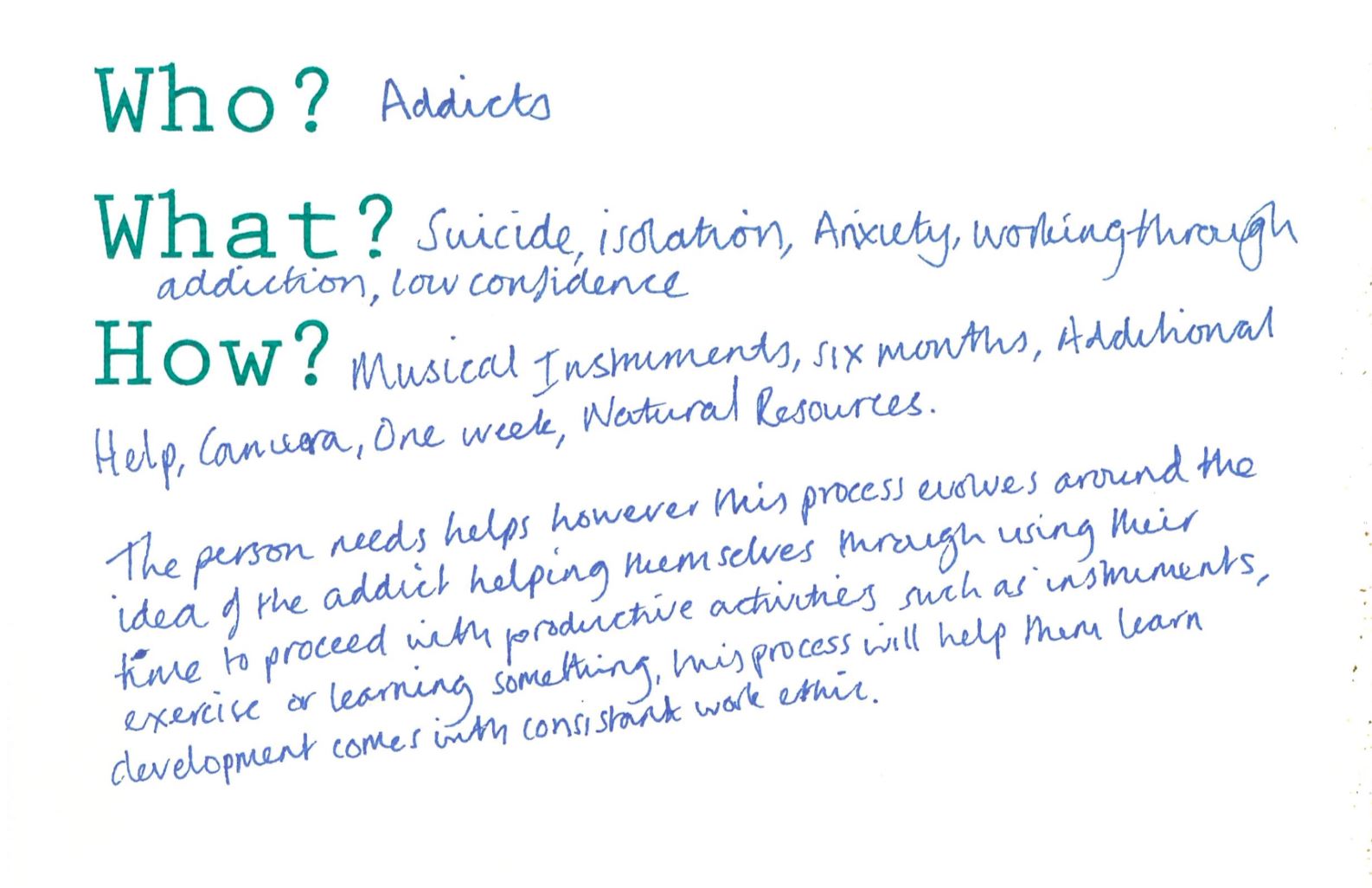
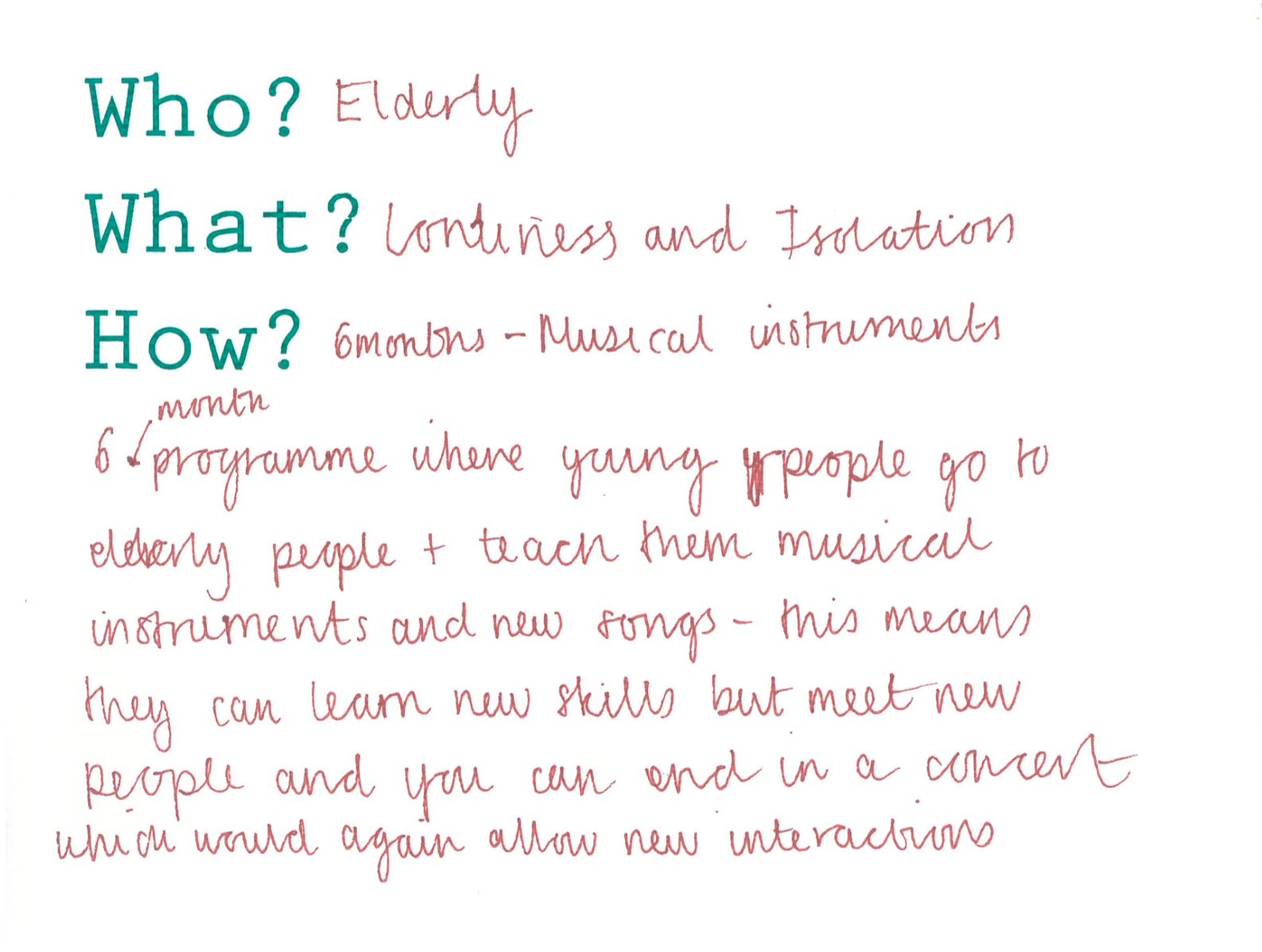
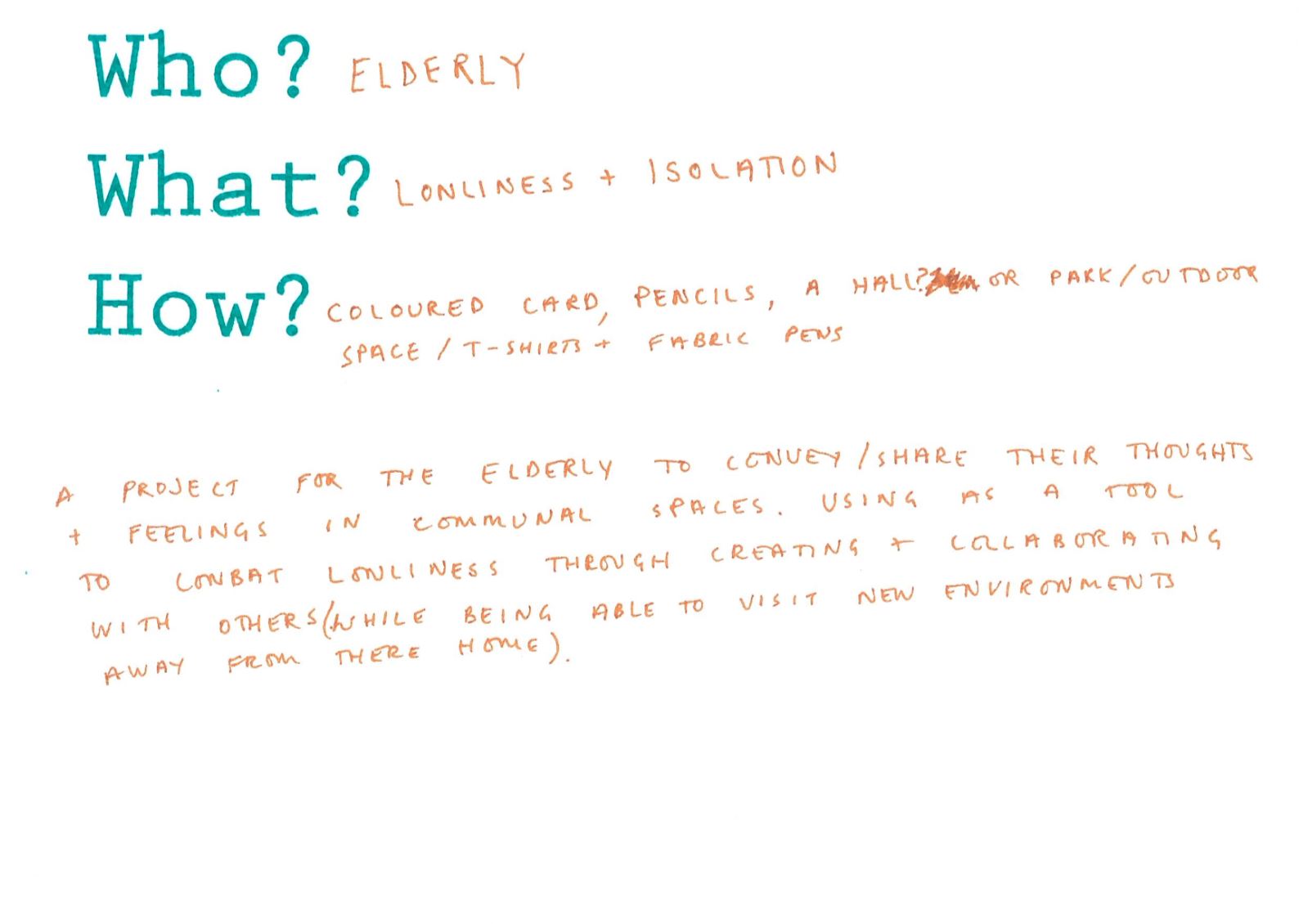
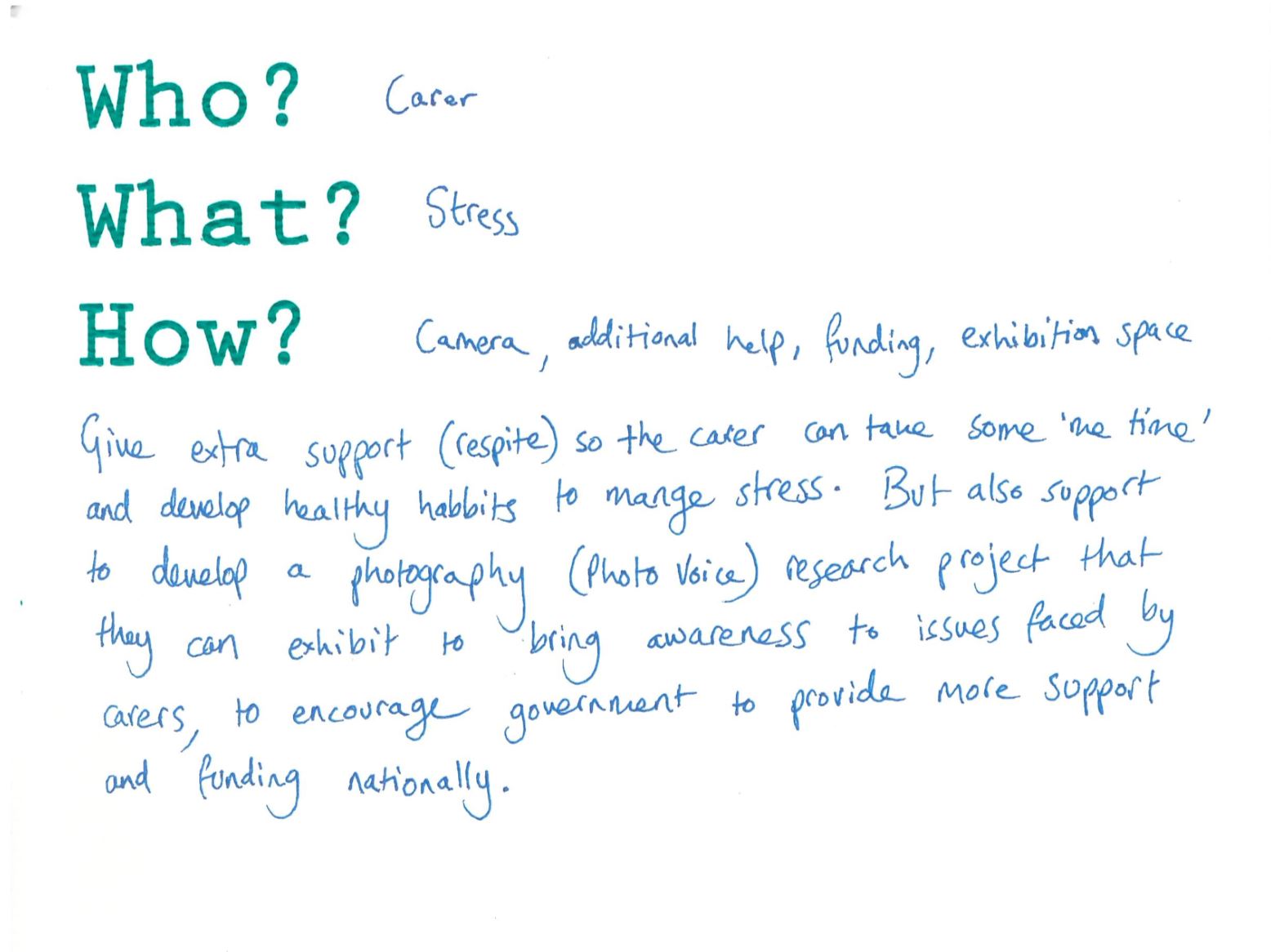
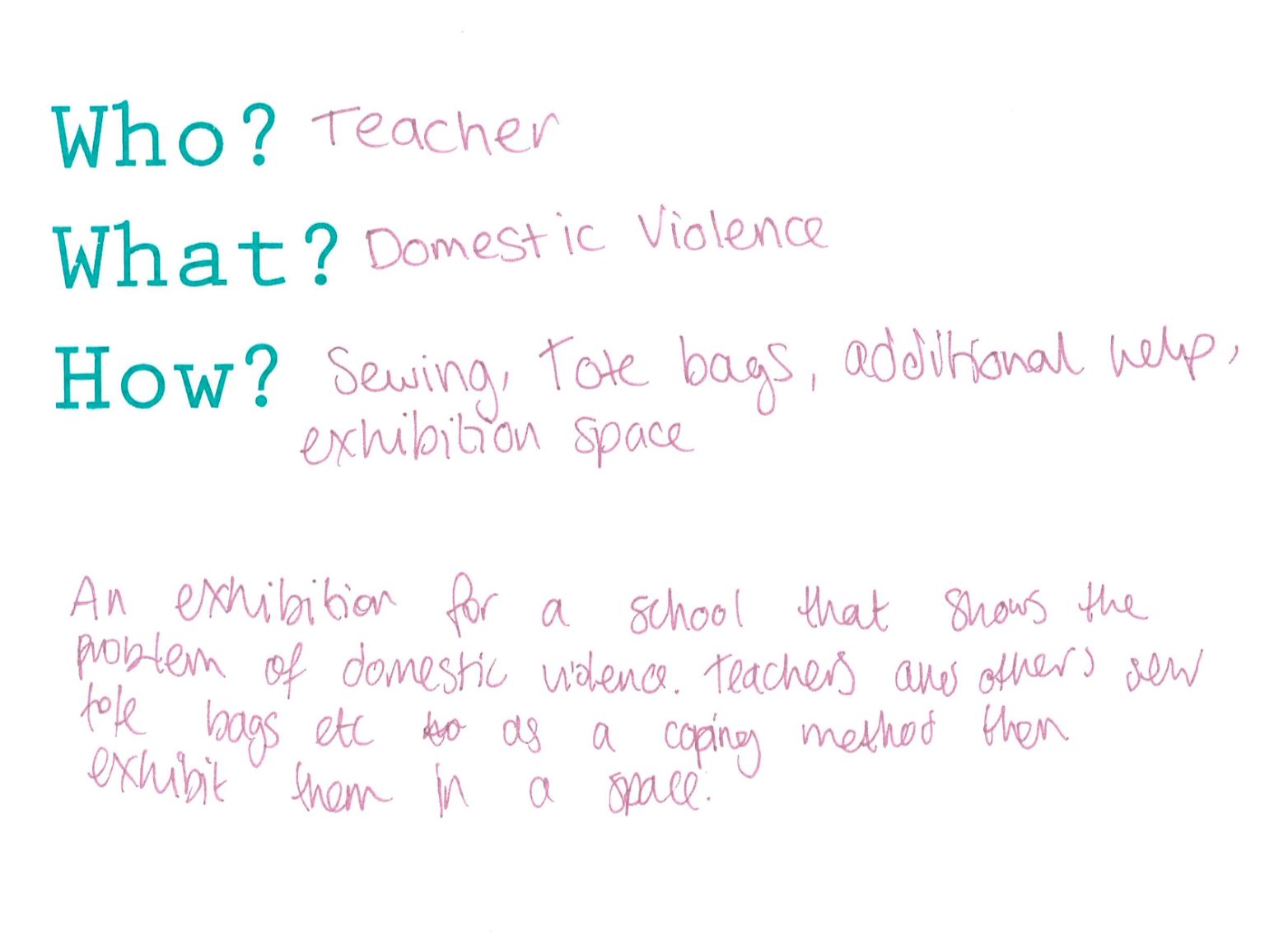
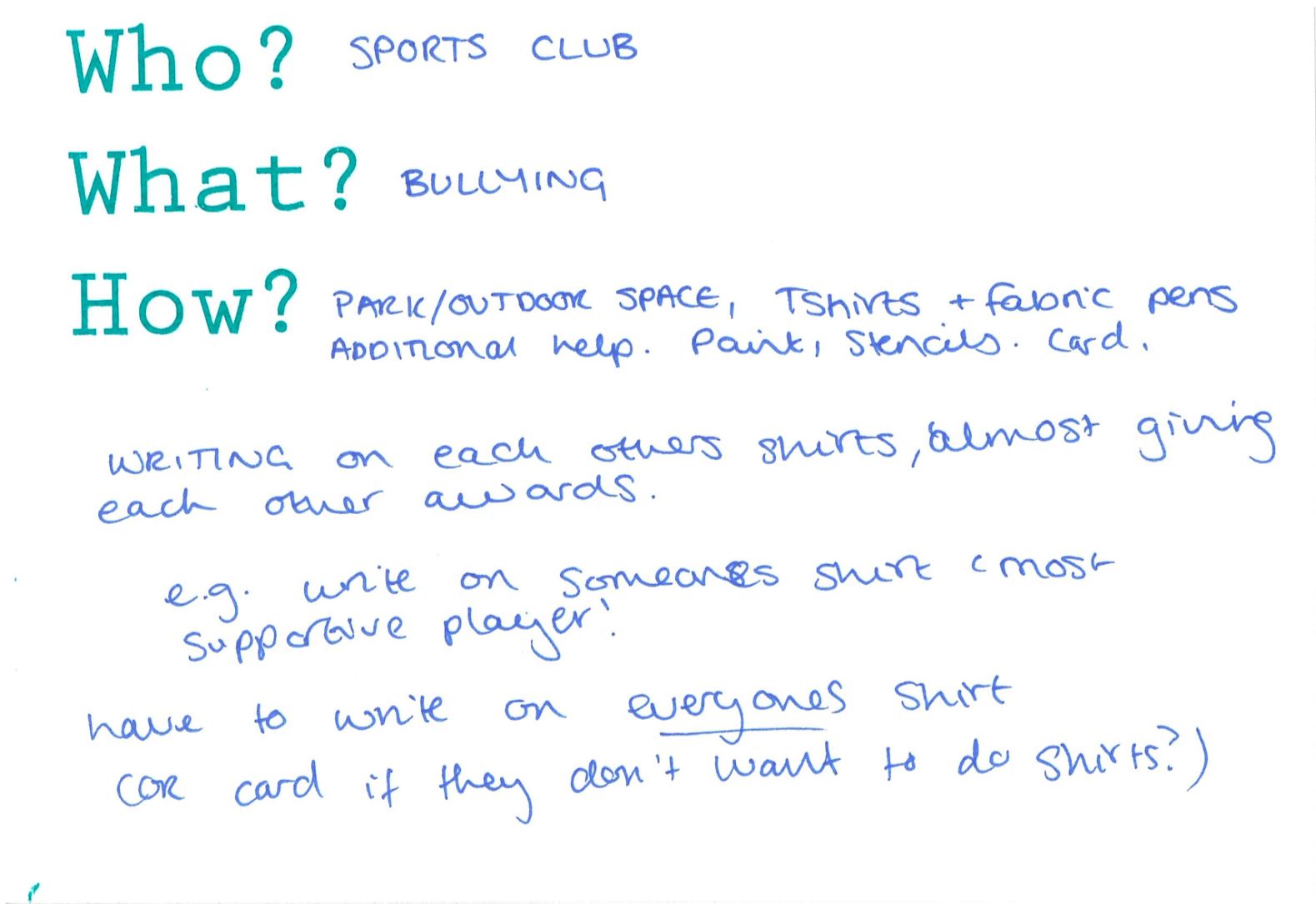
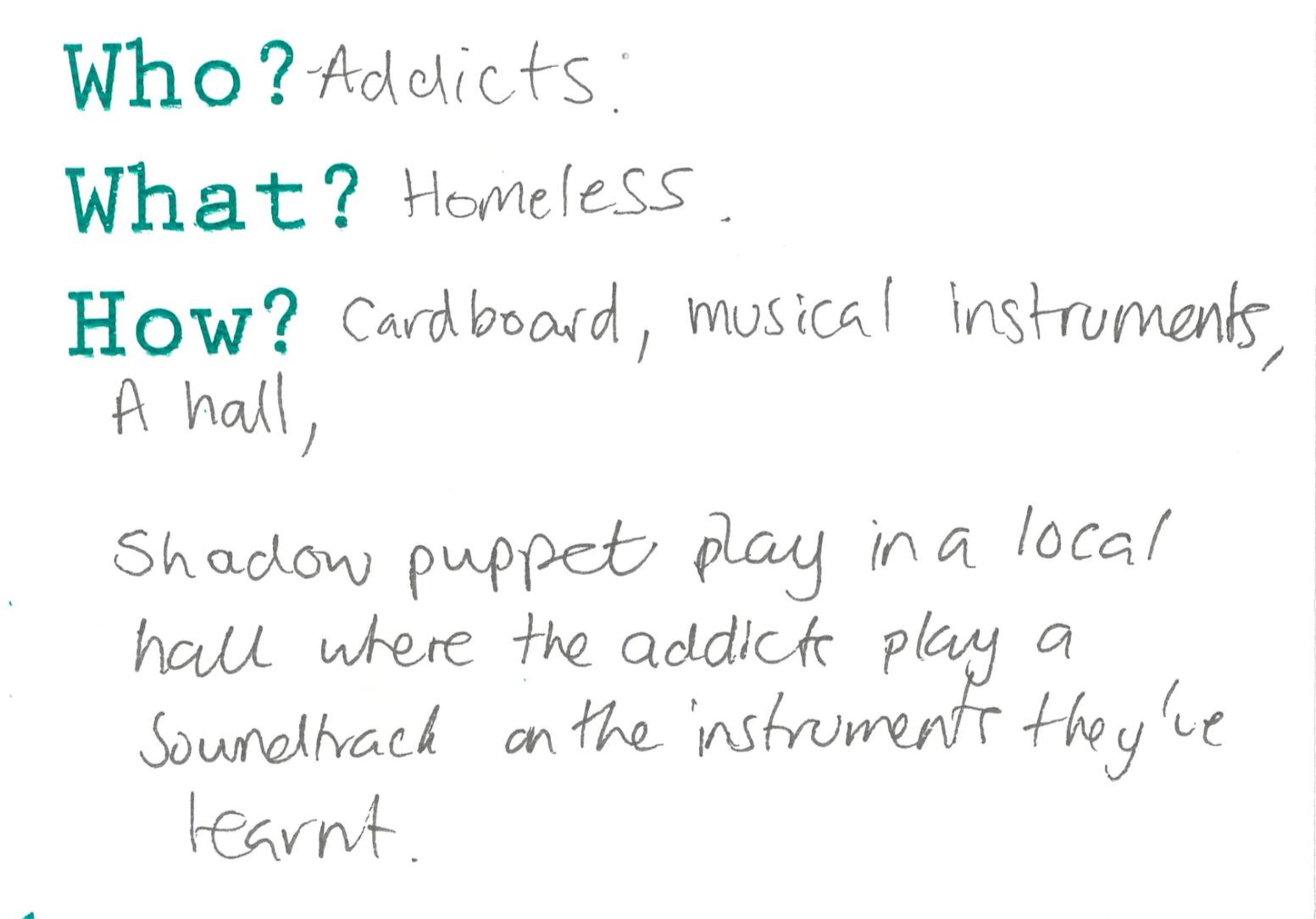
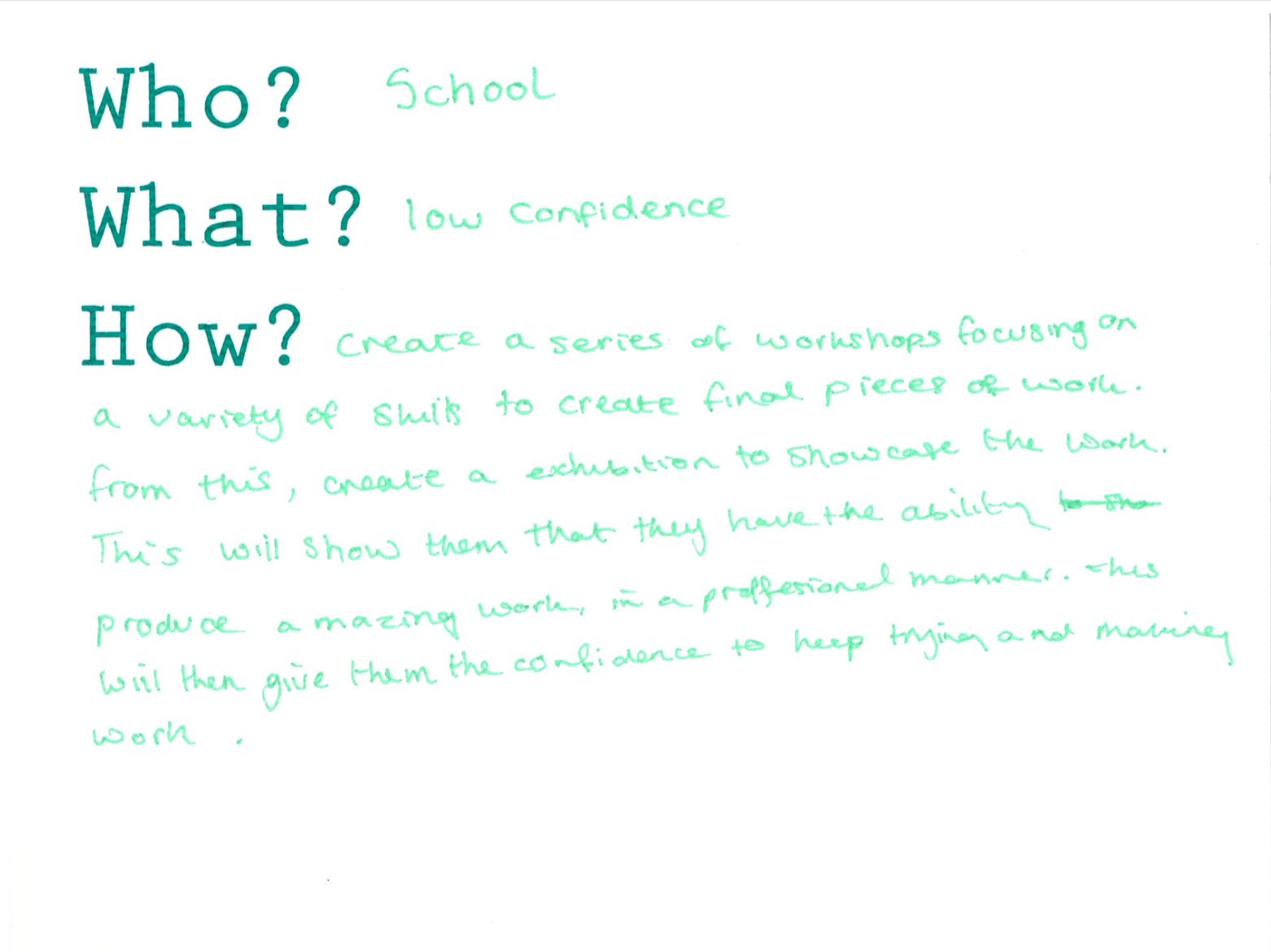
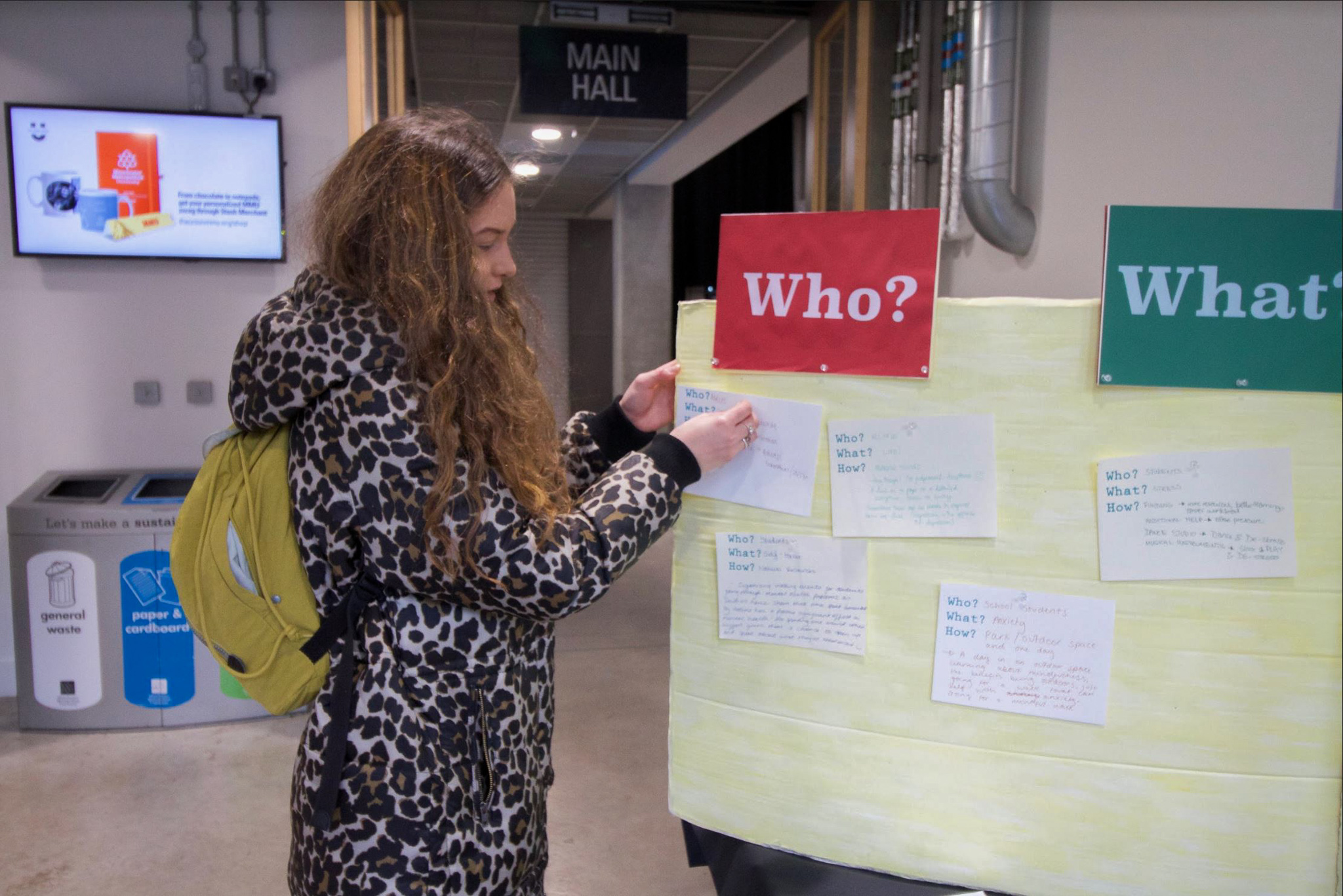
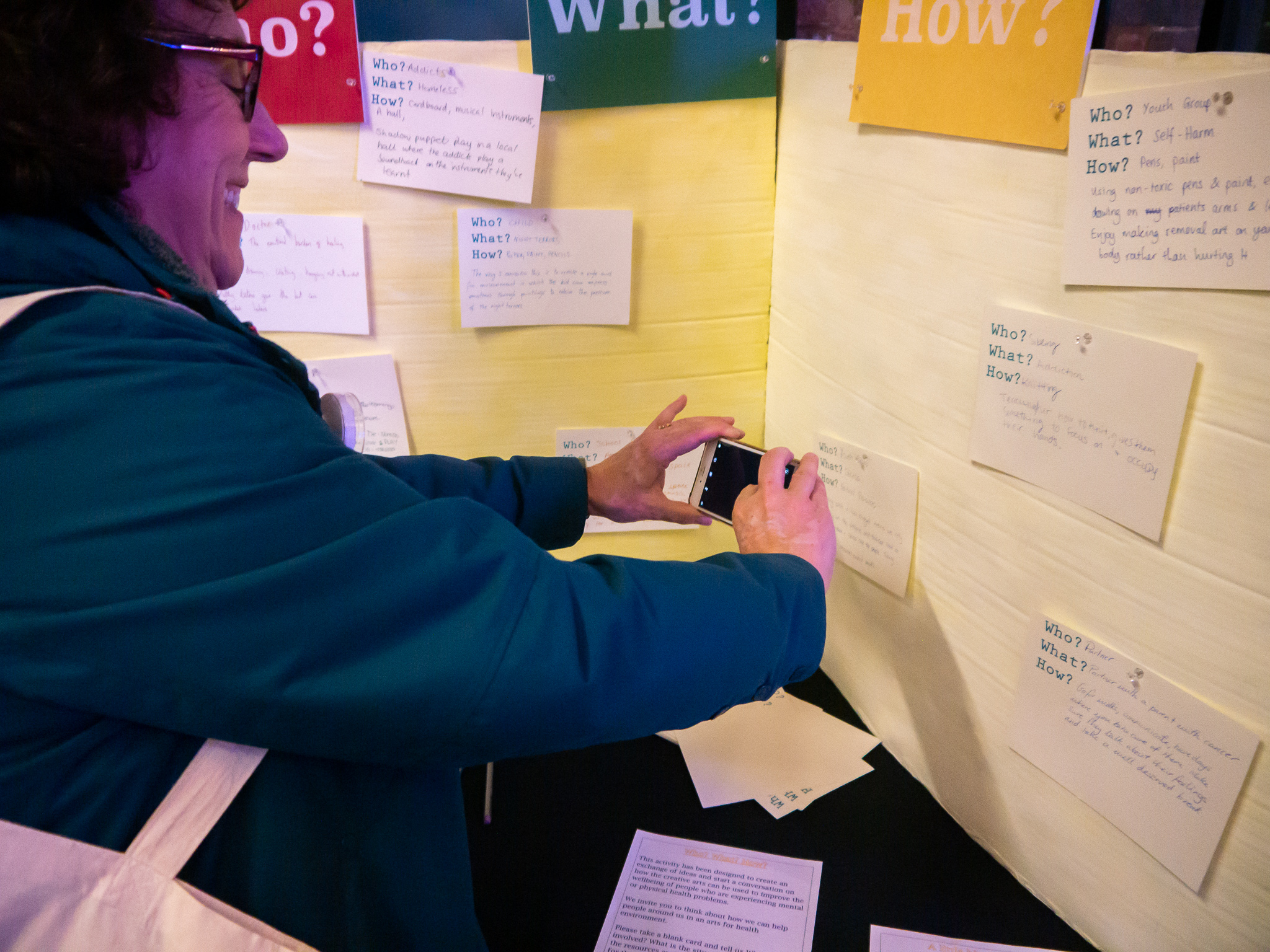
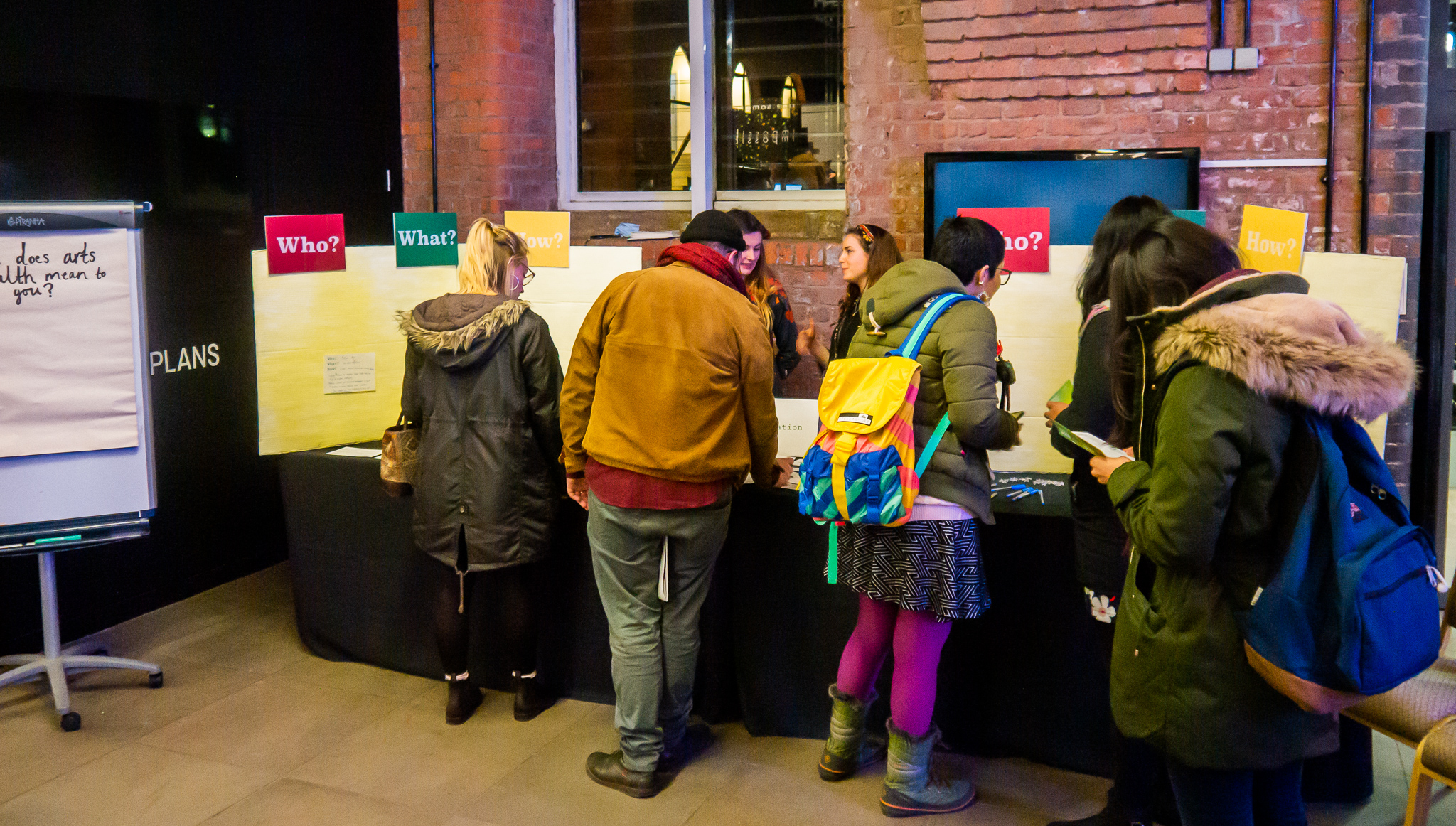
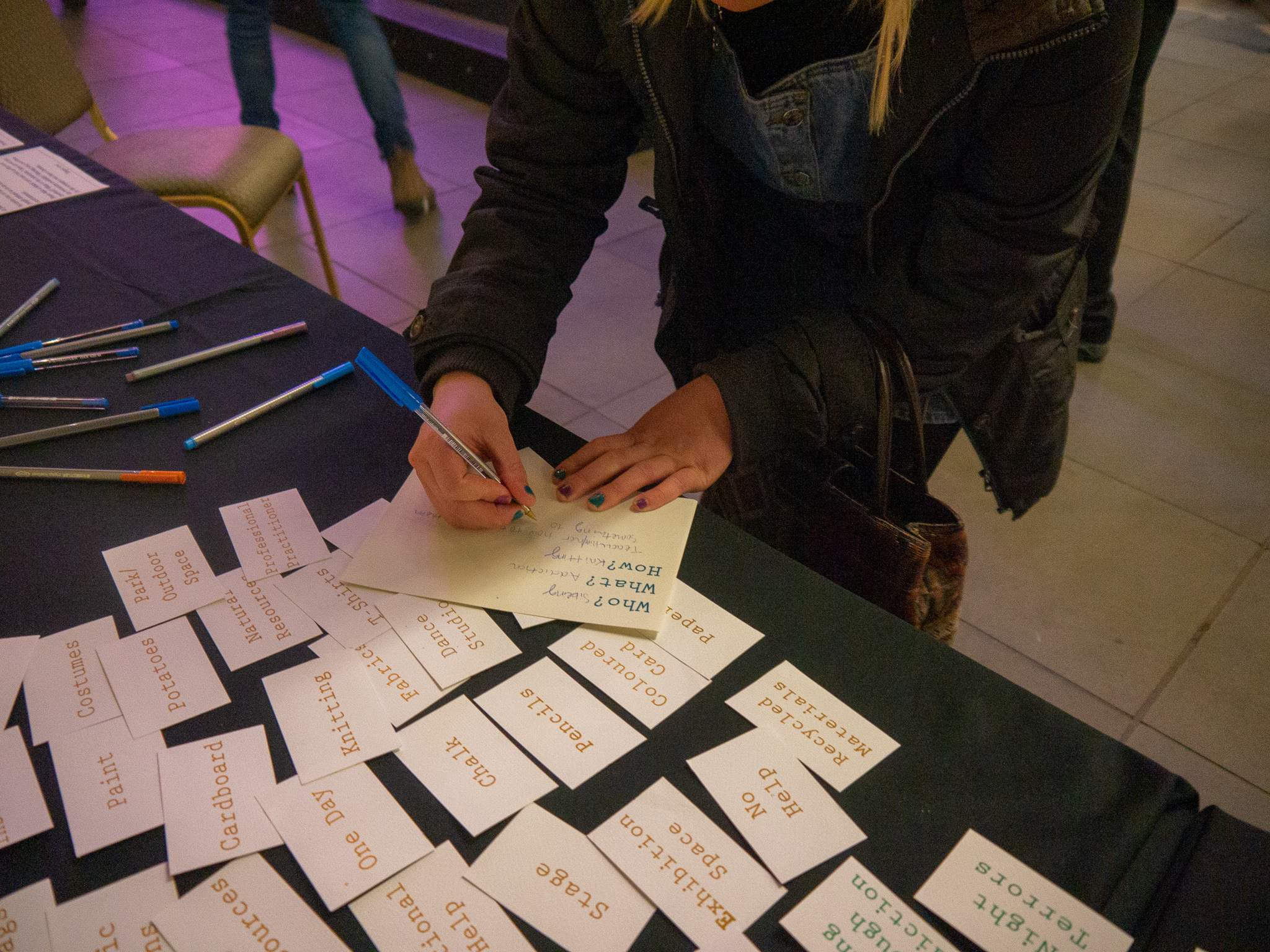
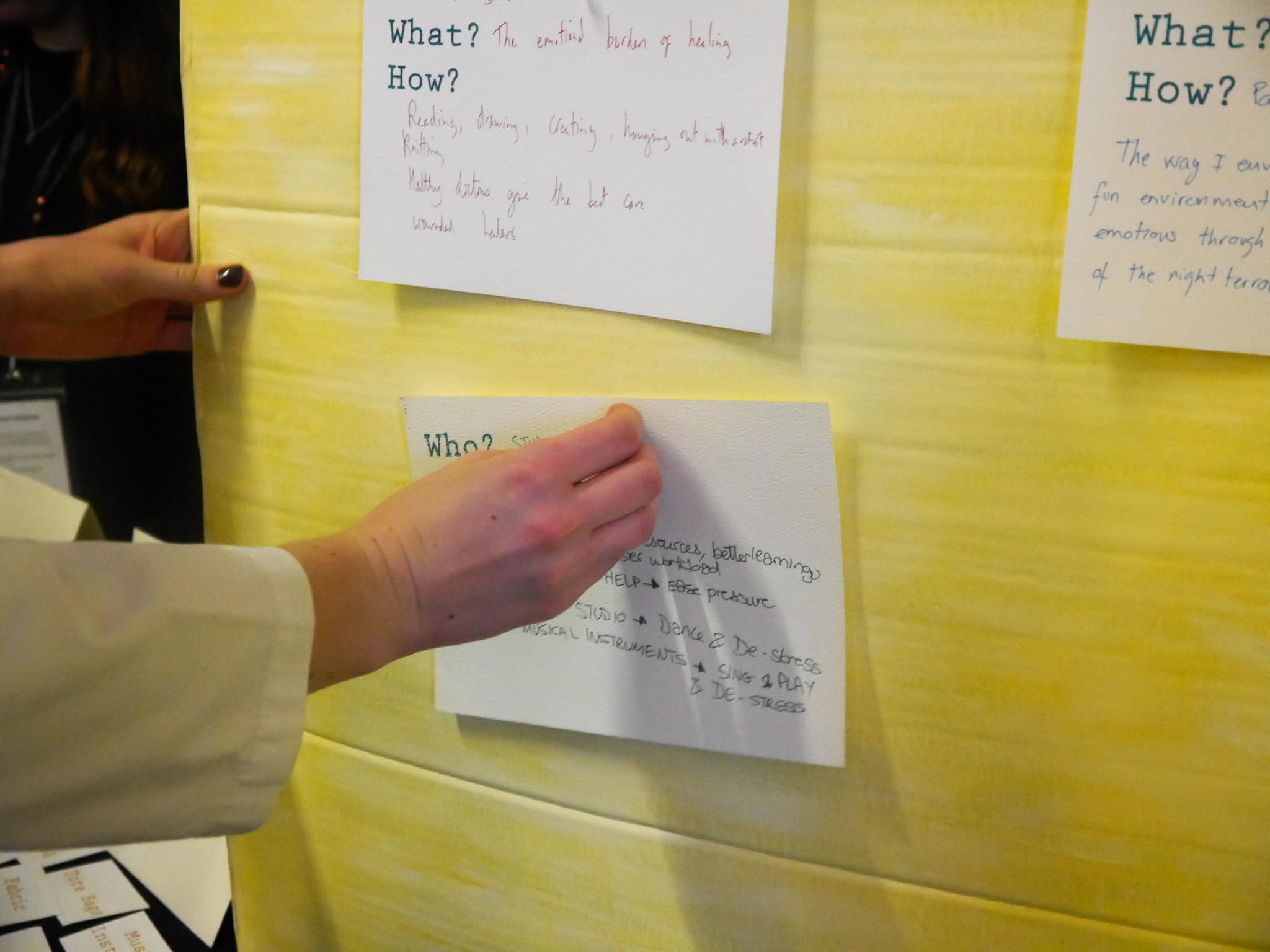
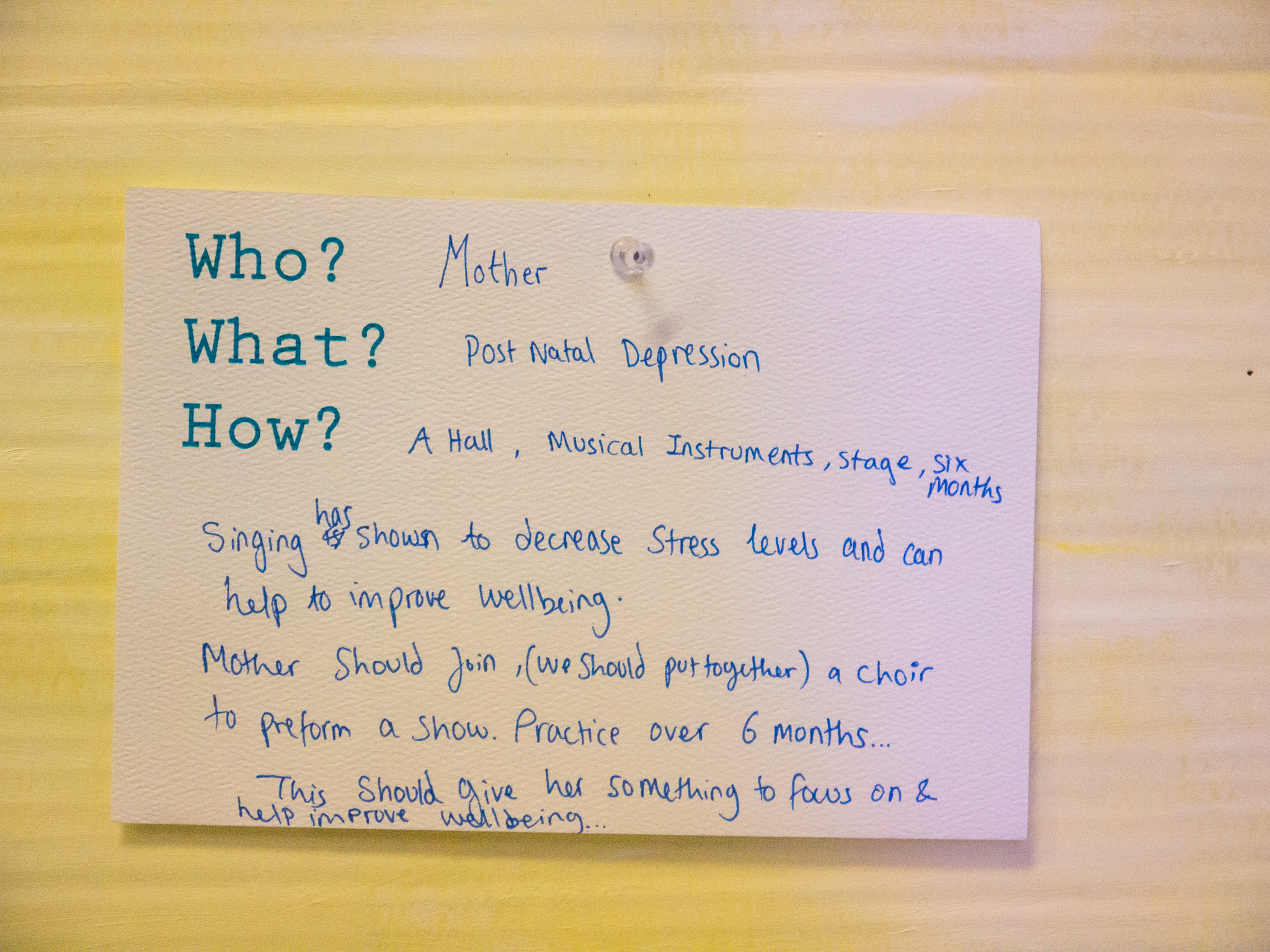
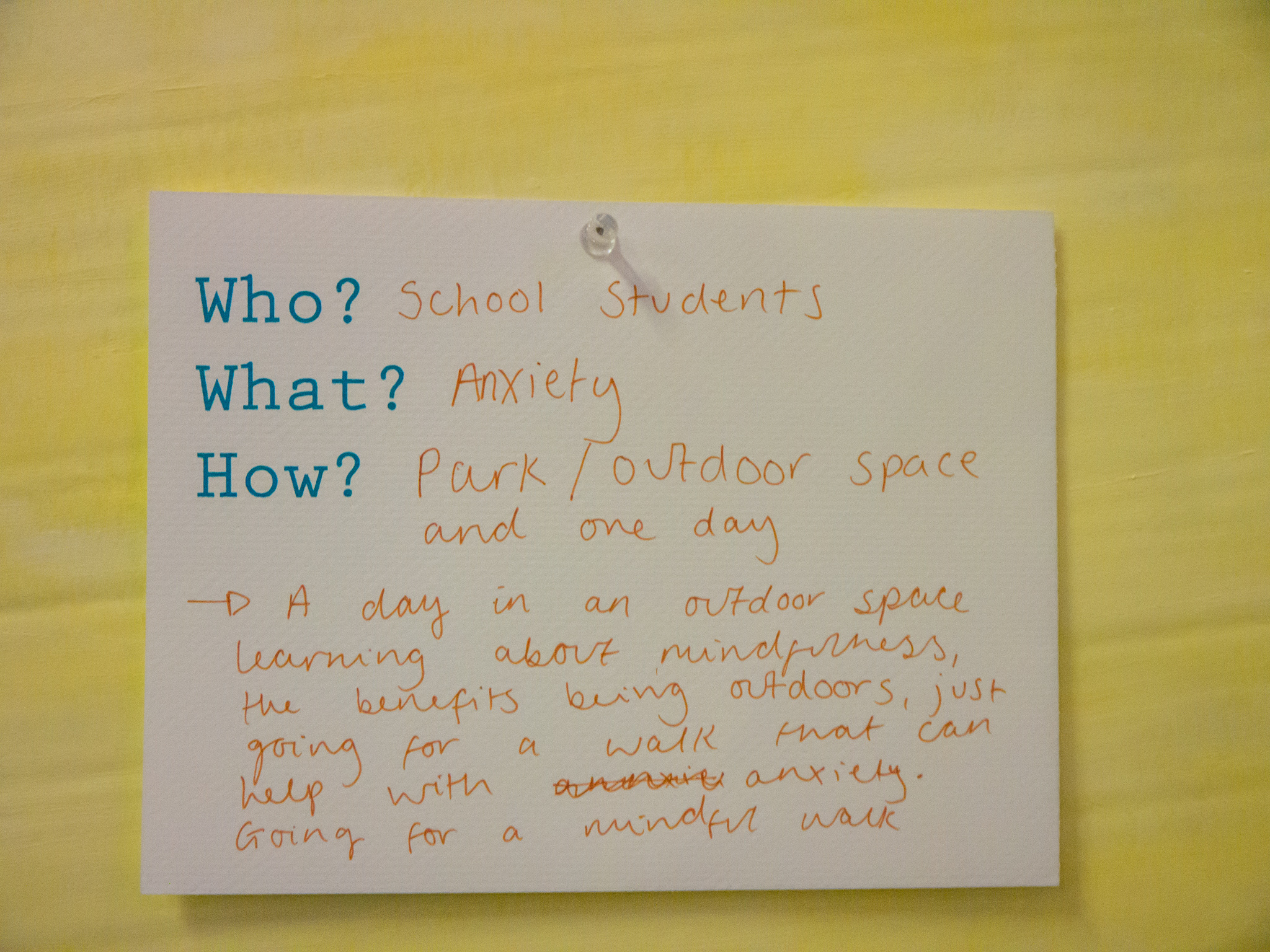
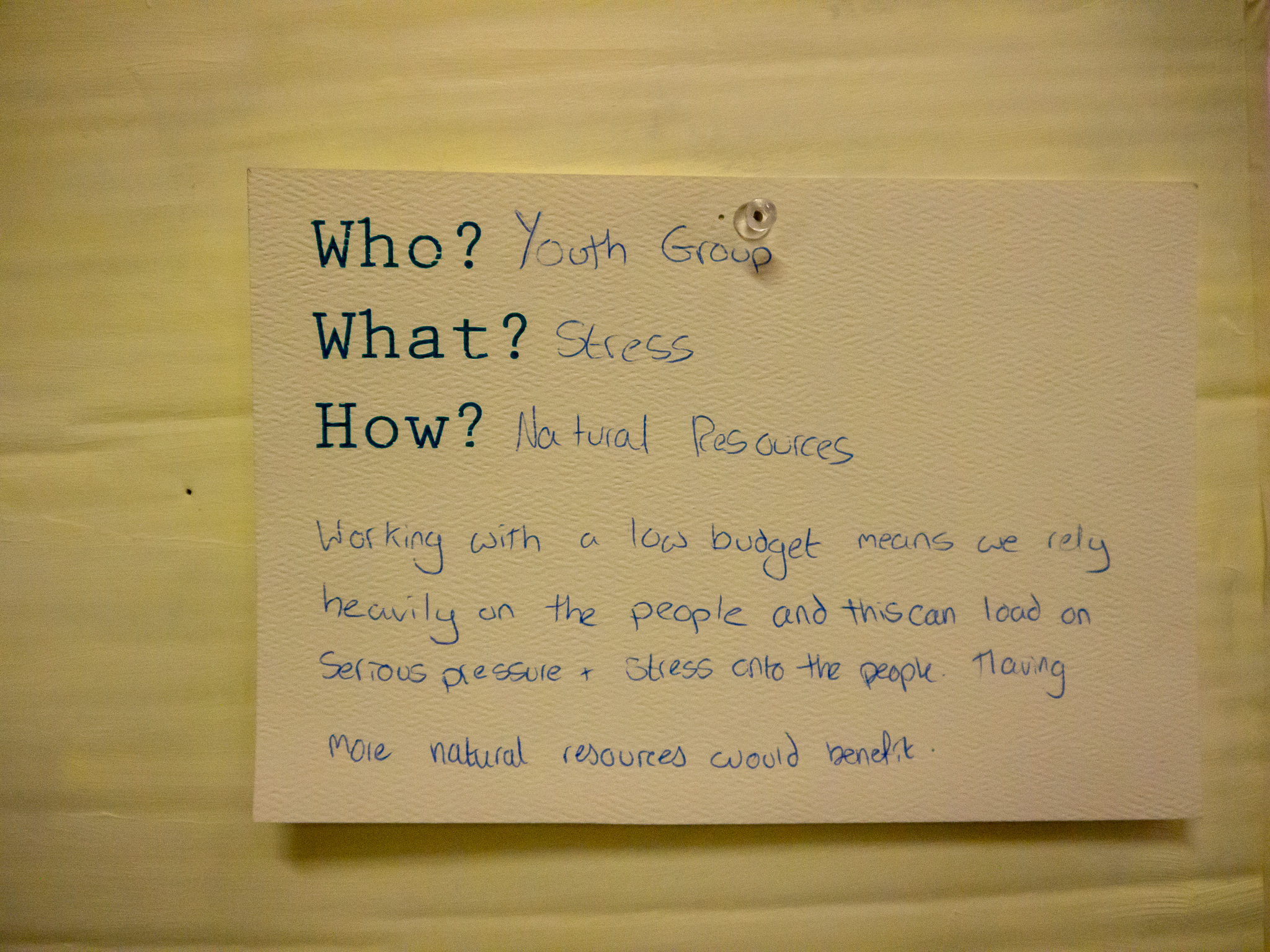
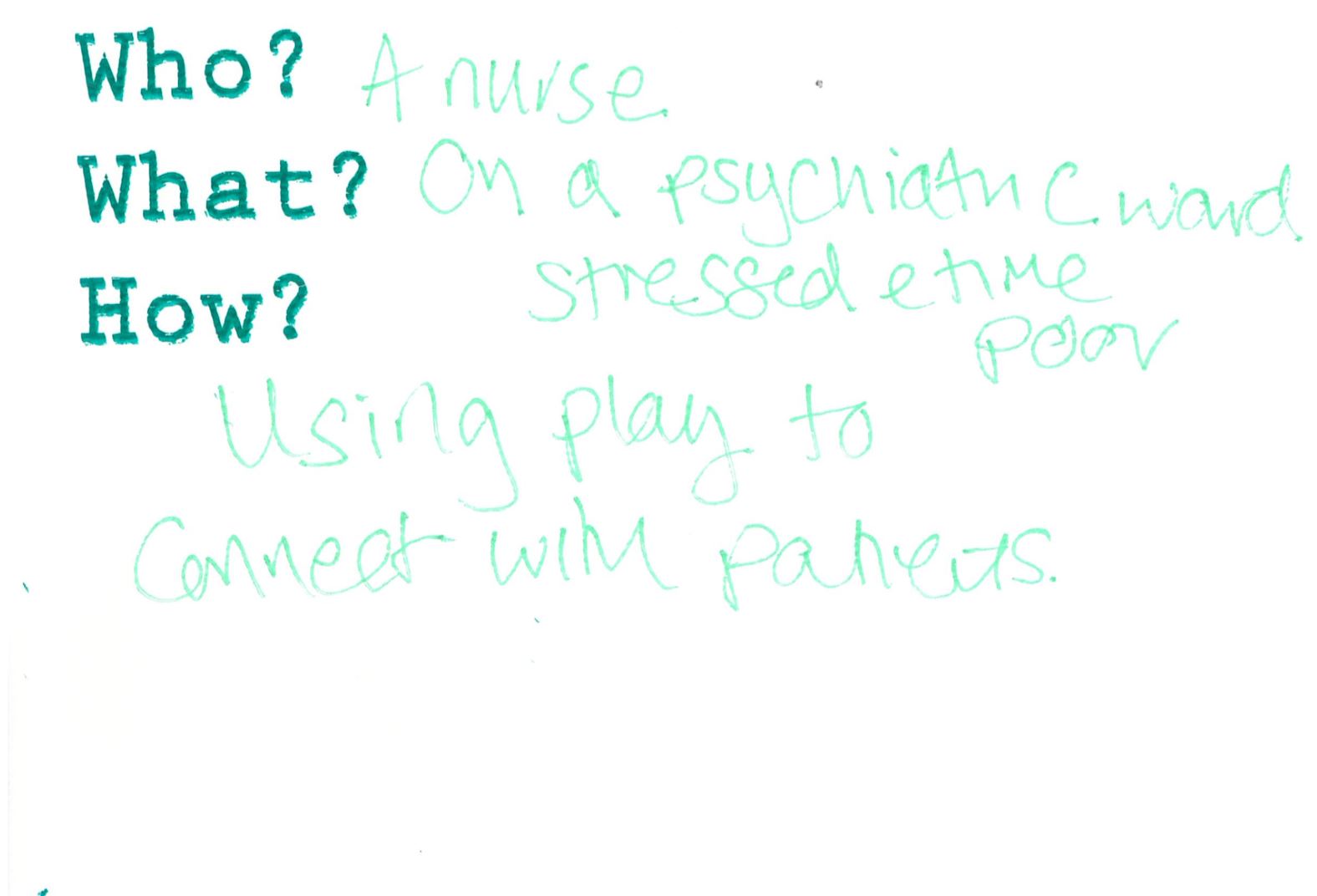
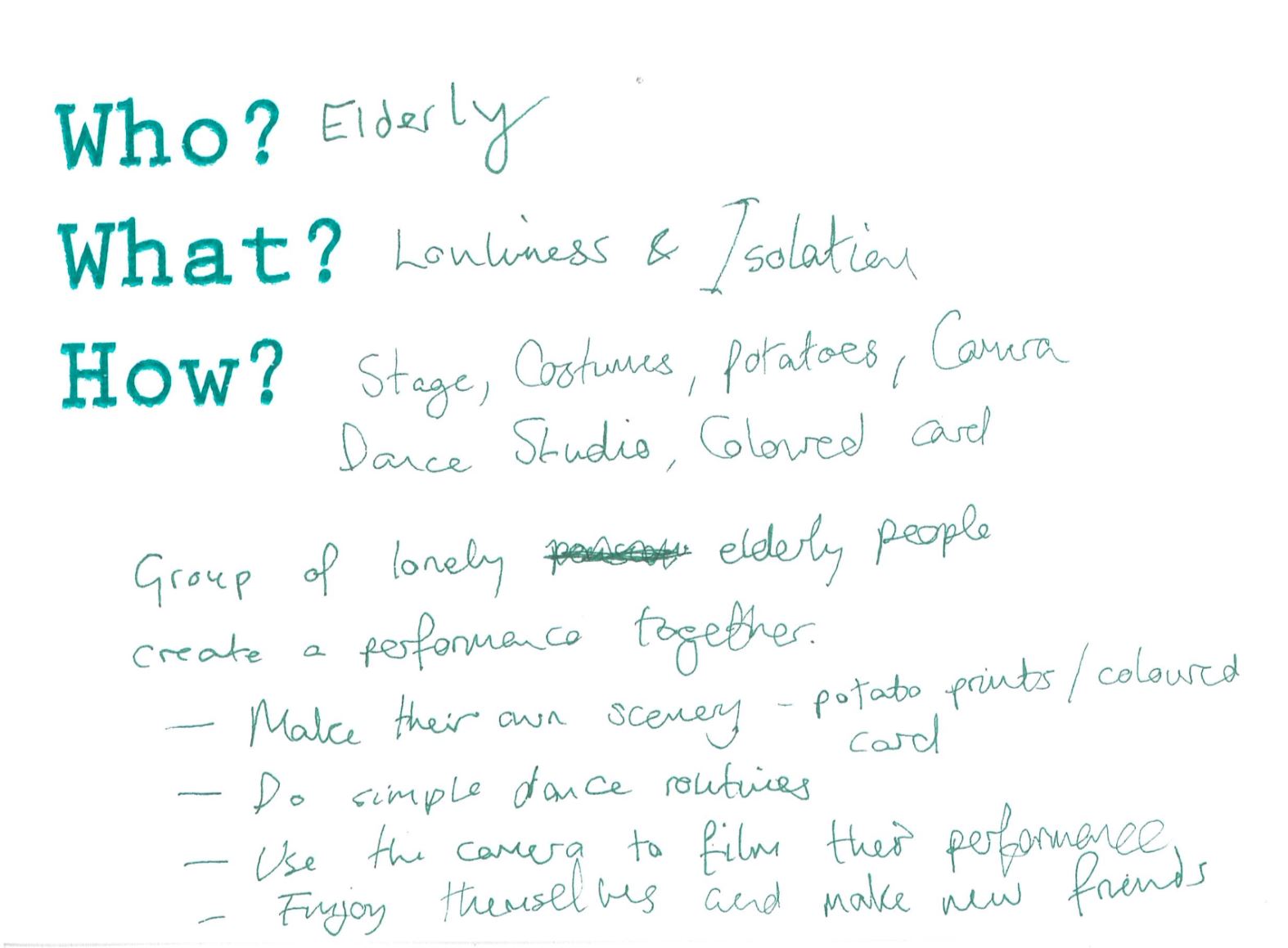
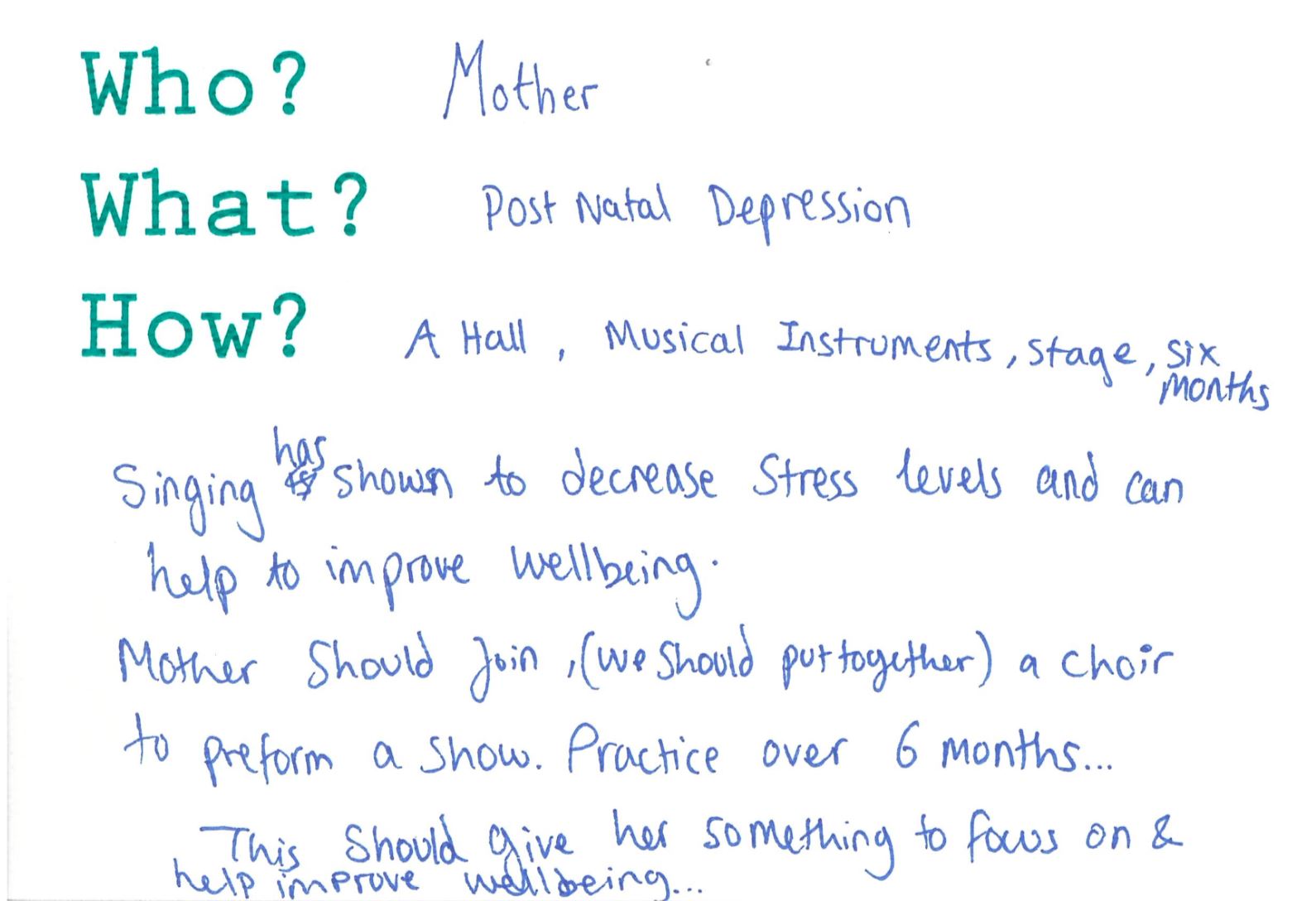
Below are the scanned contributed project ideas from the Who What How activity we ran at the Science and Industry museum Late evening, and also at Manchester students union.

It’s amazing to see the variety of different answers, and the thought out reasons for each project.

This workshop was to facilitate an exchange or ideas and hold discussions on ‘arts for health’ – project and ideas and why we it’s important.

Here are some of the project ideas:

Why are arts for health projects important?
Research to come soon!

Student Union

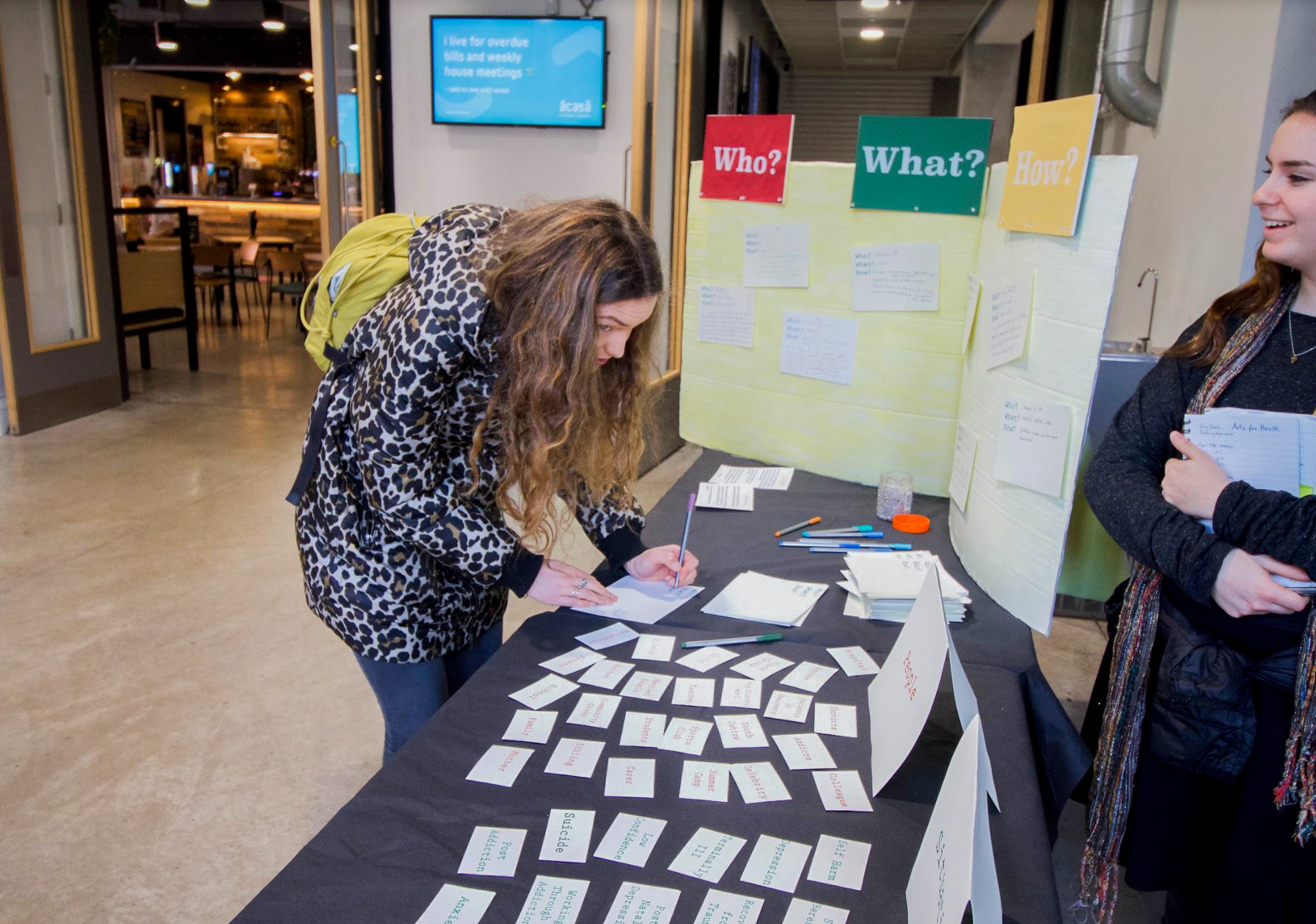
So we decided it would be a good idea to bring WHO?WHAT?HOW? to the student union to get students from MMU’s take on arts for health and to help spread awareness and thought into the different projects and scenarios arts for health can take place in.

We wanted to do this in the student union rather then in the art school as we wanted to target a wider student audience, not just art students. We wanted to speak to and initiate conversations with people who may have not heard of arts for health before as it can be really impact introducing this concept.

Many students were unfortunately reluctant to engage and it was hard to gain interest. There were a couple of participants in the activity – one of which sparked a conversation and made a really interesting point.
He believed that if someone is in a situation and dealing with ‘mental health’ for example, they should be in a room with all the materials and resources, and they should be able to choose for themselves what they want to do. This was really interesting conversation and it made me think about bringing options like these to the cards- thinking outside the box. I would say though that his idea would work for some people, but not everyone. From experience of putting on classes and workshops, not everyone feels comfortable having a free for all with materials and what they can do. Some people would rather have some form of structure to work within.

Feedback and reflection

Overall reflecting back on the event, I felt it was such an achievement considering neither of us had experience in arts for health. We thought of a workshop activity that was engaging and interactive, and before we knew it we were showing amongst so many other groups and individuals who are also running projects linked to arts and health. This was a valuable experience and it has given me the confidence in my creative abilities and knowledge to apply for further events and actively engage to look out for more open call opportunities. Next time I hope to spend more time networking with others facilitating activities as it would have been a good place to build contacts and collaborate with other groups and organisations.

Creating and facilitating WHO? WHAT? HOW? was amazing to spark and initiate thought and conversation on Arts for health- and different ways it can materialise. This was really interesting and I realised it was important to state that I am not a art therapist, I am facilitating and actively involved in an exchange of ideas, thoughts and conversations.

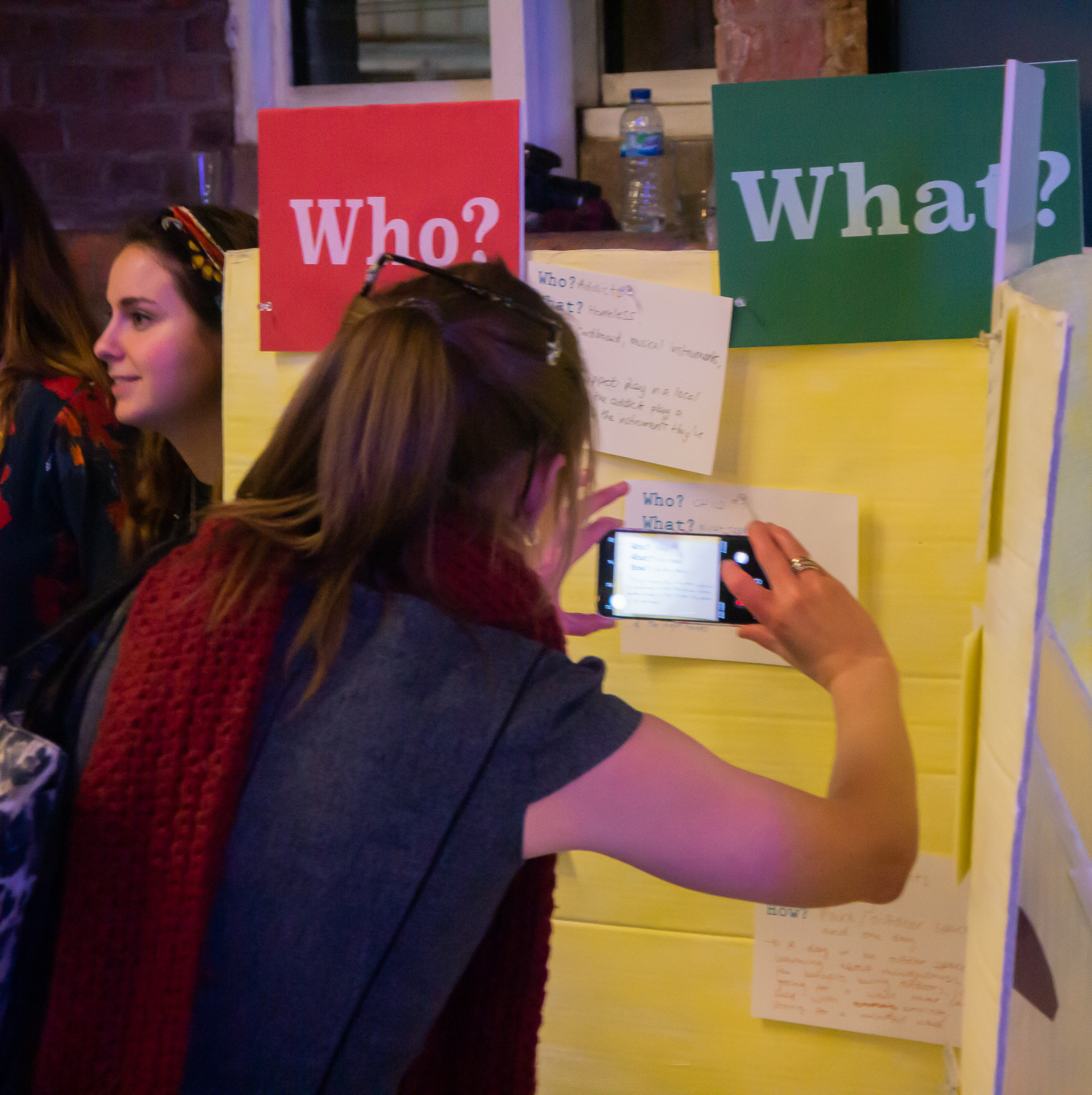
We got great feedback from participants, even educators taking notes and photographs to use this interactive activity within their programmes for their younger students. This was a huge compliment.

For future projects and public engagement I want to research further into copyright and the technicalities of this.

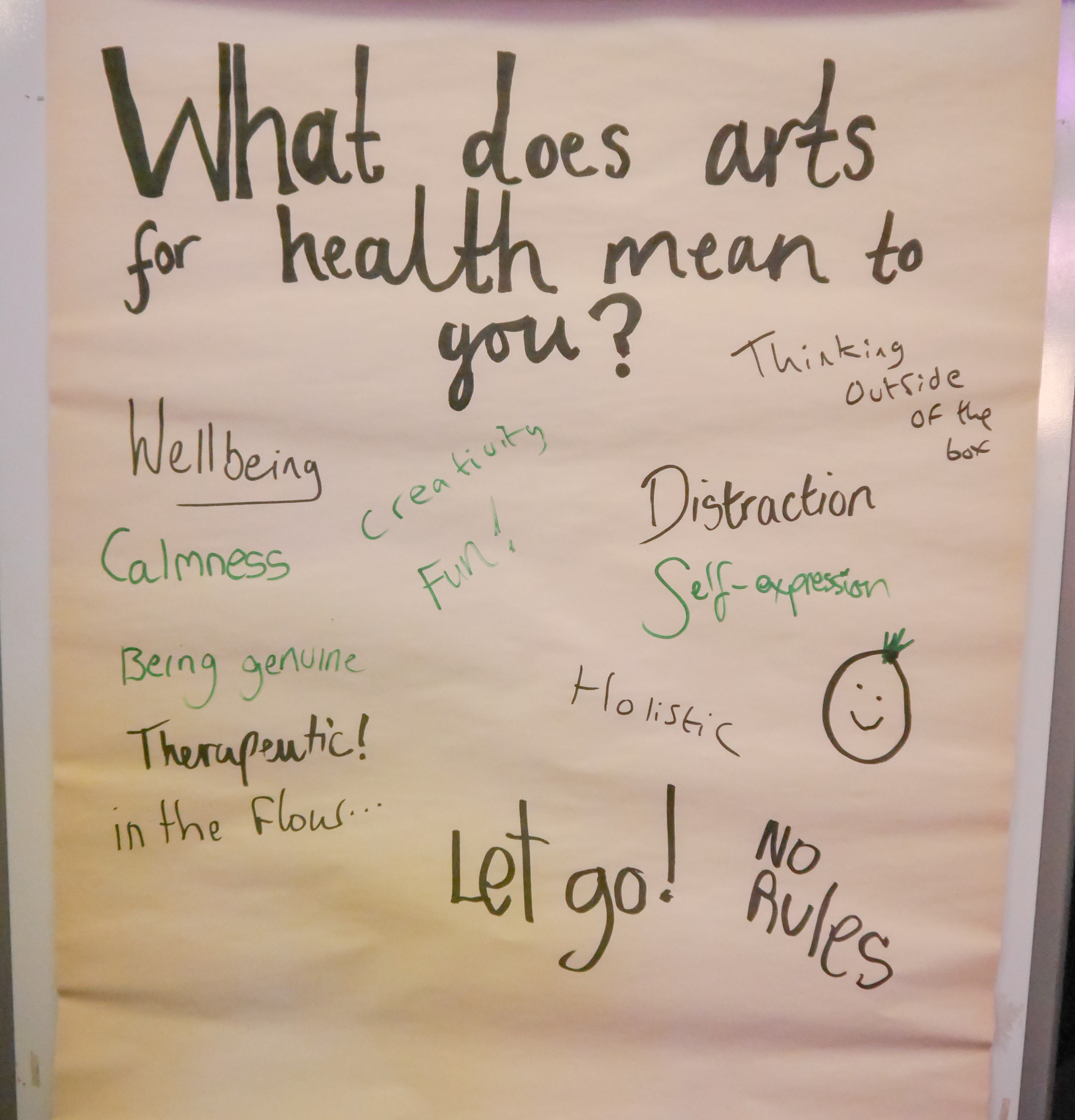
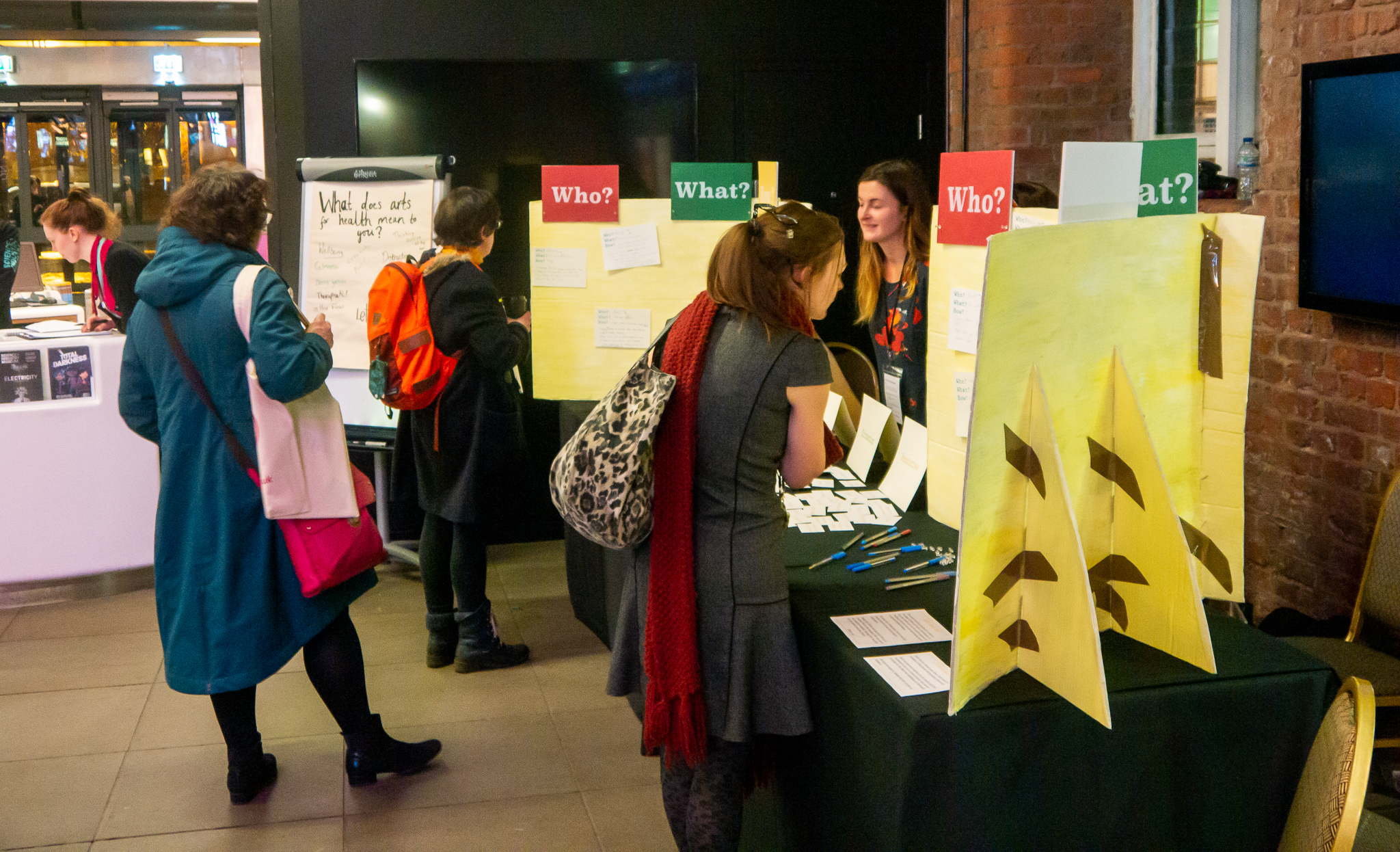
We put out a board next to our display ‘What does arts for health mean to you?’
This was there for people to freely write down thoughts and opinions down as they pleased- a very basic way to get feedback and to see what they had got from the event and the arts for health message and theme. As you can see a couple of people wrote answers down, very light answers, nice and sweet warm up activity!

What does arts for health mean to you?

Like I have mentioned already, the event was fantastic opportunity to network.
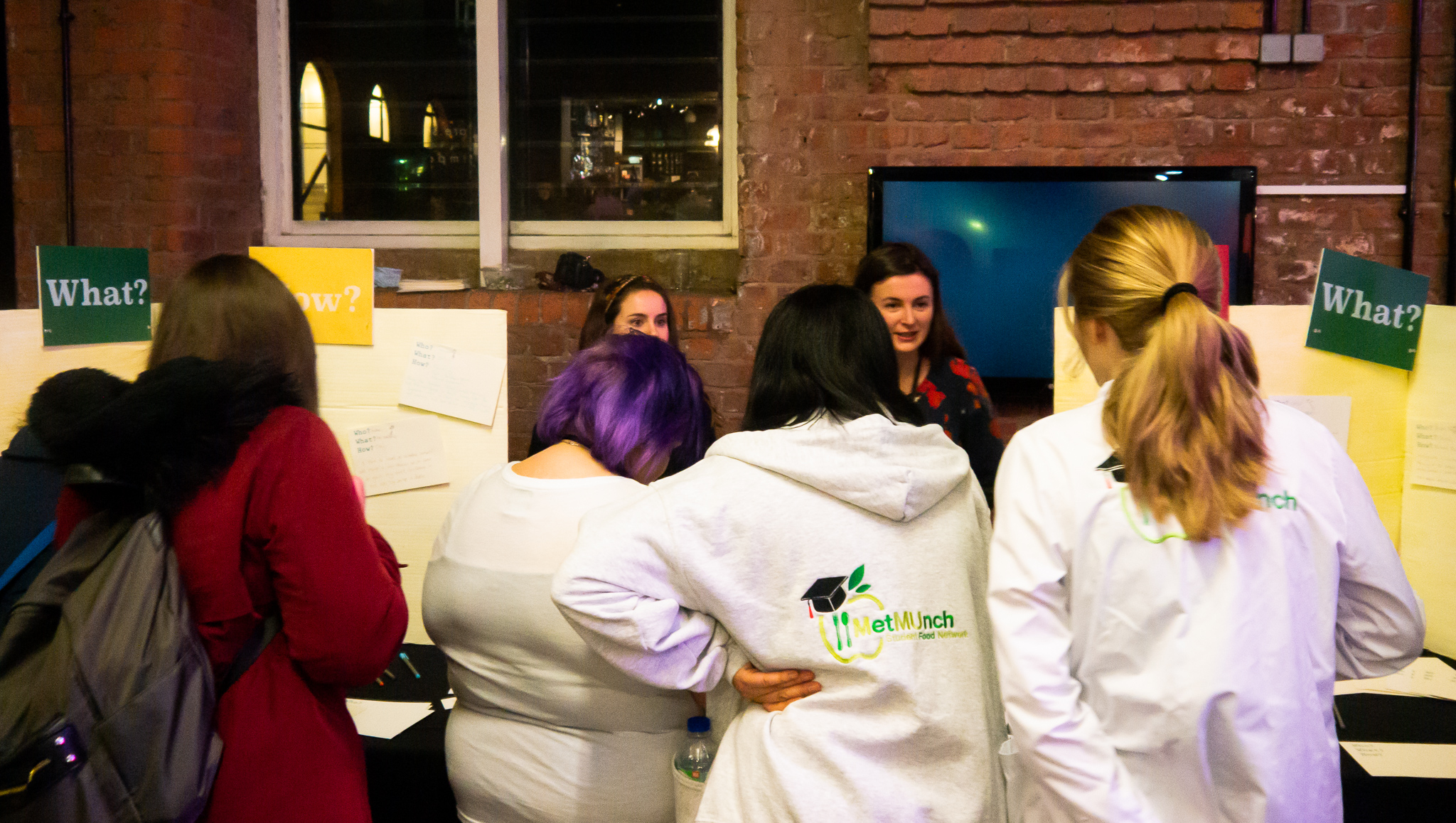
Met munch was one of the organisations running a workshop at the event and we got the opportunity to trade contact information with them regarding collaborating together for another project in the summer – healthy knees.

Public engagement

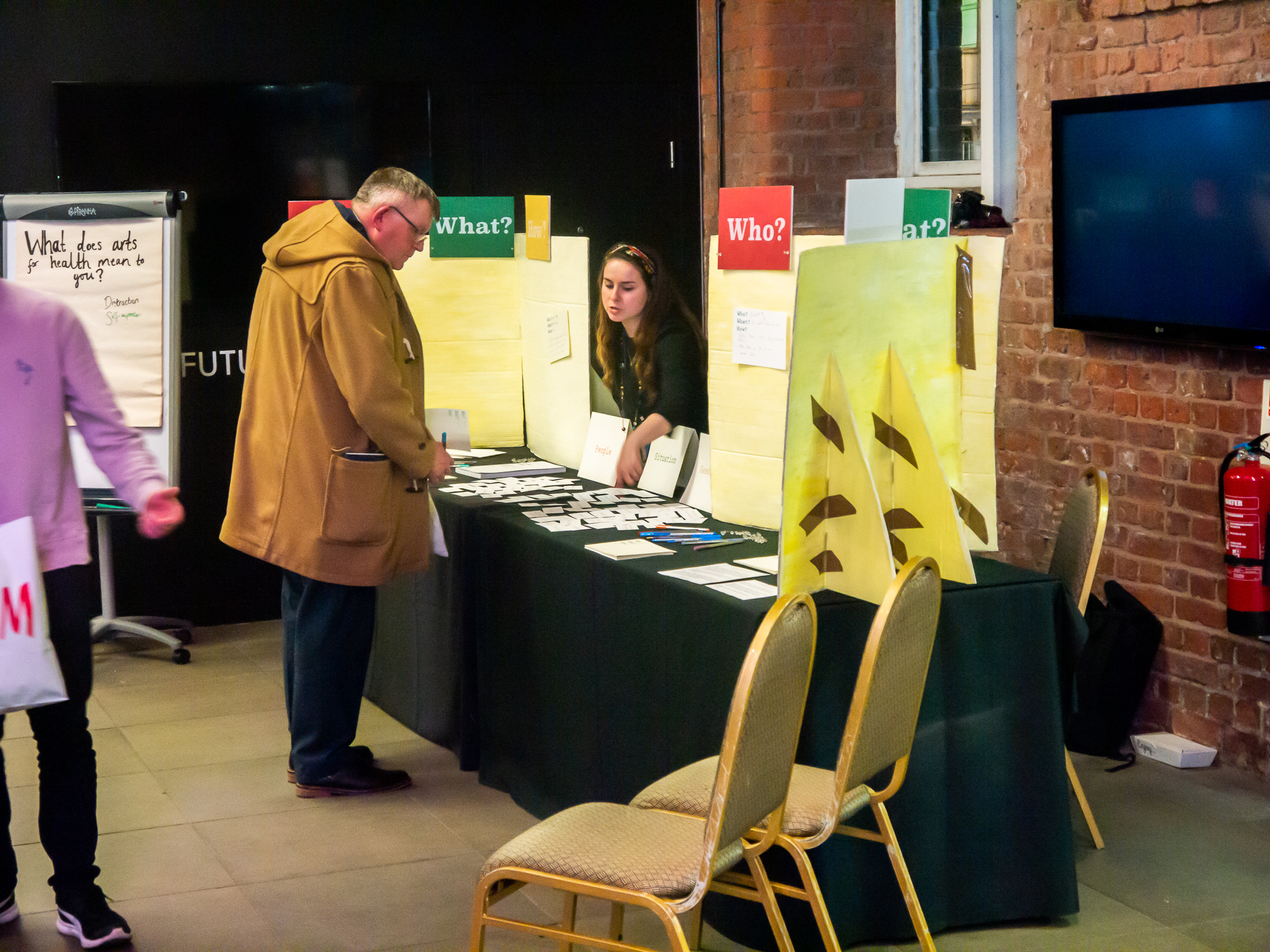
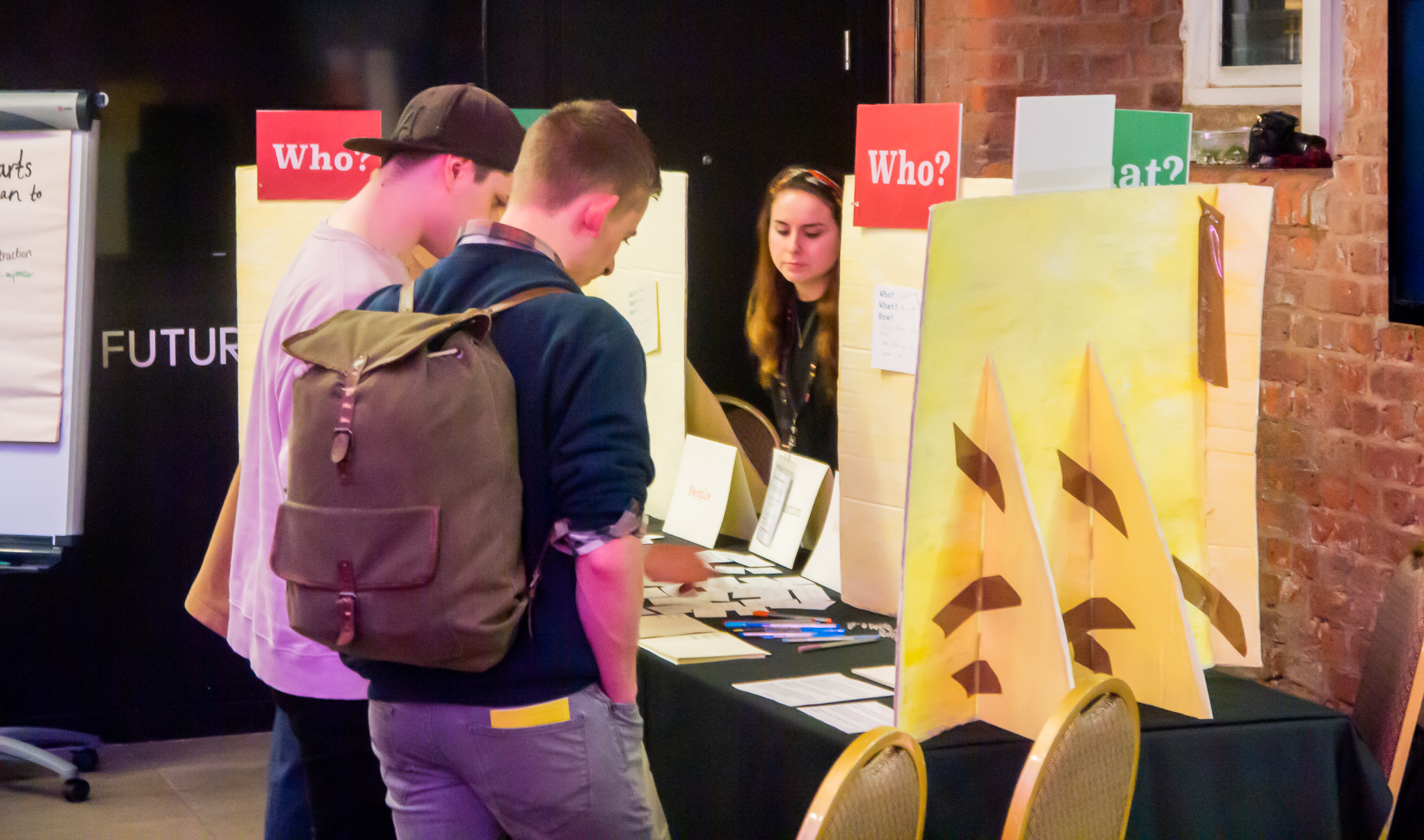
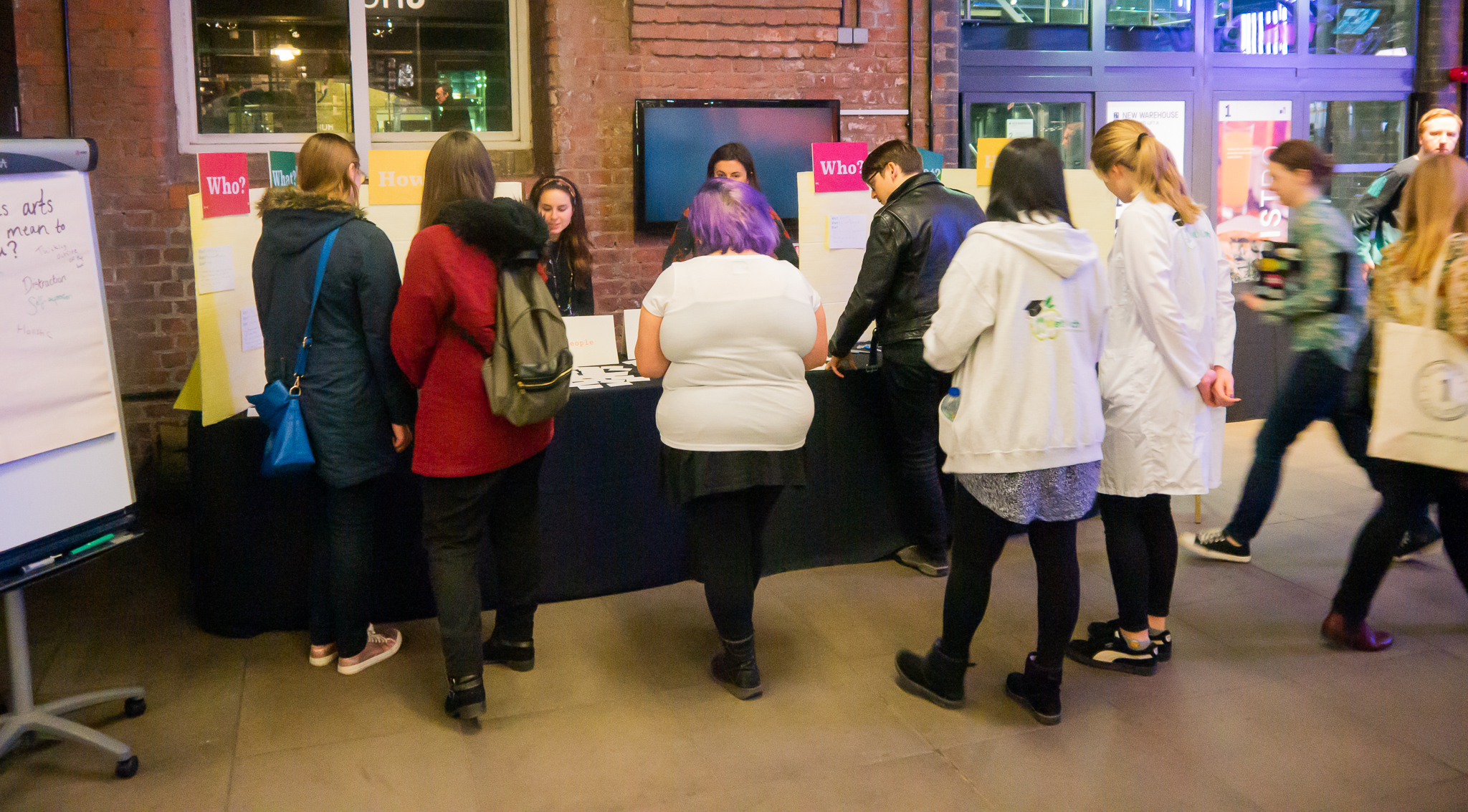
Here are some images of participants engaging with our workshop activity at the event!

There were people who came just to read what other people had contributed, some people who engaged in the exchange of ideas, and even two teachers who took pictures of every detail as they wanted to create a workshop like this for a youth club they work at. This was a huge compliment, but I had no idea how to react- this is something to think about for future publicly engaged work.

What I enjoyed most about the event was engaging in conversations and sparking questions and curiosities on the topics of Arts for health. I had to clearly state that I was not a professional and we were facilitators and conversation initiators. We wanted to know what people thought about different situations and scenarios and how the arts can be used in aid to help those groups of individuals in the situation.

Networking at the event. Met Munch were featuring at the event creating art on toast- we exchanged contact information with them as they were excited to collaborate with us for another unit X project coming up ‘health knees’

The answers are really thought provoking and really demonstrate:
1) The thought gone into the activity
2) The unique perspectives that each person brings, and due to different experiences within life, each person will approach the situations differently as everyone will relate in different ways.

Blog at WordPress.com.

Up ↑