PLANNING
Proposal:
Some of our initial ideas are as follows:
- There will be scenario cards: Place, groups/individuals involved, situation, resources available etc.
- The participants will pick a card of each element that builds a scenario of a potential opportunity where Arts for Health can take place. Visitors could add their own scenario cards to gather ideas for their real-life situations.
- The aim of this is to then problem solve and come up with different ideas for Arts for Health projects, and initiating conversations on the subject.
Example:
The individual/group involved: School children
Place: In a school
Situation: A well-known teacher suddenly passed away overnight
Resources: School Hall, playground, piano and tambourines
- There will be prompt cards that are given to match scenarios with research that could help direct and shape possible projects, such as scientific discoveries and different research based on how different methods of art practice has health benefits, ranging from mindfulness to proven studies of reduction of hormones that creates stress.
- Each participant, whether they want to work individually or in groups, have the ability to problem solve and come up with different creative methods to implement Arts for Health into these scenarios.
- The projects created will be displayed on the show for others to view, which we hope will encourage more people to take part in the workshop or even to create conversation and thought on the topics covered over the evening’s event.
The aim of this workshop is to encourage bringing Arts for Health processes and ideas into the participants’ lives which they can take away with them and choose if they want to implement these ideas and creative projects into their personal or professional lives.
Extra Idea:
We would also like to have two large boards, (paper or wipe boards) for visitors to write or draw into some sort of category describing how they are feeling, or their opinions on Art for Health as they arrive and again when they leave. Therefore seeing how the visitors’ feelings or views have changed over the events of the evening.
We decided to name the workshop: WHO? WHAT? How?
As the activity is focused on :
Who is involved? What is the situation? How can we use the resources available to create an Arts for health project to help the participants?
MAKING
We decided we wanted to get creative and make the cards using screen printing. This was to ensure a good professional outcome to present at the Science and Industry event.
Below are images of the digital layout, printing onto transparent paper to be used to prepare the screens for screen printing.
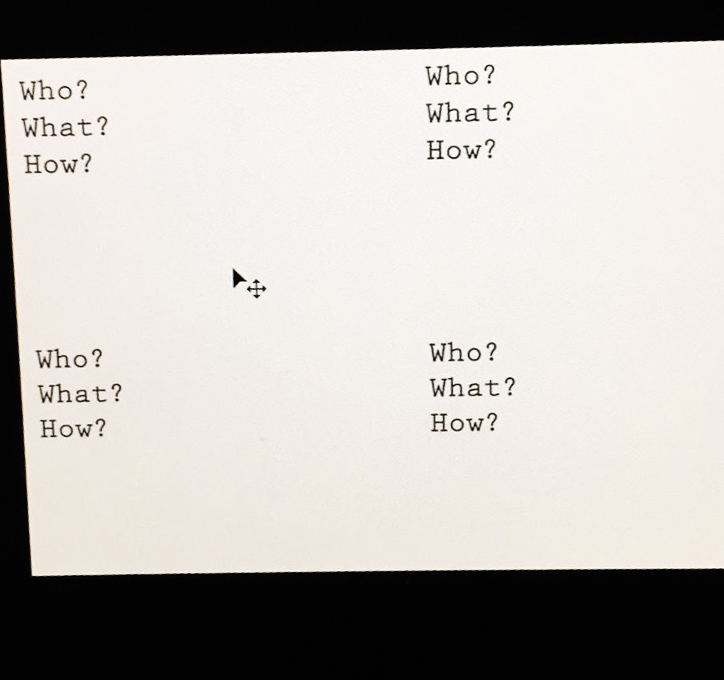
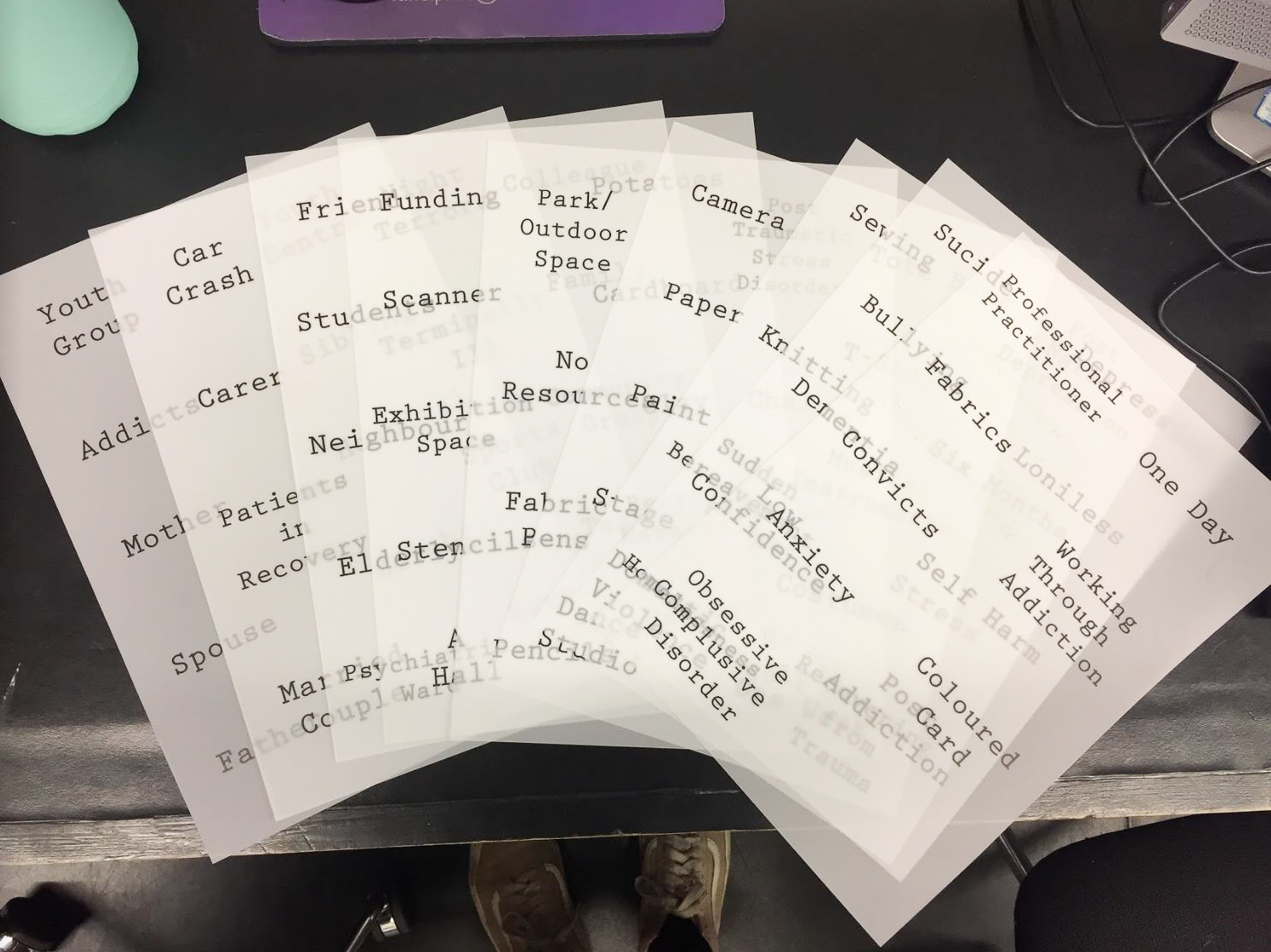
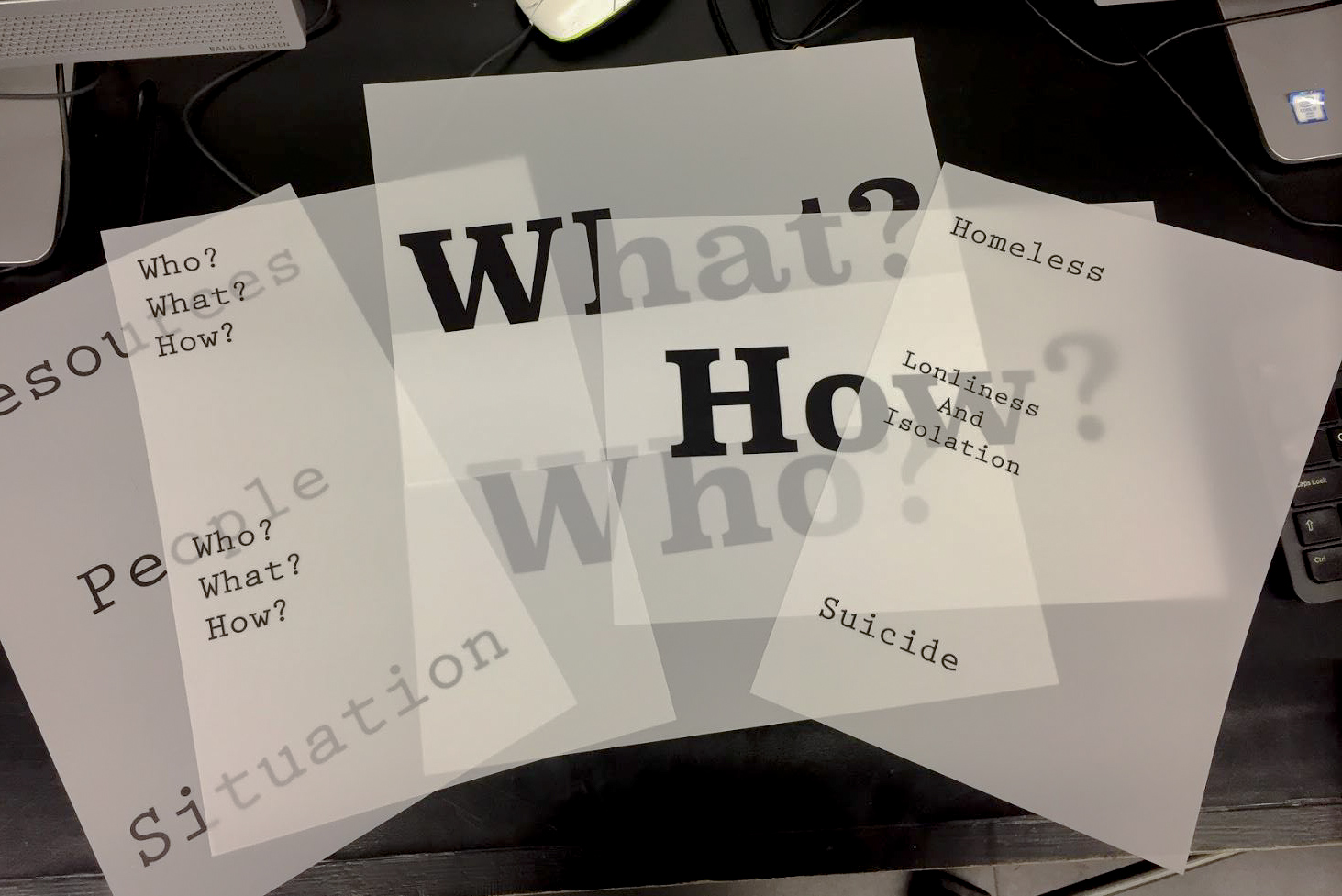
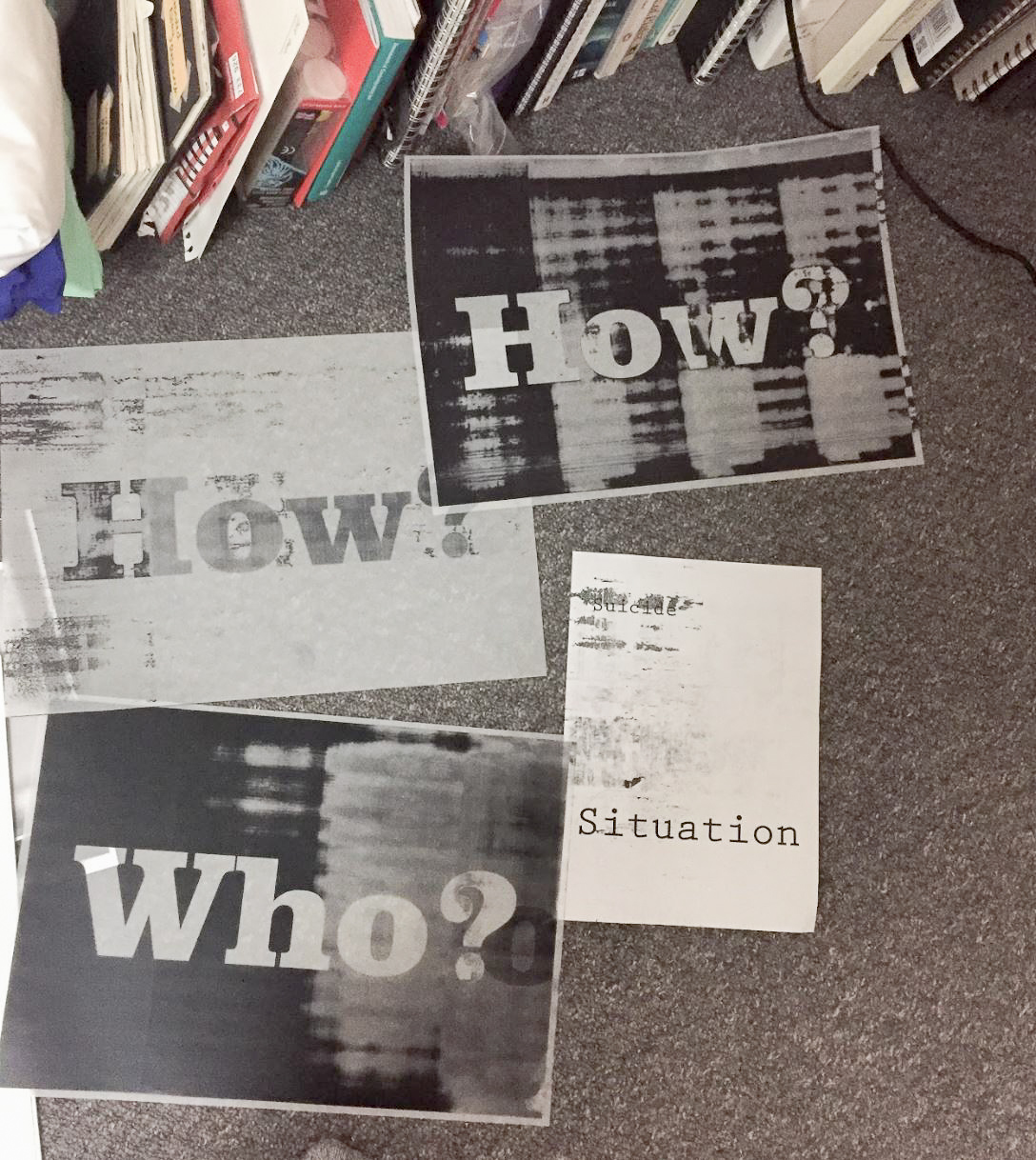
This went smoothly, but the printers printed some dodgy outcomes shown below which was unexpected and not pleasant to deal with when under time pressures. However because we were organised and working ahead of schedule this was easily resolved the next day. It was a good reminder that when doing any work, but specifically creative work, to give myself extra time to manage any unexpected slip up and delays that most likely will occur at any stage of the project. By staying organised it allows these mistakes and slip ups to happen without effecting the outcome of the work.
Making sure each card was going to be the same size was tricky to work out, but Freya managed to size up on the computer using a standard drivers license card size so when we cut each card out individually it will look well put together.
Freya and I had booked in to use the screen printing together, which would ideally allow us to achieve the same result in less time as two people are working on the project rather then one. However, this didn’t materialise how we imagined it would and I stood in and did as much as I could on my own as Freya couldn’t make some of the sessions. This was my first time screen printing and I really enjoyed the process and I hope to develop my skills and use screen printing for more projects in the future.
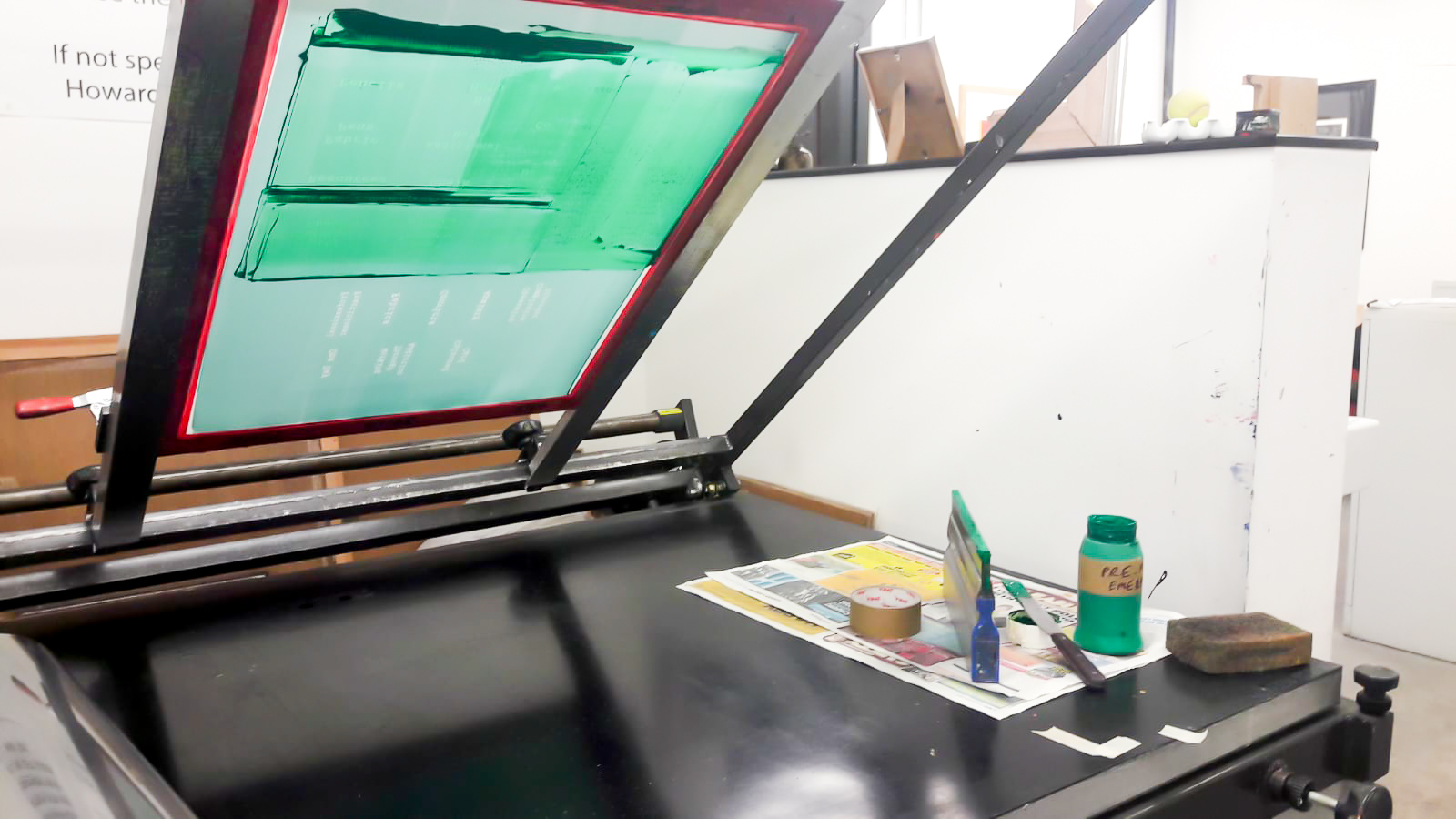
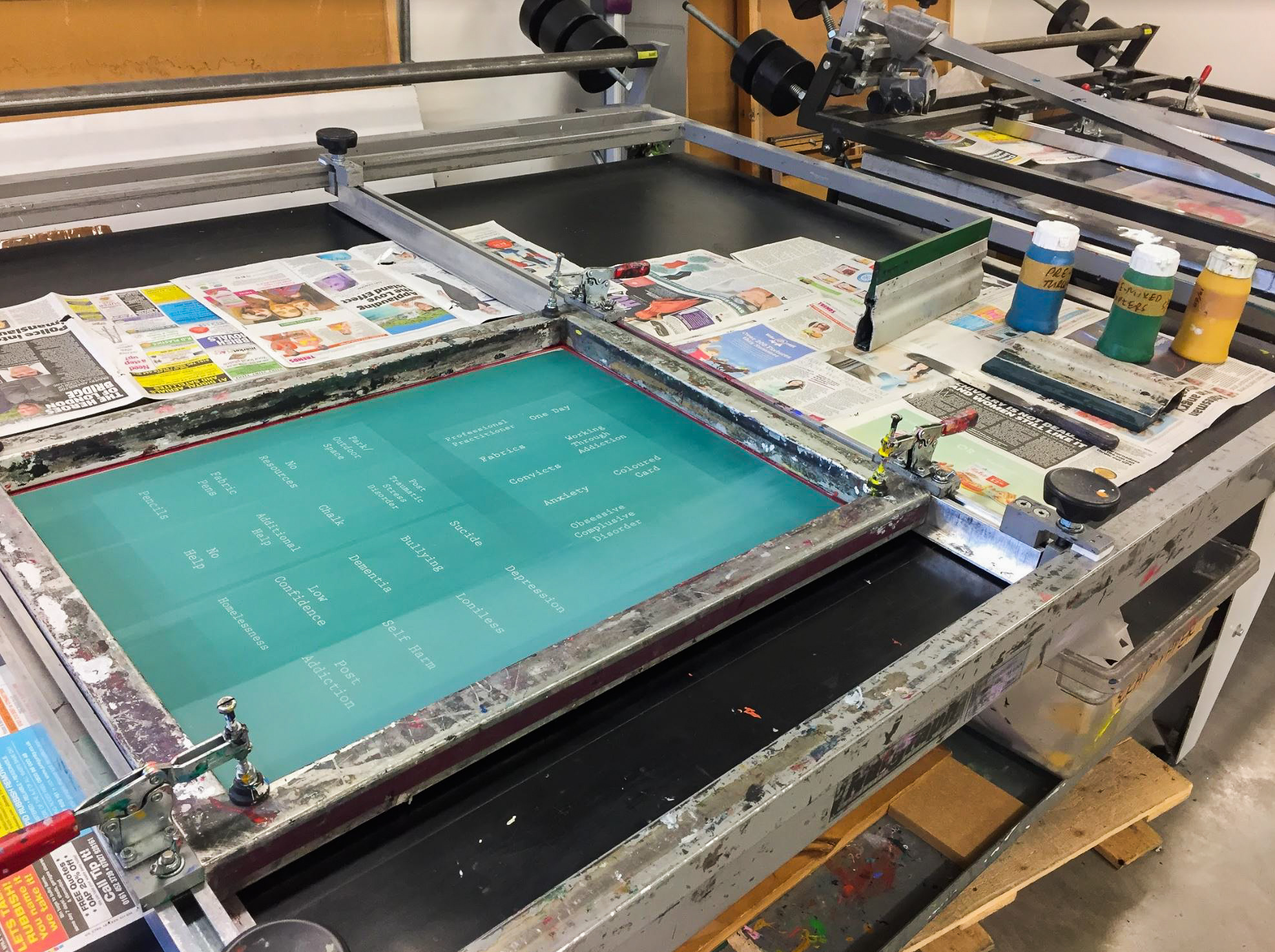
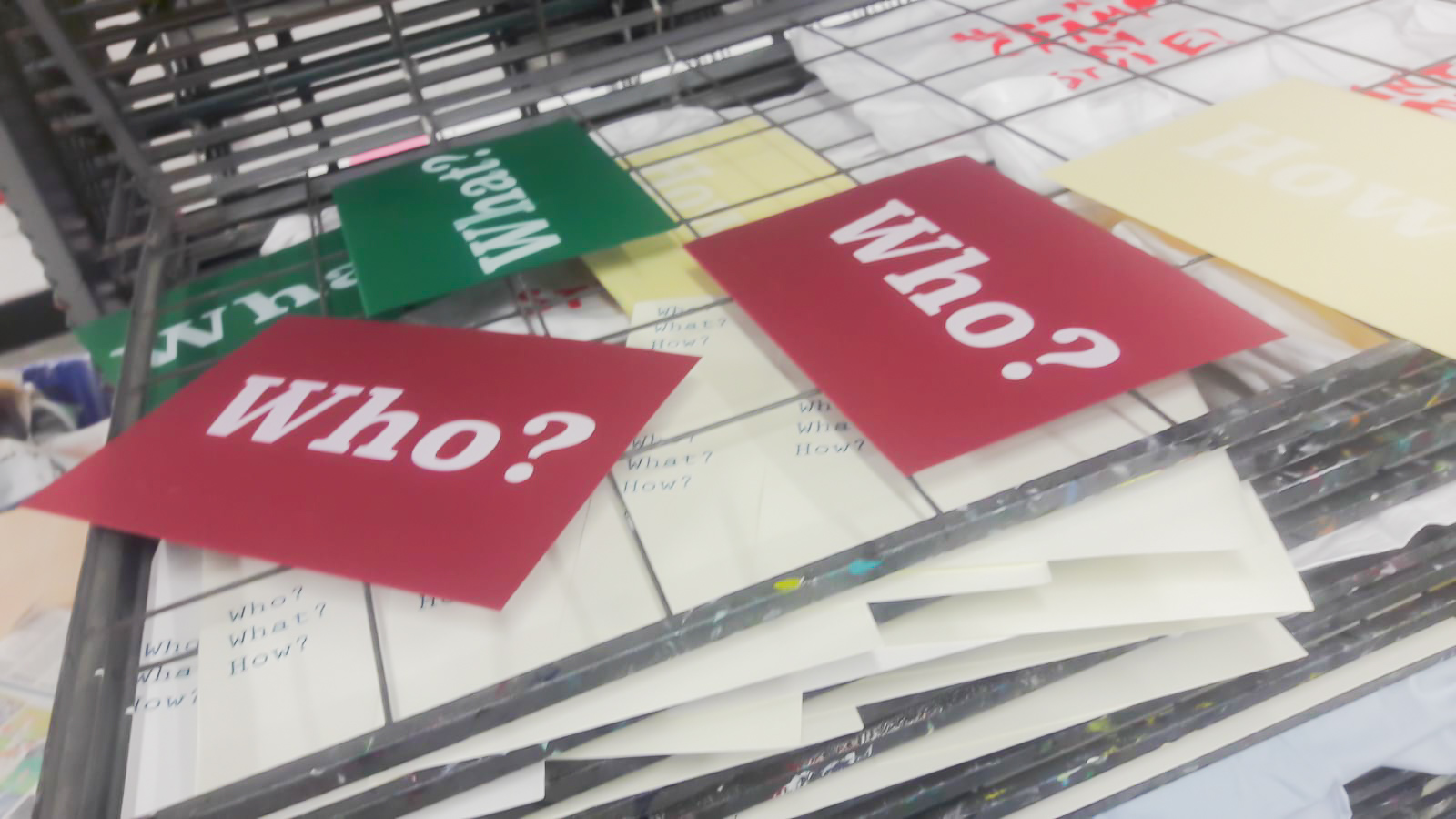
For the WHO? WHAT? HOW? and the different category cards we chose different colours that stood out and complemented each other.
WHO? – red
WHAT? -green
HOW? – yellow
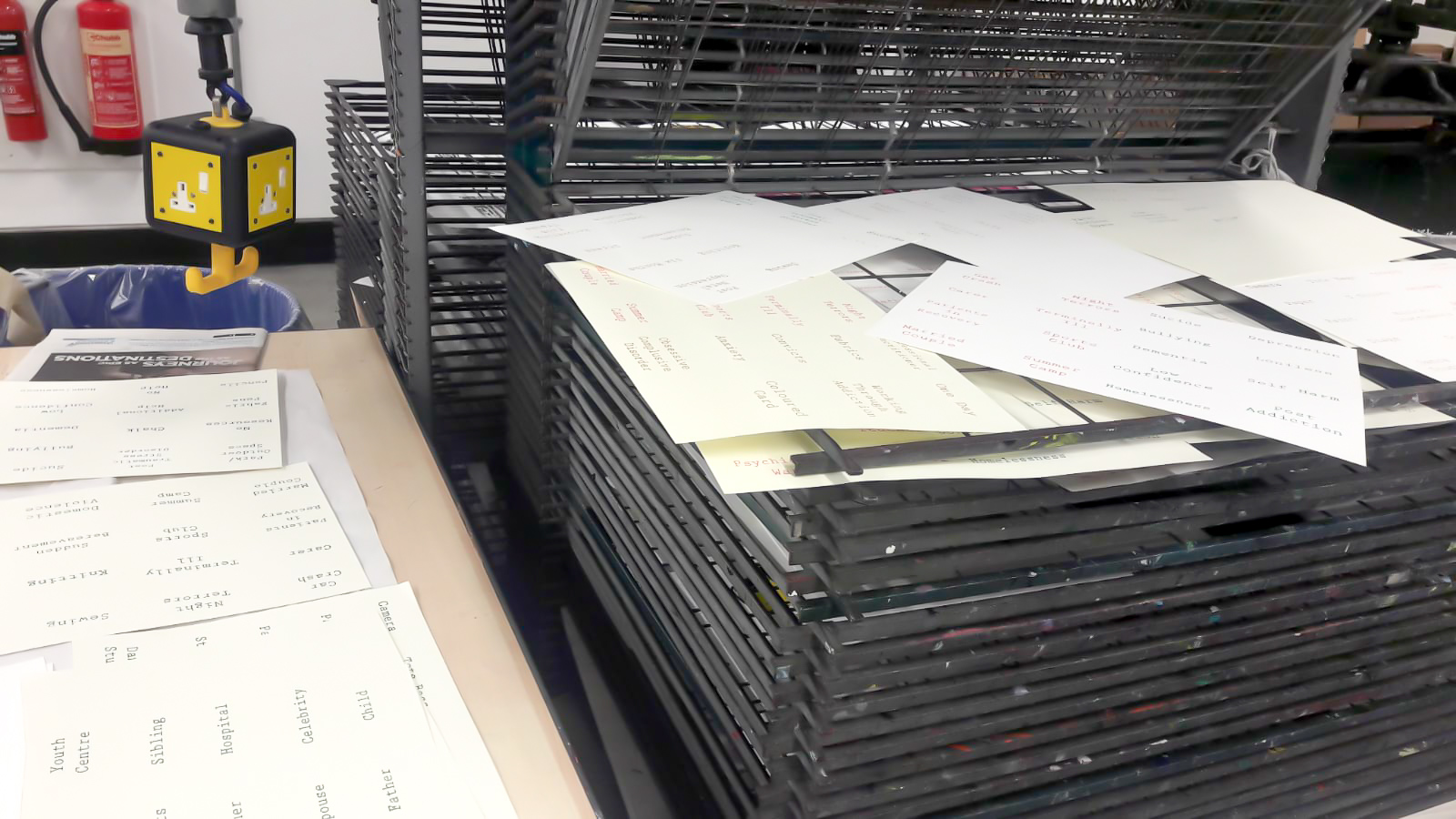
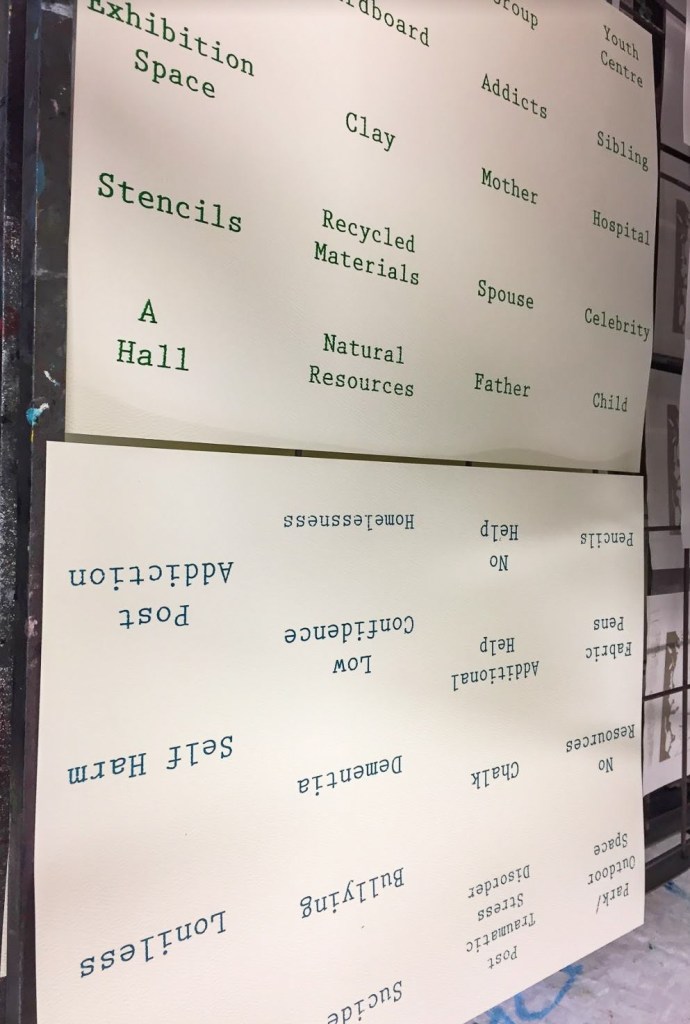
Not all the grouped category words were on the same screen so I had to do a lot of repeated screen prints of the same screen in all the different colours to make sure each word was printed in the right colour for the right category. This was a learning curve to make sure for effective and quicker method to make sure that all the same category words are on the same screens and are all separate.
Whilst screen printing I noticed there were a couple of spelling mistakes and words that can be added or removed. This was a great spot as it would be embarrassing to have these types of mistakes when getting participants to have a go. Another learning curve when doing a collaborative project – make sure to check each others work when it is coming together to make sure that simple things like spelling mistakes can be avoided.
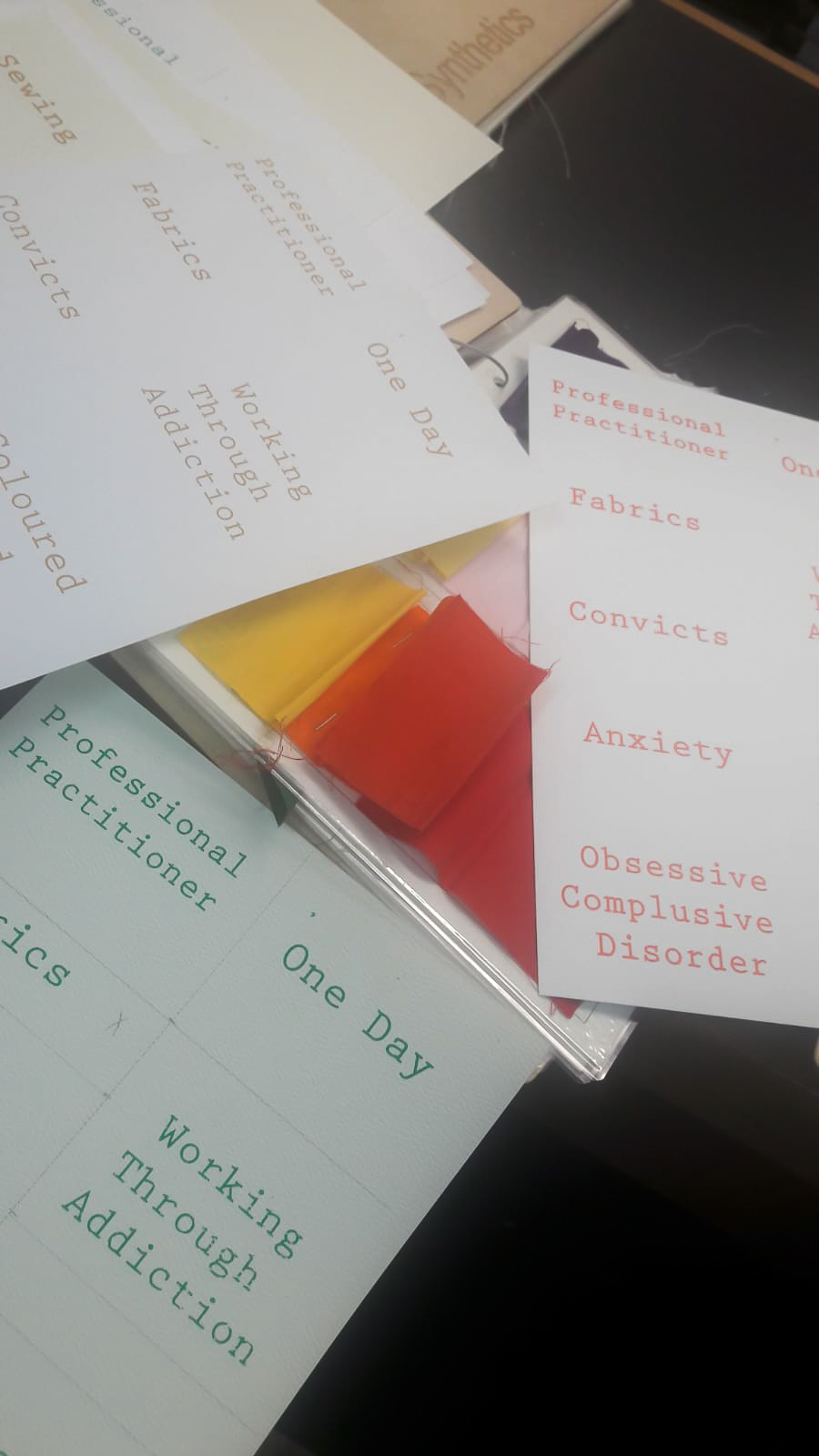
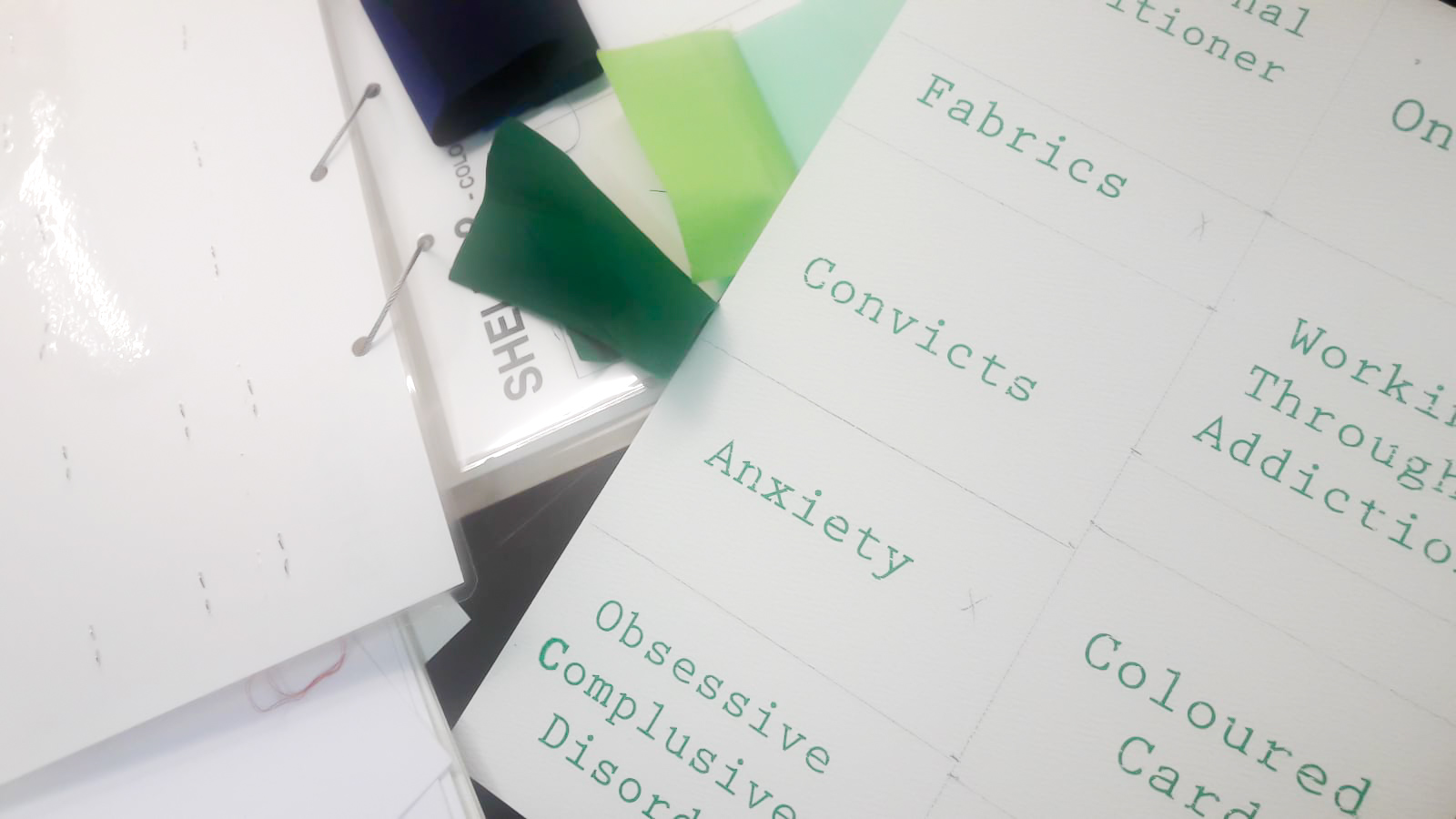
As you can see above, the colours we chose for separate categories WHO?WHAT?HOW?
At this point we were thinking about presentation and how we are going to display everything at the Late event to make it as inviting and engaging as possible.
I was looking into having different coloured table clothes/ or table runners to match the categories… This didn’t materialise as we found that even though it was eye catching – it was also distracting from the colours that stood out on the cards and the words that are the focus, not the colours of the display.
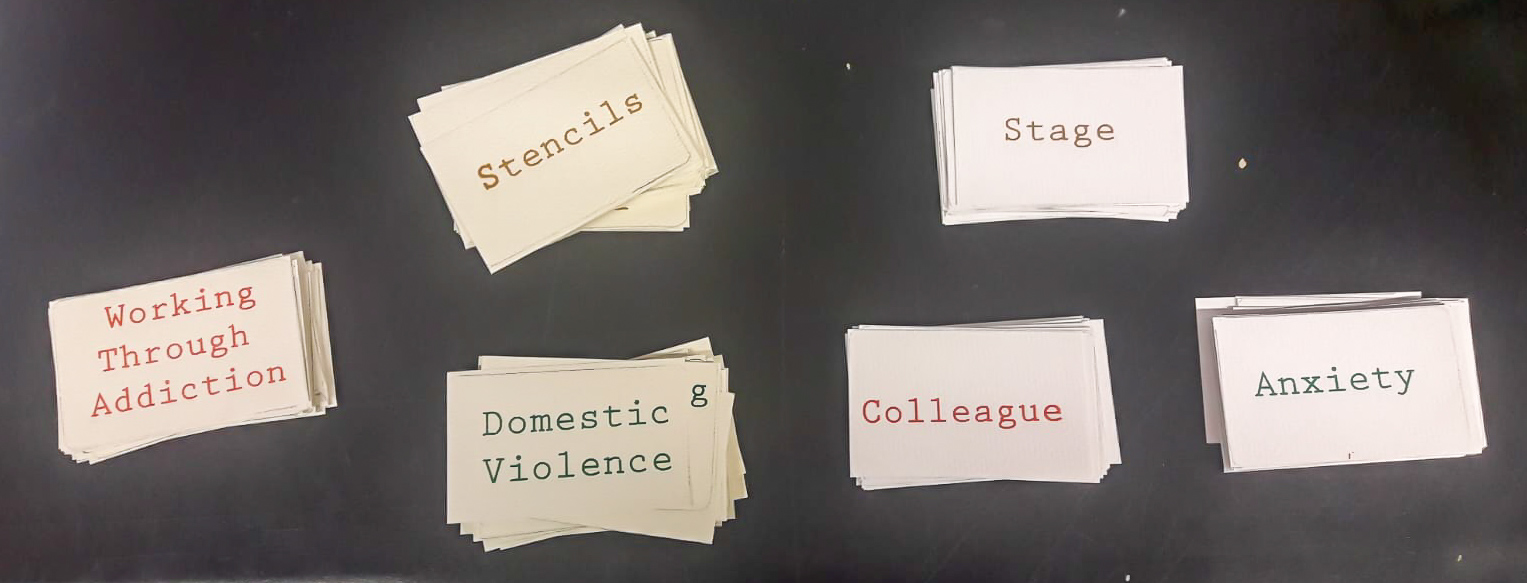
I screen printed the cards on two different types of card: white and cream. This was because I couldn’t decide which one to stick with, so I tried both. This was a good way to present the screen prints to Freya so we could decide together which work better.
This also ended up being a huge benefit as we ended up with two ‘decks’ of cards, meaning we had a backup ‘deck’ to rely on in case we needed it.
Below are the ‘decks’ of cards:
 Exploring Arts For Health
Leave a comment