I designed this workshop as in the practice I was looking at slow stitch, and making connections through thread.
I wanted to make a interactive and engaging workshops that would have a group final outcome that could be visually displayed within the school for the students to enjoy.
AIMS & OBJECTIVES
Aims: To deliver a interactive and engaging activity based on young peoples mental health. The activity should initiate conversations on arts for health, and create a striking final outcome to display afterwards in the school. The overall aim is for the students to become familiar with the term ‘arts for health’ and the way that this could apply to them- e.g.with creative activities based on mental health.
Delivering an Interactive and creative way for the students to answer questions about their emotions, building a complex web, visually making connections between themselves, scenarios and other peoples answers. This can create an exchange of answers and allow peers to give each other advice and support based on different emotions. Building a bridge of commonalities and helping peers to relate to one another.
Objectives: A central focused question ‘what makes you feel?’. Connecting the thread to each emotion and writing beside each one an answer or advice for someone else based on the emotion e.g. What makes them sad? This will visually build a web of thread/ web of emotions.
I went in the day before on Sunday 14th, to paint the display boards white within the hall way that the head of art department at King David High school assigned for the display. I made sure I had adaptable lesson plans as each outcome would depend on: what space was assigned, what materials were available, the age group and number or participants taking part.
The school changed the schedule a few times, e.g. which year group was for which workshop and how that worked with the schedule- It was important to keep the plans flexible and adaptable to accommodate these changes.
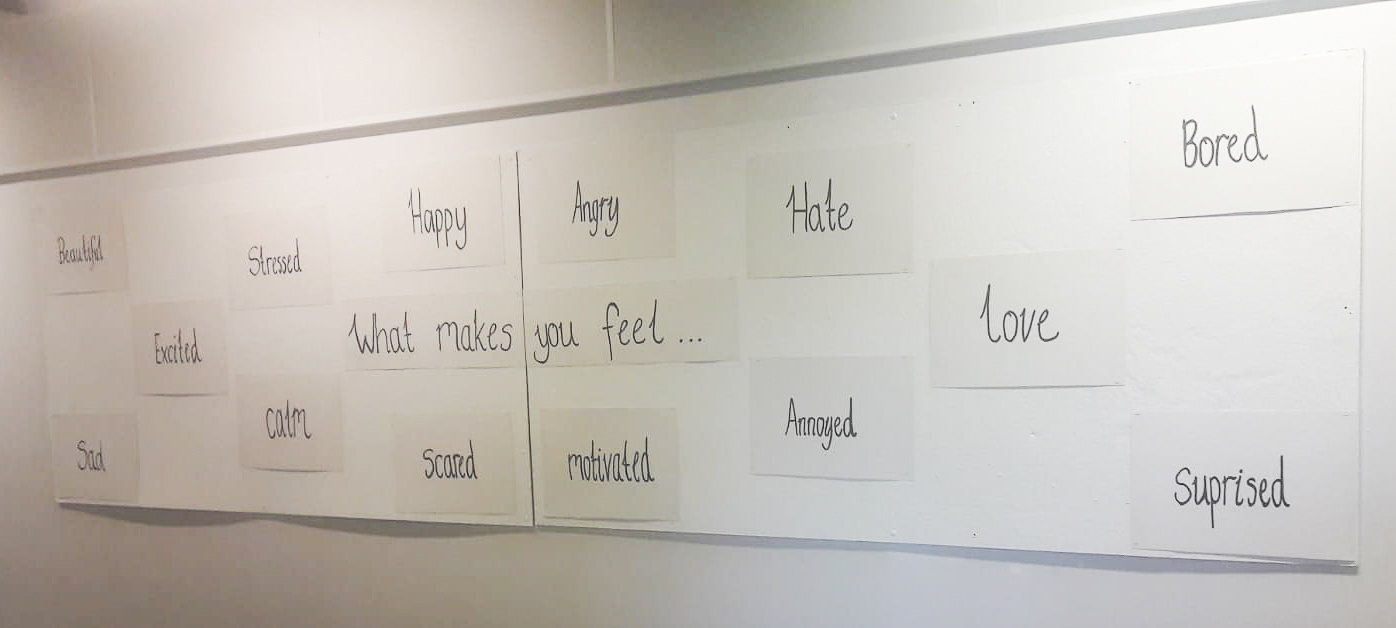
I wrote in the middle of the board:
What makes you feel…
This was to create a central focus for the students to begin the activity, as well as a question to answer, and for other people who view the display to follow what the display is based around.
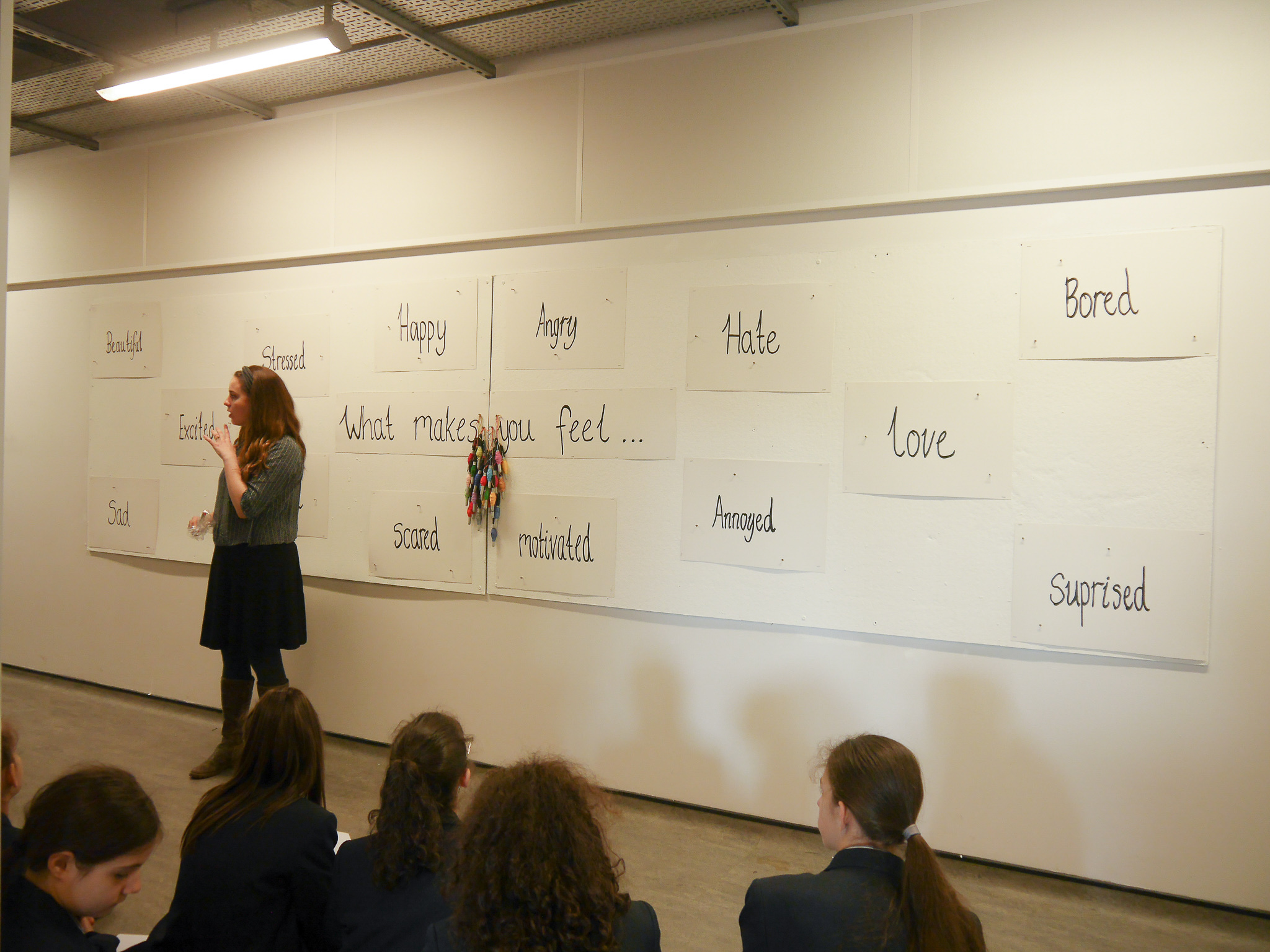
I wrote different emotions down on large pieces of card to spread out around the display.
beautiful
sad
excited
Stressed
Calm
happy
scared
angry
motivated
hate
annoyed
love
bored
surprised
I made sure to have a balance of negative and positive emotions for the young people to work with.
Mental health involves all aspects of life, highs and lows, and I wan’t to make sure this workshop came across with a balance.
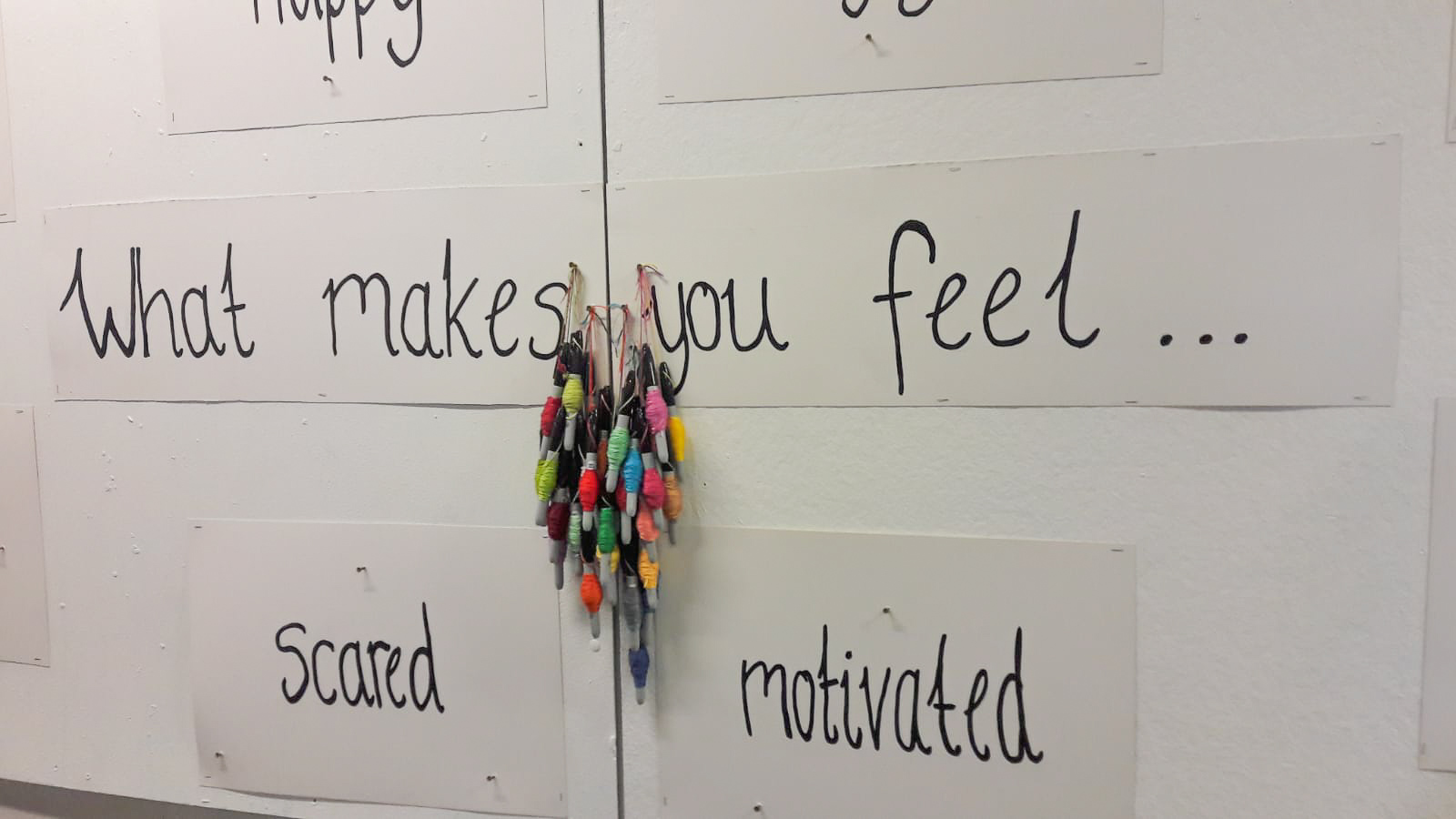
I drilled screws into different areas across the display board so the student would wrap the threads around each point, making connections and their own path, mapping out their journey through the activity.
I wrapped sharpies with different coloured threads, and attacked them all hanging from a the centre of the display boards. These were attached at the question ‘What makes you feel…’ to help the workshop flow. The question is ‘what makes you feel…’ and when you get to each emotion on the board you answer the question by writing it down.
What makes you feel excited?
What makes you feel love?
What makes you feel calm?
What makes you feel stressed?
What makes you feel sad?
etc.
The class was a group of 35 year 7’s.
Workshop
Introduction
What is arts for health? has anyone heard of arts for health? any ideas of what it is?
Thinking of different challenges young people face regarding their mental health. e.g. bullying, social media, body image etc.
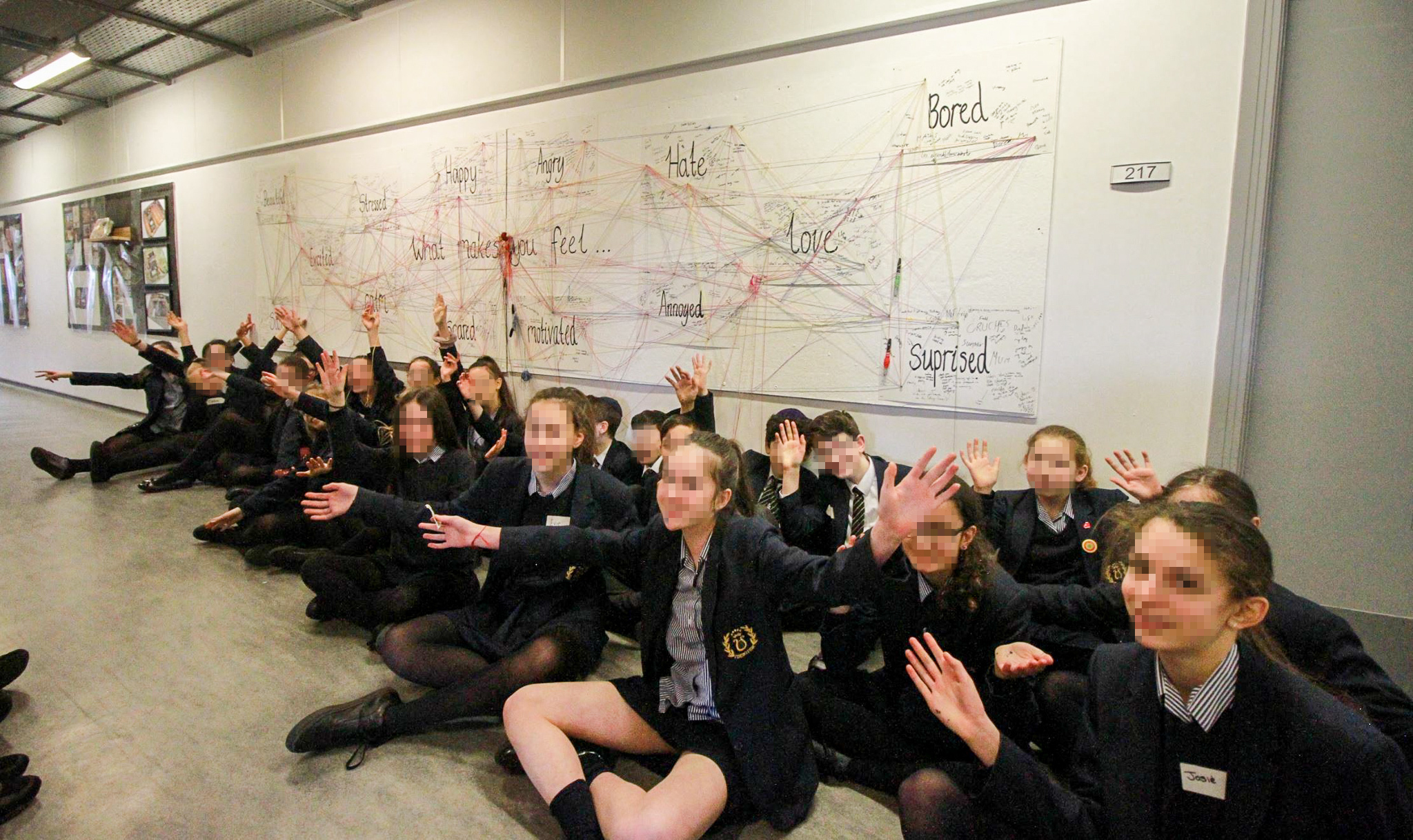
I then brought everyone out into the hall way to sit on the floor in front of the workshop activity – this would help them understand and visualise the activity as I demonstrated what to do.
Warm up
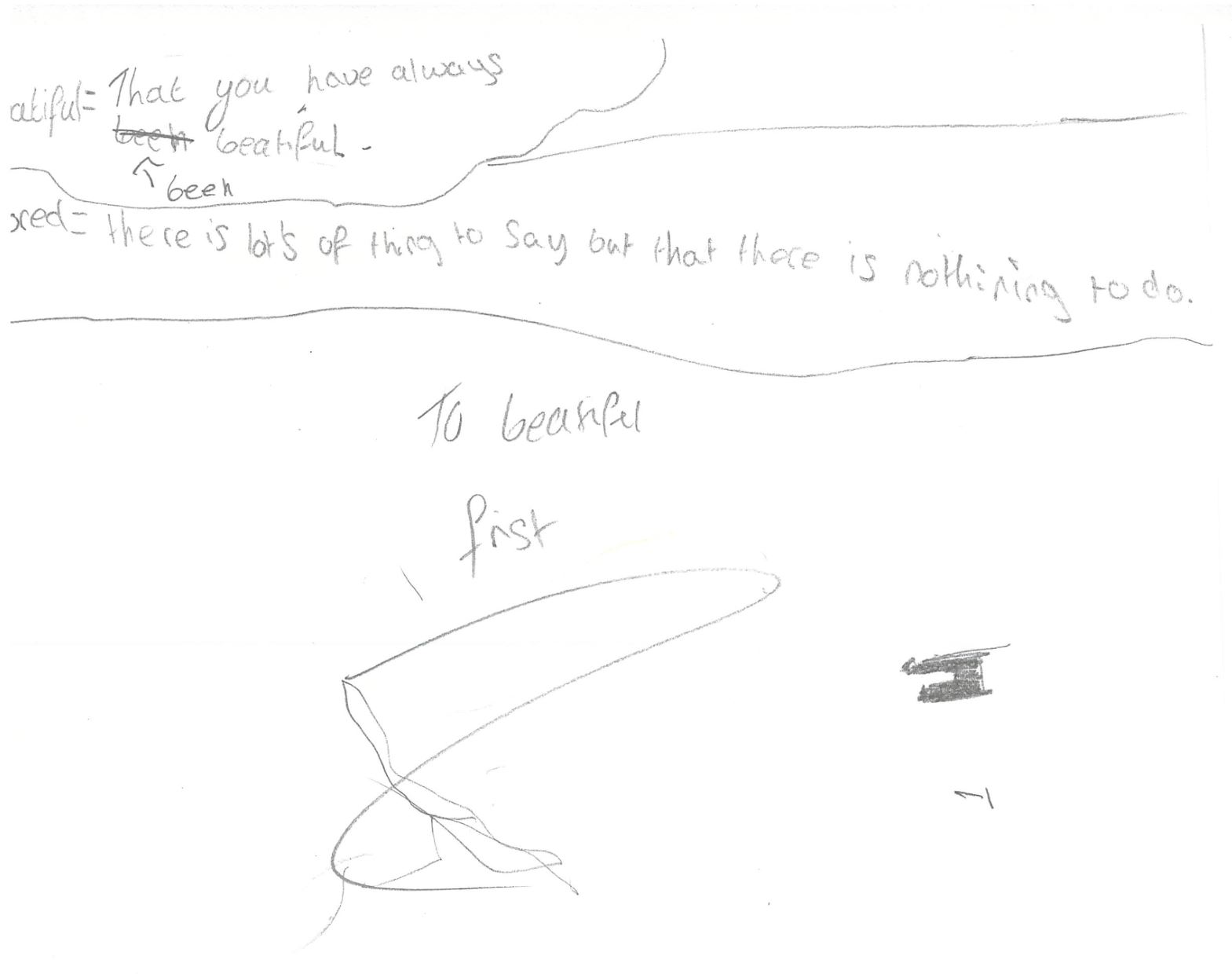
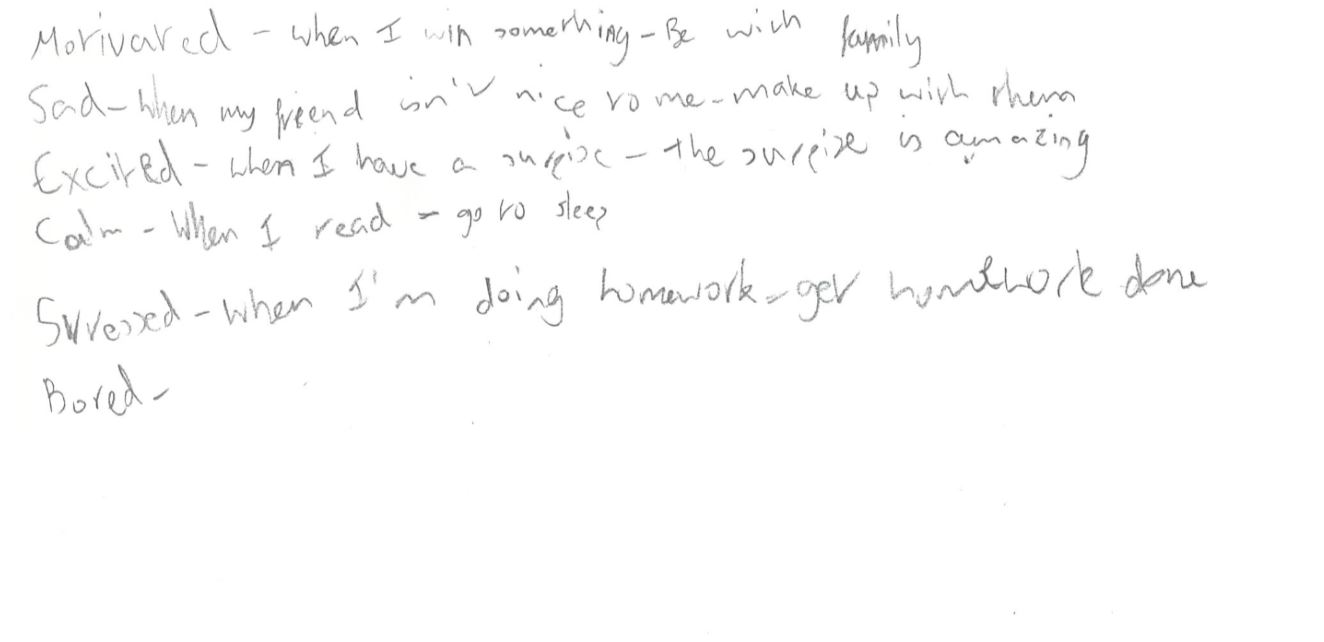
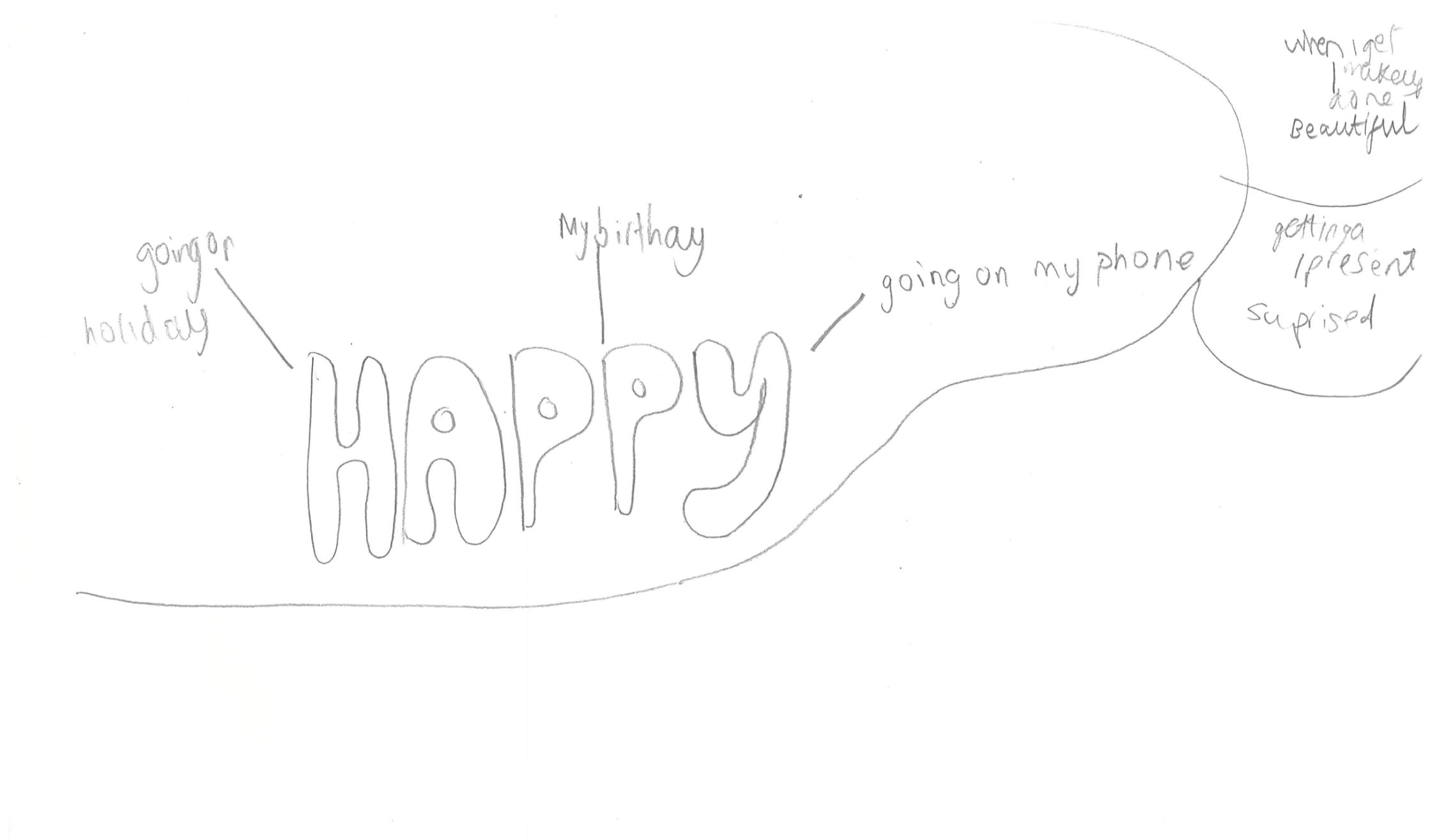
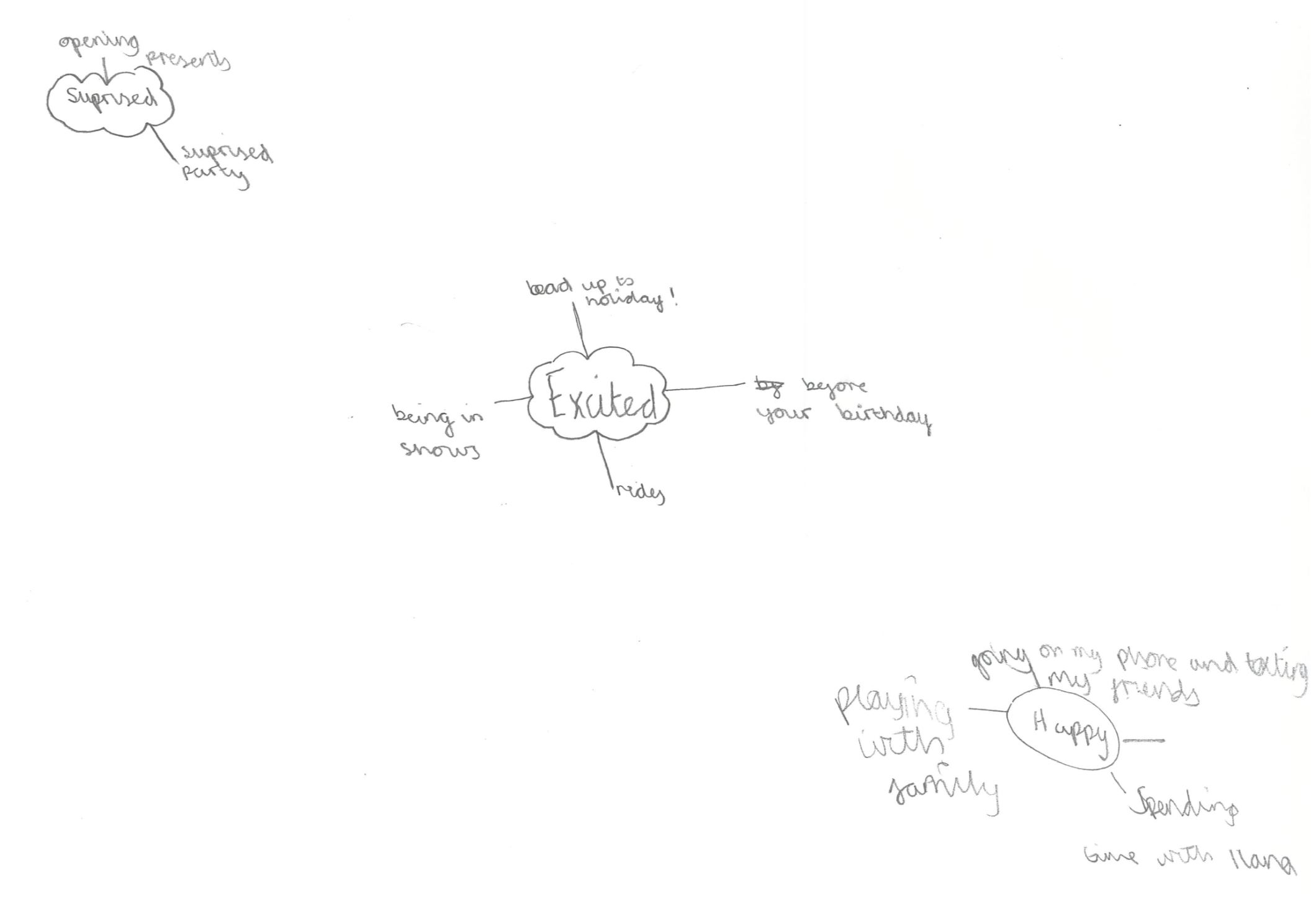
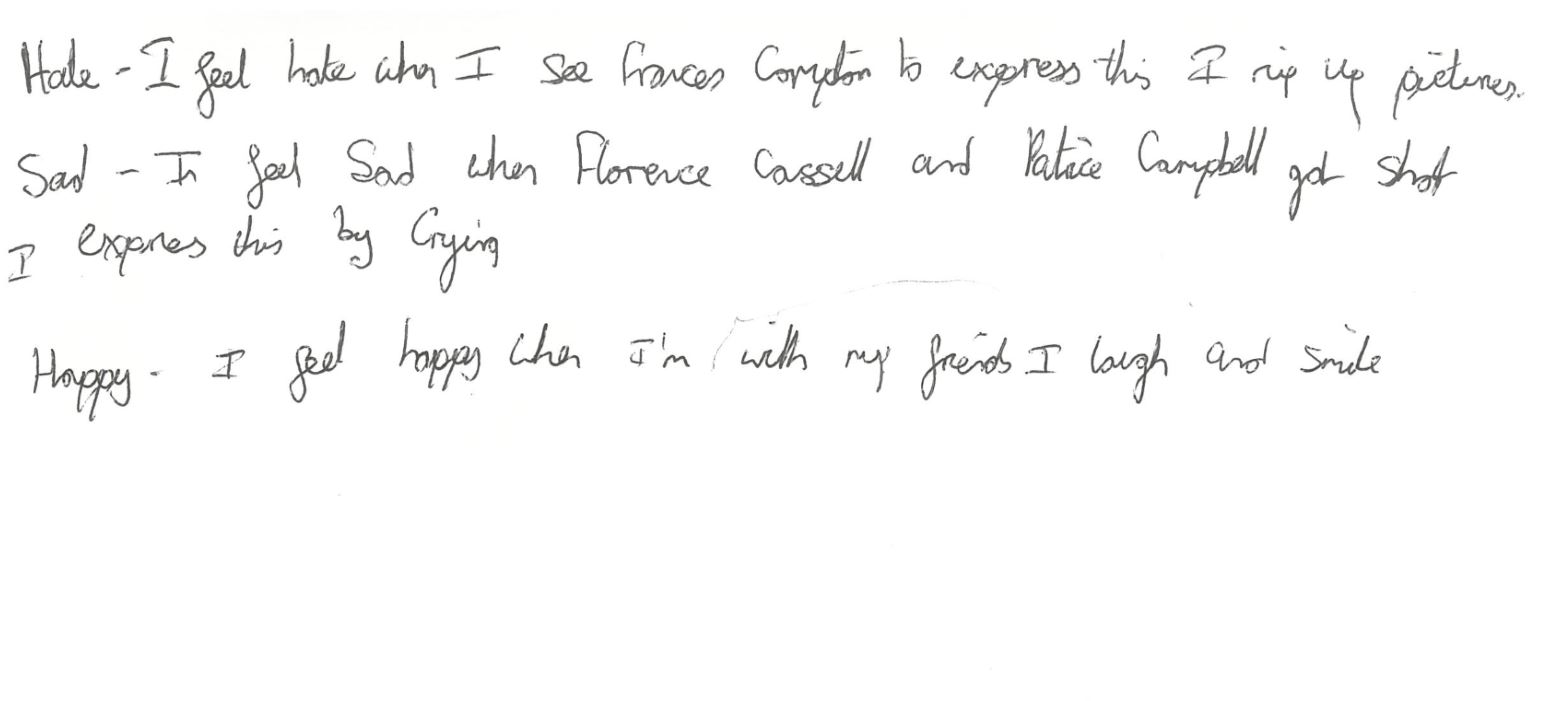
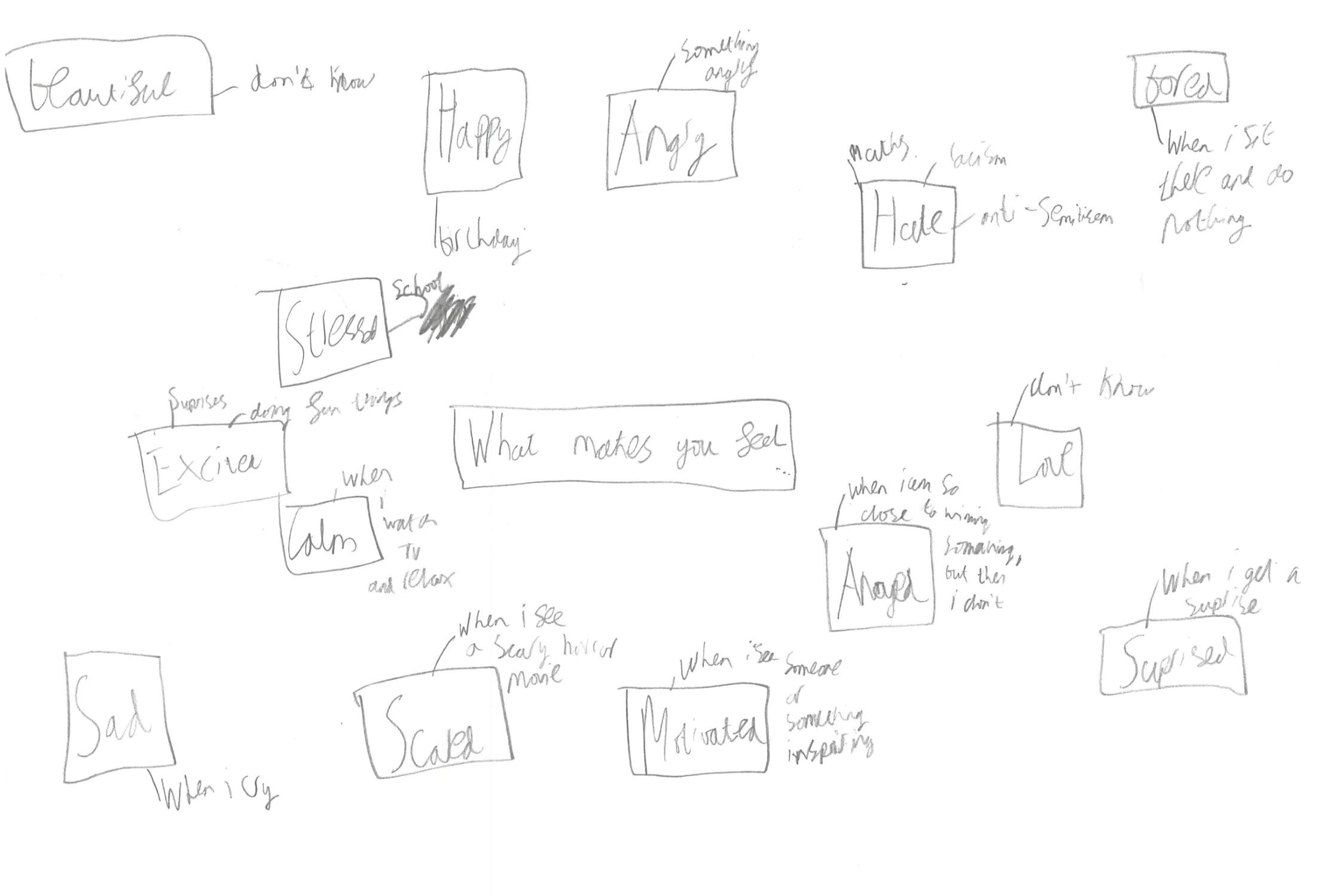
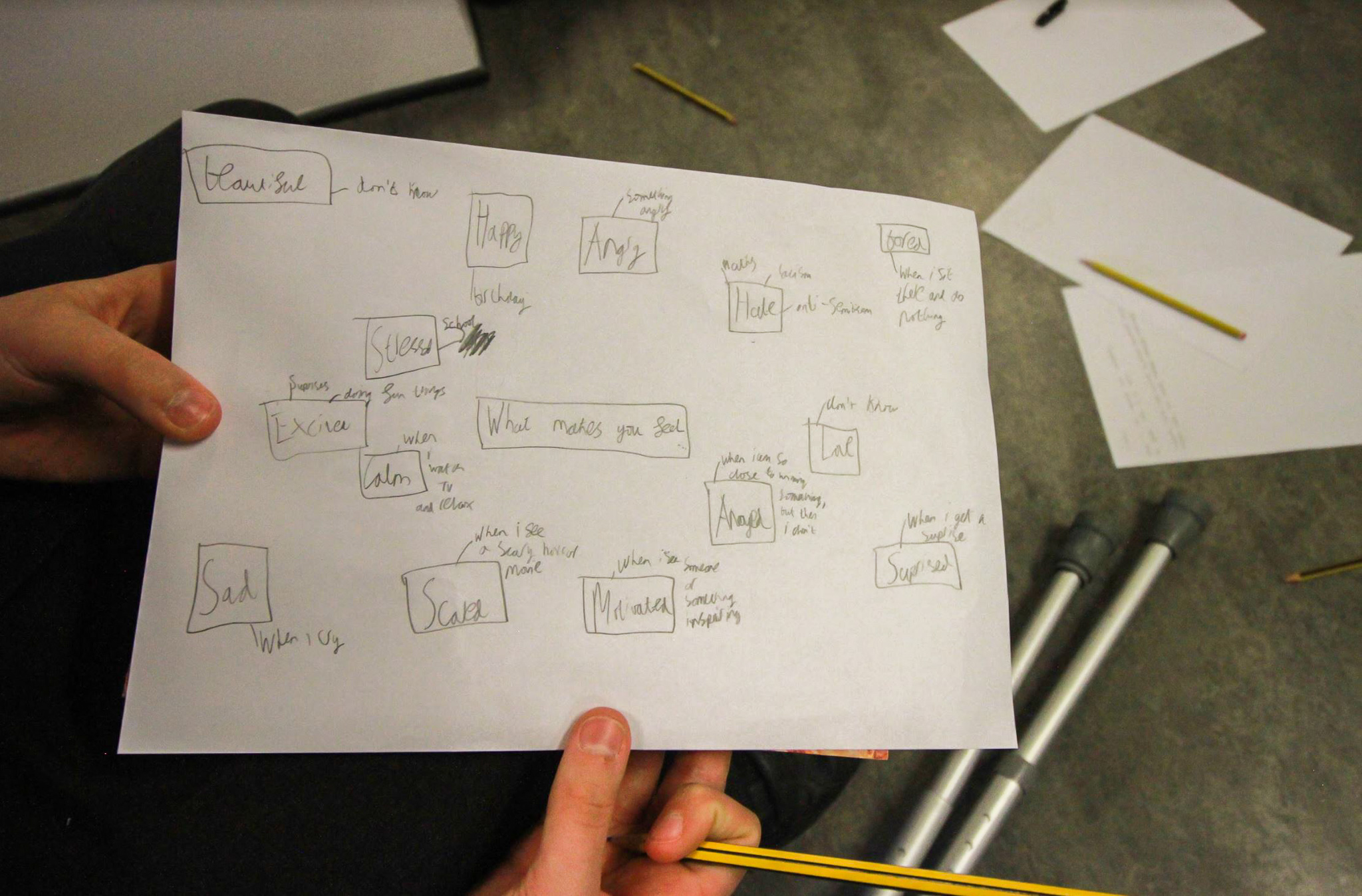
Each student started off with a piece of paper where I got them to map out a plan for their path across the different emotions. This was a great thinking exercise to help everyone warm up for the interactive activity.
There was maybe just less then 25 students as it was the last week before the school broke up for half term – so some students were absent.
This was still a lot of students for the space that we had available, so this exercise helped me to encourage the students to map out a plan as they would have to navigate around the boards whilst working around their peers doing the same thing – so different routes are important to avoid traffic build up!
Here are some of the notes that the students wrote down in this warm up exercise thinking about the activity and the route they are going to take:
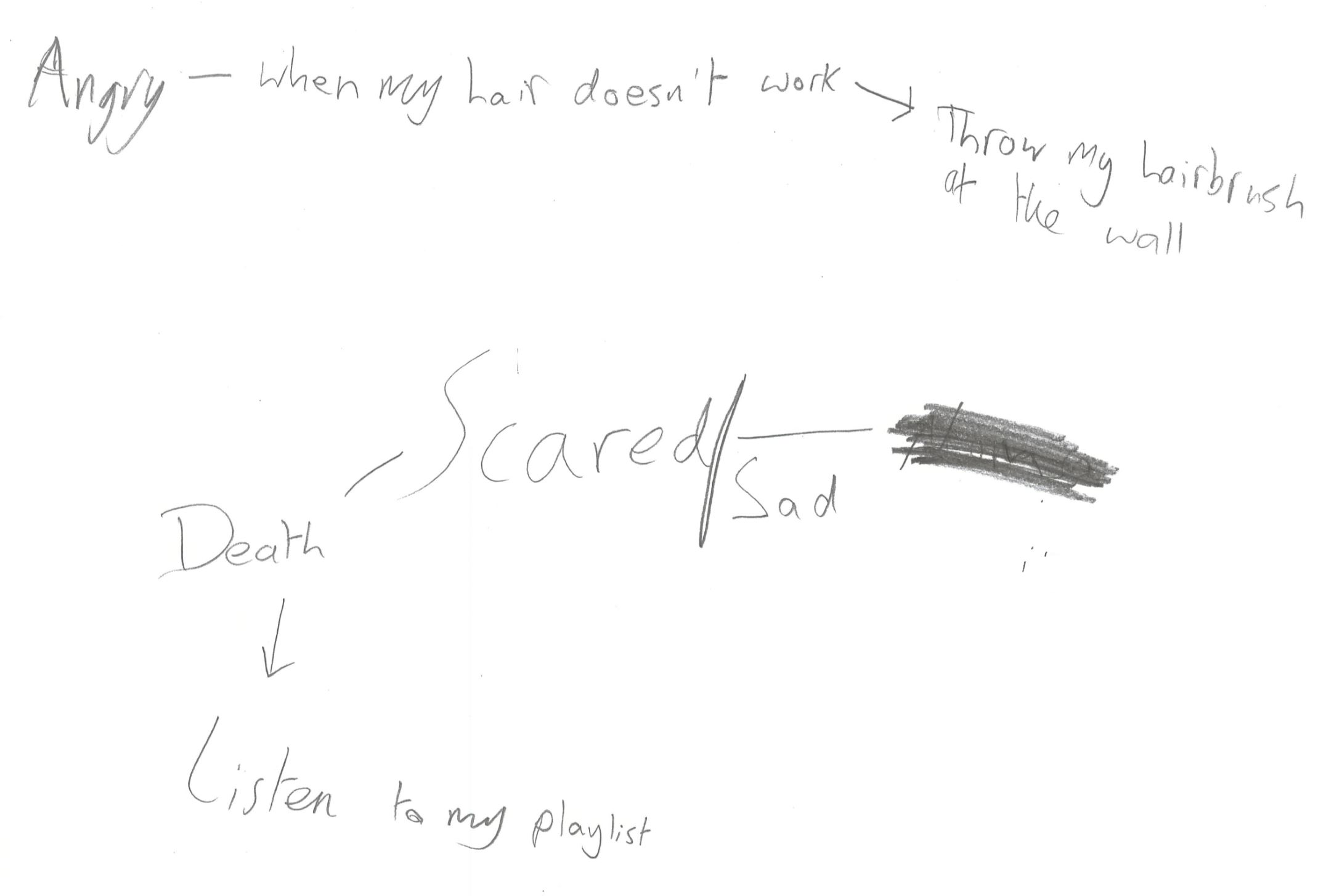
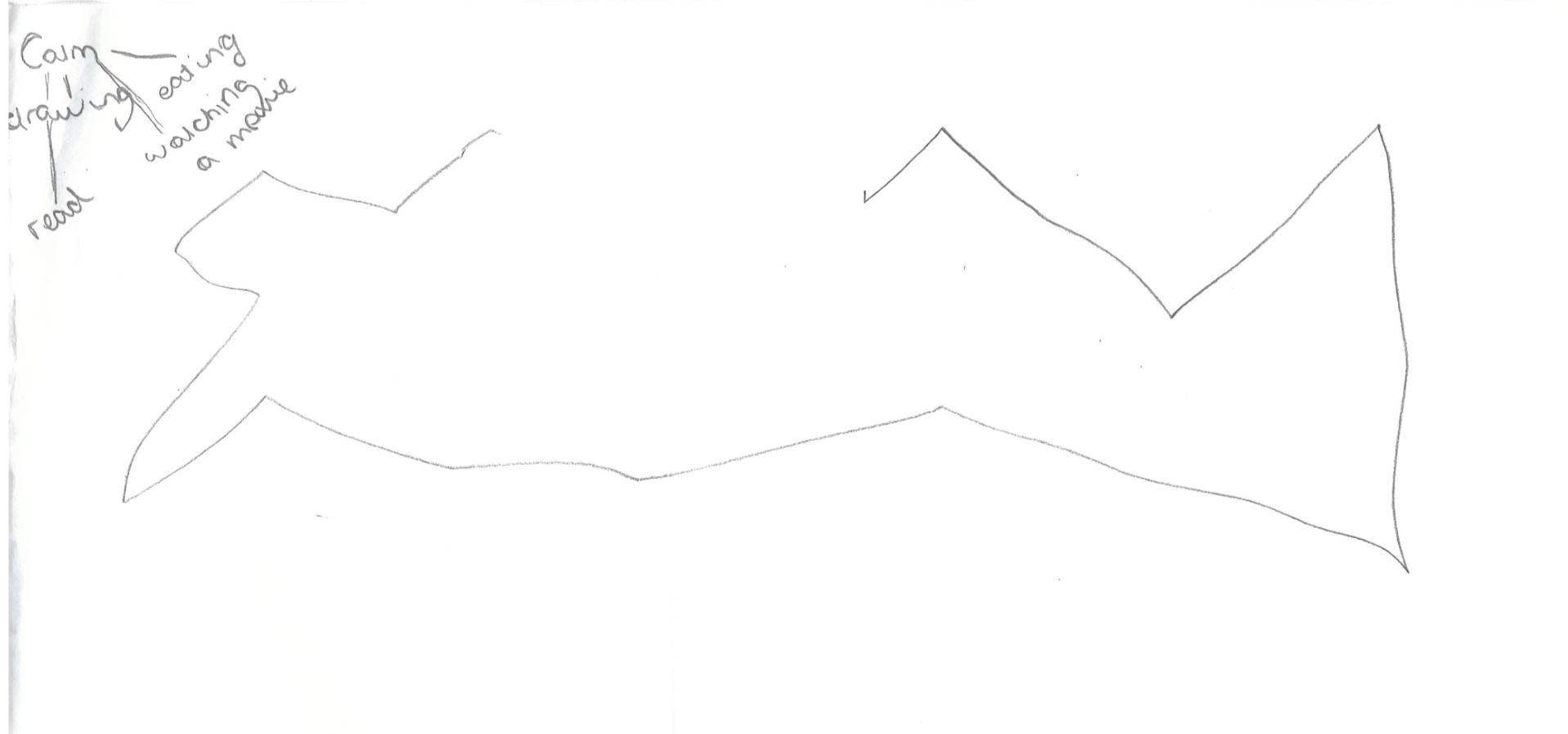
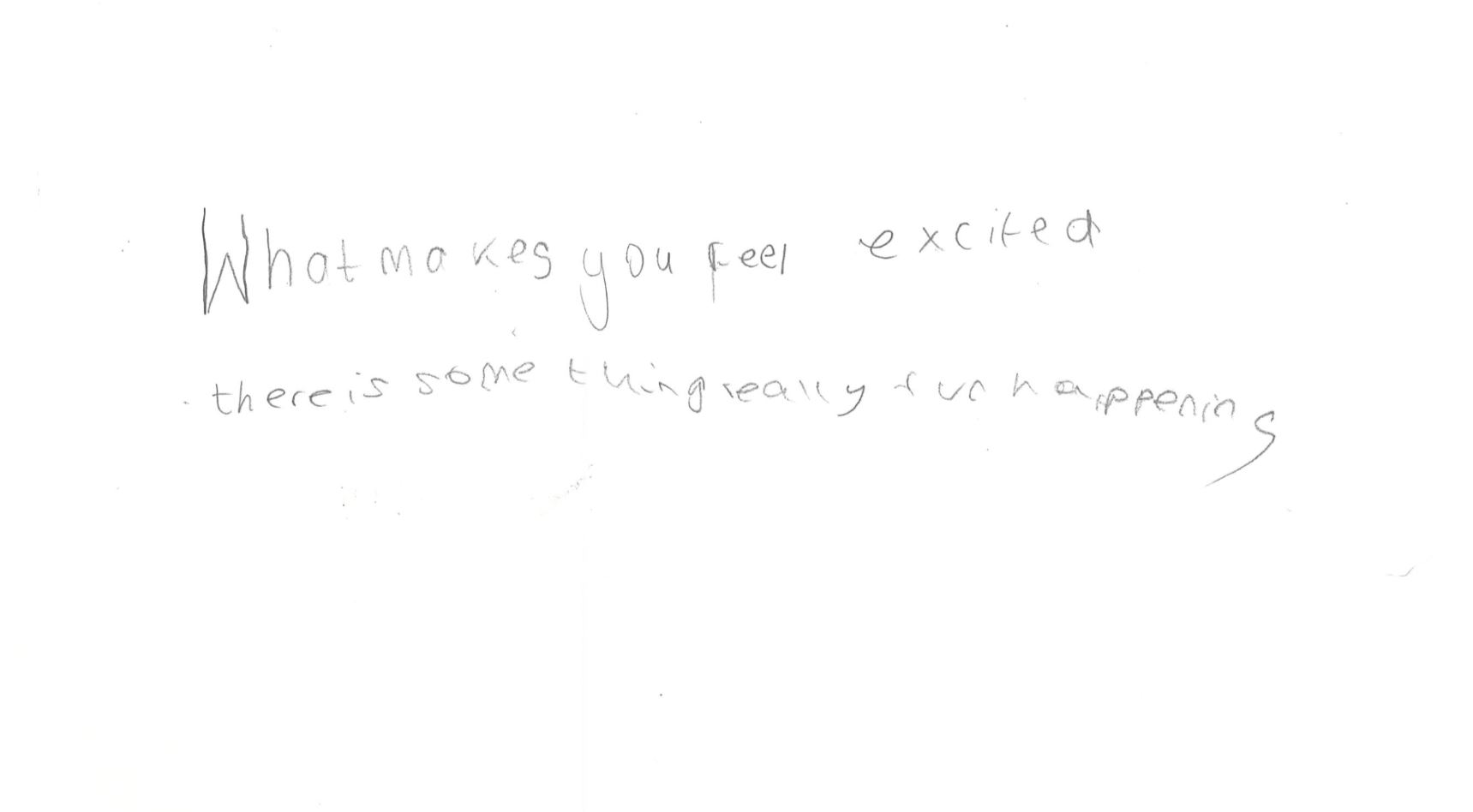
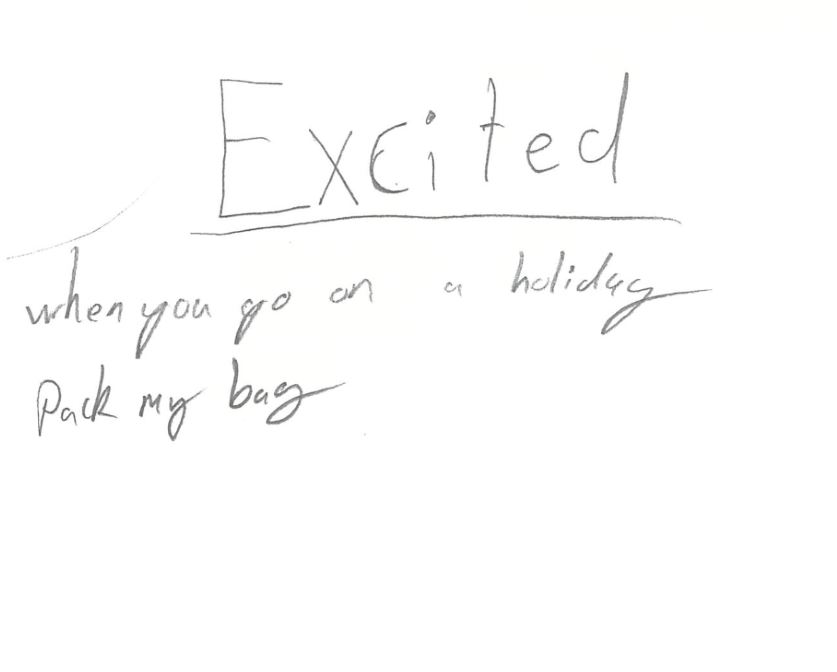
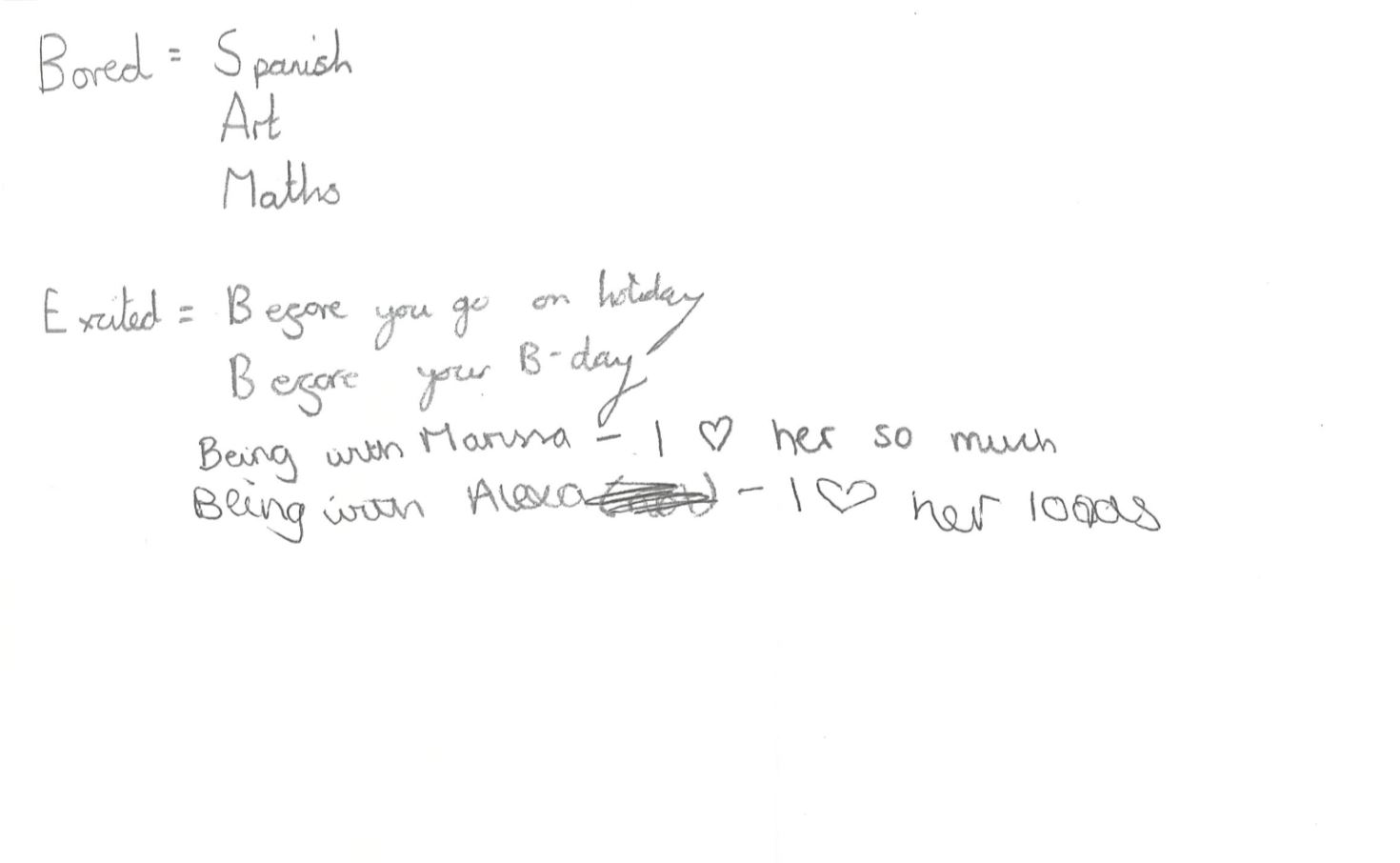
There was a student who was on crutches so he unfortunately could not take part in the activity as every was taking up the space.
This is something that I never considered, and I have learnt from this to make sure I plan alternate ideas, and accommodate for disabilities in future workshops.
So instead, he sat on a chair and watched the activity, whilst drawing his own version on his piece of paper. This allowed him to still engage with the activity and follow along but in a different way.
Here I am explaining the workshop activity to the students, and demonstrating an example for them to get started.
I called up students one at a time to come start the activity – not all at once as this would have caused a chaotic traffic jam!
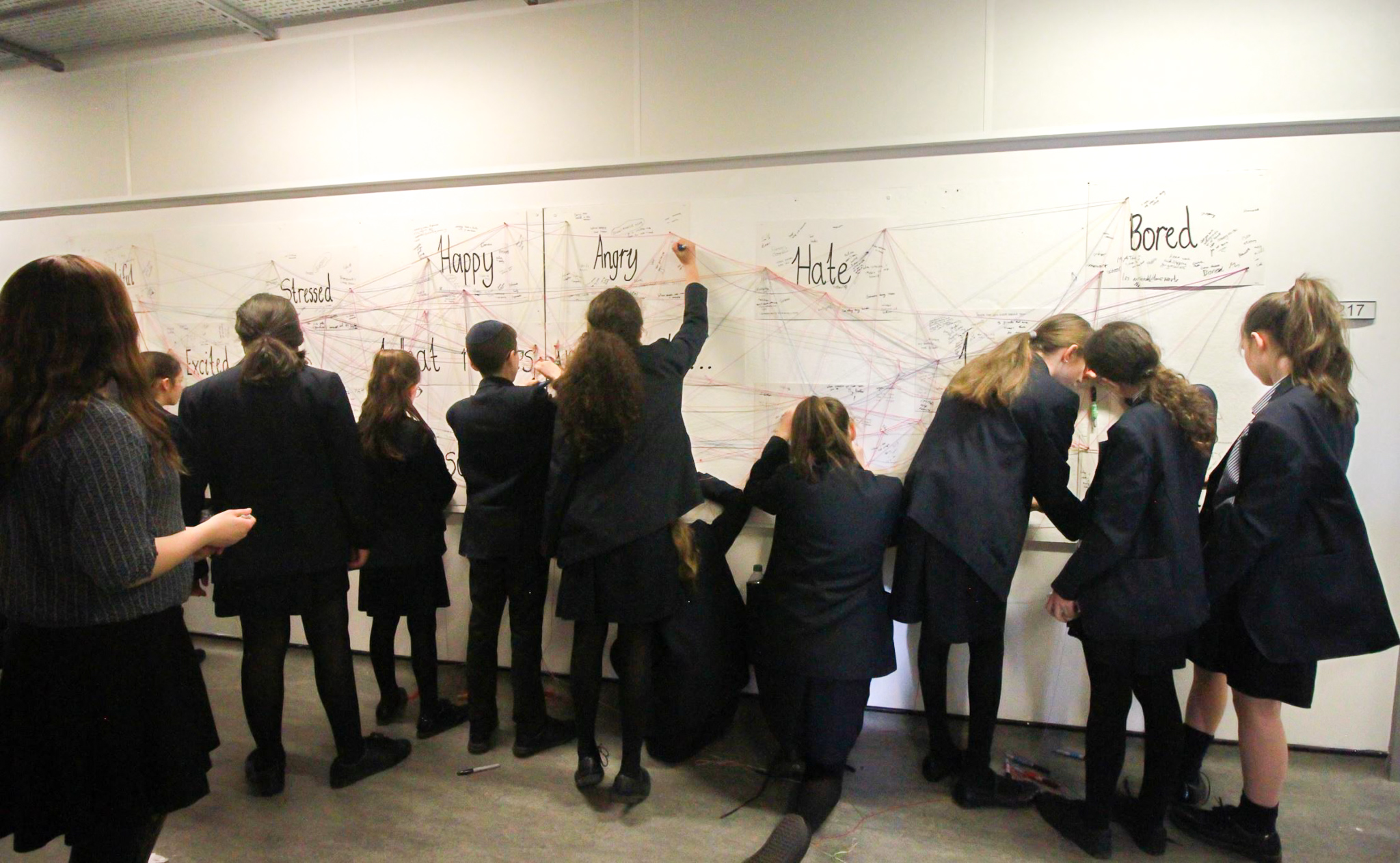
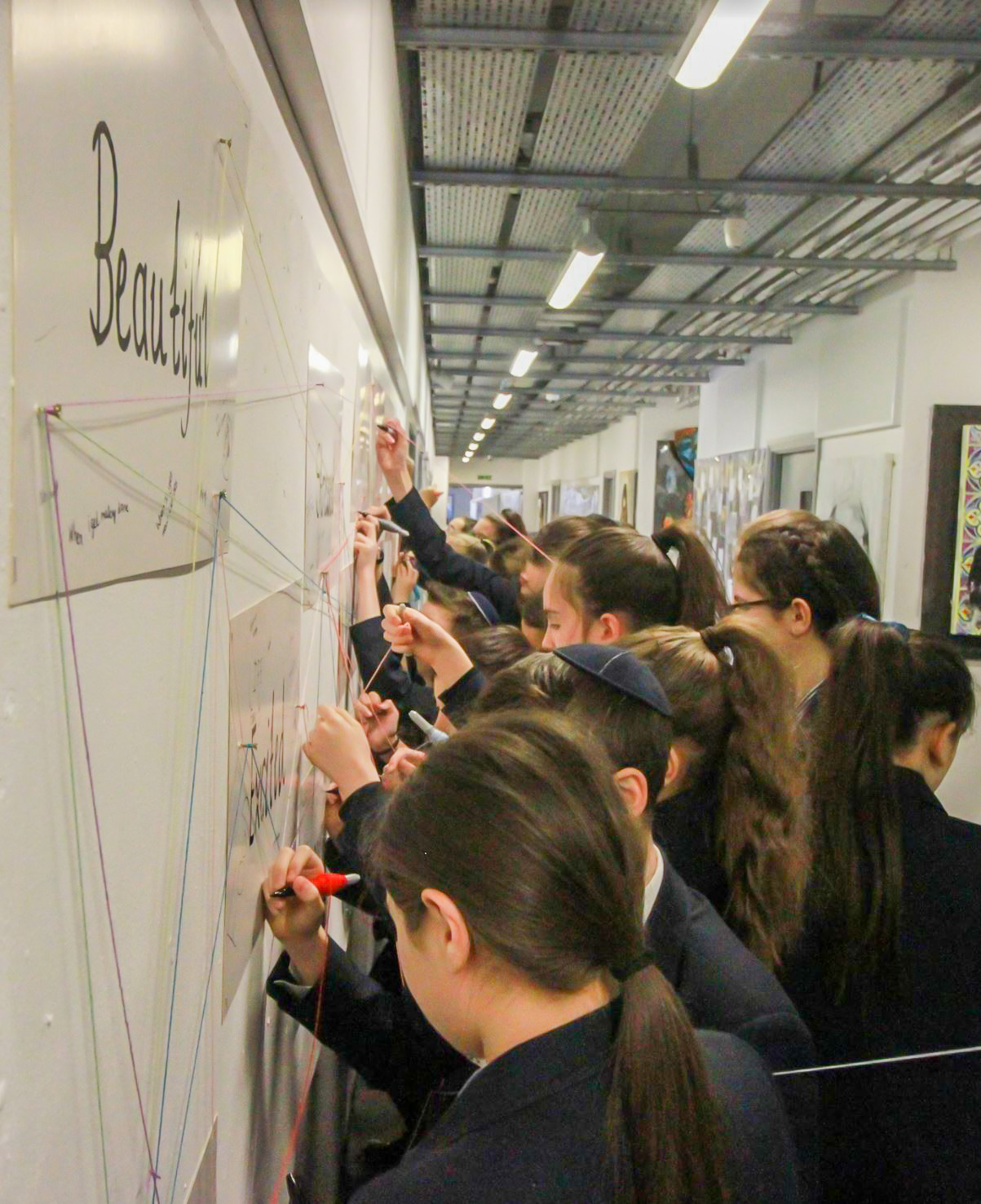
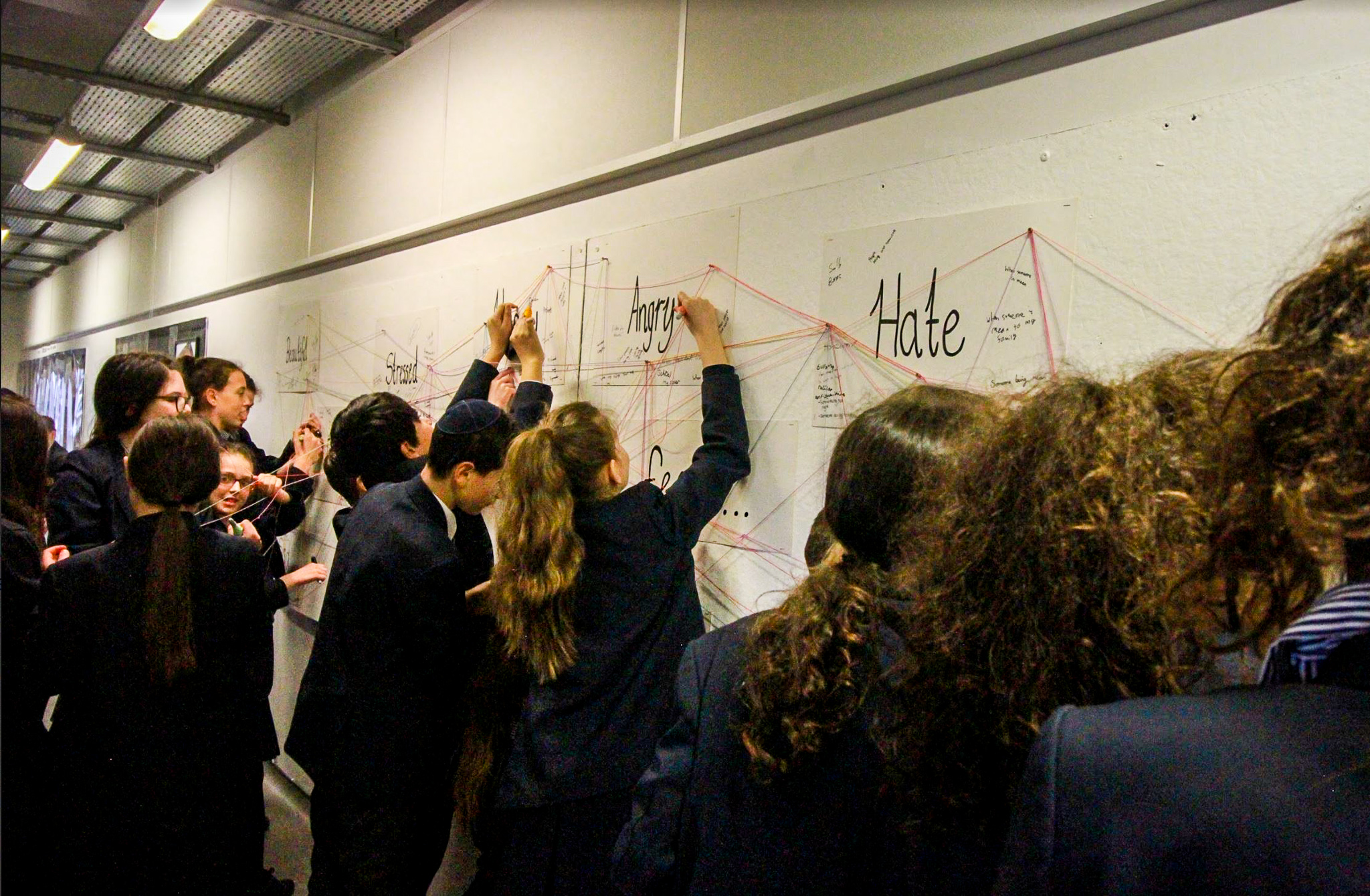
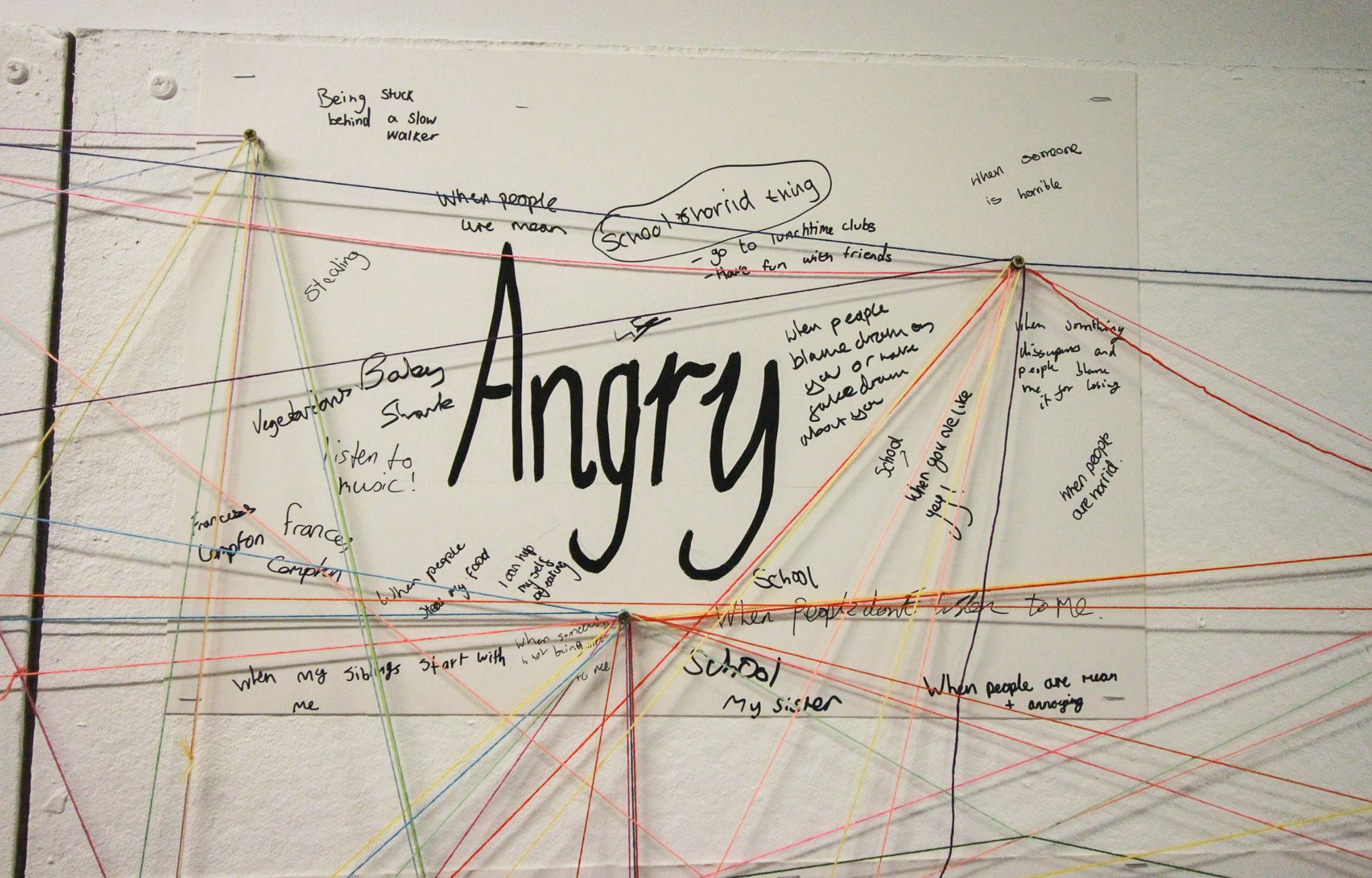
There were some chaotic moments during the activity where the students got a little carried away and got tangled (or purposefully tangled themselves) up in the web of threads. This was behaviour that I had to manage – for safety reasons, but overall it was nice to see that they were enjoying the activity and really thinking about their answers.
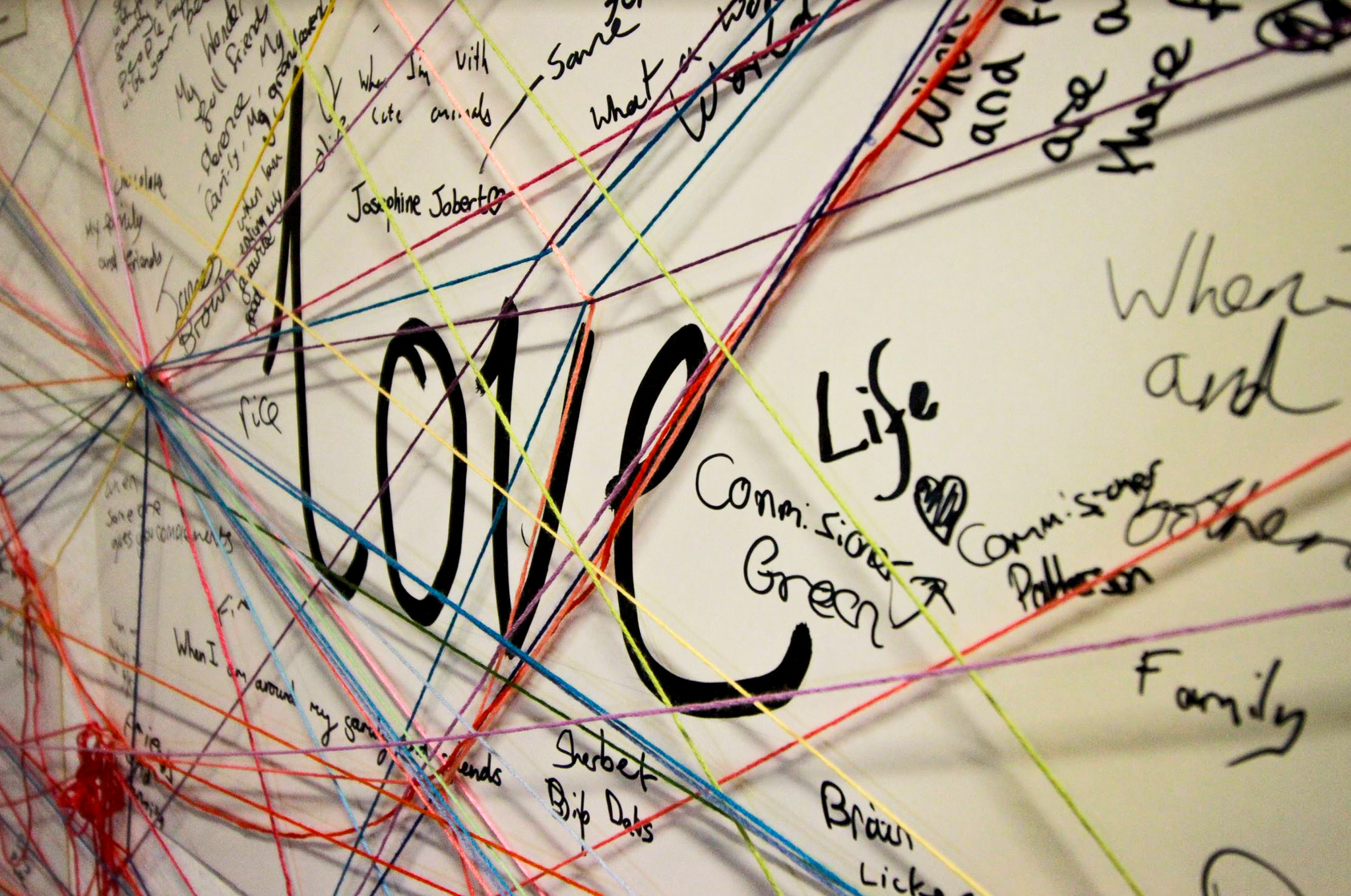
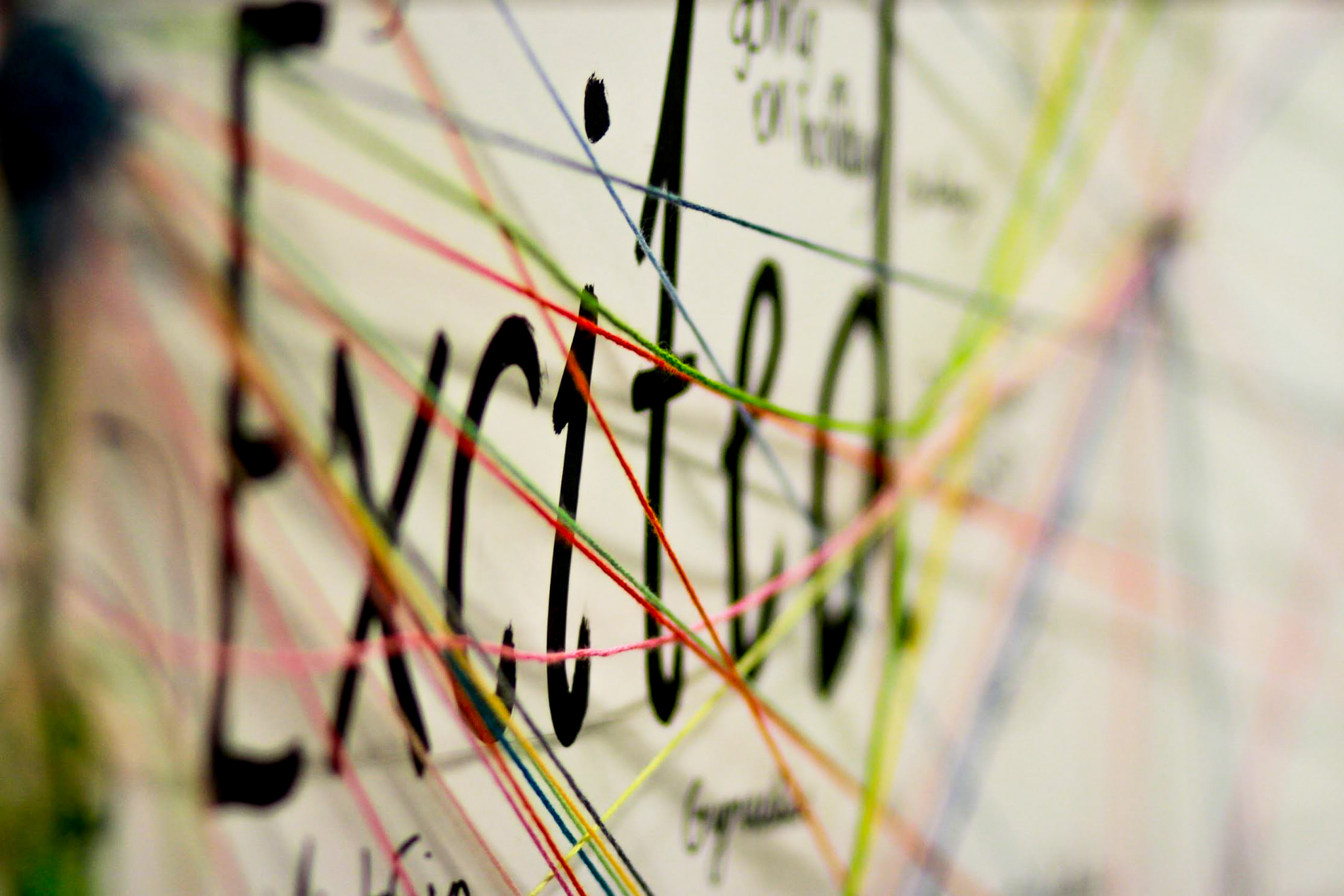
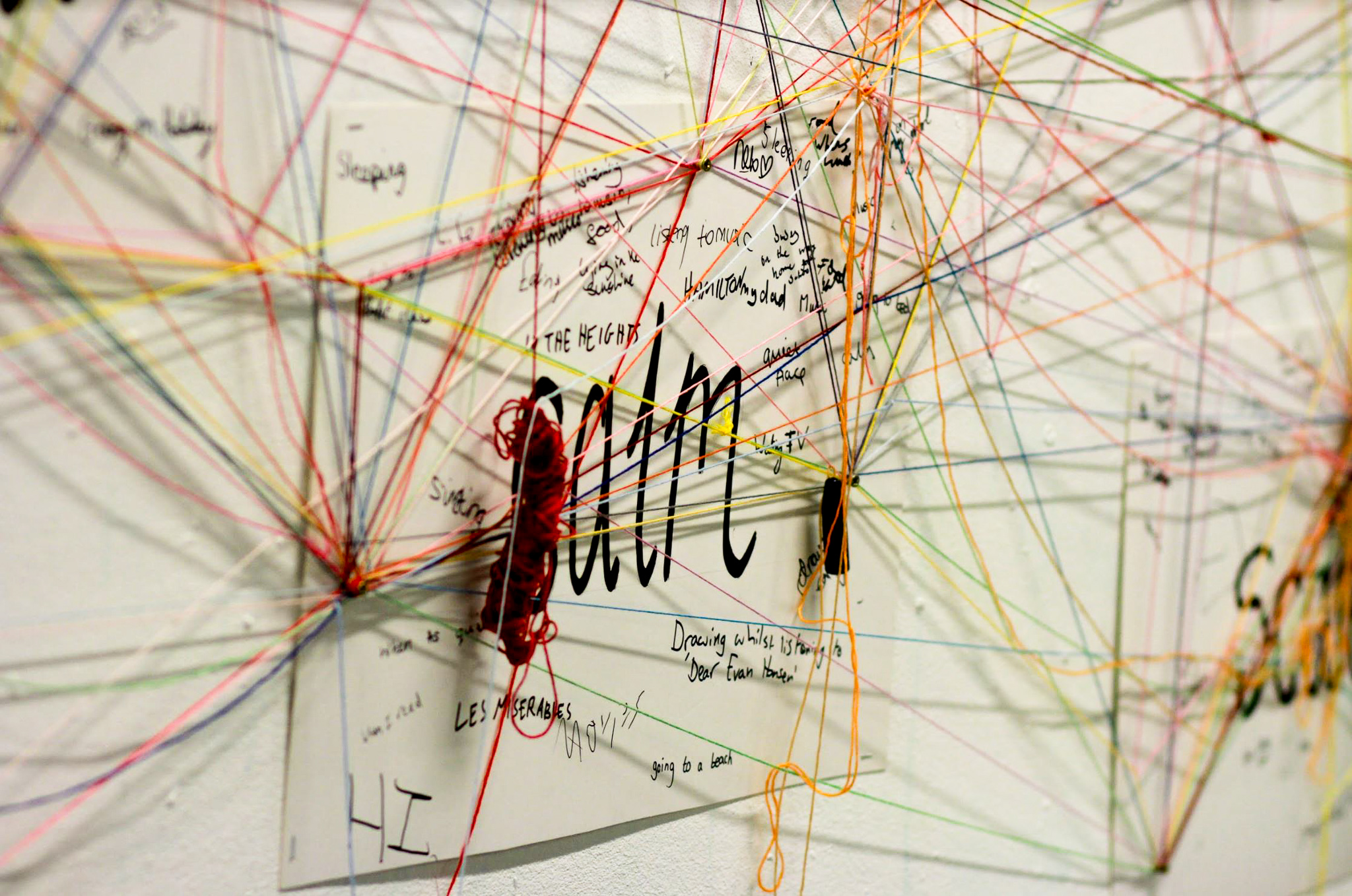
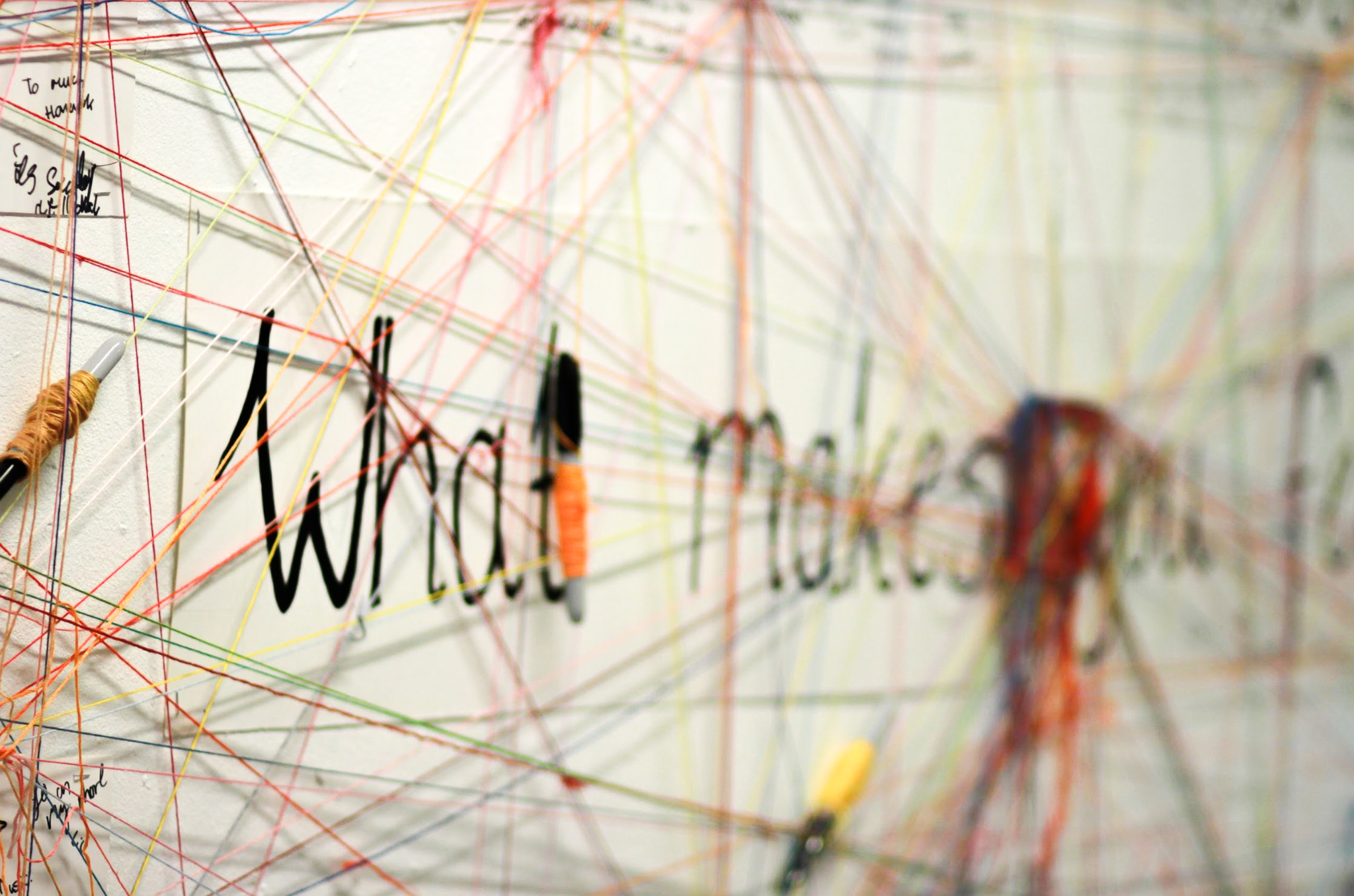
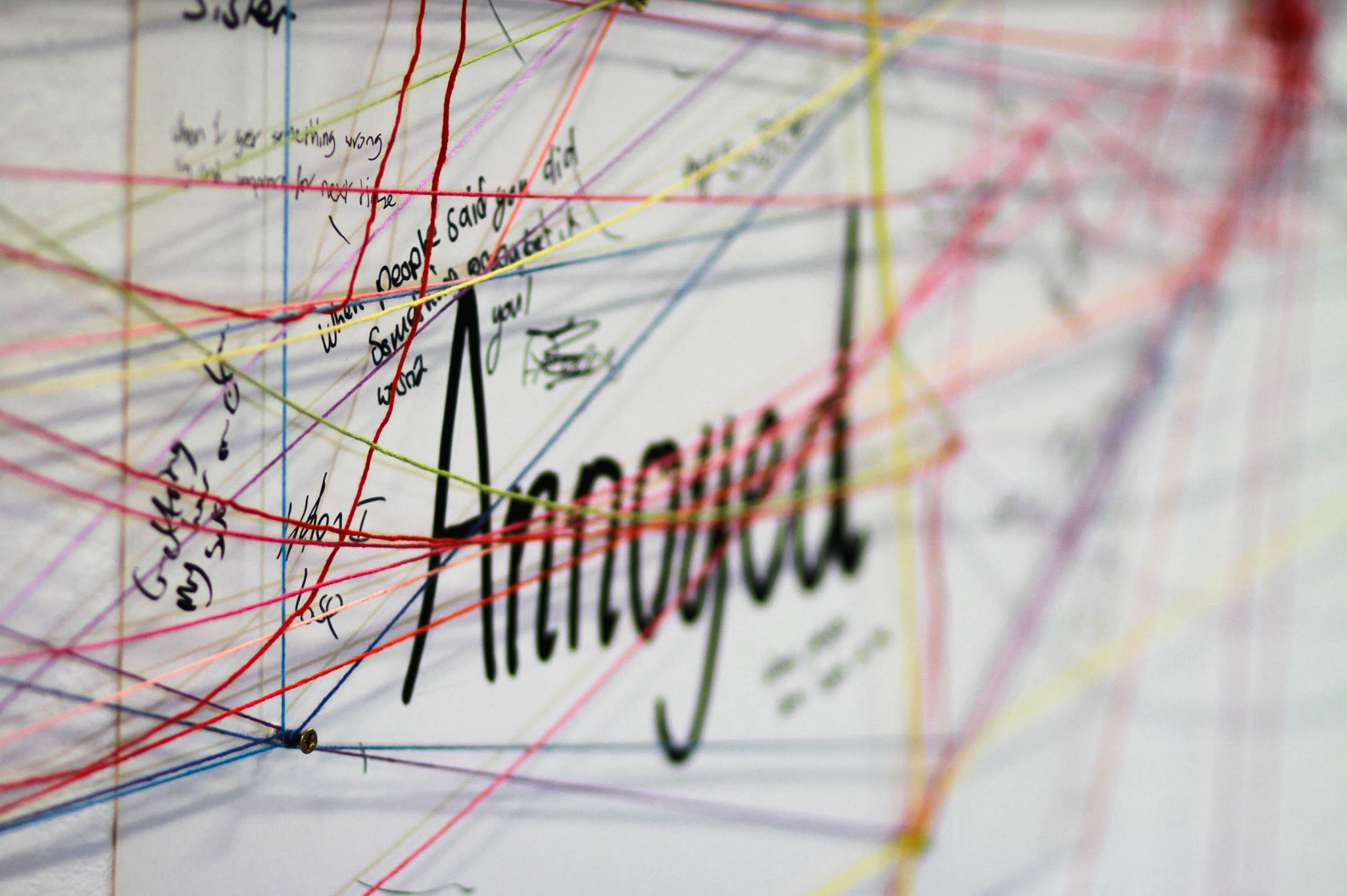
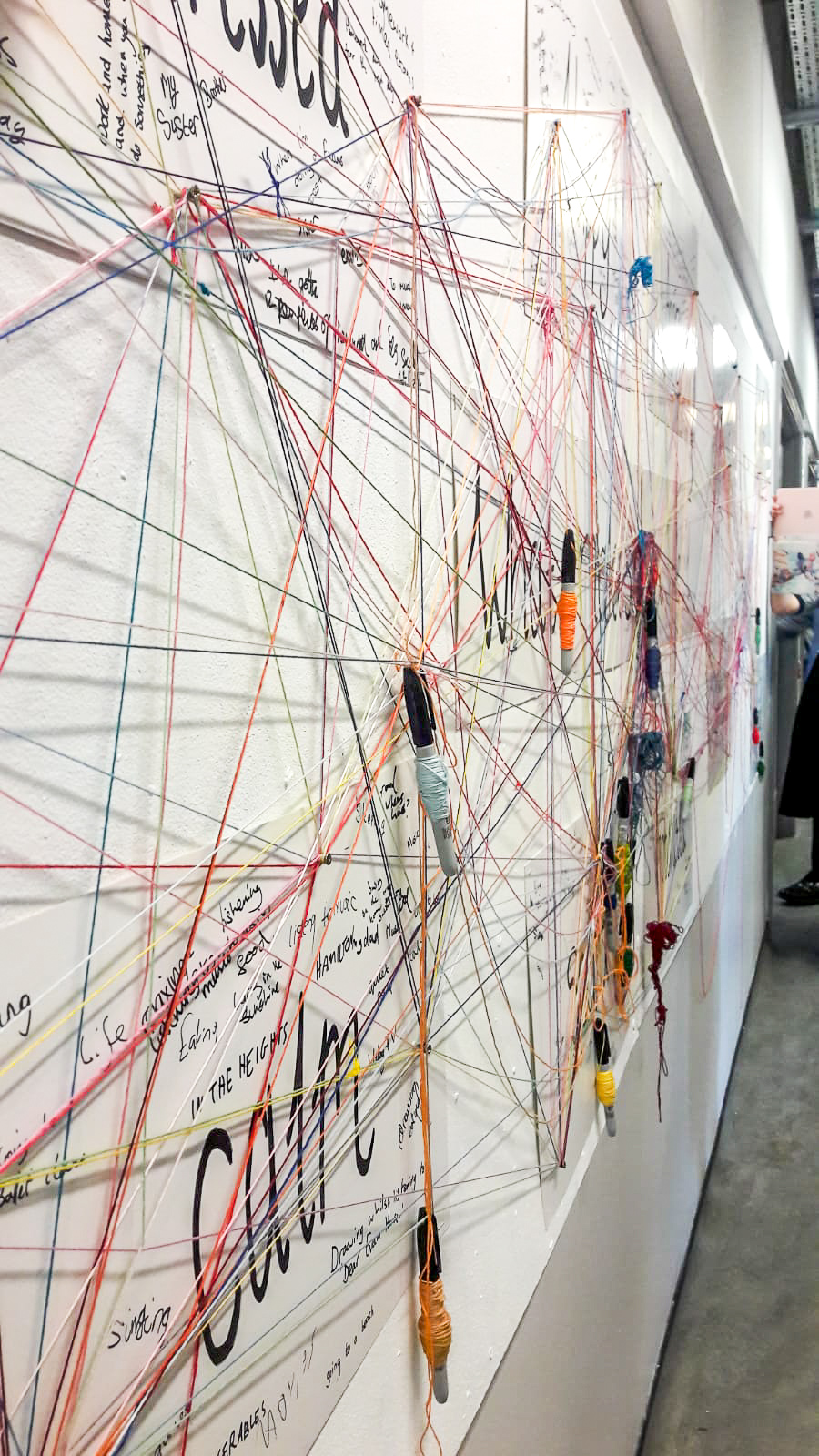
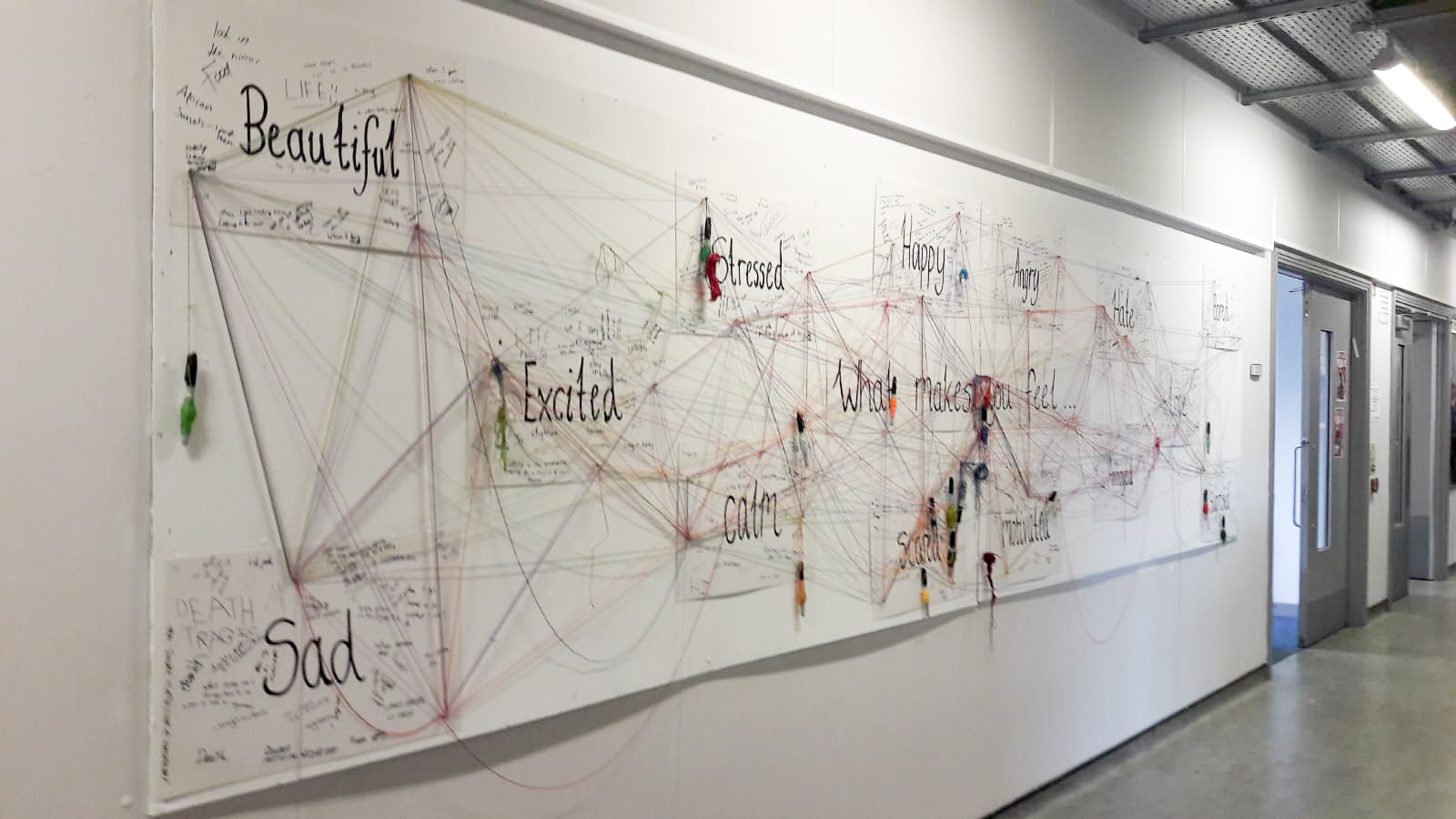
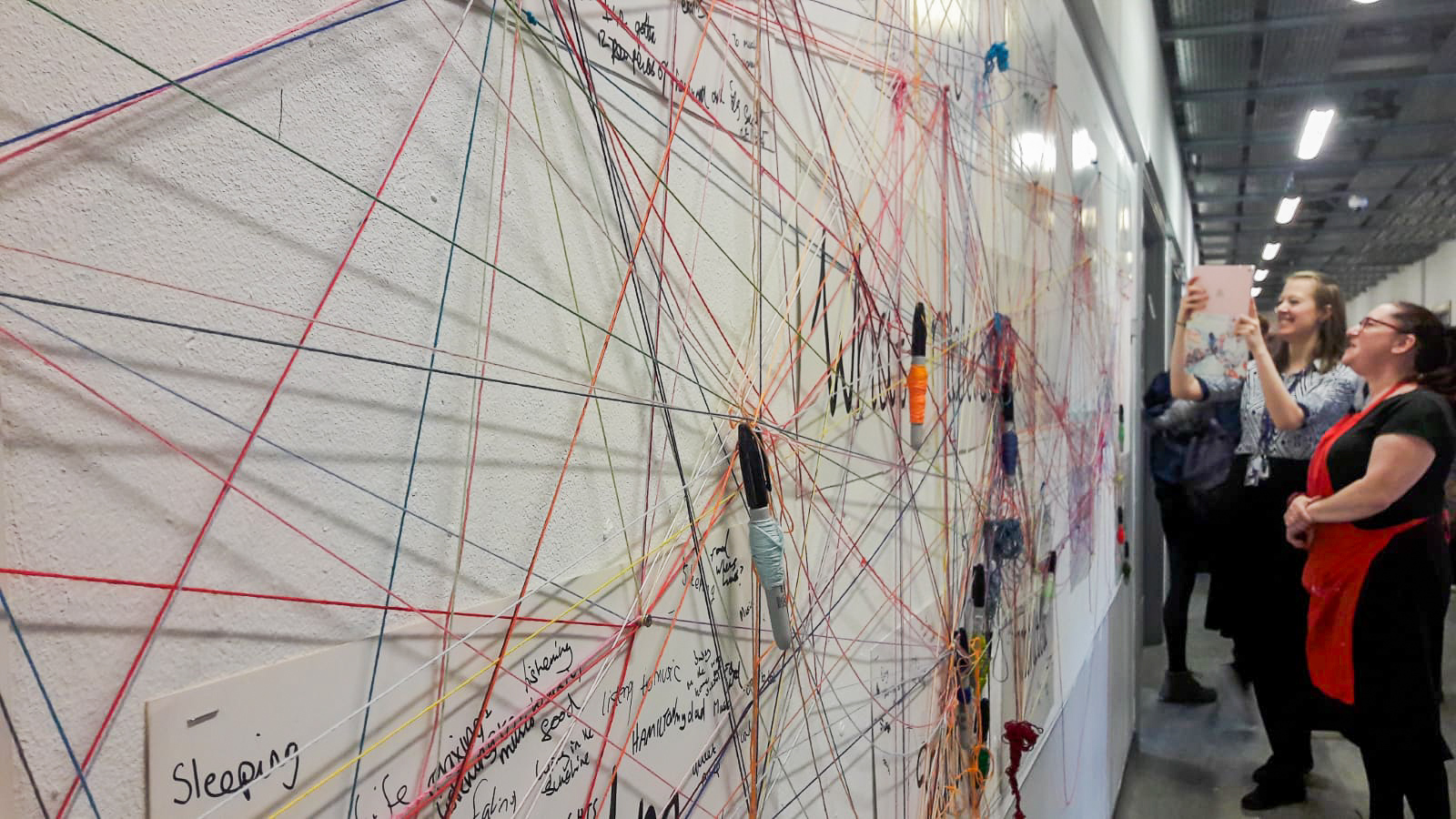
The final display!
The art teachers were delighted with the outcome which they now have displayed in their school corridor outside the art department.
Feedback?
Ways this workshop can be developed and improved? What did I learn?
This workshop was delivered with a large group of year 7’s.
It was a successful outcome – however I feel that this would be a better option for a smaller group of an older age. Why?
Because a smaller group would allow a less chaotic jumbled session, and allow more space to physically do the activity, as well as mental space to think more in depth about the activity. An older age group would be more aware of themselves and their emotions – so this would help having more in depth conversations with the students about what the activity is about- making connections with your mental health and your emotions, what scenarios or events make you feel…. ?
I think this activity would benefit from developing it into a way to exchange advice and ideas for certain scenarios or emotions?
This idea I developed from the Who? What? How? workshop. The point was to think about:
who is involved? – young people.
What? makes them feel….. or what the situation is that makes them feel….? How? the how is what I would like to develop and work on. I wanted to try make a clear exchange of advice and suggestions that young people could give to each other based on their mental health that involve emotions and scenarios. This wasn’t so clear to the year 7 group, and they focused on answering the base questions: What makes them feel (insert emotion) ?
A way I could develop this is:
-Use different coloured pens? people could go to each answer written down and reply in a different colour suggestions that they have?
-In a smaller group with an older age maybe this could be made into a self led discussion based workshop where they create the mind map themselves based on what they want to talk about regarding mental health.
These are all things to think about to help develop this workshop. It definitely was successful for the year 7 group but it has a lot more potential to be pushed further.
 Exploring Arts For Health
Leave a comment