Cinematic photography
This workshop was planned and delivered by Freya inspired by cinematic photography, which is linked to her practice.
I assisted the workshop alongside Freya.
The workshop is designed to discuss how photography can be used in an arts for health context where the students can re create dramatic scenes related to mental health and challenges young people face e.g. pressures of social media, bullying etc. and capturing these moments which we can then use to have a conversation and discuss ways we can re create those moments to prevent or help these situations.
Aims & objectives:
Aims: To explore different mental health challenges that young people face and re-create a scene to demonstrate these possible real life scenarios – discussing ways we can prevent these scenarios from happening and ways arts for health can apply to help tackle these issues.
Objectives: The students are given a scenario to re-create e.g. bullying, when they hear the word FREEZE, the group have to freeze in the scenario as they are and the photograph is taken.
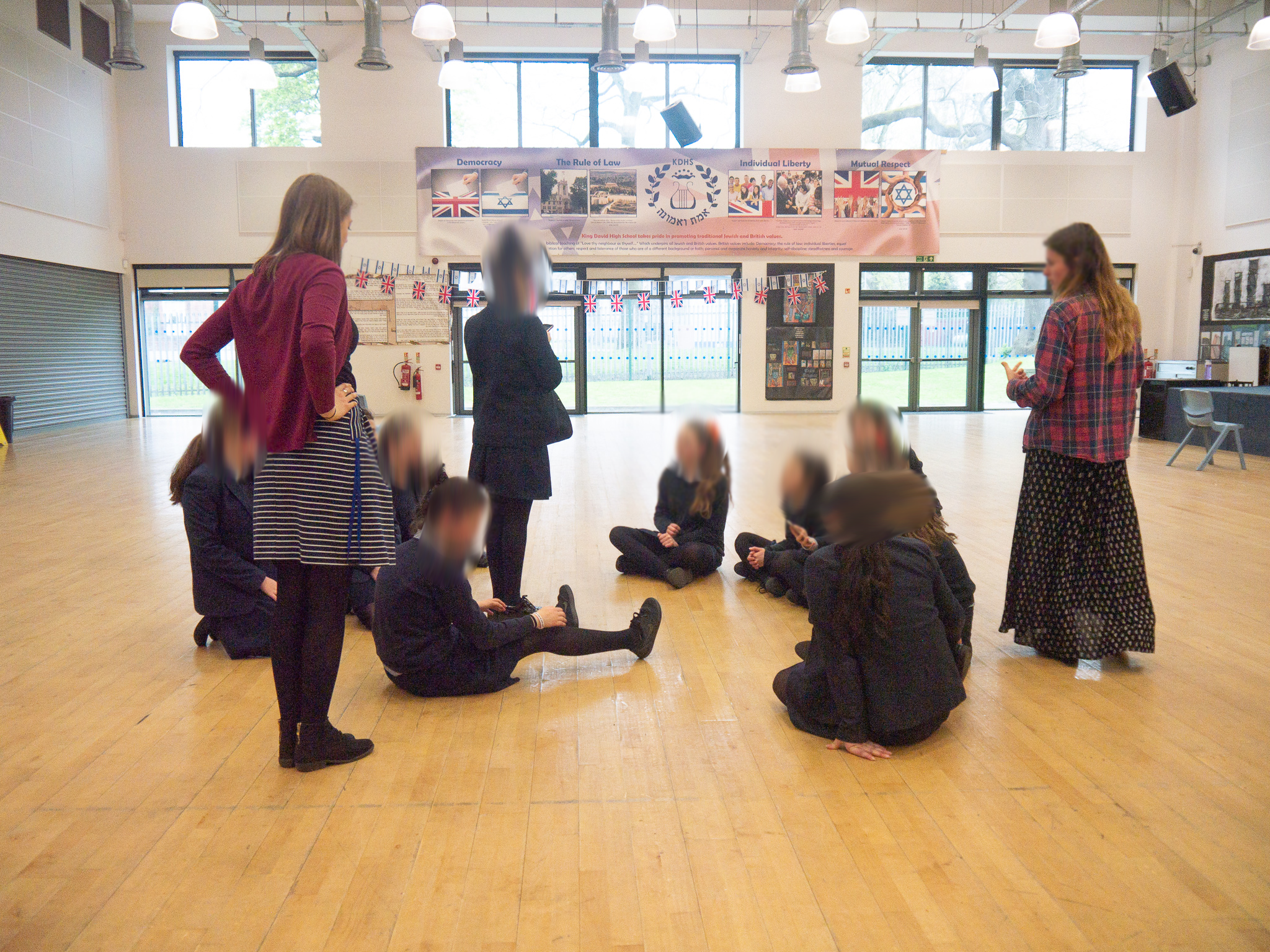
This was a year 8 class of 20 students.
The students were split into two groups, and they were given permission by their teacher to capture the photographs on their phones.
Warm up exercise:
To get the students warmed up and in the head space, we did a quick warm up activity with the whole group where we shouted out a scenario e.g. the beach/the gym/ rain forest, and the girls had to create the scene.
We then had a open discussion about mental health and challenges young people face. The scenarios were led by the students, and they were given a platform to direct the project so they would get the most from the session.
Here are some images that I captured of the students creating different scenarios based around bullying, social media pressures etc.
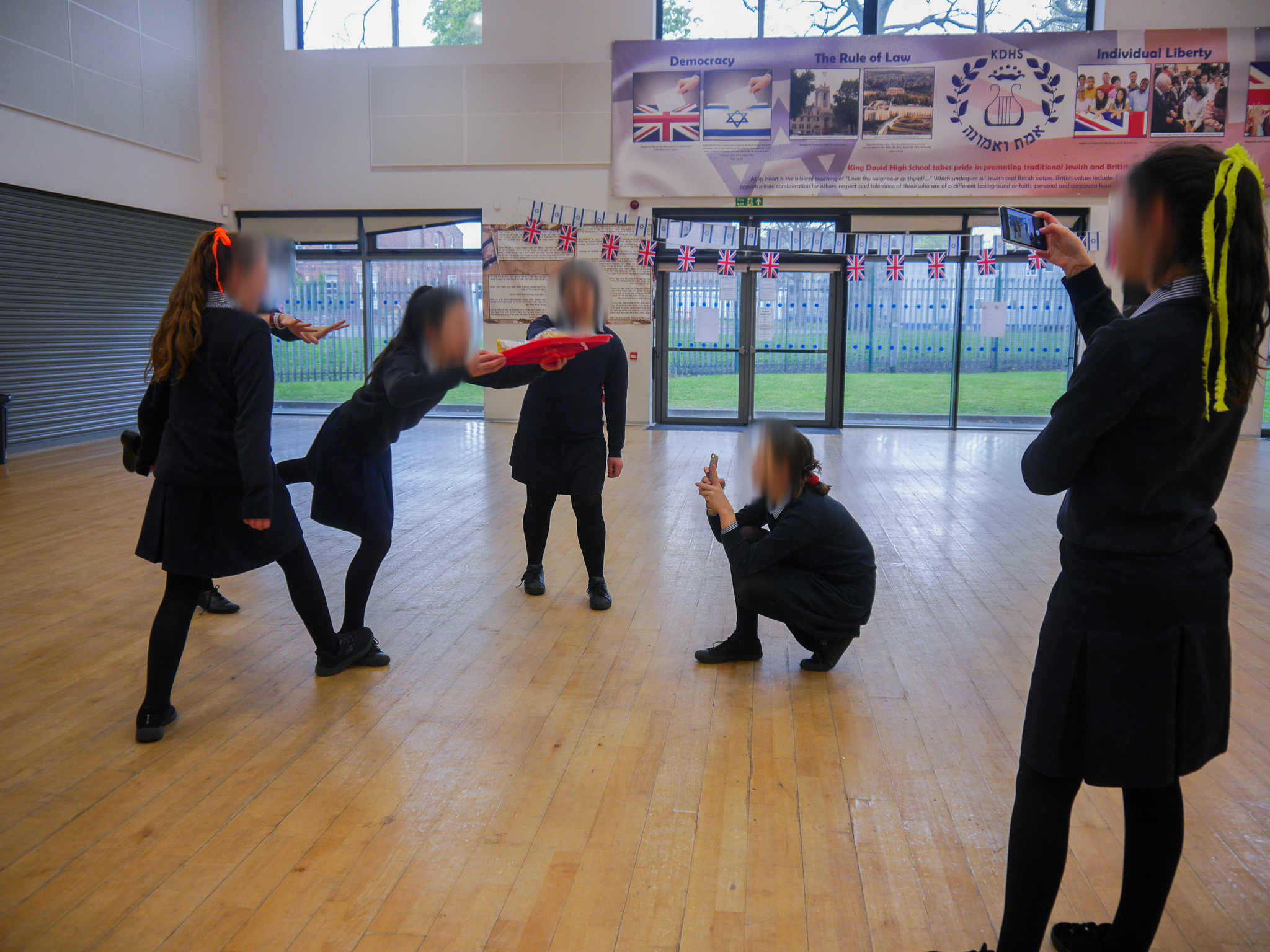
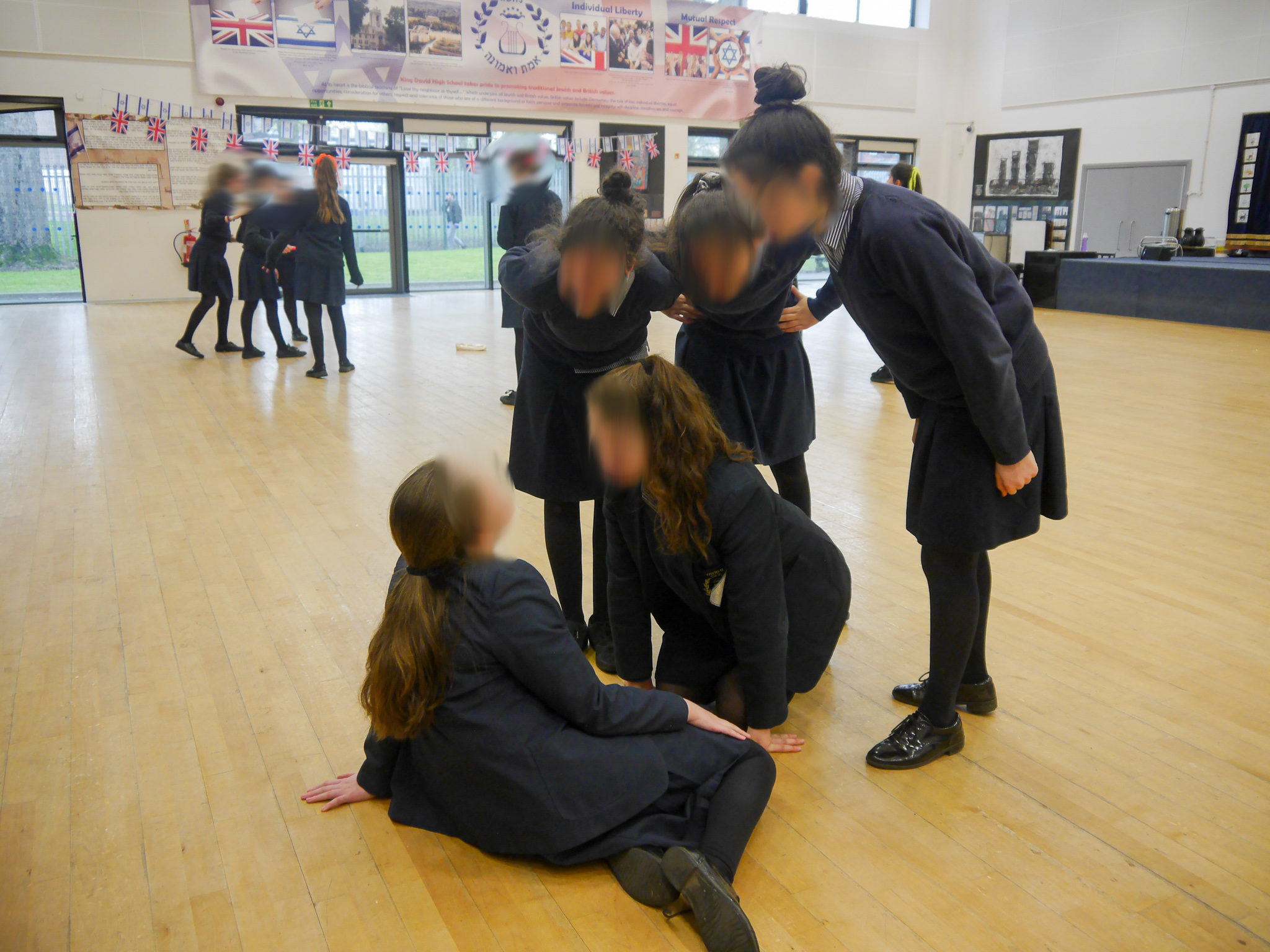
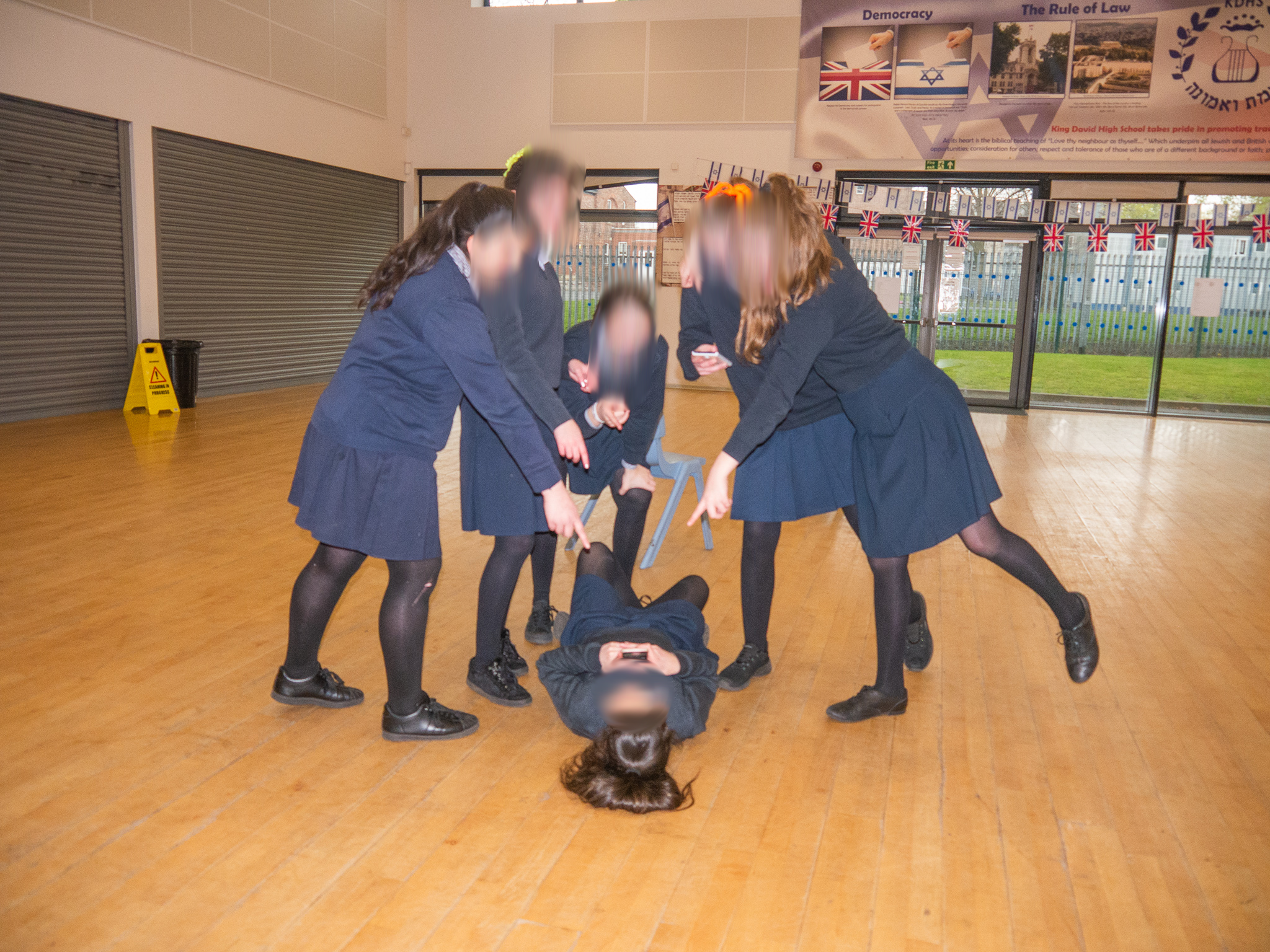
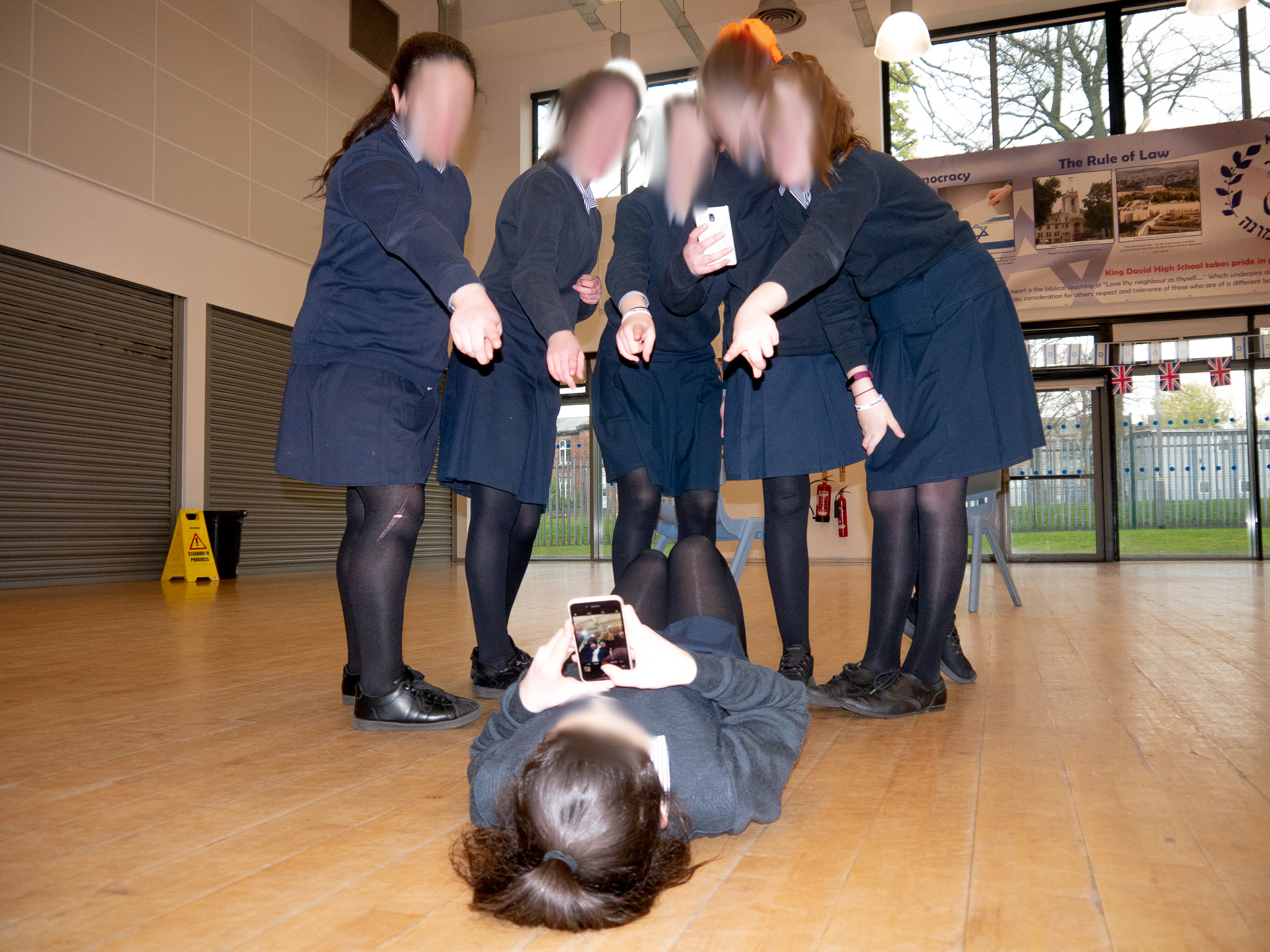
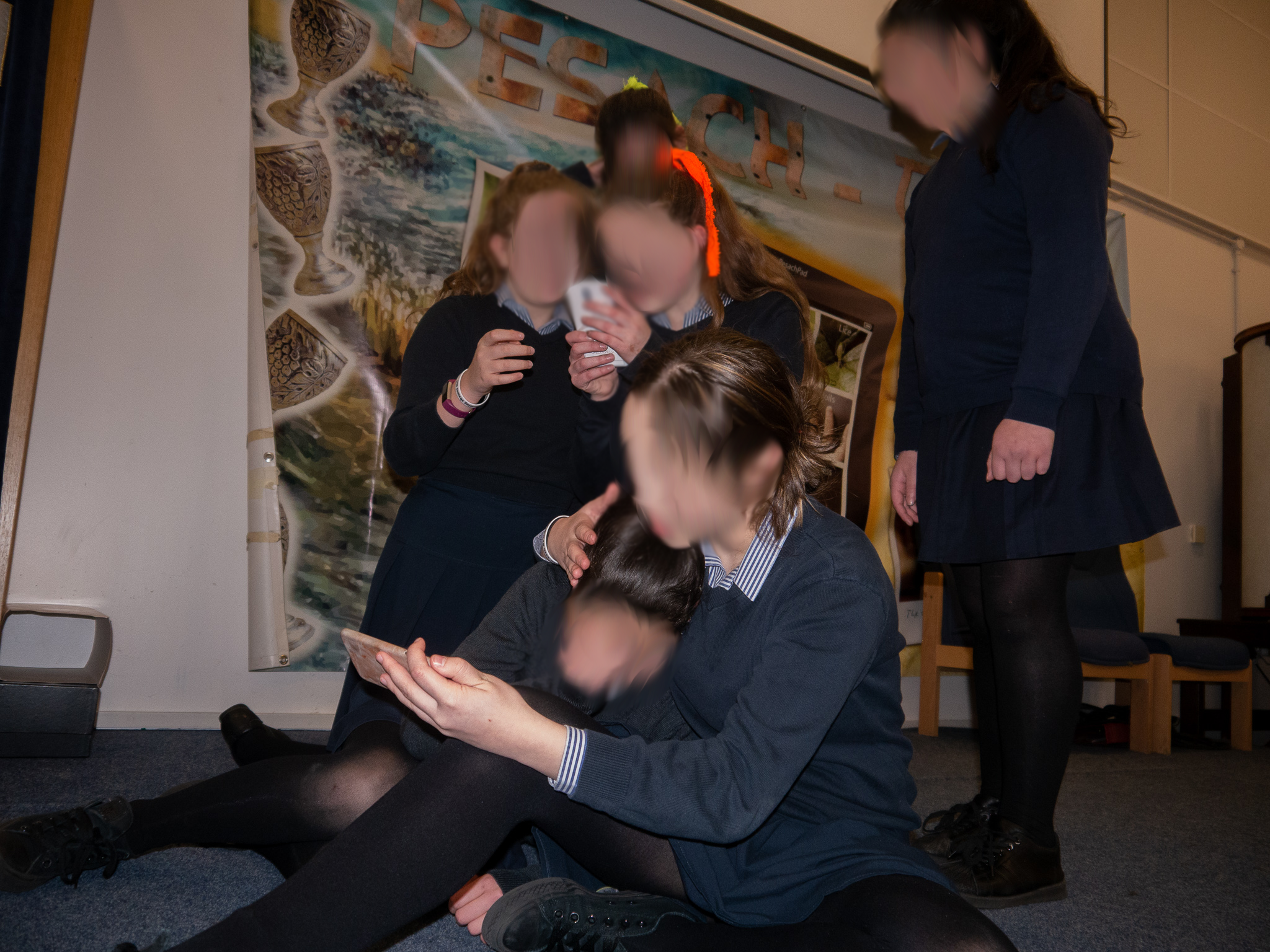
We then got the students together to preform the scenes to each other and have an open discussion and Q&A of each others still scenes that then created.
We then got the students to show each other the cinematic photography that each group had captured on their phones.
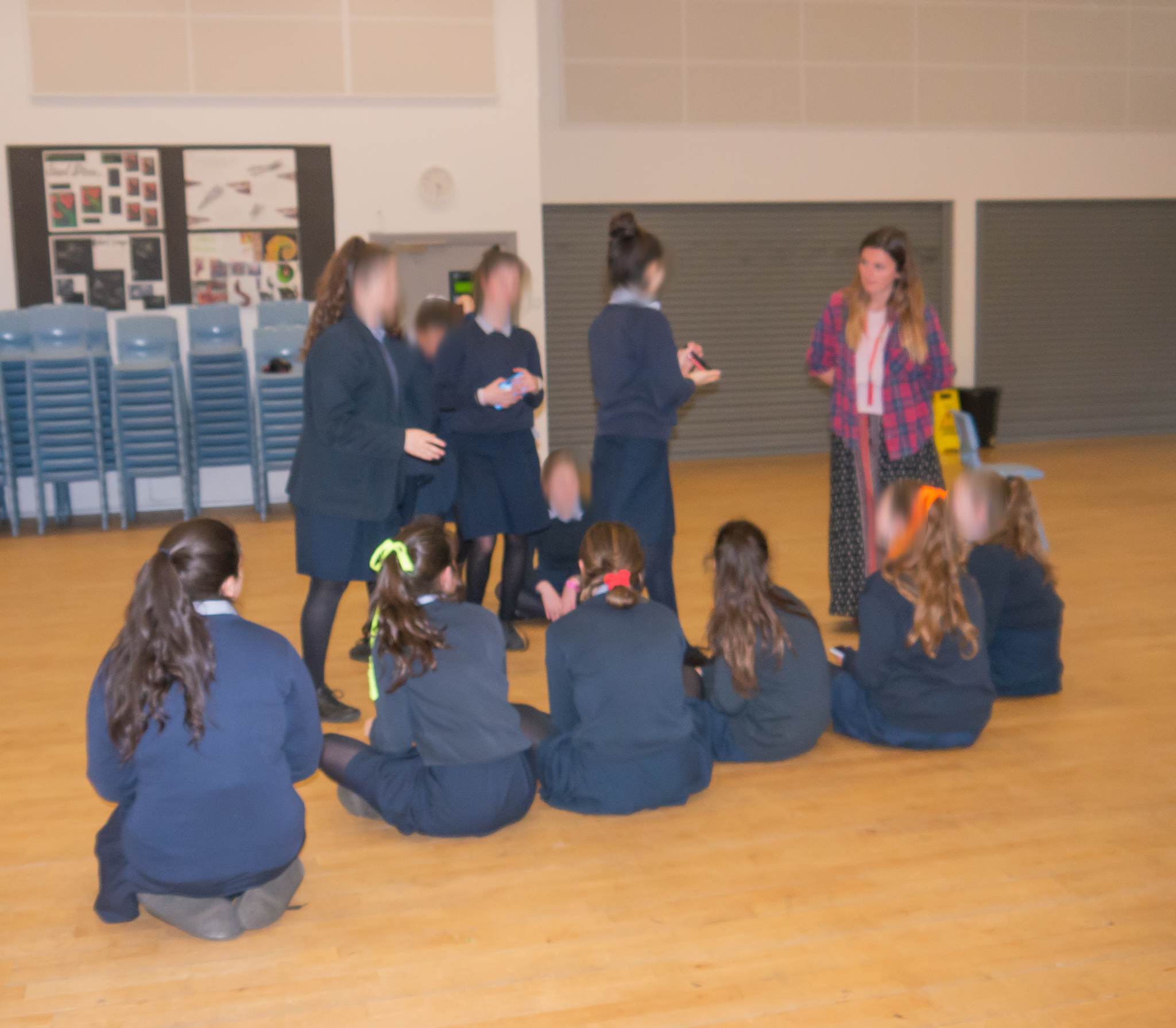
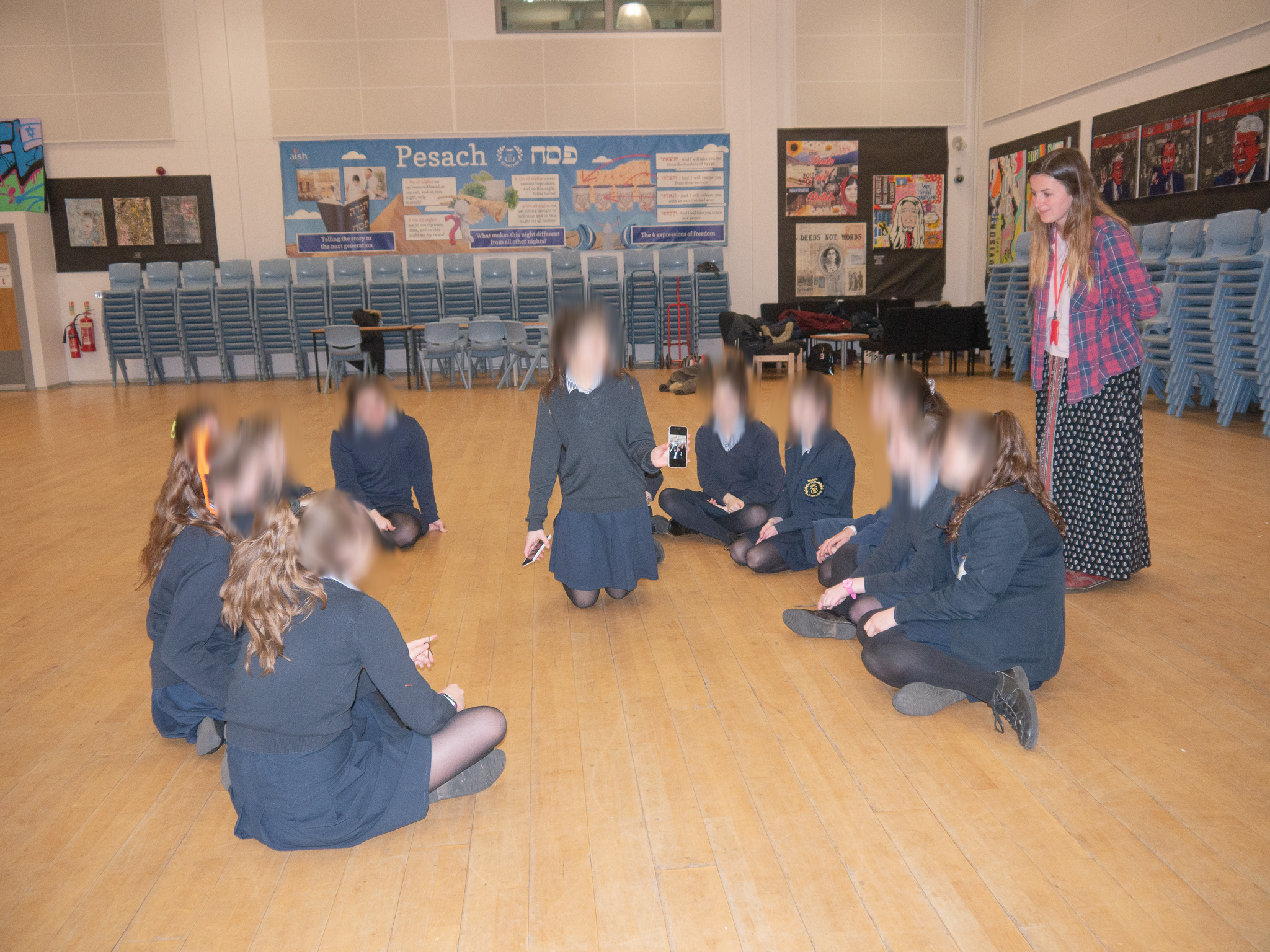
We gave all the students photography consent forms but unfortunately none of them brought them back as there was a half term holiday gap in between. I tried to organised with the teachers for the students to send the photographs they took on their phones to the teachers, which they would forward to us. The photographs they took were really well captured, as we encouraged them to think about angles and perspective. Unfortunately due to the holiday break these pictures never came through. I could not give out my email as this would be a safeguarding issue, so we have had to make do with what I captured during the session.
What did I learn? What could be developed?
This was a really fantastic session that the students thoroughly enjoyed – The group was well behaved and a good match for this workshop.
I definitely think that the workshop could have a lot more structure to it to give the students some boxes to tick, or perhaps work with them to create their own structure which they could follow. We were lucky with the group that we got to do this workshop with, but I think providing more of a structure would help a group that find it harder to work together more of a focus and something to accomplish – instead of it being completely self led, which works in a group that know each other well, but not all groups are like this one.
To create a supportive structure I would start the workshop off with a focused discussion and get the groups to think of scenarios and to write them down and start planning them together – then after give them the floor to practice these scenarios and then show the other group. This may be a better arrangement so the group get to know each other more and what they are comfortable with etc. As well as setting out a plan to act out, rather then trying to figure it out around the room which can get a little chaotic.
This workshop worked really well for this group, and it was important to see how arts for health can be accessed in different forms of the arts. Arts for health involves craft, dance, music, theatre, painting, drawing, making etc. It was a great experience co-leading a workshop that involved movement and photography, a nice contrast to the other workshops that involved making or drawing.
 Exploring Arts For Health
Leave a comment