My notes on our meeting:
We met up in eighth day cafe with artist and art psychotherapist Sarah Greaves. Sarah is the leading artist in the running project ‘The other in mother’ which focuses on maternal transitioning, what it’s like to be a mother.
This transition of becoming a mother can be challenging for many women. some of the challenged they face can be: mourning the loss of the life they had before, Strained relationship with their partner, lack of sleep etc.
Sarah described that when a woman gets pregnant they ‘become a vessel’, and this can be psychologically difficult.
Postnatal depression.
The project was created to build a narrative around motherhood, and encourage conversations and discussions on the highs and lows – the real experience.
“It’s not failing. It’s a process. It’s hard”
“you are allowed to feel sad, you have lost parts of yourself”
http://www.theotherinmother.co.uk/
The project involved lots of research with counsellors, psychologists, researchers and academics, finding out the science and psychology on what happens during this psychological transition.
http://arc-centre.org/tag/the-other-in-mother/
The project took place for 6 weeks in Arc.
Sarah took on the role as the artist (not an art therapist)
As part of Sarah’s research, she put out on social media a campaign asking women to think about an object that represented their maternal transition & why.
Using some guidelines on how to take the photograph, accompanied by a description of why that object has been chosen.
Each object that was posted told a story, you can see this work here:
https://www.instagram.com/theotherinmother/?hl=en
The project created a network of mothers who could give each other peer support and reflect their experiences with each other, creating a safe space to share stories.
Shocking fact: Suicide is the leading cause for maternal deaths.
https://www.cambridge.org/core/journals/the-british-journal-of-psychiatry/article/suicide-the-leading-cause-of-maternal-death/7D7D78E8E7F515E2749C21366BF00C71
It is important to look after and the well being of the mother and baby during this time.
Being a mother can be isolating and can have negative impacts on the mothers mental health, so projects and groups like these help bring the women together and mutually support each other and work together on something they can all relate to.
Sarah also runs art groups for adults in a mental health hospital. She facilitates art studio sessions for the patients, allowing the participants to explore materials and different artists, which helps to develop their artistic vocabulary which helps within art therapy sessions. – This technique is brilliant and also helps to engage the individuals in art which is not for therapy, but for themselves.
We discussed during the meeting how there are many adults who haven’t ‘done art’ since their childhood as the education system provides a poor experience of art. This can result in some people finding art intimidating and ‘not for them’. Artists like Sarah aims to open up the arts and create an inviting environment, encouraging everyone to have a go and take part.
Give people boundaries and perimeters – helps participants to feel safe and free to engage.
This is something that I hope to do as well within my career as an artist!
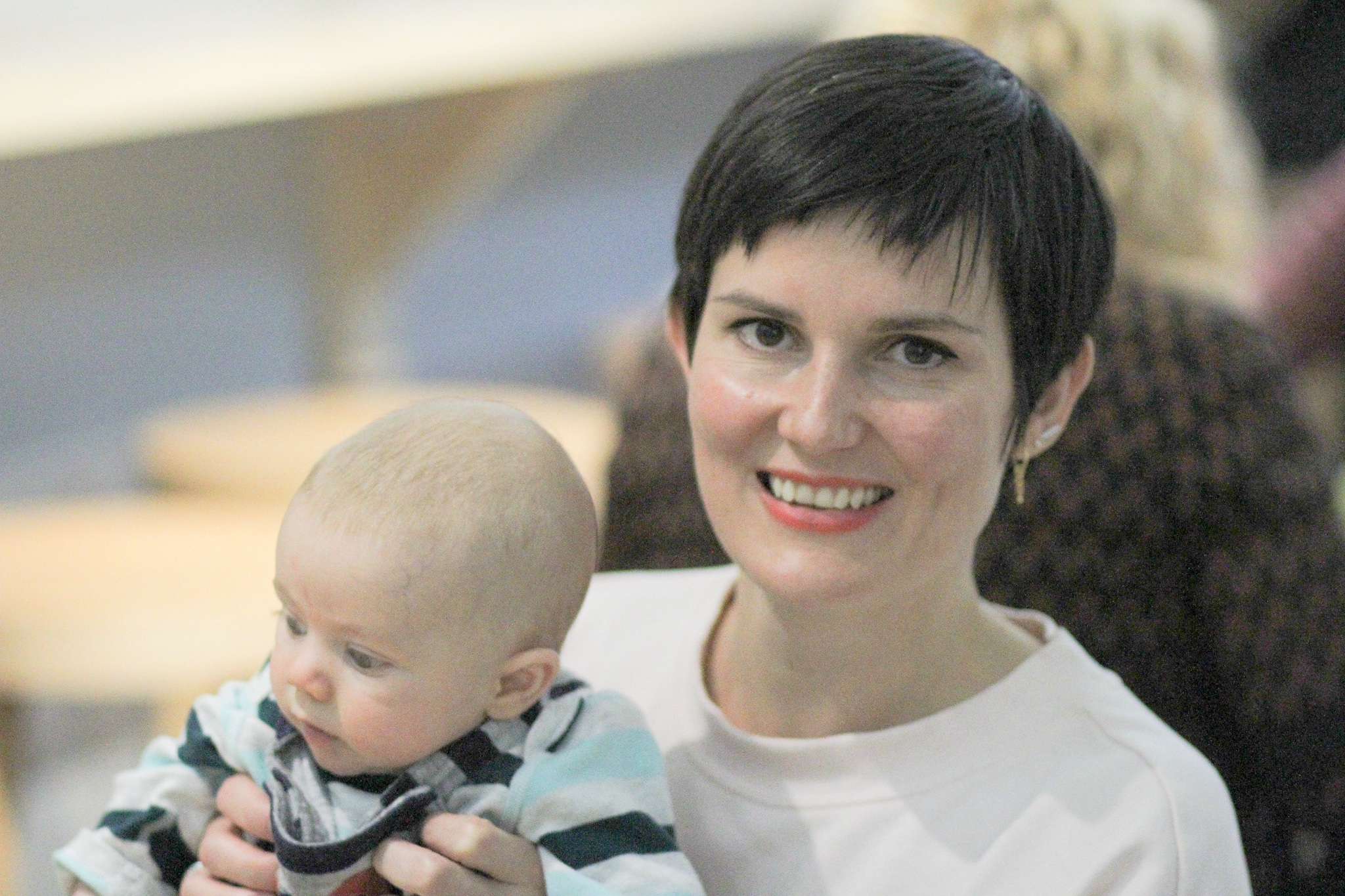
During the meeting we discussed the differences and connections between art therapy and arts for health.
What we discussed:
Arts for health tends to be in a more social environment, whereas art therapy is generally quiet and focused.
With Arts for health, it’s about creating and making, where as art therapy involves a therapeutic change, and a lot of questions. How the past effected your current situation.
There are many grey areas, but over all arts for health focuses on working with people to support their overall well being, whereas art therapy works with people and sees them for their diagnostic.
I am hoping to further my studies one day with a postgraduate in Art therapy, so speaking to Sarah and building a connection has been so valuable as she has experience to help guide and advise me. Sarah advised I book on to an Art therapy foundation course, one of which she runs at the Lowry. This will help me to get an experience of what Art therapy is like. This is something for me to consider later on:
https://www.baat.org/Courses-Conferences/Introduction-and-Foundation-Courses
Sarah has worked with:
young people & young people with disabilities.
Young carers
young mothers
Alternate creative education for children struggling in the traditional school system.
Using art as another means of expression, for others to see, acknowledge, and understand. A type of visual communication.
Questions I asked Sarah,
1. What does Arts for health mean to you?
Being creative is fundamental to being human, it’s about self expression, a perspective of self and the world around you. The Arts are an important for tool for social change. The arts also help people to deal with all the changes in the world, build confidence and connections with others.
2. How do you see the future of arts for health?
There is an increasing amount of funding which is important to be able to pay for artists. I’d like to see more work with people in hospitals, making art accessible. I’d like to see a lot more projects and an increase of social prescribing – arts on prescription. It is vital we move away from medicating people and leaving them feeling isolated and alone.
 Exploring Arts For Health
Leave a comment